
If you’ve ever had to skip a workout, cancel a dance class, or pause your training because of joint pain, you know just how frustrating recovery can be. For active people—whether you’re a weekend runner, yoga devotee, or someone who just likes moving with ease—joint injuries feel like a full stop. But recovery doesn’t always mean surgery. In fact, more athletes and fitness lovers are turning to non-surgical solutions that help them heal smarter, faster, and with less disruption.
From platelet-rich plasma (PRP) therapy to targeted physical rehab, the right approach can restore strength and reduce pain—without going under the knife. Clinics like the Center for Regenerative & Performance Medicine (C4RPM) are part of a growing movement toward regenerative treatments that meet the needs of active, performance-minded individuals.
Let’s take a closer look at the most promising non-surgical treatments that keep you moving without slowing you down.
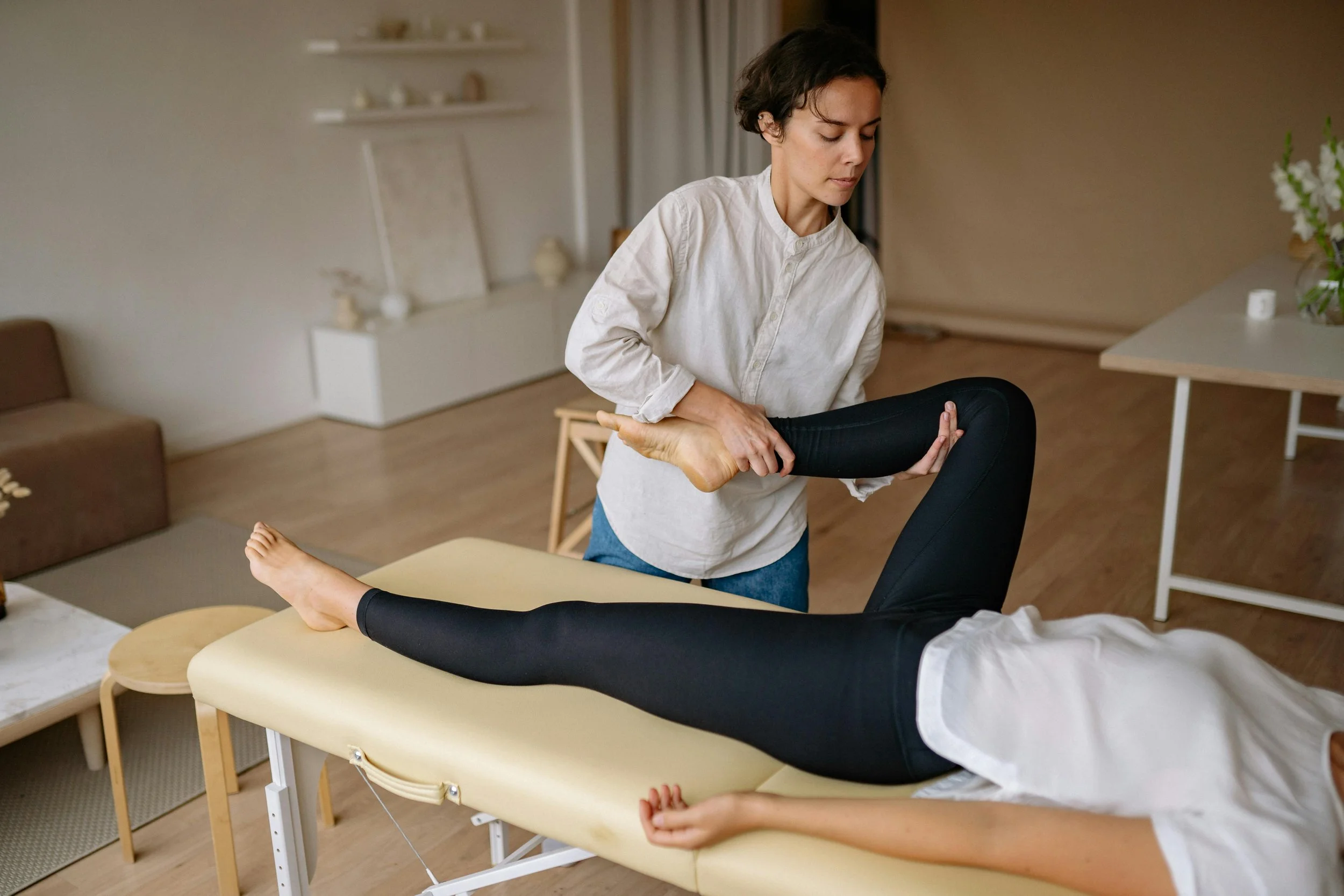
PHOTO CREDIT | Pexels/Yan Krukau
Understanding Joint Injuries in Active Lifestyles
Before we talk solutions, let’s talk joints—specifically, the ones that take a beating during workouts and performance routines. Knees, shoulders, hips, and ankles are the usual suspects. Whether it’s a repetitive-use injury or a sudden strain, these joints carry a lot of wear and tear.
Common culprits include:
● Runner’s knee (patellofemoral pain syndrome)
● Rotator cuff tendinitis
● Achilles tendinopathy
● Hip labral tears
● Torn or overstretched ligaments
Surgery used to be the default for many moderate-to-severe injuries, but downtime, risk, and recovery periods turned a lot of people off. Non-surgical alternatives now offer an effective middle ground—especially when started early.
Why Skip Surgery?
Here’s the truth: Not every injury needs a surgical solution. For many soft tissue and joint conditions, the body can repair itself with the right guidance and support. That’s where non-invasive medicine comes in.
Benefits of non-surgical treatments:
● Minimal to no downtime
● Lower risk of complications
● Preserves natural joint structure
● Promotes natural healing
● Can be repeated or combined with other therapies
Plus, for people who live an active lifestyle—especially those who rely on movement for mental health, work, or identity—skipping the scalpel often means staying connected to their community, their routine, and their goals.
The Power of PRP: Platelet-Rich Plasma Therapy
One of the most exciting tools in the non-surgical space is PRP therapy. This treatment uses a patient’s own blood to jump-start healing in injured joints and tissues.
How It Works
● A small amount of blood is drawn from your arm.
● It’s spun in a centrifuge to isolate platelets and growth factors.
● The concentrated PRP is injected into the injured joint or tendon.
● The growth factors stimulate tissue repair and reduce inflammation.
PRP has been used by elite athletes for years—and now, it’s more accessible than ever. It's particularly effective for treating chronic tendon injuries like tennis elbow, plantar fasciitis, and osteoarthritis in the knee.
Who It’s For
PRP is best suited for people who have:
● Mild to moderate joint pain
● Partial tendon or ligament tears
● Chronic inflammation
● Degenerative conditions like early-stage arthritis
It’s not an instant fix, but many people notice real improvements after just one or two sessions.
Physical Therapy: The Unsung Hero of Recovery
If PRP is the firestarter, physical therapy (PT) is the long burn that keeps things healing. PT isn’t just about massage or stretching—it’s a science-backed strategy to restore function, strengthen supporting muscles, and improve mobility.
What Modern PT Looks Like
● Personalized movement analysis
● Joint mobilization techniques
● Targeted strengthening and stability exercises
● Neuromuscular re-education
● Modalities like dry needling or cold laser therapy
The best part? You don’t have to be “injured enough” for surgery to benefit. Early PT can prevent a minor strain from becoming a long-term issue.
Regenerative Medicine Beyond PRP
PRP might be the poster child of regenerative therapies, but it’s not the only player. Depending on the severity and location of your injury, your provider might suggest options like:
Stem Cell Injections
Harvested from your own bone marrow or fat tissue, these cells can be injected into joints to aid regeneration. While still under study, some athletes report significant relief from pain and improved joint function.
Prolotherapy
This involves injecting a dextrose (sugar) solution into the affected area to trigger a healing response. It’s been used for decades for ligament and tendon pain, particularly in the back, knees, and shoulders.
Exosome Therapy
A newer development, exosome therapy involves signaling proteins that help with tissue repair and inflammation control. While still gaining traction, it’s one to watch in performance medicine.
The Role of Recovery Habits
Treatment doesn’t work in isolation—it thrives when supported by smart recovery habits. Here’s how to boost your results, no matter which route you choose:
● Sleep like it matters. Muscle and joint repair happen at night, not during workouts.
● Stay hydrated. Joints need lubrication to function smoothly.
● Listen to your body. If it hurts (not just sore—hurts), back off.
● Use support gear. Compression sleeves or orthotics can reduce stress while you heal.
● Fuel recovery. Anti-inflammatory foods like turmeric, salmon, berries, and leafy greens support the healing process.
If you treat recovery like a part of your performance strategy—not an afterthought—you’re more likely to stay active for the long haul.
Who Should Consider Non-Surgical Treatment?
Non-surgical care isn’t just for pro athletes. You’re a good candidate if:
● You’re active and want to avoid surgical downtime.
● You’ve tried rest and over-the-counter treatments without success.
● Your imaging shows soft-tissue damage, not full tears.
● You value a natural, body-first approach to healing.
Whether you’re a dancer with sore hips, a crossfitter with cranky knees, or a yoga instructor battling wrist strain, non-surgical solutions might be your best bet.
What to Expect at a Regenerative Clinic
If you’re curious about trying PRP or other non-invasive therapies, it’s worth finding a clinic that specializes in performance medicine. Clinics like Center for Regenerative & Performance Medicine (C4RPM) often blend sports science with leading-edge regenerative tools, tailoring treatments to each individual’s lifestyle and goals.
During your first visit, you can expect:
● A comprehensive joint and movement assessment
● Review of past injuries and current symptoms
● Imaging if needed (MRI or ultrasound)
● A treatment plan that may combine regenerative therapy with PT or lifestyle coaching
It’s not about “quick fixes”—it’s about rebuilding the body so it works better, longer.
Real Talk: What Non-Surgical Treatment Can and Can’t Do
Let’s set expectations. Non-surgical care isn’t magic. Some injuries—like complete ACL tears or advanced joint degeneration—do still require surgery. But many mild to moderate issues can be treated effectively without one.
What it CAN do:
● Reduce pain and inflammation
● Restore function and mobility
● Delay or prevent the need for surgery
● Get you back to activity faster
What it CAN’T do:
● Fix structural deformities or full ruptures
● Replace joint replacements in severe arthritis
● Work instantly—healing still takes time
The key is starting early and sticking to the plan.
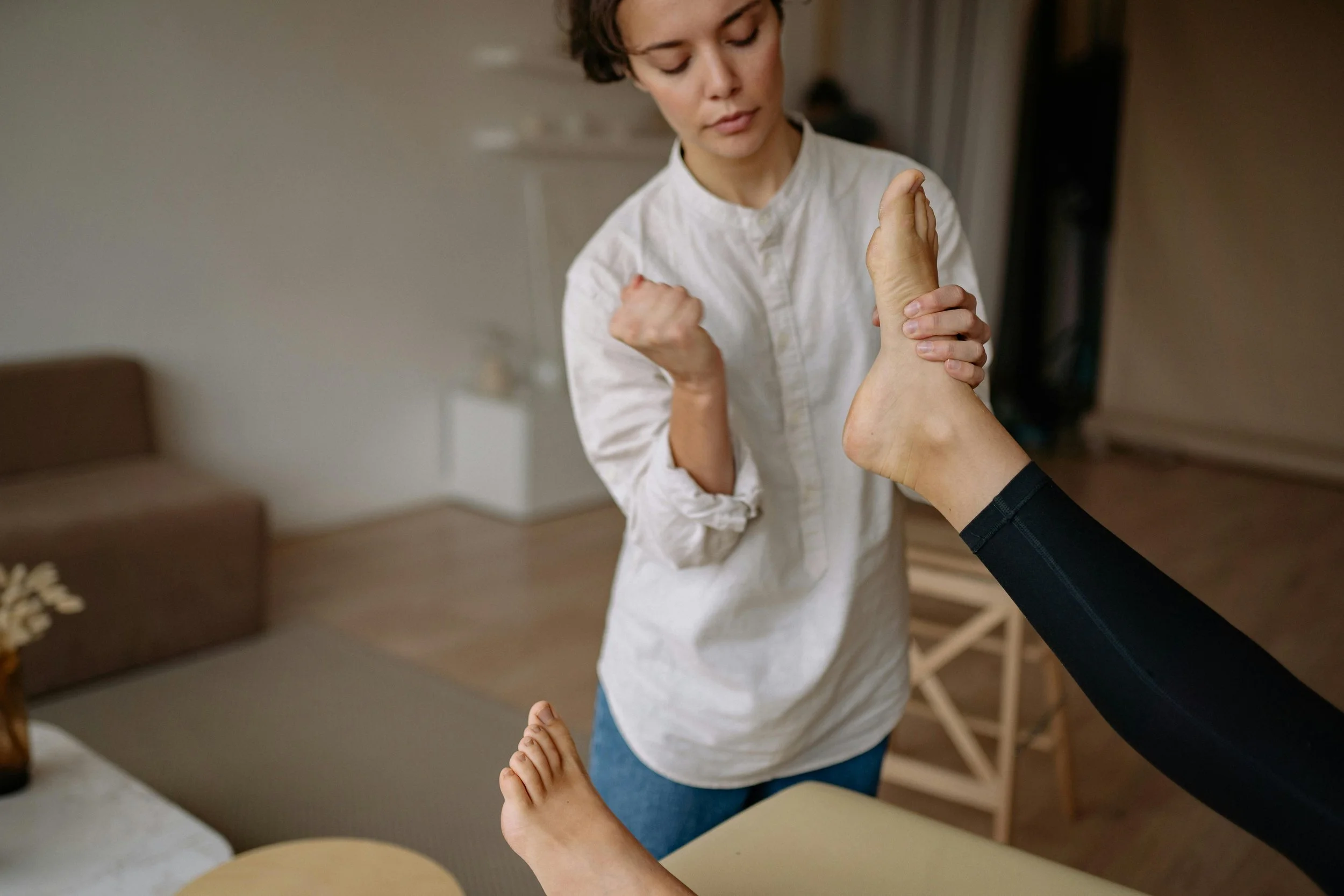
Photo Credit | Pexels/Yan Krukau
Final Thoughts: Keep Moving, the Smart Way
Movement is part of who you are—whether you express it through performance, fitness, or simply enjoying a life without pain. The good news is, non-surgical joint care lets you stay connected to your lifestyle without sacrificing your health.
So if you’re dealing with persistent joint pain, don’t rush into surgery. Explore your options. Talk to a specialist. And give your body the chance to heal on its own terms—with a little support from science.