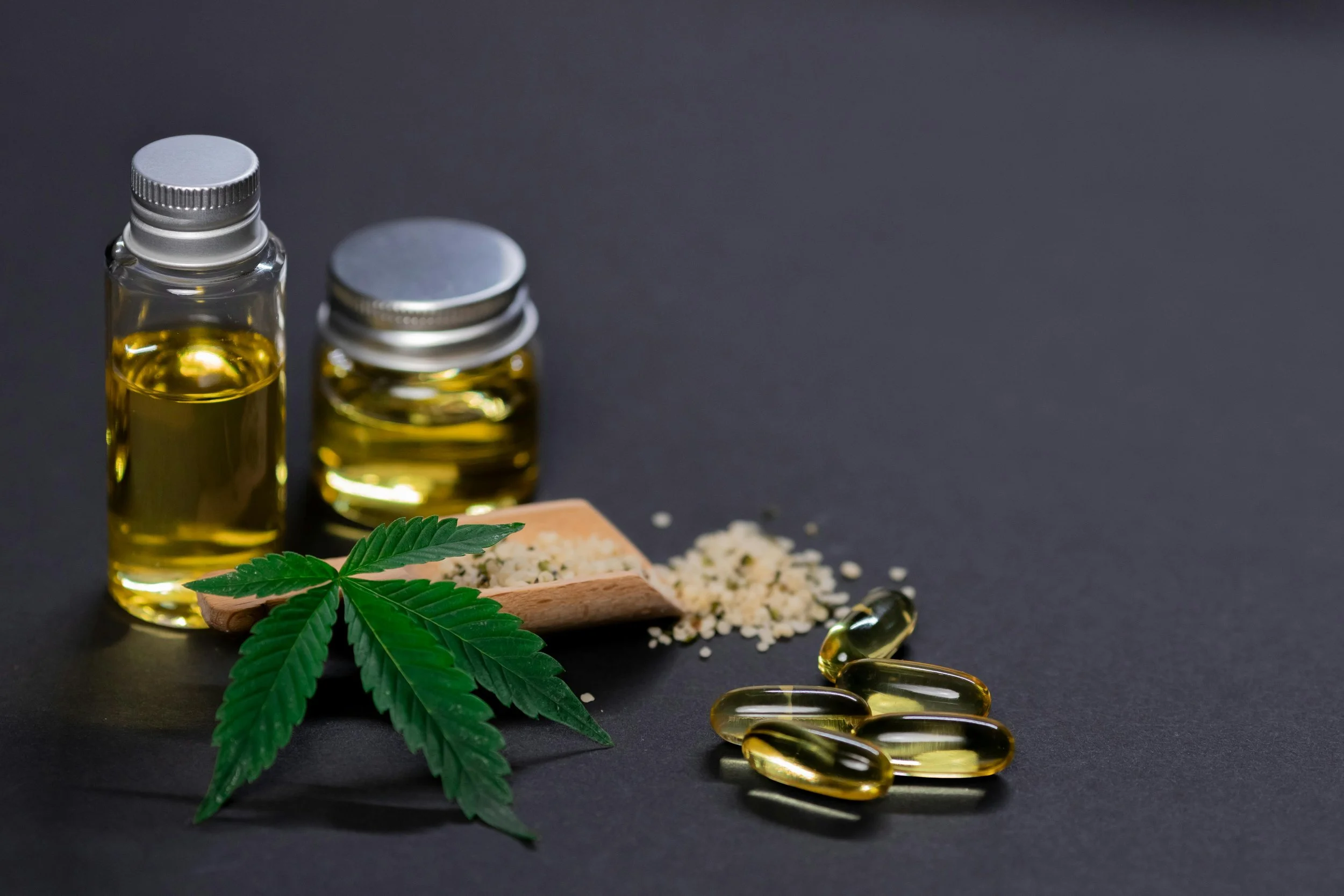
Cannabis research continues to evolve, revealing both promising health benefits and important side effects that users should understand. This guide explores what current science tells us about cannabis use, helping you make informed decisions about this complex plant.
The Health Benefits of Cannabis
Pain Management
Cannabis shows remarkable potential for treating chronic pain conditions. The plant contains compounds called cannabinoids that interact with your body's endocannabinoid system, which plays a crucial role in pain perception.
Many people find relief from conditions like arthritis, fibromyalgia, and neuropathic pain through cannabis use. THC and CBD, the two primary cannabinoids, work differently to address pain. THC binds directly to cannabinoid receptors in your brain and nervous system, while CBD influences these receptors indirectly.
Mental Health Support
Cannabis can offer significant benefits for certain mental health conditions. Research suggests it may help reduce anxiety, improve sleep quality, and provide relief from symptoms of PTSD. The calming effects of certain cannabis strains can help quiet racing thoughts and promote relaxation.
However, the relationship between cannabis and mental health is complex. While some people experience reduced anxiety, others may find that cannabis increases their anxiety levels.
Neuroprotective Properties
Emerging research reveals cannabis may protect brain cells from damage. Studies suggest cannabinoids could help with neurodegenerative diseases like Alzheimer's and Parkinson's. The anti-inflammatory properties of cannabis compounds may reduce brain inflammation, potentially slowing disease progression.
Some research also indicates cannabis might help with epilepsy, particularly in children who don't respond to traditional treatments.
Cannabis Side Effects
Short-Term Effects
Cannabis use produces immediate effects that typically last several hours. These include altered perception, changes in mood, and impaired coordination. You might experience dry mouth, red eyes, or increased appetite.
Some users report feeling anxious or paranoid, especially with higher THC concentrations. Memory and concentration can be temporarily affected, making it important to avoid driving or operating machinery while under the influence. These effects are generally reversible and fade as the cannabis metabolizes in your system.
Long-Term Effects
Regular cannabis use may lead to more lasting changes. Some people develop tolerance, requiring larger amounts to achieve the same effects. Cannabis use disorder can occur in about 9% of users, with higher rates among those who start using during adolescence.
Respiratory issues may develop from smoking cannabis regularly, though these are generally less severe than tobacco-related problems.
Dosage and Consumption Methods
Different Consumption Methods
Cannabis can be consumed in various ways, each affecting your body differently. Smoking and vaping provide rapid onset but shorter duration of effects. Edibles take longer to work but last considerably longer, sometimes up to eight hours.
Tinctures offer precise dosing and moderate onset times, while topical products provide localized effects without psychoactive properties. If you're exploring options in California, a Grover Beach dispensary like Dispensary Costa Mesa can provide guidance on different consumption methods.
Finding the Right Dosage
Starting with low doses is crucial for safe cannabis use. The "start low, go slow" tactic helps you understand your individual tolerance and avoid uncomfortable experiences. For edibles, begin with 2.5 to 5 milligrams of THC and wait at least two hours before consuming more.
Factors affecting dosage include:
● Your body weight and metabolism
● Previous cannabis experience
● The specific strain and cannabinoid profile
● Your desired effects and tolerance level
Keep a journal to track your experiences with different doses and strains.