
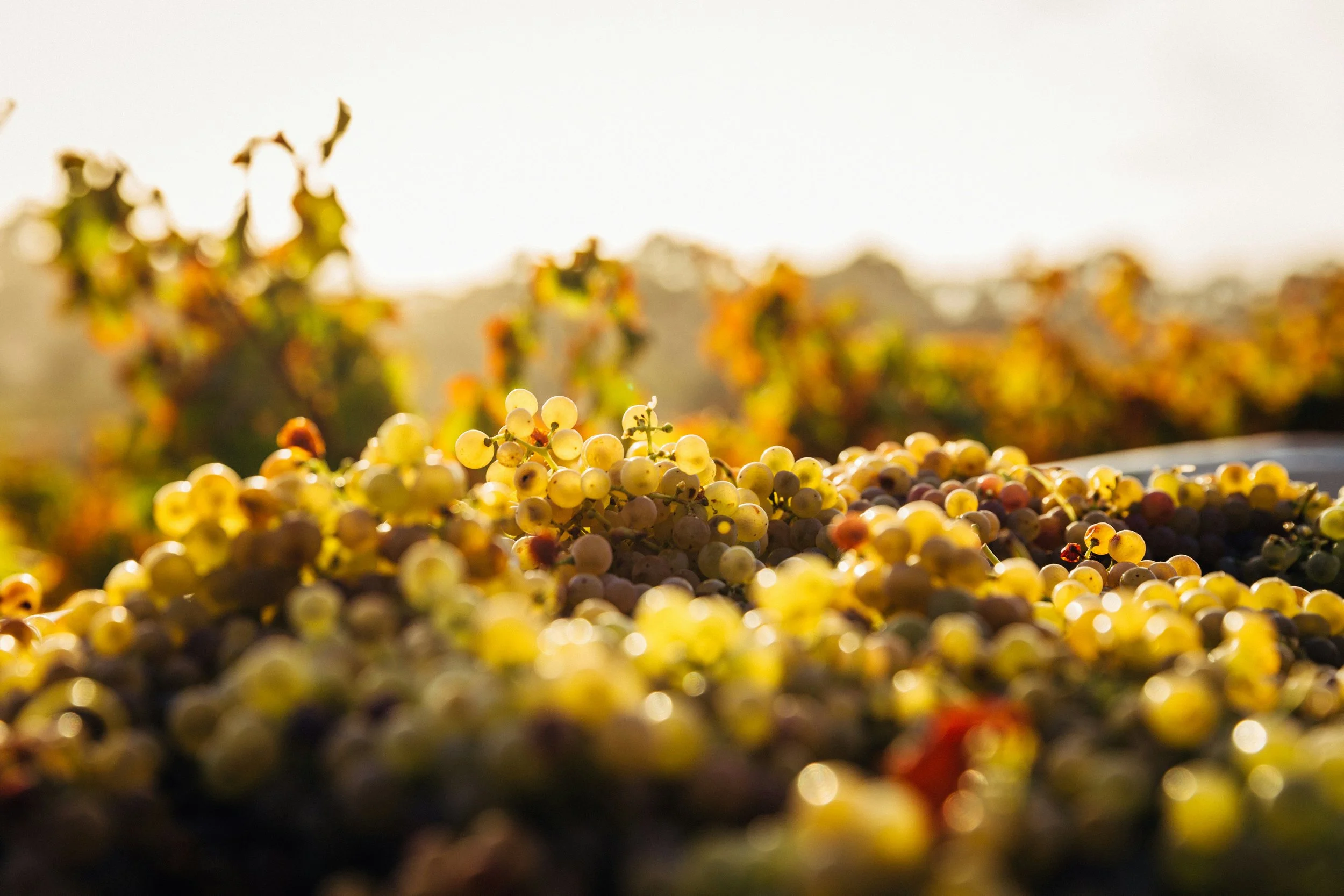
There’s something almost hypnotic about a glass of wine. The way light catches its color, the swirl that releases invisible waves of scent, and that first sip that seems to linger longer than expected. It’s smooth, aromatic, and layered, yet mysterious enough to make anyone wonder why it feels so good on the palate. Wine doesn’t just taste pleasant; it feels like an experience designed for the senses.
Behind that moment of pleasure lies a symphony of science. A drink like Riccadonna Asti shows how precise chemistry, biology, and environment come together to create elegance in liquid form. This exploration dives into the surprising reasons why wine tastes so captivating, from the reactions that form its flavor to the way the human brain transforms it into bliss.
Chemistry at Work in Every Glass
Wine’s complexity begins long before the cork pops. During fermentation, yeast transforms grape sugars into alcohol and releases hundreds of aroma and flavor compounds. These compounds, esters, aldehydes, and acids, create the wine’s personality, defining its fruitiness, floral notes, and body.
A sparkling wine demonstrates this chemistry beautifully. Its effervescence lifts aromatic molecules upward, amplifying the scent of ripe fruit and fresh blossoms. The gentle sweetness interacts with acidity, creating a bright and balanced sensation that delights the palate. Tiny differences in fermentation or grape ripeness can alter the entire flavor experience.
How the Brain Turns Taste Into Pleasure
Flavor is not sensed by the tongue alone. The brain interprets every aroma, texture, and taste signal to produce the overall perception of wine. When wine is sipped, scent molecules travel from the mouth to the nasal cavity, a process known as retronasal olfaction. This link between taste and smell allows the brain to detect complexity and nuance.
Research shows that context influences perception, too. If the brain expects a luxurious experience, the wine may genuinely taste better. Such psychological effects explain why a familiar vintage can seem more refined in a beautiful setting or shared with good company.
The Earth’s Influence on Flavor
The taste of wine begins in the soil. The concept of terroir, the combination of soil, climate, and topography, defines the grape’s composition. Chalky soils give crisp minerality, while volcanic regions contribute rich, earthy depth.
Climate plays an equally vital role. Cooler regions nurture grapes with higher acidity and subtle fruit notes, while warmer zones create wines with bold flavors and softer textures. Terroir serves as nature’s blueprint, imprinting each bottle with a unique sense of place that no laboratory can replicate.
Why Aroma Dominates the Wine Experience
Aroma holds more power than taste in shaping a wine’s identity. Scientists estimate that up to 80 percent of perceived flavor comes from smell. Aromatic molecules reveal a wine’s age, grape variety, and fermentation method.
Red wines often carry compounds that create herbal, spicy, or floral tones. Whites lean toward citrus, honey, or tropical fruit. When wine meets air in the glass, oxygen helps unlock more aromatic molecules, which is why swirling enhances the experience. Scents can even trigger emotional memory, linking the smell of wine to familiar moments or feelings.
The Perfect Balance Behind Great Taste
The satisfaction of wine lies in balance. Acidity, tannins, and sweetness must exist in harmony for the flavor to feel complete. Too much acidity makes wine harsh, while excessive sweetness dulls freshness.
● Acidity adds brightness and energy.
● Tannins provide structure and dryness.
● Sweetness softens bitterness and rounds out texture.
Even serving temperature influences this balance. Cooler temperatures accentuate crispness, while warmth enhances richness and aroma. Achieving perfect equilibrium between these components is both an art and a science.
How Time Transforms Taste
Aging gives wine its soul. Over time, molecular reactions slowly reshape aroma and texture. Red wines lose youthful fruitiness and gain complex notes of leather, spice, and earth. Whites evolve toward honey and nutty tones.
Oxygen exposure during aging softens tannins and smooths rough edges. Oak barrels contribute additional layers of vanilla or toast through controlled chemical exchange. The science of aging proves that patience can elevate flavor beyond what young wines can offer.
Scientific Harmony Between Food and Wine
Pairing food with wine is more than tradition; it’s chemistry in action. Components in food react with wine’s acids, tannins, and sugars, altering how flavors unfold. Fat-rich foods mellow tannins, while salty dishes highlight fruitiness. Acidic foods refresh the palate and enhance brightness.
A lively sparkling such as Riccadonna Asti illustrates this harmony. Its natural sweetness and fine bubbles balance creamy desserts and fruit tarts beautifully. When flavor chemistry aligns, both the dish and the wine taste more vivid and satisfying.
Taste Preference Rooted in Human Biology
Biology explains why wine appeals differently to each person. Genetic variation determines how strongly individuals perceive bitterness, acidity, or sweetness. Those with more taste receptors may find certain wines intense, while others prefer milder profiles.
Age and experience also shift taste preferences. Younger drinkers often favor fruity or sweet wines, whereas maturity brings appreciation for subtle earthiness and spice. The senses themselves evolve over time, adding a deeply personal layer to wine enjoyment.
The allure of wine rests on more than tradition or taste. Its pleasure arises from chemistry, perception, and environment, combining in perfect rhythm. From the first aroma to the lingering finish, every sensation follows scientific principles that ignite delight. The harmony of soil, grape, and craftsmanship creates something far greater than the sum of its parts. Each bottle reflects balance, biology, and artistry working together. That is what makes a glass of fine vintage such a sensory marvel, proof that the science of taste can be as beautiful as it is precise.