Wellness practices rooted in deep traditions have been passed down through generations. From Ayurveda in India to Shamanic rituals in the Americas, these ancient systems of healing were developed to bring balance and harmony to the body and mind. As the world embraces modern solutions to health challenges, there's a quiet but powerful movement towards rediscovering these age-old practices, which proves that sometimes the best answers are those that have stood the test of time.
With this shift, many are turning back to these practices as they seek a deeper connection to themselves and the world around them. Similar to building a relationship with a Czech mail order bride, these practices are also the best way to connect with another culture and open yourself up to something new.
What’s Making a Comeback?
Ayurveda
Ayurveda, often called the science of life, is one of the world’s oldest holistic health systems. It originated in India more than 5,000 years ago and has been offering a comprehensive approach to health that integrates mind, body, and spirit. It believes that each person is a unique combination of the five elements: Earth, Water, Fire, Air, and Ether. Understanding this balance allows practitioners to identify imbalances and offer remedies to restore harmony.
One key principle in Ayurveda is the concept of the doshas: Vata, Pitta, and Kapha. These govern various physical and mental processes, and each person has a dominant dosha that influences their health and personality. For example, Vata types are typically energetic and creative, while Pitta types are focused and driven. Imbalances in any of these doshas can lead to health issues, and Ayurvedic treatments aim to restore equilibrium using diet, herbs, yoga, meditation, and massage.
The influence of Ayurveda on modern wellness is clear. Many people now turn to Ayurvedic herbs such as ashwagandha and turmeric for their proven benefits in reducing stress, inflammation, and improving overall health. Ayurveda has truly made its mark in the modern world as a timeless system that continues to influence today’s wellness practices.
Shamanic Rituals
Shamanism has long been practiced in indigenous cultures, especially in the Americas, Siberia, and parts of Africa. Shamans are spiritual healers who work closely with nature and the spiritual realm to restore balance to their community. The rituals they perform are based on the belief that everything in the universe, including plants, animals, and the elements, carries energy. Tapping into these energies allows shamans to facilitate healing and transformation.
Shamanic healing often involves a journey of the spirit, where the shaman enters a meditative state or altered consciousness to connect with the spirit world. This practice can include chanting, drumming, and the use of sacred plants such as peyote or ayahuasca. These substances, which are often referred to as plant medicine, are believed to open the door to profound healing experiences and help individuals confront emotional trauma, gain clarity, and even reconnect with their sense of purpose.
As more people seek alternative healing methods, shamanic practices have found their way into modern wellness. There are now retreats that offer guided journeys, where participants can explore these ancient techniques in a safe and supportive environment. Through energy work, plant medicine, or nature-based rituals, the power of Shamanism is an ever-present force that continues to shape modern approaches to wellness and lifestyle.
Holistic Health Practices
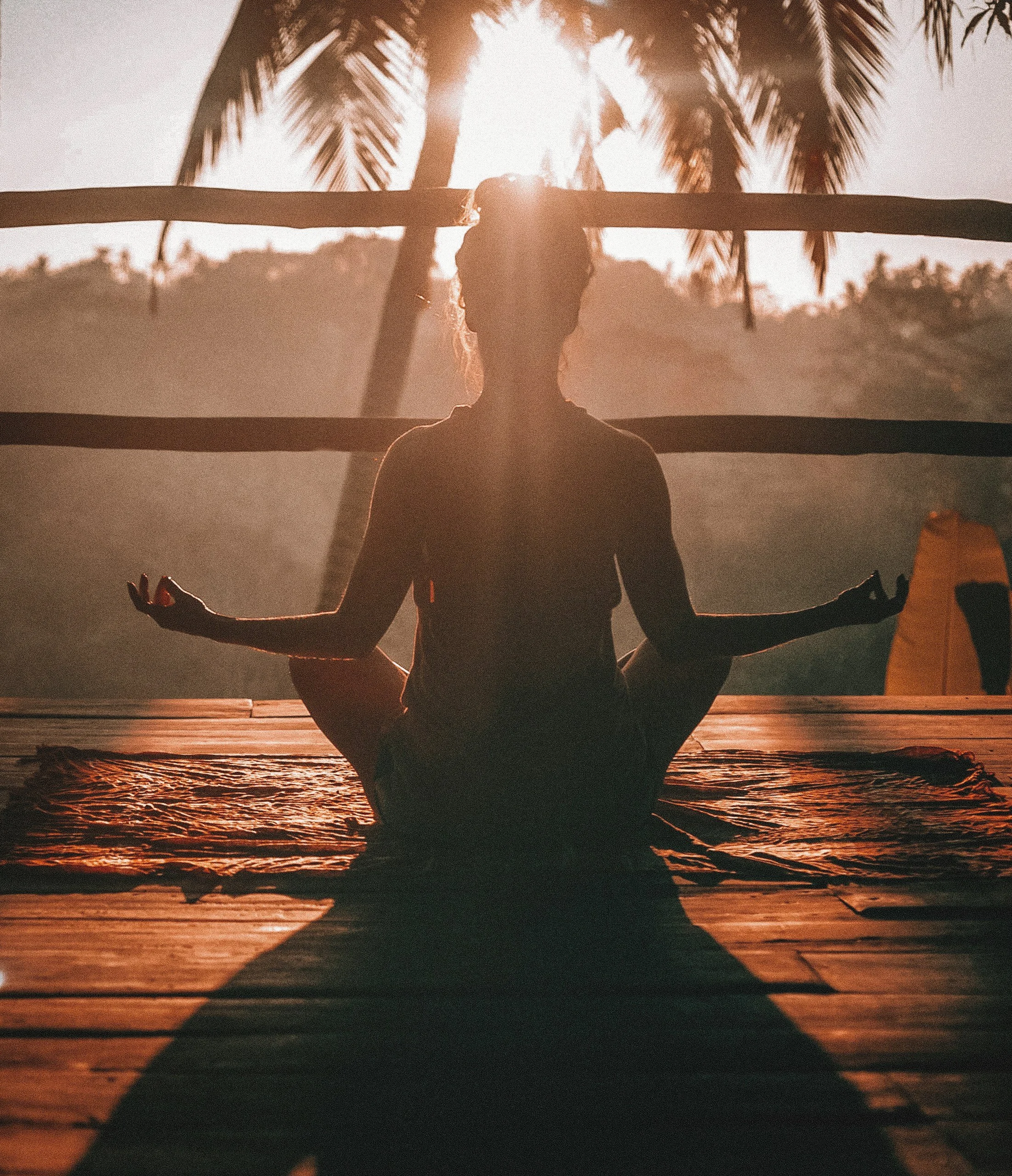
With a renewed interest in both Ayurveda and Shamanism, people realized that true health goes beyond just physical well-being. Practices such as yoga and meditation, both of which have roots in ancient Eastern traditions, are now common staples in modern wellness regimens.
The return to ancient wellness practices also comes as people question the effectiveness and sustainability of modern healthcare. Conventional medicine often focuses on symptom treatment rather than addressing the root causes of illness.
In contrast, holistic traditions such as Ayurveda and Shamanism prioritize prevention and self-care, and offer tools to maintain health rather than merely treat disease. This shift is encouraging individuals to take responsibility for their well-being, often by integrating ancient wisdom into their daily lives.
The Future of Ancient Wellness Practices
While modern medicine is critical for treating illness and injury, the holistic approaches found in traditions like Ayurveda and Shamanism offer a valuable complement. In a world where stress, anxiety, and chronic illness are on the rise, these age-old practices provide a refreshing, healing alternative.
These time-tested methods allow us to reconnect with our roots and rediscover the deep wisdom that has helped generations before us live in balance with nature. From Ayurvedic herbs to Shamanic journeys, these practices are far more than just trends — they are part of a rich tapestry of human history that continues to guide us toward a healthier and more harmonious existence.