
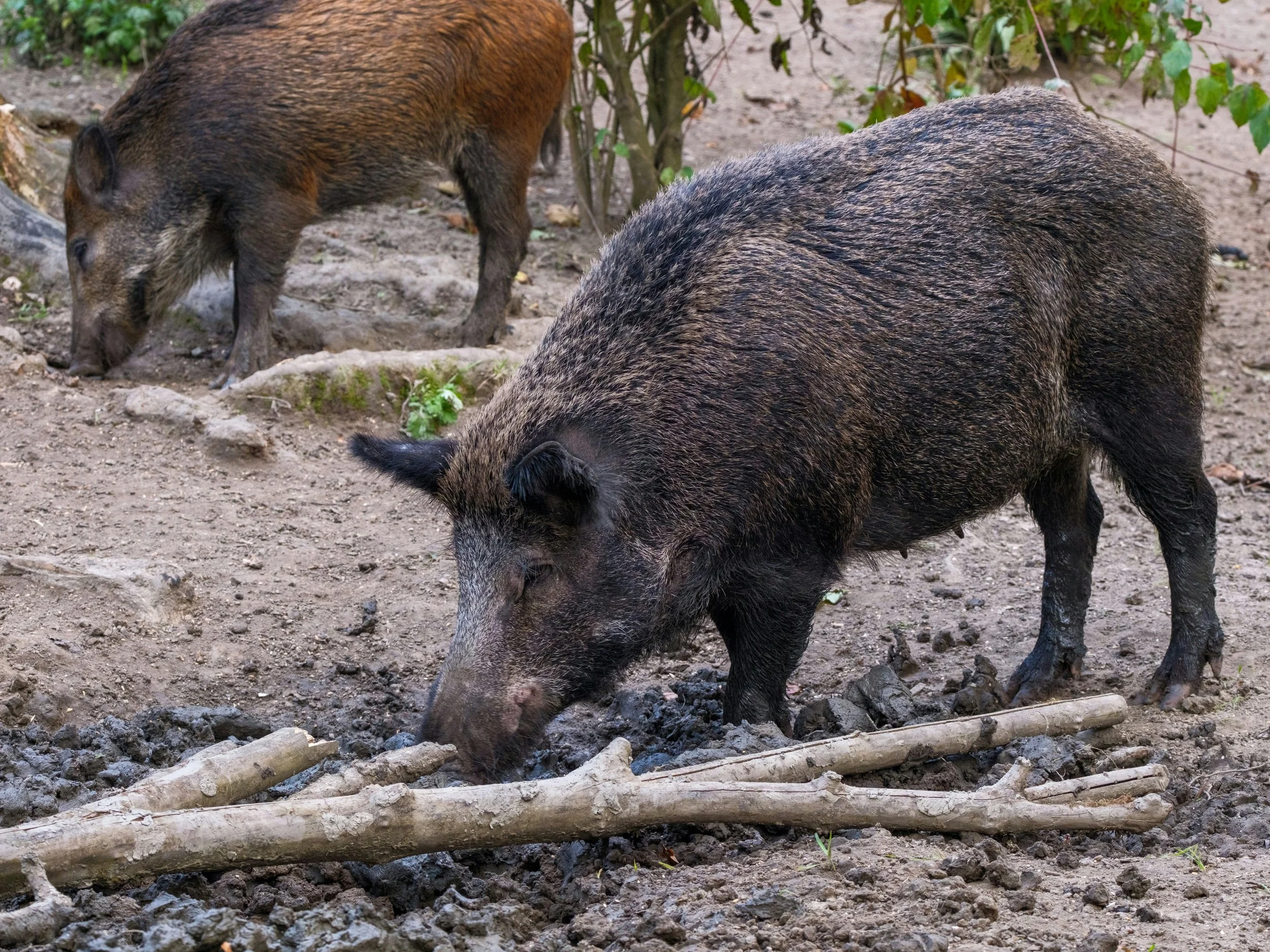
Hunting wild hogs has become one of the fastest-growing pursuits for outdoorspeople across large parts of North America. These intelligent, adaptable animals are rewarding to hunt, provide plentiful meat, and — importantly — play a role in population control for a destructive invasive species. If you’re wondering how to hunt wild hogs, or looking for practical hog hunting tips for beginners, this guide covers biology, behavior, equipment, safety, tactics, meat handling, legal and ethical considerations — and links to authoritative sources so you can read deeper.
Why wild hogs matter (and why hunters are important)
Feral swine (wild hogs) are non-native, highly fecund animals that cause serious agricultural, ecological and disease risks. They root and wallow, damaging crop fields, pastures, wetlands and fragile habitats; they can spread pathogens and parasites that affect livestock and people; and their fast reproduction makes populations difficult to control without sustained effort. Hunters who remove animals responsibly help limit these impacts.
Know your quarry: biology and behavior
Understanding hog biology makes you a more effective hunter. Sows reach sexual maturity as early as 6–8 months and can produce one to two litters per year, with average litter sizes commonly 4–6 piglets (but sometimes more under ideal conditions). Hogs travel in family groups called sounders (typically sows and piglets); mature boars may be solitary. They are opportunistic omnivores and will feed day or night, depending on pressure and food availability, which affects whether you choose daylight stands, baiting, or night/thermal hunts.
Health risks and meat safety — take them seriously
Feral hogs can carry diseases transmittable to humans and livestock, including brucellosis, pseudorabies, and various influenza viruses. Hunters have been infected after field dressing or consuming undercooked meat, so basic precautions are essential: wear nitrile gloves when dressing animals, avoid contact with bodily fluids and aborted fetuses, cook pork to a safe internal temperature, and report sick or abnormal animals to authorities
Legal and regulatory overview — look local first
Rules for hog hunting vary widely. In many U.S. states, feral hogs are considered unprotected, allowing year-round harvests on private land, baiting, and the use of dogs or lights — but some public lands restrict these methods and states differ on permits, tagging, or disposal requirements. Night hunting laws and the use of thermal or artificial light are especially variable. Always check your state wildlife agency regulations and any local landowner rules before you hunt.
Essential gear and why it matters
You can hunt hogs with a wide range of tools, but match gear to the tactic and terrain:
● Firearms: Many hunters prefer medium- to large-caliber rifles (e.g., .223 to .30-cal family depending on range and shot placement), shotguns with slugs, or powerful handguns for close encounters. Shot placement is critical because hogs are tough and can be dangerous if only wounded.
● Archery: Compound bows and crossbows are widely used, including at night with thermal sights in some jurisdictions. If using archery equipment, ensure broadheads and draw weights are adequate for ethical kills.
● Optics and lighting: Binoculars for daytime hunts; trail cameras for scouting; during legal night hunts, powerful rifle sights, thermal or night-vision optics, and proper back-up lighting are common. Remember that technology legality varies by state.
● Field kit: Nitrile gloves, game bags, sharp knives, bone saw, rope/drag strap, first aid kit, and a way to cool meat quickly (if not using game processing immediately). Veterinary/extension guides emphasize safe field dressing practices.
Proven tactics: how to hog hunt effectively
There is no single “best” way to hunt hogs — success depends on region, season and pressure — but the following methods are time-tested.
Stand hunting over bait or food sources. Hogs can be predictable around feeders, corn piles, or water holes. Elevated stands and careful scent control let you pick off animals as they feed. Baiting legality varies, so confirm local rules.
Spot-and-stalk/spotting from glass. In open or brushy country, locate sounders from a vantage and make a careful stalk. This requires good wind management and patience.
Driven hunts and dogs. In some regions hunters use dogs to bay or tree hogs; this method is effective in heavy brush but requires experienced handlers and adherence to humane practices and local regulations.
Night hunting with lights or thermal. Because hogs are often most active at dusk and night, legal night hunts can be highly productive — particularly with thermal optics. Always follow local law, prioritize safety (positive identification and secure backstops), and respect private property.
Shot placement and ethical kills
A quick, humane kill reduces animal suffering and the chance of lost meat. Broadside or slightly quartering-away shots into the heart/lung area are ideal; for head shots, be aware of small target size and risk of deflection on skull and shoulder bones.
Field dressing, meat handling, and home processing
After a clean kill, field dress promptly to cool the carcass and prevent spoilage. Wear gloves, avoid contaminating meat with intestinal contents, and keep the carcass shaded and ventilated while transporting. Because feral hogs can carry pathogens, cooking pork to safe internal temperatures (per USDA guidance) is an important final safety step. Extension services and university veterinary guides give practical step-by-step dressing instructions and disease precautions.
Safety for hunters and landowners
Wild hogs can be aggressive, especially sows with piglets or wounded animals. Approach downed hogs cautiously — do not assume a dead animal cannot move. Use safe backstops, don’t shoot at uncertain targets or across fences/roads, and communicate clearly with hunting partners. When hunting on private land, have written permission and understand landowner expectations about carcass removal or leaving trophies.
Conservation and ethics — hunting with purpose
Because feral hogs are invasive and damaging, many wildlife agencies encourage their removal where feasible. However, hunters should act ethically: take shots you can cleanly make, report disease or abnormal animals to authorities, avoid illegal translocation or release of animals, and follow rules on baiting, dogs, and night hunting. Well-managed removal programs balance hunter recreation with broader goals for agriculture and native ecosystems.
Beginner checklist: quick start guide
If you’re new to hog hunting, keep this short checklist in your pack:
● Learn the laws for your state and land (baiting, night hunting, dogs).
● Invest in basic safety and field-dressing gear (gloves, sharp knife, game bags).
● Practice shot placement with your firearm or bow.
● Scouting: set trail cameras, note wallows, rooting and travel corridors.
● Respect landowners, get permissions, and leave no trace when possible.
Closing thought
Hunting wild hogs can be a gratifying recreation and a practical service to the landscape when done responsibly. Learn the animals’ habits, respect public and private rules, prioritize safety and hygiene, and practice ethical shot placement. With the right preparation, even hog hunting tips for beginners can turn into lasting skills that benefit the hunter — and the environment.
Global Hunting Solutions provides luxurious Texas helicopter hog hunting experiences across 1.5 million acres of private land.