
Most fitness enthusiasts underestimate the complexity of multi-sport racing by nearly half. Athletes often obsess over swim splits or bike speed while ignoring the silent time killer lurking between disciplines. Research from the 2022 IRONMAN World Championships reveals that transition inefficiencies alone can cost competitors several minutes regardless of fitness level. Those precious seconds add up faster than lactic acid in your quads.
Smart athletes know that preparation begins long before the starting horn. Every race demands precise calculations across three distinct disciplines plus two critical transition zones. This complexity explains why experienced competitors rely on specialized tools like SwimBikeRun.rocks to map their race day strategy with mathematical precision. The platform helps athletes predict their splits and optimize pacing across all five segments of the event.
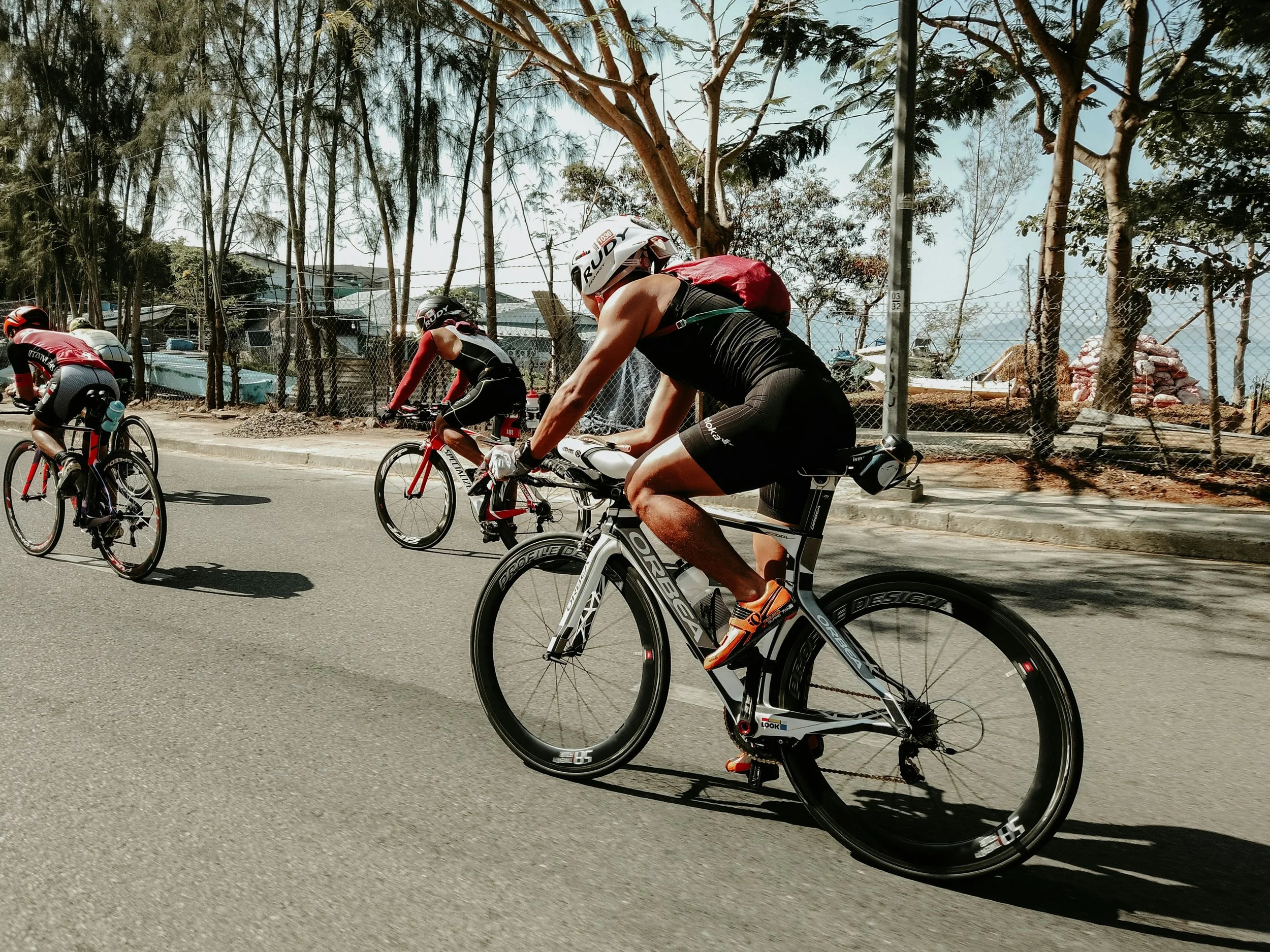
The Math Behind Multi-Sport Racing
Triathlon success requires understanding how energy systems interact across different movement patterns. Your body switches from horizontal swimming to vertical cycling to upright running. Each transition demands different muscle recruitment and cardiovascular demands. Smart pacing accounts for these physiological shifts.
Understanding Your Split Times
Elite performers treat each segment as a distinct equation. Swimming demands controlled aggression to establish position without draining reserves. Cycling requires steady power output management. Running mandates careful conservation after the bike leg's fatigue accumulation.
A 2023 study published in Scientific Reports examined professional IRONMAN athletes and found that running performance predicted overall success better than cycling or swimming metrics. The top ten finishers maintained remarkably even pacing throughout the marathon portion. Their speed variation stayed within tight parameters while slower competitors showed erratic pace fluctuations. This research suggests that bike pacing directly impacts run performance through accumulated fatigue mechanisms.
Transition Efficiency Matters
Transition zones represent the fourth discipline in triathlon racing. T1 moves you from water to wheels. T2 shifts you from pedals to pavement. Each requires distinct physical and mental adjustments.
Smooth transitions demand rehearsal. Lay out your gear in precise order. Practice removing wetsuits quickly without losing balance. Mount your bike efficiently without breaking stride. These movements should feel automatic through repetition. Fat fingers and shaky legs make simple tasks complicated after intense exertion.
Training Smarter, Not Harder
Volume alone does not guarantee multi-sport success. Strategic intensity distribution produces better results than random hard efforts. Your training must mirror race demands through specific periodization.
Pacing Science From Research
Academic research reveals counterintuitive truths about endurance pacing. A comprehensive review published by the National Institutes of Health examined factors influencing triathlon performance. The analysis showed that even pacing strategies generally outperform aggressive starts for overall race times.
Drafting plays a huge role in sustainable speed. During swimming, drafting behind faster swimmers reduces drag significantly. This position can save substantial energy for later stages. On the bike, legal drafting zones allow energy conservation through reduced wind resistance. These tactics require practice to execute safely at speed.
The concept of "variable pacing" applies differently across disciplines. Uphill cycling segments demand power increases while downhills allow brief recovery. Running requires steady cadence maintenance despite terrain changes. Understanding these nuances separates pack finishers from podium contenders.
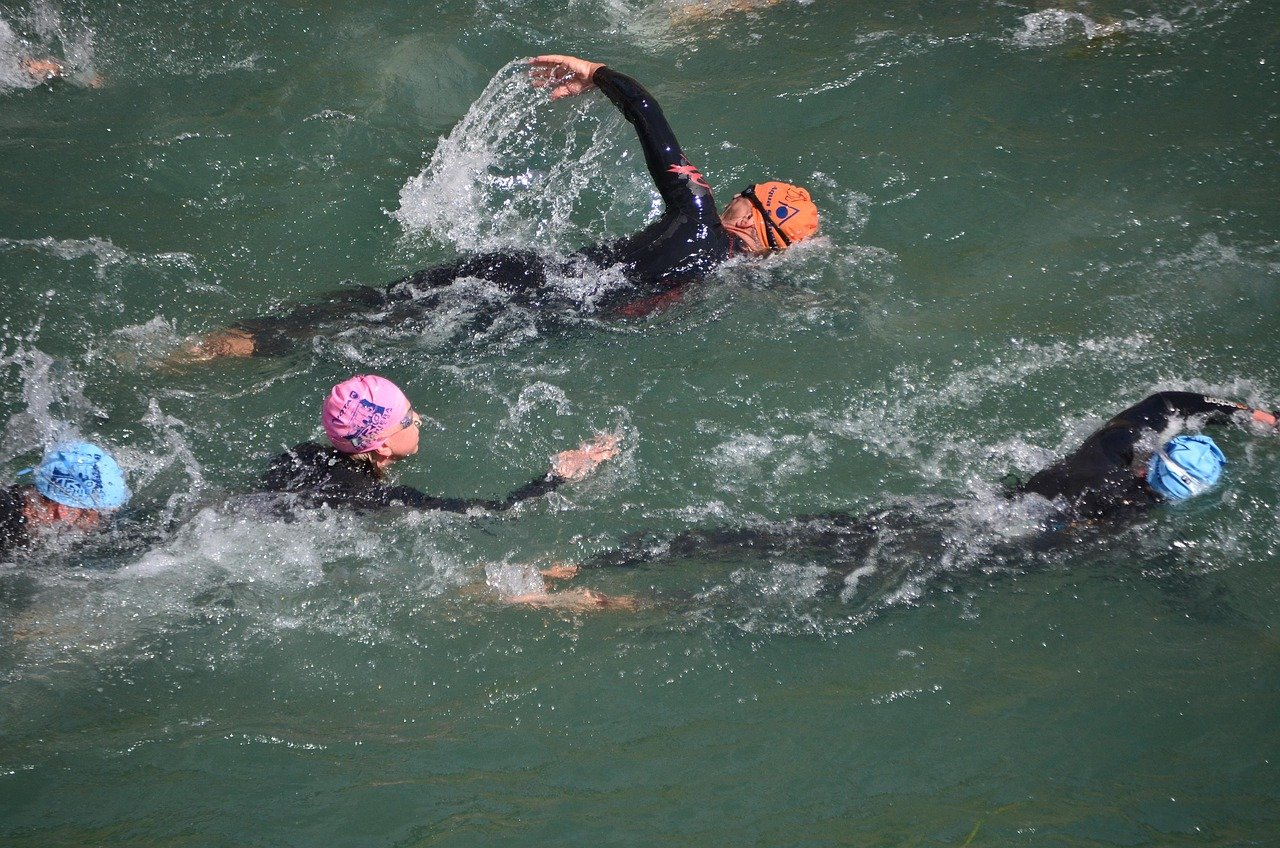
PHOTO CREDIT | Pixabay/Maurizio Rossetti
Balancing the Three Disciplines
Weakness in one sport disproportionately affects overall performance. Many athletes enter triathlon from single-sport backgrounds. Runners struggle with swim technique. Cyclists fight the running economy. Swimmers battle bike fit issues.
Cross-training provides injury prevention benefits alongside performance gains. Smart athletes integrate complementary activities into their weekly schedules. Tools like e-bikes for conditioning offer low-impact aerobic maintenance between intense training blocks. These devices allow active recovery without the joint stress of pounding pavement daily.
Your weekly schedule should reflect your limiting factors. Identify your weakest discipline. Allocate specific training time to address technique and efficiency gaps. Avoid the temptation to only train your strengths because they feel satisfying.
Gear and Preparation
Equipment choices impact race day comfort and speed significantly. Decisions made months before race day determine your transition speed and energy conservation.
What to Wear Between Stages
Kit selection requires compromise between swim hydrodynamics and cycling comfort. Many athletes choose trisuits that function across all three disciplines. These garments dry quickly and eliminate change time between segments.
Practice swimming in your race kit before competition day. Feel how the fabric moves against your skin when wet. Notice any chafing points during longer efforts. The chlorine smell should trigger muscle memory through repeated training exposure.
Bike fit adjustments can improve both power output and running performance post-ride. Small saddle height changes affect muscle recruitment patterns. Handlebar position impacts aerodynamics and breathing efficiency. Professional bike fitting services prove worthwhile investments for serious competitors.
Nutrition Timing Basics
Fuel represents another calculation requiring precision. Depletion hits suddenly during multi-sport efforts. Gastric distress from poor timing ruins races faster than fitness gaps.
Practice your nutrition strategy during training. Determine what foods settle well at race intensity. Calculate carbohydrate intake per hour based on your body weight and sweat rate. The physical activity guidelines from Health.gov suggest that endurance athletes require careful energy management beyond standard recommendations.
Hydration needs vary with environmental conditions. Hot races demand electrolyte replacement alongside fluid intake. Cooler events might require less aggressive drinking strategies. Your urine color provides immediate feedback on hydration status during taper weeks.
Recovery and Adaptation
Endurance gains happen during rest periods, not just training sessions. Sleep quality directly impacts your ability to absorb hard workouts. Stress management plays a crucial role in consistent performance.
Post-workout nutrition should include protein alongside carbohydrates. This combination supports muscle repair and glycogen replenishment simultaneously. Consider exploring mood-supporting supplements that help manage the psychological stress of intense training blocks. Mental fatigue impairs physical performance through complex neurological pathways.
Active recovery sessions should feel almost embarrassingly easy. These workouts promote blood flow without adding training stress. Walking, gentle swimming, or easy spinning all serve this purpose. Respect these sessions as training components rather than skipped workouts.
Wrapping Up Your Preparation
Triathlon rewards those who respect its complexity. Every detail matters when margins separate finishers. Your training, equipment, nutrition, and pacing calculations all integrate into a cohesive race day experience.
Start your preparation with an honest assessment. Calculate your current fitness across all three disciplines. Build your training plan around your specific limiters. Practice transitions until they feel automatic. Test your nutrition repeatedly. And utilize specialized calculators to remove guesswork from your pacing strategy.
The finish line awaits those who prepare intelligently. Your fitness lifestyle has already built the foundation. Now apply these specific strategies to conquer the multi-sport challenge ahead.