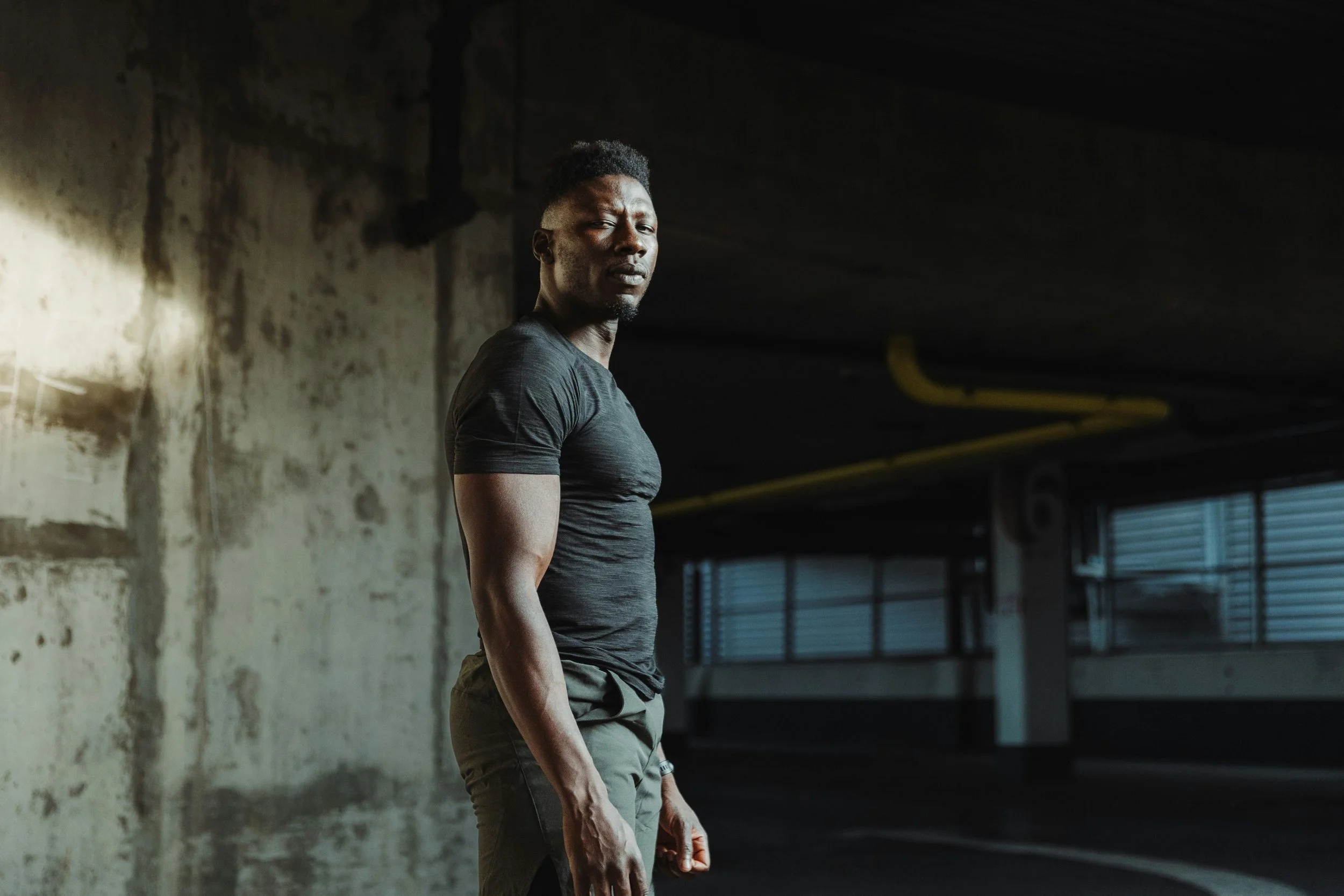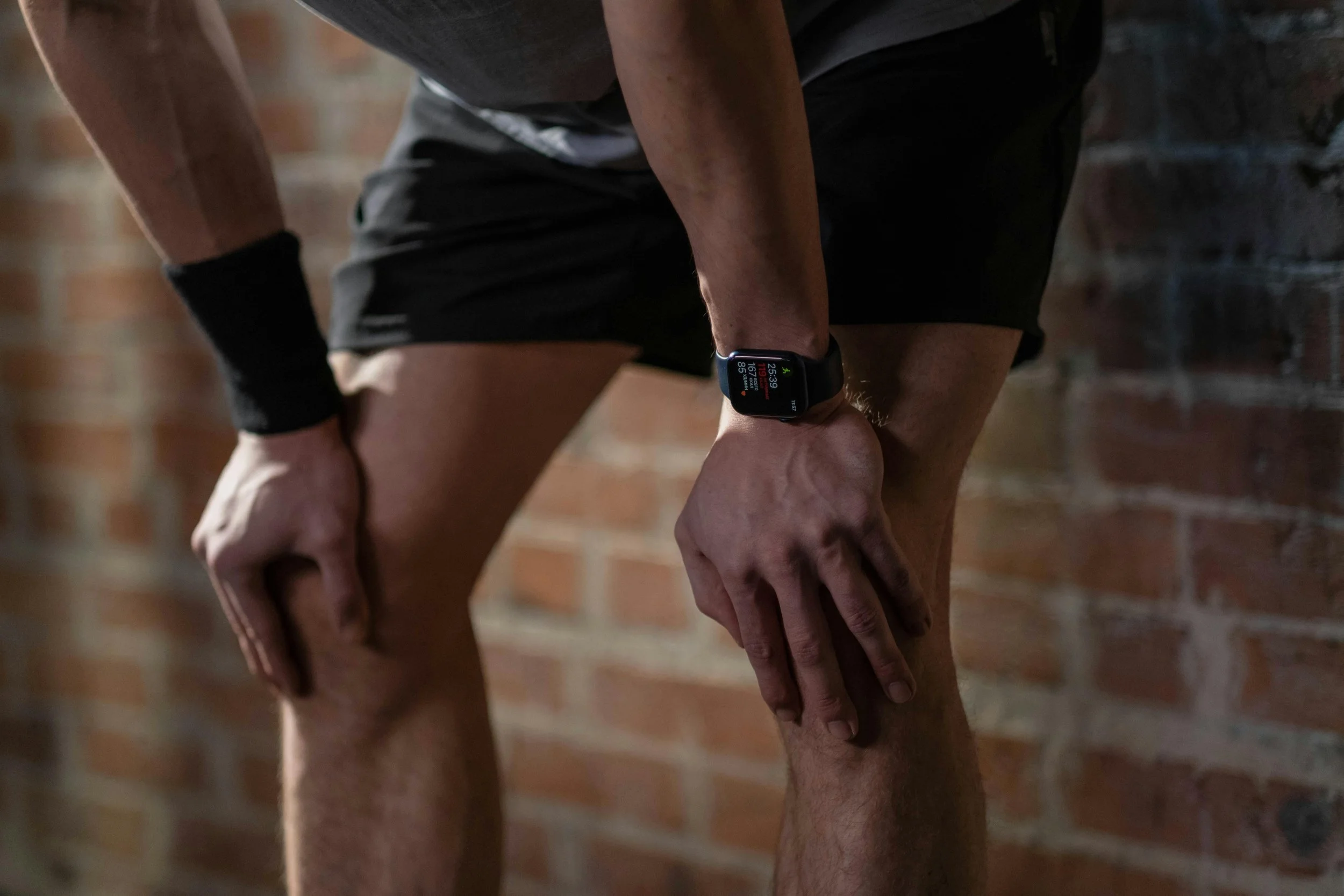
Every athlete is on the hunt for something that sets them apart. Sometimes it’s extra hours in the gym, a pre-game playlist, or the familiar squeeze of a sweatband around their wrist.
Rituals—big or small—have always shaped the world of sports. They’re not just habits; they can boost confidence, settle nerves, and even tip the balance when it matters most.
This article looks at how personal routines, lucky gear, and psychological preparation push athletes and fans to new heights. The smallest details can make all the difference.
Game day rituals: how athletes and fans chase their edge
Every athlete knows that game day is about more than just skill. It’s a test of nerves, routine, and belief. From the soccer pitches of local parks to the bright lights of pro stadiums, rituals are everywhere.
Some athletes tape their wrists a certain way. Others slip on lucky socks or do a quiet handshake before stepping onto the court. Even coaches get in on it—think about basketball’s Gregg Popovich with his pregame coffee ritual or tennis stars bouncing the ball a set number of times before serving.
For fans, rituals are just as serious. Wearing the same jersey for every match or gathering friends at the exact pub before kickoff isn’t just tradition—it feels essential. These habits create comfort, focus, and even superstition. Lose a game after changing routines and you’ll hear someone swear they jinxed it.
Platforms like Stake Hunters have become part of this ecosystem. They connect communities who thrive on prep work, stats, and even shared hunches about what tips luck their way.
I’ve watched seasoned punters stick to rigid pre-match research patterns that border on superstition—and they swear by them. Whether you’re an athlete sharpening your mental edge or a fan building camaraderie through shared habits, these rituals are stitched into the fabric of sport. In many ways, they help both players and fans feel ready for whatever game day brings.
The science behind ritual: mindset, focus, and real results
It’s not just physical training that sets elite athletes apart. More and more, coaches and players rely on rituals—personal habits and team routines—to sharpen their focus and calm their nerves before high-stakes moments.
These rituals might look simple from the outside. Yet, the way an athlete ties their shoes or listens to a certain song can help clear distractions and build confidence when it matters most.
Sports psychologists have found that these practices do more than soothe nerves. They create a sense of predictability in an unpredictable world, giving athletes control over their preparation—and often, a real edge in competition.
Pre-game habits and mental preparation
I’ve seen firsthand how pre-game routines can transform an athlete’s mindset. Some use visualization techniques—mentally rehearsing every play or move—to prepare for pressure moments before they even step onto the field.
Others practice deep breathing exercises to lower their heart rate, steadying both body and mind. Even small actions—like listening to the same playlist or lacing up shoes in a particular order—help athletes feel grounded and ready.
● Visualization improves confidence by letting athletes “see” success ahead of time
● Breathing exercises reduce anxiety so players think clearly under stress
● Consistent routines cue the brain for peak performance
The common thread is structure: predictable steps that become anchors amid uncertainty. Over time, these rituals can be just as critical as drills or strategy sessions.
The placebo effect in sports rituals
Here’s where things get fascinating. Sometimes it’s not the ritual itself—but belief in its power—that drives real-world results.
Athletes who wear a lucky sweatband or follow a specific handshake often report feeling more focused or confident. It turns out this isn’t just in their heads—it’s part of what psychologists call the placebo effect.
Sports Ritual Placebo Effect: A 2023 study published in Scientific Reports found that the placebo effect can lead to meaningful improvements in outcomes for athletes who believe in the power of their routines or lucky items, showing how psychological belief in rituals can genuinely enhance sports performance.
This means that trusting your own routine—even if it seems quirky—can spark real changes in motivation and performance. For coaches and leaders, recognizing this invisible boost is key to helping teams reach their potential.
How gear shapes identity and gives athletes a mental edge
Sports gear isn’t just about function. For many athletes, what they wear becomes woven into their sense of self—and sometimes even superstition.
Slip on the right shoes or a favorite sweatband, and suddenly you feel different. There’s comfort in routine, but there’s also real psychological power in these choices.
In locker rooms everywhere, signature items help athletes get locked in for competition. Gear is part of the ritual—a small but crucial piece of the mental toolkit that helps push limits when it counts.
Sweatbands and signature gear
Sweatbands might seem minor compared to high-tech shoes or jerseys, but they carry surprising meaning for many athletes.
Think of Rafael Nadal’s sweat-soaked headband—a talisman as much as a tool. Or Allen Iverson’s famous arm sleeve, born from an elbow injury but soon adopted by basketball players everywhere who wanted to channel his confidence.
I’ve seen local runners treat a battered old wristband like a badge of honor. To them, it’s proof of every hard-earned mile and early morning workout.
Signature gear can be intensely personal. Some believe it brings luck; others say it marks a mindset shift—from practice to competition mode. Either way, it’s clear these objects hold stories and carry weight far beyond their practical use.
Uniforms, team colors, and ritual dressing
The moment an athlete pulls on their team colors or specific uniform, something shifts mentally. It signals that playtime is over—it’s time to perform with purpose.
This “ritual dressing” helps create unity and pride. Walk into any big football match in England or Brazil, and you’ll see players touching crests or pulling socks up with care—small gestures that set the tone for battle.
A 2025 study in Acta Psychologica found that ritualized gear use—like wearing special uniforms or meaningful accessories—delivers more than just comfort. It boosts confidence, sharpens focus, and strengthens an athlete’s sense of control on game day (Ritualized Gear Advantage).
The tradition extends well beyond the field too. For fans suiting up at home or kids wearing their idol’s jersey before tryouts, these rituals remind us how identity and belief are stitched into every thread.
How fans and communities use rituals to create game day magic
Game day rituals aren’t reserved for the athletes on the field. They’re stitched into the fabric of every fan base, shaping how supporters connect, celebrate, and even influence outcomes.
Whether it’s donning a lucky jersey or joining in on a time-honored chant, these shared traditions build a sense of belonging that turns strangers into teammates for a few thrilling hours.
In my experience, the energy from fans—especially during those collective moments—can shift the entire mood of a stadium or living room. The anticipation, superstition, and unity are just as real in the stands as they are in any locker room.
Chants, cheers, and crowd energy
The most unforgettable sports moments are often wrapped up in sound. When thousands join their voices for a chant or signature cheer, it’s more than background noise—it’s fuel for athletes and adrenaline for everyone watching.
I’ve seen underdog teams rally when their home crowd erupts into synchronized support. It’s hard to overstate what happens when cheers reach that fever pitch—athletes stand taller and momentum can swing with a single roar.
● Classic soccer anthems sung in unison at European stadiums
● NFL crowds waving towels or executing coordinated chants before kickoff
● High school pep rallies where every student knows the fight song by heart
These rituals aren’t accidental—they’re carefully passed down, tweaked with each generation, and fiercely protected because they work. They give fans agency and make everyone feel like part of the action.
Digital rituals: online communities and game day superstitions
The digital era hasn’t replaced traditional fan rituals—it’s amplified them. Now, social feeds fill with hashtags before big games while group chats buzz with superstitious banter about which shirt guarantees victory this week.
I’ve watched online watch parties turn ordinary matchups into virtual blockbusters. You’ll find fans from Seoul to São Paulo recreating stadium traditions from their couches—lighting up timelines with synchronized claps or coordinated memes when something wild happens on the field.
Digital Fan Rituals Trend: A 2024 Disney Advertising report reveals that digital rituals—like virtual watch parties and online game day traditions—have become essential for fans. These practices help recreate a communal atmosphere, influencing fan engagement and even boosting the game day energy experienced by teams and supporters alike.
If anything, these new habits prove there’s no substitute for shared experience—even if it happens through a screen instead of stadium seats. The digital crowd is just as passionate (and superstitious) as any sea of painted faces you’ll find in person.
Why rituals and gear matter beyond the scoreboard
Performance in sports isn’t just about strength or speed. The routines, favorite sweatbands, and even quirky superstitions add depth to the experience for athletes and fans alike.
I’ve seen firsthand how these traditions create a sense of belonging and boost confidence—sometimes tipping the scales in crucial moments.
Whether it’s the pre-game playlist, a lucky jersey, or a crowd’s unified chant, these rituals turn ordinary games into something unforgettable. They remind us that belief and connection are as important as talent when chasing that elusive edge.