Glasgow is a place of creativity, character, and identity. The biggest city in Scotland is much more than meets the eye, a fusion of impressive architecture and a vibrant culture. Tourists who come to visit on a short trip are usually amazed by the fact that there is something unique in every nook and cranny, so proper planning is necessary to achieve a wonderful experience.
Accommodation options determine the smoothness of a trip. Glasgow hotels are popular among many travellers who are planning their itinerary and are looking to book hotels that offer easy access to major attractions and comfort at the same time. A central base will give one more time to explore and less time navigating unfamiliar streets.
Choosing the Right Area to Stay
Various neighbourhoods offer different benefits based on the mode of travel. The city centre is best suited to people wanting to be close to shopping streets, galleries, and transport connections. Remaining in this area puts key attractions within reach, which eliminates the need to travel long distances.
West End locations are more relaxed. Cultural venues, independent cafes, and tree-lined avenues provide an environment that is somewhat out of the fray. This region is popular with tourists who want to take their time without losing the opportunity to see major attractions.
Choosing the right district will mean starting and finishing a day without any stress.
Exploring Architecture and Design
Glasgow's visual identity is a blend of strong creativity and historical inspiration. Charles Rennie Mackintosh's buildings are a major part of the city's unique identity. Architectural exploration is especially satisfying because of his work, which blends elegance with inventive detail.
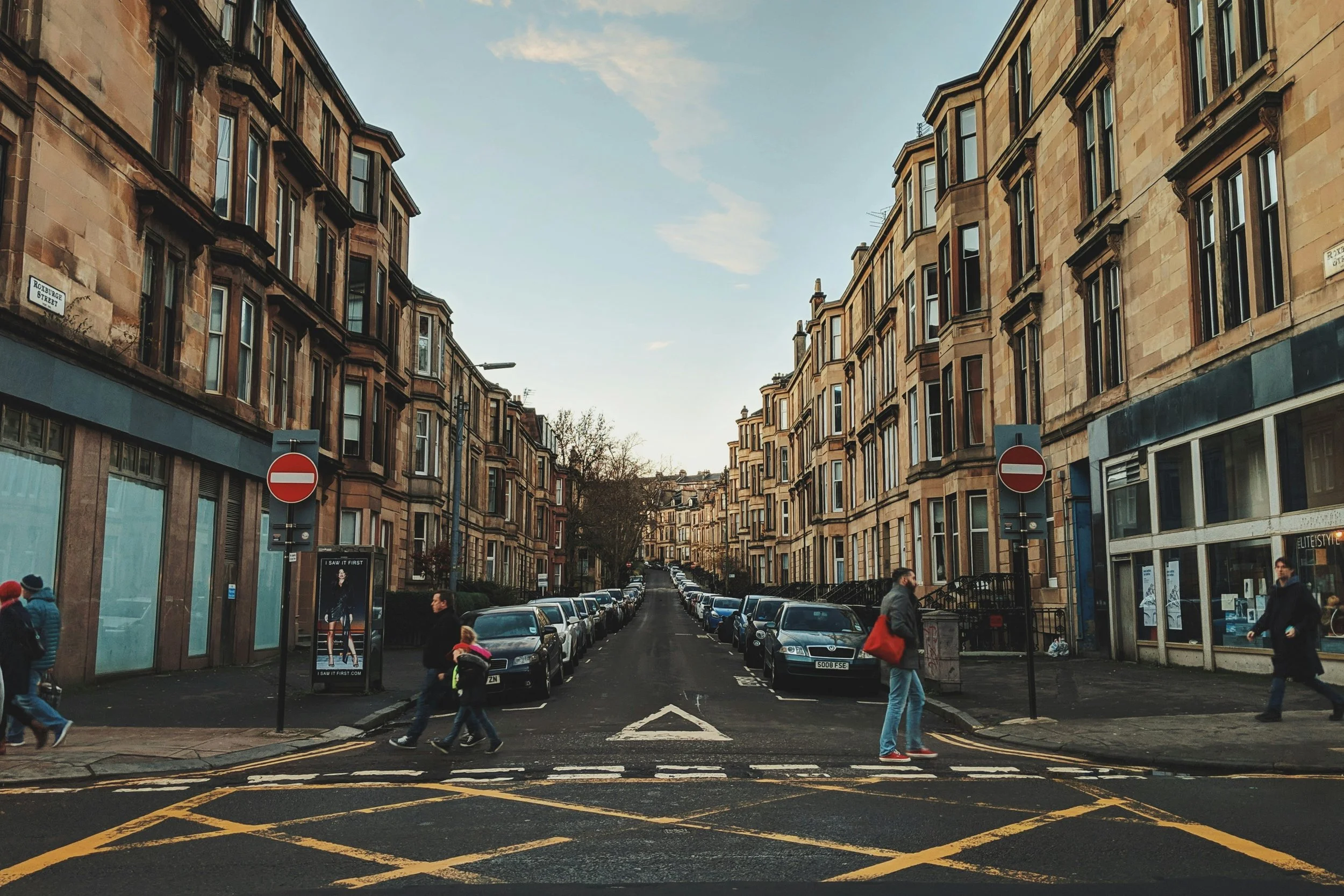
Many streets are lined with Victorian buildings that have elaborate stonework and imposing facades. Contrast is added by contemporary design, resulting in a multi-layered urban environment that changes over time. You may see how various styles interact by exploring different locations.
Simple walks become interesting experiences when you pay attention to these nuances.
Making Time for Museums and Galleries
Cultural institutions are essential to any trip. Natural science, art, and history are all represented in the vast collection of Kelvingrove Art Gallery and Museum. It's a great place to start because of its diverse exhibits that appeal to a wide range of interests.
The Riverside Museum offers an alternative perspective, emphasising the history of mobility with interactive exhibits. Explore historic automobiles, ships, and narratives that influenced the city's industrial past.
Glasgow's smaller galleries offer chances to find contemporary art and up-and-coming artists. A balanced itinerary is produced by combining well-known locations with less-explored ones.
Enjoying Food and Local Flavours
Glasgow's cuisine showcases the city's innovation and diversity. Restaurants cater to a wide range of palates with anything from international cuisine to traditional Scottish delicacies. A stronger bond with the place is frequently created by sampling regional ingredients.
A more casual experience is introduced via street food vendors and casual restaurants. These locations give guests the opportunity to sample several tastes in one location, enhancing the trip's variety. Additionally, cosy cafés offer friendly areas for rest periods in between events.
Enjoying meals adds to the visit's overall rhythm.
Experiencing Music and Nightlife
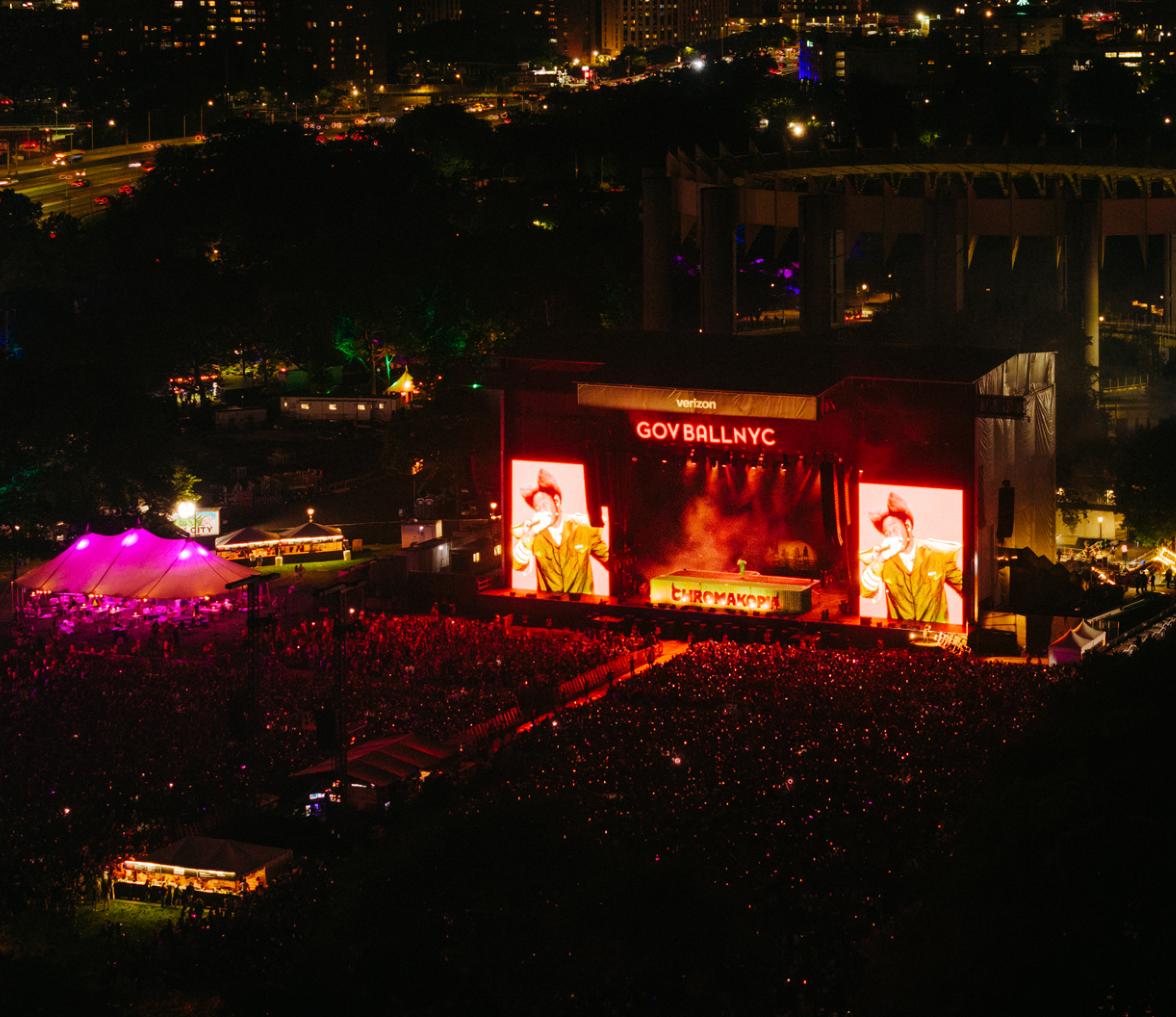
Glasgow's live music reputation is well-deserved. Performances by both established and up-and-coming performers are held at various venues throughout the city. An evening spent taking in this lively scene can be part of even a brief visit.
Other entertainment options include comedies and theatrical productions. Selecting one or two activities for the trip offers special moments without taking up too much time.
A different aspect of the city's character is frequently revealed during evenings spent investigating these experiences.
Moving Around Efficiently
Glasgow's transport choices make it comparatively simple to get around. One of the most effective strategies to see central regions is still by foot, which enables visitors to take in nuances that they might otherwise miss. This strategy is supported by short distances between attractions.
An easy way to get to additional locations is through public transportation. For people with limited time, buses and the tube system provide flexibility by connecting important places.
Making travel plans ahead of time allows you to make the most of every day without needless delays.
Creating a Balanced Itinerary
Careful timing is beneficial for short breaks. Trying to see everything can be exhausting, rather than enjoyable. A more fulfilling experience is frequently achieved by picking a few major sights and leaving time for impromptu discoveries.
A sense of diversity is produced by combining scheduled activities with spontaneous discovery. While an afternoon may be spent lounging in a park or exploring nearby areas, a morning might be devoted to museums.
A well-rounded strategy guarantees that the journey is both fun and productive.
Leaving Room for Unexpected Moments
Glasgow shows its personality at a slow pace, mostly in minor, unplanned ways. A secret cafe, a performance on the street, or a curious store can become a part of the visit. It is worth being open to such moments to enrich the experience.
Visitors who come back often observe that every visit is different. This variety is caused by changing events, changing neighbourhoods, and changes in the seasons.
It is not just a case of checking off attractions that makes a city break in Glasgow memorable. It is created by planning, curiosity, and the desire to investigate something more than what is apparent.