Athletes deal with pain differently to everyone else. It is not a signal to stop — it is a constant variable to manage. CBD oil has moved into serious athletic circles because it addresses pain, inflammation, and recovery without the side effects that come with long-term NSAID use or prescription painkillers. If you want to buy CBD oil from OriginalsCBD, you will find products built around independent testing and traceable European hemp — two things that matter more in sport than marketing claims.
This guide covers how CBD oil works for pain in athletes, the correct legal position in the UK, what the research actually shows, and how to use it without putting your anti-doping status at risk.
What CBD Oil Does in the Body
CBD (cannabidiol) is a non-psychoactive compound from the Cannabis sativa plant. It does not produce a high. It works by interacting with the body's endocannabinoid system (ECS), a regulatory network that governs pain perception, inflammation, sleep, and immune response.
Two receptor types are relevant here. CB2 receptors, concentrated in immune tissue and peripheral joints, respond to CBD by modulating the release of pro-inflammatory signals. TRPV1 receptors, sometimes called vanilloid receptors, are directly tied to the sensation of heat and pain. CBD acts on both pathways, which is why its pain-related effects are not limited to one mechanism.
This is different from how NSAIDs work. Ibuprofen blocks COX enzymes to reduce prostaglandin production. CBD operates through a broader, multi-pathway system. That breadth is both its strength and the reason the evidence base is still catching up.
The Legal Position for UK Athletes
CBD oil is legal in the UK as a food supplement when it meets FSA novel food authorisation requirements. The source plant must be an EU-approved industrial hemp cultivar containing less than 0.2% THC at the cultivation stage. In finished products sold to consumers, the legal THC limit is 1mg per container — not 0.2%. That distinction matters when you are reading product labels.
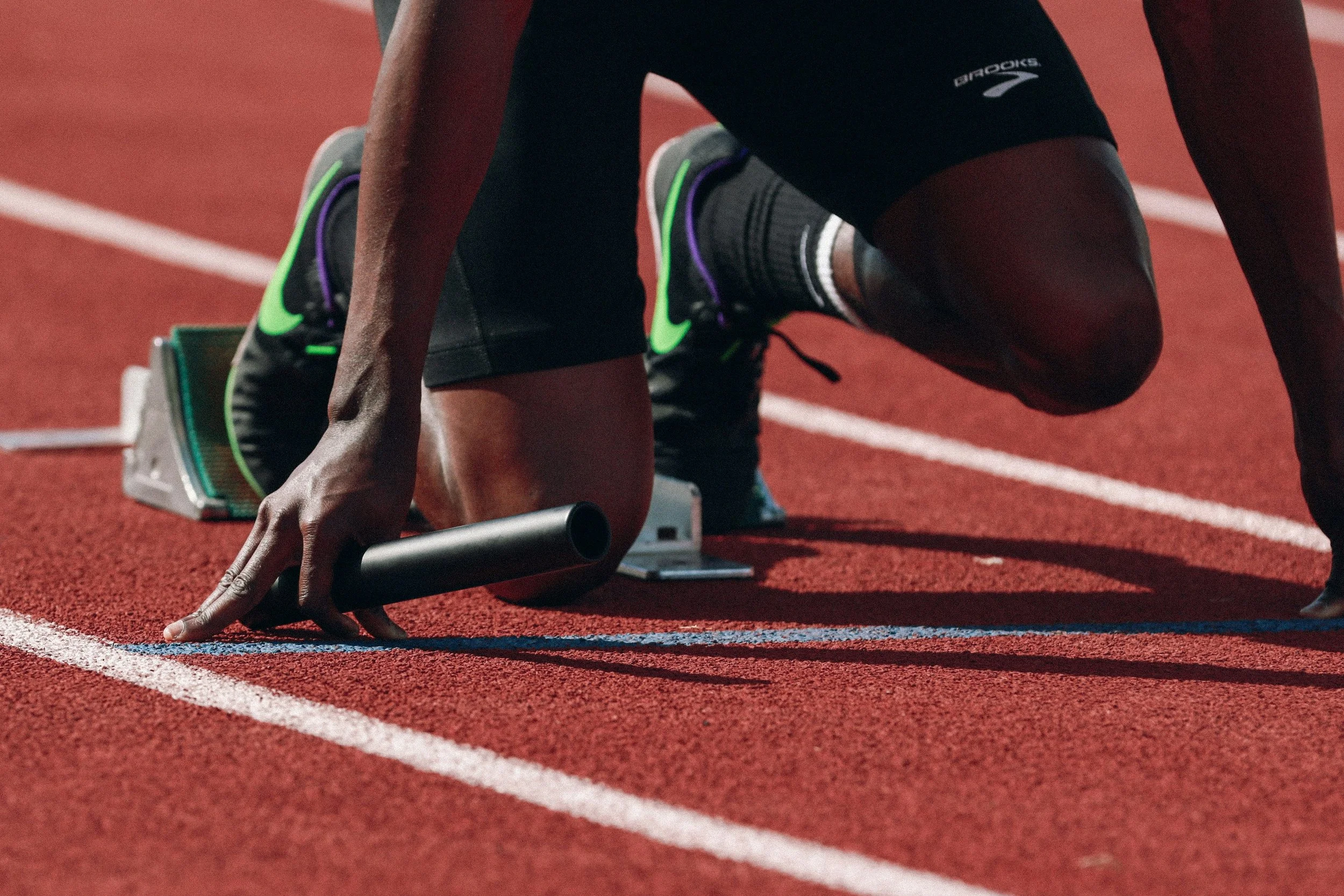
PHOTO CREDIT | Unsplash/Braden Collum
The Food Standards Agency sets the daily consumption guidance for healthy adults at 10mg of CBD per day from food supplement sources, updated in October 2023.
For competitive athletes, the position is clear. UK Anti-Doping confirms that CBD is not on WADA's Prohibited List and is permitted in sport. Every other cannabinoid, including THC, CBN, and synthetic cannabis compounds, remains prohibited in-competition. UKAD classifies CBD products under the same use-at-your-own-risk category as all other dietary supplements. If a CBD product causes an adverse analytical finding for THC, the athlete's use of that product does not reduce their fault.
The risk is not theoretical. CBD extraction leaves trace cannabinoids in many products. Full-spectrum oils carry the highest contamination risk. Athletes in testing pools should use isolate or verified THC-free broad-spectrum products only, with a batch-specific certificate of analysis confirming the full cannabinoid profile, THC levels, pesticides, heavy metals, and microbiological safety. Certificates must come from an accredited independent laboratory.
What the Research Shows?
A 2024 systematic review published in Nutrients analysed studies on CBD and athletic performance and recovery across physically active individuals. The review found limited positive evidence for improvements in aerobic parameters including VO2 max and mean power output. It found no significant effect on strength-based performance. Pain reduction and reduced post-load fatigue showed moderate positive signals, with the authors noting that no significant adverse effects were reported across the included studies.
A 2025 survey of elite-level Canadian athletes, published in Frontiers in Nutrition, found that 77% of CBD users reported reduced pain from training, 93% reported improved sleep, and 90% reported improved relaxation. These are self-reported outcomes, not controlled trial data, but they reflect the reasons athletes actually use CBD and the areas where practical benefit is most consistently reported.
A 2024 systematic review in Pain Management Nursing examined CBD for chronic pain management across 15 studies and found that the majority reported pain reductions of between 42% and 66% with CBD alone or in combination with other cannabinoids. The heterogeneity across study designs limits the strength of these conclusions, and the authors called for larger controlled trials.
The overall picture is this: CBD shows genuine signals for pain and inflammation reduction, with sleep and anxiety as consistent secondary benefits. What the evidence supports is safety, tolerability, and enough biological plausibility to justify its use as part of a structured recovery approach.
Specific Applications for Athletic Pain
Post-training inflammation is where most athletes start. After high-intensity sessions, the body triggers an inflammatory cascade as part of normal repair. When that response is excessive or prolonged, it delays recovery and compounds soreness. Oral CBD taken after training, typically as a sublingual oil, works through CB2 modulation to reduce the amplitude of that inflammatory signal without shutting it down entirely.
Delayed onset muscle soreness (DOMS) peaks between 24 and 48 hours after intense or unfamiliar exercise. CBD addresses DOMS through the same anti-inflammatory pathway, and some athletes report additional benefit from combining oral CBD with topical application directly to affected muscle groups. Topical CBD does not enter systemic circulation in meaningful quantities. It acts locally on peripheral receptors in the skin and connective tissue.
Chronic and injury-related pain is a different use case. Athletes managing the residual effects of old injuries, including joint pain, tendinopathy, and nerve sensitisation, often find that CBD forms a useful adjunct to physiotherapy and structured rehabilitation. The anti-inflammatory and analgesic properties that make CBD useful acutely remain relevant in chronic pain contexts, where the goal is reducing background pain levels rather than addressing acute tissue damage.
Sleep quality deserves separate mention even in an article about pain. Sleep deprivation lowers pain thresholds significantly. An athlete sleeping poorly will perceive training pain and injury pain as more severe than the same athlete sleeping well. CBD's reported benefits for sleep onset and sleep quality, documented consistently in athlete surveys, mean that some of its pain management value is indirect, mediated through better recovery rather than direct analgesia.
How to Use CBD Oil Practically?
Start at the lower end of the dosage range. The FSA guidance of 10mg per day for healthy adults is the correct reference point for food supplement use. Some clinical research uses higher doses in controlled protocols. For day-to-day supplementary use, staying at or below 10mg is the cautious and legally supported position.
Sublingual oil is the most common delivery method. Hold the oil under the tongue for 60 to 90 seconds before swallowing. This increases absorption through the mucous membranes and produces faster onset than capsules or edibles. Topical products, creams and balms, work alongside oral CBD for localised pain without adding to systemic CBD load.
Timing matters. Post-training is the most logical point for CBD directed at inflammation and recovery. For sleep-related pain management, a dose 30 to 60 minutes before bed works for most users. Avoid introducing any new supplement variable on competition day, particularly if you are in a testing pool.
Product selection is the most important decision you will make. Use isolate or verified THC-free broad-spectrum products. Require a batch-specific certificate of analysis tied to the exact batch you are purchasing, not a general test or a manufacturer's claim. Confirm the certificate covers cannabinoids, heavy metals, pesticides, residual solvents, and microbiological safety. Check that the product is linked to a valid FSA novel food application.
The Practical Takeaway
CBD oil addresses athletic pain through multiple routes: anti-inflammatory action at CB2 receptors, pain modulation at TRPV1 receptors, and indirectly through sleep quality improvement. The legal position in the UK is settled. CBD is permitted under FSA food supplement rules and under WADA anti-doping regulations, provided the product meets quality and THC content standards. The real risk for athletes is product quality, not legality. A contaminated or mislabelled product is the hazard. Buy from suppliers who publish full laboratory documentation, use isolate or verified THC-free broad-spectrum products, and stay within the FSA's 10mg daily guidance.