There was a time when status symbols were easy to spot. Luxury cars, designer labels, and VIP access all signaled success in ways that felt obvious and external. But today, especially within wellness and fitness culture, the definition of status is shifting. Increasingly, the people turning heads aren’t necessarily the loudest or flashiest. They are the ones who look energized, rested, focused, and genuinely healthy.
In the age of burnout, digital overload, and constant hustle, feeling good has become aspirational. Wellness is no longer just a personal goal; it has become a cultural marker tied to confidence, longevity, and quality of life. From recovery-focused fitness routines to sleep optimization and preventative healthcare, modern consumers are investing less in appearances alone and more in how they function every day.
For readers immersed in athleisure, fitness, and modern wellness culture, this evolution makes perfect sense. Looking good may still matter, but increasingly, people want to feel good too — and that shift is redefining what success looks like.
Wellness Has Become the New Luxury
One reason wellness now carries status is because genuine health has become harder to maintain. Long work hours, stress, poor sleep, processed foods, and nonstop connectivity all compete against physical and mental well-being. According to the American Psychological Association, chronic stress levels remain significantly elevated for many adults in the United States, with younger professionals especially affected by burnout and fatigue.
As a result, having consistent energy, emotional balance, and strong physical health now communicates something deeper than aesthetics. It suggests discipline, self-awareness, and access to supportive resources.
This is reflected across nearly every corner of lifestyle culture. Luxury hotels emphasize sleep experiences and recovery amenities. High-end fitness clubs market longevity and wellness optimization rather than extreme weight loss. Even fashion trends within athleisure increasingly align with comfort, mobility, and everyday functionality.
The modern aspiration is not simply to look successful. It is to move through life without feeling exhausted by it.
The Rise of Preventive Wellness
Another reason feeling your best has become culturally valuable is the growing focus on prevention instead of reaction. Rather than waiting for health problems to appear, more people are proactively investing in their physical and mental well-being earlier in life.
This shift has fueled growth in areas like hormone health, recovery treatments, personalized nutrition, wearable fitness technology, and at-home health testing. Consumers want insights into how their bodies function, and they want solutions that fit seamlessly into busy lifestyles.
That’s one reason platforms like Feel 30 have gained attention among modern men looking for more accessible support around testosterone replacement therapy (TRT), erectile dysfunction (ED), and overall wellness. By combining telehealth access with at-home blood testing and nurse visits, these kinds of services reflect a broader movement toward personalized, convenience-driven healthcare.
Hormonal health, sleep quality, stress management, and recovery all affect energy levels, confidence, mood, and long-term health outcomes. Men are increasingly becoming more open to conversations around wellness optimization in ways that would have felt taboo a decade ago.
Energy Is the New Flex
In previous generations, overworking was often worn like a badge of honor. Being constantly busy signaled ambition and productivity. But today, exhaustion no longer feels impressive. In fact, chronic burnout has become so normalized that maintaining energy and balance can feel rare.
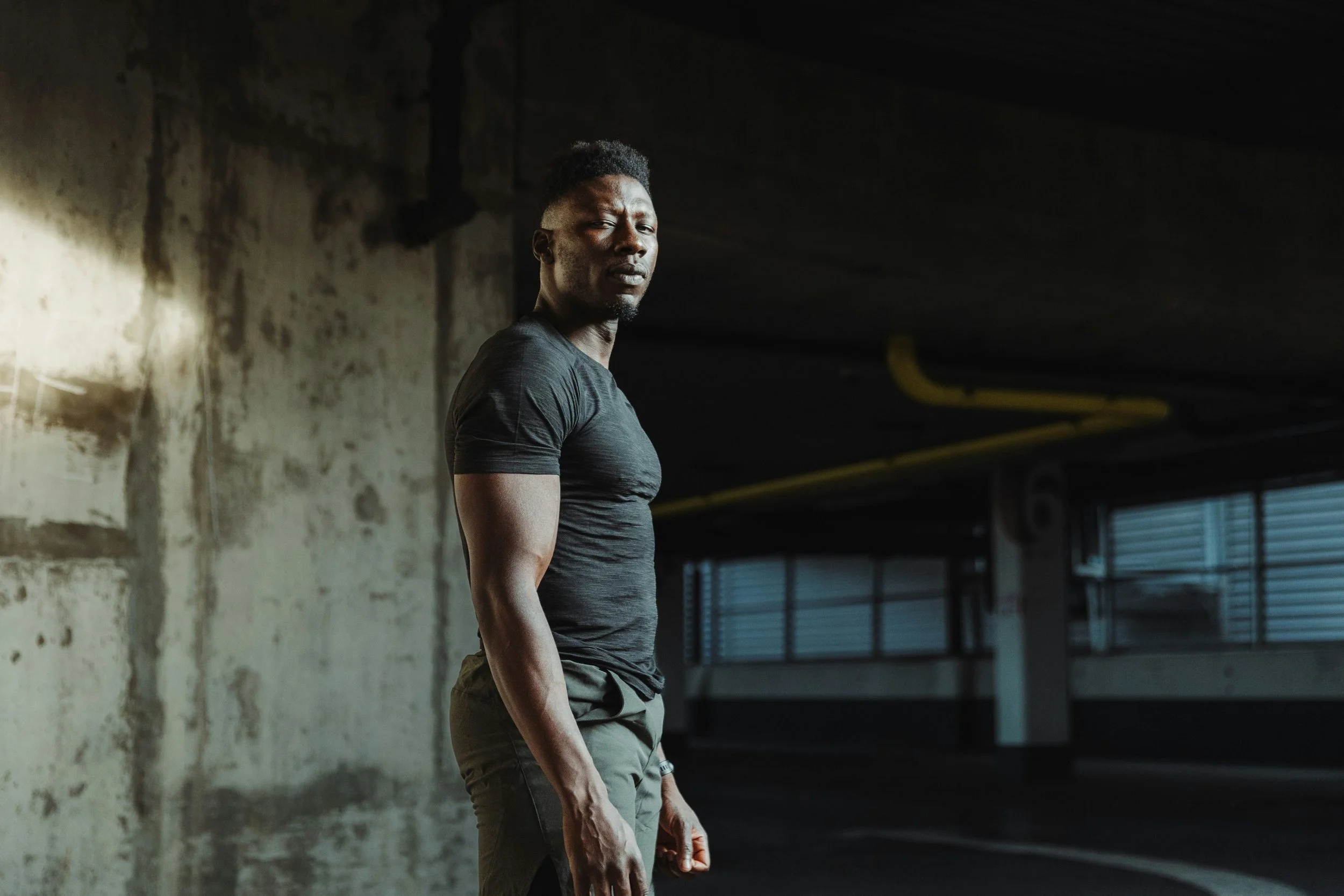
People notice when someone appears mentally sharp, physically active, socially engaged, and emotionally grounded. These qualities often communicate success more effectively than outward displays of wealth because they reflect sustainable living rather than overextension.
Research published by Harvard Health highlights how sleep, exercise, stress reduction, and hormone balance all play critical roles in maintaining cognitive performance and physical energy as we age. Consistently neglecting these areas eventually impacts everything from focus and motivation to cardiovascular health and emotional resilience.
Within wellness culture, recovery has therefore become just as important as performance. Cold plunges, sauna therapy, mobility work, mindfulness practices, and sleep tracking are now common topics among fitness enthusiasts and high performers alike. The goal isn’t simply pushing harder. It’s sustaining a high quality of life over time.
Social Media Changed the Conversation Around Health
Platforms such as Instagram, TikTok, and YouTube have made daily routines highly shareable, from morning workouts and supplement stacks to recovery rituals and nutrition habits.
While social media can create unrealistic standards, it has also normalized conversations around topics that were previously overlooked, including mental health, testosterone levels, sleep quality, and preventative care.
Today’s wellness audience tends to value transparency and functionality more than perfection. Consumers are increasingly skeptical of extreme crash diets or unrealistic body standards. Instead, they gravitate toward sustainable lifestyles that support confidence, performance, and longevity.
Athleisure culture reflects this evolution perfectly. The popularity of elevated activewear isn’t only about fashion. It’s also about identity. Wearing athleisure signals alignment with movement, wellness, and self-care, even outside the gym. It represents a lifestyle centered around feeling capable and energized.
Longevity Culture Is Reshaping Modern Wellness
Another major factor driving this shift is the growing interest in longevity. People are no longer only focused on lifespan; they are increasingly concerned with healthspan, or the number of years they can remain active, independent, and mentally sharp.
According to research from the National Institute on Aging, lifestyle habits such as regular exercise, quality sleep, stress management, and preventative healthcare can significantly influence healthy aging outcomes.
That mindset affects everything from fitness routines to healthcare decisions. Functional training, low-impact workouts, recovery practices, and personalized wellness plans all fit into a lifestyle designed for long-term vitality.
Feeling your best is no longer viewed as indulgent. It is increasingly seen as responsible.
Confidence Starts With Health
Perhaps the biggest reason wellness has become the ultimate modern status symbol is because physical and mental well-being affect nearly every part of life.
When people feel healthy, rested, and energized, it influences how they show up socially, professionally, and emotionally. Confidence tends to feel more authentic when it is supported by actual well-being rather than external validation alone.
This is particularly relevant as conversations around men’s health continue evolving. Historically, many men avoided discussing issues related to fatigue, hormonal imbalance, sexual health, or mental wellness. But cultural attitudes are changing, especially among younger generations who view healthcare and wellness as forms of self-investment rather than weakness.
That shift is helping redefine masculinity in healthier ways. Strength is increasingly associated with self-awareness, balance, and proactive care rather than silent burnout.
Conclusion
In today’s culture, feeling your best has become one of the clearest indicators of modern success. Energy, vitality, mental clarity, and sustainable health now carry more cultural value than many traditional status symbols ever did.
This does not mean wellness needs to become performative or obsessive. Rather, it reflects a growing awareness that quality of life matters. People want to look good, but they also want to sleep well, think clearly, recover properly, and maintain their health long term.
As wellness, fitness, and healthcare continue evolving together, the modern aspiration is becoming increasingly clear: not simply achieving success, but actually having the energy and well-being to enjoy it.