KYOTO'S FUSHIMI INARI SHRINE AND TOKYO SKYTREE: TRADITION MEETS MODERN JAPAN

Japan is a country that never ceases to surprise. One moment, you’re walking beneath ancient temple gates surrounded by whispering forests, the next, you’re gazing out from one of the world’s tallest towers as neon lights sparkle below. This seamless blend of old and new is what makes Japan so enchanting, and it comes alive most vividly in two very different landmarks: Kyoto’s Fushimi Inari Shrine and Tokyo’s Skytree. Together, they show how the nation embraces tradition while celebrating modernity, offering travellers an experience unlike anywhere else in the world.

PHOTO CREDIT | Unsplash/Ritz

Fushimi Inari Shrine: Walking Through a Thousand Gates

Kyoto has long been known as Japan’s cultural heart, and no place embodies this more beautifully than Fushimi Inari Taisha. Dedicated to Inari, the Shinto deity of prosperity, the shrine is instantly recognisable for its thousands of bright red torii gates that snake up the mountainside. Each gate, donated over the centuries, represents a prayer for good fortune or gratitude for blessings received.

Stepping into the tunnel of gates feels like entering another realm. The air is cool and still, broken only by the soft rustle of leaves and the sound of your footsteps on the stone path. Morning sunlight filters through the gaps, painting shifting patterns of orange and shadow along the way. 

For visitors who want to fully immerse themselves in this spiritual journey, curated tours to Kyoto often include guided walks through Fushimi Inari, sharing stories of the shrine’s deep symbolism and cultural role. It’s more than a sightseeing stop—it’s an invitation to experience a living tradition.

Kyoto’s Charm Beyond the Shrine

Of course, Fushimi Inari is just one of Kyoto’s treasures. The city brims with temples, gardens, and rituals that bring Japan’s past into the present. Kinkaku-ji, the Golden Pavilion, gleams in the sunlight, its reflection shimmering across a still pond. Ryoan-ji’s Zen rock garden encourages quiet contemplation, while teahouses tucked into side streets invite you to pause for matcha and sweets.

Kyoto feels slower than other cities, almost as if time itself lingers here. The fragrance of incense wafts from temple courtyards, geisha glide gracefully through lantern-lit alleys, and in spring, cherry blossoms drift down like soft pink snow. It’s no wonder the city is often described as the soul of Japan.
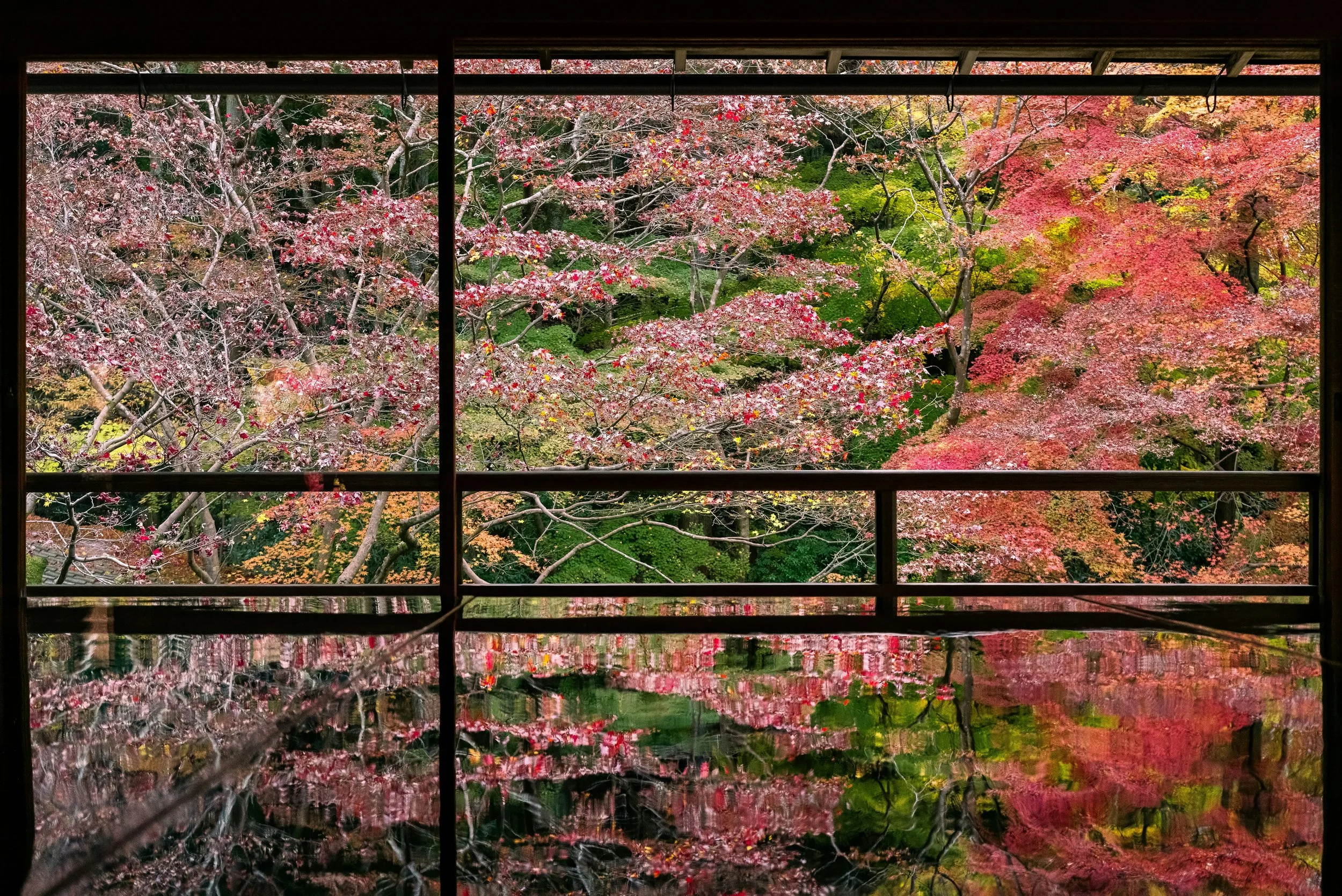
PHOTO CREDIT | Unsplash/Zhao Yangyang

Tokyo: A City of Layers

Tokyo is a city of contrasts. Wander through Asakusa, and you’ll find Senso-ji Temple surrounded by lively stalls selling snacks and souvenirs. Head to Shibuya, and you’re swept into the famous crossing, where hundreds of people move in a perfectly choreographed rush beneath glowing billboards. In quieter corners like Ueno Park, cherry blossoms create a canopy of pink in spring, while Ginza sparkles with boutiques and high-end dining.

Experiencing both Kyoto and Tokyo in a single journey is what makes trips to Japan so rewarding. The high-speed rail whisks travellers seamlessly between the two, turning the journey itself into part of the adventure. 

Tokyo Skytree: Touching the Future

Travel east and the atmosphere changes completely. In Tokyo, energy hums through every street, and nothing captures this modern dynamism quite like the Skytree. At 634 metres, it towers above the capital, visible from miles away. By day, it glistens against the sky; by night, it glows with ever-changing lights that reflect the seasons or mark special events.

Inside, the Skytree offers more than just breathtaking views. There’s a sense of awe that comes with standing so high above the city, watching tiny trains snake along tracks and the patchwork of streets buzzing with life below.

At the base, the Solamachi complex bursts with shops, cafés, and restaurants. Here, you can browse traditional crafts, savour sushi with a view, or simply watch the city unfold from a cosy corner. The Skytree is a reminder that Japan’s modern spirit is as captivating as its ancient soul.

PHOTO CREDIT | Unsplash/Red Shuheart

Tradition and Modernity Hand in Hand

What makes Fushimi Inari Shrine and Tokyo Skytree so compelling is not their differences but how they complement one another. One invites quiet reflection beneath ancient gates, the other lifts you high above the city into a vision of the future. Together, they reveal the essence of Japan: a place where reverence for history and passion for innovation walk side by side.

Conclusion: A Journey That Lingers

Visiting Kyoto’s Fushimi Inari and Tokyo’s Skytree is not just about ticking off landmarks—it’s about feeling the heartbeat of Japan in two very different forms. In Kyoto, each step beneath the torii gates feels like a conversation with the past, a reminder of faith, resilience, and tradition. In Tokyo, the sweeping view from the Skytree fills you with possibility, a sense of how far humanity can reach.

This contrast is what makes Japan unforgettable. It’s a country that slows you down and lifts you up, often in the same day. Long after leaving, you’ll remember the hush of the forest at Fushimi Inari, the glow of Tokyo’s skyline at night, and the feeling of standing between past and future. These are the memories that make Japan more than a destination—they make it a journey you’ll want to return to again and again.

HISTORIC ECHOES OF MADRID AND BARCELONA: SPAIN'S LIVING HERITAGE

Spain is a country that doesn’t just showcase its history—it lets you live it. In its parks, you feel the echoes of royal footsteps; in its cobbled streets, the murmur of centuries past lingers in the air. Nowhere is this more vivid than in two iconic spaces: Madrid’s Retiro Park and Barcelona’s Gothic Quarter. Each offers a journey through time, yet both remain woven into daily life, full of laughter, music, and the simple pleasures of the present moment.

PHOTO CREDIT | Unsplash/Eduardo Rodriguez

Retiro Park: Madrid’s Soul in Green

In the heart of Madrid, Retiro Park unfolds like an oasis. Once the playground of kings and queens, it is now a beloved escape for locals and visitors alike. Step inside, and the city’s bustle fades away. You hear the dip of oars on the boating lake, the chatter of families gathered for picnics, and the strum of a guitarist playing softly beneath the shade of chestnut trees. Every corner seems to hold a story. The Crystal Palace gleams like a jewel of glass and iron, reflecting sunlit ripples from the pond at its feet. The Rose Garden perfumes the air in summer, while autumn sets the pathways ablaze with fiery colours. Joggers weave past statues, artists set up their easels, and children chase bubbles that shimmer in the afternoon light.

It’s here, in this living park, that Madrid feels most human—where history, leisure, and culture merge seamlessly. Exploring Spain by train makes it easy to pair mornings in Retiro with afternoons in other cities, each journey a chance to see the country unfold through the window: olive groves, golden fields, and mountain silhouettes rolling by.

Madrid Beyond the Park

Wander back into Madrid’s streets, and the city continues to dazzle. The Royal Palace rises in marble splendour, while Plaza Mayor buzzes with the clink of cups and the hum of conversation spilling from pavement cafés. Gran Vía, vibrant and theatrical, glows late into the night, while the Prado Museum preserves masterpieces that have defined Europe’s cultural story.

Madrid feels expansive and elegant, yet always welcoming—its plazas inviting you to pause, taste tapas, and join in the rhythm of life.

Barcelona’s Gothic Quarter: A Labyrinth of Time

Moving between Madrid’s open grandeur and Barcelona’s medieval intimacy is effortless thanks to the sleek high-speed trains from Madrid to Barcelona. In just a few hours, you travel from the leafy tranquillity of Retiro to the lantern-lit alleyways of the Gothic Quarter, with the countryside flashing by as a backdrop to your adventure.

If Madrid is wide boulevards and open skies, Barcelona’s Gothic Quarter is a world of shadows and secrets. Known as Barri Gòtic, it’s a tangle of narrow streets where history clings to the very stones. Walk slowly, and you’ll notice the scent of fresh bread from tiny bakeries, the cool touch of stone walls under your fingers, and the echo of footsteps where Romans once marched.

The Gothic Quarter is full of treasures: Barcelona Cathedral with its soaring spires, cloisters where geese wander between fountains, and hidden squares where locals sip wine under the glow of lanterns. In the daylight, flower-draped balconies brighten the alleys; at night, the sound of guitars drifts through the air, and the quarter takes on an almost theatrical magic.

Two Cities, Two Souls

Together, these places capture the duality of Spain. Retiro Park feels like a grand stage where history is played out under open skies, while the Gothic Quarter invites you to lean in and listen closely to its whispered stories. Both are living, breathing spaces—full of children’s laughter, café chatter, and the everyday rhythm of Spanish life.
They remind us that history isn’t just locked away in museums or monuments. It’s alive in the streets, the parks, and the people who carry these traditions forward every day.

Conclusion: A Journey That Stays With You

Travelling in Spain is about more than visiting sights; it’s about experiences that leave imprints on the senses. The scent of roses in Retiro Park. The shimmer of stained glass inside Barcelona Cathedral. The taste of fresh churros eaten in a hidden square. These moments are as much a part of the journey as the landmarks themselves.

Retiro Park and the Gothic Quarter may belong to two different cities, but they share one thing: the power to make history feel alive and personal. They invite you not just to look, but to feel—to pause, breathe, and connect. And as you leave, the memory lingers like sunlight on stone, a reminder that Spain’s greatest gift is how it makes you part of its unfolding story.

What makes these places unforgettable is their timeless quality. No matter how many times you return, Retiro Park always offers new corners to explore, and the Gothic Quarter reveals fresh secrets in its winding streets. They are destinations that reward curiosity, encouraging you to slow down and notice the details—the small moments that turn travel into something deeply meaningful.

NAD+ THERAPY AND WEIGHT LOSS FOR ACTIVE MILLENNIALS

Your week is packed. A quick run between meetings, a lift at lunch, a lighter dinner when you can. Some days you feel sharp, other days your legs feel like sandbags.

That’s why a lot of active people ask about NAD⁺. If you want options you can manage from home, you can learn more through NAD online. Here’s a simple guide to what it is, how it may fit your plan, and what to ask before you try it.

PHOTO CREDIT | Unsplash/Towfiqu barbhuiya

What Is NAD⁺

Nicotinamide adenine dinucleotide, or NAD⁺, is a coenzyme your cells use to turn food into energy. It helps enzymes run pathways that make ATP, which powers muscle contraction, brain work, and recovery.

You don’t need biochem notes to get the point. If you train hard, how your cells handle energy shows up on the bar and on your runs across a normal work week.

NAD⁺ levels can shift with age, poor sleep, and heavy training blocks. Researchers also study links to mitochondria and cell repair. If you want a quick primer, the overview on Wikipedia explains its role in metabolism in plain language.

How It May Help With Weight Loss

NAD⁺ isn’t a shortcut. Food intake, protein, movement, and sleep do most of the work. The possible win is steadier energy, which helps you finish what you plan.

Here’s the practical link. Better cellular energy may help you keep a steady training volume. Three strength sessions plus two short cardio blocks beat two rushed workouts and a skipped day.

Many people also notice the 3 p.m. slump eases, which can quiet the pantry raid. If you’re running a small daily deficit, feeling steady makes it easier to stick with it.

Worth saying, evidence for direct fat loss from NAD⁺ therapy is still early. Energy and recovery look more promising than the scale itself. For a balanced, plain English summary of potential benefits and side effects, see this review on Healthline.

Safety And Side Effects

NAD⁺ therapy can be given as IV infusions, injections, or sublingual troches. Each option has tradeoffs.

●       IV infusions: Clinic visits that run one to several hours. Good if you like fixed appointments and someone else sets things up.

●       Injections: At home and quick, usually on a set schedule. Popular with people who live in calendar blocks.

●       Troches: Under the tongue. If needles make you tense, start here.

Dosing plans vary. The right plan considers training load, sleep, body weight goals, and other meds. Some providers pair NAD⁺ with weight loss medications. If your team suggests a combo, ask why it fits your goals and how side effects are tracked.

Tell your provider about migraines, arrhythmias, liver issues, prescriptions, supplements, caffeine, and alcohol. If you’re pregnant or nursing, ask for a different plan. Mild nausea, headache, or flushing can show up. Chest pain, severe dizziness, or allergic symptoms mean stop and call. Good telemedicine services review these points before you start.

Why Telemedicine Helps

Waiting rooms don’t pair well with back to back meetings. Video visit, plan set, meds shipped, quick follow ups. The real benefit is consistency. Easy access keeps you on the plan long enough to see change.

●       Video consult: Goals, training schedule, past weight changes, safety.

●       Home delivery: Clear instructions and supplies, no pharmacy sprint.

●       Follow ups: Short check ins. Move timing when travel or heavy weeks hit.

Habits That Support Results

NAD⁺ works best as part of a week that includes smart food, movement, and recovery. Use this simple plan for month one.

●       Calorie target you can repeat: Small daily deficit, not a crash. Protein around 1.6 to 2.2 grams per kilogram of body weight. If tracking stresses you out, use a plate guide. Half veggies, quarter lean protein, quarter carbs, and add a thumb of fats if you’re starving.

●       Training you can finish on busy days: Two full body lifts and two 25 to 35 minute cardio sessions. If you only have 18 minutes, do 18. Done beats skipped.

●       Steps and movement breaks: Keep steps steady across the day. Put a 10 minute walk after lunch or dinner on your calendar so it happens.

●       Sleep: Aim for seven to nine hours. Same bedtime. If that’s tough, try a 20 minute wind down with light reading, breath work, or a warm shower.

●       Caffeine limits: Cut it by early afternoon to protect sleep. Sleep moves the needle more than an extra espresso.

If you pair NAD⁺ with a weight loss medication, ask how to time doses around workouts and travel. Plan hard sessions on days your stomach behaves.

Your 4 Week Check

Tools beat hope. Keep a short weekly review.

●       Weight trend: Weigh in three times per week at the same time. Log the rolling average. Watch the trend, not single days.

●       Waist or hip measure: One tape measure reading per week. This tracks fat loss when water swings hide changes on the scale.

●       Training log: Session type, sets, reps, distance, and effort. Mark sessions cut short by fatigue.

●       Energy and hunger notes: One or two lines per day. Patterns often link to dose timing, sleep, or stress.

If the four week trend is flat, change one lever, not five. Trim 150 to 200 calories, add one short cardio block, or fix bedtime. Share your log during follow ups so your provider can fine tune the plan.

Questions To Ask Your Provider

Bring a list so the call stays focused. A few good ones:

●       What’s my starting dose and schedule based on my training?

●       When might I feel steadier energy?

●       What side effects should I watch for, and what’s the plan if they show up?

●       How will we track progress at four and twelve weeks?

●       If we combine therapies, what changes first if workouts feel off?

●       How do we handle travel and stacked meeting weeks?

Good answers here usually predict a smoother program.

PHOTO CREDIT | Unsplash/Towfiqu barbhuiya

Putting It All Together

NAD⁺ can help you feel steadier across work and workouts, which makes food choices and training easier to repeat. Keep access simple with telemedicine, pair the therapy with basic habits, and track your trend lines. Small changes, done most days, add up.

TRENDSPOTTING FOOTBALL: HOW BETTING PLATFORMS MIRROR ATHLEISURE'S GLOBAL RISE

Every few years, a lifestyle shift grabs attention and redefines how people spend their time and money. Athleisure did this for fashion by turning everyday comfort into a global trend. Football betting platforms are following a similar path, becoming part of how fans connect with the sport beyond the pitch. Both are built on accessibility and the idea that lifestyle is about participation, not just observation.

Football fans today want more than ninety minutes of action. They look for ways to extend their involvement through digital platforms. That’s where services like ufabet come in, offering fans a seamless way to interact with matches in real time. Just as leggings and sneakers moved from gyms to city streets, online betting has shifted from niche corners into mainstream culture.

PHOTO CREDIT | Pexels/Cottonbro Studio

Global Reach and Universal Appeal

Athleisure became big because it crossed borders quickly. From Tokyo to Toronto, joggers and performance hoodies became everyday wear. Online football betting reflects this same momentum. Fans in Europe, Asia, and the Americas are logging into platforms with ease, making match days interactive no matter where they live.

This universal appeal is not accidental. Both athleisure and betting platforms are designed for simplicity. Slip into sneakers, tap on a screen, and you’re part of the action. Accessibility is key, and once people see how easy it is, the habit sticks.

The Role of Community and Culture

Fashion has always been about more than fabric. Athleisure worked because it tapped into fitness culture, self-expression, and social identity. In the same way, football betting is thriving because it offers community. Fans share predictions, compare odds, and celebrate wins together.

In gyms, you see groups in coordinated sets. Online, you find fans comparing wagers across social feeds. The buzz is social currency. Both trends rely on creating a sense of belonging. People want to be part of the movement, whether it’s repping a sleek hoodie or calling the score before kickoff.

Digital First: Convenience as a Standard

One reason athleisure disrupted fashion is that it fits into daily life with zero effort. You can go from yoga to brunch without changing outfits. Football betting apps and websites follow the same principle. Everything is optimized for mobile, making it possible to place a bet while commuting or catching highlights at work.

Convenience is the modern luxury. People no longer want to separate routines into strict boxes. Athleisure blurred gym wear and streetwear. Betting platforms blur traditional viewing and interactive play. Both thrive because they respect how people actually live.

Style Meets Substance

It’s easy to assume athleisure is only about looks, but the fabrics and cuts are engineered for movement. Likewise, football betting platforms are more than flashing odds. They are built on systems designed for accuracy, security, and speed. This blend of style and substance ensures longevity.

When a hoodie feels good and looks sharp, people keep buying. When a betting platform delivers smooth experiences without hiccups, fans keep logging in. Style draws people in, but function keeps them coming back.

The Social Media Factor

Social platforms supercharged both athleisure and football betting. Influencers normalized yoga pants as everyday wear. In parallel, fans began sharing betting slips and predictions on Twitter, TikTok, and Instagram. Visibility drives adoption.

Both industries thrive on this cycle: people see, people try, people share. It creates a loop of participation that keeps momentum strong. Without social feeds, trends would spread slower. With them, they reach global scale almost overnight.
The Psychology of Everyday Rituals

Rituals play a role too. Athleisure became a ritual because people wear it not just to work out but to signal lifestyle choices. Online betting builds rituals around pre-game and halftime routines. Fans log in, check odds, and engage with matches in a way that feels personal.

These small moments add up. They become habits that shape culture. Just as people grab the same hoodie before heading out, fans grab their phones to see what’s happening in the betting world before kickoff.

Why the Parallels Matter

Looking at athleisure and football betting side by side shows how lifestyle trends are no longer about a single product. They are ecosystems. Athleisure is about clothing, workouts, and social identity. Football betting is about matches, community, and digital connection. Both tap into human needs: to belong, to express, and to feel part of something larger.

For fans and consumers, this parallel signals that betting platforms are not just entertainment tools. They’re becoming part of a broader lifestyle shift, just like athleisure did. Both thrive by meeting people where they are—on their phones, in their social circles, and in the middle of their daily routines.

PHOTO CREDIT | Pexels/Luis Quintero

Conclusion: The New Everyday Culture

Trends succeed when they go beyond novelty. Athleisure stayed because it’s comfortable, stylish, and practical. Football betting platforms are carving the same path by being engaging, accessible, and social. The global rise of both movements proves that when convenience and culture intersect, the result is powerful.

From New York gyms to stadiums in Spain, and from group workouts to live betting chats, the world is seeing how lifestyle and sport connect in new ways. Athleisure and football betting may seem like different worlds, but they share the same DNA: global adoption, social energy, and everyday ease.

FROM COURTS TO CLICKS: WHAT SPORTS FANS SHOULD KNOW ABOUT SAFE BETTING

Sports have always been about connection. Whether it’s cheering courtside or catching a match on TV, the excitement is the same. These days, that connection has moved beyond the physical arena. Many fans are adding an extra layer of fun by engaging in online betting. It’s not just about predicting scores. It’s about feeling closer to the game, wherever you are.

If you’re stepping into the online betting scene, you’ll quickly notice that not all platforms are the same. Some prioritize clear rules, secure payments, and user-friendly design. Sites like ufa are often pointed to as examples of what reliable betting can look like. That doesn’t mean you have to use them, but understanding what makes them a solid reference can help you choose wisely.

PHOTO CREDIT | Pexels/Ketut Subiyanto

Why Safety Matters More Than You Think

It’s easy to get caught up in the thrill of betting. The adrenaline kicks in when you’re watching the numbers and odds shift. But behind that rush is the need for strong safety measures.

Safe betting isn’t just about protecting your money. It’s also about protecting your personal details and ensuring fair play. Reputable platforms use encryption, clear terms, and transparent processes so you know exactly what’s happening with your bets and your account.

Think of it like training for a sport. You wouldn’t run onto a court without proper gear or preparation. The same applies here. Safety is your gear.

How to Spot a Trustworthy Betting Platform

Choosing a platform is like picking a good sports team. You want the right mix of skill, reliability, and strategy.

Here are some markers of a site worth your time:

●      Licensing and Regulation – Check if the site is licensed by a recognized authority.

●      Clear Rules – The terms and conditions should be easy to find and written in plain language.

●      Secure Payment Options – Look for trusted payment providers and encrypted transactions.

●      Fair Play Tools – Features like betting limits and self-exclusion options show a platform values player well-being.

Transparency Is a Winning Strategy

In sports, clear rules make the game enjoyable for everyone. The same goes for betting. A transparent platform should make it easy for you to track your bets, understand payouts, and see how odds are calculated.

This is where you, as a bettor, get to play coach. Review the platform’s policies before you start. If something feels unclear or hidden, treat it as a red flag.

Balancing Fun and Responsibility

Betting can be part of a balanced sports lifestyle, but it works best when it’s kept in check. This means setting limits before you start and sticking to them.

Try approaching it like a workout plan. You wouldn’t train for hours every day without rest. Similarly, you shouldn’t bet without boundaries. Knowing when to step away helps keep the experience enjoyable.

The Role of Technology in Safer Betting

Modern betting platforms use more than just flashy designs. They integrate tech tools to keep users safe. Features like two-factor authentication, instant transaction tracking, and real-time alerts are becoming standard.

As a bettor, learning how to use these features to your advantage is key. Turn on notifications. Check your account regularly. And always log out when you’re done.

When in Doubt, Research

The best advice? Don’t rush. Before you register on any platform, read reviews, check ratings, and see what experienced bettors are saying. Independent reviews can give you insights you won’t get from a platform’s own marketing.

If you’re already a sports fan, you know the value of studying stats before making a call. Treat betting the same way. The more informed you are, the better your experience will be.

PHOTO CREDIT | Pexels/Ketut Subiyanto

Final Whistle

Safe online betting isn’t complicated. It’s about knowing what to look for, choosing platforms with strong reputations, and managing your activity with the same focus you’d bring to a game. When you do that, you’re not just betting. You’re playing smart.