HOW TO ACTUALLY WIN BIG ON SWEET BONANZA WITHOUT GOING BROKE

Look, we've all been there. You're scrolling through your phone at 2 AM, see some crazy win video, and think "that could be me." Next thing you know, you've blown through fifty US dollars faster than you can say "free spins."

Marcus from Phoenix knows this feeling intimately. Last year, he transformed 300 US dollars into 18,000 US dollars playing Sweet Bonanza - but not through luck. While most players aged 21-45 years chase random spins hoping for miracles, Marcus treats this Pragmatic Play masterpiece like a science experiment. He tracks volatility cycles, monitors multiplier patterns, and times his stake increases with mathematical precision. Sweet Bonanza big win moments aren't accidents in his world - they're calculated outcomes from understanding the 1.8 billion US dollar slot market's underlying mechanics that jackpotsounds platforms demonstrate daily.

The difference between Nevada, New Jersey, and Pennsylvania winners and losers isn't luck - it's approaching Sweet Bonanza as a strategic challenge rather than pure gambling entertainment.

PHOTO CREDIT | Unsplash/Carl Raw

The Million-Dollar Mistake Most Players Make

Jerry from Miami represents every losing player's story. This guy torched 800 US dollars in two weeks because he played emotionally - massive bets on every spin, celebrating 20 US dollar wins while missing the bigger strategic picture.

Then he discovered Lisa's approach. She wasn't gambling; she was systematically hunting profitable conditions. Lisa tracked bonus frequencies, monitored multiplier patterns, played minimum stakes until optimal moments arose. Her calculated increases during prime conditions generated 12,000 US dollars profit over three months.

Chicago resident Marcus transformed 300 US dollars into 25,000 US dollars using disciplined principles that most players completely ignore. His success stemmed from recognizing Sweet Bonanza's 96.51% RTP demands strategic timing rather than hope.

The Data-Driven Approach Winners Actually Use

Successful Sweet Bonanza players operate like researchers, not gamblers. They maintain detailed session logs, tracking everything from multiplier appearances to bonus round frequencies. Portland's Amanda discovered temporal patterns, playing exclusively during hours when she'd observed higher payout rates. Her 18,000 US dollar profit validates this methodical approach.

According to Wall Street Journal Gaming, players who consistently profit share specific characteristics: they separate gambling funds from living expenses, never risk more than 2% of total bankroll per session, and treat volatility as opportunity rather than obstacle.

Marcus identified crucial patterns after analyzing 200+ sessions. When base game multipliers appeared frequently, massive free spins payouts typically followed. This insight allowed him to time stake increases perfectly.

Sweet Bonanza's multiplier bombs reach 500x during free spins, but they cluster during predictable periods. Winners recognize these cycles and adjust their strategies accordingly.

Advanced Techniques for Sweet Bonanza Success

The "Pattern Recognition" Method

Smart players monitor consecutive dead spins, increasing bets moderately after 3-4 unsuccessful rounds when the game feels "ready" to compensate. This isn't superstition - it's mathematical probability working in your favor.

The "Bankroll Ladder" System

Start with minimum bets, gradually increasing stakes only when multiplier frequency suggests favorable conditions. JS analytics show this approach maximizes profit while minimizing catastrophic losses.

The "5x Session Rule"

Always quit after hitting 5x your session bankroll, regardless of momentum or perceived patterns. Nashville players who follow this rule consistently maintain long-term profitability.

Sweet Bonanza's tumbling feature creates chain reaction potential, but only when approached with calculated patience rather than impulsive excitement.

Managing Risk Like Professional Players

The fundamental difference between winners and losers? Treating Sweet Bonanza like business rather than entertainment. According to Reuters Business, successful slot players view extended losing streaks as natural game rhythm rather than personal failure.

Professional approach requires understanding Sweet Bonanza's extreme volatility characteristics. This game delivers 100+ spins without significant wins, then explodes with 1000x payouts in single bonus rounds. Winners maintain bankroll depth to survive dry periods while capitalizing when conditions turn favorable.

Boston player David learned this lesson expensively. He initially lost 1,500 US dollars chasing losses emotionally. After adopting systematic bankroll management - never exceeding 2% risk per session - he recovered losses and generated 8,000 US dollar profit within six months.

The Psychology Behind Consistent Wins

Sweet Bonanza rewards mathematical thinking while punishing emotional decisions. Winners understand that highlight-reel moments require patience, discipline, and respect for underlying game mechanics.

Real success comes from data collection rather than entertainment seeking. Track multiplier appearances, bonus frequencies, and payout patterns systematically. When favorable conditions emerge, increase stakes moderately. When volatility turns unfavorable, reduce exposure immediately.

Sweet Bonanza can generate substantial profits, but exclusively for players who approach it with business-minded discipline rather than lottery mentality. The game's design creates spectacular moments - but only for those who earn them through strategic patience.
7 WAYS TO ROCK HIGH-WAISTED WIDE LEG JEANS

The wide leg comeback is not just runway talk, it is a useful shift for everyday wear. The cut gives room to move, breathes well during busy days, and pairs with sneakers without fuss. High waists add support at the core, which helps tops sit clean and tucked.

If you are curating pieces that work from studio time to brunch, start with fit you can trust. Princess Polly’s edit of wide leg jeans for women covers rises, lengths, and washes you can style across seasons. That range makes it easy to match a fabric weight and leg shape to your routine. The seven ideas below keep the look sharp while staying practical.

Start With Fit, Rise, And Length

Fit is the foundation, and a high waist should meet you at or just above the navel. That position holds tops in place, smooths lines under tees, and supports movement during errands. If the waistband pulls when you sit, move one size up and tailor the waist.

Length matters with volume, so aim for a light break on sneakers and a clean graze on boots. Cropped pairs help shorter frames show more ankle, which adds shape around the hem. Full length pairs suit heeled boots or platform sneakers that need extra drop to hang straight.

Fabric weight drives drape, so check the cotton blend and stretch level on the label. Thicker denim holds a crisp leg, while a soft twill or lyocell blend falls with flow. If shrinking worries you, wash cold, skip the dryer, and shape the hem flat while air drying.

Balance Proportions Up Top

Wide legs love contrast from tops that add structure and a defined line. A fitted tank, ribbed tee, or short jacket creates a clean frame above the waist. Tuck the hem or use a half tuck to show the waistband and keep the line long.

You can also add shape with crop lengths that stop at the waistband, no skin needed. Boxy tees work if the sleeves and body are trimmed to avoid extra bulk. A slim mock neck under a relaxed overshirt makes a strong grid that reads neat, not stiff.

Use belts with low profile buckles that lie flat under tees and knits. Contrast stitching adds interest without loud logos or heavy hardware. If you need more structure, try a short cardigan buttoned at the waist to set a clear anchor.

Three fast proportion checks:

  1. Top hem meets waistband, then breaks cleanly at the tuck or crop line.

  2. Sleeve width stays narrow enough to avoid competing with the leg volume.

  3. Neckline shape mirrors the shoe vibe, square for boots and round for sneakers.

Footwear That Sets The Line

Shoes change the mood instantly and fix the hem behavior around the ankle. Chunky sneakers fill space under the leg, which helps the fabric hang straight. Low classic trainers read lighter, so they suit cropped hems and spring weight denim.

Heeled ankle boots lift the drape and keep rain off the hem on wet city days. A block heel adds stability when walking long distances between classes, meetings, or trains. If you prefer flat boots, look for a slim shaft that slips under the leg opening.

Comfort should lead, since volume pairs with time on your feet across a full day. Review foot health basics to cut strain and reduce hot spots from hard soles or tall heels.

Style Moves For Work, Weekend, And Studio

You can cover seven reliable styling moves with small swaps in tops and shoes. Keep a short list handy, then rotate by weather, schedule, and wash tone. Each look keeps the rise visible and the line clean from hip to hem.

  1. Boxy tee, tuck at center, chunky sneakers, light wash for coffee runs and errands.

  2. Slim knit polo, leather belt, clean trainers, mid wash for office drop ins.

  3. Cropped bomber, ribbed tank, ankle boots, dark wash for night sets or late dinners.

  4. Short cardigan, scoop tee, court sneakers, ecru for gallery afternoons and flights.

  5. Linen shirt, half tuck, sandals with platform, pale wash for warm weekends.

  6. Long sleeve bodysuit, pointed boots, black rinse for shows or dinner dates.

  7. Zip hoodie, performance tank, slip on trainers, soft indigo for studio warm ups.

Add a cap or beanie to frame the face and bring attention upward. A slim crossbody bag keeps hands free and adds a vertical line across the torso. Narrow sunglasses or simple studs keep the focus on the waist shape and leg drape.

Care, Color, And Longevity

Good care keeps drape and color true, which is the heart of the wide leg look. Turn pairs inside out, wash cold with mild detergent, and avoid bleach or brighteners. Air dry when possible, then steam the hem to reset the line and reduce twists.

Wash dark rinses alone the first few cycles to avoid dye transfer onto light tees. A short soak with vinegar can set dye in some cases, though test on a small spot. Store folded at the knee to protect the crease, or hang by the waistband with soft clips.

Sustainable laundry habits help your pieces last and cut energy use without losing shape.

Finishing Touches That Keep The Look Athletic

Small details keep the wide leg look aligned with an on the go day. A sport watch, low socks, and a nylon belt nod to training gear without turning literal. Swap heavy totes for a lightweight sling that sits high and stays out of the leg path.

Keep patterns near the face with a striped tee or baseball jacket to draw the eye up. Limit hardware and heavy chains that can weigh down the waistband and shift the tuck. If you like shine, a thin hoop or a clean pendant gives lift without clutter.

Think in easy pairs for faster dressing on tight mornings and travel days. Set two top and shoe combos for each wash that you own and repeat them weekly. Repeatability keeps your style clear, while the leg shape adds fresh movement every time.

PHOTO CREDIT | Pexels/Cottonbro studio

Photo by cottonbro studio

A Simple Wrap Up For Daily Wear

Wide legs feel modern because they work hard for real days filled with steps and plans. Pick the right rise and hem, then use trim layers to shape the line above the waist.

Rotate seven easy moves, care for the fabric, and rely on shoes that support your pace. With that setup, your jeans carry you from morning training to late dinners without fuss.

HOW MUCH PROTEIN DO YOU REALLY NEED PER DAY?

Protein is often referred to as the most underrated component of the diet. Many of you are still wondering about its significance. Don’t you?

You might be amazed to know that this is the heart of your nutrition. Yes - it is true that real nutrition lies in the presence of protein. 

So, let’s figure out together how much protein you really need per day and how it is so advantageous for you. 

How Much Protein Fits Your Lifestyle?

It is important to know that the right amount depends on your age, activity, and health goals. A person with a desk job may need only 50 to 60 grams. An athlete or someone training hard may need twice that.

Many fitness coaches often recommend 100g of protein a day for people who lift weights or follow intense workouts. That number may sound high at first. Yet it becomes simple when you spread it across meals. 

You would be shocked to hear that a protein shake can give you 25 grams. A chicken breast adds another 20 grams. A bowl of lentils offers 15 grams. This way, you can see how it adds up through the day.

Can Protein Ever Turn Into Fat?

You may ask yourself, Do proteins turn into fat? The short answer is yes, but not easily. Your body uses protein first for repair and energy. Only when you eat far more than you burn does extra protein turn into fat.

It is worth mentioning that a review in the Journal of Nutrition found that people who ate higher-protein diets lost more body fat compared to those who ate less. You should worry more about eating too little protein, not too much.

How Fast Does Protein Digest in Your Body?

You may wonder how long proteins take to digest. The answer depends on the food source. 

Eggs and whey protein digest in about 2 to 3 hours. Fish and chicken take about 4 hours. Beef takes even longer. Sunwarrior Plant-based protein powders and products like Shapeline digest quickly than beans or lentils. 

Which Foods Can Help You Reach Your Target?

You should mix animal and plant sources. Meat, fish, eggs, beans, nuts, and dairy all work well. If you prefer vegan choices, Sunwarrior products like Shapeline offer a clean source with all essential amino acids.

Think about a simple example. One scoop of plant protein powder gives you 20 grams. Add oats and peanut butter to it, and you already cover a big part of your breakfast.

How Can You Make Protein a Habit?

You should spread protein across your meals. Add eggs to breakfast, beans to lunch, and fish to dinner. Keep snacks simple. Greek yogurt, almonds, or boiled eggs all help.

Research from the Journal of Obesity shows that higher protein diets reduce cravings and cut late-night snacking. That is one reason many people find it easier to lose weight with more protein.

Bottom Line

Therefore, you all should check your daily intake. Ask yourself if your meals cover enough protein. If not, then you should definitely plan small swaps. 

Replace chips with yogurt. Replace a soda with a shake. It is simple changes like these that help you reach your goal.

BRIDGES OF PORTO AND MONASTERIES OF LISBON: PORTUGAL'S TIMELESS LANDMARKS

Portugal is a place that feels lived-in and loved. It’s in the way the morning sun glitters off tiled façades, how the scent of roasting chestnuts drifts through cobbled squares, and the sound of laughter rises from family-run cafés. Its landmarks are not just relics of the past but part of everyday life. Porto’s bridges and Lisbon’s monasteries stand as two of the country’s most striking treasures—different in form, but united in the way they capture Portugal’s soul.

PHOTO CREDIT | Unsplash/Eugene Zhyvchik

Porto: The River’s Embrace

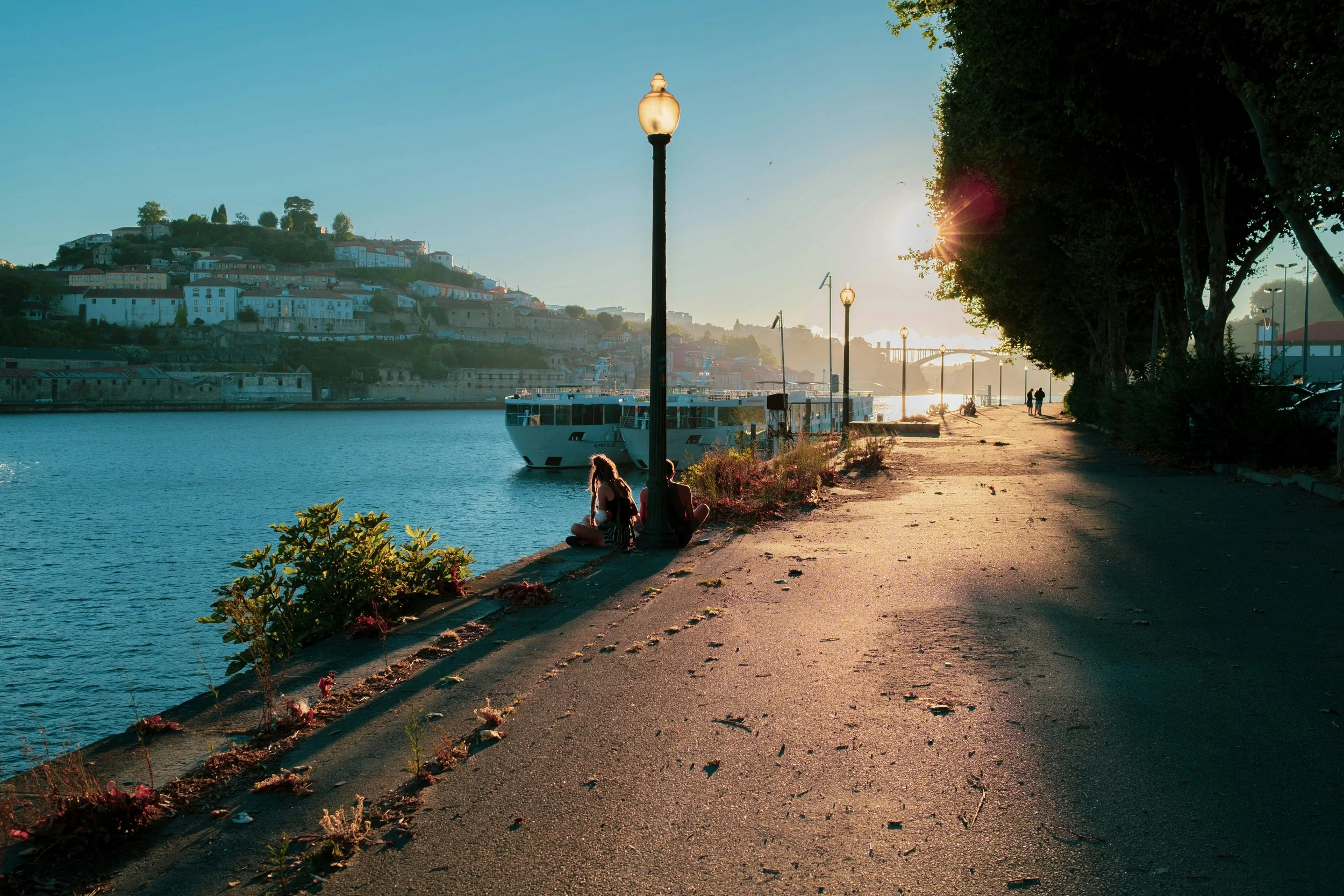
Porto has always leaned into the Douro River. The water winds through the city like a lifeline, reflecting the jumble of terracotta rooftops and colourful houses stacked along the hillside. Stretching across it are the bridges that define the skyline, each one an expression of the city’s spirit.

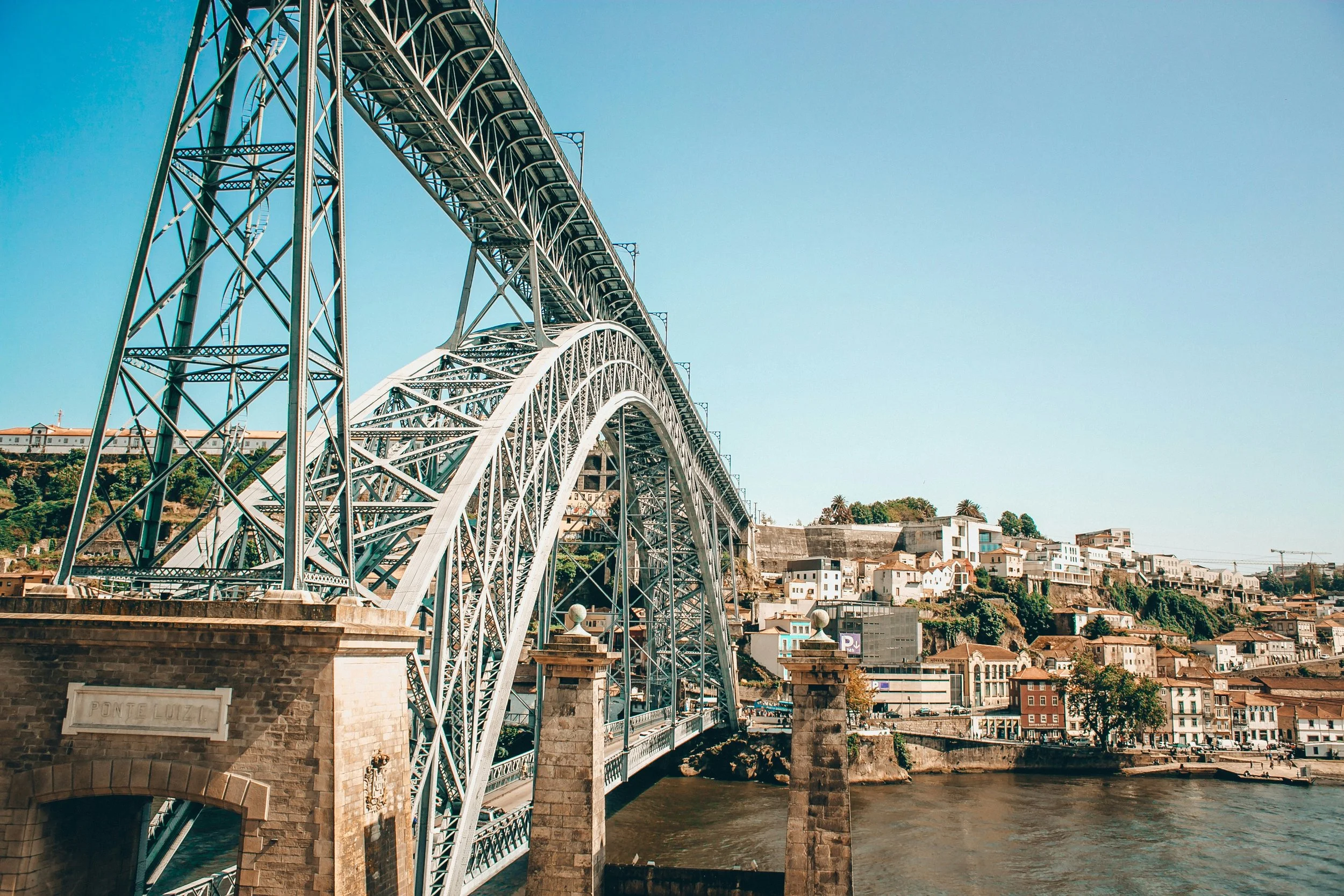
The Dom Luís I Bridge is the star. Its soaring iron arcs feel both powerful and graceful, linking Porto with Vila Nova de Gaia, where the air is sweet with the scent of ageing port wine. At dusk, the view is unforgettable—the water turns to liquid gold, church bells echo softly, and locals pause mid-stroll to watch the city glow. Beneath you, rabelo boats drift lazily by, carrying with them echoes of centuries-old trade.

Other bridges add their own voices to the story: the Maria Pia, a marvel of engineering by Gustave Eiffel, and the bold Arrábida, once a world-record holder for its concrete span. Together, they aren’t just crossings—they are symbols of resilience and creativity, connecting neighbourhoods, histories, and people.

The joy of Porto is how well it links to the rest of the country. A look at a Portugal railway map shows lines branching out like veins, carrying travellers through vineyard-draped valleys and sleepy villages painted white and blue. Taking the train here isn’t just about moving between destinations—it’s about watching Portugal unfold slowly, scene by scene, through your window.

PHOTO CREDIT | Unsplash/Augusto Lopes

Lisbon: Monasteries of Quiet Power

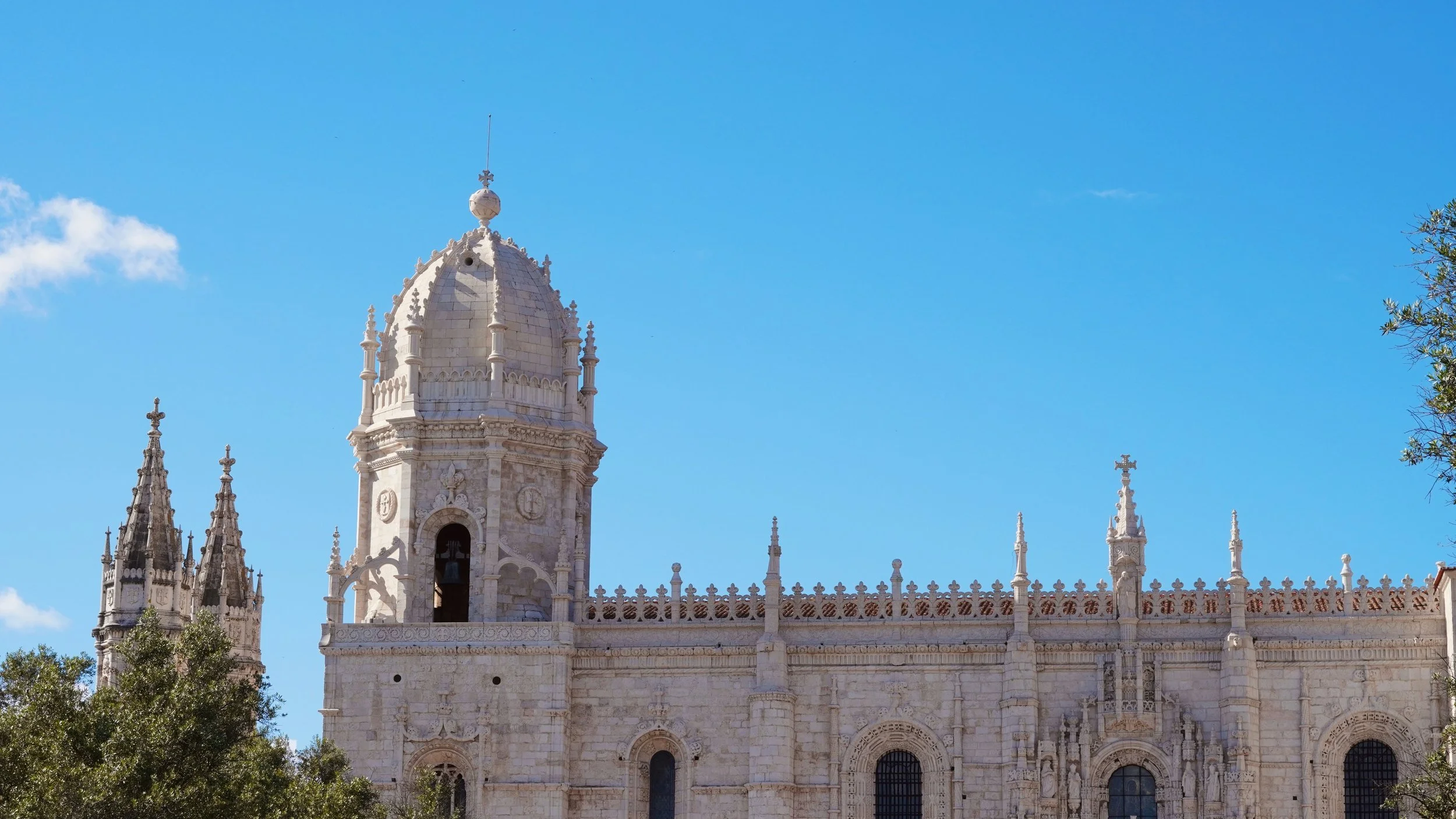
If Porto speaks in iron and river light, Lisbon whispers in stone and shadow. Its monasteries are among the most breathtaking in Europe, filled with artistry and stillness. The Jerónimos Monastery in Belém is perhaps the most famous, its walls carved with ships, ropes, and sea creatures that honour Portugal’s seafaring past. Step into its cloisters and time seems to slow—the play of sunlight across the arches, the hush of footsteps, the faint scent of incense carried on the breeze.

The Monastery of São Vicente de Fora has a different kind of beauty—less showy, more intimate. Inside, walls shimmer with blue-and-white tiles telling biblical stories in intricate detail. Climb to the rooftop, and Lisbon stretches out below: terracotta rooftops tumbling towards the Tagus, with church towers punctuating the skyline. These places invite stillness, offering a pause to reflect in a city otherwise alive with movement.

Travelling between Lisbon and Porto feels effortless. Booking Lisbon to Porto train tickets turns what might seem like a long distance into a smooth and scenic adventure. From your seat, you watch fields dotted with olive groves, towns with red-tiled roofs, and landscapes shifting from rolling hills to coastal plains. The ride is more than a link—it’s a story unfolding across the countryside.

PHOTO CREDIT | Unsplash/Pedro Correia

Lisbon’s Living Rhythm

In Alfama, the haunting strains of fado spill from tavern doorways late into the night. Trams rattle up steep, winding hills, their yellow carriages glowing against pastel façades. In the markets, the air is filled with the tang of citrus and the chatter of stallholders, while in Belém, queues form for custard tarts so fresh their custard still trembles. Lisbon is luminous—bathed in golden light by day, alive with music and laughter by night.

Porto’s Warm Heart

By contrast, Porto feels more intimate, more grounded. In the Ribeira district, laundry flutters from iron balconies above narrow lanes, and the smell of grilled sardines drifts through the air. Locals gather at riverside cafés, sipping espresso or glasses of tawny port, watching the current roll past. Step into one of Porto’s gilded churches and you’re struck by the glow of gold leaf and candlelight—extravagant, yes, but also deeply human in its devotion. Porto moves at its own pace, rewarding those who linger.

Two Cities, Woven Together

Visiting Lisbon and Porto together is like holding two threads of the same tapestry. Both are distinctly Portuguese, yet their contrasts only make the experience richer.

The journey between them weaves the two stories together, a reminder that Portugal’s landmarks are not just about bricks, arches, and stone—but about people, memory, and everyday life.

Conclusion: Portugal’s Living Story

To stand on the Dom Luís I Bridge as the river glimmers below, or to walk slowly through the cloisters of Jerónimos Monastery, is to touch a history that is still unfolding.

What stays with you are the small details: the echo of footsteps on cool stone tiles, the sparkle of sunlight on water, the taste of a pastel de nata savoured in a Lisbon square, the warmth of port wine shared on a Porto evening. These are the moments that linger, long after the trip is over.

Portugal reminds you that travel is not only about what you see but about how it makes you feel. Its bridges and monasteries invite you to slow down, to listen, and to connect—with the past, with the place, and with yourself.

BARCELONA'S GOTHIC QUARTER AND MADRID'S RETIRO PARK: TWO CITIES, ONE ADVENTURE

Spain is a country where history lives in its streets, where plazas hum with conversation, and where every corner reveals something beautiful. Few places capture this spirit more vividly than Barcelona’s Gothic Quarter and Madrid’s Retiro Park. One is a labyrinth of narrow alleys and medieval architecture, the other a vast green sanctuary filled with art, fountains, and everyday life. Together, they show two very different sides of Spain—yet they share the same ability to sweep visitors into experiences that linger long after the journey ends.

PHOTO CREDIT | Unsplash/Ronni Kurtz

Linking Spain to Europe

Travelling through Spain often inspires journeys further afield. From Barcelona, it’s easy to extend your adventure beyond the country’s borders. The Barcelona to Paris high-speed train connects two iconic cities in just a few hours, offering a seamless way to link Spain’s Gothic charm with the elegance of the French capital. Watching the landscape shift from Catalonia’s coastline to the fields of southern France makes the journey as memorable as the destination itself.

This connectivity is part of what makes travelling in Spain so rewarding—it is not just about the cities themselves but about how easily they open doors to the rest of Europe.

Barcelona’s Gothic Quarter: Stepping Into the Past

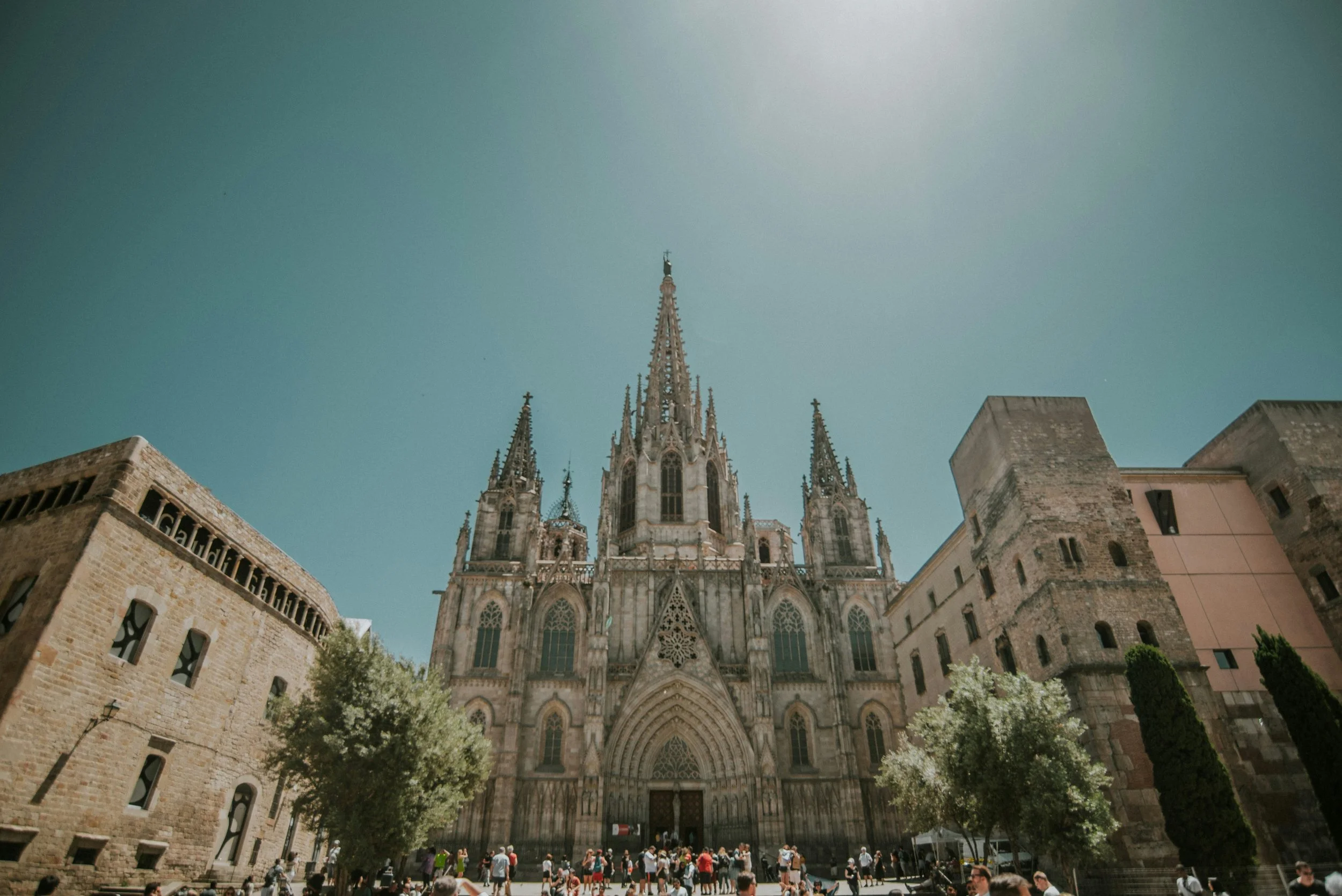
Barcelona’s Gothic Quarter, or Barri Gòtic, is a maze that draws you in slowly. Here, stone walls bear the marks of Roman foundations, Gothic spires pierce the sky, and lanterns light up secret plazas at night. Every step feels like walking through history.

The streets reveal surprises at every turn—tiny bakeries where the scent of fresh bread escapes into the air, wine bars tucked into old archways, and squares where street musicians fill the evening with guitar melodies.

Exploring the Gothic Quarter is not about rushing but about wandering. It is a place to lose yourself, to pause for tapas at a shaded café, to notice sunlight slipping across cobblestones. Time here doesn’t feel linear—it feels layered, like the stones beneath your feet.

PHOTO CREDIT | Unsplash/Amira El Fohail

From Barcelona to Madrid: The Journey Between

For many travellers, Barcelona is just the beginning. Spain’s capital, Madrid, offers a completely different rhythm, and experiencing both cities in one trip is essential. Understanding how to get from Barcelona to Madrid helps you appreciate how connected the country really is. The high-speed rail system makes the journey smooth and efficient, transforming what might feel like a long distance into a comfortable adventure. Within a few hours, you travel from medieval alleys to grand boulevards, with countryside vistas flashing past your window.

This journey is not just practical—it is part of the experience, offering a glimpse of Spain’s diverse landscapes before Madrid unfolds before you.

Madrid’s Retiro Park: A Palace of Green

In contrast to Barcelona’s narrow streets, Madrid’s Retiro Park feels vast and open. Once the private grounds of royalty, today it belongs to everyone. Locals jog along its tree-lined avenues, children sail toy boats in the pond, and couples relax under the shade of chestnut trees.

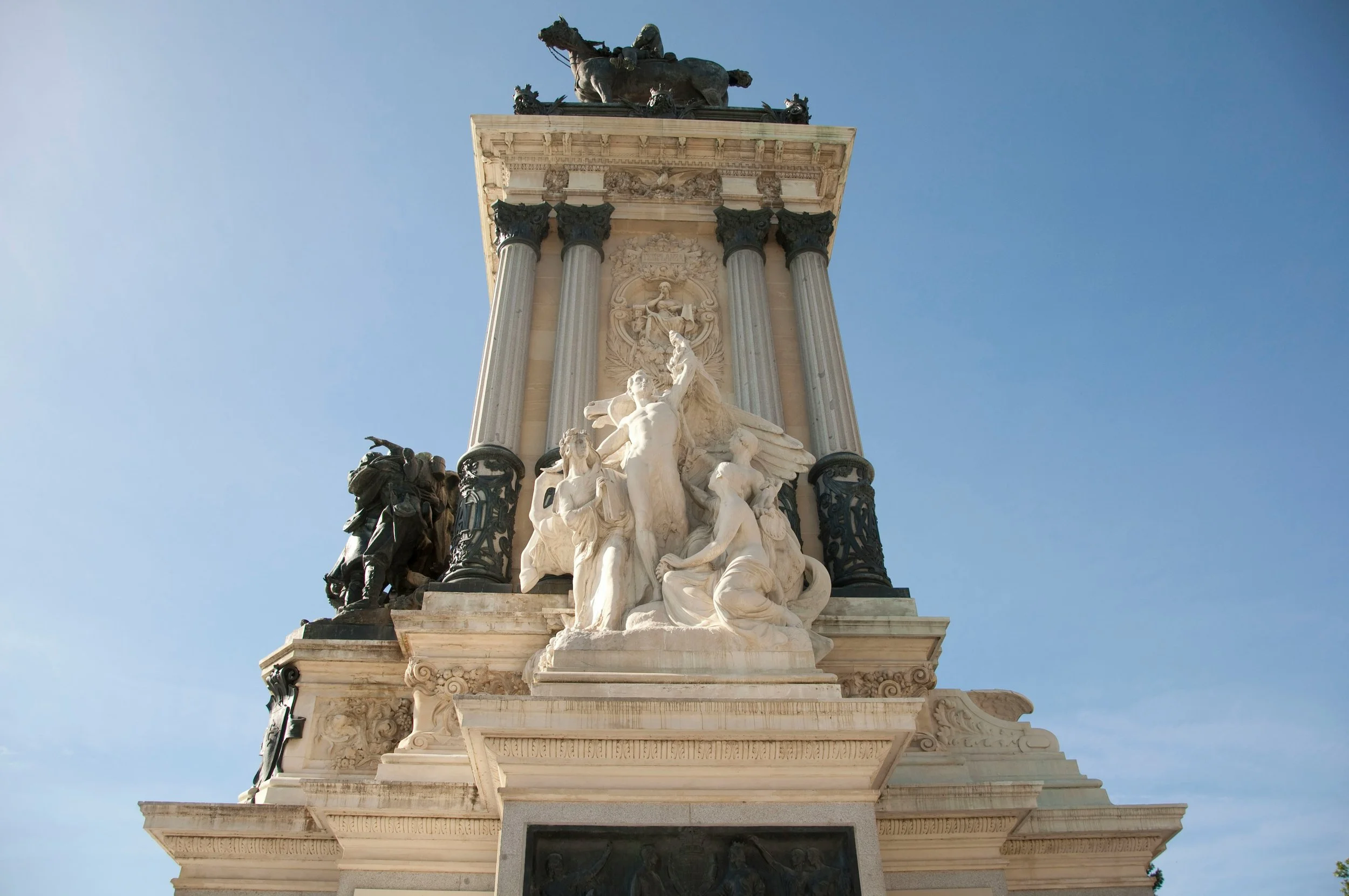
The park is full of treasures. The Crystal Palace, a shimmering glass pavilion, reflects the surrounding greenery and hosts exhibitions that connect history with modern creativity. Sculptures and fountains appear along winding paths, each with its own story. In spring, roses bloom in dazzling colours; in autumn, the leaves turn fiery shades of red and gold. On weekends, the park comes alive with street performers, artists, and musicians, turning it into a living stage for the city. It is where locals gather, where visitors pause, and where the city’s pace slows down just enough for you to savour it.

Madrid’s Cultural Riches

The Royal Palace rises with commanding presence, Plaza Mayor buzzes with centuries of history, and Gran Vía dazzles with theatres and boutiques. Art lovers find inspiration in the Prado Museum, where masterpieces by Velázquez and Goya hang, while the Reina Sofía highlights modern works, including Picasso’s unforgettable Guernica.

Madrid invites exploration, but it also invites you to linger—to sip a coffee in a sunlit square, to sample tapas late into the evening, to let the city’s rhythm pull you in.

Two Cities, One Adventure

Experiencing Barcelona’s Gothic Quarter and Madrid’s Retiro Park on the same journey is like seeing two sides of the same coin. In Barcelona, history feels intimate and immediate, whispering through alleyways and hidden courtyards. In Madrid, life feels expansive, flowing across grand spaces and leafy boulevards. Both cities embody Spain’s love of art, beauty, and community, yet in ways that feel uniquely their own.

Together, they form a journey that is rich in contrast but unified in spirit—a celebration of Spain’s past and present, its traditions and its joy for life.

Conclusion: Spain That Stays With You

Travelling between Barcelona and Madrid is about more than moving from one city to another—it’s about stepping into two distinct experiences that complement each other perfectly. In the Gothic Quarter, you’ll carry the memory of lantern-lit alleys, cathedral spires, and music that drifts long into the night. In Retiro Park, you’ll recall the sunlight on the Crystal Palace, the sound of oars in the boating lake, and the laughter of families enjoying the day.

What makes this adventure special is how it stays with you. The details—the scent of fresh bread in Barcelona, the splash of fountains in Madrid, the landscapes viewed from a train window—become the moments you remember most. Together, these cities remind travellers that Spain is not just a destination, but a feeling: timeless, vibrant, and endlessly alive.