
The debate over which athletic sports are truly the “most difficult” is about as old as organized competition itself. Every athlete, fan, and analyst tends to champion their own discipline, but over the years a combination of surveys, expert panels, and performance-based studies have helped establish a general consensus. When measuring difficulty, people typically weigh factors such as endurance, strength, reaction time, technical complexity, mental resilience, injury risk, and the level of elite specialization required.
Across these evaluations, several sports consistently rise to the top: gymnastics, wrestling, boxing, mixed martial arts, ice hockey, water polo, rowing, track and field multi-events (like the decathlon), and soccer. While each sport poses its own unique challenges, they share one thing in common: the physical and mental demands placed on the athlete extend far beyond what spectators often appreciate.
Gymnastics, for example, frequently appears near the top of difficulty rankings because it fuses strength, speed, flexibility, precision, and fearlessness. An elite gymnast must perform high-risk maneuvers while executing flawless form, one mistake can cost a medal or cause serious injury. It’s a discipline perfected over thousands of hours of repetitive training, starting often before the age of five.
Wrestling and combat sports such as boxing and MMA also rank extremely high. They require peak conditioning, tactical intelligence, pain tolerance, and the ability to make split-second decisions while physically exhausted. Unlike many sports, these disciplines involve direct, continuous physical confrontation, meaning the athlete is responding not only to the demands of the sport but to the unstructured unpredictability of another human.
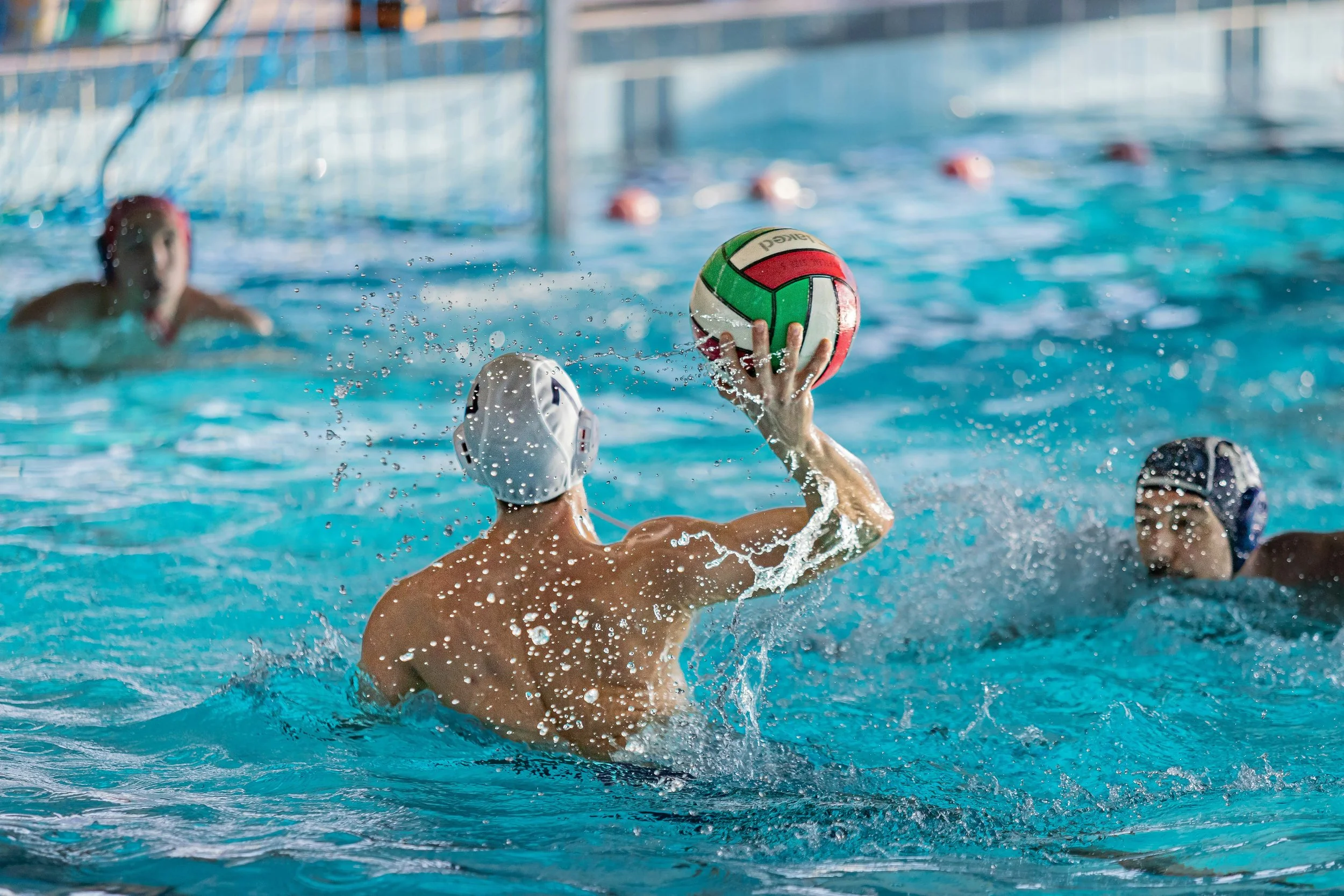
Water polo and ice hockey stand out as team sports that combine high strategic complexity with relentless physical toll. Water polo demands constant motion in deep water while battling for positioning, effectively wrestling while swimming. Hockey requires elite skating skill, hand-eye coordination, speed, and toughness, all performed while maintaining balance on a thin blade.
Meanwhile, events like the decathlon test pure athletic versatility across ten demanding track and field disciplines. Success demands a rare combination of explosive power, endurance, technique, and adaptability, qualities most athletes excel at only in one or two events.
These sports rise to the top in surveys of coaches, sports scientists, and fans because they challenge every part of the human body and mind. Their difficulty becomes even more fascinating when viewed through the lens of entertainment.
Does Difficulty Make a Sport More Entertaining?
The relationship between a sport’s difficulty and its entertainment value is surprisingly nuanced. Intuitively, one might assume that the hardest sports would automatically be the most fun to watch, but that’s not always the case.
Some of the most difficult sports, such as the decathlon or rowing, draw enormous respect from die-hard fans and insiders but do not always generate sustained mainstream attention. Their complexity can be part of the issue, many viewers may not fully understand the degree of difficulty or the finer points that separate elite performance from a merely good one. Without strong storytelling, high stakes, or marketable rivalries, even the most grueling disciplines can struggle to attract the casual audience.
On the other hand, difficulty can enhance entertainment when the challenge is obvious and easy to appreciate visually. Gymnastics, figure skating, and MMA are great examples. Anyone watching a gymnast perform a gravity-defying release move, or a fighter endure a brutal five-round battle, can immediately sense the risk, precision, and physical demand—no expert background needed. Spectators intuitively understand that what they’re seeing is not just impressive but almost superhuman.
Combat sports, in particular, demonstrate a universal truth: difficulty mixed with danger creates drama. When athletes push their limits in an unpredictable, high-stakes environment, the entertainment value skyrockets.
Is There a Correlation Between Viewer Popularity and Difficulty?
There is some correlation between a sport’s difficulty and its popularity, but it’s not straightforward.
The world’s most popular sports, soccer, basketball, cricket, are not necessarily the most difficult by athletic metrics, but they often require a combination of accessible play and elite mastery. Their difficulty lies in the professional level of execution rather than physical danger or technical extremity. The average fan can kick a ball or shoot a hoop, making the sport familiar, while marveling at the skill gap between recreational and elite play.
Meanwhile, some of the hardest sports, such as water polo, wrestling, or gymnastics, garner tremendous viewership during major events but less sustained popularity throughout the year. This suggests that difficulty enhances entertainment mainly during peak moments, but accessibility and global footprint matter more for long-term popularity.
Which Athletic Sports Are the Most Popular to Bet On?
When it comes to sports betting, popularity follows a different logic entirely. Bettors gravitate toward sports with frequent events, widespread media coverage, and deep statistical data. This is hardly a surprise when you have the best sports betting apps, like the ones available on AskGamblers, offering eye-catching player incentives to encourage them to bet frequently and therefore they need the fixtures to do so. As a result, the most-bet athletic sports tend to be:
Soccer, which dominates global betting markets because of its year-round matches, international leagues, and massive fan bases. Basketball, especially the NBA and March Madness, which offer high scoring, constant action, and predictable statistical trends. Boxing and MMA, which generate spikes of betting interest tied to mega-fights and star power. Track and field, which sees betting surges during the Olympics and World Championships.
Interestingly, the correlation between difficulty and betting popularity is not strong. Bettors prefer structure, frequency, and familiarity, not necessarily the most athletically intense sports. But together, they all form a fascinating ecosystem where physical challenge, entertainment value, and fan engagement intersect in unexpected ways.


