Participating in sports can be costly. Equipment expenses mount up more quickly than most novices expect, whether you're taking up golf, cycling, or another sport for the first time. Many people find it impractical to buy brand-new equipment right away, which is precisely where the pre-owned market reveals its value.
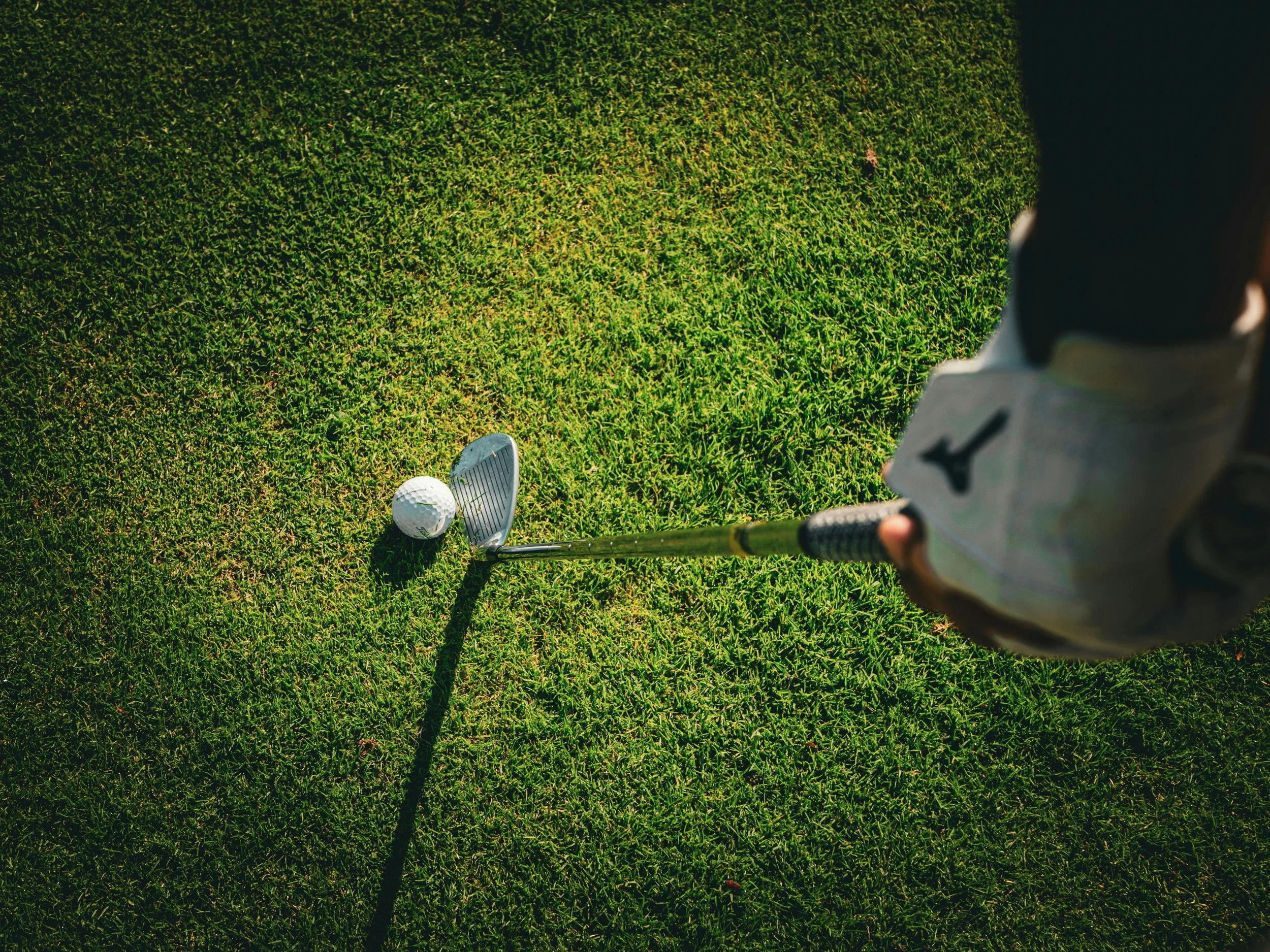
In good condition, a set of second-hand golf clubs that originally cost several hundred pounds may frequently be found for much less. Particularly when you're still figuring out which clubs best fit your evolving swing, that degree of saving makes a real impact.
Purchasing pre-owned is appealing for reasons other than golf. Purchasing used goods gives you access to high-quality goods without breaking the bank, from bicycle equipment to cricket bats. Performance is frequently still perfectly sufficient for both leisure and more competitive games.
Why Sporting Equipment Holds Up
Sport-related equipment is usually made with endurance in mind. Rackets, clubs, and safety gear are designed to endure frequent, frequently taxing use. Because of this, used goods can have far greater functional value than their reduced cost would imply.
When kept and maintained appropriately, composite materials, metal club heads, and graphite shafts all retain their qualities. There may not be much wear on a set purchased six years ago by a responsible owner. Time alone does not destroy qualities like lift, equilibrium, and feel.
The Environmental Case
One of the easier things a person can do to lessen their influence on the environment is to choose pre-owned. Raw materials, a substantial amount of energy, and extensive transportation networks are needed to produce modern sporting equipment. It takes fewer resources to make a replacement every time a used item finds a new owner instead of being thrown away.
Purchasing used goods prolongs their useful life and lowers the amount of usable items that end up in landfills. Rather than being a symbolic gesture, this is a significant benefit for anyone who truly cares about sustainability.
The Market Has Matured
The idea that used sports equipment are inherently faulty or worn out dates back to a bygone period. Finding high-quality used equipment is now an organised and transparent procedure thanks to a sophisticated network of golf shops, speciality retailers and committed resellers.
Grading, inspection, and authenticity checks are regular components of certified pre-owned programs run by reputable sellers. This eliminates a lot of the ambiguity that used to surround buying old equipment, giving buyers much more confidence.
Inspecting What You Buy
It's important to know what to look for when evaluating used equipment, even with trustworthy sellers. When it comes to rackets and clubs, keep an eye out for indicators of tension at connection points, surface integrity, and grip condition. It is important to consider the structural integrity of clothing and shoes in addition to their aesthetic appeal.
Purchasing from reliable sources as opposed to haphazard private transactions significantly lowers risk. It's easy to understand exactly what you're buying because speciality stores with specialised pre-owned departments typically check and classify merchandise according to established criteria.
Aligning Gear with Ability
Being able to match what you purchase to your actual developmental stage is a useful advantage of buying used equipment. The most advanced technology on the market is rarely necessary for novices.
Starting with a high-quality used set allows you to focus on establishing technique instead of navigating features that you're not yet proficient enough to understand. Rather than being a needless early expense, upgrading later becomes a well-informed, strategic choice.
Understanding Value and Pricing
Before evaluating a pricing or bargaining, find out how much a specific model originally sold for. Beyond that, what constitutes fair value for a particular object depends on its age, general condition, and any extras or accessories.
Prices from different vendors differ significantly. Consistent grading criteria are typically used by speciality stores, making comparison easier. Before completing a purchase, always enquire about return policies. This insurance is crucial if an unforeseen circumstance occurs after the transaction.
Flexibility Through Modest Outlay
Purchasing pre-owned also affects your future options. Lower-priced equipment can be resold without experiencing the steep depreciation that new products experience as soon as they leave a store. This results in a more flexible and healthful method of equipment management over time.
Keeping individual purchases modest makes the process much less financially taxing overall, according to golfers and other sports aficionados who frequently upgrade as they improve.
A Worthwhile Starting Point
Pre-owned athletic gear is a useful and frequently fulfilling way to participate in sports at any level. The justification for sustainability is obvious, the quality is often higher than anticipated, and the savings are genuine. Instead of being dismissed out of hand, the used market should be given serious attention, whether it is assembling a first set or filling holes in an existing kit.