
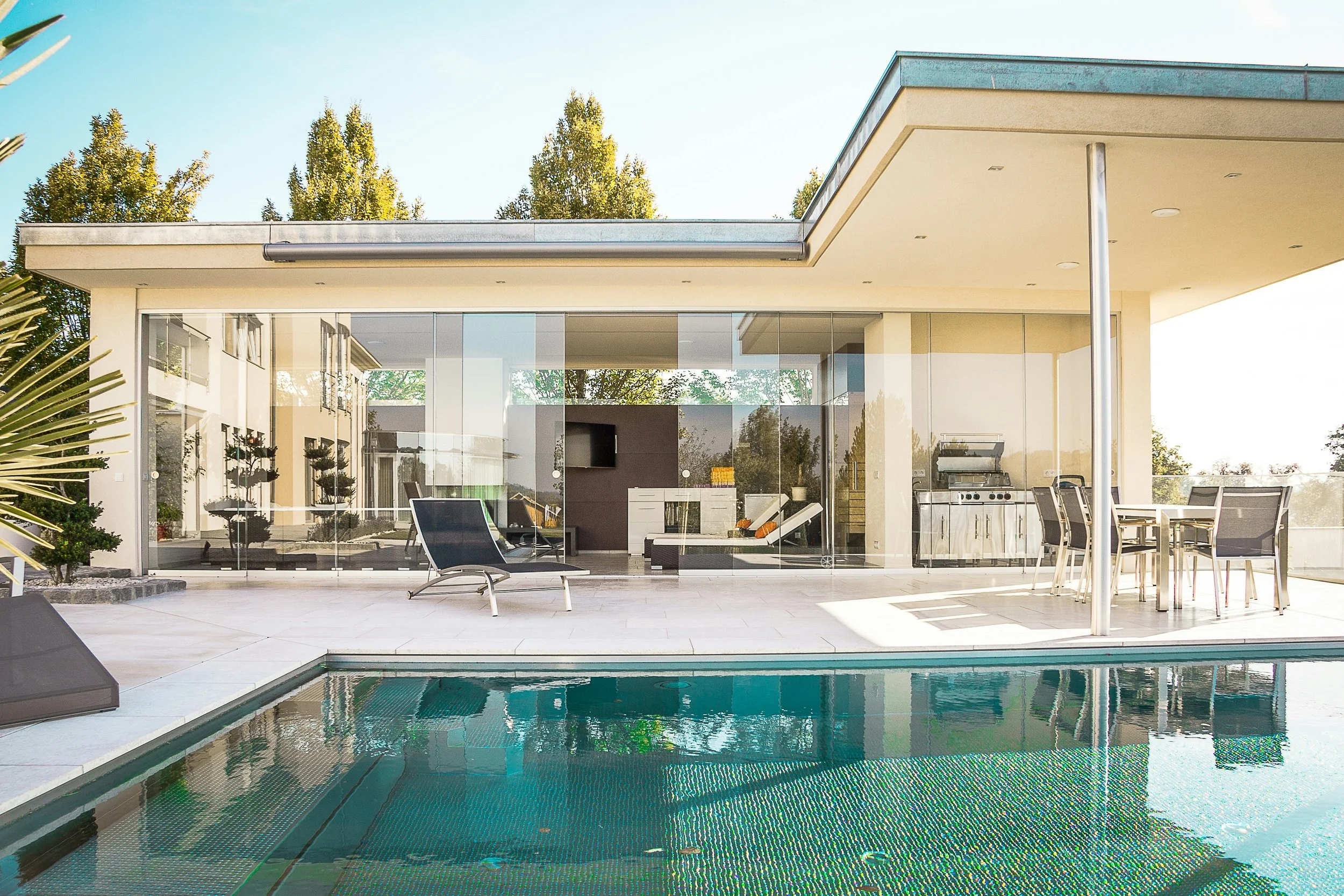
The New Standard of Modern Living
The way people live at home has changed significantly in recent years. Spaces are expected to support productivity, recovery, movement, and overall well-being. A home can now serve as an office, a place to recharge, and even a personal fitness environment within the same footprint.
This shift has raised expectations for how homes are built from the start. Layout, structural integrity, materials, and environmental performance all shape daily life. Construction decisions can influence everything from how natural light moves through a room to how well a space supports focus or relaxation.
Modern living calls for homes that are intentional in every detail. Open flow, durable materials, efficient insulation, and thoughtful spatial planning have become essential for a home that can keep up with an active and evolving lifestyle.
At the center of this transformation is the quality of construction. A well-built home creates the foundation for comfort, function, and long-term performance.
What Defines a High-Performance Home Today
A high-performance home is built with intention at every level. It begins with a layout that supports how people move through their day. Open pathways, defined zones, and efficient use of space all contribute to a smoother rhythm from morning to night.
Energy efficiency is another key factor. Proper insulation, high-quality windows, and airtight construction help regulate indoor temperatures and reduce energy waste. These features improve comfort while lowering long-term operating costs.
Durability is equally important. Materials selected during construction determine how well a home holds up over time. Flooring, structural components, and finishes should withstand daily use without demanding constant maintenance or early replacement.
There is also a strong connection between construction quality and everyday experience. Noise control, air circulation, and lighting conditions all depend on how the home is built. When these elements are handled well from the beginning, the result is a space that feels balanced, functional, and ready to support modern living.
Why Expert Construction Is the Foundation of Everything
Behind every well-functioning home is a level of planning and execution that often goes unnoticed. While finishes and décor tend to draw attention, the real performance of a space is determined much earlier during the construction phase. Decisions made at this stage influence how the home feels, how it functions, and how well it performs over time.
Working with an experienced professional ensures that each part of the build aligns with both structural requirements and lifestyle goals. From accurate measurements and load considerations to material selection and installation methods, expertise helps reduce costly errors and inefficiencies. Poor construction choices can lead to uneven surfaces, inadequate insulation, and long-term maintenance issues that affect daily comfort.
Choosing a qualified professional such as a K Graber construction contractor allows homeowners to move forward with greater clarity and confidence. It reflects a commitment to precision, accountability, and a standard of work that supports both immediate needs and future use.
A well-executed build brings together structure, function, and usability in a way that feels natural. Spaces flow better, systems perform as intended, and the overall environment stays consistent throughout changing seasons and routines.
Building for Wellness, Comfort, and Recovery
A home has a direct impact on how people feel, both physically and mentally. The quality of construction plays a major role in shaping that experience. Air circulation, temperature stability, lighting, and sound control all begin with how the space is built.
Air quality, for example, depends on proper ventilation, well-sealed structures, and materials that do not introduce harmful pollutants. When these elements are handled correctly, the indoor environment feels cleaner and more balanced. This can support better focus, improved sleep, and overall well-being. Standards around indoor environmental quality show how construction decisions can influence long-term health outcomes.
Comfort is also closely tied to insulation and temperature regulation. A well-constructed home maintains consistent conditions throughout the day, avoiding sudden shifts that can disrupt rest or productivity. This is especially valuable in spaces designed for recovery, where a calm and stable environment supports relaxation after physical activity or long work hours.
Sound control is another important factor. Proper wall construction, flooring choices, and insulation techniques reduce unwanted noise, creating quieter and more focused living areas. Whether the goal is a peaceful home office or a restful place to unwind, these details improve how the home functions each day.
Customization and Craftsmanship: Turning Vision into Reality
Every home begins with an idea of how it should look and feel, but turning that vision into a functional space depends on the quality of execution. Custom construction allows each detail to be shaped around specific needs instead of forcing a lifestyle into a generic layout.
Tailored construction aligns the structure with daily habits. Room dimensions, ceiling heights, storage solutions, and transitions between spaces can all be planned with purpose. This creates a more natural flow and makes the home easier to use.
Material selection also plays a major role. High-quality materials contribute to durability and visual consistency. From structural components to finishing details, each choice affects how the space performs over time. Surfaces that resist wear and finishes that maintain their appearance add lasting value.
Craftsmanship is what brings these elements together. Precision during installation ensures that everything fits and functions as expected. Clean lines, proper alignment, and close attention to detail elevate the final result and create a space that feels cohesive and well considered.
Long-Term Value: Investing in the Right Build
The true value of a home becomes clearer over time. While initial construction costs often receive the most attention, long-term performance matters far more. A well-built home reduces the need for frequent repairs, lowers the risk of unexpected expenses, and maintains its functionality through years of daily use.
Quality construction has a direct effect on maintenance demands. Proper installation, durable materials, and accurate structural work help prevent issues such as cracking, shifting, or premature wear. This allows homeowners to spend more time enjoying the space and less time fixing it.
There is also a strong connection between construction quality and property value. Homes built with attention to detail and solid craftsmanship tend to retain their appeal in the market. Buyers notice the difference between a space built to last and one that may require significant future investment.
Efficiency adds another layer of long-term value. Energy-conscious building methods can lower utility costs and reduce strain on systems over time. Heating, cooling, and insulation all work more effectively when the structure supports them properly.
Investing in the right construction approach creates a home that remains reliable, efficient, and comfortable well into the future.
Creating Spaces That Adapt to Your Lifestyle
Modern homes need to keep up with changing routines. A single space may serve multiple purposes throughout the day, shifting from a workspace to a relaxation area or a place for movement and exercise. This level of flexibility begins during the construction phase, where thoughtful planning allows rooms to function in more than one way without feeling crowded or inefficient.
Open layouts with clearly defined zones make it easier to adapt spaces as needed. Structural decisions such as wall placement, ceiling height, and built-in features influence how easily a room can transition between uses. Storage solutions also help maintain order while allowing quick adjustments between different activities.
Future needs are another important consideration. A well-constructed home can account for lifestyle changes over time, whether that involves remote work, growing families, or new wellness routines. Planning for these possibilities during construction can reduce the need for major renovations later.
Current ideas in modern living trends continue to reflect this demand for flexibility, highlighting spaces that support both activity and recovery within the same environment. When construction is approached with adaptability in mind, the result is a home that remains functional and relevant as daily habits evolve.
Building Smarter for the Way We Live Today
Modern living places higher demands on the spaces people call home. Comfort, efficiency, and adaptability have become essential parts of daily life. From productivity and movement to rest and recovery, every aspect of the environment is influenced by how well it was built.
Expert construction brings structure and clarity to this process. It ensures that each decision, from foundational elements to finishing details, contributes to a cohesive and reliable living space. When done correctly, the result is a home that feels consistent, performs efficiently, and holds its value over time.
Choosing the right approach to construction means prioritizing quality, precision, and long-term thinking. It creates a space that aligns with modern expectations and continues to serve them as lifestyles evolve.