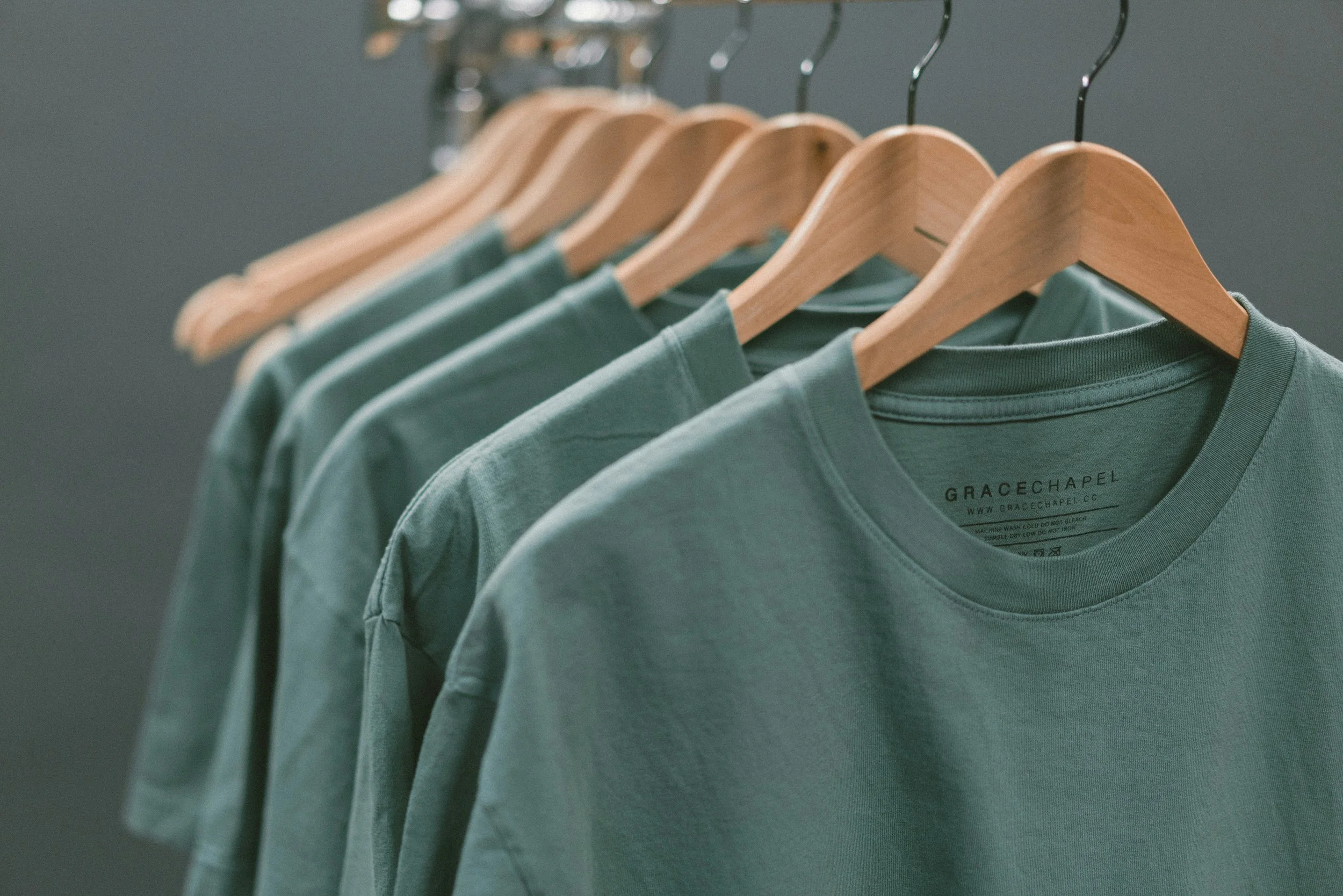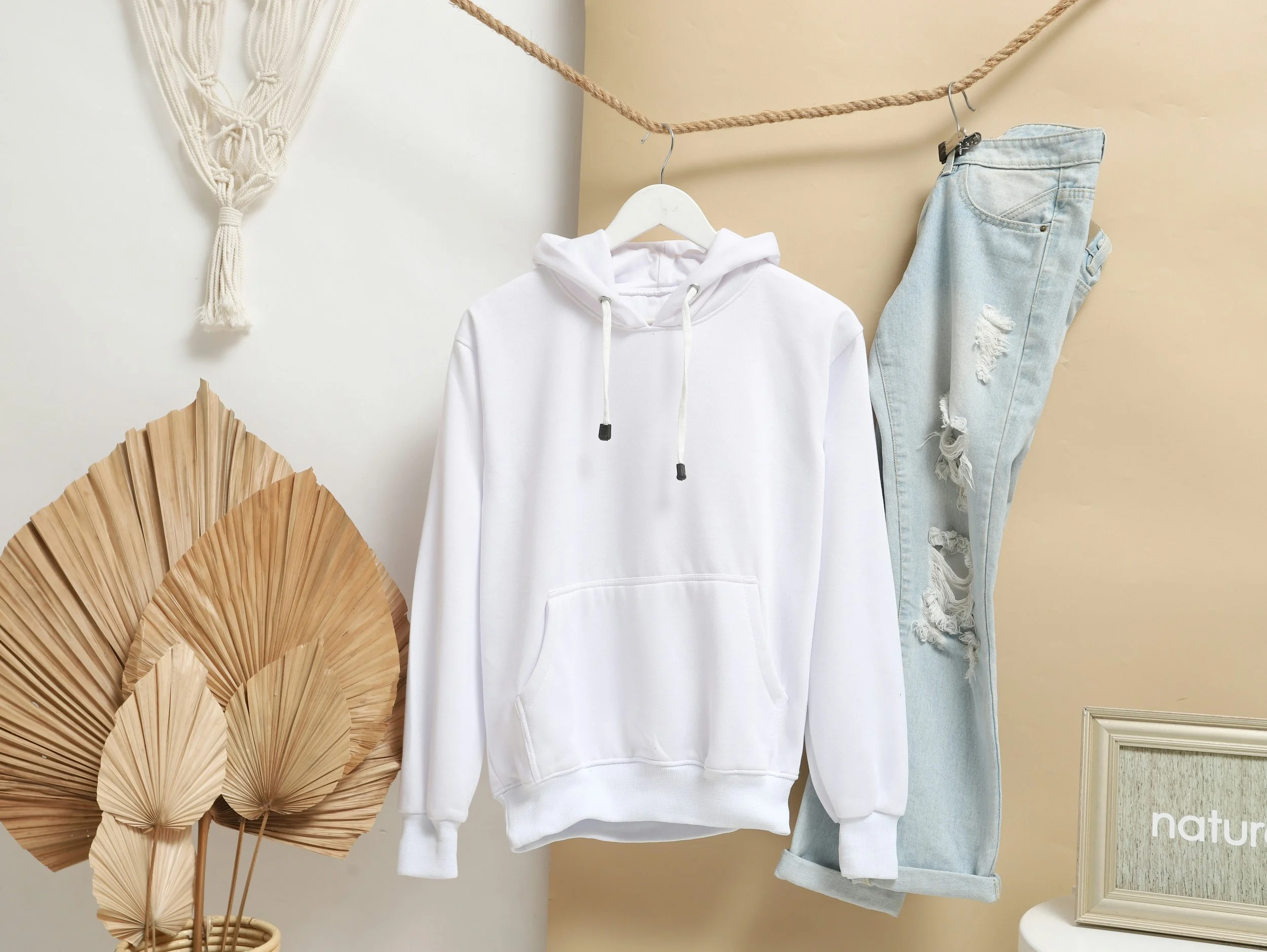
Workplace presentation has changed significantly over the past decade. In many industries, uniforms and team apparel are no longer viewed simply as functional clothing requirements. Increasingly, businesses are treating apparel as an extension of brand identity, workplace culture, customer experience, and team cohesion.
This shift is visible across hospitality, retail, wellness, fitness, logistics, healthcare, construction, corporate services, and event-based industries where presentation now plays a larger role in how businesses are perceived by both customers and employees.
As modern businesses compete not only on products and services but also on experience and branding, custom apparel is becoming an increasingly important part of professional visibility and internal culture.
Companies are investing more carefully in how teams present themselves because appearance, consistency, and professionalism often shape first impressions long before direct interactions begin.
Workplace Apparel Is Evolving Beyond Traditional Uniforms
Traditional workplace uniforms were often designed primarily around practicality and standardization. While functionality still remains important, businesses today are increasingly looking for apparel solutions that combine comfort, branding, durability, and modern design.
Employees now frequently wear branded polos, performance fabrics, lightweight outerwear, fitted work shirts, embroidered jackets, branded caps, and athleisure-inspired work apparel that feel more contemporary and wearable throughout long shifts or active work environments.
This evolution reflects broader cultural changes surrounding workplace expectations. Modern employees often value comfort, flexibility, and appearance more than previous generations, especially in customer-facing industries where presentation directly affects brand perception.
At the same time, businesses increasingly recognize that apparel can influence how customers interpret professionalism, organization, and operational quality.
Companies operating in industries such as hospitality, wellness, fitness, healthcare, and retail often prioritize cohesive team presentation because visual consistency helps reinforce trust and brand recognition.
Rather than viewing uniforms as a simple operational requirement, many organizations now treat workplace apparel as part of the overall customer experience.
Brand Identity Is Becoming More Visible Through Apparel
One of the biggest reasons businesses are investing more heavily in branded apparel is the growing importance of visual branding across modern commercial environments.
Consumers today interact with brands across multiple touchpoints including physical locations, social media, digital marketing, events, and customer-facing staff interactions. Businesses increasingly want consistent visual presentation across all of these environments.
Custom apparel helps reinforce that consistency while also strengthening brand visibility in everyday operations.
As workplace presentation becomes increasingly connected to customer perception, many businesses are investing in custom embroidery services for uniforms, outerwear, hats, polos, and team apparel that help create a more cohesive and professional identity across customer-facing environments. Embroidered branding in particular continues gaining popularity because it offers a polished and durable appearance suitable for both casual and professional settings. Many companies prefer embroidery for work apparel because it often provides a cleaner and more long-lasting finish compared to temporary branding methods.
This is especially relevant for industries where employees regularly interact with customers, clients, guests, or event attendees. Businesses increasingly understand that even small visual details can contribute to how professional, organized, and trustworthy a company appears in competitive markets.
Team Apparel Can Influence Workplace Culture
Beyond branding and customer visibility, team apparel also plays an important role internally within organizations.
Employees often respond positively to apparel that feels professional, modern, and intentionally designed rather than generic or outdated. Well-designed workwear can help create stronger feelings of belonging, team identity, and workplace pride.
This becomes particularly important for businesses operating across multiple locations or larger teams where maintaining consistent culture and presentation can be more challenging.
Shared visual identity often helps reinforce:
team cohesion
professionalism
organizational consistency
workplace morale
employee recognition
customer confidence
Many companies now place greater emphasis on creating apparel programs that employees genuinely feel comfortable wearing rather than simply enforcing basic dress requirements.
This reflects broader workplace trends where employee experience and organizational culture are becoming increasingly important for recruitment, retention, and overall workplace satisfaction.
Research and workplace analysis published through the Society for Human Resource Management (SHRM) continues emphasizing how workplace culture, employee engagement, and organizational identity influence modern business performance and employee satisfaction.
These broader workplace trends are contributing to growing business interest in more thoughtful and professional team presentation strategies.
Athleisure Influence Is Reshaping Modern Workwear
The rise of athleisure fashion has also influenced how businesses approach team apparel.
Many modern work environments now prioritize clothing that balances professionalism with comfort, flexibility, and mobility. Performance fabrics, lightweight materials, moisture-wicking designs, and more relaxed styling have become increasingly common across industries that previously relied on more rigid uniform standards.
This is especially visible in:
fitness studios
wellness brands
hospitality businesses
event staffing
healthcare environments
logistics operations
creative industries
Businesses increasingly want apparel that employees can wear comfortably throughout long shifts while still maintaining a polished and recognizable appearance.
As a result, the line between traditional uniforms and lifestyle-inspired workwear continues becoming less distinct.
Many organizations now choose apparel styles that align more naturally with contemporary fashion trends because modern presentation increasingly influences both employee satisfaction and customer perception.
This is one reason branded outerwear, quarter-zips, athletic polos, modern caps, and performance-based work apparel continue growing in popularity across B2B apparel markets.
Customization Helps Businesses Adapt Across Industries
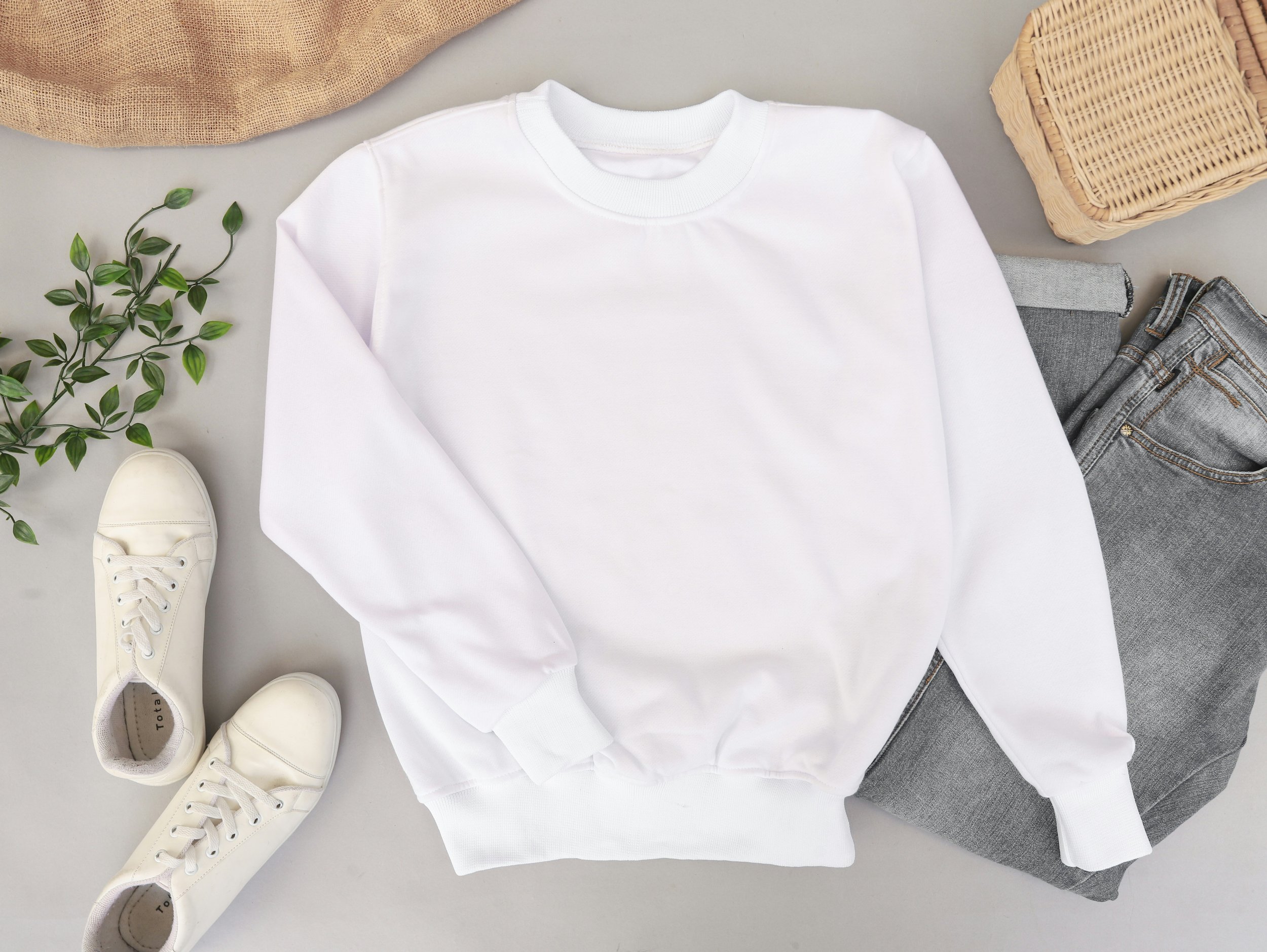
PHOTO CREDIT | Unsplash/Mediamodifier
Another major reason custom apparel continues growing is its adaptability across different business sectors.
Different industries require different combinations of durability, branding visibility, weather resistance, flexibility, and professional presentation. Modern customization services allow businesses to create apparel solutions tailored to their operational needs while maintaining consistent branding standards.
Hospitality teams may prioritize polished customer-facing presentation. Logistics businesses may focus more heavily on durability and visibility. Fitness brands often seek apparel that reflects wellness culture and active lifestyles. Healthcare providers may emphasize cleanliness, comfort, and practical movement.
Customization allows businesses to balance operational function with branding goals more effectively.
Businesses also increasingly use branded apparel outside traditional daily uniforms. Event teams, trade show staff, promotional campaigns, corporate retreats, onboarding programs, and client-facing activations frequently incorporate customized apparel as part of broader brand-building strategies.
This reflects how workplace apparel has evolved into a larger communication tool rather than simply a functional necessity.
Professional Presentation Continues Influencing Customer Perception
Customer expectations surrounding professionalism have also evolved significantly in recent years.
Consumers often associate cohesive team presentation with organization, reliability, and operational quality. Businesses that invest in professional presentation may therefore strengthen customer confidence even before direct conversations begin.
In competitive industries especially, visual consistency can help businesses stand out while reinforcing brand recognition across physical and digital environments.
This has become increasingly important as social media and online visibility continue influencing how customers evaluate businesses. Team apparel now regularly appears in:
marketing photography
social media content
behind-the-scenes videos
promotional campaigns
event coverage
recruiting materials
As a result, workwear increasingly functions as both operational apparel and marketing infrastructure simultaneously.
Businesses that once treated uniforms as secondary operational details now often view them as part of a broader branding ecosystem connected to reputation, customer experience, and organizational identity.
Custom Apparel Will Likely Continue Expanding Across Modern Businesses
As businesses continue prioritizing brand consistency, workplace culture, and customer experience, custom apparel will likely remain an increasingly important part of professional operations across many industries.
Workplace apparel is no longer only about standardization or dress requirements. It has become connected to branding, employee experience, customer perception, and organizational identity in ways that continue expanding alongside modern business culture.
At the same time, evolving workwear trends influenced by athleisure, comfort-focused design, and modern branding strategies will likely continue reshaping how companies approach uniforms and team presentation in the years ahead.
For many businesses, custom apparel is no longer simply clothing. It is becoming part of how organizations communicate professionalism, culture, and brand identity every day.