The creator economy has changed magically over the last few years. Traditional celebrity merchandise once dominated fashion collaborations and fan apparel. But nowadays, creators, streamers, podcasters, YouTubers, & other influencers are building powerful personal brands. These rival mainstream entertainment firms.
Merchandise is no longer just a side project for influencers. It has become a major revenue stream for them. This is an important part of a creator’s distinctiveness. Many creators hinge on branded apparel. They depend on exclusive product drops & community-driven fashion. Thus, they can strengthen audience loyalty. Meanwhile, this generates recurring income.
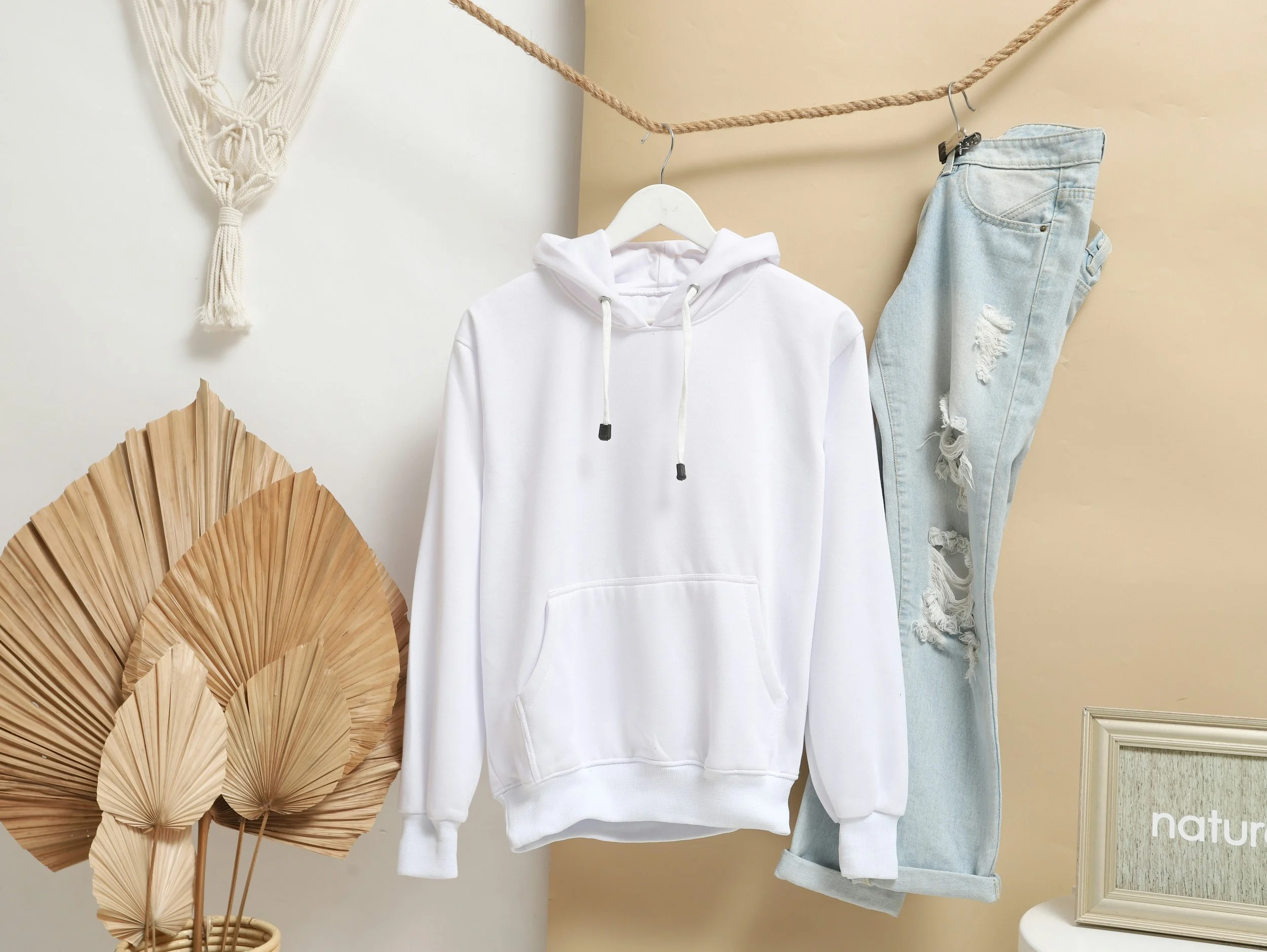
Custom hoodies are dominating creator fashion. Hoodies can come with minimalist streetwear aesthetics & oversized graphic designs. These have become the go-to merch item. Influencers are using these a lot these days.
Their popularity comes from a combination of comfort & versatility. Plus, these have branding potential & emotional connection with fans.
Why Hoodies Became the Default Merch Product?
Hoodies have become the foundation of creator merchandise. This is because they appeal to a wide audience. Meanwhile, they also offer a high likelihood of profit.
Hoodies are universally wearable. They are not niche apparel products. They work across genders & age groups. They match many climates & fashion styles. Do you follow a gaming streamer or a fitness influencer? Or do you like music or lifestyle, creator? Hoodies fit naturally into everyday wardrobes.
There is another big reason hoodies dominate creator merch. That is their perceived value. Fans see hoodies as premium apparel. These are not like o T-shirts or accessories. Hoodies let creators charge higher prices. Also, these can help keep healthy profit margins.
Hoodies offer a large design surface. People use this for creative branding. Influencers can try with-
Signature phrases
Public tags
Simple logos
Creative artworks
Typography-driven designs
Inside jokes relatable to loyal followers
This flexibility can make your custom hoodies go viral. These are well-suited for generating recognizable creator identities.
Personalization as the New Growth Driver
Modern audiences no longer want generic merchandise. They want oversized logos placed on basic apparel. Fans are increasingly drawn to identity-based fashion. This feels personal, meaningful, & exclusive.
Personalized merchandise can result in an emotional hit. This is because it makes followers feel connected to the maker’s community & values.
Many influencers now release custom hoodies. They can show-
Fan-selected colorways
Custom texts
Unique graphics
Community-based artwork
Area-wise collections
Special event designs
These customization tactics transform hoodies. They’ll become collectibles. They won’t simply stay as generic apparel.
Limited drops also create urgency. Let your followers know that a hoodie collection may never return. Purchase intent is sure to increase significantly. Scarcity marketing has become a fine method in creator commerce.
Fans are no longer buying only for utility. They are looking for identity & exclusivity.
The Influence of Social Media Aesthetics
Social media apps have heavily driven the hoodie culture.
TikTok, Instagram Reels, & YouTube Shorts continuously expose audiences to creator fashion trends. These feed the public short-form visual content. A hoodie worn casually in more than 1 video becomes part of a creator’s familiar image.
“Outfit of the day” content, mirror selfies, livestreams, & behind-the-scenes posts all contribute to repeated visibility for creator apparel.
This repeated exposure works as subtle marketing. Fans regularly see creators wearing their own merchandise. This normalizes the garment. And this increases the demand.
Viral moments also contribute to a merch’s success. A creator can wear a hoodie during a trending livestream or a controversial moment. Or, he can wear that during a challenge or a collaboration. This will instantly drive thousands of sales.
Fashion & content are now deeply entangled. Merchandise is no longer separate from the creator’s online persona. This has become a chunk of the content itself.
How Influencers Are Monetizing Hoodie Drops?
Modern creators approach merchandise launches strategically. They don’t simply upload logos onto products.
Limited-edition hoodie drops are now a major monetization method. This is getting much hype in the creator economy.
These launches often include-
Countdown drives
Pre-order windows
Limited launch livestreams
Early-access memberships
Subscriber-only assortments
Scarcity increases excitement. Hence, this plan will encourage fast buying.
Some influencers also bundle hoodies with digital products. Or, they go with premium experiences. See below:
Private Discord access
Bonus content
Online courses
Exclusive livestreams
Fan club memberships
This creates extra perceived value. Meanwhile, this also strengthens audience retention.
As creators grow, many eventually rethink their strategy. They shift from simple stuff to full apparel companies. They start as a hoodie collection. Then, they evolve into a scalable fashion business. Also, it can have more than 1 product line.
Customization Tools Making It Easier Than Ever
Launching creator merchandise used to require large investments & inventory management. This also needed manufacturing contacts & shipping logistics.
Today, technology has removed many of these fences.
Modern design & print-on-demand platforms empower creators. They can produce custom hoodies. They don’t have to keep up with inventory / handle fulfilment by hand.
Tools like Canva simplify the process of making custom hoodies. It will let creators design visually appealing apparel. They can use beginner-friendly templates & drag-and-drop elements. They can also try the typography tools & branding assets.
This accessibility is mainly important for micro-creators & niche influencers. They may not yet have massive audiences.
No one needs to pour thousands of dollars upfront. Creators can now-
Design products rapidly
Launch small test assortments
Validate audience demand
Scale fruitful designs with time
On-demand production also cuts financial risk. Plus, this makes modified merchandise more accessible than ever.
The Future of Creator Hoodie Merch
The future of creator merchandise is moving toward deeper personalization & digital integration.
AI-assisted design tools are helping creators a lot. They can create unique graphics, slogans, colour palettes, & branding concepts in a very short time.
Hyper-personalized apparel may soon let people customize creator hoodies. This can be done with:
Modified usernames
Regional references
Community badges
Interactive design elements
Sustainability is becoming a huge priority. Many audiences now prefer brands that use eco-friendly materials. They are looking for on-demand manufacturing processes. These can reduce waste.
Another rising trend is the link between digital identity and fashion. As online communities develop through gaming, virtual worlds, and digital avatars, creator merchandise may become increasingly hybridized with physical and digital experiences.
Future hoodie drops could include-
Digital collectibles
Avatar clothing integrations
NFT-linked apparel
Virtual fashion access
Interactive community rewards
Creator merch is evolving far beyond traditional clothing.
Conclusion
Personalized hoodies have become the default of modern creator merchandise because they combine fashion, identity, community, and monetization into a single product category.
Their universal appeal, strong branding potential, and emotional connection with audiences make them among the most effective products for influencers looking to build long-term businesses.
With social media culture continuing to evolve, creators are discovering that custom hoodies are not just a revenue generator but a way to deepen fan loyalty and expand their personal brands.
Thanks to modern customization tools, the barriers to entry are coming down, allowing even small creators to launch professional-quality merchandise collections and compete in the fast-growing creator economy.