AM: What is your process when you are looking at a character that you want to play? Once again, I loved you in Billions (Showtime) – especially when these characters are so different. You have played a number of characters across shows and although I know it’s you – you bring such a different approach to each one. Some people when they portray roles, still bring a lot of themselves into each one – do you get what we’re trying to say?
EA: Yes I do know what you are trying to say and I’m really touched that you say that because I think that is – it’s not a part of my mindful process so much as I guess, I don’t know coming from my sort of life reading a lot, and I was an English and Theater major in college and so I really love text. I love textual analysis so for me I guess, it all just comes from me really looking at the script and looking at what the writer is doing and then just imagining if I was that person in that place. So I don’t think about, “oh this is – I don’t judge my character in any sort of way" and I really feel that I am just playing myself, but if it were me and my entire life was different and my development was different and I did this thing and these were the words that I say or at least that is 100% of my process for on camera stuff.
For theater, it’s a little different. Sometimes I will mostly think about how would this character sort of hold themselves physically different or how their voice would be physically different then mine. So it’s also sort of like, technical things that show up. But, then there’s – I don’t know – why I do the thing as there is some kind of magical thing that happens and if I just put myself in the situation then I am just suddenly this totally different person. So on my – I remember on The Slap, one of the producers, because it was like the first big thing that I did for TV. I had done a couple of small reoccurring things before. But a producer came up
to me and we were in the middle of filming and really quickly he said, “I love your performance on this” and I thought, “I have a performance?” I mean I was just so focused on the thought of, what if I was a lawyer, a D.A. and got some wonderful thoughts from Ken Olin (Dir/Exec Producer - This is Us) – one of my favorite directors that I have ever worked with – I adore him. I incorporated those into thinking about what would be my life goals and what I would want to be. But I didn’t think of it as a performance and similarly, when I came in on my first day, I thought that I was just going to say the words and everybody was like, “oh I really love what you’re doing,” and I thought, “I’m doing something? Great, I’ll keep doing it.”
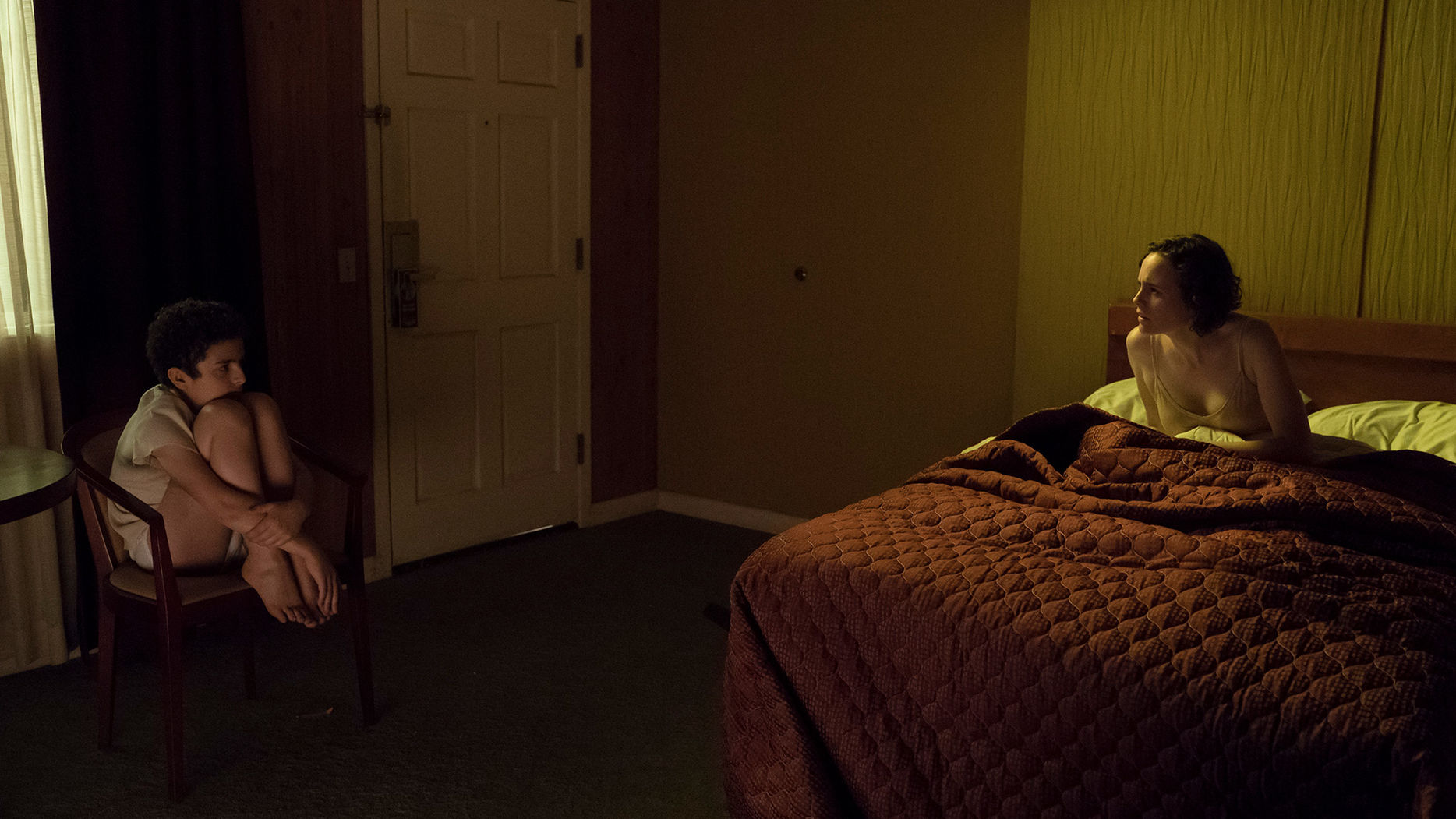
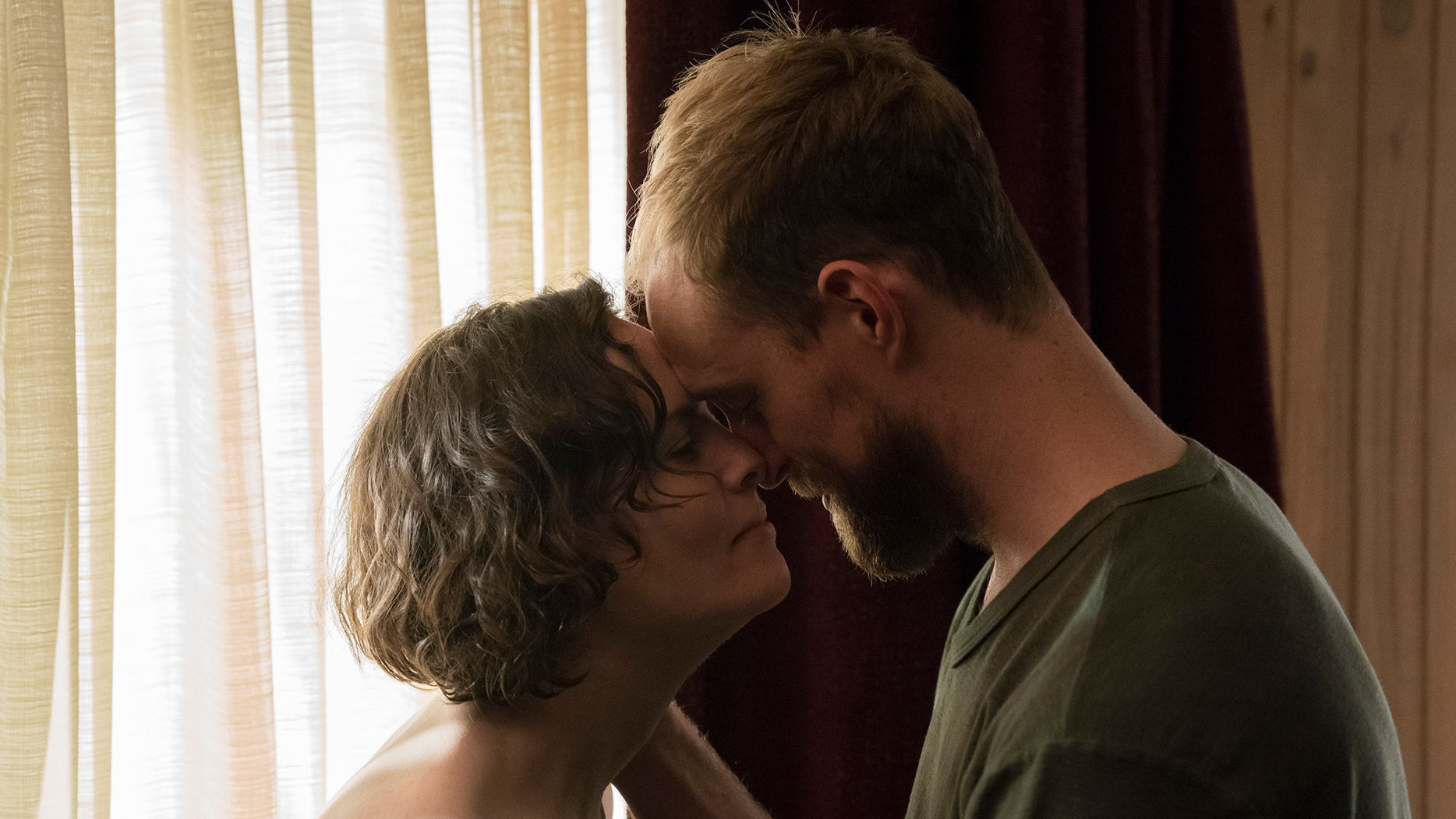
Working on The Sinner was just incredible – it was one of the greatest blessings on my life so far and part of what was so much fun about that was just that – the circumstance that Bess is in – it’s so extreme and different than the circumstance of other people that I have played. It was just that a whole new person just came out.
AM: Tell us about the process of getting on the show, what it was like working with Bill Pullman and the idea that The Sinner tells you what happens, but why did it happen and what are the circumstances around it that made it happen. Which reminds me of elements of The Slap.
EA: There’s so many wonderful things to unpack in what you just said! For me, a real comparison between the works The Sinner and The Slap is that we’re always talking in both cases, that there are sets of characters that have some sense of redeeming qualities and some less attractive qualities to put it politically. That’s my favorite kind of story, favorite kind of TV, favorite kind of movie, book whatever. I think that some people, it’s not their favorite.
They want it to be where this is the good guy and this is the bad guy. But I really enjoy digging into that kind of stuff. In terms of my experience with The Sinner, I had watched it because actually, a lot of the crew is the same from Billions – the genius Director of Photography Radium Cheung – some of the A.D.s that I knew from Billions said they were working on this and I watched it. But then I rewatched it when I was going in to audition for it, and having just done Homeland for 5 months, what I was struck with so much was how much everyone and all the characters take their time. How much space for human life is allowed versus the kind of person that I normally play that is very talky, journalists, lawyers, political animals – just be kind to Janet because she is so wonderful.
That was a conversation that I had with Bill at the very first Table Read. When I just sort of fangirled him and talked to him about how amazing his performance was in the first season.
What I loved about the show was that it is really populated with humans that are always saying something but not speaking. There is so much clearer speech that is not articulated in this show and it’s something a little more like indie film and Antonio Campos (Director + Executive Producer) one of the really big geniuses behind the first and second season has a background in indie film and he just brought that sensibility to the show. I found that also working on it that I am so hard wired to just pick up the pace and even though I knew that from watching the show not to do it - but ke kept reminding me that, no no - you can take it as long as it wants to take - if you want to say something else, just throw it in” and I thought, “oh this is a new fun thing to work on.”