



PHOTO CREDIT | Unsplash/Ambitious Studio* | Rick Barrett
4 FUN CUSTOM AIR FRESHENER DESIGNS FOR YOUR GYM-LOVING FRIEND
If you've got a friend who loves the gym, they probably already own all the essential workout gear. While they might appreciate another sports bra or protein selection box, there's only so many times you can gift them the same things.
For something a bit different, consider buying your gym-loving friend a custom car air freshener. You can create a design that celebrates their interest in all things fitness and serves a practical purpose by keeping their car smelling clean and fresh.
Here, we're sharing some fun design ideas for custom car air fresheners that are guaranteed to appeal to any gym-goer.
A Gym Selfie
If your friend is always faking gym selfies, using one of these (or better, a montage) in your air freshener design is bound to make them laugh. Whether they feel to embarrassed to hang it from their rear-view mirror is a different story.
Sites like Make My Freshener don't just let you choose your own photos - they also let you choose the shape of your design, including custom shapes to fit your image. If they are a bit self-conscious, then a custom cat air freshener of their fluffy friend is a cute and non-offensive alternative.
A Motivational Gym Quote
Give a friend who drives to the gym some much-needed motivation on their way with a quote about working out, gains, and progress.
You could keep it simple with a quote like “Work hard, train harder”, or something more personal to them and their fitness goals. Need inspiration? Check out the best motivational fitness quotes here.
Their Favorite Food
Gym goers love their food more than anyone, so if your gym-loving friend has a favorite cheat meal or snack, you'll put a smile on their face by sharing it in air freshener form.
You could even treat them to a real-life version of their favorite food as an extra birthday gift!
Gym Equipment
If your friend's workouts always involve a set of dumbbells, a bar, a treadmill, or any other gym equipment, you can easily incorporate these into a fun car air freshener design.
One glance at their custom air freshener and your friend will forget their stressful commute and switch to workout planning mode.
A Word on the Best Air Freshener Scents
When you're feeling hot and sweaty after a workout, you want to smell something fresh and clean when you get in your car to drive home.
Some good scents for your gym-going friend's air freshener include mint, pine, fresh linen, and vanilla. Rather than competing with another overwhelming smell, they'll neutralize any unpleasant odors and give your friend something fresher to smell as they drive home.
Takeaway
Even if your gym-goer friend has every bit of gym apparel they could want, they're unlikely to have a gym-related custom car air freshener! Hopefully, this article has given you some inspiration for fun designs you can surprise your friend with.
Just make sure to buy your air fresheners from a reputable company, so you're not disappointed by the quality when your designs are printed.
Featured

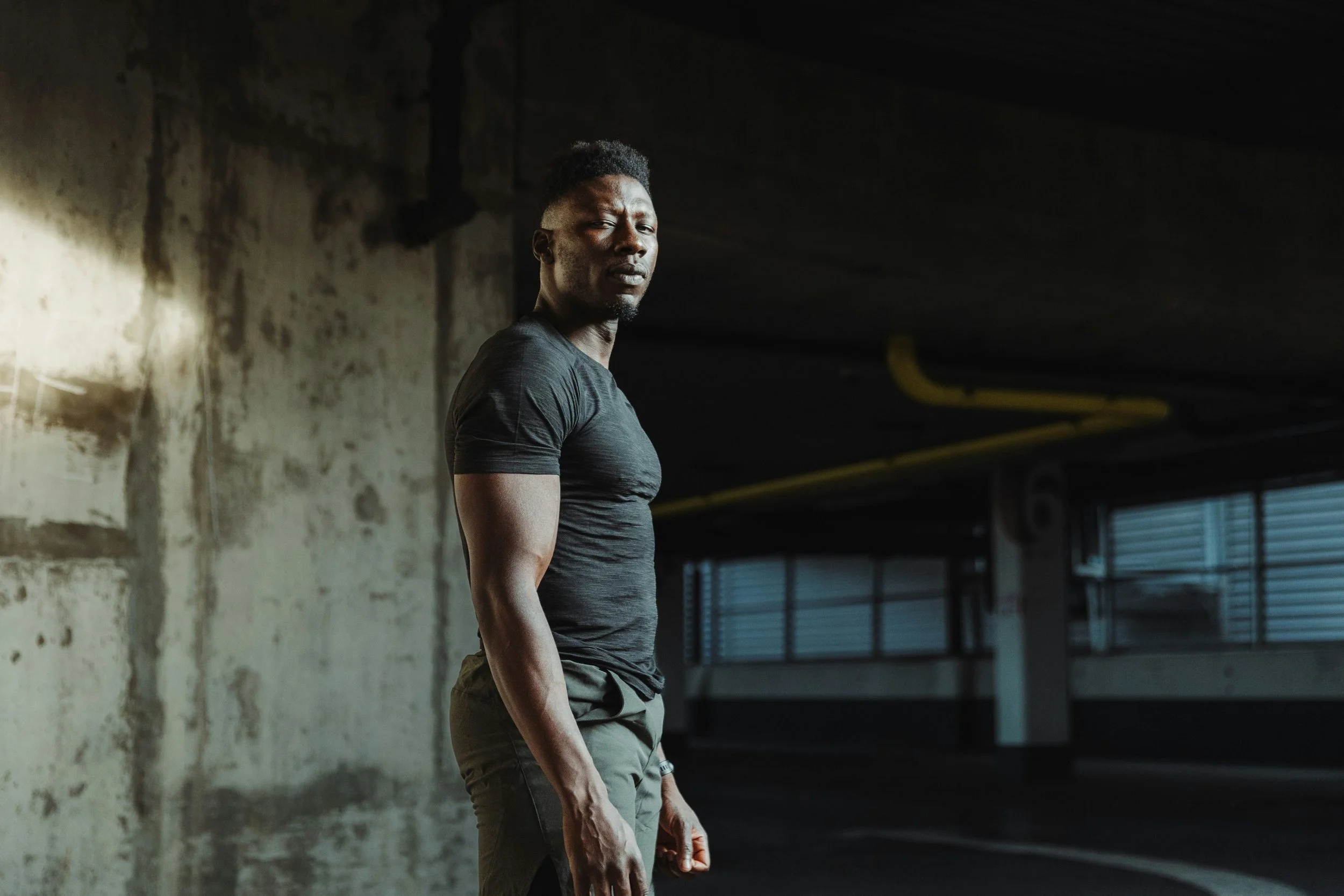

NO PAIN, MORE GAIN: HOW LYNDHURST LOCALS ARE UPGRADING THEIR RECOVERY GAME
Some people train for marathons. Others train to carry their groceries without wincing. Either way, pain has a funny way of putting everything on pause. And in a town like Lyndhurst, where the local gym is just as much of a hangout as the coffee shop, staying active is a big part of daily life. But what happens when that active lifestyle comes with a cost?
From former high school athletes with lingering knee pain to everyday fitness enthusiasts recovering from tweaks and strains, more locals are learning that pushing through the pain isn’t always the answer. Instead, they’re exploring a smarter, more precise way to bounce back: interventional pain management in Lyndhurst.
This isn’t about slapping on an ice pack and hoping for the best. It’s about reclaiming movement—and momentum—with the help of medical professionals who understand what it means to stay in the game, not just sit on the sidelines.

PHOTO CREDIT | Pexels/Los Muertos Crew
The Turning Point: When Pain Outpaces Motivation
We’ve all seen it—or lived it. Someone who’s committed to their workout routine starts skipping leg day because of a nagging hip. A runner suddenly swaps trails for treadmills, then stops altogether. A yoga regular avoids certain poses after wrenching a shoulder. It doesn’t happen all at once—but over time, pain wins.
Lyndhurst resident Cara M., 38, remembers the moment she realized her usual recovery routine wasn’t cutting it.
“I’d been foam rolling, stretching, doing all the ‘right’ things,” she says. “But my lower back would flare up every time I pushed past a certain weight in the gym. It started to feel like I had two options: stay weak or stay in pain.”
Cara wasn’t interested in relying on painkillers or waiting for it to “go away.” A friend recommended Core Medical Wellness. A few appointments later—with targeted imaging and an outpatient nerve block procedure — Cara was lifting again. Safely.
What Is Interventional Pain Management, Anyway?
Let’s cut the jargon. Interventional pain management is about using minimally invasive medical techniques to identify and treat the actual source of pain—not just mask it.
Unlike traditional approaches that may rely heavily on medication or referrals to surgery, interventional specialists use tools like:
● Joint injections
● Nerve blocks
● Epidural steroid injections
● Radiofrequency ablation
● Ultrasound-guided procedures
The goal? Relief that’s targeted, durable, and—most importantly—doesn’t pull you out of your life.
From Benched to Back In: Stories from Lyndhurst Locals
Anthony, 42 – From Turf Toe to Tough Mudder
Anthony’s pain started small. Just a sore big toe after playing soccer with friends on the weekends. But it lingered. Then it got worse.
“I was limping into meetings at work, icing it at night, taking Advil like it was candy,” he says. “I felt ridiculous complaining about a toe, but it affected everything.”
At Core Medical Wellness, Anthony learned his issue wasn’t just inflammation—it was nerve irritation. After a diagnostic nerve block and brief recovery period, he was back on his feet—and eventually back in the race, literally.
“I signed up for a Tough Mudder two months later. No pain. No problem,” he grins.
Serena, 31 – Yoga Instructor with a Stubborn Shoulder
For Serena, yoga wasn’t just a hobby—it was her livelihood. But chronic shoulder pain began interfering with both her practice and her income.
“It’s hard to teach when you’re modifying half the poses,” she says.
Through interventional diagnostics, she discovered an impingement that wasn’t responding to standard PT. With a guided injection and customized follow-up plan, she regained full range of motion.
“I didn’t need surgery. I just needed the right help,” she says. “Now I demo every pose again, and I’m booked solid.”
Why It Works for Active People
Pain can be sneaky. It doesn’t always show up as a scream—it can be a whisper that limits performance, zaps energy, or triggers compensation injuries elsewhere. Interventional pain management appeals to people who are:
● Too busy to slow down for long recovery times
● Uninterested in becoming dependent on pills
● Wary of surgery without trying other options first
● Still motivated to live, move, and feel strong
That last part is key. Many patients at Core Medical Wellness aren’t trying to avoid activity—they’re trying to return to it. That’s a different kind of mindset, and it deserves a treatment plan to match.
The Lyndhurst Advantage: Local Care with Leading Techniques
It’s easy to assume this kind of care is only found in big-city clinics or elite sports medicine centers. But for people in Lyndhurst, expert care is close to home.
Core Medical Wellness blends personalized attention with high-tech diagnostics and evidence-based treatments. Patients don’t just get a prescription—they get a roadmap.
Plus, the team understands that “recovery” means different things to different people. For one patient, it might mean running again. For another, it might mean gardening without back spasms or chasing a toddler around without pain.
More Than Physical: The Mental Shift That Comes with Relief
Chronic pain messes with more than muscles and joints. It can change your mood, your sleep, your ability to focus. That’s why interventional care isn’t just a physical reset—it’s a psychological one too.
Cara says the impact on her confidence was huge.
“When you’re in pain all the time, you start to question your body. You second-guess every movement. Getting real relief made me feel in control again.”
Who Should Consider It?
If you’re wondering whether interventional pain management is “serious enough” for your kind of discomfort—here’s a quick cheat sheet:
● Have you stopped doing something you love because of pain?
● Do you find yourself modifying or avoiding workouts?
● Are you using medication more than you’d like?
● Have standard PT or rest routines failed to help?
If you answered yes to any of the above, it might be time to explore options beyond stretching and self-talk.
The Fitness-First Approach to Healing
The old playbook was simple: Rest until it stops hurting. The new playbook? Diagnose early. Intervene smart. Rebuild stronger.
That’s why more Lyndhurst locals are turning to clinics like Core Medical Wellness. They’re not just trying to get rid of pain—they’re trying to do more with their lives. Pain relief isn’t the end goal. Movement is. Confidence is. Consistency is.

PHOTO CREDIT | Pexels/Paolo Ortega
Final Thoughts: Pain Doesn’t Have to Be a Lifestyle
Let’s be honest—everyone has something that hurts. But it doesn’t have to stay that way.
Whether you’re chasing PRs or just trying to stay off the injury list, your recovery strategy matters. And when that strategy includes precision-based care instead of one-size-fits-all advice, your odds of long-term success go way up.
So if you’ve been putting off that appointment or chalking it up to “just part of getting older,” maybe it’s time to upgrade your playbook—just like your neighbors already have.
After all, no one gets points for pushing through the pain. But feeling good enough to keep showing up? That’s a win worth training for.
Featured

HOW TO TRIAL FITNESS APPS WITHOUT YOUR REAL PHONE NUMBER
Want to try out a new fitness app but don't like over-sharing your data online? This is a completely fair concern to have - dozens of online data breaches have already happened in 2025 alone.
But if you want to take advantage of a trial and the only way to do so is by sharing your phone number, you're facing a dilemma. How can you trial the app without sacrificing your personal data? We're discussing one of the best solutions in this article.
Why Fitness Apps Want Your Number, and Why You Shouldn't Share It
Have you ever wondered why apps offer free trials to customers? What are they getting out of it? Usually, they want (and get) one thing: your data.
Once companies have your email address and phone number, they can enter you into their marketing lists, hoping (as is often the case) that you'll forget, or just not bother, to opt out. That fleeting week- or month-long trial signs you up for years of unwanted emails and texts, all in an attempt to sell you the company's paid offerings. And it obviously works, but at what cost?
For you, every time your number enters a company's database, your risk of exposing your number due to a data breach doubles. That means, as well as receiving unwanted marketing, your number might be sold to scammers and cold callers, and you may even find yourself on the receiving end of a phishing attack.
How to Get Around Sharing Your Own Number
When you're just trialling a fitness app, you absolutely don't need to be handing over your real number. Instead, if the app asks you to enter a number to verify your account, consider using a non-voIP number in place of your own.
Sites like https://www.smspool.net/ sell these numbers for a few dollars, intended for temporary use (usually 20 to 60 minutes). They're tied to a real SIM. exactly like your own number, saving you the need to share your own data for signups.
The idea is that you enter the temporary number you've bought when you create an account, then receive the SMS verification code to this number (which you can access online). Enter the code into the required field and complete the sign-up - no personal number required.
The Benefits and Setbacks of Temporary Numbers
What are the biggest advantages of using a temporary number for trialing fitness apps, and what are their potential setbacks? We've covered the main pros and cons of these numbers below.
Pros
● Affordable, single-payment solution
● An easy way to protect your own data
● Trusted by websites and apps as they're tied to a SIM
Cons
● Only for short-term use
● Can't be used for repeated two-factor authentication
● While affordable, not free
Takeaway
The next time you go to create an account for a fitness app, remember Non-voIP numbers. A few dollars for a temporary number is well worth it to keep your data from being unnecessarily shared online.
Featured

63MIX ROUTIN3S | SARA HUGHES


9LIST STORI3S | LELE SADOUGHI


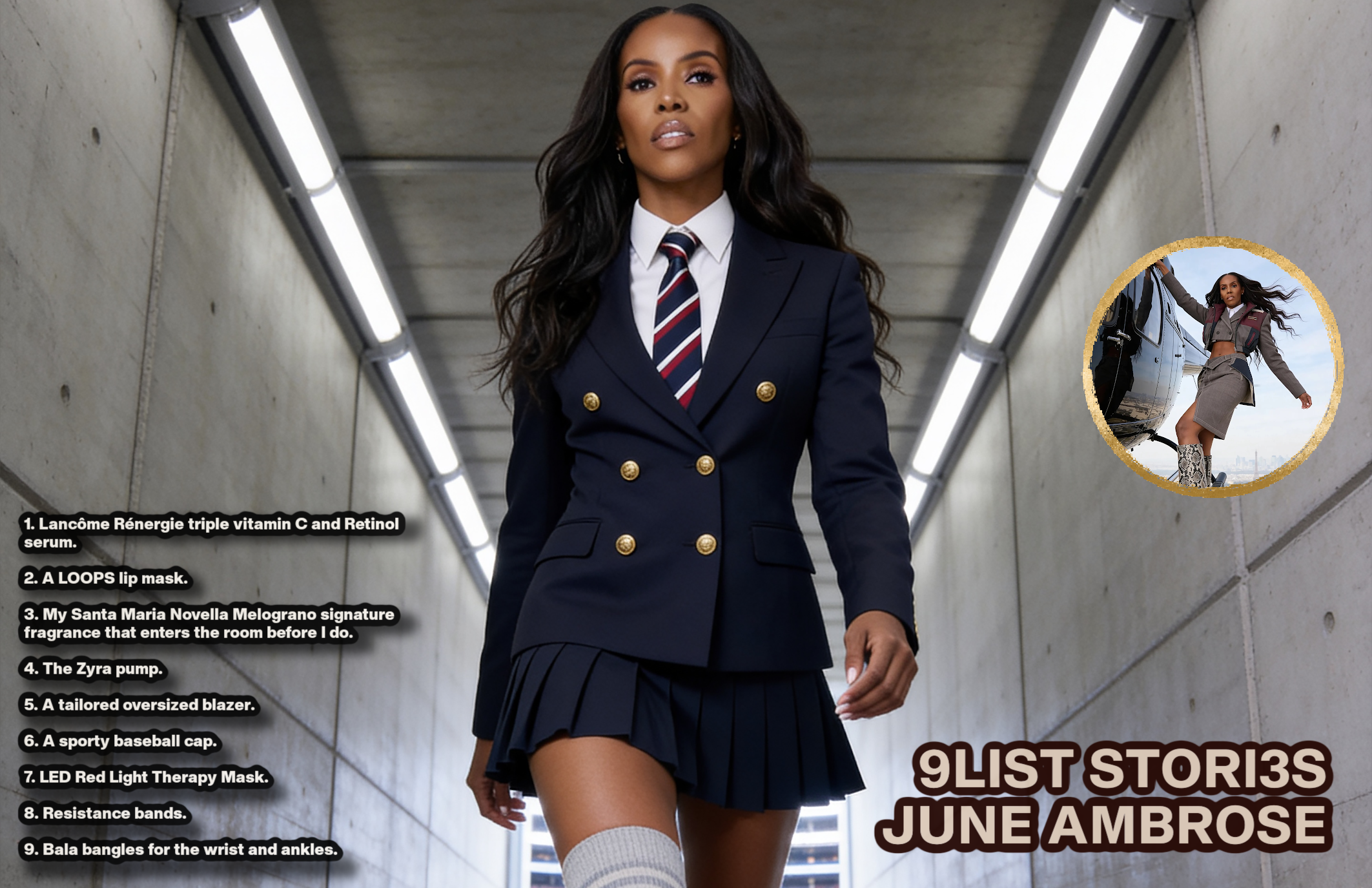


PHOTO CREDIT | Unsplash/piotr szulawski
STYLE MAKEOVER: 7 EASY WAYS TO REFRESH YOUR LOOK
You look in the mirror and see the same look every day. The same clothes, the same hairstyle, and the same colors repeat without change. Over time, this pattern can start to make you feel invisible and uninspired.
Many people experience a drop in confidence due to routine style choices. Limited time, fear of making the wrong changes, or uncertainty about where to begin often hold them back. The result is a feeling of being stuck, even when they want to refresh their look.
There’s a solution that doesn’t require a full wardrobe reset or expensive help. A few simple changes can help you feel renewed. This article outlines seven practical and affordable ways to update your style and regain your confidence. You can apply them quickly and see results immediately.
1. Update Your Hairstyle for Instant Change
A hairstyle update is one of the fastest ways to change your look. It requires little effort but can shift how others see you immediately. A new haircut or a few added layers can bring your appearance up to date.
Changing your part can also make a difference. Whether you go from center to side or vice versa, it alters your face's frame. This small move refreshes your style without extra cost or commitment.
Visiting a trusted hair salon Miami locals recommend can also help you explore bold changes. Adding highlights or a gloss treatment gives your hair more depth and shine. These options enhance color and improve texture.
Hair is often the first feature people notice. It strongly influences your overall image and style presence.
2. Refresh Your Wardrobe with Key Staples
Start by picking a few solid basics that work across many looks. A tailored blazer, a crisp white shirt, and high-waisted jeans are reliable choices. These pieces build a strong foundation for everyday style.
Stick to clothes that pair well with what you already own. Focus on color, shape, and function. This makes it easier to create new outfits using fewer items.
Fit matters more than brand or price. Clothes that fit well always look better. Tailoring can turn even simple or budget items into polished outfits. A well-fitted piece adds instant value to your look.
Choose pieces that suit your lifestyle and match your routine. Your wardrobe should support you daily without extra stress.
3. Accessorize with Purpose and Personality
Accessories are simple tools that make outfits look complete. A bold pair of earrings, a stylish belt, or a printed scarf can shift your look fast. These pieces add detail without changing your whole outfit.
Layered jewelry like necklaces or rings give texture and depth to plain clothes. You can wear them in different ways to create new styles. These small updates take little time but make a strong impact.
Use accessories to move from casual to dressy with ease. A handbag or heels can elevate a basic outfit for the evening. This makes your wardrobe work harder.
Trendy accessories let you test new styles with little risk. They help you explore color, texture, and design without big changes.
4. Switch Up Your Footwear Game
Shoes can make or break your look. They speak for your style before you do. Replacing your regular pair with bold flats or ankle boots changes your outfit’s mood instantly.
Try colorful sneakers to add energy and variety. Choose a color that stands out or a design that breaks from your usual picks. Even one fresh pair can shift how your entire outfit feels.
Polished shoes show care and attention to detail. Clean soles, unscuffed toes, and smooth laces matter. These small things help you look put together.
New footwear also affects how you carry yourself. The right shoes can boost comfort and confidence. That impact is often immediate and visible.
5. Experiment with Color and Pattern
Adding color is a quick way to refresh your look. Move beyond black, gray, and beige. Start with one bold piece like a bright top or vivid skirt.
Try mixing patterns to add interest. Pair stripes with florals or checks with solids. Keep the color tones similar to maintain balance. Use one bold print and one subtle pattern to avoid clashes.
Color affects how others see you and how you feel. Warm tones can boost energy, while cool tones create calm. Choose shades that highlight your skin and hair.
Don’t overthink your first steps. A colorful scarf or patterned bag works too. Small updates still make a strong visual shift.
6. Play with Makeup or Skincare Updates
Makeup can refresh your look in minutes. A new lip color or brow shape can shift your whole face. Even trying a lighter or dewier foundation adds a soft, modern finish.
Small skincare changes also make a difference. Add gentle exfoliation once a week to clear dull skin. Use a serum that targets dryness, uneven tone, or fine lines.
These updates help your skin look smooth and fresh. When skin feels good, confidence grows. You may use less makeup and still feel more polished.
Stick to simple steps you can maintain daily. Focus on results that show without needing effort each morning. Healthy skin always enhances style.
7. Embrace a Signature Style Element
A signature item gives your look a clear identity. It could be red lipstick, vintage denim, or stacked rings. Pick something that feels natural and boosts your mood.
Use this element often enough that people notice. It should show up across different outfits and settings. This adds unity and makes your style feel intentional.
A strong signature doesn’t need to be flashy. Even a simple hairstyle or watch can become part of your image. The goal is to create a detail that sets you apart.
Having a go-to piece also saves time. You always know how to finish a look. That confidence adds ease and makes your style more memorable.
Conclusion
Small changes can shift how you feel and how others see you. Picking one simple update today can lead to a fresh and confident tomorrow. Every change you make reflects how much you value yourself.
Take five minutes tonight to choose one style tweak. Stick with it for a week and note how it feels. These efforts build momentum, turning small actions into real progress.
To stay inspired, start a private photo album on your phone. Track outfits, colors, or hairstyles that make you feel good. This visual record helps you find what works and spot trends that define your look. It’s a simple way to shape your evolving style with purpose and clarity.

9LIST STORI3S | CHEF ESTHER CHOI


PHOTO CREDIT | Unsplash/NEXA BLACK
THE ATHLETE'S EDGE: INCORPORATING PHYSIO INTO YOUR TRAINING LIFESTYLE
Whether you’re a competitive athlete or someone who simply trains hard and trains often, achieving peak performance requires more than just dedication in the gym or on the field. Success also depends on how well you recover, how quickly you bounce back from setbacks, and how well your body adapts to the demands placed on it.
This is where physiotherapy becomes a game-changer. More athletes are realising that incorporating physio into their training routine isn’t just for when things go wrong — it’s a proactive tool for building strength, improving mobility, and staying at the top of their game.
Injury Prevention: Training Smarter, Not Just Harder
Every athlete knows the frustration of a setback caused by injury. What many don’t realise is that regular physiotherapy can identify imbalances, weaknesses, or mobility issues before they develop into serious problems. A qualified physiotherapist can assess your movement patterns and provide corrective exercises that reduce your risk of injury during training and competition.
By making preventative care a regular part of your routine, you can train harder with greater confidence, knowing your body is being looked after.
Faster Recovery, Better Performance
Pushing your limits is part of being an athlete, but recovery is where the magic happens. Muscle tissue needs time and support to repair, and physio treatments such as manual therapy, soft tissue release, and guided stretching can accelerate the process.
Regular sessions promote circulation, reduce inflammation, and help maintain flexibility, all of which lead to quicker recovery between workouts. For anyone aiming to maximise their output, these marginal gains add up quickly.
Addressing Chronic Niggles Before They Become Major Issues
That persistent tight hamstring? The shoulder that clicks during a press? These aren’t things to just ‘train through’. Minor discomforts often signal underlying issues that, if left untreated, could lead to more serious injury.
Incorporating physiotherapy in Edinburgh as part of your regular schedule means working with someone who can get to the root cause of these problems, not just treat the symptoms. Early intervention helps you train consistently and perform at your best.
Improving Functional Movement and Technique
Physiotherapists aren’t just injury specialists. They’re movement specialists. They understand biomechanics and how to enhance functional movement. Whether you’re trying to improve running gait, posture during lifts, or control during dynamic movements, physio input can refine your technique and boost efficiency.
Better movement equals better performance. Often, it’s these subtle adjustments that give athletes the edge over their competition.
Supporting Mental Confidence
Knowing your body is being monitored and maintained by a professional builds trust in your own capabilities. Athletes who integrate physiotherapy into their lifestyle often experience a boost in confidence, not just because they feel stronger and more mobile, but because they know they’re doing everything possible to stay prepared and protected.
Physio isn’t just physical; it supports the mental resilience required to compete, push limits, and stay focused on long-term goals.
Summing Up
For athletes who want more than short-term gains, seeking longevity, consistency, and genuine performance enhancement, physiotherapy isn’t optional. It’s a key part of a well-rounded training lifestyle.
Whether you’re looking to prevent injury, recover faster, or improve your movement, integrating regular sessions of physiotherapy can help you stay stronger, move better, and go further, every single season.
Featured

PHOTO CREDIT | Unsplash/Carl Nenzen Loven
LEGAL STEPS TO TAKE AFTER A BICYCLE ACCIDENT AND HOW A LAWYER CAN HELP
Did you know that more than 1,000 cyclists die each year in the US, and around 350,000 are treated in emergency departments for cycling injuries? Common causes of bicycle accidents include crashing due to potholes, broken roads, or debris, and collisions with pedestrians, other bikes, or objects.
A collision between a motor vehicle and a bicyclist is traumatic and chaotic, leaving the bicyclist stunned and unsure of the next steps. You are likely to see damage to your bicycle and feel pain, says bicycle accident lawyer Matthew R. Price.
So what should you do after a bicycle accident? Protect yourself by getting medical help, reporting the accident, and collecting any evidence. These actions are beneficial if you need assistance with medical bills, lost wages, or damage to your bicycle.
A lawyer who understands bicycle accidents can also guide you through the process.
Prioritize Your Health and Safety
After a bicycle accident, your safety and health must come first. Check yourself for injuries. If possible, examine the condition of those involved in the accident.
Call for medical help immediately. One may feel fine but become unconscious from shock. Sit down if feeling dizzy or weak. Try to avoid moving cars to reduce the risk of danger.
Stay focused and calm during this time. Follow the emergency responder’s instructions and accept assistance when offered.
Recognize your symptoms and do not ignore them. Clearly stating what you feel can help you receive appropriate treatment, which will affect how fast you will recover.
Gather Evidence at the Scene
Support your claim by presenting any relevant evidence found at the bicycle accident scene. Take pictures of the accident site, your bike, any damage, and the surrounding area. Photos should be taken from multiple perspectives and include road signs or signals.
Find nearby CCTV cameras that may have captured the incident. Visual proof from these cameras could win your case. Record everything accurately to help your attorney build a strong case.
According to https://www.sorrentinolegal.com/, an experienced bicycle accident attorney will have an investigator compile accident scene photographs, record statements, obtain medical records, medical bills, and police reports, and talk to eyewitnesses. This kind of support makes it easier for you to address the complexities of your case.
Report the Accident to Authorities
Filing a report is a method of producing official documentation of the incident.
If there are injuries or significant injuries, notify the authorities after a bicycle accident. Cooperate with police and explain the time, location, and accident details honestly.
Getting a copy of the report will help you file claims in the future or seek potential legal action. Record the names and badge numbers of the responding officers.
You can use official records to challenge any disputes about damages or duties. Only a few extra steps can result from your quick action.
Notify Your Insurance Company
Informing the insurance agency is important as early as possible since the time you reported the incident could affect your claim's outcome.
Tell all relevant information when notifying the insurance company. Provide details of the dates, times, places, and people involved. Be honest about everything. Good documentation of even the most minor details helps piece together a clear picture of what transpired.
Keep notes of your calls, including the representatives' names with whom you spoke and any claim numbers they assign to you.
Take pictures and a police report in case the insurance company wants to view the evidence. Reporting immediately will speed up your claim and help you seek help at this difficult time.
Consult With a Bicycle Accident Lawyer
After a bicycle accident, seeking legal advice will heavily influence the settlement in your case. A bike accident lawyer will explain your rights and possible legal remedies.
The attorney will analyze your case and establish evidence toward strengthening it on your behalf. The attorney then negotiates with the insurance companies to secure fair compensation for your injuries and damages.
The attorney can also accompany you to trial to provide expert advice.
Having a legal professional present during the legal proceedings may be very comforting and conducive to your recovery. Call your lawyer ASAP to defend yourself and get the best outcome.
Featured
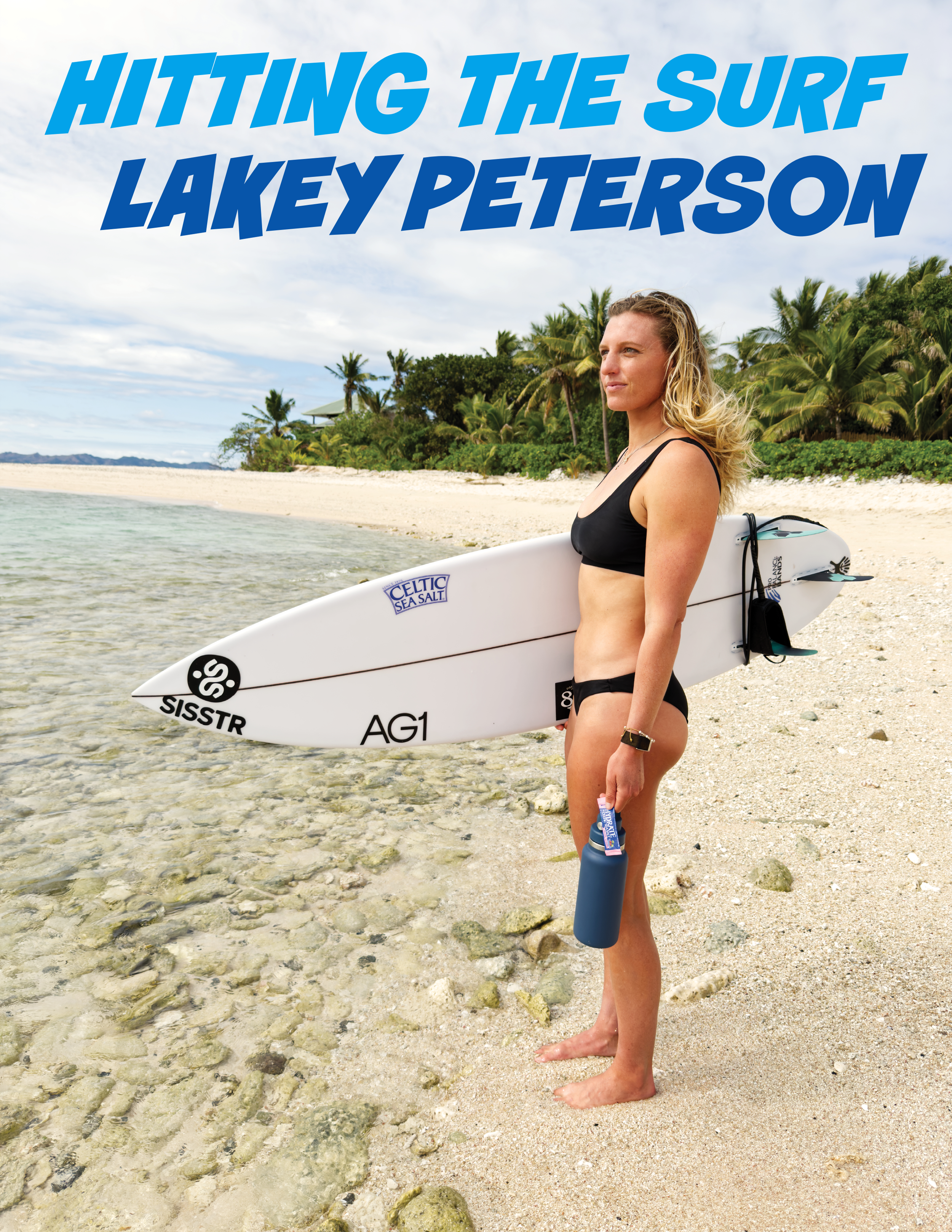


9PLAYLIST | SABRINA CARPENTER
Read the MAY ISSUE #113 of Athleisure Mag and see 9PLAYLIST | Sabrina Carpenter in mag.
Featured




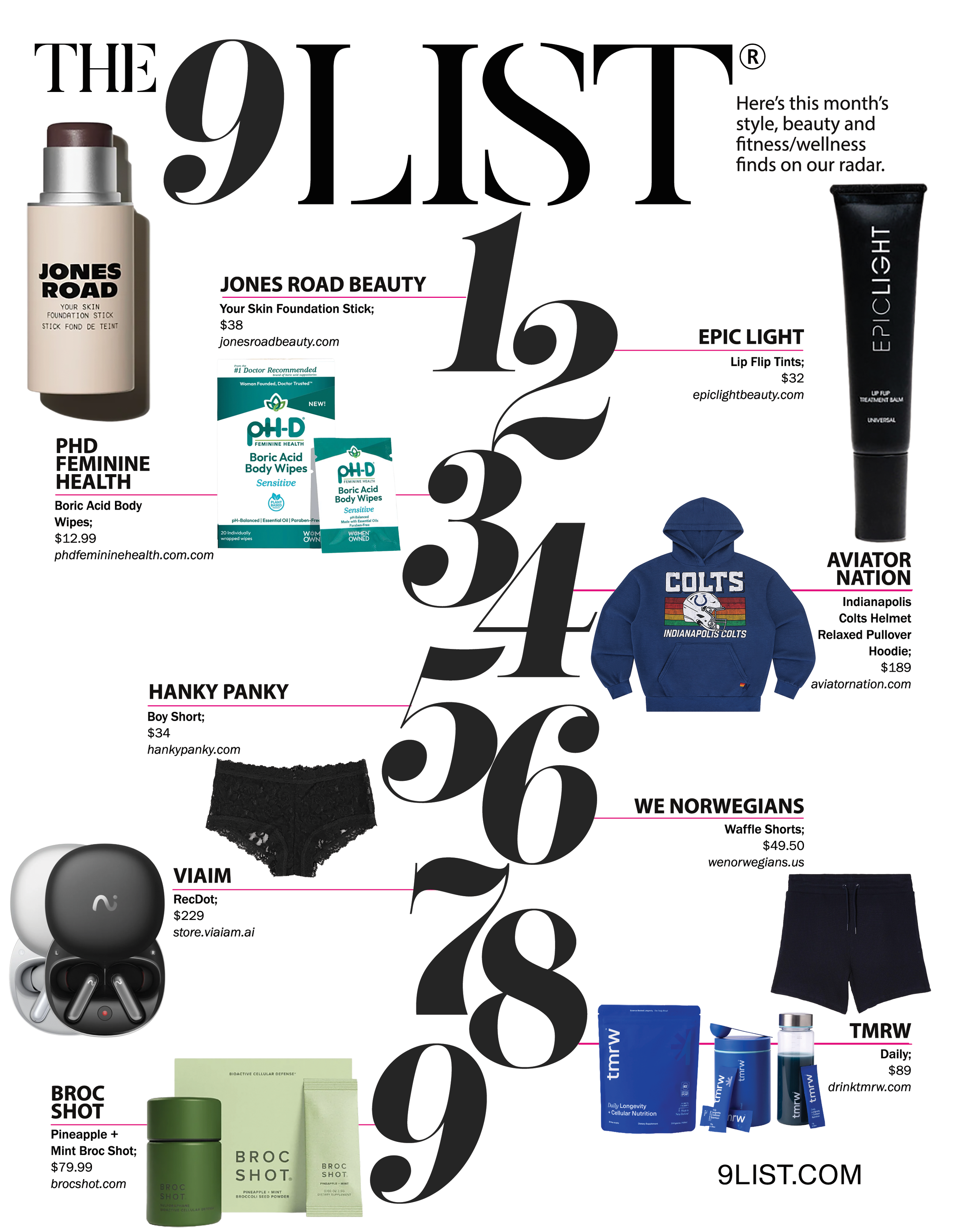
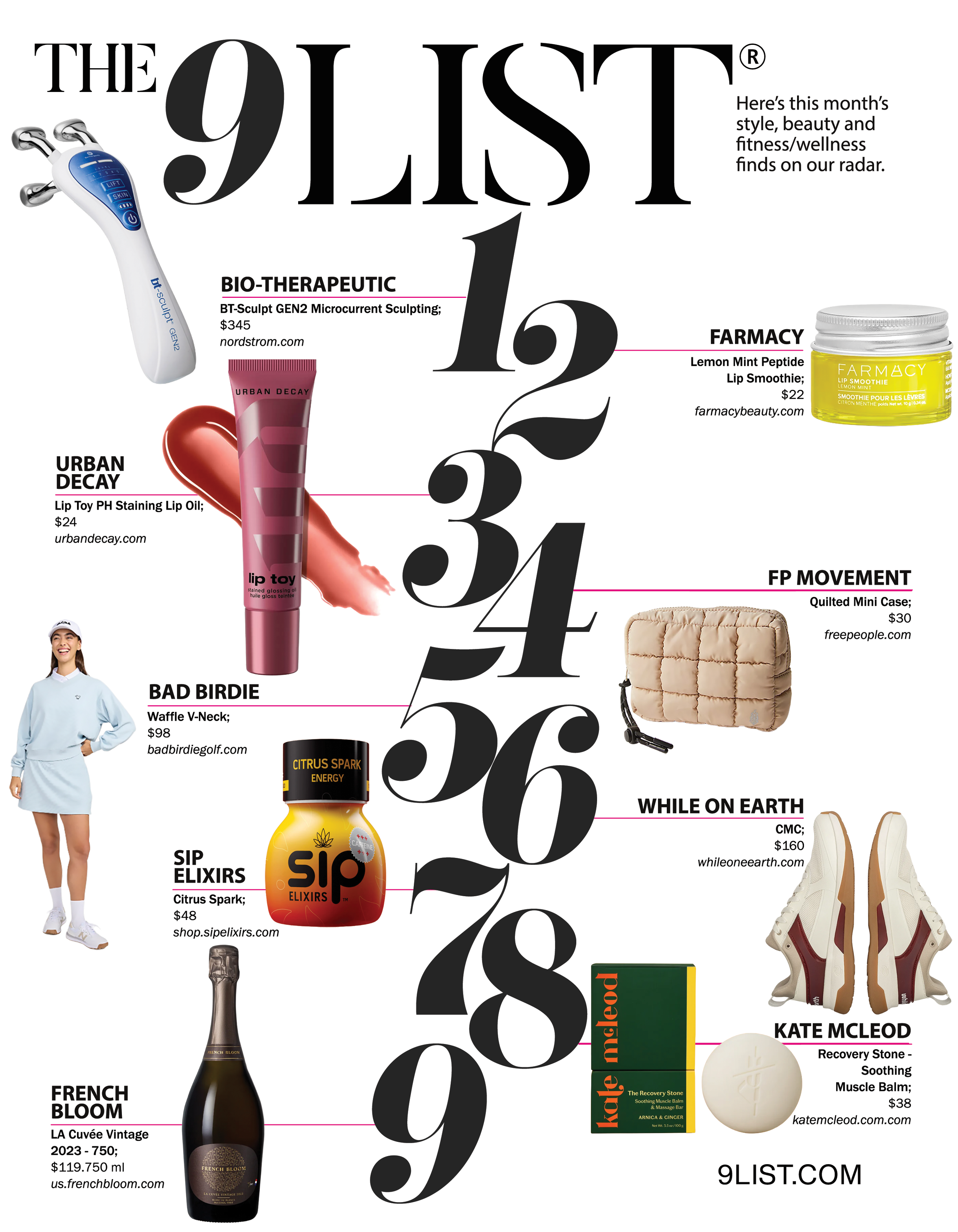
THE 9LIST
Read the MAY ISSUE #113 of Athleisure Mag and see THE 9LIST in mag.
Featured
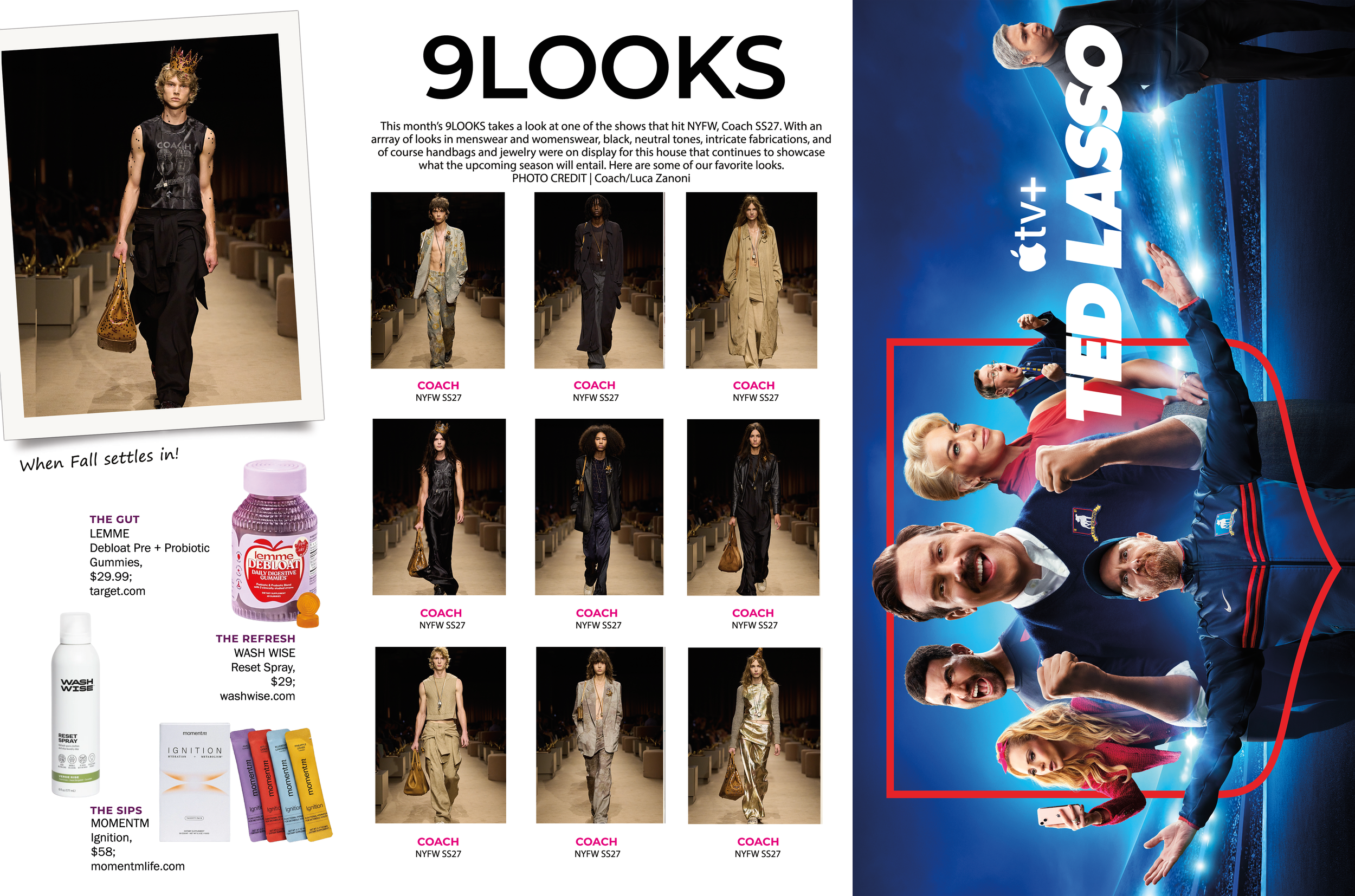

THE PICK ME UP
Read the MAY ISSUE #113 of Athleisure Mag and see THE PICK ME UP in mag.

IN OUR BAG | FOR IMPROMPTU CATCH UPS
Read the MAY ISSUE #113 of Athleisure Mag and see IN OUR BAG | For Impromptu Catch Ups in mag.
Featured
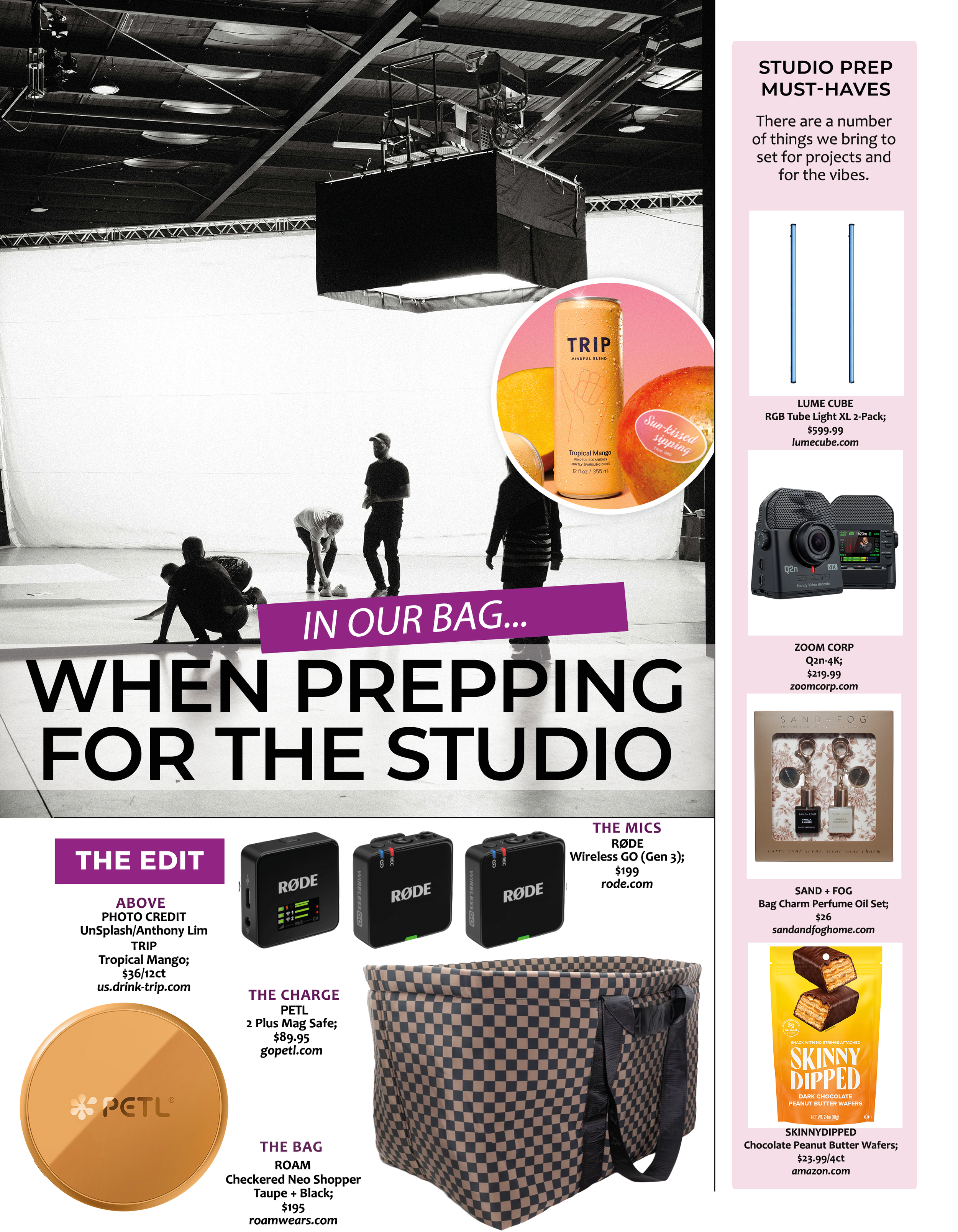
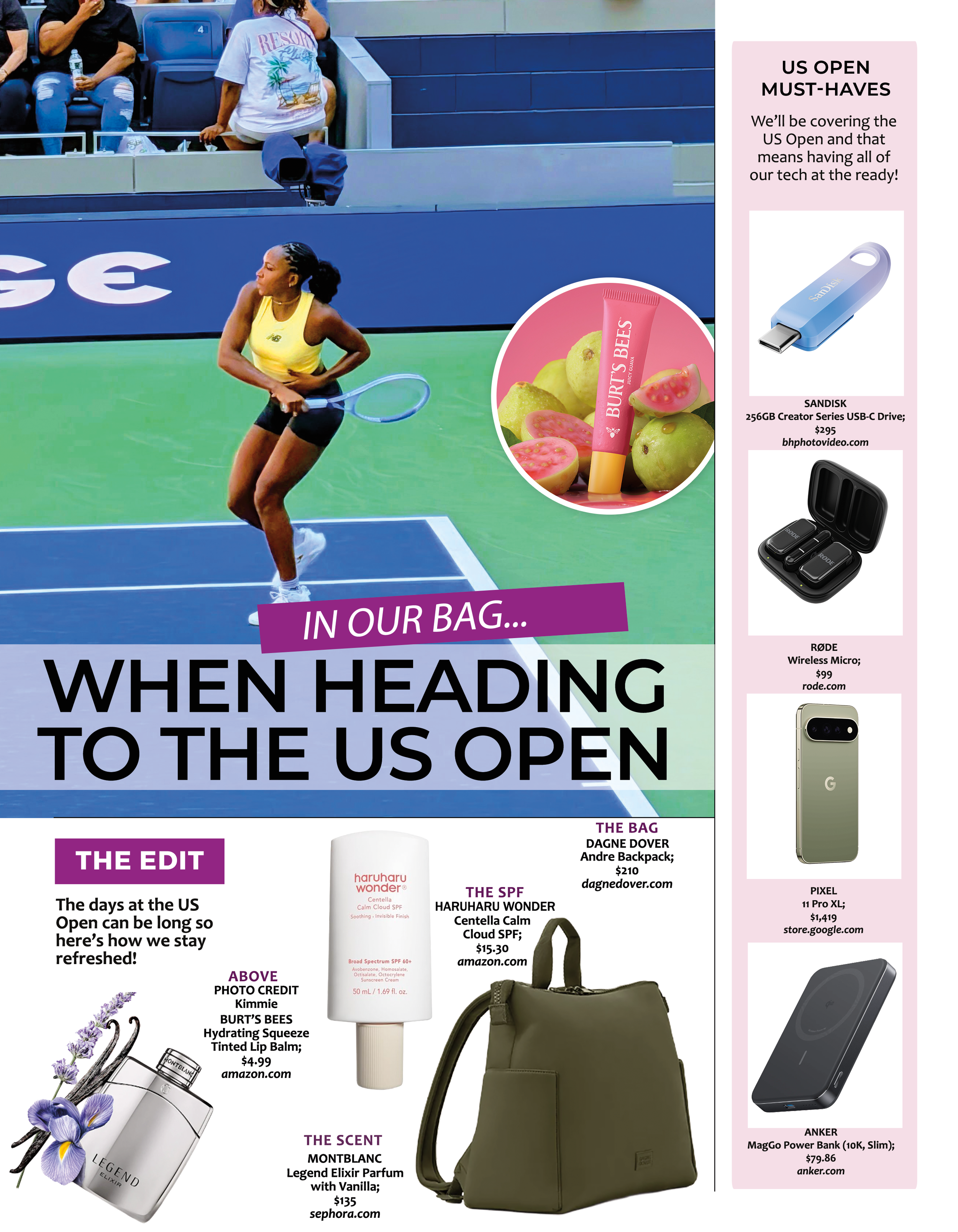

PHOTO CREDIT | Unsplash/Hermes Rivera
BLUE SUITS ARE EVERYWHERE - BUT WHICH SHADE REALLY GETS YOU?
You’ve RSVP’d. The countdown’s on. Your shoes are clean, your shirt’s pressed, and now the big decision looms: what suit to wear? Blue feels like a no-brainer—it’s stylish, safe, and all over your feed. But here’s the twist: not all blues are created equal. And in a sea of similar shades, how do you know which one actually works for you?
The truth is, choosing the right blue suit isn’t just about matching the dress code. It’s about telling your story through color, tone, and subtle details that leave an impression. Especially when it comes to wedding fashion, your suit isn’t just an outfit—it’s your presence. And whether you're walking down the aisle or raising a glass from row two, you deserve a shade that shows up with the same energy you do.
So let’s stop dressing like everyone else and start figuring out what kind of blue actually speaks your language.
When Playing It Safe Starts Looking... Just Safe
Let’s be honest—blue suits are the go-to because they work. But sometimes “it works” turns into “I barely remember what I wore.” It’s easy to fall into the mindset that one shade of blue fits all. We grab navy or mid-blue thinking it’ll get the job done—and sure, it does. But it doesn’t say anything. And in a room full of great outfits, that can be the fastest way to fade into the background.
Here’s the thing: not every blue suit fits every occasion—or every personality. Some weddings call for energy, movement, and color. Others ask for softness, elegance, or mood. The secret is matching your suit to more than just the invite—it should reflect the feel of the day and how you want to show up in it.
That’s where a more expressive option comes in. A Bright Blue Suit brings a modern, elevated tone to outdoor ceremonies and summer celebrations. It’s got personality—but still reads sharp and clean, especially when paired with a crisp shirt and complementary accessories. Generation Tux makes it easy to try bold styles like this without second-guessing your choice. Their fit, color, and fabric options give you permission to be bold without feeling like you’ve gone overboard.
Too often we shrink ourselves in formalwear, afraid to draw too much attention. But here’s a wild idea: what if looking good was the point?
Forget the Rules—Let Your Suit Fit the Moment
It’s time to shift how we think about color. The “right” shade of blue isn’t about a rulebook—it’s about how it makes you feel the second you button it up.
Want to bring a little heat to a fall wedding? A deep royal blue can bring rich contrast to earth tones without being overpowering. Trying to keep things light and effortless for a beach celebration? Soft powder blues and bright cerulean tones can help you blend right in with the horizon—in the best way.
Wedding fashion isn’t just a category—it’s a conversation between you, the event, and the people who’ll remember how you looked that day. And when you think of your suit that way, everything changes. You start choosing shades based on mood, lighting, season, and style—not just tradition.
The beauty of blue is how many stories it can tell. You want polish and poise? Go navy with clean lines and crisp contrast. You want charm and energy? Try something vibrant with textured details and a little personality in your accessories. This isn’t about standing out just to be seen—it’s about dressing in a way that reflects where you are in this moment.
So, next time you're browsing through your options, don’t ask “What’s right?” Ask “What’s real for me?”
Not Loud, Just Smooth: The Shade Everyone Overlooks
Not into bold? You’re not alone. There’s something quietly powerful about subtle style—and that’s where a lesser-known hero steps in: the Slate Blue Suit. It doesn’t scream for attention, but it knows exactly how to hold it.
Slate blue hits this perfect balance. It's cool and calm with just enough color to be interesting. Whether it’s a vineyard wedding at golden hour or an intimate ceremony with soft neutral tones, slate has a way of playing nice with everything around it. And when paired with warm accessories—think taupe shoes, deep burgundy ties, or off-white shirts—it really comes alive.
In a world where wedding fashion can feel like a competition, slate blue reminds us that sometimes, subtle says the most.
Final Thought: Dress for the Memory You Want to Leave
Here’s what it all comes down to: the right blue suit doesn’t just fit your body—it fits the moment. It fits the season, the energy, the setting, and most importantly, you. Whether you’re bold and bright or smooth and understated, there’s a shade that aligns with who you are and how you want to show up.
So take a second look at your options. Don’t default. Don’t overthink. Just ask yourself: when I walk into that room, what do I want my suit to say?
When you find a blue that answers that question for you—you’ve found the one that fits.
Featured
ZEN AND THE ART OF ONLINE BACCARAT: WINNING WITHOUT BREAKING A SWEAT
Some games get your heart racing. Others—like online baccarat—do the exact opposite. They slow you down, quiet the mental noise, and give you a reason to breathe between the chaos of everyday life. If that sounds like your vibe, keep reading.
More and more players are turning to online baccarat not just for the potential wins, but for the calm that comes with it. With platforms like supervip2541 offering intuitive interfaces and live dealer options, it’s never been easier to enjoy a game that rewards patience over adrenaline.
Let’s break down why baccarat is becoming the go-to game for those who like their gameplay as smooth as their matcha.

PHOTO CREDIT | Pexels/Anna Shvets
The Baccarat Mindset: Chill Over Chaos
Unlike other casino games that thrive on sensory overload, baccarat is quiet. The rules are simple. The action is steady. And the stakes—while potentially high—don’t demand frantic decisions every 10 seconds.
This is why it resonates with people who prefer a calm, clear-headed gaming experience. You’re not scrambling to memorize card sequences or spinning a digital wheel every few seconds. Instead, you're placing a thoughtful bet and watching the outcome unfold with steady focus.
It’s essentially poker’s cooler cousin—the one who doesn’t talk too much, doesn’t show off, and always seems to know what’s going on.
Minimalism Meets Strategy
Minimalism isn’t just an interior design trend—it’s a mindset. It’s about cutting the clutter and focusing on what really matters. Online baccarat fits right into that lifestyle.
There are only three betting options: player, banker, or tie. That’s it.
You’re not juggling 10 side bets or clicking through endless options. The elegance lies in the restraint. And yet, within that simplicity lies an elegant web of probabilities, odds, and strategies—just enough complexity to keep things interesting without overwhelming you.
Think of it as the Marie Kondo of casino games: only essential decisions that spark joy (or maybe a payout).
The Art of Composure
One of the most underrated skills in baccarat? Not tilting.
While slots beg for impulsive clicks and poker rewards bluffing, baccarat invites you to breathe, observe, and trust the math. The house edge is low—especially on banker bets—so it pays to play slowly and steadily.
Staying calm gives you the edge. You're not trying to beat other players; you're aligning yourself with odds. It's less about dominating and more about syncing with probability.
If you’ve ever practiced yoga, you’ll appreciate this mindset: slow down, stay balanced, don’t force the win. It’s about rhythm, not rush.
Setting the Vibe: Your At-Home Baccarat Ritual
If you’re going to embrace baccarat as a form of mindful leisure, treat it like a ritual.
Here’s how to do it right:
● Set the mood: Light a candle, grab a drink, and turn off notifications. You’re not here to hustle—you’re here to vibe.
● Dress the part: Loungewear is the new tuxedo. Whether it’s a silk robe or a hoodie, wear something that feels good. Baccarat doesn’t care, and neither should you.
● Choose your spot: Couch, hammock, or balcony—wherever you feel most zen, that’s your casino floor.
● Stick to a budget: Decide your session cap before you start. Baccarat is about flow, not chasing losses.
● Take breaks: A good game doesn’t have to be a long one. Pause often, breathe deep, and come back when you feel ready.
A Quick Refresher: How the Game Actually Works
Baccarat is one of the easiest casino games to learn—and that’s part of the charm. Here’s a lightning-fast breakdown:
● You bet on one of three outcomes: player wins, banker wins, or a tie.
● Two hands are dealt: one to the "player" and one to the "banker." (These aren’t you vs. the house—it’s just the name of the two positions.)
● The goal? Get as close to a total of 9 as possible.
● Cards 2–9 are worth face value, aces are 1, and 10s and face cards are zero.
● If the hand total is over 9, only the second digit counts (so 14 becomes 4).
The real kicker? The house edge on banker bets is around 1.06%—making it one of the most player-friendly bets in online casinos.
Betting Strategies That Keep You Centered
You don’t need to be a math wizard to play baccarat well. But a little structure goes a long way. Here are three low-stress strategies that pair well with a calm mindset:
1. Flat Betting
You bet the same amount each round. No chasing, no doubling down. Just steady, predictable wagers that help you avoid emotional decision-making.
2. Banker Loyalty
Statistically, the banker bet has a slightly better chance of winning over time. Some players stick with it round after round, treating it like a long-term yoga practice: stay with the breath, stay with the banker.
3. Take the Win, Walk Away
It’s tempting to keep going after a win streak, but there’s wisdom in knowing when to leave. Decide on a win goal for your session. Hit it? Power down and reward yourself with something offline—like a walk, a snack, or a solid nap.
Avoiding the Tilt: How to Stay Chill When the Cards Don’t Go Your Way
Even in the most serene games, losing happens. The key is not letting it mess with your energy.
Here’s what calm baccarat players do:
● Pause before every new round. Take a sip of tea, adjust your posture, and reset your focus.
● Detach from the outcome. Baccarat isn’t a paycheck. It’s a leisure activity.
● Recognize streak traps. Winning streak? Cool. Losing streak? Happens. Don’t let either one dictate your next move.
● Set a timer. Even chill games can lead to time warps. Set boundaries for how long you’ll play.
Remember, the goal isn’t just to win—it’s to enjoy the process without getting caught up in the noise.
Baccarat and the Rise of Digital Mindful Gaming
There’s a growing movement of players who treat online gaming the way others treat a Sunday ritual—intentional, mood-based, and screen-time aware.
Online baccarat sits perfectly in this space. You don’t need to be loud or aggressive to enjoy it. You don’t need endless hours, either. A quick 15-minute session can feel as refreshing as a mid-day stretch.
Sites like lsm99online recognize this shift. They offer clean layouts, distraction-free tables, and seamless mobile play that fits right into a minimalist lifestyle.

PHOTO CREDIT | Pexels/Pavel Danilyuk
Final Thoughts: Baccarat Is a Vibe
Let’s be real—most casino games are trying way too hard. Flashing lights, pop-ups, and adrenaline overload aren’t for everyone. If your ideal Saturday includes slippers, silence, and strategic decisions made with a calm mind, baccarat might just be your perfect match.
It’s not about being flashy. It’s about being focused.
So next time you’re reaching for your phone, skip the doomscroll. Fire up a session of online baccarat instead, lean into the quiet confidence it rewards, and see what happens when you bet on balance.
Featured

PHOTO CREDIT | Unsplash/Sasha Kaunas
DESIGNING WELLNESS OUTDOORS: SMART SPACES FOR OPEN-AIR FITNESS & RECOVERY
Wellness no longer lives solely within four walls. More people are stepping outside—literally—to create fitness and recovery spaces that breathe with the environment around them. Whether it’s a stretch of decking beneath open sky, a minimalist pavilion tucked beside a garden, or a rugged structure set against rolling acreage, the outdoors has become a blank canvas for those looking to move, sweat, and reset on their own terms.
This shift isn’t just about aesthetics. Open-air spaces offer a sense of freedom that’s hard to replicate indoors—natural light, airflow, and the grounding calm of being surrounded by nature. As fitness routines evolve and recovery takes on new significance, the demand for thoughtfully designed outdoor wellness areas continues to grow. From quick morning flows to long weekend lifts, the space we create around the body is becoming just as intentional as what we do with it.
Backyard Builds: Decks, Domes & Design Simplicity
For many, the most accessible place to start building a wellness space is just a few steps outside the back door. A flat stretch of deck or pavers can quickly transform into a sunrise yoga spot or a bodyweight training zone. Add a bit of shade, some greenery, and maybe a sound system or infrared heater, and suddenly the backyard isn’t just functional—it feels like a destination.
These spaces don’t require a full renovation. Simple structures, such as pergolas, tensile canopies, or compact geodesic domes, offer both protection from the elements and a visual focal point. It’s about flow and comfort—clearing space, choosing grounding materials, and adding personal touches that invite use.
Because these builds are close to home and often smaller in scale, they provide an opportunity for experimentation. A weekend DIY setup might evolve into a permanent sanctuary with just a few upgrades, such as soft outdoor lighting, weatherproof flooring, or a dedicated corner for foam rolling and breathwork. The goal isn’t to impress—it’s to create a space you’ll keep coming back to.
Mobile & Modular Wellness Spaces
For those without permanent outdoor real estate—or anyone craving flexibility—modular and mobile wellness setups offer a smart alternative. These designs focus on adaptability: a converted shipping container becomes a private gym, a prefab sauna tucks into a side yard, or a fold-out deck transforms into a portable yoga platform.
This kind of setup is especially appealing to renters or frequent movers who still want a dedicated environment for movement and recovery. Modular builds are often more affordable and faster to install than traditional construction, and they come with a sense of creative freedom. The space is yours to shape.
With the right materials—weather-resistant woods, rubberized flooring, and good ventilation—even compact structures can deliver what you need. A mirror, ambient lighting, and some thoughtful storage can transform a small space into one that’s focused, personal, and easy to maintain. In many cases, consistency thrives on access, and these setups make that part easy.
Rural Retreats: The Rise of Barn-Style Wellness Architecture
On larger properties or rural land, wellness spaces often scale up—wider, taller, and built with longevity in mind. These aren’t just gyms; they’re full sanctuaries designed for movement, mindfulness, and deep recovery with the backdrop of open sky and quiet ground.
One of the most practical and enduring choices for this kind of build is the pole barn. Framed with metal trusses for pole barns, these structures offer a wide, open layout with the type of strength that supports everything from heavy lifting stations to heated yoga zones. The design is straightforward and durable, but with the right lighting, insulation, and finishes, it can feel just as refined as a boutique studio.
These spaces appeal to individuals seeking a permanent and low-maintenance option. They weather the seasons, adapt to changing needs, and add lasting value to a property. When done right, a barn-style build doesn’t just house your routine—it supports it in every sense.
Designing with Durability in Mind
Outdoor wellness spaces demand more than just good looks—they need to function effectively. Every material, from the flooring to the roofing, affects how the space performs under various conditions, including heat, rain, wind, and time.
For ground surfaces, rubber tile, sealed concrete, or composite decking offer traction, weather resistance, and minimal upkeep. Overhead, ventilated panels or treated wood can offer shade while preventing heat buildup. And if your space is enclosed, airflow and insulation matter as much as layout.
The best designs are the ones that anticipate long-term use. The Kompan Fitness Institute outlines how outdoor fitness environments should serve different users while remaining durable and inclusive. Their approach reflects what smart design already aims for: build for how the space will be used, not just how it looks on paper.
From open platforms to fully enclosed training zones, durable materials are what keep these spaces usable, year after year.
Inspiration: Spaces That Elevate the Experience
Some wellness spaces go beyond utility—they evoke a feeling. A deck tucked beneath the rustle of tall trees. A barn gym awash in quiet daylight. A cedar-lined room that holds space for breath, stillness, and reset. These aren’t just places to train—they’re places that draw you back, not for their perfection, but for how they make you feel.
Great design doesn’t need to be elaborate. Clean lines, thoughtful lighting, and an intentional sense of layout can turn even modest structures into places that support presence. Many personal wellness spaces lean toward minimalism, where the surrounding landscape becomes part of the architecture. The same thinking applies indoors, especially when it comes to designing a high-performance strength training zone that feels focused and personal.
What these environments share is simple: they support how you move and how you rest. They’re built not just for activity, but for consistency—and for the quiet rhythm of coming back.
Conclusion: Space That Works as Hard as You Do
Wellness doesn’t require a flawless setting, but the right space can change how you show up. Whether it’s a small backyard build, a modular studio tucked beside a garden, or a full pole barn anchored to open land, a well-designed environment makes the work feel natural.
These spaces don’t push—they support. They function without fanfare. And when they’re built with intention, they become more than just places to train—they become part of the practice itself.
Featured

HOW TO DRESS | AFTER A LONG NIGHT OUT
Read the MAY ISSUE #113 of Athleisure Mag and see HOW TO DRESS After A Long Night Out in mag.
Featured

PLANNING OUTDOOR PROJECTS THAT LAST
Creating an outdoor space that is both functional and beautiful takes more than just vision. It requires careful planning, smart material choices, and a long-term mindset.
Whether you’re redesigning your garden, installing a new patio or building an outdoor seating area, longevity should always be a key consideration.
Let’s explore how to plan outdoor projects that not only look great but also stand the test of time.
Start with a Clear Vision
Before any digging or building begins, take time to define your goals. Ask yourself how you want to use the space: Is it for entertaining guests, relaxing in solitude, gardening or perhaps all three? Consider who will use the area most (children, pets, or elderly relatives) and how that affects the design.
Sketch a rough plan and measure the space accurately. This will help with visualising how everything fits together and prevent costly changes later. Think about natural elements like sun exposure, wind direction and drainage, which can all influence how materials perform outdoors over time.
Invest in Quality Materials
One of the biggest mistakes people make with outdoor projects is opting for cheaper materials to cut costs. Unfortunately, low-quality materials often deteriorate quickly when exposed to the elements.
Choosing weather-resistant and durable options will reduce maintenance and prolong the lifespan of your project.
For example, when planning a patio, the type of paving you choose plays a significant role in both appearance and durability.
If you’re wondering what is the best paving for patios, it’s worth researching options like porcelain, natural stone or concrete slabs, each with their own benefits and ideal settings. Making the right choice from the outset saves you time, money and frustration down the line.
Think Long-Term Maintenance
No outdoor project is truly “set and forget”. While choosing the right materials will certainly help, regular upkeep is essential to keep your space looking fresh and functioning properly.
This includes cleaning surfaces, sealing paving, weeding and repairing any wear and tear that naturally occurs over time.
During the planning phase, consider how much maintenance you’re realistically willing to do. Low-maintenance plants, self-cleaning decking and permeable paving are all smart solutions if you’re aiming for a garden that stays tidy with minimal effort.
Prioritise Drainage and Foundations
Even the most attractive outdoor space can quickly become a problem if drainage is overlooked.
Water pooling on patios, soggy lawns or shifting slabs are all signs of poor planning beneath the surface. Good foundations are essential, not just for patios and decking but also for pergolas, sheds and outdoor kitchens.
Consult a professional if you’re unsure how to prepare the ground or ensure correct water run-off. Investing time in proper groundwork now can prevent major issues later, especially with the unpredictable British weather.
Incorporate Timeless Design Features
While it’s tempting to follow the latest trends in outdoor design, remember that what’s fashionable today may feel dated in a few years. Choose classic colours, natural textures and functional layouts that suit your lifestyle and the character of your home.
Timeless design doesn’t mean boring. It means making smart choices that evolve with your needs. For example, modular furniture, adjustable lighting and multi-purpose spaces can all adapt as your life changes, keeping your garden relevant and enjoyable for years to come.
Planning for the Future
Successful outdoor projects don’t happen by accident; they’re the result of thorough planning, thoughtful design and the right materials.
By thinking long-term and prioritising quality, you can create an outdoor area that not only enhances your lifestyle today but remains a valuable part of your home well into the future.
Whether it’s choosing the best paving or designing a low-maintenance layout, a little foresight goes a long way in building outdoor spaces that truly last.
Featured

PHOTO CREDIT | Unsplash/Sandy Millar
WHAT TO EXPECT WHEN WORKING WITH A DIVORCE ATTORNEY
A divorce lawyer protects your rights during divorce. They understand the law and facilitate the division of your property. They also create mutually beneficial agreements regarding child custody and check alimony payments for fairness.
According to research from link.springer.com, more access to legal services leads to more divorces. This suggests that lack of legal knowledge causes many people to continue staying in unhealthy marriages.
In divorce, you might be able to represent yourself, but an Orange County divorce attorney says it's not a good idea and probably won't get you the results you want. It's normal to be hesitant about hiring a lawyer when your divorce is already putting a lot of stress on your finances, but taking on a divorce case by yourself could be a lot harder. The right divorce lawyer can help you feel better about your case.
A divorce attorney protects your rights and interests and helps you understand legal processes, timelines, and outcomes. This article will outline the potential outcomes of working with a divorce attorney.
Understanding the Initial Consultation Process
What can you do to prepare for the initial meeting with your divorce lawyer? Think about what it is you want to accomplish, whether it's custody orders, division of assets, or support issues. Your attorney can identify your legal needs if you explain your situation clearly and concisely.
Write down any questions that come to mind within the divorce process or regarding their services. All relevant topics should be discussed during the meeting.
Keep in mind your budget, and be prepared to discuss other options. Be ready and honest about your expectations. Use your initial consultation to gauge if you can work with the prospective lawyer.
Gathering Necessary Documentation
Getting the right documentation consists of financial statements, such as bank statements, tax returns, and pay stubs. Your attorney will use these records to have an understanding of the financial side of the case and to ascertain support obligations.
Obtain information about shared assets, which may include deeds to real estate or titles to vehicles.
If children are involved, then acquire records concerning school and medical treatment, so any existing custodianships might also come under consideration.
Any prenuptial or postnuptial agreements may strongly influence your case.
Organize your documents ahead of time so you can be ready during your meeting with the lawyer. Your attorney will provide suggestions and formulate strategies personalized for your case’s circumstances during the initial consultation.
Dealing with Legal Procedures and Paperwork
Undergoing divorce means you will have to face legal formalities and do some paperwork. You can ask your lawyer to file the initial divorce petition with the court. This action officially initiates the divorce process.
Aside from the divorce petition, you must complete forms such as financial disclosures and, if applicable, custody agreements. It is important to be honest when giving out any information since any misrepresentation could cause a delay.
An attorney will help you meet deadlines and submit papers accordingly. You can take advantage of their legal support to avoid any infringement or violation of your rights.
Ask your lawyer what to expect during court appearances. You can lessen the stress and anxiety you feel during divorce proceedings by closely collaborating with your lawyer.
Strategies for Negotiation and Settlement
Identifying your priorities and deal-breakers will help you focus on those areas during the negotiations. There must be free communication, full honesty on your part regarding your needs, and willing listening to hear the spouse's side. Communicate freely and with honesty when talking to your former partner. Express your needs and be willing to listen to your ex-spouse’s side.
Your lawyer will help you come up with fairly creative solutions to decent compromises that would benefit both involved parties. Always be professional. Avoid letting your emotions dictate your choices.
Build a solid case with your lawyer and anticipate the possible counterpoints that the other party might come up with. Negotiations take time so you need to be patient. Be open to compromising with your ex-spouse.
Preparing for Court Appearances and Hearings
It is not easy to prepare for court appearances or hearings when you are stressed and dealing with lots of negative emotions. To stay calm and composed, gather all documents and evidence. Your attorney will advise you on what documents and evidence to bring, so continue to communicate any doubts you may have.
It is much better that you understand the workings of the court and courtroom so that you will feel confident going in. Practice what you plan to say and how to answer questions. Dress appropriately to make a good impression.
Get there early to avoid unnecessary stress and to give yourself some time to collect your thoughts. Maintain calm and courteous behavior during the hearing. Follow your lawyer’s instructions to achieve a favorable outcome for your case.
Featured