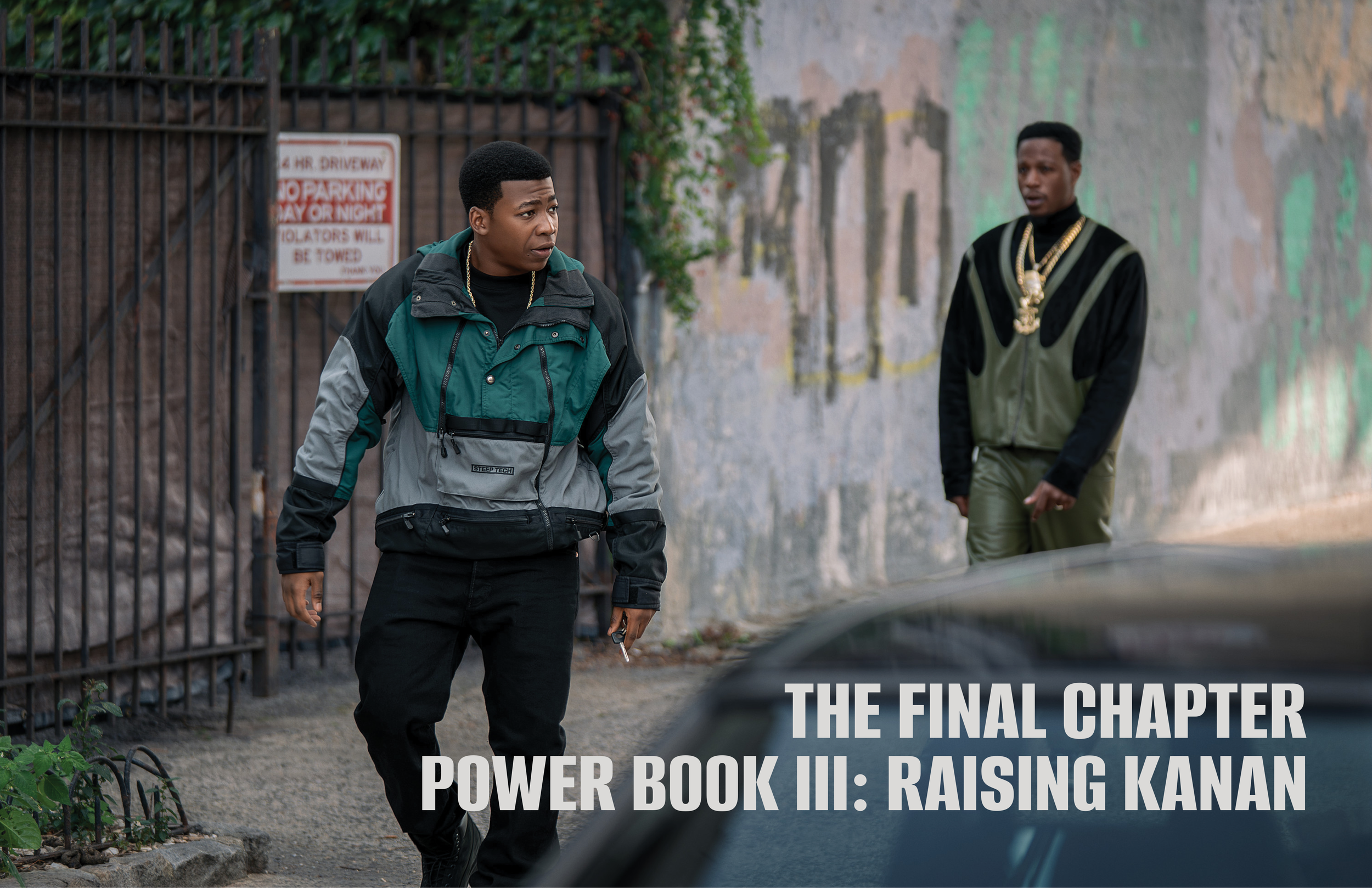
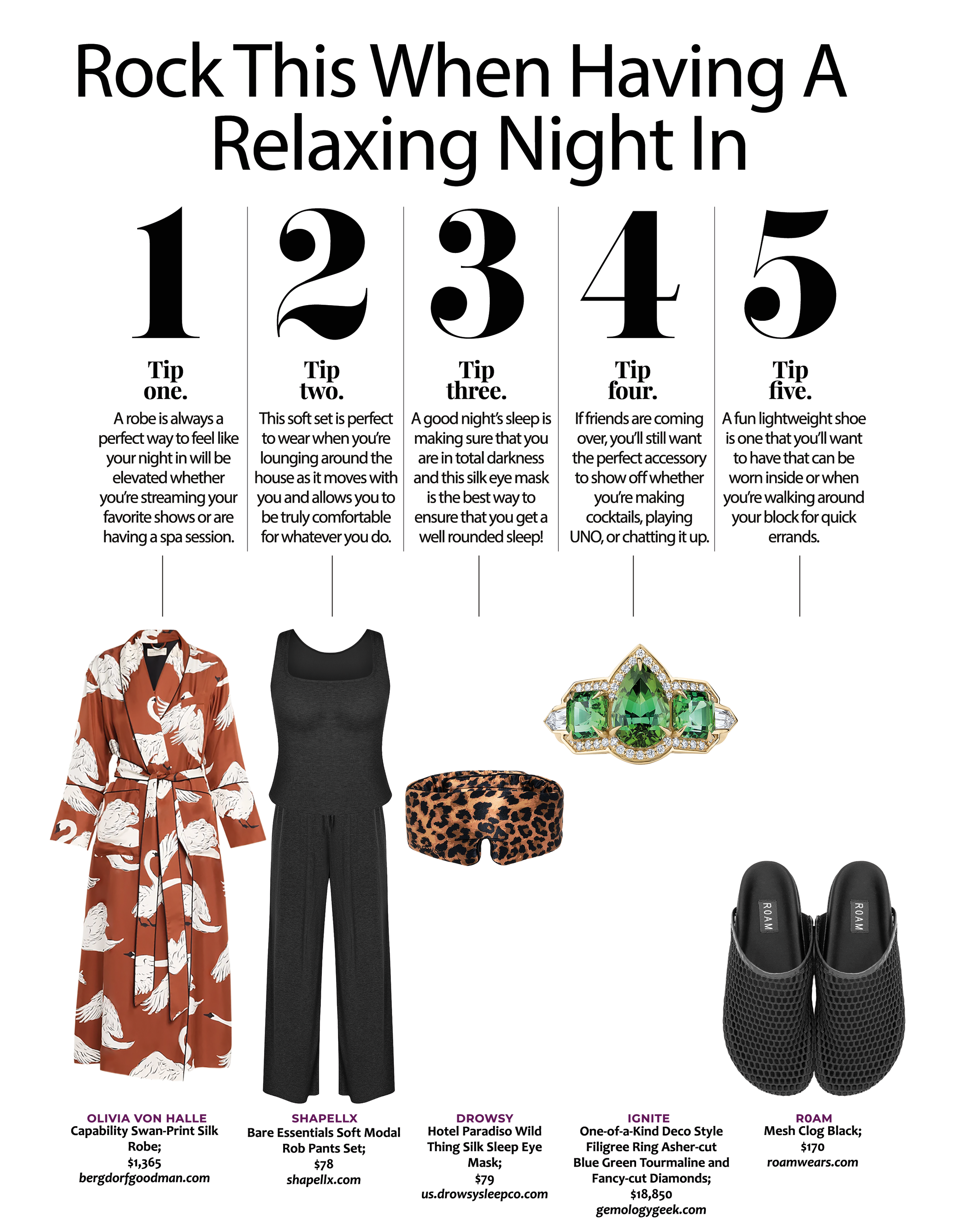
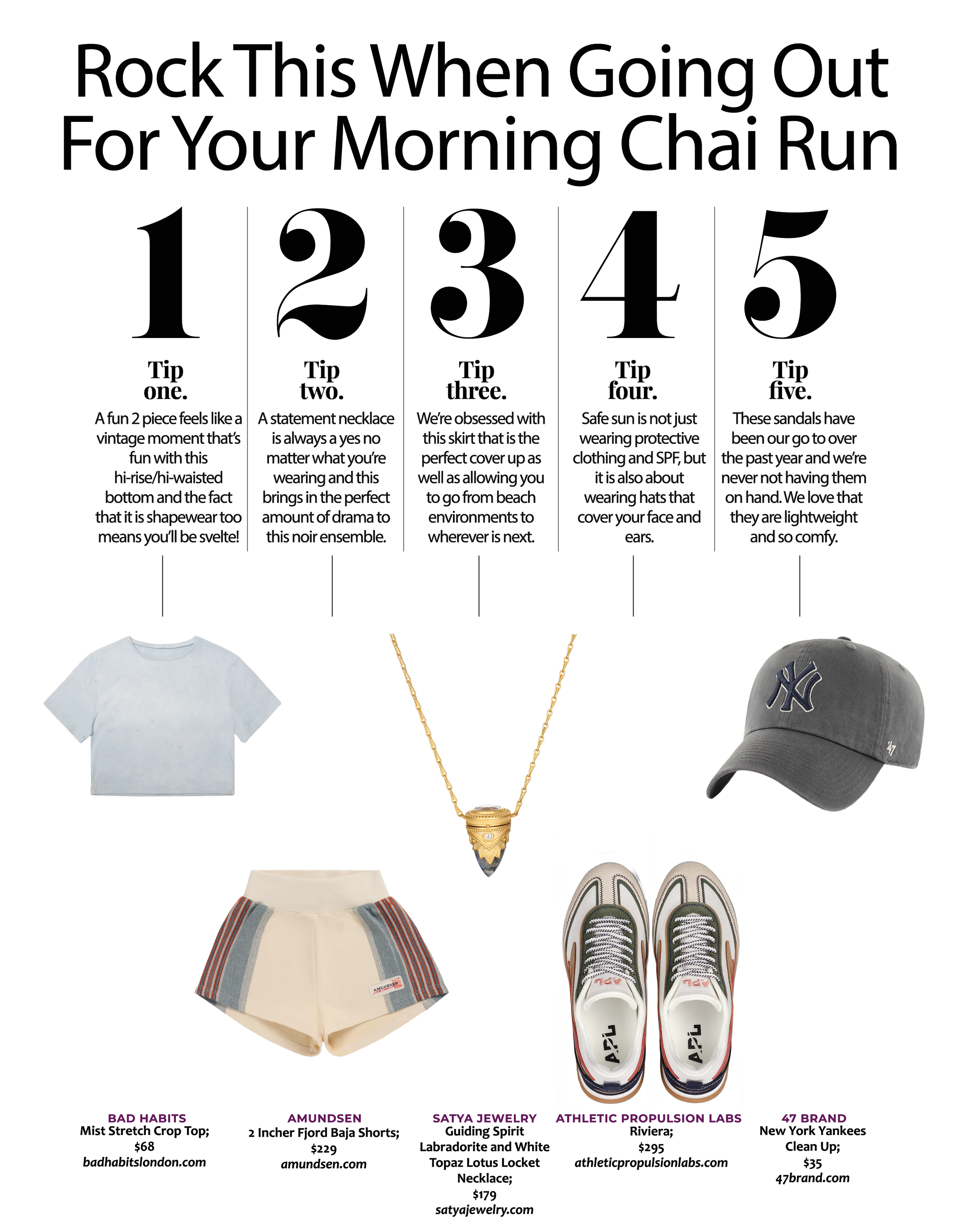
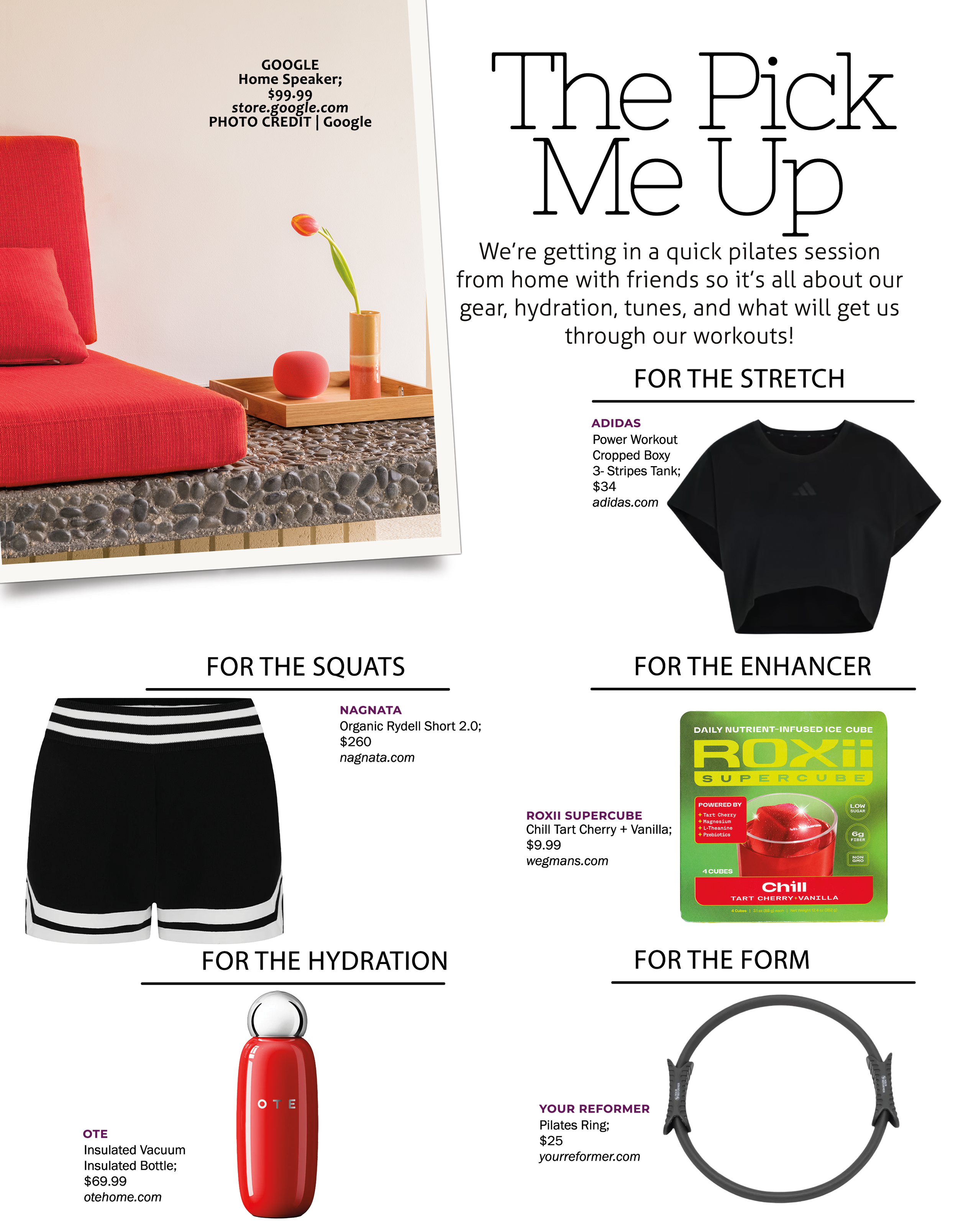
Read the SEP ISSUE #117 of Athleisure Mag and see 9PLAYLIST | With Love, Meghan in mag.
Featured




Read the SEP ISSUE #117 of Athleisure Mag and see 9PLAYLIST | With Love, Meghan in mag.


PHOTO CREDIT | Unsplash/Joshua Wordel
City streets hum with motion: the low roll of tires, the sound of brakes at the light, the quiet rhythm of people moving from one place to another. For many urban riders, cycling has become more than transportation. It’s a way to stay grounded, reduce one’s footprint, and experience the city with a clearer sense of presence.
As cycling weaves its way into modern wellness culture, it brings together movement, sustainability, and mindfulness. Riding with awareness changes the way people see their surroundings and themselves, creating a daily practice that supports both well-being and the environment.
Cycling has always been good for the body, but more riders are turning to it for its effect on the mind. The steady rhythm of pedaling, when approached with intention, has a meditative quality. It sharpens focus and quiets background noise, offering the kind of calm that’s often missing in city life.
Mindful cycling is less about pace and more about attention: noticing the texture of the pavement, the sound of gears, or the way light shifts between buildings. It’s a form of moving mindfulness that builds clarity and emotional balance.
Choosing a bike over a car is one of the simplest ways to make urban life greener. Every short trip made on two wheels helps lower emissions, ease congestion, and support cleaner air. It’s a small change that scales up when entire communities embrace it.
Cycling also strengthens a sense of shared responsibility. It connects personal wellness with the health of the planet and encourages cities to rethink how they use space. According to the U.S. Environmental Protection Agency, transportation is one of the largest sources of greenhouse gases in the United States, so every ride that replaces a car trip contributes to a healthier atmosphere and a more livable city.
Cities each tell their own cycling story. Amsterdam’s quiet canals, New York’s fast-moving avenues, and Chicago’s expanding lakefront network all reflect how design choices shape the experience. Wide lanes, reliable signals, and bike-friendly planning do more than improve safety; they build confidence and encourage mindfulness on the road.
When a city supports its cyclists, it fosters a culture of calm mobility. Commuters arrive more focused, air quality improves, and neighborhoods feel more connected. Each ride becomes part of a collective rhythm that makes urban life more breathable and balanced.
Mindful cycling starts with awareness. Checking tire pressure before leaving, choosing bright or reflective clothing, and paying attention at intersections all create a foundation for safer riding.
Even experienced cyclists encounter moments that test their focus, such as sudden car doors, uneven roads, or distracted drivers. In cities known for active cycling cultures like Chicago, Portland, and Minneapolis, conditions can shift from one block to the next. Having a trusted bike injury law firm as a resource offers reassurance that if an accident happens, professional guidance is available to help riders understand their options and recover with confidence.
Mindfulness and safety work together. A calm, steady approach on the road supports peace of mind long after the ride ends.
Cycling becomes sustainable when it’s part of a daily rhythm. A short morning ride can energize the day ahead, while an evening ride can help release tension and reset the mind. These moments turn motion into mindfulness, giving riders time to breathe, think, and simply be.
Adding small rituals enhances the experience, such as pausing to stretch before a ride, focusing on breath during climbs, or keeping a short journal afterward. For readers looking to make cycling a consistent habit, these simple ways to make cycling part of your lifestyle offer practical advice for building it naturally into everyday life.
When movement, mindfulness, and sustainability align, cycling becomes more than transportation. It becomes part of a balanced lifestyle that nurtures both the body and the mind.
Mindful cycling is a reminder that wellness can exist in motion. Each ride is an act of care for oneself, for the community, and for the environment. By staying attentive to the road and intentional in movement, cyclists cultivate a sense of balance that extends far beyond the ride itself.

Read the SEP ISSUE #117 of Athleisure Mag and see 9LOOKS | Shao New York in mag.
Recovery requires more than therapy and medical support. It grows through small, practical habits that create stability each day. One of the simplest yet powerful habits is meal planning, which provides consistency and focus when everything else may feel uncertain. For anyone working toward healing, structured nutrition can become a steady guidepost that keeps progress moving forward.
Meal planning might not appear central to recovery at first glance. It touches nearly every aspect of healing. In fact, when integrated into addiction treatment, it becomes an anchor for both physical and emotional renewal. This practical step transforms eating into a purposeful part of daily life rather than a rushed or neglected routine.
Structure is vital in recovery, and meal planning is one of the simplest ways to achieve it. Creating a predictable schedule around food helps the body and mind settle into a rhythm. This steadiness reduces unneeded stress, allowing focus to stay on long-term healing goals.
Planned meals provide a sense of order that minimizes impulsive choices. With a clear plan in place, there is less room for uncertainty, and each day begins to feel more manageable. Food plays a deeper part in recovery than simple sustenance. It becomes a tool for restoring balance.
Substance use can deplete the body of vital nutrients, which leaves energy levels low and makes recovery more difficult. Meal planning directly addresses this issue by ensuring the body receives balanced nutrition at regular intervals. This consistency aids in repairing internal systems, building strength, and supporting natural energy.
Physical recovery improves when meals contain a variety of whole foods, lean proteins, and nourishing grains. These choices help stabilize blood sugar levels, which directly influence mood and concentration. Over time, improved physical health creates the strength necessary for maintaining progress in recovery.
Regular meals help align the body with predictable energy cycles. This steadiness removes spikes and crashes that can disrupt focus.
Meals that are planned mean one less set of choices each day. This allows energy to stay focused on therapy, reflection, and personal growth.
The act of meal organization offers a tangible reminder that daily life can be directed with intention. This simple control builds confidence in managing other aspects of recovery.
Food impacts mood, and meal planning brings emotional steadiness to the table. Balanced meals rich in essential nutrients can reduce anxiety and improve emotional regulation. Steady nourishment provides comfort while helping the brain maintain more consistent function.
Planned meals shared with others add another layer of support. Meals eaten together strengthen community bonds and lessen feelings of isolation that can hinder progress. The emotional security gained from these habits reinforces resilience in recovery.
Meal planning establishes routines that carry far beyond early recovery stages. Once food choices become consistent, they evolve into lasting lifestyle practices. These practices support wellness and give individuals something concrete to depend on each day.
The act of preparing meals creates mindful moments that encourage self-care. These mindful steps shape a healthier identity where balance and nourishment take center stage. In this way, food planning continues to reinforce progress long after formal treatment has ended.
Meal planning is far more than a dietary exercise. It is a steady companion that supports recovery from multiple angles. Within addiction treatment, its role extends into physical restoration, emotional balance, and daily stability. Small, deliberate steps in meal preparation can make the path to wellness clearer and more supportive. Begin integrating this practice to build a stronger foundation for lasting recovery.

PHOTO CREDIT | Unsplash/Alexandre Bury
Every time you get behind the wheel, safety should be your top priority. While defensive driving skills and following traffic laws are essential, maintaining your car’s components is just as important. Neglecting small details like mirrors, wipers, or headlights can increase your risk of accidents, especially in poor weather or at night.
The good news is that preparing your car for maximum safety doesn’t have to be complicated. A few regular checks and simple replacements — like upgrading your headlights — can make a huge difference in visibility and reliability.
1. Keep Mirrors Adjusted and Damage-Free
Side and rearview mirrors are your lifeline for monitoring traffic around you. Always ensure they’re properly adjusted before driving. Cracked or loose mirrors compromise your visibility and should be repaired or replaced immediately.
2. Inspect Windshield Wipers Regularly
Wipers are often overlooked until you need them most. Streaking, skipping, or squeaking are signs that your blades are worn out. Replacing them ensures a clear view during rain or snow. Don’t forget to check the washer fluid reservoir as well — running out when you need it can leave your windshield dangerously obscured.
3. Check Signal and Control Systems
Your turn signals are critical for safe lane changes and turns. A malfunctioning turn signal switch can leave other drivers guessing about your intentions, increasing the risk of accidents. Testing these systems regularly ensures they work when you need them.
4. Don’t Overlook Power Controls
Power windows are more than a convenience — they’re part of your safety system. Being able to quickly roll windows up or down can matter in an emergency. If your power window switch isn’t working properly, replace it promptly to restore full control.
5. Inspect Tires and Brakes While You’re At It
While checking mirrors and wipers, it’s also smart to give your tires and brakes a quick inspection. Look for adequate tread depth, proper inflation, and listen for squealing or grinding when braking. These are key systems for safe stopping and handling.
1. Bright and Clear Headlights Are Essential
Headlights aren’t just for night driving — they also help during rain, fog, and snow. If your lights look dim or yellowed, it’s time to restore or replace them. Installing quality headlights improves visibility and ensures other drivers see you clearly.
2. Check High Beams and Low Beams
Make sure both high and low beam settings are functional. High beams are critical on rural or unlit roads, while low beams prevent glare for oncoming drivers. If one or both settings aren’t working, replacing bulbs or checking wiring may be necessary.
3. Clean the Lenses
Dirty or cloudy lenses can drastically reduce light output. A headlight restoration kit or simple cleaning can improve brightness and extend the lifespan of your lights.
4. Test All Exterior Lights
Don’t forget brake lights, tail lights, and hazard lights. Have someone stand outside the vehicle while you test them to confirm everything works. A burned-out bulb may seem minor but can cause accidents or get you pulled over.
5. Upgrade When Necessary
If you frequently drive at night or in rural areas, consider upgrading to brighter or longer-lasting bulbs. Newer LED options provide superior illumination and longevity compared to traditional halogen bulbs.
Preparing your car for maximum safety doesn’t require advanced mechanical skills — just attention to detail and a proactive mindset. From secure mirrors and reliable wipers to functional headlights and switches, every component contributes to your overall safety on the road.
By staying ahead on maintenance and replacing worn parts quickly, you’ll enjoy clearer visibility, improved control, and peace of mind every time you drive. Safety is all about being prepared — and your car is no exception.

PHOTO CREDIT | Unsplash/Beechmore Books
Strong relationships thrive on shared values, consistent effort, and mutual growth. While many couples focus on communication and quality time, one often overlooked secret to long-lasting relationships is self-care. Not just individually, but as a unit. Partners who create rituals around wellness, exercise, and skincare build not only healthier bodies but also stronger bonds.
The beauty of this approach is that it’s affordable, accessible, and flexible. Whether you’re lighting candles, rolling out yoga mats, experimenting with skincare routines, or taking mindful walks, shared rituals elevate everyday life together. Research backs this up: couples who support each other’s health goals are more likely to stick with them, which in turn strengthens both personal well-being and the relationship.
There’s more at play here than romance. Studies show that couples who exercise together not only stick to their fitness routines more consistently but also feel closer and more satisfied in their relationships. Beyond exercise, shared mindfulness or self-care practices provide similar benefits.
Research has shown that mindfulness practices can enhance empathy, communication, and emotional regulation, all of which are foundational to a healthy partnership. In short, by committing to wellness together, you’re building both healthier bodies and stronger emotional ties.
Shared wellness doesn’t have to mean long workouts or expensive spa trips. It’s about creating rituals that weave into daily life. Here are a few approachable ideas for couples:
Instead of rushing out the door, take 10 minutes to enjoy a warm beverage together. Making this a ritual is about slowing down, syncing up, and starting the day with a sense of connection.
You don’t need matching gym memberships or hours of free time. A brisk evening walk, a short yoga flow, or even a few bodyweight exercises in the living room can double as quality time. Physical activity releases endorphins, natural “feel-good” chemicals that elevate mood and reduce stress, which benefits both partners.
Self-care is often framed as “solo time,” but transforming it into a shared activity can be surprisingly intimate. Cleansing your skin together, applying face masks, or even experimenting with tools like a derma roller can become an effective way to unwind.
Microneedling, the technique behind the derma roller, has been shown to improve wrinkles, acne scars, and overall skin texture. For men, it can even support beard growth by stimulating circulation to hair follicles, while women often notice improvements in skin tone, firmness, and elasticity.
Couples can also bond through simple grooming routines, helping each other trim, style, or even apply hair treatments. Think of it as modern-day bonding where touch and attention signal intimacy.
Before bed, try a short mindfulness practice or a gratitude exercise together. Just a few minutes of deep breathing, journaling, or even taking a moment to name one thing you appreciated about each other that day can help close the evening with a sense of connection. Mindfulness interventions have been shown to increase relationship satisfaction by improving emotional regulation and reducing stress.
Building a couple's ritual doesn’t require luxury products. A few affordable items can transform the everyday into something extraordinary:
● Candles or Essential Oils – Simple sensory cues that create a calming environment for skincare, baths, or meditation.
● Skincare Tools – A small investment that delivers big benefits in terms of skin health, confidence, and the bonding that comes with sharing routines.
● Workout Gear – Resistance bands, yoga mats, or even just a pair of good walking shoes can spark a consistent shared movement practice.
● Bath Additions – Epsom salts, inexpensive bath oils, or DIY scrubs can turn ordinary showers or baths into restorative rituals.
● Shared Journals – Keeping a gratitude or wellness journal as a couple can help track progress and strengthen emotional connection.
The beauty of self-care as a couple is that it reframes personal wellness as partnership wellness. Instead of disappearing into separate corners, you engage together. Over time, these shared rituals become anchors in the relationship. It’s also about accountability: romantic partners can have a strong influence on each other’s health habits.
● Start Small: Choose one ritual. Maybe a nightly skincare routine or a morning walk before implementing more.
● Be Flexible: Life happens. The goal is consistency, not perfection.
● Mix It Up: Try new things together—different workouts, new teas, fresh skincare tools. Exploration keeps things exciting.
● Celebrate Wins: Acknowledge progress, whether it’s clearer skin, better sleep, or simply laughing more together.
Couples who prioritize self-care together thrive because they do it with intention.
And the best part? These rituals don’t require expensive spas or elaborate schedules. They’re affordable, adaptable, and deeply rewarding.
The more you invest in your shared wellness, the richer your relationship becomes, inside and out.

PHOTO CREDITS | ABC The Golden Bachelor/John Fleenor

PHOTO CREDIT | Disney/Maarten de Boer
This week on The Golden Bachelor, we see the women working out which together and talking about the fact that there are only 9 of them left! The date card arrives and Peg has the 1-on-1! Nicolle doesn’t get why she got it as she doesn’t see the chemistry between them.
Peg’s date takes her to the OC Fair where she meets Mel. They get to plays games and hope on rides to get to know one another better. They take some time to talk about their partner’s divorcing them and moving on. They continue on to see KC and the Sunshine Band! They dance on the side of the stage and when they are introduced, Mell gives her the date night rose!
The next day, the rest of the house is preparing for their group date. Nicolle happens to mention that she is not dating Mel, she is dating the rest of America and she lets them know that they will have Housewives status. She also trashes the previous season’s house. She lets everyone know that she wants to be an influencer. Various women in the house are rubbed the wrong way by her sharing this (and going on about it).
The group date takes them to Malibu at the beach. They are doing a photoshoot which will be on People. The women are excited about this date and have fun wearing a number of the pieces. The photographer selects the one who had the best chemistry - Cindy. They get the last shot. Their shots are very steamy and Nicolle notes that she will push it the next time that she is with him.
Robin lets him know that some people are not here for the right reason and they are there to promote what they have going on. Ultimately, Carol receives the group rose.
The women are having a tailgate as opposed to a cocktail party. They decide that they should make lemon bars as he loves anything with lemon in it. They enjoy playing beer pong together although they’re sipping prune juice - that’s a twist. They have fun chatting with him individually as well as grilling. Although all the women made the lemon bars, Nicolle says that she made them and she creates a note - the women are seeing this and that’s definitely not something they’re pleased seeing.
In tonight’s ceremony, only 6 women will continue. Jesse Palmer lets them know how important this week is in the overall process. He wishes them luck. Gerri, Robin, and Roxanne do not receive a rose. Although he was told that not every person was there for the right reason, he was never told who - so Nicolle is still there to continue on.
THEY RECEIVED ROSES | Carol, Cheryl, Cindy, Debbie, Nicolle, and Peg.
THEY DIDN’T GET A ROSE | Gerri, Robin, and Roxanne.
Each night during this season, we will tweet about The Golden Bachelor and you can chat along with us (@AthleisureMag + with our Co-Founder/Creative + Style Director, Kimmie Smith @ShesKimmie) to see what’s taking place!
Each week we will let you know who our faves were from the last episode and if we’ve changed up since then as it pertains to who we think should go to Hometowns.
We also suggest a podcast that we’ve become obsessed with over the past few seasons, Wondery’s Bachelor Happy Hour to get their feedback!
Read the latest issue of Athleisure Mag.








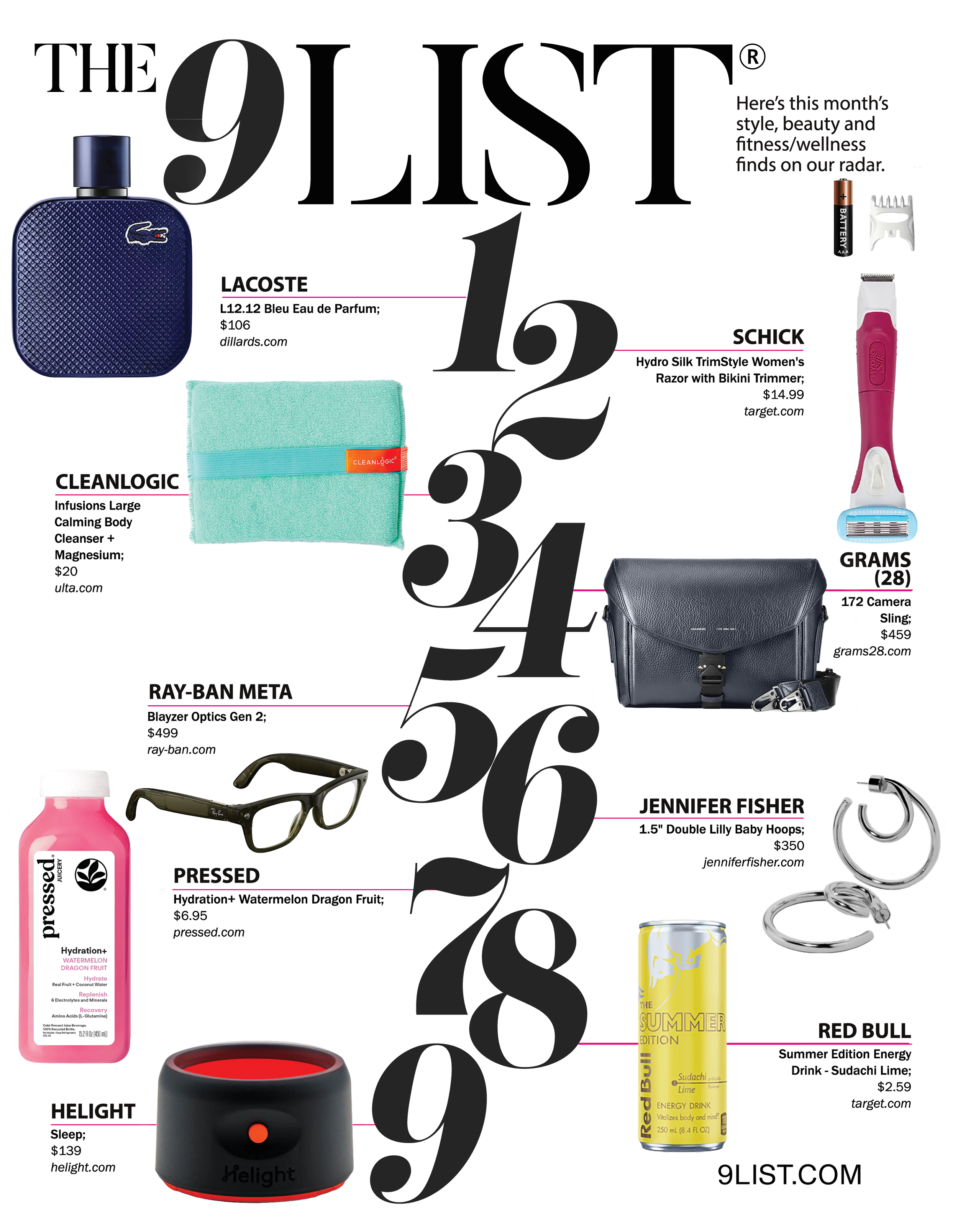
Read the SEP ISSUE #117 of Athleisure Mag and see THE 9LIST in mag.

PHOTO CREDIT | Unsplash/Edz Norton
Contouring has become one of the most popular makeup techniques for sculpting and defining facial features. But many people wonder—can you use bronzer instead of contour? The answer is yes, with a few important considerations. While contour and bronzer are designed with different purposes in mind, knowing how to use your bronzer for contouring can give you a natural, sun-kissed definition without needing an entirely separate product.
To understand how bronzer can be used for contouring, it’s important to know the difference between the two. Contour products are usually cool-toned, mimicking natural shadows to create definition along the cheekbones, jawline, and nose. They’re designed specifically to sculpt the face.
Bronzers, on the other hand, are typically warmer in tone. Their main purpose is to add warmth and dimension to the skin, giving the effect of a natural tan. This is why many bronzers have golden or reddish undertones, whereas contour shades lean more neutral or gray.
That said, a matte bronzer with the right undertone can absolutely double as a contour product. When applied thoughtfully, it can create soft definition while still keeping your complexion warm and radiant. Pairing it with the best foundation makeup ensures you have a smooth, even canvas to build on, allowing your bronzer to blend seamlessly into your base.
The key to using bronzer as contour is placement and blending. Instead of dusting it all over the face, focus on applying it to areas where natural shadows would fall: the hollows of the cheeks, the sides of the nose, the temples, and the jawline. Use a light hand, gradually building up color to avoid harsh lines.
Choose a matte formula over shimmer, as matte bronzers mimic shadows more effectively. A fluffy angled brush works best for diffusing product while still keeping it targeted. Blend upward rather than downward to maintain a lifted appearance.
For a complete, balanced look, combine your bronzer with a complementary blush. Using a non comedogenic blush ensures that your skin stays clear and healthy while adding a fresh, natural flush to your cheeks. This contrast helps your bronzer-contour pop without looking too stark.
If you want to enhance the sculpted effect further, pair bronzer with a touch of highlighter on the high points of the face, such as the cheekbones and brow bone. This creates a beautiful balance of shadow and light for a soft, natural finish.
While bronzer and contour products have different roles in makeup, a matte bronzer for contouring can be a versatile addition to your beauty routine. By focusing on careful placement, choosing the right undertone, and blending thoroughly, you can achieve a sculpted yet natural look.
When paired with the best foundation makeup for a smooth base and a non comedogenic blush for a healthy glow, bronzer becomes more than just a tool for warmth—it transforms into a multi-purpose product that defines, enhances, and elevates your everyday makeup.

PHOTO CREDIT | Unsplash/Planet Volumes
Sleep is one of the most vital aspects of human health, yet many people struggle with it. Insomnia, restlessness, and poor sleep quality affect energy levels and overall well-being. This has led to growing interest in natural aids that may promote deeper sleep cycles.
Among them, THC gummies have become a point of discussion. These edible products contain tetrahydrocannabinol, the main psychoactive compound in cannabis. They are convenient, discreet, and come in precise doses, making them appealing to people who want consistent results. To explore this, it is important to look at the connection between THC and the sleep process.
THC interacts with the body through the endocannabinoid system, which regulates several functions, including sleep. This system helps maintain balance and stability within the body. When THC binds to cannabinoid receptors, it may create feelings of relaxation and drowsiness.
For some, this effect helps with falling asleep more quickly. However, sleep involves different stages such as light sleep, deep sleep, and REM. Research suggests THC may increase the amount of deep sleep during the night. Deep sleep is the phase most responsible for restoring the body and mind.
One of the main reasons people turn to THC gummies is the potential for better rest. Deep sleep is the stage where the body repairs tissues, strengthens the immune system, and consolidates physical recovery. If these edibles extend this phase, users may feel refreshed upon waking.
Another benefit is the sense of calm that THC can bring, which may help those who experience anxiety before bed. In addition, gummies provide a predictable dosage compared to smoking or vaping cannabis. This helps reduce guesswork and makes it easier to monitor how the body reacts.
The amount of THC consumed makes a major difference in how it influences sleep. Starting with a small dose is usually recommended. Timing is equally important. Each person must experiment with timing to find what works best for their sleep schedule.
It is also important to avoid mixing them with alcohol or sedatives, as this may intensify drowsiness in unsafe ways. Dosage and timing together play a key role in maximizing potential benefits. A careful approach allows individuals to assess how THC affects their personal sleep quality.
For those considering these edibles, safety should come first. Consultation with a healthcare professional is always a wise step before starting. This ensures no harmful interactions occur with other medications.
Choosing gummies from reputable providers is essential, as product quality affects the safety and effectiveness. Checking for lab-tested products helps confirm that the THC content matches the label and that no harmful contaminants are present. Responsible use means being aware of the benefits and the risks.
Incorporating them into a nightly routine can support a more peaceful rest experience. Pairing them with relaxing activities, like gentle stretches or quiet meditation, encourages a sense of calm.
A consistent bedtime schedule helps the body anticipate rest and align with natural rest patterns. Creating a soothing environment, such as dim lighting and a comfortable mattress, complements the effects of THC.
THC gummies show promise for those looking to improve deep sleep. They may extend restorative sleep phases and bring relaxation before bed. With responsible use, they may serve as a useful tool for better rest and recovery.


Read the SEP ISSUE #117 of Athleisure Mag and see THE PICK ME UP in mag.

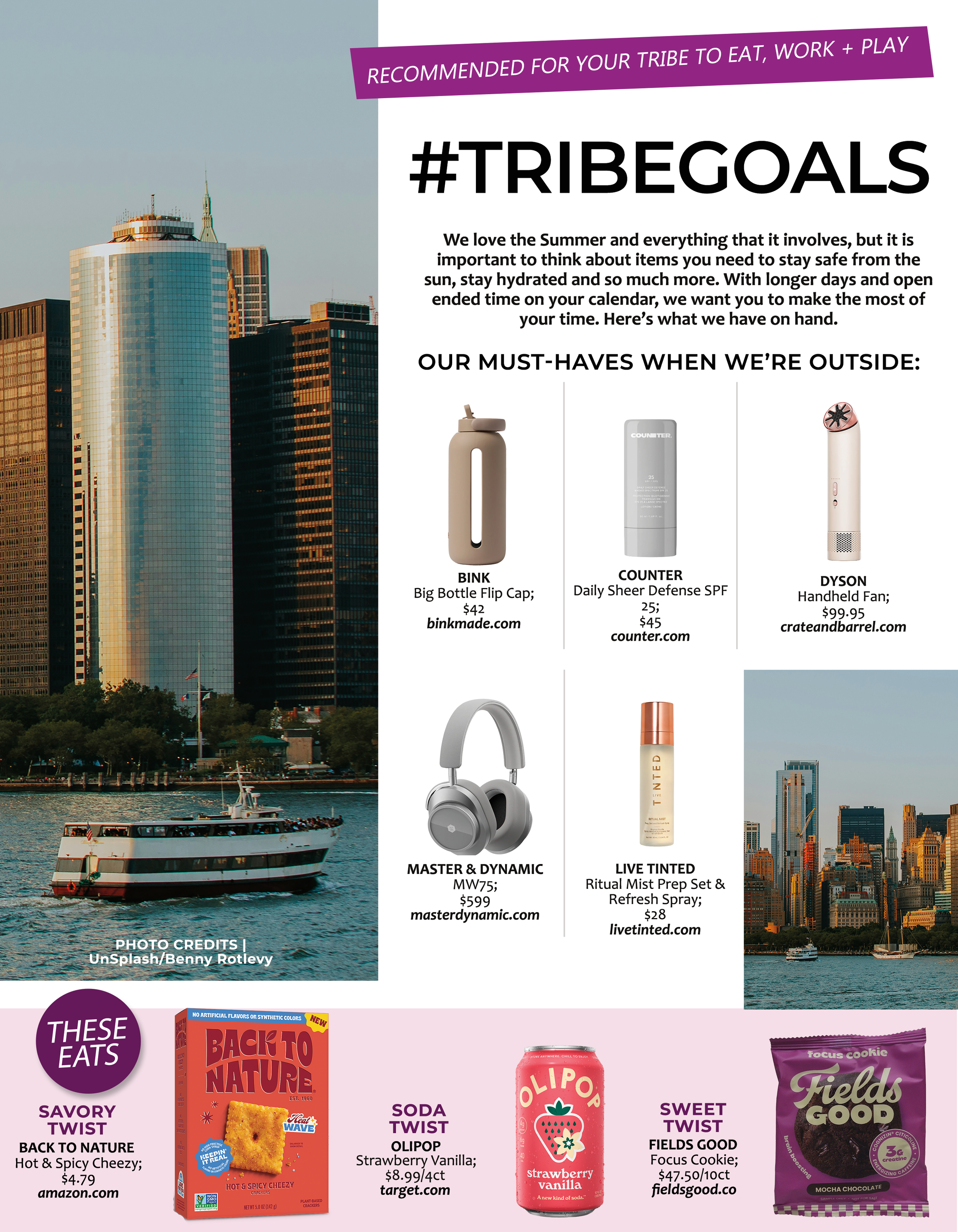
Read the SEP ISSUE #117 of Athleisure Mag and see #TRIBEGOALS in mag.
Portugal is a place that feels lived-in and loved. It’s in the way the morning sun glitters off tiled façades, how the scent of roasting chestnuts drifts through cobbled squares, and the sound of laughter rises from family-run cafés. Its landmarks are not just relics of the past but part of everyday life. Porto’s bridges and Lisbon’s monasteries stand as two of the country’s most striking treasures—different in form, but united in the way they capture Portugal’s soul.

PHOTO CREDIT | Unsplash/Eugene Zhyvchik
Porto has always leaned into the Douro River. The water winds through the city like a lifeline, reflecting the jumble of terracotta rooftops and colourful houses stacked along the hillside. Stretching across it are the bridges that define the skyline, each one an expression of the city’s spirit.
The Dom Luís I Bridge is the star. Its soaring iron arcs feel both powerful and graceful, linking Porto with Vila Nova de Gaia, where the air is sweet with the scent of ageing port wine. At dusk, the view is unforgettable—the water turns to liquid gold, church bells echo softly, and locals pause mid-stroll to watch the city glow. Beneath you, rabelo boats drift lazily by, carrying with them echoes of centuries-old trade.
Other bridges add their own voices to the story: the Maria Pia, a marvel of engineering by Gustave Eiffel, and the bold Arrábida, once a world-record holder for its concrete span. Together, they aren’t just crossings—they are symbols of resilience and creativity, connecting neighbourhoods, histories, and people.
The joy of Porto is how well it links to the rest of the country. A look at a Portugal railway map shows lines branching out like veins, carrying travellers through vineyard-draped valleys and sleepy villages painted white and blue. Taking the train here isn’t just about moving between destinations—it’s about watching Portugal unfold slowly, scene by scene, through your window.
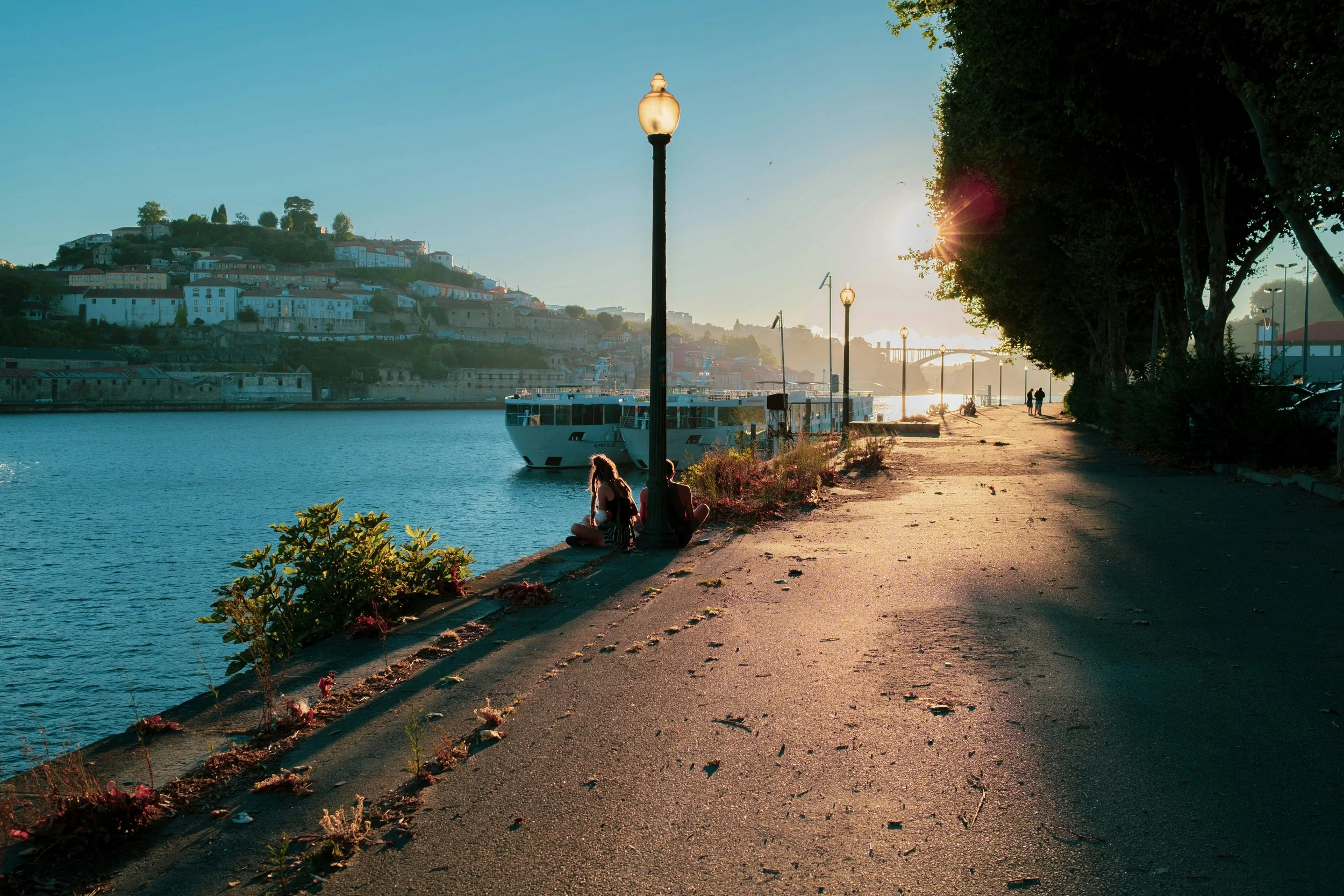
PHOTO CREDIT | Unsplash/Augusto Lopes
If Porto speaks in iron and river light, Lisbon whispers in stone and shadow. Its monasteries are among the most breathtaking in Europe, filled with artistry and stillness. The Jerónimos Monastery in Belém is perhaps the most famous, its walls carved with ships, ropes, and sea creatures that honour Portugal’s seafaring past. Step into its cloisters and time seems to slow—the play of sunlight across the arches, the hush of footsteps, the faint scent of incense carried on the breeze.
The Monastery of São Vicente de Fora has a different kind of beauty—less showy, more intimate. Inside, walls shimmer with blue-and-white tiles telling biblical stories in intricate detail. Climb to the rooftop, and Lisbon stretches out below: terracotta rooftops tumbling towards the Tagus, with church towers punctuating the skyline. These places invite stillness, offering a pause to reflect in a city otherwise alive with movement.
Travelling between Lisbon and Porto feels effortless. Booking Lisbon to Porto train tickets turns what might seem like a long distance into a smooth and scenic adventure. From your seat, you watch fields dotted with olive groves, towns with red-tiled roofs, and landscapes shifting from rolling hills to coastal plains. The ride is more than a link—it’s a story unfolding across the countryside.

PHOTO CREDIT | Unsplash/Pedro Correia
In Alfama, the haunting strains of fado spill from tavern doorways late into the night. Trams rattle up steep, winding hills, their yellow carriages glowing against pastel façades. In the markets, the air is filled with the tang of citrus and the chatter of stallholders, while in Belém, queues form for custard tarts so fresh their custard still trembles. Lisbon is luminous—bathed in golden light by day, alive with music and laughter by night.
By contrast, Porto feels more intimate, more grounded. In the Ribeira district, laundry flutters from iron balconies above narrow lanes, and the smell of grilled sardines drifts through the air. Locals gather at riverside cafés, sipping espresso or glasses of tawny port, watching the current roll past. Step into one of Porto’s gilded churches and you’re struck by the glow of gold leaf and candlelight—extravagant, yes, but also deeply human in its devotion. Porto moves at its own pace, rewarding those who linger.
Visiting Lisbon and Porto together is like holding two threads of the same tapestry. Both are distinctly Portuguese, yet their contrasts only make the experience richer.
The journey between them weaves the two stories together, a reminder that Portugal’s landmarks are not just about bricks, arches, and stone—but about people, memory, and everyday life.
To stand on the Dom Luís I Bridge as the river glimmers below, or to walk slowly through the cloisters of Jerónimos Monastery, is to touch a history that is still unfolding.
What stays with you are the small details: the echo of footsteps on cool stone tiles, the sparkle of sunlight on water, the taste of a pastel de nata savoured in a Lisbon square, the warmth of port wine shared on a Porto evening. These are the moments that linger, long after the trip is over.
Portugal reminds you that travel is not only about what you see but about how it makes you feel. Its bridges and monasteries invite you to slow down, to listen, and to connect—with the past, with the place, and with yourself.
Spain is a country where history lives in its streets, where plazas hum with conversation, and where every corner reveals something beautiful. Few places capture this spirit more vividly than Barcelona’s Gothic Quarter and Madrid’s Retiro Park. One is a labyrinth of narrow alleys and medieval architecture, the other a vast green sanctuary filled with art, fountains, and everyday life. Together, they show two very different sides of Spain—yet they share the same ability to sweep visitors into experiences that linger long after the journey ends.
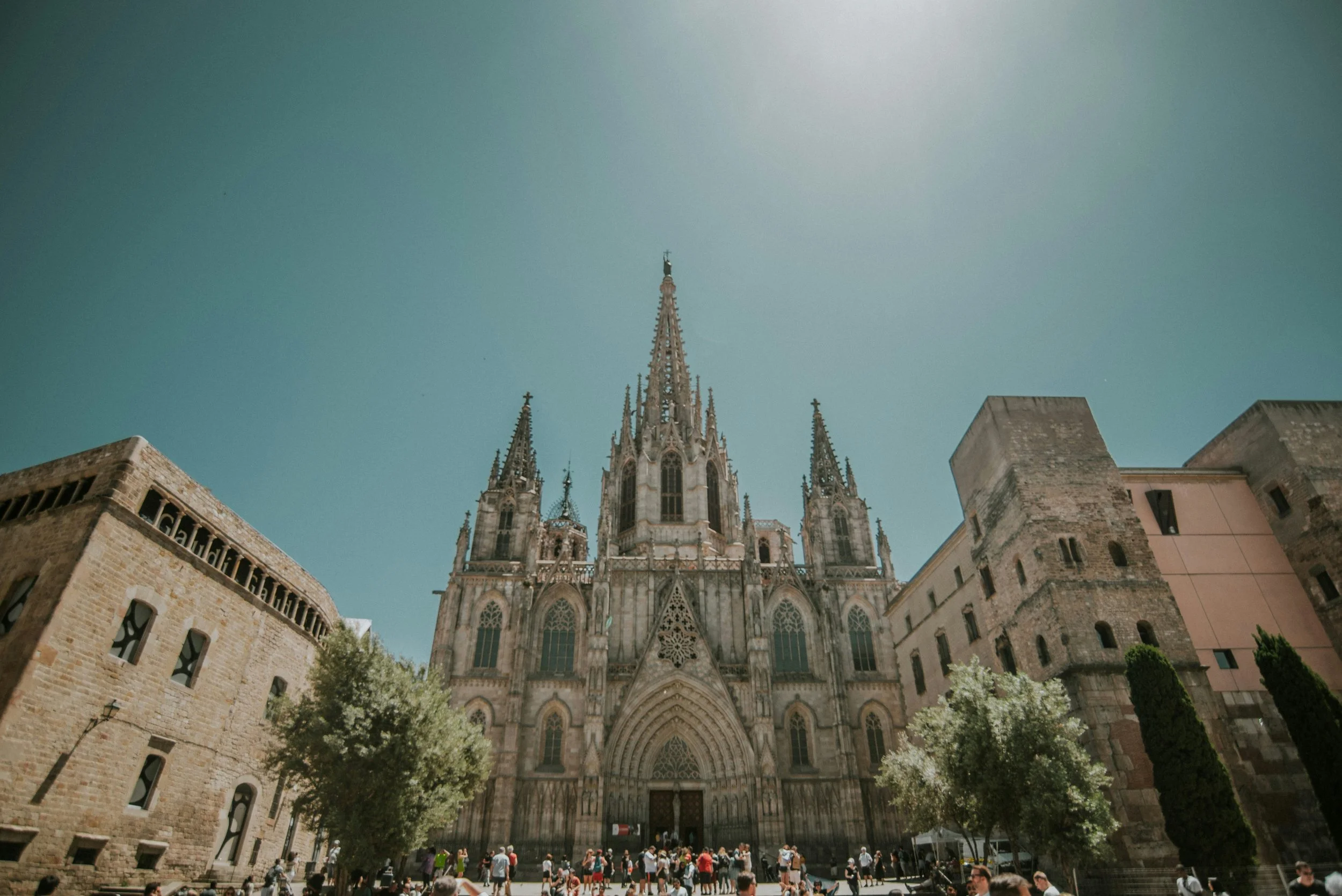
PHOTO CREDIT | Unsplash/Ronni Kurtz
Travelling through Spain often inspires journeys further afield. From Barcelona, it’s easy to extend your adventure beyond the country’s borders. The Barcelona to Paris high-speed train connects two iconic cities in just a few hours, offering a seamless way to link Spain’s Gothic charm with the elegance of the French capital. Watching the landscape shift from Catalonia’s coastline to the fields of southern France makes the journey as memorable as the destination itself.
This connectivity is part of what makes travelling in Spain so rewarding—it is not just about the cities themselves but about how easily they open doors to the rest of Europe.
Barcelona’s Gothic Quarter, or Barri Gòtic, is a maze that draws you in slowly. Here, stone walls bear the marks of Roman foundations, Gothic spires pierce the sky, and lanterns light up secret plazas at night. Every step feels like walking through history.
The streets reveal surprises at every turn—tiny bakeries where the scent of fresh bread escapes into the air, wine bars tucked into old archways, and squares where street musicians fill the evening with guitar melodies.
Exploring the Gothic Quarter is not about rushing but about wandering. It is a place to lose yourself, to pause for tapas at a shaded café, to notice sunlight slipping across cobblestones. Time here doesn’t feel linear—it feels layered, like the stones beneath your feet.

PHOTO CREDIT | Unsplash/Amira El Fohail
For many travellers, Barcelona is just the beginning. Spain’s capital, Madrid, offers a completely different rhythm, and experiencing both cities in one trip is essential. Understanding how to get from Barcelona to Madrid helps you appreciate how connected the country really is. The high-speed rail system makes the journey smooth and efficient, transforming what might feel like a long distance into a comfortable adventure. Within a few hours, you travel from medieval alleys to grand boulevards, with countryside vistas flashing past your window.
This journey is not just practical—it is part of the experience, offering a glimpse of Spain’s diverse landscapes before Madrid unfolds before you.
In contrast to Barcelona’s narrow streets, Madrid’s Retiro Park feels vast and open. Once the private grounds of royalty, today it belongs to everyone. Locals jog along its tree-lined avenues, children sail toy boats in the pond, and couples relax under the shade of chestnut trees.
The park is full of treasures. The Crystal Palace, a shimmering glass pavilion, reflects the surrounding greenery and hosts exhibitions that connect history with modern creativity. Sculptures and fountains appear along winding paths, each with its own story. In spring, roses bloom in dazzling colours; in autumn, the leaves turn fiery shades of red and gold. On weekends, the park comes alive with street performers, artists, and musicians, turning it into a living stage for the city. It is where locals gather, where visitors pause, and where the city’s pace slows down just enough for you to savour it.

PHOTO CREDIT | Unsplash/Ana Dominguez Ruiz
The Royal Palace rises with commanding presence, Plaza Mayor buzzes with centuries of history, and Gran Vía dazzles with theatres and boutiques. Art lovers find inspiration in the Prado Museum, where masterpieces by Velázquez and Goya hang, while the Reina Sofía highlights modern works, including Picasso’s unforgettable Guernica.
Madrid invites exploration, but it also invites you to linger—to sip a coffee in a sunlit square, to sample tapas late into the evening, to let the city’s rhythm pull you in.
Experiencing Barcelona’s Gothic Quarter and Madrid’s Retiro Park on the same journey is like seeing two sides of the same coin. In Barcelona, history feels intimate and immediate, whispering through alleyways and hidden courtyards. In Madrid, life feels expansive, flowing across grand spaces and leafy boulevards. Both cities embody Spain’s love of art, beauty, and community, yet in ways that feel uniquely their own.
Together, they form a journey that is rich in contrast but unified in spirit—a celebration of Spain’s past and present, its traditions and its joy for life.
Travelling between Barcelona and Madrid is about more than moving from one city to another—it’s about stepping into two distinct experiences that complement each other perfectly. In the Gothic Quarter, you’ll carry the memory of lantern-lit alleys, cathedral spires, and music that drifts long into the night. In Retiro Park, you’ll recall the sunlight on the Crystal Palace, the sound of oars in the boating lake, and the laughter of families enjoying the day.
What makes this adventure special is how it stays with you. The details—the scent of fresh bread in Barcelona, the splash of fountains in Madrid, the landscapes viewed from a train window—become the moments you remember most. Together, these cities remind travellers that Spain is not just a destination, but a feeling: timeless, vibrant, and endlessly alive.
Japan is a country that never ceases to surprise. One moment, you’re walking beneath ancient temple gates surrounded by whispering forests, the next, you’re gazing out from one of the world’s tallest towers as neon lights sparkle below. This seamless blend of old and new is what makes Japan so enchanting, and it comes alive most vividly in two very different landmarks: Kyoto’s Fushimi Inari Shrine and Tokyo’s Skytree. Together, they show how the nation embraces tradition while celebrating modernity, offering travellers an experience unlike anywhere else in the world.
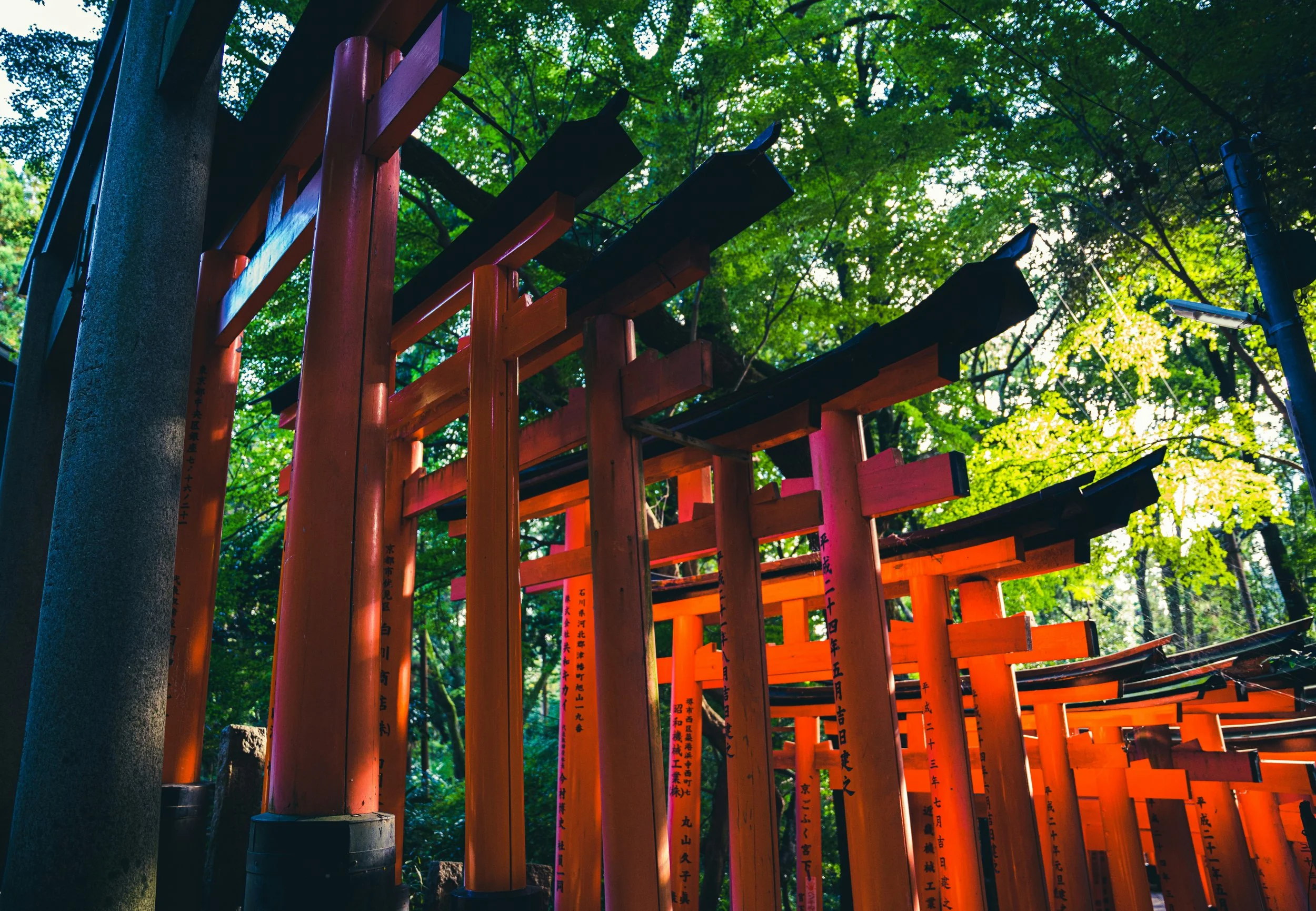
Kyoto has long been known as Japan’s cultural heart, and no place embodies this more beautifully than Fushimi Inari Taisha. Dedicated to Inari, the Shinto deity of prosperity, the shrine is instantly recognisable for its thousands of bright red torii gates that snake up the mountainside. Each gate, donated over the centuries, represents a prayer for good fortune or gratitude for blessings received.
Stepping into the tunnel of gates feels like entering another realm. The air is cool and still, broken only by the soft rustle of leaves and the sound of your footsteps on the stone path. Morning sunlight filters through the gaps, painting shifting patterns of orange and shadow along the way.
For visitors who want to fully immerse themselves in this spiritual journey, curated tours to Kyoto often include guided walks through Fushimi Inari, sharing stories of the shrine’s deep symbolism and cultural role. It’s more than a sightseeing stop—it’s an invitation to experience a living tradition.
Of course, Fushimi Inari is just one of Kyoto’s treasures. The city brims with temples, gardens, and rituals that bring Japan’s past into the present. Kinkaku-ji, the Golden Pavilion, gleams in the sunlight, its reflection shimmering across a still pond. Ryoan-ji’s Zen rock garden encourages quiet contemplation, while teahouses tucked into side streets invite you to pause for matcha and sweets.
Kyoto feels slower than other cities, almost as if time itself lingers here. The fragrance of incense wafts from temple courtyards, geisha glide gracefully through lantern-lit alleys, and in spring, cherry blossoms drift down like soft pink snow. It’s no wonder the city is often described as the soul of Japan.
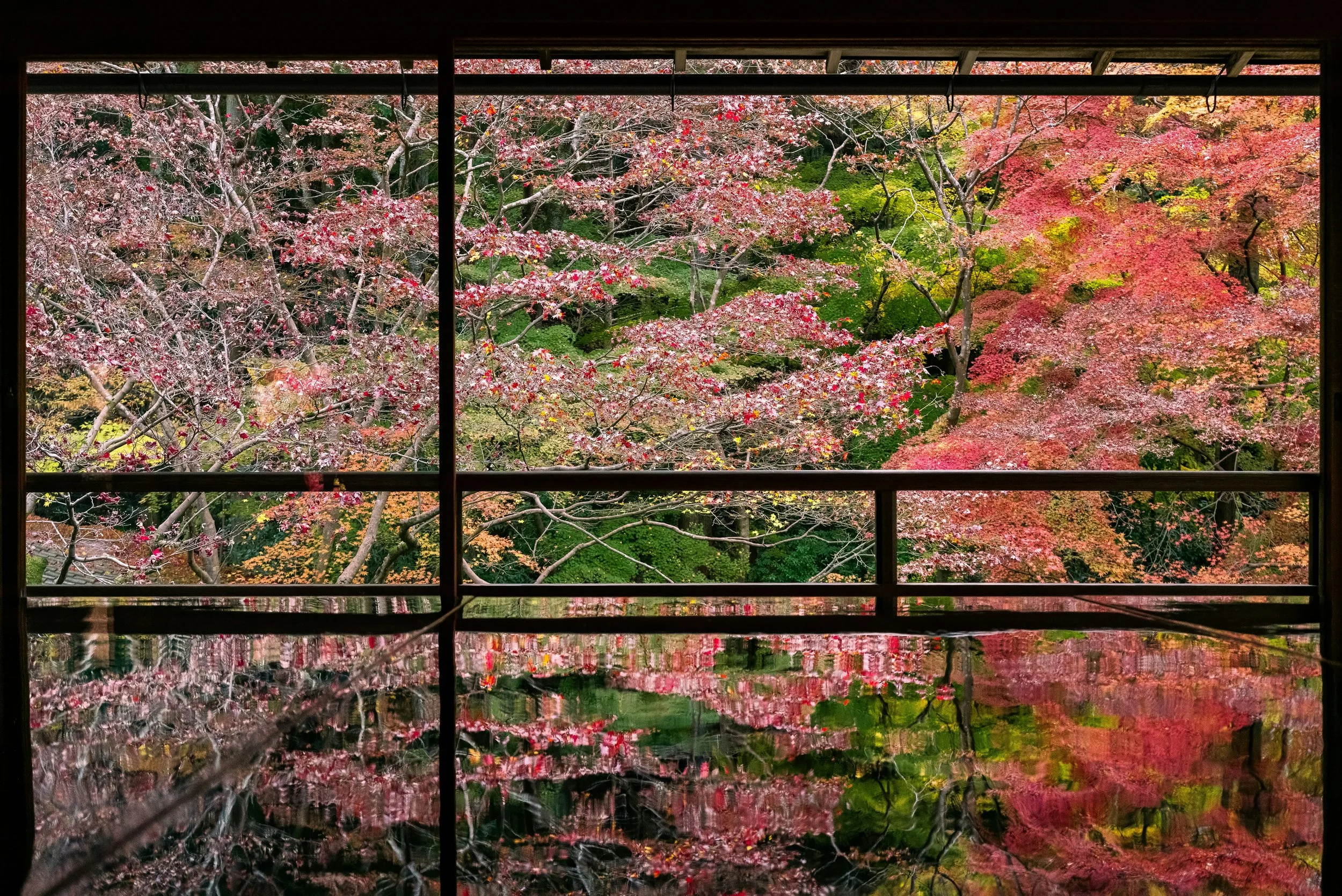
PHOTO CREDIT | Unsplash/Zhao Yangyang
Tokyo is a city of contrasts. Wander through Asakusa, and you’ll find Senso-ji Temple surrounded by lively stalls selling snacks and souvenirs. Head to Shibuya, and you’re swept into the famous crossing, where hundreds of people move in a perfectly choreographed rush beneath glowing billboards. In quieter corners like Ueno Park, cherry blossoms create a canopy of pink in spring, while Ginza sparkles with boutiques and high-end dining.
Experiencing both Kyoto and Tokyo in a single journey is what makes trips to Japan so rewarding. The high-speed rail whisks travellers seamlessly between the two, turning the journey itself into part of the adventure.
Tokyo Skytree: Touching the Future
Travel east and the atmosphere changes completely. In Tokyo, energy hums through every street, and nothing captures this modern dynamism quite like the Skytree. At 634 metres, it towers above the capital, visible from miles away. By day, it glistens against the sky; by night, it glows with ever-changing lights that reflect the seasons or mark special events.
Inside, the Skytree offers more than just breathtaking views. There’s a sense of awe that comes with standing so high above the city, watching tiny trains snake along tracks and the patchwork of streets buzzing with life below.
At the base, the Solamachi complex bursts with shops, cafés, and restaurants. Here, you can browse traditional crafts, savour sushi with a view, or simply watch the city unfold from a cosy corner. The Skytree is a reminder that Japan’s modern spirit is as captivating as its ancient soul.

PHOTO CREDIT | Unsplash/Red Shuheart
What makes Fushimi Inari Shrine and Tokyo Skytree so compelling is not their differences but how they complement one another. One invites quiet reflection beneath ancient gates, the other lifts you high above the city into a vision of the future. Together, they reveal the essence of Japan: a place where reverence for history and passion for innovation walk side by side.
Visiting Kyoto’s Fushimi Inari and Tokyo’s Skytree is not just about ticking off landmarks—it’s about feeling the heartbeat of Japan in two very different forms. In Kyoto, each step beneath the torii gates feels like a conversation with the past, a reminder of faith, resilience, and tradition. In Tokyo, the sweeping view from the Skytree fills you with possibility, a sense of how far humanity can reach.
This contrast is what makes Japan unforgettable. It’s a country that slows you down and lifts you up, often in the same day. Long after leaving, you’ll remember the hush of the forest at Fushimi Inari, the glow of Tokyo’s skyline at night, and the feeling of standing between past and future. These are the memories that make Japan more than a destination—they make it a journey you’ll want to return to again and again.