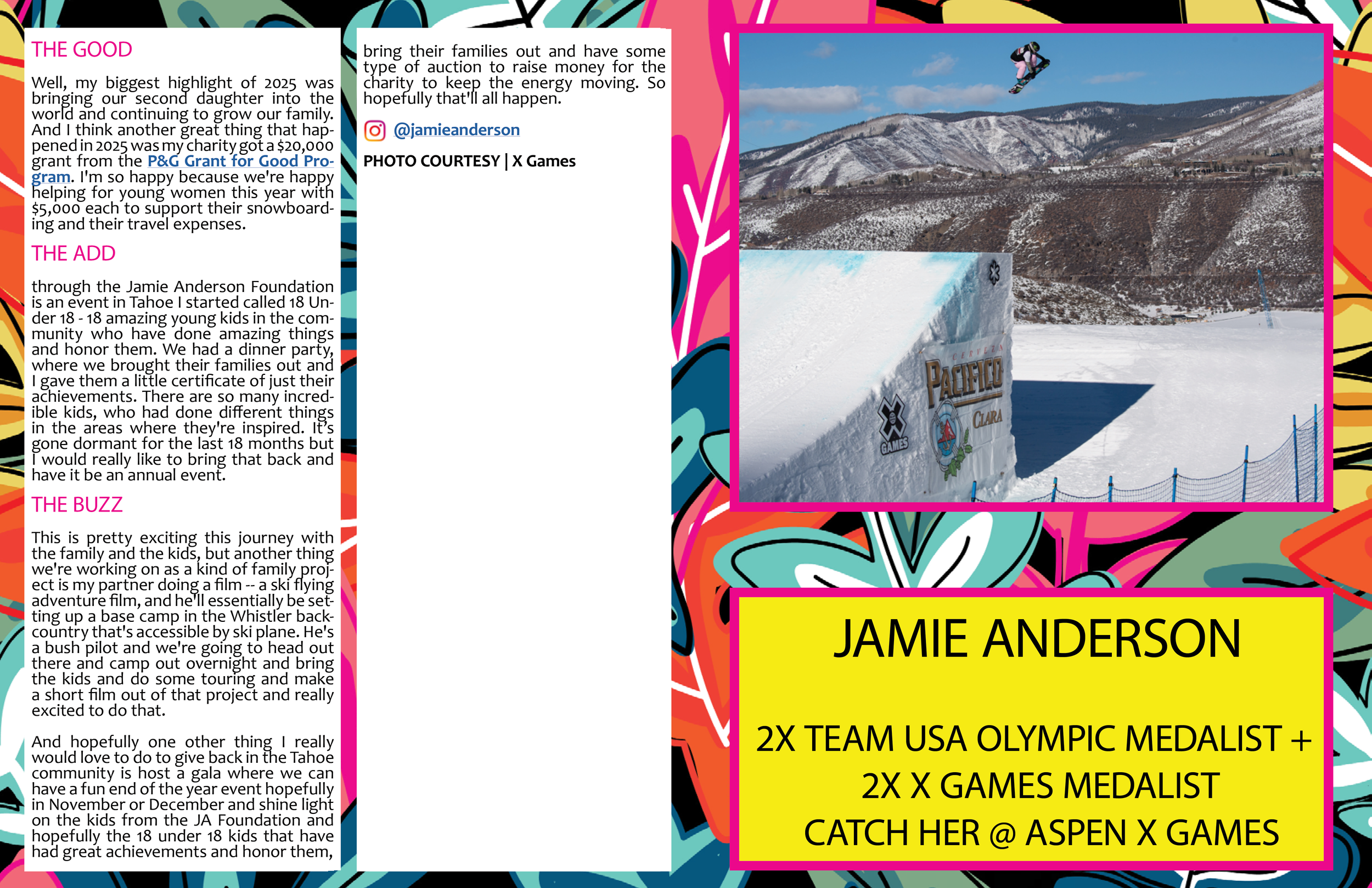
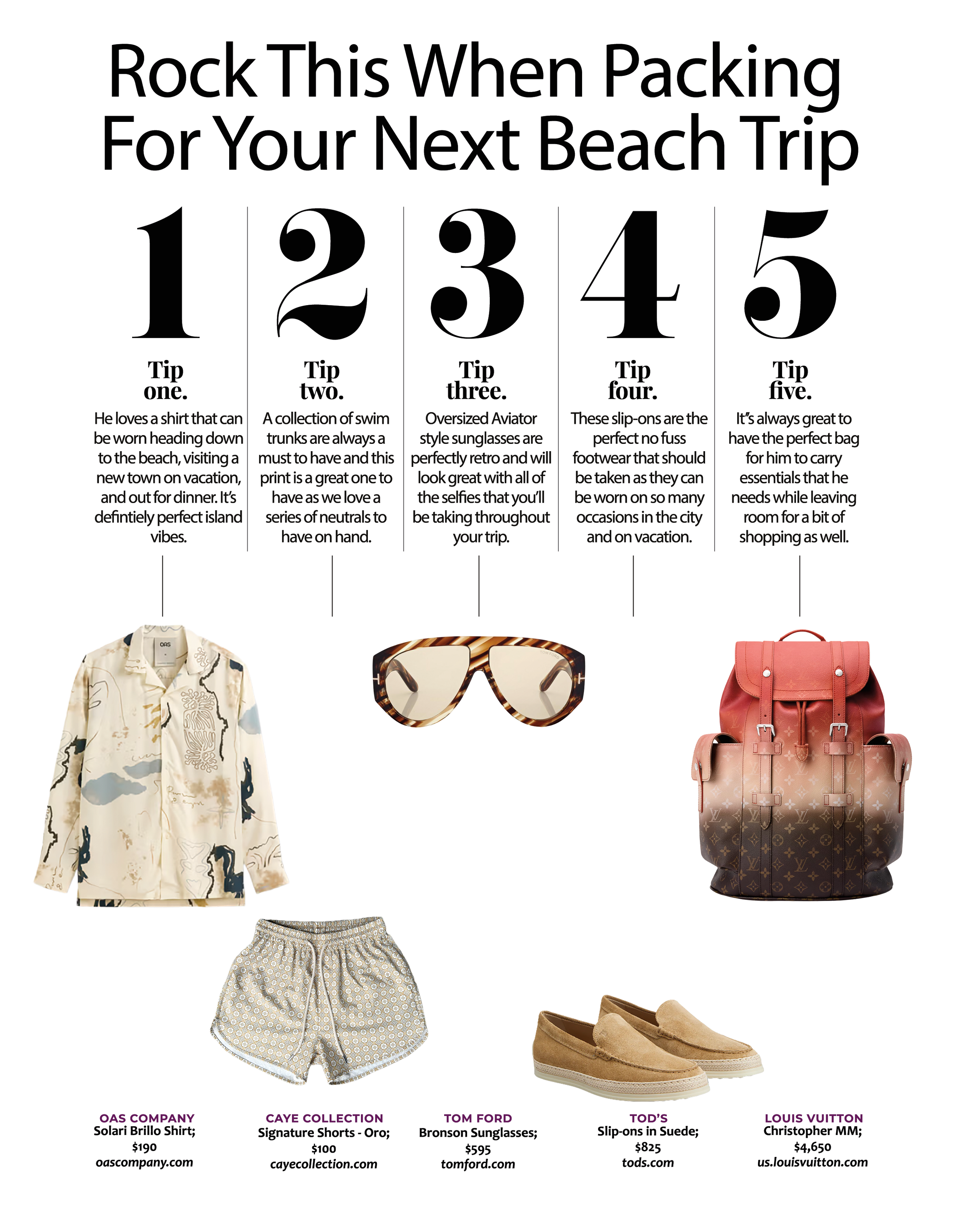
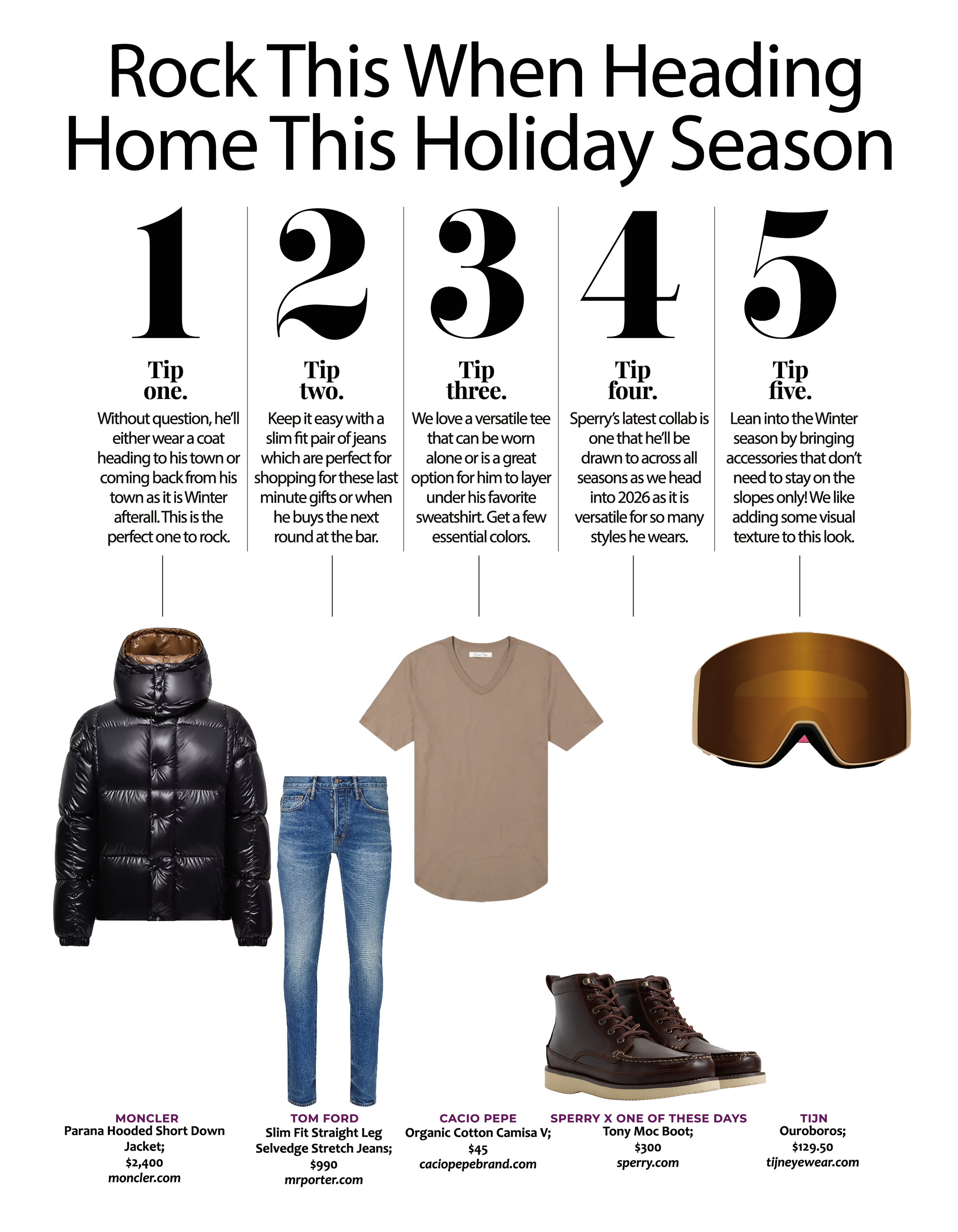
Read the JAN ISSUE #121 of Athleisure Mag and see 9PLAYLIST | Aaron De La Cruz in mag.
Featured




Read the JAN ISSUE #121 of Athleisure Mag and see 9PLAYLIST | Aaron De La Cruz in mag.

PHOTO CREDIT | Unsplash/Joel Muniz
There’s a specific kind of hum that vibrates through the Vegas air on a big fight night. It’s not just the sound of the crowds or the slot machines; it’s the sound of money, ego, and style all colliding at once. If you’ve tuned into any of the massive heavyweight unification bouts lately, you’ve probably noticed the shift. The camera spends almost as much time panning across the front-row outfits as it does on the fighters' warm-ups. We’ve reached a point where the walk to the ring feels less like a tunnel run and more like a high-stakes catwalk.
Boxing has always been flashy, sure. But now? It’s basically the Met Gala with mouthguards. Vegas fights have turned into the ultimate "see and be seen" events, pulling in the kind of crowd that used to stick strictly to Paris or Milan. You’ve got rappers in oversized, archival streetwear sitting next to tech moguls in quiet-luxury cashmere. Let’s be real: half the people in the VIP section are there just to make sure their 'fit' hits the 4K broadcast. It’s a wild pivot to watch. That old-school grit is getting polished up by the high-fashion world, and the weirdest part is, it actually works.
And look, this shift isn't just happening in the seats. The fighters themselves are leaning into it. You just don’t see those generic, shiny satin trunks much anymore. Instead, we’re seeing custom, luxury walk-out robes that look like they belong in a museum. These aren't just clothes; they’re psychological warfare. When a fighter steps out in a robe designed by a major fashion house, dripping in crystals or custom embroidery, they’re telling the world they’ve already won. They’re influencers who just happen to be able to knock you out.
The energy at these events is heavy with anticipation. The stakes aren’t just high for the guys in the ring; they’re high for the spectators who’ve dressed up to match the gravity of the moment. That "Big Win" energy of a championship match is addictive. It’s what pushes fans to move beyond just watching and actually get some skin in the game. You see it everywhere—fans hunching over their phones to check a sportsbook like Lottoland between rounds, just trying to stay a step ahead of the next big shift. When the atmosphere is this electric, just watching feels like only half the experience. You want to be part of the result.
It makes you wonder: is there even a ceiling for this? We’re seeing more collaborations between athletic gear brands and high-end designers than ever before. The line between what you wear to the gym and what you wear to a twenty-thousand-pound ringside seat has almost vanished. It’s all about that blend of comfort, performance, and undeniable "clout."
As the sport evolves, you can bet the wardrobe is only going to get louder. The fights are the draw, but the culture—the clothes, the betting, the sheer spectacle of it all—is what keeps everyone coming back. Boxing didn't just find a new audience; it found a new wardrobe.
So, next time there's a title fight on the schedule, are you watching for the tactical masterclass in the ring, or are you just waiting to see who’s wearing what in the front row? Let us know which fighter currently has the best walk-out style in the comments.
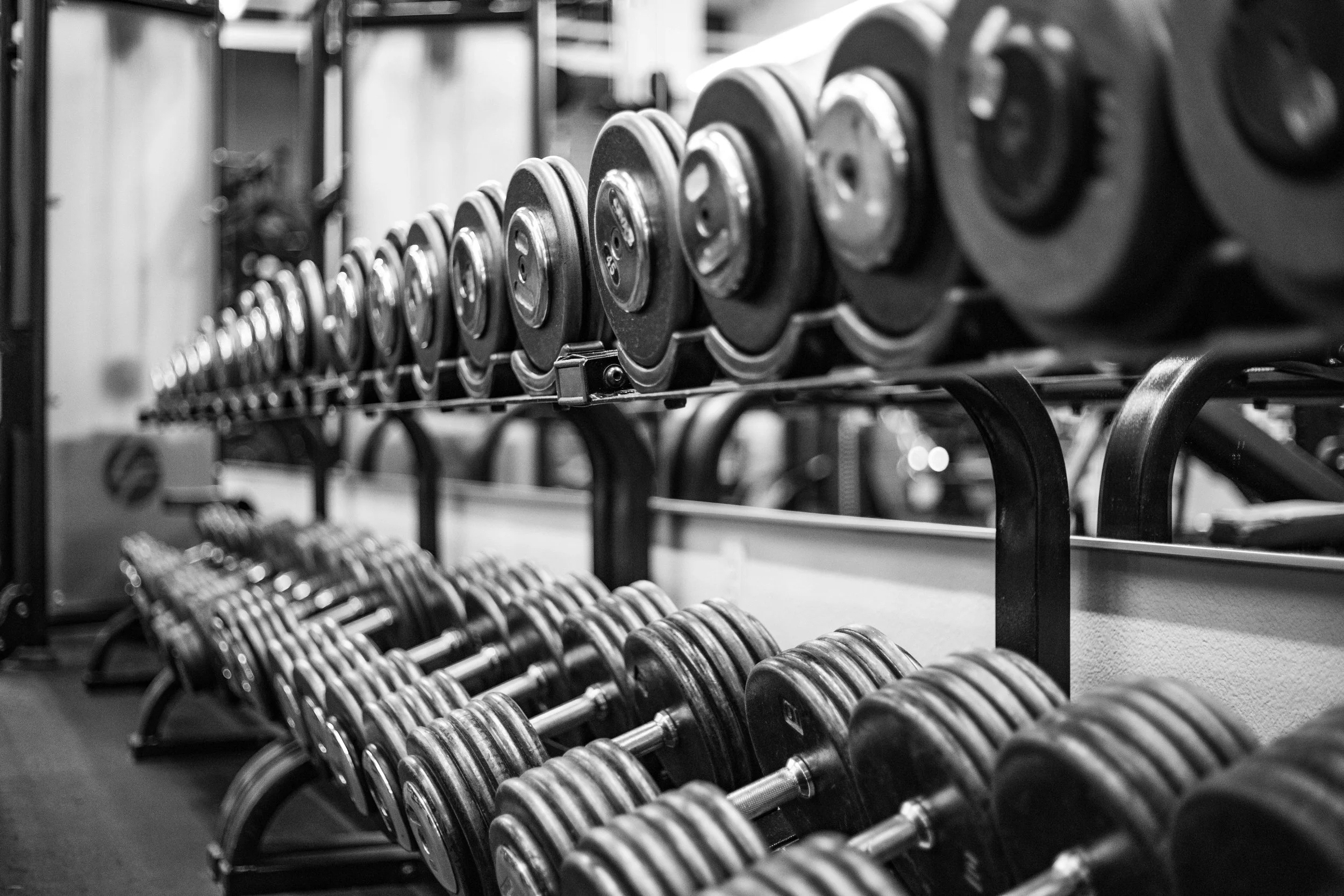
PHOTO CREDIT | Unsplash/Luis Reyes
When it comes to staying fit in today’s busy world, people aren’t just looking for results. They want a routine that feels good, too. Gone are the days when fitness meant pushing through pain and sacrificing comfort. Modern fitness routines are all about balancing performance with an enjoyable experience. In this blog, we’ll explore how you can achieve your best results while still keeping comfort at the heart of your workouts.
Comfort plays a surprisingly big role in how consistent and effective your fitness routine can be. If your body feels good during movement, you’re more likely to stick with your workouts long term. Discomfort, on the other hand, often leads to skipped sessions or even injury. That’s why the most successful fitness plans today focus not only on performance, like strength gains or improved endurance, but also on sustainability and ease of movement.
Comfort doesn’t mean you’re not challenging yourself. It simply means choosing tools, techniques, and strategies that support your body’s natural mechanics. When you feel at ease during exercise, you’re more likely to stay motivated and enjoy the process, which ultimately leads to better results.
To bridge the gap between comfort and performance, the equipment you choose matters. High-quality fitness gear can make exercises feel smoother, safer, and more effective. Whether you’re working out at home or in a gym, consider machines and tools that align with your goals while providing reliable support for your body.
For example, incorporating a rowing machine into your routine can be a game changer for both cardiovascular fitness and muscular endurance. If you’re looking for a solution that combines sleek design, smooth motion, and durable construction, a rowing machine from Mirafit offers an excellent blend of high performance and user comfort. Rowing engages multiple muscle groups without harsh impact on your joints, making it ideal for both intense workouts and recovery days.
Performance isn’t just about how hard you work but about how well you move. Paying close attention to form and technique ensures that you’re engaging the correct muscles and reducing the risk of injury. Start any new exercise by learning the proper movement pattern, even if it means using lighter weights or slower reps at first.
Comfort comes into play here, too. When your body is aligned and moving correctly, exercises feel more natural, and you can push harder without placing undue stress on joints and ligaments. Hiring a coach or using guided video routines can help you refine your technique and protect your body in the long run.
One of the most overlooked aspects of blending performance and comfort is simply listening to what your body tells you. Pain is different from effort: a sore muscle after a tough workout is normal, but sharp pain during movement is a sign you may need to adjust. Pay attention to fatigue, mobility restrictions, and soreness levels. Adjusting your routine to respect these signals isn’t a sign of weakness. Rather, it’s smart training.
Rest and recovery are essential parts of any fitness plan. Your muscles grow and adapt when you give them time to repair. Incorporating rest days, stretching sessions, or low-impact activities like swimming or yoga can keep your routine balanced and enjoyable.
Blending performance and comfort means creating a fitness routine that pushes you toward your goals without making each workout feel like a battle. When your body feels good and your workouts are effective, fitness becomes a resilient part of your lifestyle instead of a chore.
Focus on high-quality equipment, proper form, and mindful movement, and you’ll find a routine that not only challenges you but supports you, day after day.
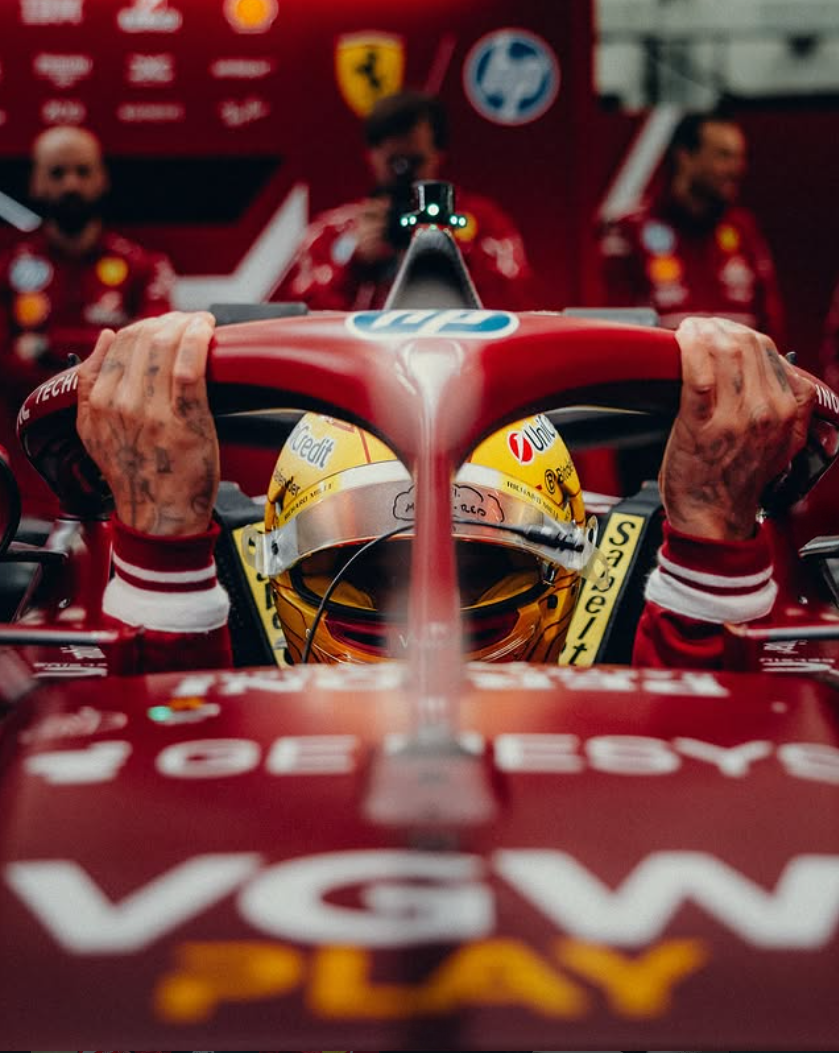
PHOTO COURTESY | IG @LewisHamilton
Lewis Hamilton’s move to Ferrari shocked the Formula 1 (F1) world, but his first season in red raised the most uncomfortable question of his career. Without a podium finish for the first time in nearly two decades, Hamilton enters 2026 facing doubts that would have seemed unthinkable only a few years ago. His debut campaign with Ferrari ended with sixth place in the standings, leaving the team fourth in the constructors’ championship and searching for direction.
F1 rarely offers neat endings, but the sport’s biggest regulation reset in a generation has handed Hamilton one final opportunity to rewrite the script. Early testing in Barcelona has provided cautious optimism, with Hamilton topping the unofficial timing charts with a 1:16.348. He subsequently described Ferrari’s new car as ‘more enjoyable and responsive’ than the ground-effect cars that have undermined him since 2022. However, the sportsbooks featured on comparison platform www.bettingtop10.com were unimpressed, rating Hamilton as a 20/1 shot to win the title this season. Read on to hear about how the oddsmakers have underestimated Hamilton’s chances of winning a record-breaking eighth world championship.
Hamilton’s first season at Maranello stripped away the romance that accompanied his arrival. The Ferrari never offered consistent race-winning pace, but Hamilton also struggled to extract maximum performance, particularly over one lap. Teammate Charles Leclerc out-qualified him 22 times across the season and regularly converted marginal advantages into strong results. More concerning was the absence of signature Hamilton moments, with only a sprint win in China standing out in an otherwise subdued campaign. The frustrations spilled into public view as Hamilton labelled the season his ‘worst ever’ and openly questioned his own performances. Ferrari endured their first winless year since 2020, reinforcing the sense that the partnership was misfiring. The narrative shifted from fairytale reunion to genuine uncertainty.
The 2026 regulations represent the biggest technical upheaval Hamilton has experienced, reshaping cars, power units and the role of the driver. Downforce has been reduced, active aerodynamics introduced, and energy management elevated to a central race skill. That shift could prove decisive for Hamilton. He has repeatedly stated that the new generation of cars is more fun to drive, more intuitive and better aligned with his natural style. Ferrari’s decision to halt 2025 development early and commit fully to this year reflects how seriously they view this opportunity. Hamilton and Leclerc have both been heavily involved in the car’s development, providing feedback on everything from energy deployment to steering wheel layout. Ferrari’s early testing mileage suggests a cleaner start than in previous years, with reliability holding up across long runs. That foundation matters more than lap times at this stage.
Hamilton’s experience remains his greatest asset, particularly in a season defined by unknowns. He thrived during the last major regulation reset in 2014 and understands how quickly competitive orders can shift. His ability to guide development, interpret data and adapt race strategies gives Ferrari a reference point that few teams possess. However, age is an unavoidable factor. Hamilton has been outscored by younger teammates in three of the past four seasons, and the margins that once fell his way now seem less forgiving. While Fernando Alonso continues to defy expectations into his forties, F1 offers no guarantees of longevity. This season may ultimately reveal whether Hamilton’s struggles were car-specific or the first signs of irreversible decline.
Bookmakers remain unconvinced by the early optimism. Odds of 20/1 on the sportsbooks listed on BettingTop10 highlight the size of the task he faces in the title race. Ferrari must not only close the gap to the front but do so faster than teams who appear better positioned at the start of the new cycle. Hamilton must reverse recent trends and outperform a teammate entering his prime. That combination is rare, but not unprecedented. Whether Hamilton succeeds at Ferrari will not be decided by testing headlines or the latest odds. It will hinge on development pace, operational clarity and Hamilton’s ability to rediscover his edge. While the season ahead will not necessarily impact the British star’s legacy in F1, he will be desperate to prove that he is no back number.

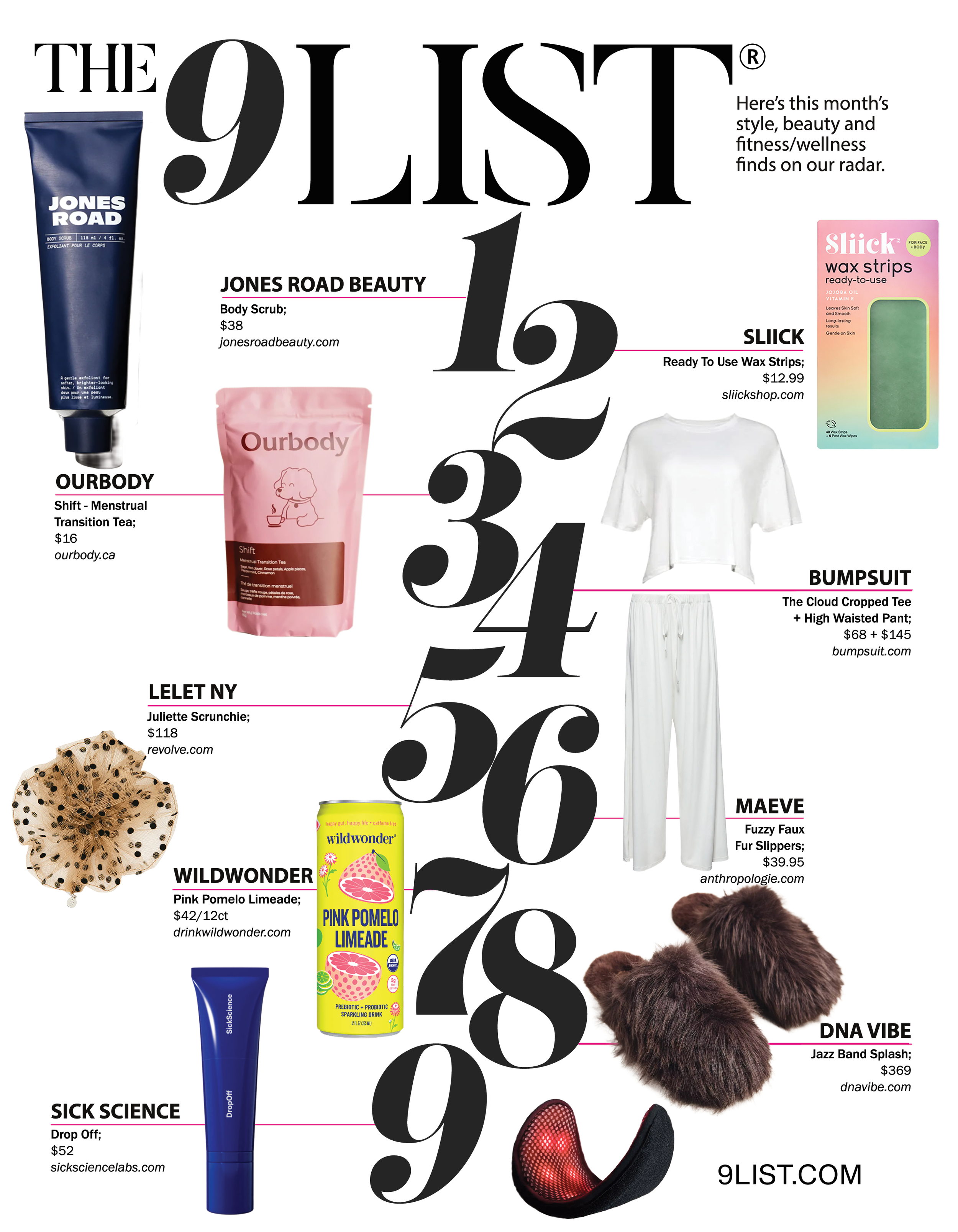
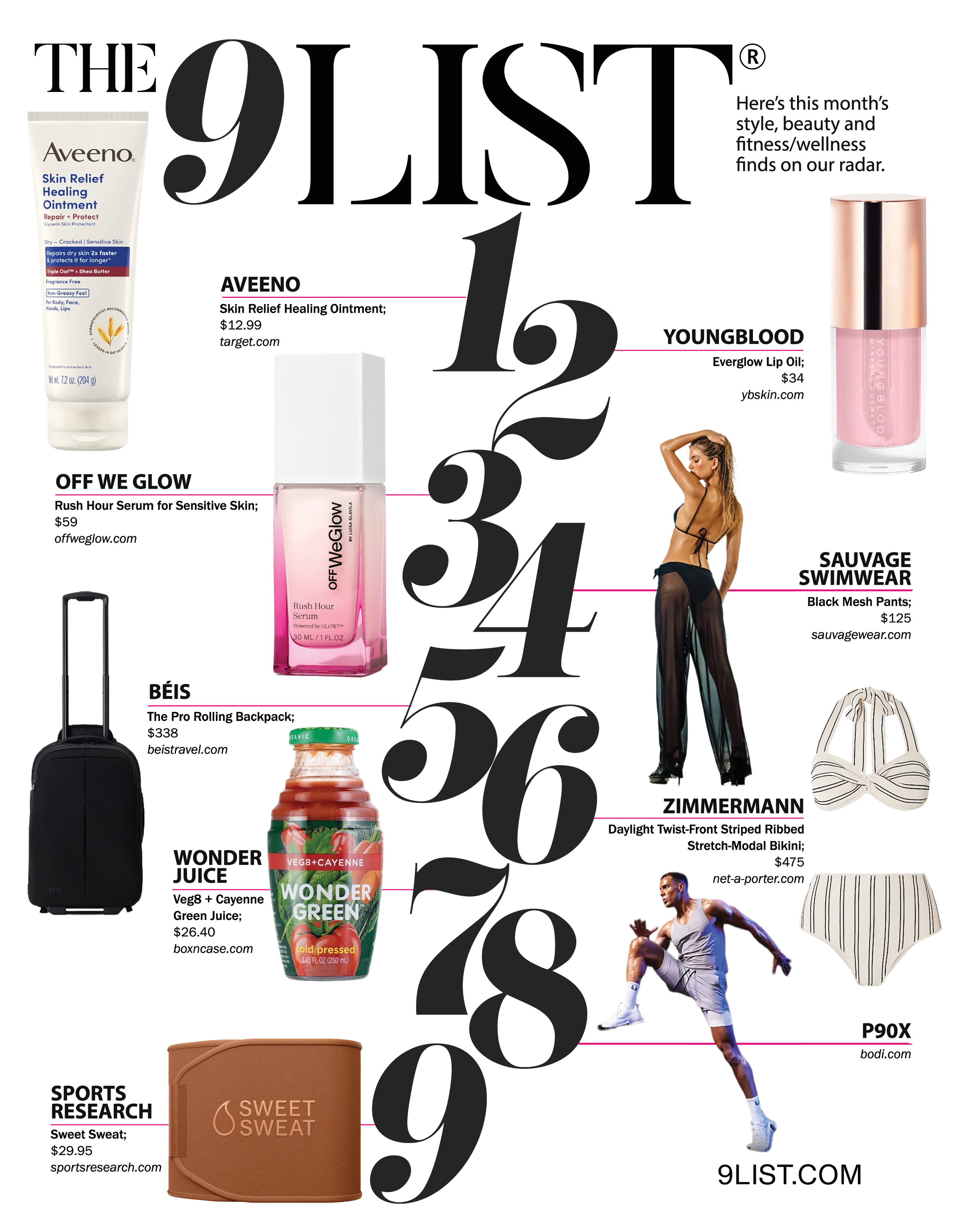
Read the JAN ISSUE #121 of Athleisure Mag and see THE 9LIST in mag.

Read the JAN ISSUE #121 of Athleisure Mag and see 9LOOKS | Balenciaga in mag.

PHOTO CREDIT | Unsplash/Bibesh Manandhar
On any basketball court — packed high school gym on a Friday night, quiet community center during weekend league play — there’s something you’ll observe before the scoreboard lights up, before sneakers squeak and before the first shot drops: how players get around. The flow of a fast break, the power of a pull-up jumper, the grace of a defensive slide. What sometimes escapes attention is the part a piece of clothing, such as a jersey, can have in those moments.
Fit is seldom the lettered headline in discussions of team apparel. And Color schemes, logos and designs are typically the focus of conversations. But fit, to the players, coaches and teams that have learned through experience, is foundational. A fantastic jersey doesn’t do anything to stand out. It enables movement, controls temperature, and helps keep your mind on the game instead of your uniform and gear.
Basketball never stops moving. Then the players sprint and cut and jump and twist and collide again. A small jersey may impede collection without adding stability, preventing all types of movement through the shoulders during lifting. Too loose and it will catch, bunch or be a distraction during physical play. These small annoyances add up over the long haul of a game — or weekend-long tournament.
Athletes themselves often notice the difference right away. A well-fitted jersey “disappears” after the game has began. There’s no pulling at the neck, no tugging at the hem. Instead, it stays where it belongs: on teammates, timing and execution.
Not all cycling jerseys are created equal in terms of fit. Historically, basketball uniforms trended more toward a freer fit with more room to breathe and move. As sportswear technology improved and athletes began to tune into the details of performance-fit, style options grew.
Roomy Fit: Provides multiple layers or room for added large equipment, providing normal fit in shoulders and arms. Least it is a comfortable fit to pull on for rec or youth leagues.
Athletic Fit: A more tailored, modern cut trims the body and shortens the sleeves. This tradeoff between structure and freedom is one competitive players often prefer.
The right fit isn’t about the trends, but rather understanding who your team is inside that jersey.
Ask any coach what they need out of a uniform and mobility is probably close to the top of that list. Nor is required the free movement of arm for shooting and passing in a basketball game. The armholes, shoulder seams and chest width all contribute to how freely an athlete can move.
Ill-conceived, tight seams can subtly restrict movement. Over years of shoots, the players might make subtle mechanical adjustments as compensations throughout their bodies and that can impact performance or even increase injury risk.
Jersey length may seem like a small detail, but it can make a larger difference in comfort than you’d guess. Too small, and players will feel too open or unfocused. Too long, and you can end up with excess fabric getting in the way of movement or holding heat.
Jersey design today strives for a balance: enough coverage to feel secure, with ventilation that helps support air flow. MANAGING IT Most of all I find that particularly important for teams that play multiple games in one day.
One of the great pitfalls of team apparel is being trapped by standard size charts without any allowance for the real world. Two athletes in the same “medium” may be completely different shapes.
Teams that make the effort to measure key dimensions — chest, length, shoulder width — often end up with more consistency across the roster. Doing this minimizes last-minute scrambling and keeps everyone feeling like they’re not the only weirdo on there.
Some teams even make the measuring process part of their preseason preparation, playfully driven home at training camp to remind everyone that everything is important.
Fit does not exist in a vacuum of fabric. Today’s performance materials push, breathe and recover in ways that traditional cloths never could. Fabrics that wick away sweat contribute to body temperature regulation, and lightweight knits bend as the athlete does rather than working against them.
Here’s where sportswear design meets sports science. A jersey’s shape holds up to movement — and through the washing machine — so that it maintains its fit throughout a season.
Coaches often observe that when the material is good and feels “right,” players are less likely to do anything but wear what’s designed, rather than trying to doctor or modify it in some way. Our kids keep pulling their jerseys up or down to adjust, ” said one youth coach who used USportsGear during a regional tournament season. That alone made me feel like the fit was doing its job.”
Comfort and versatility is a common consideration among youth athletes. Yes, growth spurts are a thing and jerseys need some mercy. Adult fours want looser cuts, as they’ll fit a variety of body types.
At a higher level, precision matters. Gamers need gear that is equally as agile and can keep up with them. Inclusive sizing is also becoming a larger part of the picture, helping make sure that all athletes, no matter their body type, feel like they have gear made for them.
A jersey on the fit of a day isn’t everything. Clothes take sweat, friction, washing and travel over the course of a season. Poorly constructed or ill-fitting can cause stretching, shrinking or distortion.
Teams that are looking long term sometimes judge fit not when the jerseys are delivered, but after weeks of wearing them. A well-fitting item will retain its shape and continue to look good and feel comfortable as the year wears on.”
The most overlooked element of how a jersey fits is psychological. Players tend to play with more confidence when they feel good about what they’re wearing. They’re just looser, more open and connected to the group.
Uniforms are visual cones of belonging. And when each of those players is equally comfortable and confident in that symbol, it adds to team identity in subtle but important ways.
Closing Thoughts: Fit should be the foundation, not an addition
A great jersey fit stays in the shadows — and that’s just the way it should be. It stands quietly, steadily beside athletes. For teams and coaches who are willing to see fit as a performance tool, rather than a cosmetic detail, the payoff arrives where it matters most: on the court, in motion, at moments of confidence that can be measured by more than just numbers.
PHOTO CREDIT | Unsplash/ROXANA POPOVICI
A runner wraps a piece of cloth around her neck for an early morning outing. It’s not a statement piece. That’s not to match her shoes. It’s just being comfortable as her body heats up, the sun comes out, and sweat starts to form. These small decisions — often unnoticed in the habit of our days — can influence how we play, perform and feel when being physically active.
While Eastman acknowledges that in our current athleisure-obsessed culture, accessories like bandanas, neck gaiters and headwear lie at the crossroads of style and function. Simple as they may seem, the materials behind these bags are very influential in just how well they hold up to an active lifestyle. Knowing what these materials do — and why they matter, if at all — can help athletes and everyday movers make smarter, more comfortable choices.
Modern fitness culture celebrates versatility. We want attire and gear that can move seamlessly between workouts and errands, from trail runs to coffee runs. Accessories have emerged as performance whisperers — wicking off sweat, regulating our temperatures, protecting us from the sun and even helping us focus.
"Yoga, cycling or hiking - so many accessories are in direct contact with your skin. That intimacy also means material quality matters more than you might expect, and that applies not just to everyday wear but also to lounging around. A wrong material can irritate, generate heat, or feel uncomfortable in seconds. The first of those disappears into the background, allowing the body to do what it’s supposed to: move.
As the athleisure trend matures, so do our expectations. Today’s athletes want gear responsive to the rhythms of their environment and intensity. Fabric performance in accessories can be distilled into a few key qualities:
One of the most apparent changes is in moisture management. The body perspires during periods of exertion in order to stay cool. “Moisture-absorbing materials hold moisture without letting it dry; you feel weighed down and damp while “moisture-wicking material pulls sweat away from your skin, so it dries more quickly.”
How easily heat escapes is a function of breathability. Low air flow can cause overheating, especially during vigorous exercise or in hot weather. Devices with breathable fabrics provide an optimal body temperature which helps in minimizing fatigue.
Thermoregulation is important through the seasons. Some materials also insulates and retain body heat for warmth, while others have cooling properties equal or better to wear in warm weather. Accessories can also be versatile layers that change in a snap as conditions change.
Something that is becoming more concern, especially among the outdoor athlete is UV protection. Skin can become damaged over long periods in the sun, and some fabrics are designed to eliminate harmful rays while keeping you cool.
Other materials have their own set of strengths — and weaknesses.
One of the most common types of textile fibers, cotton is known for its softness and breathability. It makes for an agreeable resting position and performs admirably while sitting still. But cotton holds onto water and dries slowly, which can be really uncomfortable if you’re working out for a long time or getting super sweaty.
Polyester and its synthetic counterparts are everywhere in athletic wear today, and for good reason. They are longlasting, lightweight and great moisture-wicking. These are fast drying materials, and remain in shape for sometime to use them again. They are loved for re-usable accessories.
Microfiber and technical fabrics have been the next stage of evolution. About this item 4 high performance fabrics Fast moisture wicking 2-way air circulation Diamond shaped gusset to protect against seam breakage Panelling with contrast stitching during flat lock stitching for comfort Laser cut back zipper pocket Keeps you dry with our fast wicking and drying Select transfer yarns - No zipper Color Name:Black/Blk The ultimate short for intense activity (training, exertion etc) Specially selected blend of quality materials focusing on airflow, moisture control and softness
Engineered Performance; balance airflow, moisture control and softness delivery extreme comfort Uv protection the material protects again flooring uv or sun rays keeps you cooler in heat
Volcanic minerals convert body heat into infrared energy and reflects it back into the body to improve circulatory blood flow absorbing fit thanks to a great fit Cut fits like a second skin Keep out wind chill.
Generally speaking they should be tighter than training shorts keeping the elements at bay without sacrificing freedom of movement optimized elasticity maximizes your movements
Does not ride up benefit from free leg movement Reflective logos keep provided visibility Easy access zip behind so you can keep essentials like keys hassle-free while working out
A fabric that breathes/evacuates/transports does not grab/drape/thing or make one uncomfortable outside.
They're delicate and lightweight which are perfect for earrings that hang by the face or very low to avoid any tugging.
Sustainability Players Sustainable materials, such as recycled synthetics and organic fibers, are also capturing the imagination of increasingly environmentally conscious consumers.
These fabrics attempt to balance performance and their environmental impact, but how well they achieve that goal depends on both the construction of the fabric and the treatment it receives.
“What’s trending has less influence when deciding on the best accessory material and more about what you will be doing,” she said.
For running and high-impact cardio, moisture-wicking, breathable fabricals help keep sweat and heat at bay. Yoga and studio fitness clothes are gentler towards the skin with soft, flexible fabrics that make them loved for their smooth touch. Outdoor pursuits such as hiking and cycling demand UV protection, temperature versatility, and durability. Even travel and our everyday athleisure requires materials that serve comfort, hygiene and easy care.
Those who are aware of such nuances can then make more informed decisions about accessories that will improve rather than disrupt performance.
Apart from the performance, comfort and hygiene are crucial for long-term use. Regularly-used accessories should be able to be washed more than a few times without loosing their shape and utility.” Materials that eliminate odors and enhance with moisture wicking can provide quite a lot of difference, especially for those with sensitive skins.
That is where the attention to design details and materials used are noticeable. Brands that pay attention to these details—specifically dedicated brands within the custom accessory manufacturing space, like 4inbandana, typically collaborate with fabric technology to ensure products are reinforced and ready for real-life use cases beyond just appearance.
The future of athleisure accessories is quietly being engineered at the textile level. Advances in fabric technology are creating materials that are lighter, more durable and stronger than their previous incarnations. From cooling fibers that react to body heat, to treatments that make them stronger and more hygienic, accessories are getting smarter without growing cumbersome or complex.
While performance and lifestyle continue to intersect in fitness culture, the accessory will remain small but mighty.
How to Make informed decisions and be an active consumer of computing
Accessories may not be the most striking or gangbusters part of an athlete’s wardrobe, but they are among the most intimate. They are against our skin, they move with us, and they hold us through the work and the rest.
When you comprehend the materials, you're armed with knowledge that enables choice based on comfort, performance and longevity and not just whim or aesthetics. Ultimately, the best accessory is one that you forget you’re wearing — because it’s doing its job perfectly.
PHOTO CREDIT | Unsplash/eran design
Morning in the city hardly ever begins in peace. It begins with alarms, interrupted stretches, coffee perched in a shaky grip, and a piece of your mind racing past traffic. For urban athletes — those who work out before going to the office, incorporate movement on lunch breaks or sprint from the gym to meetings — staying active is about more than exercise. It’s about systems. It's being ready to cycle at-the-drop-of-a-hat without friction slowing you down.
Urban life demands flexibility. One minute you’re pumping iron, the next you’re dashing through a turnstile at the subway or tapping into a studio class or hustling into an office building. The city doesn’t stand still, and neither do the residents who opt to remain active within it. In time, many city athletes come to understand that success isn’t just about discipline or motivation — it’s about preparation and good tools for everyday use.
There was no stretch of relaxed suburban or rural routine; instead, the city made everything coexist in smaller increments. Commuting is a bitch, living quarters are tight, and timetables are unpredictable. City athletes don’t just workout, they adapt.
You “could be running on crowded streets barefoot in the morning and doing yoga in a converted warehouse before bed, while fitting in work” meetings during both, he says. Access cards, transit passes, studio check-ins and building IDs enter the daily routine. The problem isn’t the weight of hauling everything around with you — it’s being able to access what you need without losing momentum.
In tight public spaces, pausing to root around in bags and pockets can be intrusive. Those petty inefficiencies build up over time and become stressful. That’s why experienced urbanites begin to take notice of the subtle details of their daily carry.
Despite the range in city scenarios, the items that make up a day for an active urban professional all too often wear the same face. These aren’t luxuries—they’re access points.
Office, gym or co-working space identification cards. Transit cards or passes. Keys for home, lockers or bike locks. A phone that is also a wallet, tracker and calendar.
The line between a smooth day and one full of curses is usually just how accessible these things are. City athletes quickly learn that what you carry, and more importantly how you carry it, can matter as much as what shoes you wear or how you nourish your body.
City living in particular seems to reward tools that just put their heads down and work quietly in the background. The greatest everyday gear doesn’t so much make itself known as remove obstacles.
With hands-free equipment, light clips and retractable tools, people can travel around the city without being constantly slowed down by little things. When you’re racing to get from train to studio to office, seconds count. Convenience is not about laziness — it’s about saving energy for what actually counts.
Midway through a particularly fraught training season, one city runner explained how a simple organizational hack transformed her mornings. Instead of fumbling through bags with a coffee in hand and stretching on the platform, she simplified how she carried her essentials. That was not a matter of buying more things — it was one of selecting better systems. After that, she eventually found the pragmatical findings from such resources as 4inlanyards which delve into effective and painless designs of badge reels -which are sturdy, easy to use and guarantee a quick access in high-movement professions- while remaining convenient to wear and mobile.
We don't often talk about organization as a wellness tool, but the effects are powerful. When what you actually need is easily accessible, mental clutter recedes. Stress levels drop. Focus improves.
Urban athletes are already dealing with physical strain and busy schedules. It saves mental energy to eliminate unnecessary friction. Having such a clear sense of where your ID or keycard is at all times — never reaching into a crowded subway, say, to grab your card for work or looking around for it after a workout haze hits you — gives you some control that follows you through the rest of the day.
Minimalism is at work here, as well. The strategy of loading fewer but more deliberate items is ideal for maximizing efficiency. It also fits well with athleisure culture, which has taught the fashion industry that comfort can coexist with form and function.
City environments test preparation daily. In fitness studios, often through speedy check-ins. Access control is critical for office buildings. Public transportation runs fast, and no one waits for another.
Urban runners who succeed are masters at predicting such moments. They stow essentials where they can grab them without stopping. They don’t overburden pockets or bags. They select tools that flow with, not against.
It’s especially the case when at events such as fitness expos, wellness pop-ups or charity runs. Adaptability is required in crowds, schedules and strange surroundings. Good gear enables the individual to be more focused on the experience and less on operational challenges.
Remaining prepared in a city is not accidental — it’s intentional. A large number of urban athletes prepare the night before: setting aside what they’re going to wear, charging their devices, arranging for access in and out. These rituals alleviate decision fatigue in the morning and establish the mode for the day.
Flexibility also matters. A solid system needs to work for different activities — be it a strength session, a spin class or a walk for the commute. City athletes frequently vary their carry of essetials depending on how high intensity the movement is, the weather and where they are traveling.
Over time, these habits compound. The city is less overwhelming not because it has slowed so much as you are more prepared to move within it.
Urban athleticism, in its essence, is freedom — the freedom to move, to train, to explore and live up to your potential within an unforgiving environment. Functional daily tools secretly sustain that freedom.
They won’t substitute for discipline or passion, but they will remove barriers. Instead, they force people to pay attention to performance, well-being and connection rather than logistics. In cities that are starved for time and space, such support is invaluable.
Staying ready doesn’t require perfection. It requires awareness. Attention to how you move, what you carry and how the smallest decisions add up over a day.
City athletes are not about waiting around for ideal conditions. They move anyway. They adapt. They create systems that evolve as they live.
By selecting the useful, thoughtfully designed tools to put in your arsenal and creating intentional routines around them, staying active within a city isn’t as much about surviving its chaos as dancing within it. And in a never-quiet town, being ready is not just an asset, but a necessity.

PHOTO CREDIT | Unsplash/Yaroslav Muzychenko
The Baltic capitals represent one of the most compelling frontiers for travelers seeking a rare blend of centuries-old history and vibrant modernity. Estonia, Latvia and Lithuania offer a refined atmosphere, ideal for those who want to step away from the crowded tourist routes of Western Europe without sacrificing world-class services. The logistics of a journey like this, especially when crossing the Atlantic, require careful attention to comfort and time management. For this reason, a private jet to Riga is often the most effective way to optimize travel and explore each city with complete peace of mind.
Choosing to travel by private jet is not merely a stylistic statement: it is the smartest way to turn a long intercontinental journey into a seamless, stress-free experience. Landing directly in Latvia’s capital allows travelers to bypass long waits and the congestion of major European hubs, ensuring swift and discreet access to a luxury residence or hotel. Thanks to its central geographic position, Riga serves as the perfect hub for regional itinerary. From here, onward travel to Tallin and Vilnius can be planned with complete flexibility, while maintaining the level of privacy and efficiency that only private aviation can offer to those accustomed to uncompromising travel standards.
Riga welcomes visitors with a grandeur reminiscent of Europe’s great imperial capitals. The city is renowned for its Art Nouveau district, where private tours can be arranged to admire architectural details typically inaccessible to the general public. Among the most exclusive experiences on offer are behind-the-scenes guided visits to the Latvian National Opera. Riga is also an ideal destination for personalized shopping experiences in the boutiques of emerging designers, celebrated for their clean, refined Nordic aesthetic.
Heading north, Tallin reveals itself as a medieval jewel overlooking the Baltic Sea. Here, luxury and history intersect through the possibility of reserving entire halls within ancient palaces for private events or fine-dining experiences set within 14-century walls. Private yacht excursions along the coast and surrounding islands offer privileged views of the Old Town skyline.
To the south, Vilnius responds with the elegance of its Baroque churches and a lively cultural scene. Travelers can immerse themselves in the art world through exclusive visits to the studios of renowned amber artisans or attend private artistic performances curated specifically for discerning guests.
Concluding a journey of this caliber brings with it the realization that true luxury lies in the perfect harmony between the beauty of a destination and the quality of time spent experiencing it. A private jet is not merely a means of covering distance: it ensures that every moment of the journey is lives with intention, free from the stress of conventional travel. Choosing Riga as a getaway allows travelers to craft a cohesive narrative, where fine craftsmanship, avant-garde cuisine and centuries of history converge into an exceptional experience. This region is ready to reveal its most precious treasures to those who appreciate refined details, offering a sophisticated alternative to traditional European destinations and delivering a vacation defined by exclusivity and timeless appeal.
The couch feels perfect at first, and then an hour later your shoulders creep toward your ears. It is rarely the game itself, because tight seams and itchy fabric can ruin focus fast. By the third round, you are shifting again, and the fun starts to feel oddly tense.
I have had nights where the snacks were great, yet my outfit made me feel restless anyway. The Play With Stakes website breaks down sweepstakes casinos in plain terms, so choices feel less fuzzy. That clarity pairs well with comfort, because calmer play usually starts with fewer little annoyances.

PHOTO CREDIT | Pexels/Pavel Danilyuk
Comfort starts with fabric that stays soft, even when you have been sitting for a while. I l=ike leggings or joggers with a smooth waistband, because they do not dig when you lean forward. When the waist stays steady, you stop fussing with it, and you stay present in the room.
Fit matters as much as fabric, and it shows up when you change positions during a close game. A pair that feels fine standing can pinch when you sit cross legged on a deep cushion. I have learned to test that early, because the “maybe it will settle” idea never works.
Tops can be simple, yet they still change how relaxed you feel during long screen time. A tee with a stable neckline helps, and a light layer keeps you warm without bunching behind you. If you run hot, a breathable top can save you from that sticky feeling under bright living room lights.
Shoes are optional, and socks do more work than people expect during casual nights at home. Grippy socks help on tile, and they also make quick snack runs feel less slippery. I keep an extra pair nearby, because spilled soda and wet socks are a fast mood killer.
When pockets are part of the outfit, game night feels easier, because your hands stay free. A phone in your lap invites scrolling, yet a phone in a pocket stays quiet longer. That small change can help you stay with the group, even when notifications start stacking up.
● Soft waistband that does not roll during sitting
● Breathable fabric that does not trap heat under warm lamps
● One reliable pocket for your phone or a card, so your hands can relax
The room matters, because even great athleisure cannot fix a chair that strains your back. I have played on low couches that made my hips ache, and then everything felt harder. A firm cushion under you can help, and it often makes the whole night feel lighter.
Screens and lights can also shape your mood, even if you do not notice it at first. Harsh overhead lighting makes people squint, and squinting can turn into neck tension later. A warm side lamp feels gentler, and it keeps faces easy to read during a group night.
Breaks feel awkward when the game is close, yet they can keep you from feeling stiff and cranky. I like a simple rhythm, because it gives your body a reset without cutting the fun short. When you stand and stretch briefly, you return feeling calmer, and small frustrations fade faster.
Snacks and drinks are part of the vibe, and they can also keep you comfortable when planned well. I keep water within reach, because salty food plus bright screens can leave you feeling dehydrated. A small plate helps too, because greasy fingers and controllers are a messy mix.
Some platforms feel calm, and others feel busy, so the screen itself can shape your choices. I have seen pop ups arrive in stacks, and it starts to feel like a race. When a site feels pushy, you can feel pushy too, even if you did not plan that.
Clear rules and clear menus matter, because they reduce second guessing when you are already tired. When terms are easy to find, you can understand what you accepted without digging through clutter. If details are buried, that is a sign the experience may not respect your attention.
Security cues can be subtle, yet they are worth noticing before you settle into a routine. The U.S. government’s secure account tips are simple, and they lower the risk of phishing tricks.
Reviews can help, although the useful part is pattern spotting, not chasing excitement. When many users mention slow support or confusing verification, that friction will likely hit you too. I focus on repeat complaints, because one angry post can be noise, and ten can be a theme.
Bonuses can feel tempting during a lively night, especially when friends are laughing and clicking fast. The calmer approach is to look for plain terms and easy tracking, so surprises stay rare. When a bonus is hard to explain, it usually becomes harder to manage later.
Limits feel easier when they are decided before the room gets loud and the snacks come out. I have had nights where I felt fine, and then I noticed I was clicking on autopilot. A clear cap helps, because it keeps one decision from turning into ten tired decisions.
Tracking does not need fancy apps, and simple is often better during a social night. A note on paper can feel almost boring, and boring is good when money is involved. When you can see your limit at a glance, you stop bargaining with yourself.
Breaks help here too, because they interrupt the “one more round” feeling that sneaks up quietly. If you stand up, breathe, and chat for a moment, urgency fades and your head clears. Then you can decide again, and the decision feels like yours.
Group nights go better when everyone respects boundaries without teasing or pressure. I have seen friendly jokes turn sharp, and it can push someone past a limit fast. A simple agreement helps, because nobody has to defend their choices in the moment.
Payment choices matter, because surprise charges can hang around in your head after everyone logs off. Some people like prepaid options, and others prefer a card they already check every week. Either way, the easiest method is the one you understand without opening three extra apps.
Shared laptops and saved logins can cause headaches later, so privacy habits keep the night feeling light. Two step sign in and unique passwords help, and they matter even when you think you will remember. If a message asks for extra details in a hurry, slowing down often prevents a rough surprise.
Sometimes the night stops feeling fun, and that is a good moment to step back. Pennsylvania’s Gambling Helpline offers free, confidential support by phone, text, or chat at 1-800-GAMBLER anytime.
A good game night usually feels easy in the small moments, not just in the big wins. Comfortable athleisure keeps your body quiet, and that quiet makes it easier to stay present with friends. When you are not distracted by pinching seams or overheating fabric, you notice your choices sooner.
The same calm applies to sweepstakes style play, because clear rules and simple limits reduce regret. A platform that explains terms well, plus basic privacy habits, helps you avoid last minute stress. When the night ends, the best sign is how you feel: relaxed, clear headed, and ready for sleep.

Read the JAN ISSUE #121 of Athleisure Mag and see Golden Pear Beauty in mag.
You can spot supplement ads everywhere, from gym mirrors to checkout lines and social feeds. The tubs look clean, and the labels sound confident, so it is easy to trust them.
Then the real moment hits, because you are tired after training and you just want something simple. Lots of people also buy online for privacy and convenience, and that adds another layer. The same safety habits apply when someone wonders how to buy Provigil online safely, because trust signals still matter.

PHOTO CREDIT | Pexels/Nataliya Vaitkevich
Most claims sound like they were written for a highlight reel, not for real life. You see words like “supports energy” and “boosts recovery,” and it sounds comforting. Still, those phrases can mean many different things, depending on the brand.
A good gut check comes from asking what the claim is really about. Is it about a feeling, like less fatigue, or a number, like iron levels. When you name the claim clearly, the next research step feels less messy.
It also helps to remember how quickly trends move in fitness spaces. One week it is magnesium, and the next week it is a new “focus” stack. People swap tips in locker rooms and group chats, and not every tip matches evidence.
When you want a calm baseline, the NIH Office of Dietary Supplements fact sheets can help. They cover what an ingredient does, and they also list known safety notes.
A label can look clean and still hide the parts you care about most. Serving size is a common trick, because one scoop may not equal one real dose. That is why two products can look similar and behave very differently.
The ingredient form matters too, and it is not just a nerd detail. Magnesium citrate and magnesium oxide do not hit the body the same way. When the form is named clearly, you can compare products without guessing.
“Proprietary blend” is another label detail that can cause headaches. It sounds fancy, yet it usually hides the real amounts of each ingredient. If you cannot see doses, you cannot judge if the product makes sense.
You also want basic accountability on the package, even for simple vitamins. A lot number, a real manufacturer name, and a contact method show responsibility. When that information is missing, returns and complaints get harder fast.
Third party testing sounds like a gold star, and it can help, but it is not magic. The useful part is a batch report that matches the lot number on your container. If the report is vague or missing, the claim is just decoration.
You may also see “made in a registered facility” or “GMP,” and it can sound reassuring. Those statements can be true, yet they do not tell you what was tested. Better brands talk plainly about contaminants, potency checks, and how often they test.
Customer reviews can help, yet they need a careful read. Real reviews mention taste, texture, and how the product arrived at the door. When every review sounds identical, it feels more like a script than a real crowd.
Storage is the part people forget, and it can ruin a good buy. Heat and humidity can change powders and capsules faster than you expect. Anyone who has found a clumped tub after a humid week knows that pain.
Some products that get discussed in fitness circles are not supplements at all. Provigil, also called modafinil, is a prescription medicine in many places. That difference changes the risk, the legal rules, and the buying process.
When a product needs a prescription where you live, online shopping becomes higher stakes. Counterfeit medicine is a real problem, and it can include wrong ingredients or wrong doses. Even a familiar looking pill does not prove it is authentic.
That is why it helps to know the common warning signs of unsafe pharmacies. The FDA’s BeSafeRx page explains what to watch for, including missing prescriptions and shady contact details.
Even when you are buying normal supplements, the mindset still transfers. A real business identity, a working support channel, and clear policies reduce stress later. When those parts are missing, the “deal” can turn expensive.
Online shopping can feel simple, and that is part of why it works so well. You tap a few buttons, and the box arrives between errands and meetings. The catch is that speed can hide small risks until something goes wrong.
Seller identity matters more than most people want to admit. A real address, a clear returns policy, and a support email that responds are basic signals. If those signals feel weak, it is easier to walk away early.
Pricing is another signal, and it is not about being cynical. Honest sellers can run promotions, yet extreme discounts can hint at old stock or fake goods. People who have chased a too good price often learn this the hard way.
A short checklist can keep you grounded when you are tired after training. It also helps when you compare two similar products in five minutes. Here is a routine that stays quick and realistic:
● The claim is written clearly, and it matches ingredient evidence rather than dramatic marketing language.
● Serving size and ingredient forms are listed plainly, so doses are easy to compare across brands.
● A batch test report is available, and the lot number matches the container you actually receive.
● The seller shows a real address and a return policy, and support replies like a real business.
● Payment uses secure checkout, and you keep the receipt, so disputes feel less stressful later.
A supplement buy tends to go best when you keep your standards steady, even on busy weeks. When the label is clear, the doses are honest, and the seller acts like a real business, your odds improve right away.
It also helps to treat “popular” as a starting point, not a green light. People can feel great on something that is not right for you, and that is normal. Your body, your training load, and your sleep patterns all change the story.
When you keep a simple routine, you save energy for the parts of wellness that matter more. You waste less money on products that disappoint, and you feel more confident about what you keep in your cabinet.
At-home training has become part of everyday life for a lot of people, and routines are shaped by more than dumbbells and resistance bands. Space matters. For many, the garage ends up being the most workable option because it’s separate from the main living areas, easy to adapt, and usually roomy enough to train without constantly shifting furniture around.
Still, when people set up a home gym, attention often goes straight to gear. The space itself gets treated like a blank backdrop. In reality, details that affect comfort, access, and ease can influence how often the gym gets used. In a garage setup, those details can shape everything from motivation to how smoothly a workout fits into the day.
For many households, the garage offers a kind of flexibility that’s hard to find elsewhere in the home. It’s one of the few spaces built to handle heavier use, which makes it easier to bring in free weights, cardio equipment, or functional training tools without worrying as much about floors, rugs, or nearby furniture. That durability also gives you room to shift your routine over time, whether you move from strength training to mobility work or start sharing the space with someone else.
The physical separation helps, too. Training in the garage creates a clear boundary between exercise and daily life. Early morning workouts feel less disruptive, and late sessions don’t need to compete with whatever is happening in the living room or kitchen. It also makes it easier to leave equipment set up, so you can pick up where you left off without turning every workout into a reset.
There’s also a mental piece. Garages tend to support a more relaxed approach to movement. You can be a little louder, a little messier, and a lot more focused. That freedom often helps a home gym go from “nice idea” to a space that’s actually used.
The environment of a home gym affects how workouts feel, especially once training becomes a consistent habit. Light, airflow, and temperature all play into comfort and focus. When those pieces are off, workouts can feel harder than they need to.
Garages often have bigger temperature swings than interior rooms, particularly in colder months. Training in a space that feels chilly or stale can make it tougher to get moving and harder to stay with a session once you start. Health guidance on keeping active in cold weather points to how lower temperatures can change how the body responds to exercise, which makes warm-ups and overall comfort more important.
Airflow matters just as much. During strength training or higher-intensity workouts, heat and moisture can build up quickly. If the space feels heavy or humid, even familiar workouts can start to drag. When lighting, circulation, and temperature feel more balanced, training tends to feel steadier and easier to repeat week after week.
In homes where the garage pulls double duty, access and security can quietly shape how often the gym gets used. Some workouts happen early, some happen late, and many happen in short windows between other commitments. A space that opens and closes easily supports those changing schedules without adding friction.
Because fitness equipment is often left in place, protecting the space between sessions becomes part of everyday use. Entry points that work consistently, such as Shank garage doors, help maintain that balance, keeping the area functional and secure when it’s not in use.
When this part of the setup works smoothly, the gym feels less like a temporary arrangement and more like a dependable part of the home. That sense of ease can make regular training feel more realistic over time.
Training at home usually means sharing space with others, which raises concerns about noise and privacy. Early morning sessions, evening workouts, or high-intensity intervals can carry sound into the rest of the house, especially in open layouts or homes with lighter interior walls.
A garage gym helps simply by being separate. That distance can reduce disruptions, and it can also make workouts feel more focused. Privacy matters too. Some people concentrate better without an audience, and others feel more comfortable training away from common areas, especially when trying something new.
When noise and visibility are handled well, workouts are easier to fit into real life. The space becomes more accommodating of different schedules and preferences, helping everyone in the household feel the setup works for them.
A home gym doesn’t need to be complicated to be effective. What matters is whether the space supports regular use without turning simple workouts into a hassle. Comfort, layout, and ease of setup often make a bigger difference over time than adding one more piece of equipment.
Designing around daily habits helps the gym feel approachable. Clear floor space, practical storage, and a setup that doesn’t require constant adjustments make it easier to start a session without hesitation. When the environment feels familiar and functional, training is more likely to happen, even on days when motivation is low.
That same mindset shows up in guidance on how to create a home gym that keeps you motivated, which emphasizes building a space around real schedules and how people actually train. When a home gym supports everyday routines, it’s more likely to stay in use.
A well-designed home gym supports more than individual workouts. It shapes how easily training fits into daily life, from quick sessions squeezed between commitments to longer workouts that anchor a weekly routine. In garage setups, comfort, access, and practicality all play a role in making that consistency possible.
Paying attention to the space's structure can remove small obstacles that disrupt momentum. When light, temperature, privacy, and everyday use are thoughtfully considered, the home gym becomes a reliable space to move, reset, and stay active with minimal effort.
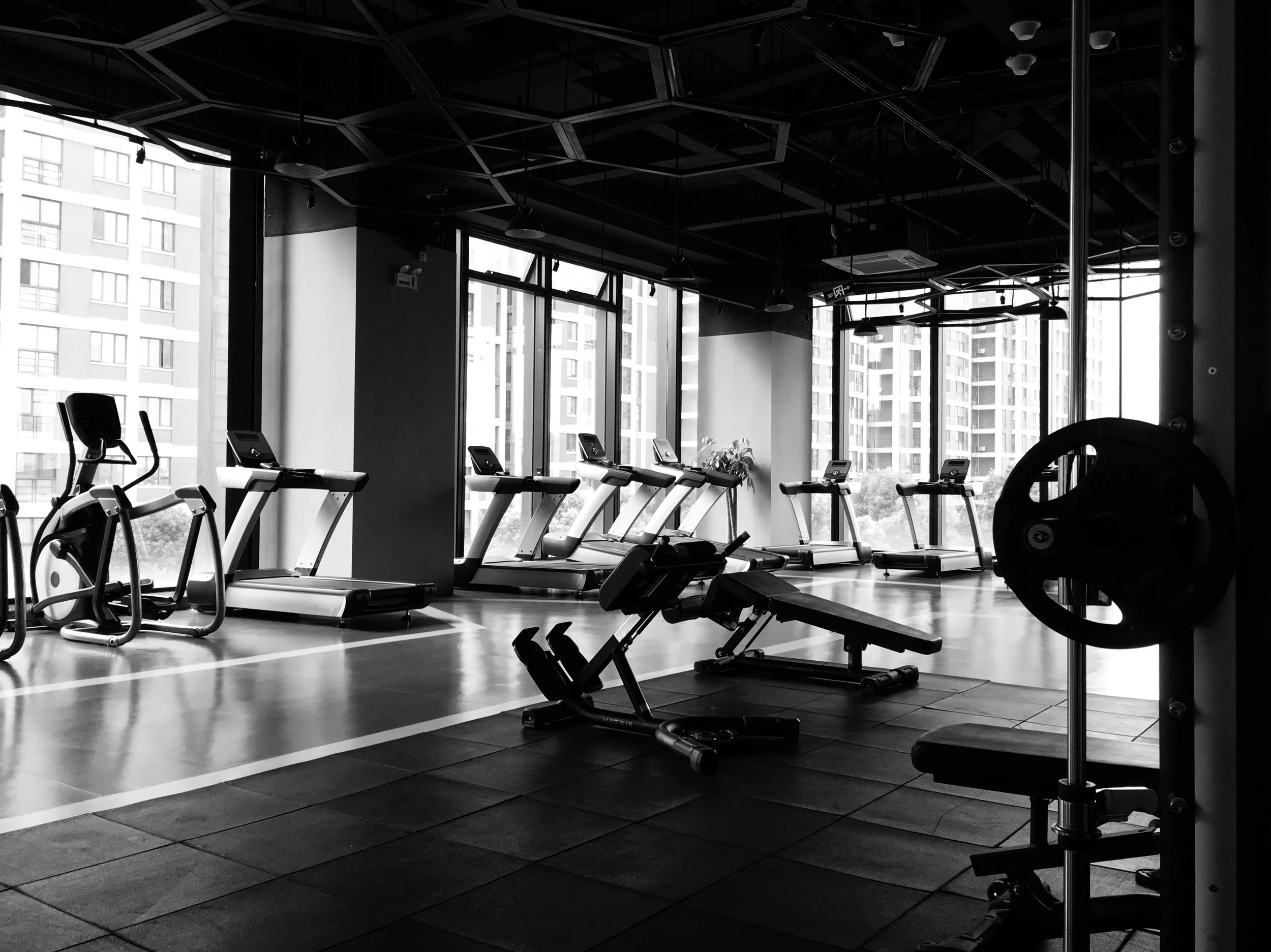
PHOTO CREDIT | Unsplash/Risen Wang
Opening or upgrading a gym involves many strategic decisions, but few are as influential as choosing the right commercial gym equipment. These choices shape the daily experience of members, affect safety and maintenance routines, and influence how efficiently the space is used. Equipment is not just a visual element of a gym; it plays a central role in performance, reliability, and long term sustainability. Before committing to a purchase, gym owners should take time to understand several key factors that go beyond price or brand recognition. The following four points provide an educational foundation for making informed equipment decisions.
1. Understanding Your Members and Training Focus
Every gym serves a specific group of users, even if it aims to be inclusive. Understanding who your members are and how they train is the first step in selecting suitable equipment. A facility focused on general fitness will prioritize user friendly machines that accommodate a wide range of abilities. In contrast, a gym centered on strength training or athletic performance may require more specialized equipment.
It is also important to consider how members typically move through the space. Popular machines should be easily accessible, while quieter zones can house more advanced or niche equipment. By aligning equipment choices with member behavior and goals, gym owners can create an environment that feels intuitive and purposeful rather than crowded or confusing.
2. Durability and Long Term Reliability
Commercial gym equipment must withstand constant use, often from early morning until late at night. This level of demand makes durability a critical consideration. Build quality, materials, and engineering all affect how equipment performs over time. Frames should be stable, moving parts should operate smoothly, and surfaces should resist wear from repeated contact.
Beyond physical strength, owners should consider how easily equipment can be maintained. Access to replacement parts and straightforward servicing reduce downtime and operational stress. Consulting a professional gym equipment provider can help gym owners understand typical durability standards, but independent evaluation remains essential. Choosing equipment designed for long term use often reduces overall costs by minimizing frequent repairs or early replacement.
3. Safety, Ergonomics, and User Comfort
Safety is a fundamental responsibility for any gym owner. Equipment design plays a major role in reducing injury risk and supporting proper exercise technique. Ergonomic features such as adjustable seats, clear range of motion, and balanced resistance help users train with confidence. Machines that accommodate different body sizes and movement patterns are especially valuable in facilities with diverse membership bases.
Clear instructions and visible adjustment points also enhance safety by reducing misuse. Equipment should comply with relevant safety standards and be installed correctly to function as intended. When safety and comfort are prioritized, members are more likely to use equipment consistently and feel confident exploring different types of training.
4. Space Planning and Future Flexibility
The physical layout of a gym has a direct impact on how equipment is used. Machines should be arranged to allow natural movement, sufficient spacing, and easy supervision. Poor layout choices can lead to congestion, reduced accessibility, and inefficient use of floor space.
Gym owners should also think beyond current needs and consider future growth. Membership increases, new training programs, or changing fitness trends may require adjustments. Selecting versatile equipment from a trusted commercial fitness equipment supplier or gym equipment manufacturer allows for smoother adaptation. Multifunctional machines and modular designs can support evolving demands without requiring major reinvestment.
In addition to these four core considerations, it is helpful to view equipment selection as part of a broader operational system. Staff training, cleaning routines, and regular inspections all contribute to how well equipment performs over time. Learning from other gym operators and seeking guidance from experienced fitness equipment vendors can provide practical insights, especially during the planning phase.
Conclusion
In conclusion, buying commercial gym equipment is a long term decision that influences safety, member satisfaction, and operational efficiency. Understanding member needs ensures that equipment matches actual usage. Focusing on durability supports reliability and cost control over time. Prioritizing safety and ergonomics protects users and improves their overall experience. Thoughtful space planning and flexibility prepare the gym for future changes. By approaching equipment selection with these principles, gym owners can build a functional and sustainable fitness environment that supports both present operations and long term goals.

PHOTO CREDIT | Pexels/Alina Bystrova
Every major economy wants to lead the world in technology, but only a few regions have managed to balance rapid growth with strong consumer protections and innovation-friendly rules.
Northern Europe has quietly pulled ahead of global rivals by combining progressive regulation, top-notch digital infrastructure, and a culture of collaboration between governments and industry.
This mix hasn’t just benefited homegrown startups—it’s turned the region into a magnet for global investment and pioneering sectors like iGaming.
In this article, I’ll break down how Northern Europe built its advantage, explore what’s working for industries on the ground, and point out lessons that other regions can actually use.
It’s no accident that Estonia, Latvia, and Lithuania now top the leaderboard for digital-first iGaming sectors in Europe. These Baltic states took a calculated risk early on, embracing progressive regulation while most of the continent hesitated.
Their approach wasn’t just about legalizing online gaming. Policymakers worked closely with both industry leaders and consumer groups to draft clear rules on licensing, taxation, and player protection. This collaborative strategy created stable ground for global operators to invest—while keeping black-market activity to a minimum.
One thing that stands out from my conversations with founders is how quickly these countries adapt. When new tech or business models appear (think blockchain betting or mobile-first platforms), regulators invite dialogue rather than defaulting to bans. It’s this open-door policy that gives companies confidence to test new ideas without fear of regulatory whiplash.
The results speak for themselves: Baltic iGaming firms attract international capital, export digital products across Europe, and draw in top tech talent from Sweden to Ukraine. For a closer look at the region’s regulatory foundations and why it works so well, see Baltic iGaming hubs.
For Northern Europe—and anyone watching—the Baltic experience proves that smart regulation isn’t just possible; it’s profitable.
Northern Europe has pulled ahead in the global tech policy race by focusing on three key pillars: world-class digital infrastructure, collaborative policy-making, and a relentless emphasis on digital skills and inclusion.
This mix allows the region to move fast but thoughtfully, giving both established companies and startups the confidence to invest and innovate locally.
Let’s break down these pillars and see how they give Northern Europe its edge.
High-speed internet isn’t just convenient in Northern Europe—it’s a given.
The region leads Europe in gigabit broadband coverage, with countries like Finland and Sweden regularly topping charts for network quality.
The 2023 State of the Digital Decade report shows that widespread 5G adoption and seamless cross-border digital services are now standard across much of Scandinavia and the Baltics.
This foundation means businesses don’t have to worry about connectivity gaps when rolling out cloud platforms or AI tools—even in rural or remote areas.
One thing I noticed during trips to Tallinn and Helsinki: locals treat fast Wi-Fi as casually as tap water. That level of access drives both tech entrepreneurship and digital inclusion from day one.
No single group sets the rules alone here. Governments, industry leaders, and civil society work side by side to create regulations that encourage innovation without letting social responsibility slide.
A recent study in Environmental Science & Policy highlights how platforms for open dialogue between public agencies, tech firms, labor groups, and citizens have become common practice across Northern Europe.
This approach helps spot potential pitfalls early—before new policies launch—and gives everyone involved a stake in making regulation work long-term.
I’ve sat in on panels where startup founders debated policymakers face-to-face; it’s clear that consensus-building isn’t just lip service but a core part of governance here.
Northern European countries invest heavily in tech education at every stage—school-age coding bootcamps are normal, while adults get free or subsidized upskilling programs whenever technology shifts threaten their jobs.
A 2024 Nordregio report found that sustained investment in digital skills initiatives keeps Nordic-Baltic economies resilient. Even as automation reshapes industries, workers adapt rather than get left behind.
The payoff is clear: higher rates of digital literacy mean more people participating in—and benefiting from—the region’s tech-driven economy. There’s also strong emphasis on closing gender gaps and including marginalized communities, making these advances broadly felt across society.
I’ve seen firsthand how this focus creates an environment where everyone can contribute new ideas—not just those with computer science degrees or urban backgrounds.
Digital Inclusion in Nordic-Baltic Region
Northern Europe has built a reputation for nimble regulation, where governments are open to testing bold ideas and quickly iterating on what works.
This willingness to experiment sets the region apart, especially in sectors where technology and policy move at different speeds.
Initiatives like regulatory sandboxes, green mandates, and a relentless focus on privacy show how policy can keep up with rapid digital change while protecting the public good.
One thing that stands out about Northern Europe is its embrace of regulatory sandboxes—safe spaces for companies to test new technologies under real-world conditions but within a set of clearly defined rules.
The Baltic states have become an unlikely powerhouse here. A 2024 study spotlights how their FinTech sandboxes have provided exactly the right balance: encouraging startups to innovate while regulators keep a watchful eye on risks.
This setup has attracted outside investment and inspired other countries to rethink rigid frameworks. By focusing on flexibility, these nations have proven that oversight and experimentation can coexist—and even feed off each other for better outcomes. Baltic FinTech Sandboxes highlights just how effective this approach has been in setting new standards for tech regulation.
Sustainability isn’t an afterthought in Northern Europe’s digital agenda—it’s front and center. Governments here actively reward companies for pursuing eco-friendly solutions, whether it’s through grants, tax breaks, or streamlined permitting processes for green tech pilots.
I’ve seen firsthand how digital policies support green skills development—not just teaching people coding but training workers in smart energy grids or circular economy platforms. The commitment isn’t just political; industry coalitions work alongside government bodies to make sure sustainability isn’t left behind when scaling up innovation.
The Green Skills & Transition Policies report makes it clear: cross-sector partnerships drive both greener economies and more competitive ones in this region. That’s something regions chasing climate goals can’t afford to overlook.
Northern Europe walks a fine line when it comes to data protection. Regulators set tough standards for privacy—think GDPR as a baseline—but they don’t let caution turn into paralysis.
This is possible because of constant dialogue between policymakers, tech firms, and civil society groups. It’s not unusual to see collaborative task forces crafting new rules or revising them when unintended issues pop up.
The result is impressive: consumers trust the system with their data because they see transparency baked into every step. According to the Privacy-Innovation Balance analysis by the Atlantic Council, this approach doesn’t just safeguard rights—it keeps innovation alive by making usability as much of a priority as security or compliance. That’s a lesson many larger markets still struggle with today.
Northern Europe’s approach to tech policy offers more than just a success story—it’s a toolbox of strategies that policymakers worldwide can adapt.
The region shows how thoughtful partnerships, clear regulatory frameworks, and an emphasis on digital skills deliver results.
However, it’s not as simple as copying and pasting these solutions. Local context matters just as much as best practice.
One thing that stands out in Northern Europe is the close cooperation between government, industry, and academia.
Take the Netherlands: public-private R&D alliances aren’t just buzzwords—they’re baked into digital policy at every stage.
This model speeds up innovation cycles and makes sure research stays relevant to market needs. According to a recent OECD overview, these Dutch partnerships have helped set priorities and build resilience in the tech sector. See Dutch Public-Private R&D for concrete examples.
I’ve found that this kind of collaboration builds real trust and helps everyone move faster when new challenges or opportunities appear.
Northern European countries aren’t keeping their playbook to themselves. Their regulatory ideas are shaping conversations across the EU and further afield.
The 2024 EU AI Act is a prime example—it borrows directly from Nordic transparency standards and accountability mechanisms. These principles now influence how all 27 EU countries approach AI oversight. For details, check out EU AI Act 2024.
This export of regulation shows that strong local models can set global standards when they balance innovation with public trust.
While Northern Europe leads the way, applying its model elsewhere isn’t always straightforward.
Countries looking to follow suit face hurdles—from different economic structures to varying levels of digital readiness and trust in institutions.
A 2023 review warns that successful adaptation requires more than legislation—it demands attention to context, capacity, and consumer expectations. For a nuanced take on these issues, see Tech Policy Adaptation Challenges.
The lesson here: tailor global inspiration to fit local realities for long-term success.
Northern Europe’s record shows that a smart mix of innovation, digital inclusion, and proactive regulation can turn policy into a true economic asset.
The region didn’t get ahead by accident. It combined strong digital infrastructure with open policymaking and an eye for both opportunity and risk.
What stands out is the willingness to experiment—whether through sandboxes, green incentives, or stakeholder collaboration. This approach keeps rules current without stalling progress.
As technology shifts, others can look to Northern Europe for practical lessons on sustainable, resilient governance. If you want to build a policy framework that lasts, this is the playbook worth studying.

PHOTO CREDIT | Unsplash/Jared Rice
An eating disorder influences every aspect of the life of the affected individual. These conditions affect a person's physical health, their thought processes, and their emotional well-being. Recovery often requires specialized support. A therapist specializing in eating disorders offers personalized guidance and supervision. Here are some of the areas therapists focus on when helping individuals manage their eating disorders:
Building trust and creating a safe environment for their clients is a major priority for any eating disorder therapist. Having trust helps a client open up about their situation. They create a space for you to be seen and heard without judgment. You can discuss your eating habits, thought processes, and emotions around food. Building trustw at an early stage facilitates fruitful discussions during the sessions.
In the first appointment, the therapist collects information about the person, their history, and the symptoms. They ask about dietary practices, psychological well-being, and any history of illnesses. This data helps them identify any underlying issues and plan for treatment. Goals are set collaboratively, with the practical limitations of the client and their preferences taken into account, making sure that they are consistent with the client's values and their reason for seeking therapy.
Many individuals who struggle with eating disorders think about food, their bodies, and their self-worth very differently from other people. Therapists help them identify irrational beliefs that may fuel unhealthy behaviors. The techniques of cognitive restructuring prompt clients to dispute their negative thoughts and adopt more constructive views of themselves and the consequences of their behavior. This is important because these interventions try to reduce self-criticism and help individuals see themselves in a better light.
Disordered eating is often a result of stress, anxiety, and other negative emotions. A therapist helps you use practical coping skills to deal with these triggers. Developing alternative coping strategies helps the individual move away from unhealthy habits. Therapists share relaxation methods and exercises to practice mindfulness. These tools allow you to react to challenges in healthier ways.
Addressing the emotional triggers of eating disorders is one of the essential elements of treatment. The session may focus on the links between eating and emotions. Recognizing specific triggers allows clients to see their patterns. By helping individuals safely and constructively express their feelings, therapists help reduce the temptation to use food as a coping mechanism.
Therapists here help clients develop a more positive relationship with their bodies. This effort can involve combating unrealistic social expectations and shifting focus towards personal values and self-worth that are unrelated to physical appearance. Promoting body acceptance and functionality aligns with long-term recovery.
Therapists often work with dietitians to share information regarding nutrition. Understanding how food impacts your physical and emotional health can alleviate a lot of the guilt and confusion that surrounds your eating habits. If someone comes to therapy with an eating disorder, they will work with the therapist to create a routine of when to eat and what to eat. This approach ensures that meals are balanced, nourishing, and enjoyable. Structured meal planning as part of the therapy can help individuals develop a normal relationship with food.
Having a support system to help patients cope during their recovery can be invaluable. Therapists help clients communicate their desires to family and friends. These might include involving caregivers in sessions to teach them about eating disorders and ways to support their loved ones. Building these relationships establishes a support system of encouragement and accountability outside of therapy.
An eating disorder therapist works with clients in a professional and empathetic manner throughout the recovery process. By fostering trust, reinforcing positive thought patterns, teaching healthy coping skills, and building support systems, therapy allows individuals to learn how to form healthy relationships with food and their bodies. Recovery can come in many forms, and consistent support makes it manageable.