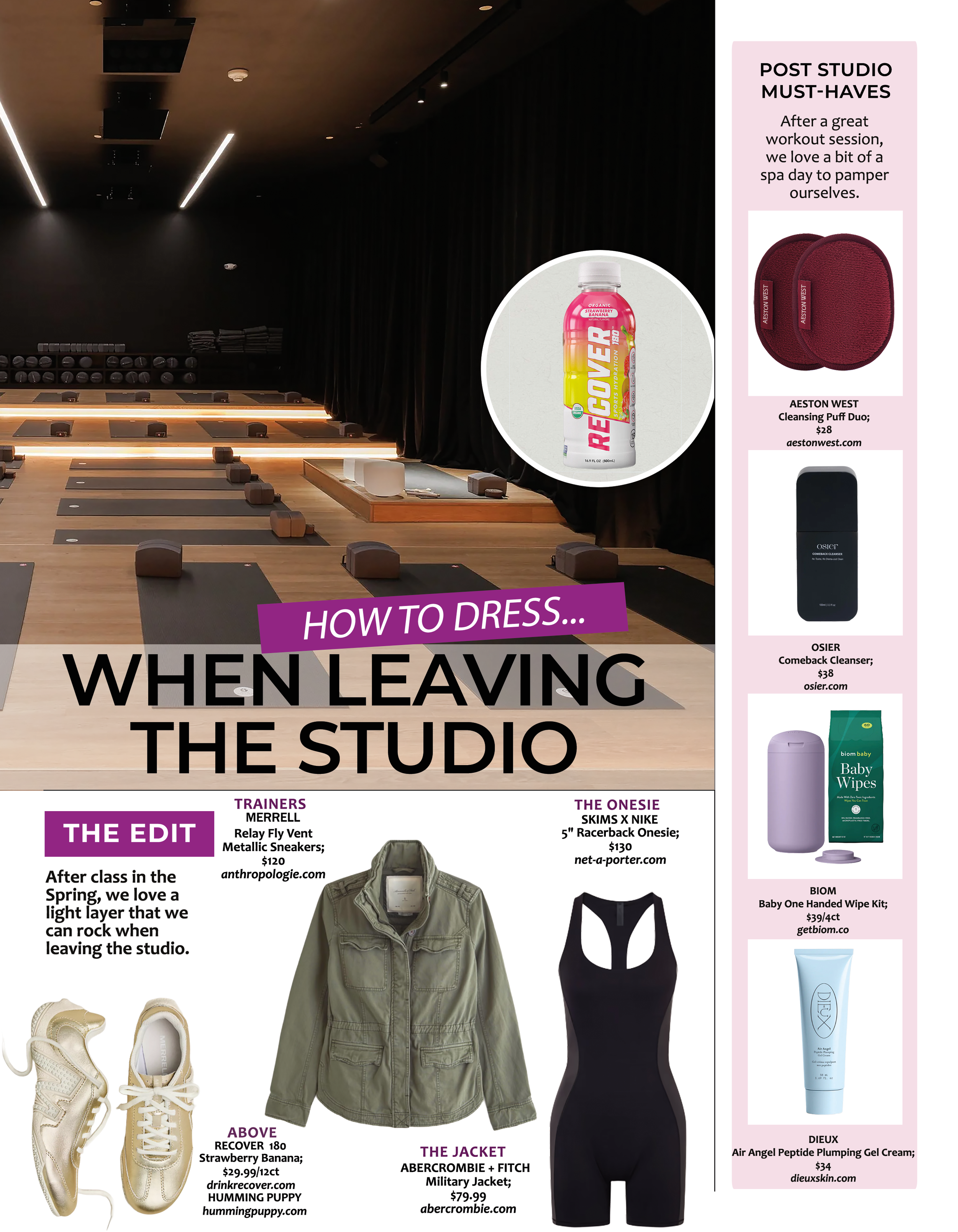
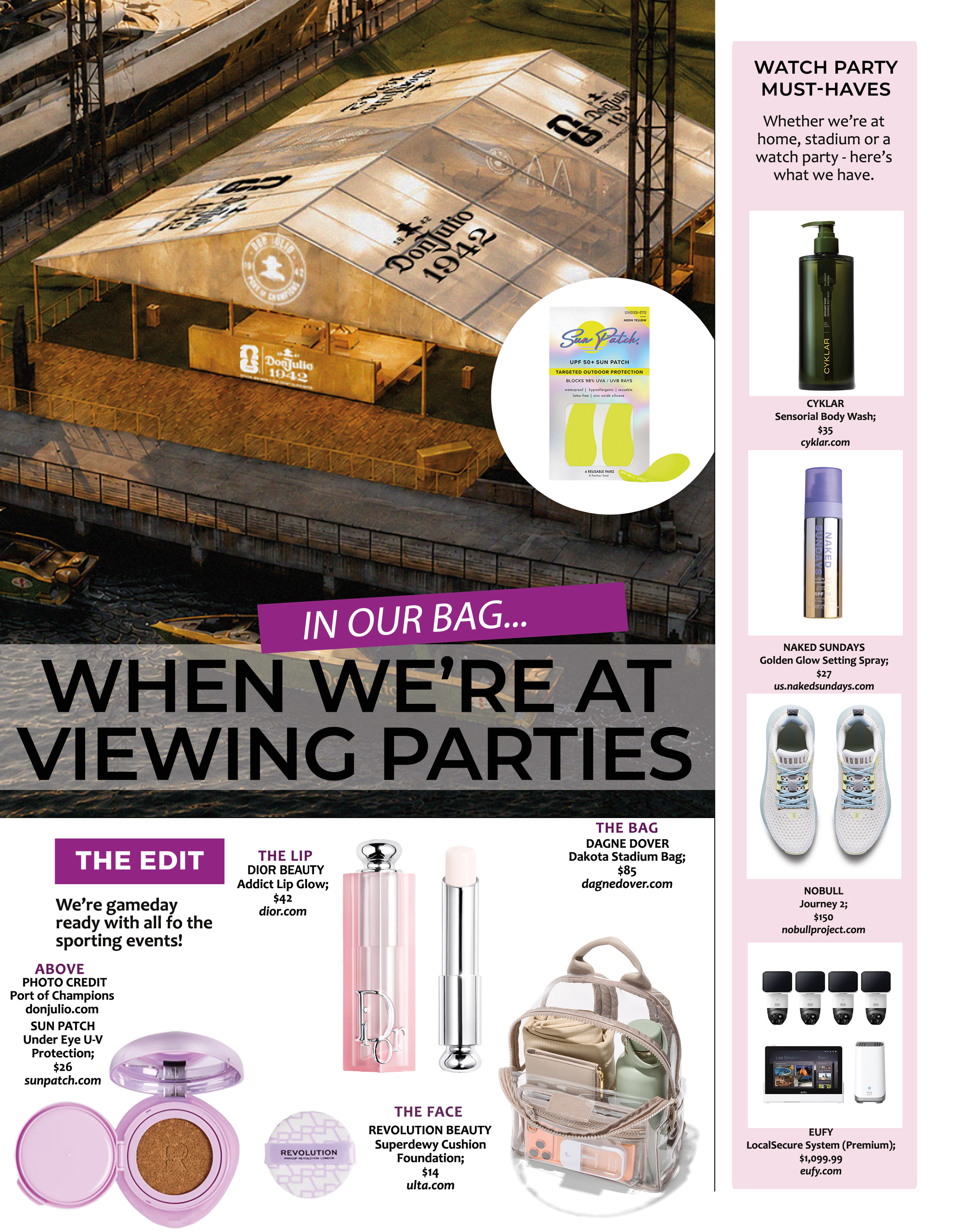
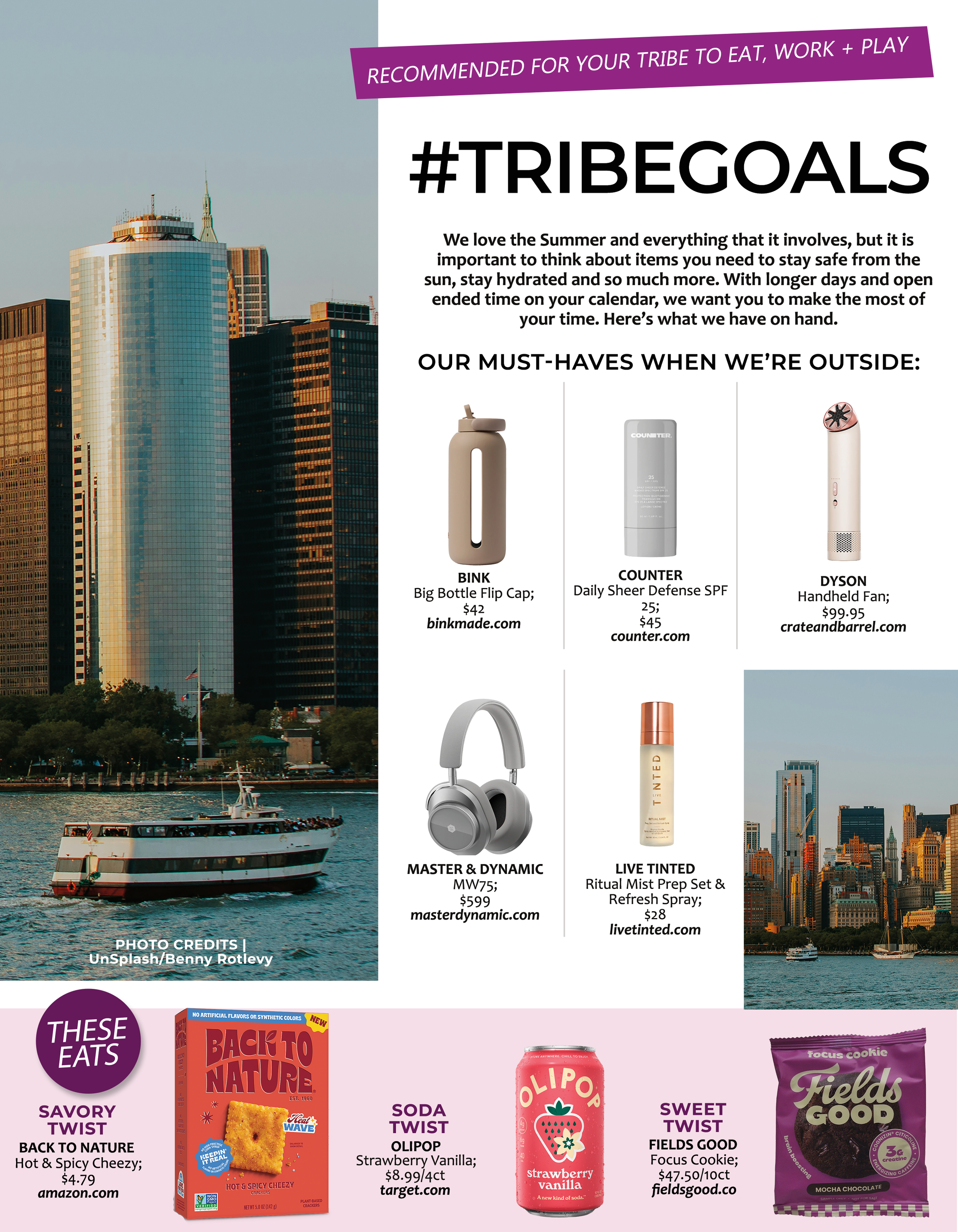
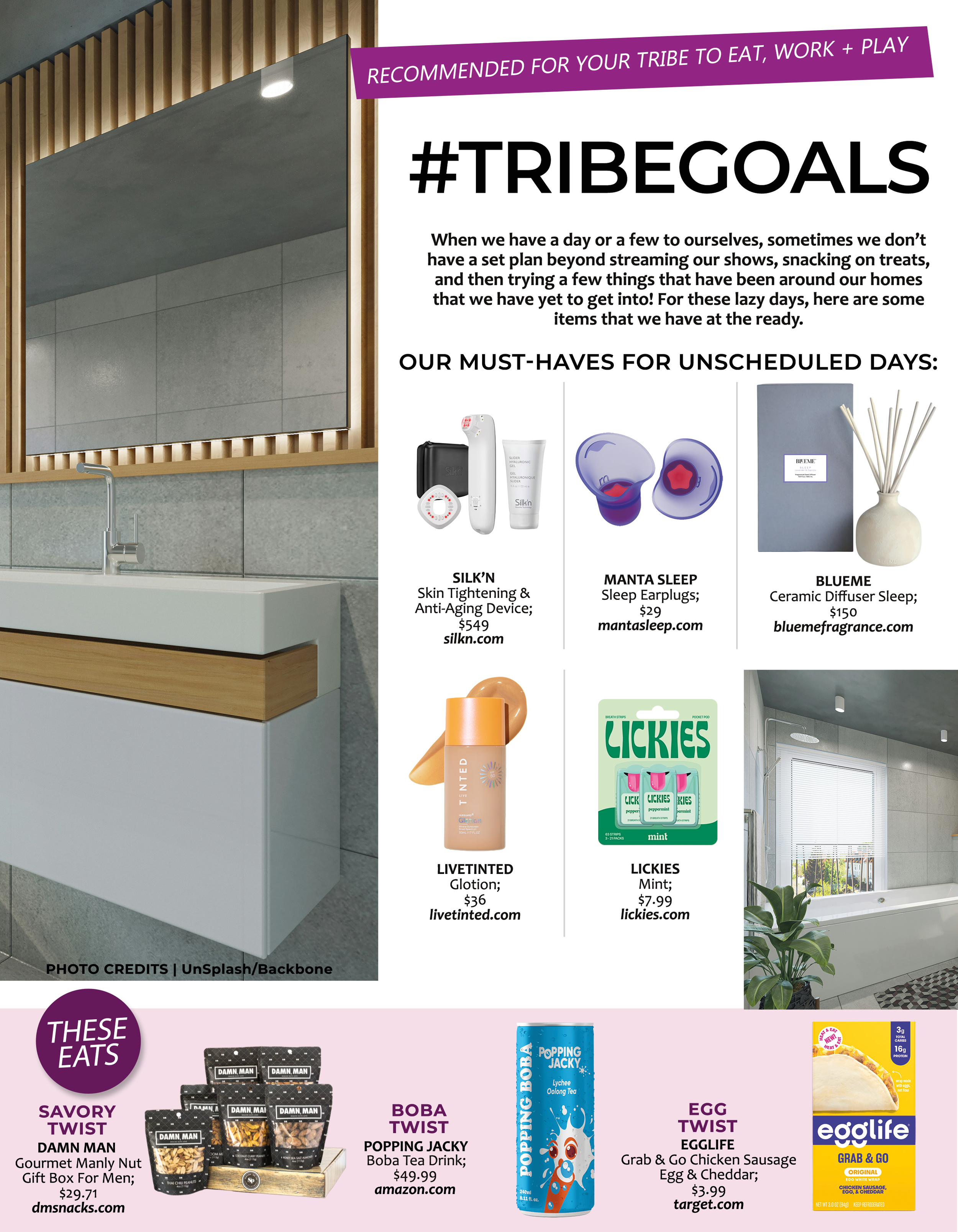
Read the MAY ISSUE #125 of Athleisure Mag and see ATHLEISURE BEAUTY in mag.
The Latest

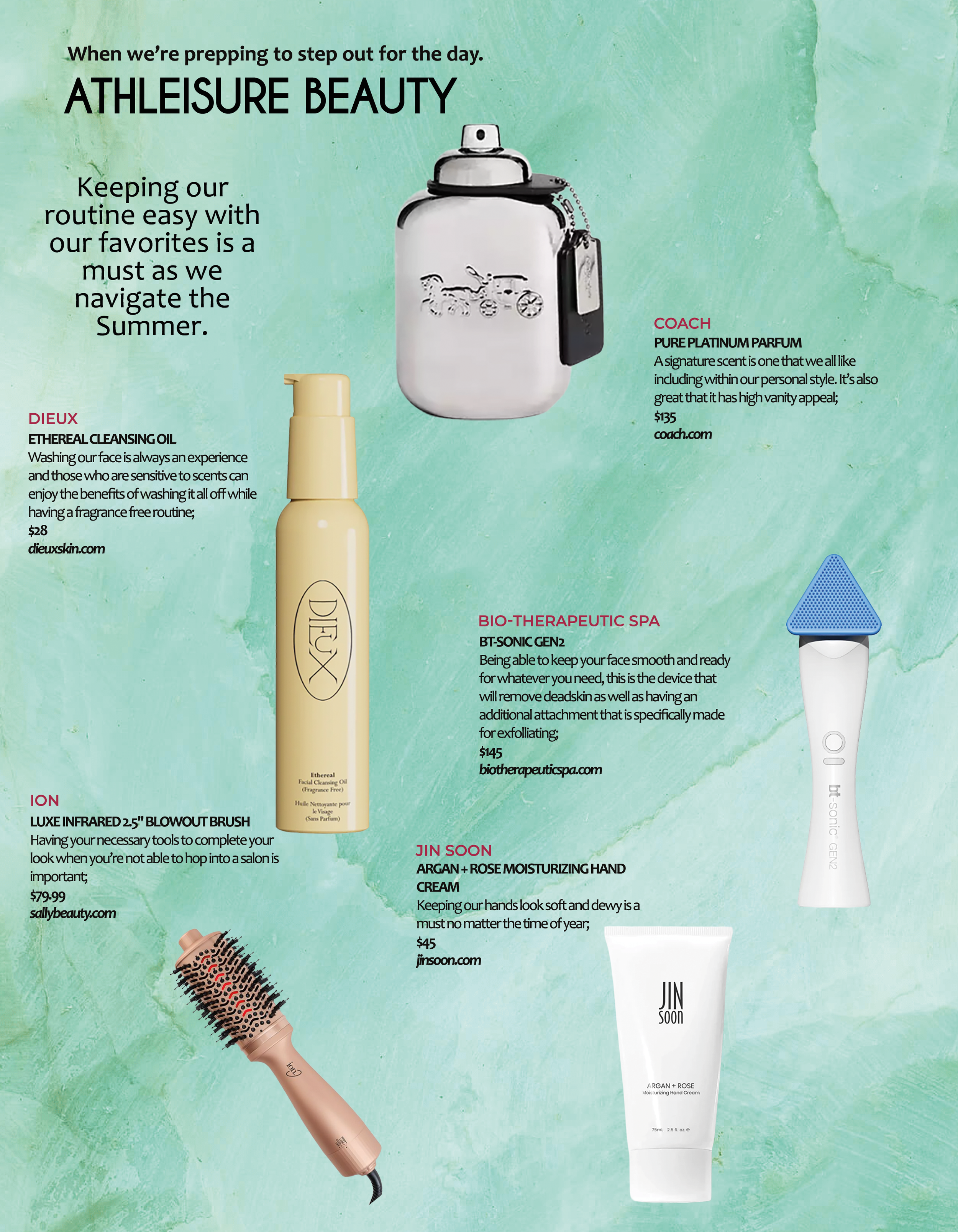


Read the MAY ISSUE #125 of Athleisure Mag and see ATHLEISURE BEAUTY in mag.
Blackjack has a simple goal: reach 21 without busting while beating the dealer. Smart players know luck alone never protects a chip stack. Many beginners join an online casino, open the lobby, notice the bright Vulkan Vegas rembranding, smile, and imagine leaving the casino with pockets of cash. Across Hungary, curious card fans read about online casinos before placing a bet, hoping to uncover the best casino for their style. The first secret they meet is basic strategy—the proven chart that tells a player when to hit, stand, double, or split. Used correctly, the sheet shrinks the house edge to almost zero and turns guesswork into discipline. This guide breaks that chart into friendly steps anyone can remember. By the final paragraph, every reader will be ready to play smarter, feel confident, and keep more of their hard-earned chips. All it takes is focus and a tiny bit of math.
As most table games give the house an unfair advantage, blackjack allows its player to fight back through smarter decisions. When someone follows their emotions all night long instead of adhering to basic strategy principles, their house edge could reach four percent; when using basic strategy the edge drops below one percent. Saving three dollars out of every hundred may not seem significant at first glance, yet over an extended session it can add up quickly. Basic strategy builds discipline as emotions such as fear or excitement no longer dictate risky moves. The chart provides guidance, for instance: "Stand with 16 against a dealer 6," or "Hit soft 18 versus 9." Hearing such advice over multiple hands trains players to protect their bankroll and walk away when ahead; additionally it creates an even playing experience among casual gamers who might sit beside experienced card counters who all want an equal shot at beating the shoe tonight too.
At first glance, a basic strategy chart appears as an intricate web of colored squares; yet its purpose is surprisingly straightforward: hit when your hand is weaker than that of the dealer's up card - for instance when hitting on hard 9 against dealer 7 requires assistance (hitting), stand is when to do just the opposite (Hit when your hand outshines their upcard, stand otherwise.). When your hand is strong or the dealer looks likely to bust, or when doubles bring additional chips into play, a stand should be called for as per the chart. Hard 13 through 16 against dealer 6 would typically constitute such an instance; double brings more cash into play! When math indicates a high chance of victory with just one more card, Double flashes on the chart, such as when facing off hard 10 against 9, soft 17 against 4, twos threes sevens 8s or aces often get split to increase chances at victory and save bankroll over several rounds.
Memorizing every square of the full chart isn't necessary; players can simplify decisions into three principles. First, treat dealer cards seven or higher like bullies - hit until at least 17 and double when possible (for instance 10-11 doubled against 7+ dealer). Secondly, view dealer cards two through six like weak knees that need protection; hit as necessary until 17+ and double when 10 or 11 appear against such weak legs. Finally, treat any cards two through six like weak knees which deserve support (eg by hitting until 17 and doubleing 10+ against them before making final decisions - three quick principles can make decisions easy! Thirdly, when the dealer limps, always stand on 12 or higher and double hard totals from 9 through 11. Finally, remember the golden pair rule: never split tens; always split aces and eights instead. For convenience's sake, print and tape a pocket-size chart onto the back of a phone! One glance can provide the answers without breaking casino regulations. Some players opt to color-code the chart at home in an easy and efficient manner: green for hits, red for stands and yellow for doubles/splits are some ways players have made quick work of memorizing math for faster performance in record time forever.
Mastery of your chart is only half the battle; successfully using it with real money requires practice too. Free online simulators make ideal practice grounds as players can pause after every hand and double-check that their move was appropriate - after several hundred rounds your patterns should become second nature! Start small when visiting live tables: five dollars is usually sufficient. Set clear bankroll limits--30 times the table minimum--and stick with them; should your stack double, set aside half of any winnings so the session cannot end in debt. Pacing is also crucial; frequent short breaks to refresh and avoid tilt are highly advised. Finally, players must realize that even flawless strategy cannot transform blackjack into an ATM machine; good play merely lowers the house advantage for more enjoyable experiences each time around.
Below is a mini-chart that summarizes the most common hands. It is not exhaustive, but it covers more than ninety percent of situations a beginner meets at a six-deck table where the dealer stands on soft seventeen.
• Hard five-to-eight – Hit
• Hard nine: Double against dealer three-to-six, otherwise hit;
• Hard ten-to-eleven: Double against dealer two-to-nine, otherwise hit;
• Hard twelve-to-sixteen: Stand against dealer two-to-six, otherwise hit;
• Hard seventeen-to-twenty: Always stand;
• Soft thirteen-to-fifteen (A2-A4): Hit;
• Soft sixteen-to-eighteen (A5-A7): Double against dealer four-to-six, otherwise hit;
• Soft nineteen (A8): Stand, but double against dealer six;
• Pairs of twos, threes, or sevens: Split against dealer two-to-seven;
• Pair of sixes: Split against dealer two-to-six;
• Pair of eights or aces: Always split;
• Pair of tens: Never split.
Printing this list or saving it as a phone photo turns the theory in this article into a ready tool that speeds up decisions and keeps errors low for anyone.

PHOTO CREDIT | Unsplash/Yaroslav Muzychenko
A subclass 100 approval usually depends on persuasive proof of a genuine, continuing partnership. Decision-makers examine dates, shared duties, living patterns, and future intentions with close care. Small inconsistencies can trigger questions that slow progress or weaken confidence. Better outcomes often follow from early planning, orderly records, and timely updates. Couples who treat the process as an evidence task, rather than a paperwork exercise, usually present a clearer and more credible case.
Many permanent partner cases turn on whether the relationship history reads as steady, coherent, and well supported. Clear records linked to the subclass 100 partner visa help show commitment, shared planning, and continuity across time. A dated timeline, backed by messages, flight records, lease papers, and joint accounts, gives the case officer a practical way to follow events without guessing.
Date conflicts can quickly damage an otherwise sound file. Forms, travel records, leases, bank activity, and official notices should align closely. If time apart occurred because of work, study, or family duties, that period needs a plain explanation. One mismatch may lead an officer to question other material, even where the broader relationship history appears genuine and stable.
Useful evidence shows how the partnership works in ordinary life, not just during milestones or travel. Case officers usually respond to practical detail more readily than broad declarations. Shared routines, family responsibilities, household tasks, and future plans all help build credibility. Short statements should explain daily patterns in simple language, with enough detail to show a lived and continuing bond.
A stronger statement may mention who pays school fees, who prepares meals, or how weekends are usually spent. Practical examples carry more weight than affectionate but vague descriptions.
Financial material often matters because it can reflect long-term interdependence in a concrete way. Joint accounts, rent payments, insurance cover, shared loans, and major purchases may all support the application. Where money remains partly separate, you should clearly explain the reason. Cultural practice, employment arrangements, or access limits can all make that structure understandable without weakening the broader case.
Evidence of living together usually needs more than a lease or one utility account. Strong files combine address records with delivery receipts, mail, household bills, and photographs taken inside the home. If the couple spent time apart, the reason should appear plainly in supporting statements. Ongoing contact during that period can help show the relationship remained active and committed.
Social evidence works best when it reflects ordinary life across different settings and times. Photographs with relatives, invitations, shared travel, and public recognition of the relationship can all help. Volume alone rarely adds much value. A varied set of records usually serves the file better than many near-identical images from one event or celebration.
An application should remain current from lodgement until the final decision. New passports, address changes, pregnancies, births, travel, or periods apart should be reported without delay. Old details can create concern about reliability. Couples also benefit from keeping copies of each form, notice, and upload, so later requests can be answered quickly with matching records and consistent and accurate information.
Late police certificates or delayed medical steps can unnecessarily slow down a strong case. Early preparation gives applicants more time to gather records from each country of residence. Health checks may also require planning where appointments are limited. If any character or medical issue may need explanation, a direct statement supported by documents usually serves the case better than silence.
A request for more information should be answered in a complete and orderly way. Each item in the notice needs a direct response, with labels that mirror the department's wording. Relevant material helps, while random extras can make review harder. A concise, well-structured reply often improves readability and shows that the couple understands what the officer actually needs.
Personal statements still matter, though they work best when linked to documents and observable facts. A claim about commitment should connect with shared bills, travel records, caregiving duties, or future plans. Emotional language on its own rarely persuades a decision-maker. Calm, factual writing usually creates a clearer impression and makes the relationship easier to assess fairly.
Improving Subclass 100 success chances usually comes down to consistency, preparation, and accurate record keeping. Strong applications present a believable relationship history, support key claims with documents, and stay current as circumstances change. Each piece of evidence should strengthen one clear account of shared life and ongoing commitment. When the file is orderly and current, decision makers can review it with greater confidence, which can materially improve the final outcome.
Sports bring people together at places like Shorty Howell Park or the Bunten Road Park community centers. When a local athlete gets hurt because of someone else's mistake, the path to getting better involves more than just physical therapy. It requires a clear understanding of the legal protections available under Georgia state law to ensure medical bills and lost opportunities are addressed.
How athletes in Duluth, GA, can protect their rights after a personal injury depends on taking the right steps early on. Protecting a future career or a scholarship means knowing how to preserve information and follow the specific rules set by the courts in Gwinnett County. This focus helps maintain the integrity of a potential legal claim while the athlete focuses on a full recovery.
In Georgia, the link between the accident and the physical harm must be clear. Seeing a doctor right away creates an official record that connects the sports injury to the specific event. Waiting too long allows insurance companies to argue that the pain came from a different activity or a previous practice session. Athletes often try to tough it out, but this can weaken their legal standing later.
Protecting a claim starts with identifying every party that might be responsible for the harm. This could include equipment makers, property owners, or even event organizers who ignored safety rules. In a growing city like Duluth, GA, local safety standards are vital for every sports facility. Athletes injured in Duluth, GA, have legal rights that deserve to be fully understood and protected.
Whether the injury happened on a poorly maintained court or during a poorly supervised event, those rights do not disappear simply because the incident occurred during athletic activity. A Duluth personal injury lawyer from reputable law firms like Slam Dunk Attorney, a firm renowned for its consistency in results, can help injured players sort through the details of their incident to identify who should be held accountable. Having a legal advocate allows the athlete to stay focused on their training and healing while the paperwork is handled.
Spoliation is a legal term used when someone destroys or hides evidence that is important to a case. In sports, this might be a video of a game or a piece of broken gear that caused the fall.
Georgia law protects victims if they can show that the other side intentionally got rid of things that would prove what happened. "When a facility allows essential footage or equipment to vanish, they aren't just cleaning up a mess; they are compromising the truth," says Peter Jaraysi, a Duluth personal injury attorney.
If a gym or a school deletes security footage after being told to save it, a judge might tell the jury to assume the footage showed the defendant was at fault. This helps level the playing field for the injured athlete.
Proving a case requires gathering specific types of information as soon as possible. Because Duluth, GA, is home to many competitive leagues, the details of the environment often matter most. National data from the CDC indicates that traumatic brain injuries (TBI) remain a major concern, with 190 TBI-related deaths occurring daily in the U.S. in 2021. To build a strong case, an athlete should try to collect:
Photographs of the location where the injury happened, including any hazards or broken gear.
Contact information for teammates or spectators who saw the incident occur.
Official reports from coaches, trainers, or facility managers who were on duty.
Records of all medical treatments, including physical therapy and specialist visits.
E-discovery is the process of finding evidence in digital formats like texts or social media posts. For an athlete, this might include electronic logs from a fitness tracker or digital records of maintenance at a local facility near the Gas South Arena.
These digital footprints can prove exactly when an injury happened and what the conditions were like at that moment. Georgia's rules of evidence allow these digital files to be used in court as long as they are collected correctly.
To discuss how to preserve digital evidence or address facility liability, players can contact Slam Dunk Attorney at (678) 329-9750, located at 10 minutes drive from the Basketball Court, 3340 Church St, or visit the office at 2250 Satellite Blvd NW, STE 120, Duluth, GA 30097.
Georgia follows a rule called modified comparative negligence under O.C.G.A. § 51-12-33. This means if an athlete is found to be 50 percent or more responsible for their own injury, they cannot collect any money. However, if they are less than 50 percent at fault, they can still recover damages, though the amount is reduced by their percentage of fault.
How long do I have to file a lawsuit in Georgia?
Under O.C.G.A. § 9-3-33, the statute of limitations for personal injury is typically two years from the date of the injury. Missing this deadline usually means you lose the right to seek compensation forever.
Can I sue if I signed a liability waiver?
Waivers do not always protect a company from being sued if it acted with gross negligence. A lawyer must review the specific wording of the waiver and the facts of the accident.
What kinds of damages can an injured athlete recover?
Injured athletes can seek compensation for economic damages, such as medical bills, future rehabilitation costs, and lost wages or lost athletic scholarship opportunities. They may also pursue non-economic damages for pain and suffering, emotional distress, and the loss of enjoyment of life or sports activities.
An active life does not have to happen indoors. For a growing number of people, the best workout is a day on the water or a morning on the trail. Powersports turn the outdoors into the gym, and the results stick because the fun does. The hours add up without anyone watching a clock.
The right machine makes that lifestyle easy to start. A North Carolina dealership like the Avalanche Motorsports Official Site stocks boats, ATVs, and RVs built for exactly this kind of outdoors, with a full-service department behind them. This piece looks at how powersports fit an active routine and how to begin.
Getting outside beats the gym because it does not feel like exercise. Steering a boat, riding a trail, or loading gear all keep the body moving without a single rep counted. The motivation takes care of itself. An hour flies by when you are steering, not staring at a screen.
The health case is real, too. The CDC notes the benefits of physical activity reach the body and the mind, from heart health to sharper thinking. Time outdoors quietly delivers a lot of that.
There is a social side as well. Powersports pull in friends and family, the same way a nutrition plan supports any active routine. The shared day out is what keeps people coming back. It is the same spark that has athletes pushing limits in any sport, just with a motor and a view.
The right machine depends on how you like to move. A few options cover most active lifestyles:
A runabout boat, for swimming, tubing, and easy days on the lake.
An ATV, for trail riding and reaching spots a car cannot.
A side-by-side, when you want to bring people and gear along.
A personal watercraft, for a fast, high-energy time on the water.
An RV, for chasing trails and water across a whole region.
A golf cart, for low-key movement around a property or community.
Each suits a different kind of day. The trick is matching the machine to how you actually want to spend your time outside. Buy for the days you will really have, not the ones you only imagine.
Safety is what keeps an active day from ending early. The basics are simple: wear the right gear, know the machine, and respect the conditions. None of it slows down the fun.
A little training goes a long way. For helmets, rider age, and the habits that prevent the most common injuries, the CPSC's ATV safety center is the place to start. Reading it once tends to change how you ride.
On the water, the rules rhyme. A fitted life jacket, a check of the forecast, and a plan left with someone on shore turn a risky outing into a relaxed one. Preparation is the quiet part of every good day out. Skip it once, and a season can end with an injury instead of a memory.
The machine matters, but the dealer behind it matters just as much. A few things separate a good one:
A real service department, so repairs do not mean long waits.
Parts on hand, which keeps a short season from being wasted.
A range of brands, so you are matched, not upsold.
Honest guidance, especially for a first-time buyer.
Support after the sale, when the real questions show up.
A dealer that sells, services, and stocks parts keeps a machine running rather than parked. That is the difference between an active season and a frustrating one.
An active outdoor lifestyle is easier to keep up when it feels like fun.
Powersports deliver real physical activity without the gym grind.
Match the machine to how you actually like to spend time outside.
Gear, training, and a forecast check keep the day safe.
A full-service dealer keeps the machine ready when you are.
The best fitness plan is the one you look forward to. For plenty of people, that means a boat at the ramp or an ATV on the trailer, not a treadmill. Pick the machine that fits your idea of a good day, ride it safely, and keep it serviced. Do that, and the active life takes care of itself from there. The hardest part is just getting out the first time.
Yes, in a low-pressure way. Boating, riding, and loading gear all keep the body moving for hours without feeling like a workout. The activity is a byproduct of the fun, which is exactly why people stick with it far longer than a typical gym routine.
It depends on where you want to be active. A stable runabout boat suits lake days, while a single-rider ATV is a common first trail machine. The best starting point is an honest conversation with a dealer about your experience, your budget, and how you plan to use it.
Often, yes. Many areas require a boating safety certificate, and ATV riders benefit from a hands-on safety course even where it is not mandatory. Requirements vary by state and machine, so check local rules and treat training as part of the setup, not an afterthought.
Regular service is the key, ideally through a dealer that stocks parts and handles repairs. Off-season storage, fluid checks, and timely fixes prevent the breakdowns that waste a short active season. A machine that is maintained is a machine that is ready whenever you are.

PHOTO CREDIT | Unsplash/Christopher Gower
The businesses that bring in remote bookkeeping support and find it works well are not necessarily working with better bookkeepers than the ones who bring in the same level of support and spend three months managing errors, missed entries, and a set of books that requires significant cleanup before anyone can make decisions from them. The difference almost always traces back to what was built before the remote team member started working rather than to anything about their capability once they did. Process infrastructure is the variable that determines whether remote bookkeeping support produces clean, decision-ready financials or produces a second job for the business owner who now has to supervise work that was supposed to remove tasks from their plate.
The bookkeeping tasks that feel straightforward to the person who has been doing them for two years contain embedded decisions that aren't obvious to someone encountering the accounts for the first time. Which transactions get coded to which categories when the vendor serves multiple purposes. How to handle the owner's personal expenses that occasionally run through the business account. What the chart of accounts structure is and why certain categories exist that don't map to standard templates. How to treat the recurring transactions that arrive under slightly different descriptions each month from the same vendor.
None of that exists in a standard bookkeeping SOP, and none of it will be asked about in advance by a remote team member who doesn't yet know it's a question. It surfaces as an error in the first month's books, and the correction takes longer than the original task would have taken to do correctly if the information had been available at the start.
The documentation process that actually works isn't writing an SOP from scratch. It's recording a screen-share walkthrough of a typical month's bookkeeping while narrating the decisions being made in real time, then turning that recording into a written reference document. That process surfaces the embedded decisions that a written description from memory would miss, because the act of doing the task while describing it reveals the judgment calls that the task description alone doesn't capture.
A virtual assistant for bookkeeping needs access to the accounting platform, the bank feeds, and whatever document storage the business uses for receipts and supporting documentation. How that access is structured affects both what the team member can do and what the audit trail for their work looks like. Read-only access to bank feeds combined with transaction entry access in the accounting platform and view access to a shared receipt folder gives a remote bookkeeper what they need to do the work without access to the systems where errors would have the most significant consequences.
The access structure also determines what the review process looks like. A business owner who can see exactly what transactions were entered, when, and against which supporting documents has a review process that's specific rather than impressionistic. One who simply looks at the finished books and checks whether the numbers make sense is reviewing the output rather than the process, which catches the visible errors and misses the systematic ones.
Remote bookkeeping support needs a review cadence that's frequent enough to catch errors before they compound across a full period rather than infrequent enough that the first review happens at month end when three weeks of work needs to be untangled. A weekly review of entered transactions, fifteen minutes against the bank statement, catches the categorization errors and missing entries at the point where correction is a small adjustment rather than a reconciliation problem.
The review conversation matters as much as the review itself. A specific written comment on a miscategorized transaction, explaining why it should be coded differently and what the rule is for similar transactions in the future, teaches the team member the business's specific accounting logic in a way that simply correcting the entry without explanation doesn't. That teaching accumulates over the first few months into a remote team member who makes fewer errors, not because they got better at bookkeeping generally, but because they learned the specific accounting decisions this business requires and stopped encountering them as novel situations requiring a guess.

PHOTO CREDIT | Unsplash/Sarah Dorweiler
The content-first SEO instinct is understandable. Content is visible, it's controllable, it produces something tangible that can be pointed to in a monthly report, and the logic that more useful content produces more organic visibility is correct often enough that it becomes the default response to organic performance problems, regardless of whether content is actually what the problem is. The businesses that spend twelve months producing consistent, well-researched content and watching their organic traffic flatline or decline aren't failing because their content is bad.
They're failing because the technical environment their content is being published into is working against them in ways that no amount of content production resolves, and identifying that dynamic requires looking at signals that most content-focused teams aren't monitoring.
A sitemap submitted to Google Search Console with 800 URLs and an indexed page count of 340 is telling you something specific and important. The gap between those two numbers, and the breakdown of where the missing URLs are going, whether they're returning errors, flagged as duplicate content, excluded by crawl directives, or simply not being crawled because the crawl budget is being consumed by something else, is diagnostic information about what the technical environment is doing to content that's already been produced.
A technical SEO agency looking at this signal would immediately investigate what's in the excluded and error categories, because the content sitting in those categories isn't competing for anything regardless of its quality. Publishing more content into an environment with a 57 percent indexation rate compounds the problem by adding more pages to a system that's already failing to process what's there. The indexation gap needs to be resolved before content production rates have any meaningful relationship to organic performance outcomes.
Page experience signals don't produce dramatic ranking penalties in isolation, but they interact with content quality assessments in ways that create a cumulative disadvantage for sites with poor technical performance competing against sites with good technical performance and equivalent content. More practically, a page that loads slowly on mobile is a page that loses a significant percentage of its organic traffic before the content gets a chance to produce the engagement signals that reinforce ranking.
The sites that dismiss Core Web Vitals as a minor ranking factor are often the sites where the underlying performance problems are severe enough that they're affecting user behavior metrics, bounce rate, time on page, scroll depth, that feed back into how search engines assess page quality. The technical performance problem and the content performance problem are the same problem viewed from different angles, and fixing the content without fixing the performance leaves the underlying dynamic unchanged.
E-commerce sites, listing platforms, and any site with filtering or sorting functionality can generate hundreds or thousands of URL variations that produce nearly identical page content. A product category page with twelve filter combinations produces twelve URLs with overlapping content that the crawler has to process, evaluate, and make decisions about, and every crawl resource consumed by those parameter variations is a crawl resource not spent on the canonical content that actually needs to be indexed and ranked.
The symptom that surfaces this problem is a crawl report with a high percentage of near-duplicate pages and a search console coverage report with a large number of pages excluded as duplicate. The resolution requires canonical tag implementation, parameter handling configuration, or crawl directive adjustments that are technical decisions rather than content ones, and a site with this problem will continue to underperform regardless of content quality until the technical architecture is addressed.
A site that publishes content without connecting it meaningfully to the existing internal link structure is publishing into isolation. Orphaned pages, pages with no internal links pointing to them, get discovered by crawlers eventually but don't accumulate the authority signals that a well-connected page builds from the links pointing at it from established pages. At scale, the difference between a site where every piece of content is architecturally integrated and one where pages are published without internal link consideration compounds into a visibility gap that keeps growing as more orphaned content accumulates.
A site with a persistent crawl error rate that isn't being monitored or resolved is sending a continuous signal about the health of its technical environment. Soft 404s that return a 200 status but deliver error content, redirect chains that accumulate additional hops over time as URLs get redirected multiple times, and broken internal links that send crawlers to dead ends all consume crawl resources without producing indexable output. The site that addresses these systematically maintains a cleaner crawl environment than the one that treats them as background noise, and that cleaner environment compounds into better indexation and better ranking performance for the content that's actually worth ranking.

PHOTO CREDIT | Unsplash/Sean Pollock
The investors who consistently make poor commercial real estate decisions aren't usually making analytical errors. They're making timing errors dressed up as analytical ones, pursuing asset classes that performed well during the previous cycle phase with underwriting assumptions calibrated to conditions that already existed rather than conditions that are developing. The market they're buying into is the market that was, and the one they're actually entering has moved enough that the investment thesis built around the previous environment is carrying more risk than the pro forma reflects.
Cycle position isn't a precise science. Nobody rings a bell at the top or the bottom, and the indicators that suggest where a specific asset class sits in its cycle are lagging enough that the clearest signals arrive after the inflection point rather than before it. What cycle awareness does is change the weight given to different risks in the underwriting and the asset types considered in the search, which is a different and more useful application than trying to time entries and exits with precision that the available data doesn't support.
During the expansion phase of a real estate cycle, when vacancy is declining, rent growth is positive, and new supply hasn't yet caught up with demand, the asset classes that benefit most are the ones with the shortest lease duration and the highest operating leverage to rental rate improvement. Multifamily captures rent growth faster than a ten-year net lease office building because the lease structure allows market rates to be reset more frequently. Hospitality captures it even faster because room rates reprice daily.
Commercial real estate properties in the industrial and logistics sector have demonstrated this dynamic clearly across the most recent expansion cycle, where short lease durations and structural demand growth from e-commerce allowed owners to mark rents to market at renewal in ways that produced income growth substantially above what longer-lease asset classes captured during the same period. The investors who understood the cycle position of industrial early in that expansion captured most of the rent growth. Those who rotated in late were buying assets that were already priced for the growth that had already occurred.
Late cycle is where the analytical errors concentrate, partly because the recent track record of an appreciating asset class makes the investment thesis feel obvious and partly because the indicators of deterioration are easy to dismiss as temporary rather than structural. Vacancy that's ticking up slightly gets attributed to a specific submarket issue. Concession packages that are growing gets attributed to a competitive response to new supply rather than to softening demand. Underwriting that would have looked aggressive two years ago looks normal because recent comps support it, and recent comps were set in a different cycle position.
The late cycle rotation that preserves capital isn't necessarily an exit from real estate. It's a shift toward asset classes and lease structures that provide more downside protection when the cycle turns. Long-term net lease assets with creditworthy tenants become more attractive in late cycle not because they offer the upside that shorter-lease assets do in expansion but because the contracted income stream holds when market rents soften and the tenant credit backstops the income when vacancy increases elsewhere.
Recovery is the cycle phase with the most upside and the most uncertainty, which is why the investors who enter early in recovery generate the best returns and the investors who wait for confirmation that recovery is underway pay for that certainty with a significant portion of the return the early entrants captured. The assets that price most attractively in recovery are the ones that absorbed the most distress during the downturn, typically the asset classes with the most operating leverage, the ones where vacancy swings produced the largest income declines and therefore the largest valuation reductions.
Office has been the complicated case in the most recent cycle because its distress reflects both cyclical factors and structural demand changes that make the recovery thesis more nuanced than it would be for an asset class experiencing purely cyclical distress. The difference between cyclical distress that will resolve as the economy improves and structural demand impairment that won't resolve regardless of cycle position is the most consequential analytical question in commercial real estate right now, and getting it wrong in either direction produces outcomes that cycle awareness alone doesn't prevent.
PHOTO CREDIT | Unsplash/Florian Schmidinger
Weather gets blamed for most fence project delays because it's the most visible variable and the least controllable one. Installer scheduling gets blamed for the rest because it's the most obvious human variable in a process that involves a lot of waiting. Both are real delay sources, and neither one accounts for the delays that catch homeowners most off guard, the ones that were entirely avoidable with earlier attention to process steps that most people don't know they're responsible for until something stops the project in its tracks. These are the delays that happen in clear weather with an available crew and a signed contract, and they happen consistently enough across residential fence projects in Atlanta that they should be treated as planning variables rather than surprises.
Georgia law requires an 811 call before any ground disturbance, and the locate process takes a minimum of three business days for utility companies to complete their marking. A fence project scheduled without accounting for that window either starts without the required locate, creating liability exposure for both the homeowner and the installer, or stops at the start of installation day while everyone waits for a process that should have been initiated a week earlier.
The locate request is typically the installer's responsibility to initiate but it's the homeowner's project, and confirming that it's been called in before the scheduled installation date costs one phone call. Atlanta fence installation services that initiate locates as a standard pre-job step include it in their process without being asked. Those that don't leave the timing to chance and occasionally discover on installation morning that the locate window hasn't cleared, which produces a delay that can run several additional business days depending on how backed up the utility companies are during busy seasons.
A fence that gets built on an assumed property line rather than a confirmed one is a fence that may need to move, and the conversation about moving it is considerably more complicated after the concrete has cured than before the first post was marked. Survey stakes that were present during a previous owner's tenure may have been disturbed, removed, or simply misread. Plat maps give approximate boundary locations that are inadequate for precise installation decisions.
A project that reaches installation day without confirmed property line documentation either proceeds on assumptions that carry legal risk or stops while the homeowner arranges a survey, which typically takes one to two weeks to schedule and complete. That delay sits entirely in the planning phase and has nothing to do with the installer's availability or the weather forecast.
Fence permits in Atlanta and surrounding municipalities don't all move at the same pace. Some jurisdictions turn them around in a few days during normal periods. Others run two to three weeks during peak spring and summer seasons when residential permit volume is highest. A project scheduled around an optimistic permit timeline, or around the assumption that a permit isn't required when it actually is, encounters a delay that compounds into a rescheduling conversation with an installer whose calendar has filled in the interim.
Confirming the permit timeline with the specific municipality before scheduling the installation date rather than after the permit application is submitted produces a realistic project calendar. Discovering the actual timeline after the permit is in review produces a delay that was entirely preventable.
Custom gate hardware, specific wood species, ornamental iron panels, and powder-coated aluminum in non-standard colors all have lead times that aren't visible at the point of selection. A project where the standard panels are confirmed in stock but the gate hardware is on a three-week backorder sits partially complete until the remaining components arrive, and that partial completion creates its own complications around HOA compliance deadlines and site security.
A shared boundary fence that a neighbor disputes mid-installation can stop the project regardless of who holds the legal right to build. The conversation about a boundary fence, about cost sharing, about the design and height, is a conversation that's productive before installation and contentious during it, and the delay produced by a neighbor who raises objections while the crew is on site is one of the more disruptive versions of a problem that a fifteen-minute conversation two weeks earlier would have prevented entirely.

PHOTO CREDIT | Unsplash/Nicholas Brownlow
The first trip to a Georgia lake resort is planned around the listing. Photos of the water, amenity descriptions, price per night, and proximity to whatever city the family is driving from. The second trip gets planned around what the first trip actually felt like to live in for a few days, and those two planning processes produce different decisions. Repeat visitors to Georgia lake destinations have a specific kind of knowledge that comes only from having discovered, usually mid-trip, that the thing they thought would matter didn't, and something they hadn't considered turned out to be the variable that shaped the whole experience. What they prioritize on subsequent trips reflects that education.
The most consistent thing repeat visitors rearrange their priorities around is the relationship between where they're staying and where the water actually is. First-time visitors accept whatever water access the property offers because they don't yet have a reference point for what the difference feels like across a four or five-day stay. By the second trip they know. A property where reaching the water requires loading up, driving to a launch or access point, unloading, and reversing the process on the way back produces a vacation where the lake is something you visit rather than something you live alongside, and those are different experiences.
What repeat visitors look for specifically is direct or near-direct access, a dock, a shoreline path, a boat slip within walking distance of the accommodation, which removes the logistical friction from spontaneous lake use. The morning swim before breakfast, that's a two-minute walk from the cabin, is a different behavioral option than the one requiring a ten-minute drive, and over a week, that difference accumulates into a measurably different relationship with the water that the trip was planned around.
Every multi-day stay has something that goes sideways. An appliance that stops working, a maintenance issue that was present at arrival, weather that changes the plan for a day that had been the centerpiece of the itinerary. First-time visitors don't have enough information to evaluate how a property handles these situations before they experience one. Repeat visitors do, and the properties they return to are almost always the ones that handled the unexpected thing on the previous trip with competence and without making the guests feel like they were imposing by reporting it.
Lake resorts in Georgia vary enough in their management responsiveness that this variable, which doesn't show up in any listing and gets only partial coverage in online reviews, ends up being one of the strongest predictors of whether a family books the same property again. A beautifully appointed cabin managed by someone who responds to problems at 9pm is a better product than a slightly less polished one managed by someone who doesn't respond until the following business day, and repeat visitors have usually experienced both versions and made their choice accordingly.
Square footage in a vacation rental listing is a number that doesn't communicate how the space actually functions when the group it was booked for is inside it across multiple days. Repeat visitors have developed an instinct for the difference between a property that sleeps eight adequately and one that sleeps eight comfortably, and that instinct is built around the specific friction that emerges when a group of adults and children are sharing a space that technically fits them without leaving anyone room to be in a different part of the house from everyone else.
The outdoor living space matters as much as the interior square footage at a lake property, because the usable outdoor space is where the group expands into when the weather cooperates, and a property with limited outdoor seating, no covered porch for rain days, and a small deck that can't accommodate the whole group simultaneously compresses everyone back inside whenever the outdoor option isn't available.
A lake is what the trip is built around, and it's not sufficient entertainment for every hour of a four or five-day stay for most families. Repeat visitors factor in what's accessible from the property without a long drive, a town with a few restaurants, a trail system, and a small downtown with enough to occupy a rainy afternoon. The trip that has one variable, the lake, and nothing else within reach, produces a specific kind of cabin fever by day three that the trip with some surrounding context doesn't, and knowing which properties have that surrounding context is knowledge that comes from having been somewhere without it.
PHOTO CREDIT | Unsplash/Uzuri Safaris Tanzania
The students arriving on campus today grew up with a navigation experience that previous generations didn't have. Turn-by-turn directions from wherever they are to wherever they need to be. Meanwhile, their tech usually comes with real-time rerouting when something changes and even visual confirmation that they're approaching the right location before they arrive. That experience has been available on their phones since they were in middle school. It has fundamentally changed what they expect from any physical environment they need to navigate, including the campus they're spending four years of their life on.
What it hasn't changed is the underlying need for spatial orientation, the ability to build a mental map of an environment that allows someone to navigate it without active guidance every time they move through it. What it has changed is the tolerance for environments that make building that mental map difficult, and university campuses, with their accumulated decades of architectural additions, renamed buildings, reorganized departments, and signage systems that reflect the institutional priorities of whoever approved them rather than the navigation needs of the people using them, make building that mental map difficult in ways that feel increasingly unacceptable to the people arriving on them.
A student who navigated to their first week of classes entirely by phone GPS has learned the route as a sequence of turns. They know that the science building is three lefts and a right from the residence hall. What they didn't know is that it's on the north side of the central quad, across from the library. Those two kinds of knowledge produce different navigation behavior when something changes. The student with spatial knowledge reroutes intuitively when a path is blocked. The student with turn-sequence knowledge stops and pulls out their phone.
That dependency isn't a character flaw. It's a rational response to an environment that never gave them the spatial landmarks and orientation cues that would have allowed them to build a mental map in the first place. A campus with clear cardinal orientation markers and a visual hierarchy that distinguishes primary circulation routes from secondary ones gives a new student enough information to start building spatial knowledge from the first week. A campus without those elements produces phone dependency because the phone is the only navigation system that works reliably there.
University campuses accumulate signage the way they accumulate buildings, incrementally and without a coherent master plan governing the additions. A wayfinding solution for colleges and universities installed fifteen years ago may have been well-designed for the campus as it existed then and genuinely inadequate for the campus as it exists now, after three new buildings, two departmental reorganizations, a renamed quad, and a construction project that closed the pedestrian path that the original system was designed around.
The legacy system doesn't fail dramatically. It fails through accumulation. A sign that points toward a building that was renamed two years ago produces mild confusion in a student who knows the new name and doesn't recognize the old one. A directory that lists departments by their formal institutional names rather than the names students actually use, the names on their course registration and their professors' email signatures, produces a lookup failure at the moment of need. Each individual failure is minor. The aggregate experience of navigating a campus where the signage is slightly wrong in multiple places simultaneously is one that erodes confidence in the physical environment and sends students back to their phones.
Digital integration in campus wayfinding isn't a luxury feature for technologically forward institutions. It's a response to the navigation behavior that the current student population already has. A campus map that exists only as a printed PDF on the admissions website serves a different navigation need than one integrated into a campus app that provides location-aware directions between buildings. Neither replaces good physical signage, but the physical system that assumes students will stop, read a static directory, orient themselves using a north arrow, and then proceed confidently is assuming a navigation behavior that is less common than it was a generation ago and will be less common still in the incoming class five years from now.
The physical and digital navigation systems that work best on current campuses are ones designed to complement each other, where the physical signage provides the spatial landmark infrastructure that allows students to build a mental map, and the digital layer handles the specific, real-time guidance requests that the static system was never designed to address.

PHOTO CREDIT | Unsplash/Jubéo Hernandez
Outdoor BBQ kitchens have evolved from simple grills into fully functional extensions of the home. Today, they combine cooking, dining, and socializing in one outdoor space—making them a popular choice for homeowners who love entertaining or simply enjoying fresh-air meals. Whether you have a compact patio or a spacious backyard, an outdoor bbq kitchen can transform how you cook and gather.
An outdoor BBQ kitchen is more than just a grill placed outside. It’s a dedicated cooking and preparation area designed for outdoor use, often featuring built-in appliances, storage, and seating. These setups can range from a simple grill station to a fully equipped kitchen with sinks, refrigerators, and even pizza ovens.
At its core, it brings the functionality of an indoor kitchen into an open-air environment—blending convenience with lifestyle.
Outdoor kitchens naturally become social hubs. Guests can gather around while food is being prepared, creating a more interactive and relaxed atmosphere. Instead of being separated indoors, the cook remains part of the conversation.
Think of it as an extension of your home. By adding an outdoor kitchen, you effectively increase your usable living area—perfect for gatherings, family meals, or quiet evenings outside.
With everything in one place—grill, prep area, storage—you reduce the need to constantly move between indoor and outdoor spaces. This streamlined setup makes cooking and serving far easier.
Cooking outdoors helps keep heat out of your home, reducing the need for air conditioning and lowering energy consumption, especially during warmer months.
Outdoor kitchens are considered a desirable home feature. They can significantly boost resale value and appeal, making them both a lifestyle upgrade and a long-term investment.
Every outdoor BBQ kitchen revolves around the grill. Whether charcoal, gas, or electric, it’s the main cooking appliance and defines how you prepare food outdoors.
Ample counter space is essential for food preparation, plating, and serving. It also keeps your cooking process organized and efficient.
Built-in cabinets or drawers allow you to store utensils, tools, and ingredients conveniently, keeping everything within reach.
Many outdoor kitchens include extras like side burners, refrigerators, or even smokers and pizza ovens for added versatility.
Bar seating, dining tables, or lounge furniture help turn your cooking area into a complete entertainment space.
Proper lighting extends usability into the evening, while shade structures or pergolas provide comfort and weather protection.
Ideal for smaller spaces, this layout places all elements along one wall, offering simplicity and efficiency.
Provides more counter space and allows for better separation between cooking and prep areas.
Perfect for larger spaces, this layout creates a fully immersive cooking zone with maximum functionality.
An island layout places the cooking area at the center, making it highly social and accessible from all sides.
Outdoor kitchens must withstand weather conditions, so materials like stainless steel, stone, and concrete are popular for their durability and low maintenance.
Separate areas for cooking, prepping, and dining improve flow and usability, making the space feel organized and purposeful.
Using similar colors or materials helps create a seamless transition between your indoor and outdoor spaces.
Decor elements like plants, lighting, and outdoor rugs can make the space feel inviting and reflect your personal style.
Evaluate how much space you have and choose a layout that fits comfortably without overcrowding.
Outdoor kitchens can vary widely in cost, depending on size, materials, and appliances. Planning ahead helps you prioritize essential features.
Consider how weather conditions will affect your setup and choose materials and coverings accordingly.
Think about access to gas, water, and electricity if you plan to include advanced appliances.
An outdoor BBQ kitchen is more than a trend—it’s a lifestyle upgrade that combines cooking, entertaining, and relaxation in one space. From boosting your home’s value to creating memorable moments with family and friends, the benefits go far beyond convenience.
With thoughtful planning, the right features, and a design that suits your space, you can create an outdoor kitchen that feels like a natural extension of your home. Whether simple or elaborate, it’s a space that invites you to cook, connect, and enjoy the outdoors in a whole new way.

PHOTO CREDIT | Unsplash/Antonio Cuellar
Miami's boutique fitness market has matured fast. What was once a beach-and-gym town now supports one of the most varied fitness scenes in the country, with reformer studios, HIIT formats, boutique strength gyms, and recovery-focused concepts all within a short drive of each other. Wynwood has become the most concentrated hub, with studios like Form50 Miami at 57 NW 26th St anchoring the low-impact HIIT category in the neighborhood. The breadth of options means clients can build a weekly schedule that covers strength, conditioning, mobility, and recovery without ever leaving the city.
Below is a roundup of the formats and studios that are delivering the most consistent results in Miami going into 2026. The list spans modalities rather than ranking them, since the right choice depends on goals, body, and schedule rather than any single category being objectively best.
Reformer-based HIIT is one of the fastest-growing formats in Miami. The appeal is straightforward: the heart rate and metabolic demand of traditional HIIT, but without the joint impact of jumping, running, or plyometric work. The format combines spring resistance with controlled intervals, which suits the Miami client base of professionals, parents, and people in their 30s through 50s who want intensity without injury risk. The same operators who built early reformer studios in markets like Astoria in Queens, including Form50 Astoria, have been expanding into Miami with refined versions of the format.
Wynwood, the Design District, and Midtown all have at least one studio in this category. Class sizes typically run 12 to 14 clients per coach, with 45 to 50-minute sessions. Coaches with reformer-specific certifications make the difference; the equipment is forgiving for beginners but offers a high ceiling for advanced clients.
Miami has a deep bench in classical Pilates, particularly along Coral Gables and South Beach. These studios run slower, more controlled sessions focused on form, breathwork, and progressive strength. The class size is usually smaller than HIIT formats, often capping at six to eight clients, with the coach giving individual corrections throughout the session.
For clients recovering from injury, working on postpartum strength, or wanting to build a long-term mobility base, classical Pilates is often the right entry point. The pace is slower, which can feel deceptive, but the time under tension produces real strength adaptations over a six to twelve-week window.
Barbell-based and dumbbell-based strength studios have grown in Miami over the last two years, particularly in Edgewater, Brickell, and the Upper East Side. These studios run programmed strength sessions rather than open-gym time, which is the key difference from a commercial gym.
Programming usually follows a strength template, progressing main lifts week to week and supplementing with accessory work. The classes are coached, which makes them accessible for clients who want to lift heavier but do not have the experience to program their own training. Class size at these studios usually runs 10 to 15 clients per coach.
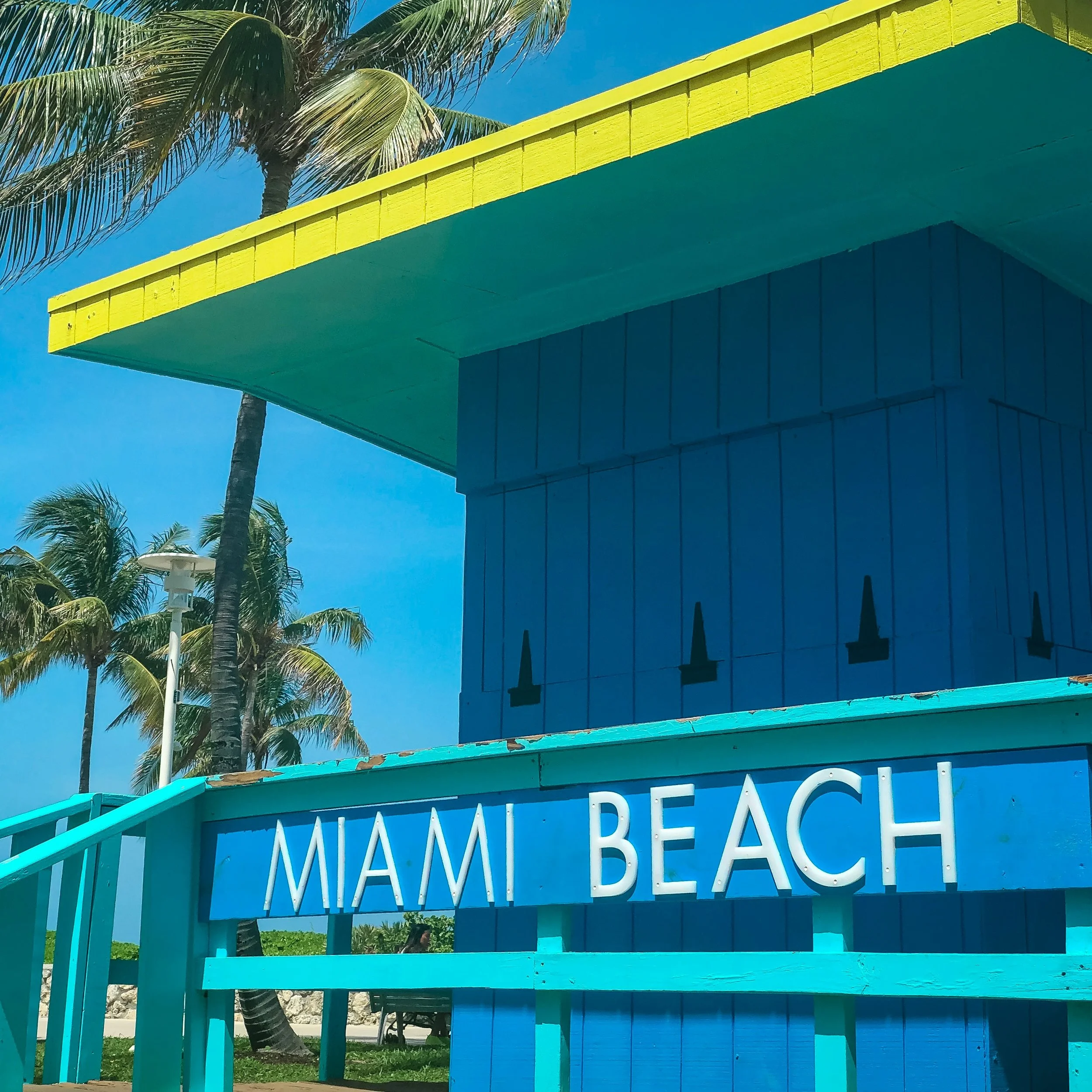
PHOTO CREDIT | Unsplash/Sébastien vantroyen
Traditional HIIT bootcamps, including treadmill-and-floor formats and outdoor circuit-based classes, remain popular in Miami, particularly in South Beach and along Brickell. These deliver intense cardiovascular work with weight floor segments, usually in 50 to 60 minute sessions.
The trade-off is impact. Treadmill sprinting, jumping, and high-volume plyometric work produce results but also produce wear on knees, hips, and lower backs over time. For clients who can tolerate the impact and want the cardiovascular intensity, these classes deliver. For anyone managing joint issues or returning from injury, low-impact formats are a better fit.
Indoor cycling remains a Miami staple, with studios in Wynwood, Edgewater, and Brickell. The format is cardiovascular-forward, with strong music programming and a community feel. Cycling does not build the same strength base as reformer or barbell work, but it earns a place in the weekly schedule as a high-energy conditioning session.
The best Miami cycling studios pair bike work with short floor segments, usually a 10 to 15 minute strength block at the end of class, which broadens the training stimulus beyond pure cardio.

PHOTO CREDIT | Unsplash/Denys Kostyuchenko
Miami's yoga scene runs the full range, from hot vinyasa to slower, alignment-focused practice. For clients training hard in HIIT, strength, or reformer formats during the week, a weekly yoga or mobility session is one of the most underused tools for recovery and injury prevention.
Recovery-focused studios have also grown in Miami, offering infrared sauna, cold plunge, red light therapy, and contrast bathing. These pair well with a high-intensity training week, particularly for clients in the 35-plus range who notice that recovery quality affects training quality over time.
A balanced Miami week for most clients runs three to four high-intensity sessions, one to two mobility or yoga sessions, and one optional recovery service. That structure produces results without burning out the nervous system or the joints.
A common pattern: reformer-based HIIT on Monday, strength on Wednesday, reformer or bootcamp on Friday, longer yoga or recovery on the weekend. The format mix matters more than the total hours; clients who train smart for four hours a week generally outperform clients who train hard for eight.
Wynwood has become Miami's most active fitness corridor, with reformer studios, HIIT formats, and yoga concentrated within a few blocks of each other. The walkability between studios makes it easier to cross-train, and the neighborhood's restaurant and coffee scene supports the post-class routine that turns fitness into a habit.
Brickell is the strongest neighborhood for working professionals, with early-morning and lunch-hour options designed around the financial district's schedule. The studios here cap class sizes deliberately and lean into efficiency, since the client base values throughput as much as the workout itself.
Coral Gables and the Design District serve a slightly different audience, with more classical Pilates, longer sessions, and a higher proportion of clients training for long-term mobility rather than short-term metabolic gains. Both neighborhoods are worth knowing if the goal is sustainable training over a multi-year horizon.
The boutique fitness market in Miami has shifted in two notable ways over the past 18 months. First, low-impact formats have grown faster than any other category, driven by an aging boutique fitness audience and rising awareness of injury risk in high-impact HIIT. Second, recovery services have moved from optional add-ons to core studio offerings, with several studios adding sauna and red light therapy as part of their primary value proposition.
The other shift is in coaching standards. The best Miami studios have invested in continuing education for their coaches, often partnering with sports science programs or sending coaches to specialized certifications. The result is a noticeable gap between studios that prioritize coach development and those that rely on charisma alone. Clients can feel the difference within two or three sessions.
Most Miami boutique studios offer a first-class deal, either free or heavily discounted. A practical approach for new clients is to try three or four different formats over two weeks, then commit to the one that produced the strongest combination of physical response and scheduling fit. The body usually tells the truth faster than the marketing does.
Class-pass platforms also work for this exploratory phase, though once a format is chosen, switching to the studio's own membership usually delivers better pricing and access to peak time slots. The studios prioritize their members for the most popular classes, which matters in a market as schedule-driven as Miami.
Miami in 2026 offers more boutique fitness variety than at any point in the city's history, with studios like FORM50 Miami in Wynwood representing one example of the low-impact, high-intensity reformer format that has reshaped what efficient training looks like for the city's working population.
For years, the athleisure movement has influenced the way people build their wardrobes. Comfort became a priority, but so did versatility. Rather than buying separate outfits for every occasion, consumers increasingly looked for pieces that could move effortlessly between different parts of their day.
That mindset continues to shape fashion in 2026. While trends come and go, one of the strongest shifts has been toward adaptable dressing. People want wardrobes that work harder, combining comfort, practicality and personal style without feeling overly complicated.
This has helped drive renewed interest in layering pieces. Instead of treating every garment as a standalone statement, fashion is increasingly focused on how different textures and silhouettes work together. Recent runway collections have highlighted layering as one of the defining styling techniques of the season, emphasising contrast, versatility and individual expression.
Among the pieces benefiting most from this shift are camisoles. Once viewed primarily as underlayers, they are now being incorporated into everyday wardrobes in a much more deliberate way. Their appeal lies in their flexibility. A camisole can sit beneath tailoring, add texture underneath knitwear, or work on its own during warmer months.
The growing popularity of lingerie-inspired dressing has accelerated this trend. Rather than hiding delicate fabrics, modern styling often uses them to introduce softness and contrast into an outfit. Fashion editors have noted the resurgence of camisoles, particularly through the return of lace detailing and more refined layering techniques.
This is especially evident through the popularity of lace camisole tops, which offer a balance between comfort and elevated styling. Worn beneath oversized blazers, lightweight jackets or relaxed shirting, they introduce texture without overwhelming an outfit. The result feels effortless rather than overly styled.
There is also a practical element behind their resurgence. Modern wardrobes increasingly favour pieces that can adapt to multiple settings. Just as athleisure blurred the line between activewear and everyday clothing, lingerie-inspired layering is softening the boundaries between private and public dressing. The emphasis is not on making a statement but on creating flexibility.
Fashion's current direction reflects this broader desire for functionality. Pieces that can be styled in multiple ways, worn across different occasions and layered throughout the year naturally hold greater appeal than highly specialised garments.
The return of the camisole is ultimately part of a wider movement toward smarter wardrobes. As consumers continue prioritising versatility and ease, the most valuable pieces are often the ones that quietly support everything else. In that sense, the camisole feels perfectly suited to the way people want to dress today.

Read the MAY ISSUE #125 of Athleisure Mag and see #TRIBEGOALS in mag.

PHOTO CREDIT | Unsplash/Hardik Sharma
Mobile entertainment has evolved into one of the most influential parts of modern digital culture. What once centered primarily around television broadcasts, desktop gaming, and scheduled media consumption now operates within a fast-moving smartphone ecosystem built around continuous access, instant interaction, and personalized experiences. Smartphones no longer function simply as communication tools. For many users, they have become the primary gateway for entertainment throughout the day.
This shift transformed how audiences engage with media, gaming, livestreaming, social platforms, and interactive digital experiences. Traditional entertainment categories are increasingly overlapping as users move fluidly between apps, streaming platforms, games, and real-time digital environments.
The broader entertainment industry has adapted rapidly to these changing habits, and online gaming platforms have evolved alongside them.
One of the biggest changes shaping modern entertainment involves the growing amount of time users spend interacting with mobile devices. Smartphones now support everything from short-form video and livestreaming to mobile payments, gaming apps, podcasts, and social media engagement.
Entertainment consumption no longer revolves around fixed schedules or single-purpose devices.
Modern users increasingly expect immediate access to content and seamless movement between different digital experiences throughout the day. This behavior encouraged entertainment brands to redesign platforms around flexibility, accessibility, and continuous interaction.
The shift is especially noticeable among users who move between streaming apps, mobile games, social platforms, and interactive casino-style environments where they can play slots at MrQ while accessing themed game collections, instant-play mobile features, live jackpot systems, fast-loading interfaces, and app-style navigation optimized for smartphone use. Rather than separating gaming from broader digital entertainment habits, many users now treat these experiences as part of the same mobile ecosystem they interact with daily.
Entertainment increasingly revolves around convenience and accessibility.
Earlier generations of digital media were often passive. Users watched television programs, browsed static websites, or consumed pre-recorded content with limited interaction.
Modern entertainment platforms operate very differently.
Today’s users expect interactive systems that respond dynamically to their behavior. Swipe-based navigation, live comments, personalized recommendations, real-time updates, and responsive interfaces all contribute to more active forms of engagement.
This broader trend influenced industries across streaming, gaming, social media, and digital entertainment platforms.
Interactive design now plays a major role in keeping audiences engaged within increasingly competitive mobile ecosystems.
The rise of streaming platforms also transformed the broader entertainment landscape. Livestreaming, short-form video, creator-driven content, and on-demand viewing introduced audiences to entertainment environments built around immediacy and continuous activity.
Users became accustomed to instant access and constant interaction.
This expectation now extends across many digital experiences beyond streaming itself. Gaming platforms, social media apps, and interactive entertainment services increasingly incorporate similar engagement systems such as live notifications, real-time updates, activity feeds, and dynamic visual interfaces.
The distinction between media consumption and active participation continues becoming less defined.
Modern audiences increasingly prefer entertainment experiences that feel responsive and continuously evolving.
Mobile gaming played a major role in the expansion of smartphone entertainment culture. Earlier gaming ecosystems often required consoles, desktop computers, or specialized devices. Smartphones made gaming far more accessible to wider audiences.
Today, gaming exists as part of everyday mobile activity rather than a separate entertainment category.
Users frequently engage with mobile games during short breaks, commutes, or multitasking sessions throughout the day. This accessibility helped normalize interactive entertainment across a much broader demographic range.
The influence of mobile gaming also encouraged many entertainment platforms to adopt faster interfaces, reward systems, achievement mechanics, and real-time engagement tools that support shorter but more frequent interaction cycles.
Another major trend influencing mobile entertainment involves the dominance of app-based design. Modern users expect platforms to feel intuitive, responsive, and visually streamlined regardless of the entertainment category.
This expectation reshaped digital platform development across industries.
Entertainment apps increasingly prioritize smooth scrolling, touch-friendly navigation, personalized home screens, simplified onboarding, and frictionless interaction systems. Users now compare every digital experience against the best-performing apps already installed on their phones.
The result is a broader shift toward platform simplicity and mobile-first usability throughout the entertainment economy.
Companies capable of creating seamless app-style experiences often gain stronger long-term engagement advantages.
Modern entertainment ecosystems increasingly revolve around real-time interaction. Notifications, live updates, instant recommendations, multiplayer systems, live chat functions, and timed events all help maintain user attention across digital platforms.
This real-time structure reflects broader changes in how audiences consume content.
Instead of waiting for scheduled programming or fixed entertainment sessions, users now engage continuously with digital platforms throughout the day. Entertainment increasingly functions as an always-accessible environment rather than a scheduled activity.
Many gaming and entertainment platforms now operate more like ongoing ecosystems than isolated media products.
The expansion of mobile payment technology also accelerated growth across digital entertainment industries. App-based transactions, digital wallets, biometric authentication, carrier billing, and instant payment systems all reduced friction between users and entertainment platforms.
This convenience significantly improved accessibility.
Users increasingly expect subscriptions, purchases, deposits, and account management systems to function instantly within mobile environments without complicated verification or banking delays.
The integration of fast payment systems helped entertainment ecosystems become more seamless overall while supporting broader growth in smartphone-based digital services.
As mobile entertainment becomes increasingly immersive and accessible, discussions around healthier digital engagement continue growing.
Organizations such as Ofcom continue researching digital media behavior, online platform accessibility, and evolving communication technologies that influence how users interact with entertainment environments.
Balancing innovation, accessibility, and responsible digital design remains an important part of the broader conversation surrounding modern entertainment ecosystems.
As platforms continue competing for user attention, responsible interaction models will likely become even more important.
The rapid expansion of smartphone-based entertainment demonstrates how deeply mobile technology reshaped modern digital behavior. Users increasingly expect entertainment experiences to be instant, interactive, visually engaging, and accessible from anywhere.
Traditional media boundaries continue fading as gaming, streaming, social interaction, and digital entertainment become more interconnected within mobile ecosystems.
As smartphones, app design, real-time systems, and mobile infrastructure continue evolving, entertainment platforms will likely become even more immersive and integrated into daily life.
The future of digital entertainment will not revolve around isolated media formats. It will be shaped by how seamlessly different forms of interactive content fit into the everyday habits of mobile-first audiences.
People unwind differently after a long day. Some grab dinner with friends. Some head out for wine night. Others are happy scrolling on Instagram for hours. But the one thing that can consistently reset you mentally and physically? Your home.
A calming home can catch you before stress does. Cozy corners make you stay put for a while. Natural decor silences the buzz in your head. The right home features help your body relax, too. Here are seven wellness-inspired home features to help you unwind mentally and physically.
Cluttered rooms look like they hold onto stress. Tight layouts make everything feel louder. A home that helps you unwind needs breathing room. That’s why empty pockets of space matter.
Open spaces create that mental pause. Fewer barriers. More flow between rooms. Consider shifting to an open layout for the living room. Or building more negative space into your bedroom. Let furniture sit with intention. Don’t let it crowd every corner. Keep walking paths clear. That way, movement is easy. The home feels lighter. Your thoughts follow.
Dark rooms aren’t exactly the best for lifting the spirits. They make mornings feel slower. But light changes that. It softens edges in a room. It effortlessly makes everything more awake. Including your senses.
Work towards getting tons of natural light in your home. Big windows in living areas help. But smaller spaces matter, too. A home gym with sunlight coming through while you move changes the energy of a workout. Kitchens feel fresher. Hallways feel less closed in. Keep window coverings light. That way, the sun can come through easily during the day. You get a home that feels alert during the day and calm in the evening.
Meditation is one of the best relaxation techniques. It lets the mind stop running in circles. It helps you slow down. But in a busy home, it can be hard to find space to meditate. So, carve out a dedicated corner specifically for that purpose.
Set up a small area to be your meditation corner. Set up your favorite mat there. Keep the space clear of clutter. That way, your eyes don’t get distracted. Pick a spot with low foot traffic. Add one calming detail. Maybe a plant or a soft lamp. The goal is calm. Your brain will link that corner with slowing down. It becomes easier to step into meditation mode when you need to.
Homes can look too sharp when everything is metal or glass. It looks clean. But it can also feel cold after a long day. Wood changes that mood. It adds warmth to the space. That warmth helps the body ease into rest. It signals the mind to slow down.
You can start small. Wooden floors. A mahogany coffee table. These touches bring a grounded feeling into daily spaces.
Love that feeling? Take it further outdoors. A timber-framed patio becomes an extension of that calm. It can turn into a morning yoga spot. Or an evening stretch space. Just make sure to get a good local supplier for your timber frames. For example, in Northern Virginia, wood has to handle shifting humidity and colder winters. Materials must be carefully chosen to avoid warping. If you’re in that area, work with a reputable timber frame supplier in Ashburn, VA. They understand local conditions and can guide builds that stay strong through the seasons.
Your nervous system responds with a calmer baseline in greener spaces. That means lower stress and a slower mental pace for you. So, consider adding refreshing indoor plants to your spaces.
Position your houseplants with intention. Choose a few larger plants for corners and smaller ones for shelves or tables. Rotate them occasionally. That way, they get the right amount of sunlight. Place them where you naturally rest. Make watering them a part of your unwinding routine. Your home will instantly feel fresh and relaxing.
People often see bathrooms as mere functional spaces. But they’re one of the easiest places to build a reset zone. A spa-inspired bathroom turns routine into moments of relaxation. Especially after a long day.
Decorate your bathroom to mimic a spa. Focus on soft lighting. Add warm towels for deep comfort. Keep counters clear for zero visual noise. Play with essential oils and diffusers to create a calming fragrance. Put face masks on display. Anything that can help you build a sense of a soft, comfortable life whenever you freshen up.
A busy mind needs a place that pulls it out of overthinking mode. Screens keep the brain alert too long. That’s why scrolling in bed doesn’t always help the body fully relax. A quiet corner for reading creates a softer landing for the mind. That’s why a reading nook is amazing for mental wellness.
Make your reading nook simple yet inviting. Pick a spot near a window. Add a comfortable chair where you can curl up. Use soft, warm lighting that doesn’t strain the eyes at night. Sit there with your book of the month, and your thoughts will naturally slow down.
A wellness-first home helps you unwind every day. Open spaces calm the nerves. A reading nook slows your thoughts. Natural textures make you feel warm. With the features above, relaxing becomes second nature when you’re home.
Picture walking into that kind of space after a long day. Your shoulders drop. Your mind stops holding onto external noise. You actually stay still for once. All because your house does part of the calming work for you.

PHOTO CREDIT | Unsplash/Keagan Henman
Workplace presentation has changed significantly over the past decade. In many industries, uniforms and team apparel are no longer viewed simply as functional clothing requirements. Increasingly, businesses are treating apparel as an extension of brand identity, workplace culture, customer experience, and team cohesion.
This shift is visible across hospitality, retail, wellness, fitness, logistics, healthcare, construction, corporate services, and event-based industries where presentation now plays a larger role in how businesses are perceived by both customers and employees.
As modern businesses compete not only on products and services but also on experience and branding, custom apparel is becoming an increasingly important part of professional visibility and internal culture.
Companies are investing more carefully in how teams present themselves because appearance, consistency, and professionalism often shape first impressions long before direct interactions begin.
Traditional workplace uniforms were often designed primarily around practicality and standardization. While functionality still remains important, businesses today are increasingly looking for apparel solutions that combine comfort, branding, durability, and modern design.
Employees now frequently wear branded polos, performance fabrics, lightweight outerwear, fitted work shirts, embroidered jackets, branded caps, and athleisure-inspired work apparel that feel more contemporary and wearable throughout long shifts or active work environments.
This evolution reflects broader cultural changes surrounding workplace expectations. Modern employees often value comfort, flexibility, and appearance more than previous generations, especially in customer-facing industries where presentation directly affects brand perception.
At the same time, businesses increasingly recognize that apparel can influence how customers interpret professionalism, organization, and operational quality.
Companies operating in industries such as hospitality, wellness, fitness, healthcare, and retail often prioritize cohesive team presentation because visual consistency helps reinforce trust and brand recognition.
Rather than viewing uniforms as a simple operational requirement, many organizations now treat workplace apparel as part of the overall customer experience.
One of the biggest reasons businesses are investing more heavily in branded apparel is the growing importance of visual branding across modern commercial environments.
Consumers today interact with brands across multiple touchpoints including physical locations, social media, digital marketing, events, and customer-facing staff interactions. Businesses increasingly want consistent visual presentation across all of these environments.
Custom apparel helps reinforce that consistency while also strengthening brand visibility in everyday operations.
As workplace presentation becomes increasingly connected to customer perception, many businesses are investing in custom embroidery services for uniforms, outerwear, hats, polos, and team apparel that help create a more cohesive and professional identity across customer-facing environments. Embroidered branding in particular continues gaining popularity because it offers a polished and durable appearance suitable for both casual and professional settings. Many companies prefer embroidery for work apparel because it often provides a cleaner and more long-lasting finish compared to temporary branding methods.
This is especially relevant for industries where employees regularly interact with customers, clients, guests, or event attendees. Businesses increasingly understand that even small visual details can contribute to how professional, organized, and trustworthy a company appears in competitive markets.
Beyond branding and customer visibility, team apparel also plays an important role internally within organizations.
Employees often respond positively to apparel that feels professional, modern, and intentionally designed rather than generic or outdated. Well-designed workwear can help create stronger feelings of belonging, team identity, and workplace pride.
This becomes particularly important for businesses operating across multiple locations or larger teams where maintaining consistent culture and presentation can be more challenging.
Shared visual identity often helps reinforce:
team cohesion
professionalism
organizational consistency
workplace morale
employee recognition
customer confidence
Many companies now place greater emphasis on creating apparel programs that employees genuinely feel comfortable wearing rather than simply enforcing basic dress requirements.
This reflects broader workplace trends where employee experience and organizational culture are becoming increasingly important for recruitment, retention, and overall workplace satisfaction.
Research and workplace analysis published through the Society for Human Resource Management (SHRM) continues emphasizing how workplace culture, employee engagement, and organizational identity influence modern business performance and employee satisfaction.
These broader workplace trends are contributing to growing business interest in more thoughtful and professional team presentation strategies.
The rise of athleisure fashion has also influenced how businesses approach team apparel.
Many modern work environments now prioritize clothing that balances professionalism with comfort, flexibility, and mobility. Performance fabrics, lightweight materials, moisture-wicking designs, and more relaxed styling have become increasingly common across industries that previously relied on more rigid uniform standards.
This is especially visible in:
fitness studios
wellness brands
hospitality businesses
event staffing
healthcare environments
logistics operations
creative industries
Businesses increasingly want apparel that employees can wear comfortably throughout long shifts while still maintaining a polished and recognizable appearance.
As a result, the line between traditional uniforms and lifestyle-inspired workwear continues becoming less distinct.
Many organizations now choose apparel styles that align more naturally with contemporary fashion trends because modern presentation increasingly influences both employee satisfaction and customer perception.
This is one reason branded outerwear, quarter-zips, athletic polos, modern caps, and performance-based work apparel continue growing in popularity across B2B apparel markets.

PHOTO CREDIT | Unsplash/Mediamodifier
Another major reason custom apparel continues growing is its adaptability across different business sectors.
Different industries require different combinations of durability, branding visibility, weather resistance, flexibility, and professional presentation. Modern customization services allow businesses to create apparel solutions tailored to their operational needs while maintaining consistent branding standards.
Hospitality teams may prioritize polished customer-facing presentation. Logistics businesses may focus more heavily on durability and visibility. Fitness brands often seek apparel that reflects wellness culture and active lifestyles. Healthcare providers may emphasize cleanliness, comfort, and practical movement.
Customization allows businesses to balance operational function with branding goals more effectively.
Businesses also increasingly use branded apparel outside traditional daily uniforms. Event teams, trade show staff, promotional campaigns, corporate retreats, onboarding programs, and client-facing activations frequently incorporate customized apparel as part of broader brand-building strategies.
This reflects how workplace apparel has evolved into a larger communication tool rather than simply a functional necessity.
Customer expectations surrounding professionalism have also evolved significantly in recent years.
Consumers often associate cohesive team presentation with organization, reliability, and operational quality. Businesses that invest in professional presentation may therefore strengthen customer confidence even before direct conversations begin.
In competitive industries especially, visual consistency can help businesses stand out while reinforcing brand recognition across physical and digital environments.
This has become increasingly important as social media and online visibility continue influencing how customers evaluate businesses. Team apparel now regularly appears in:
marketing photography
social media content
behind-the-scenes videos
promotional campaigns
event coverage
recruiting materials
As a result, workwear increasingly functions as both operational apparel and marketing infrastructure simultaneously.
Businesses that once treated uniforms as secondary operational details now often view them as part of a broader branding ecosystem connected to reputation, customer experience, and organizational identity.
As businesses continue prioritizing brand consistency, workplace culture, and customer experience, custom apparel will likely remain an increasingly important part of professional operations across many industries.
Workplace apparel is no longer only about standardization or dress requirements. It has become connected to branding, employee experience, customer perception, and organizational identity in ways that continue expanding alongside modern business culture.
At the same time, evolving workwear trends influenced by athleisure, comfort-focused design, and modern branding strategies will likely continue reshaping how companies approach uniforms and team presentation in the years ahead.
For many businesses, custom apparel is no longer simply clothing. It is becoming part of how organizations communicate professionalism, culture, and brand identity every day.