
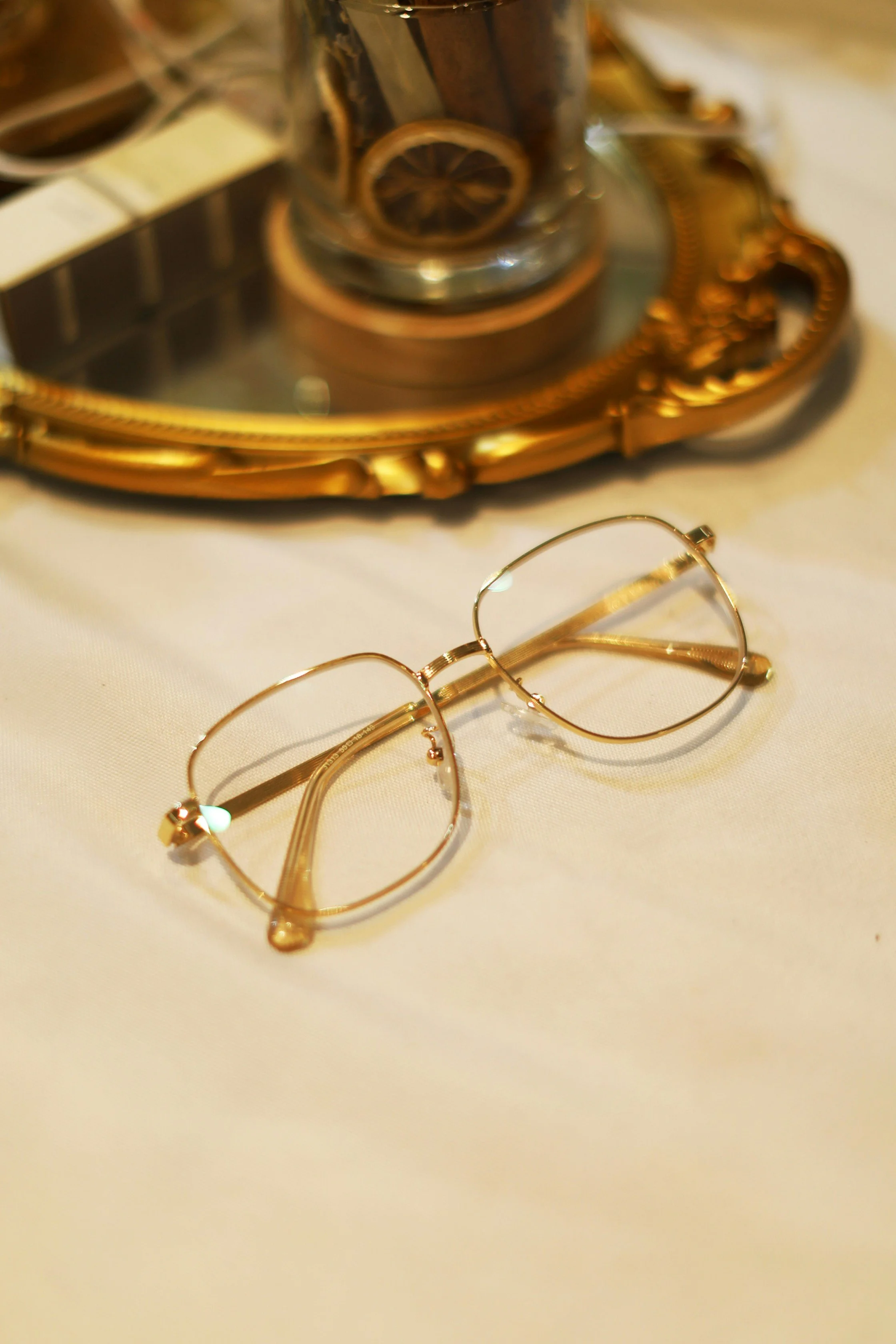
Varifocal glasses are designed for those who need vision correction at multiple distances - near, intermediate, or far. The need for multifocal lenses arises due to presbyopia (an age-related eye condition that mostly affects people over the age of 40). Varifocal glasses are also known as progressive or graduated lenses. These lenses offer a seamless transition between distances, allowing wearers to see clearly at all distances without switching between multiple pairs of glasses.
How do these varifocal glasses work?
Varifocals are designed with multifocal lenses that work by having different lens powers from top to bottom. These progressive lenses have three vision zones: near, intermediate and far. The upper part of the lens is designed to correct distant vision, the middle for intermediate distance and the lower section corrects near vision. This design helps the wearer in smooth transitions between reading a book and looking at a computer screen or driving, all without needing them to switch glasses.
Different types of progressive lenses as per the vision corridor they offer
Progressive lenses are classified into three types based on their manufacturing process and the width of the 'visual corridor': standard, premium and elite.
Standard varifocal lens: They are a basic level option available in the market for users looking for low-cost alternatives These entry-level varifocals correct vision across different distances, but there can be minimal peripheral distortion around the edges. However, wearers will adapt to them quickly. These lens types are an ideal choice for budget-conscious wearers.
Premium varifocal lens: These lenses offer much clearer vision with less distortion due to the advanced technology used in the design. This is an advanced version of standard varifocal lenses. These lenses, offer a wider field of vision with smooth transitions between the focal ranges.
Elite varifocal lens: These lenses are designed to offer the widest field of vision across all distances. With the least distortions around the edges, they offer enhanced vision clarity, making them easy to adapt to.
Benefits of varifocal glasses
Smooth vision transitions: Varifocal lenses allow smooth transitions between different vision zones. Hence, individuals who need vision correction for multiple distances don't need to carry more than one pair of glasses.
Convenience: With varifocals, wearers can seamlessly change their focus from reading to driving without having to change their eyewear.
Seamless lenses: Varifocal lenses have no visible lines, providing enhanced clarity and a more attractive appearance than the traditional bifocal lenses, where you could see a line in between, separating the two different prescriptions glasses.
Who all needs varifocals
People with presbyopia
Those who frequently switch between reading, computer or distance tasks


