Wine tours offer an incredible opportunity to explore vineyards, taste exceptional wines, and learn from experts who live and breathe the craft. However, many visitors don't realize they're missing out on hidden experiences and insider knowledge that could transform their outing from pleasant to unforgettable. Whether you're a seasoned wine enthusiast or just beginning your journey into the world of viticulture, maximizing your guided tour experience requires more than just showing up and sipping.
The key to getting exceptional value from your wine tour lies in preparation, engagement, and knowing how to make the most of every moment. Let's explore the strategies that will help you extract every drop of value from your next wine country adventure.
Do Your Homework Before You Go
Research makes an enormous difference in your tour experience. Take time to learn about the region's signature varietals, the climate that influences grape growing, and the winemaking traditions that make the area unique. This background knowledge allows you to ask more insightful questions and appreciate the nuances your guide shares.
Look into the specific wineries you'll visit as well. Understanding their history, philosophy, and standout wines helps you focus on what matters most to you. Many wineries have fascinating stories about their founding families or innovative techniques that become much more meaningful when you've done a little advance reading.
Ask Questions Throughout the Experience
Your tour guide is a treasure trove of information, so don't hold back with questions. The best guides love sharing their expertise and appreciate engaged visitors who show genuine curiosity. Ask about everything from vineyard management practices to food pairing suggestions to local wine industry gossip.
Questions also help personalize your experience. If you mention your taste preferences or what you're hoping to learn, guides can often tailor their commentary or even adjust the tasting selection. This interaction transforms a standard presentation into a customized educational experience worth far more than the tour price.
Engage All Your Senses During Tastings
Wine tasting involves much more than your taste buds. Start by observing the wine's color and clarity, which reveal information about age, varietal, and winemaking methods. Swirl the glass and inhale deeply to identify aromatic notes before you take that first sip.
When tasting, let the wine coat your entire palate and notice how flavors evolve from the initial taste through the finish. Pay attention to texture, acidity, tannins, and body. Taking this mindful approach helps you develop your palate and remember wines you truly enjoyed, making future purchases much easier.
Take Notes and Photos Strategically
Your memory won't capture everything, especially after several tastings. Jot down quick notes about wines you loved, including the vintage, specific flavors you detected, and why it appealed to you. Many wineries provide tasting sheets, but your phone works perfectly too.
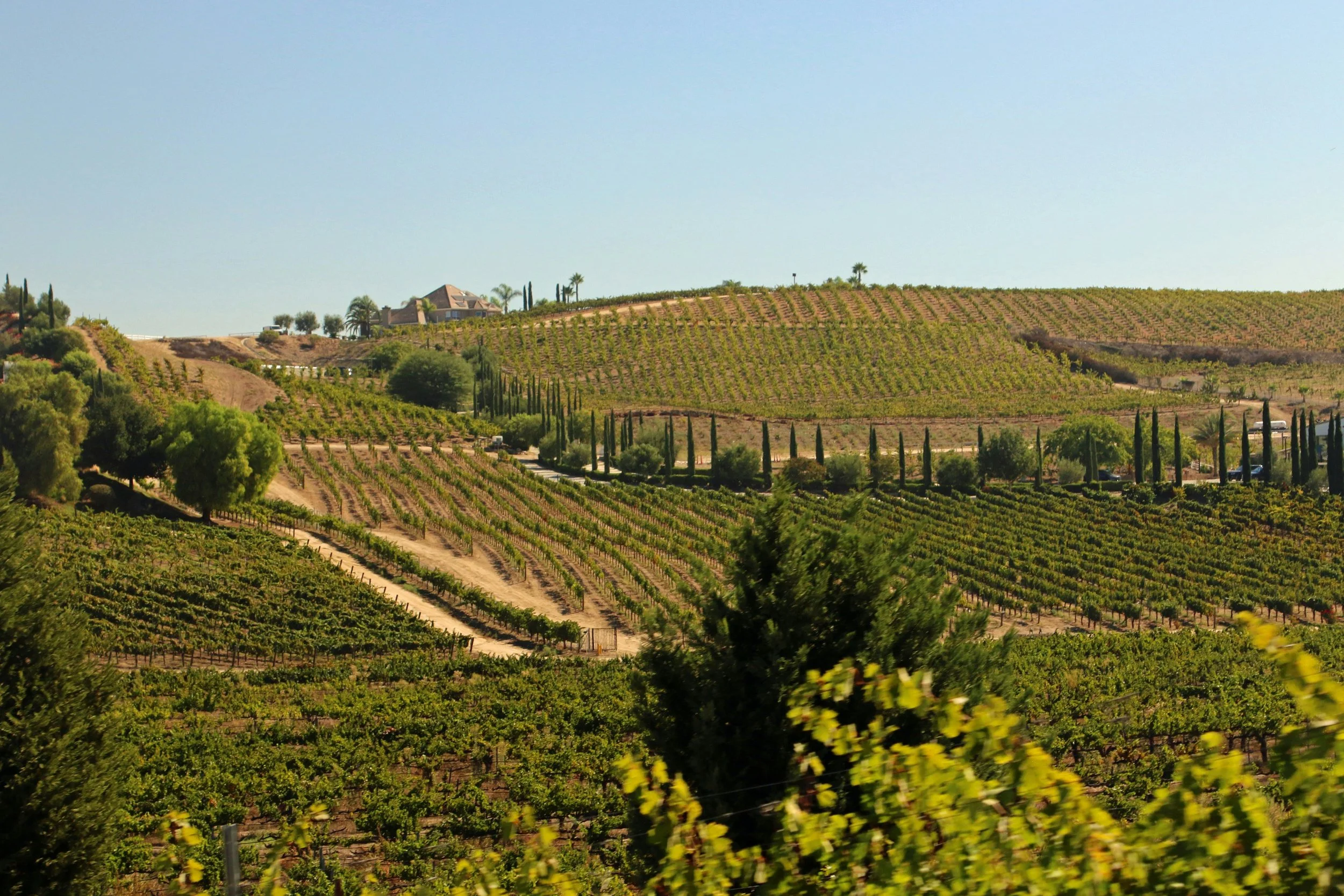
Photographs serve as wonderful mementos, but be present in the moment rather than experiencing everything through a screen. Snap a few quality photos of the vineyard views, your group, and wine labels you want to remember, then put the phone away and immerse yourself in the experience.
Connect With Fellow Tour Participants
The social aspect of wine tours adds tremendous value that many people overlook. Your fellow participants often have different backgrounds, perspectives, and tasting notes that can enhance your own understanding. Discussing what you're experiencing helps you articulate your preferences and discover new descriptors.
These connections sometimes lead to lasting friendships or valuable networking opportunities. Wine enthusiasts tend to be friendly, curious people who enjoy sharing recommendations for restaurants, other wineries, and travel destinations. Whether you're exploring Temecula wine tours or visiting Napa Valley, the people you meet often become as memorable as the wine itself.
Time Your Visit Wisely
Scheduling affects your entire experience more than you might think. Morning tours typically offer fresher palates and more attentive guides before they've repeated their presentation multiple times. However, afternoon light creates stunning photography opportunities in the vineyards.
Consider visiting during shoulder seasons when crowds are smaller and staff have more time for individual attention. Harvest season offers unique excitement, though wineries are understandably busier. Weekday tours often provide more relaxed, intimate experiences than weekend visits.
Make the Most of Your Tour Investment
A guided wine tour represents an investment in education, experience, and enjoyment. By preparing thoughtfully, engaging actively, and staying present throughout your visit, you'll gain knowledge and memories that extend far beyond the day itself. The connections you make with the land, the wine, and the people will deepen your appreciation for every bottle you open in the future.
Remember that the true value of a wine tour isn't measured solely in the number of tastings or the prestige of the wineries. It's found in the moments of discovery, the conversations that spark new interests, and the confidence you gain in understanding and enjoying wine on your own terms.