
Teen anxiety about braces often stems from uncertainty and appearance changes. The pain and the look of the braces do not appeal to them. This is when parental support is crucial. Positive encouragement can build a smooth experience for your child.
Having a talk about the process can help mentally prepare the child. In this guide, we will share some communication techniques about braces for teens. You will learn to boost your child’s confidence in a healthy way.
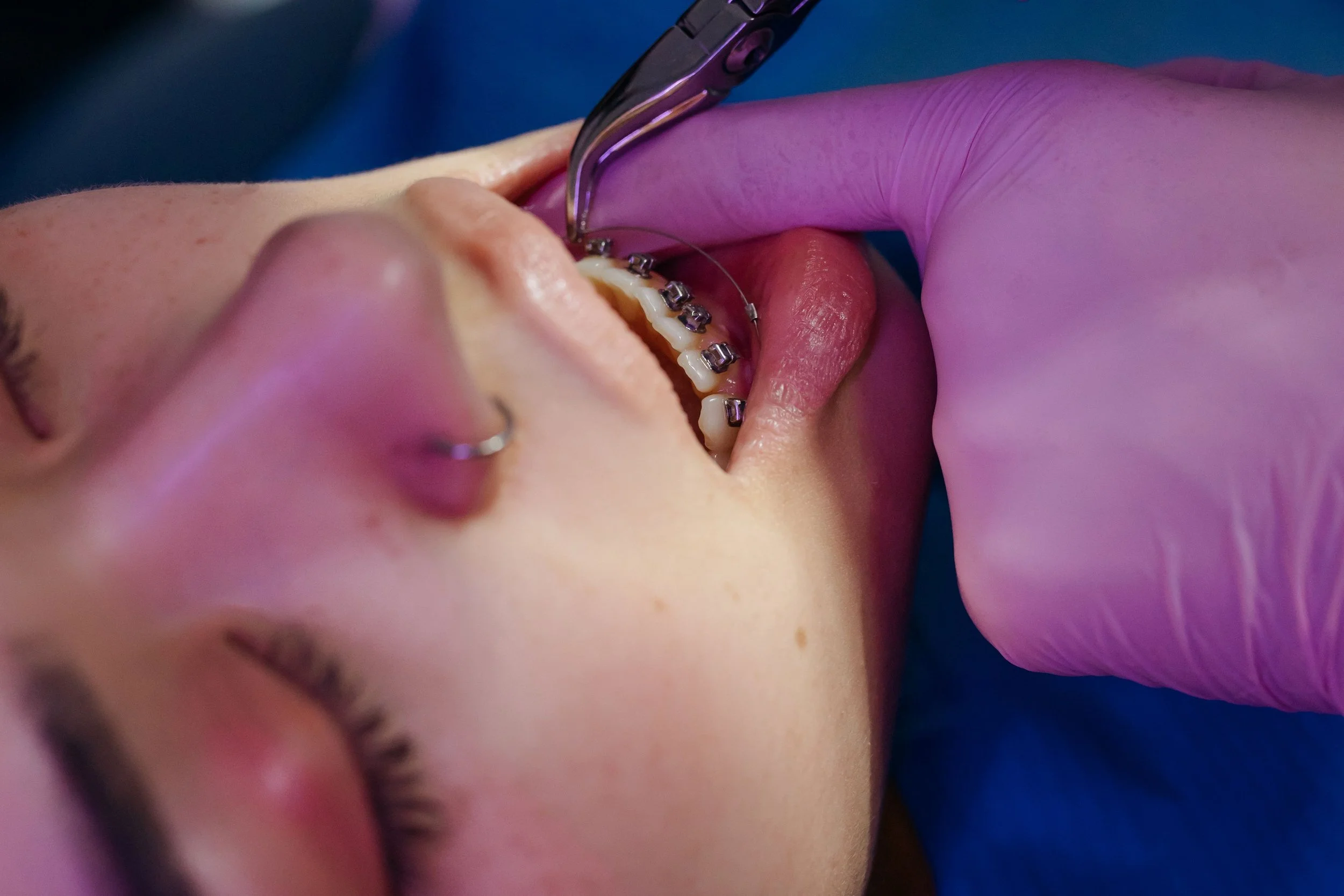
PHOTO CREDIT | Pexels/Cottonbro Studio
When Is the Best Time to Talk to Your Teen About Braces?
Teen orthodontic treatment usually begins at the age of 10 to 14. During this time, their permanent teeth have fully emerged. Yet, their jaw and other structures are still developing. It is the prime time for realignment.
These are some signs that suggest a dental visit. The child may need braces.
Physical appearance
Noticeable teeth misalignment will not go away as they age. Any visible alignment issues should be assessed by the orthodontist.Functionality problems
If your child has trouble chewing or often bites their tongue or lips, alignment issues might be the cause. Unaddressed problems can affect their speech ability.Pain
Jaw/teeth pain should be examined as soon as possible. It can be caused by the growing jaw that keeps pushing against the teeth.
How Can Parents Address a Teen's Fear of Getting Braces?
In explaining braces for teenagers, try these techniques.
Long-term benefits
Aligned teeth can improve oral health. Provide a bright vision that can encourage the teen to receive the treatment.Normalize the experience
Getting braces is nothing to be ashamed of. It is a common procedure that many teenagers receive.Timing advantage
Explain why realignment is often easier at their age. Starting the process sooner may mean a shorter overall timeframe.Timeline expectations
Inform them about timeline expectations. Some teens are not against getting braces. They are simply worried about the uncertainty.
How Can Parents Give Their Teen More Control Over the Decision?
Offer your child a chance to be involved. Give them a few options. A sense of autonomy can help them open up to the idea.
Choose the start time
Is your kid concerned about showing up at school with braces? How about letting them choose a start time during term breaks?Choose the treatment options
Based on the orthodontist's advice, let your child select the treatment options. Usually, there are a few modern alternatives to choose from.Choose the provider
The clinic you prefer may not be your child’s first choice. They often have their own preference. Let them choose their orthodontist if possible.
How Can Parents Prepare Their Teen for Life With Braces?
If braces are necessary for life, parents should:
Explain clearly the reasons for this
Prepare home care supplies to meet the needs
Be honest about realistic expectations
Provide emotional support
See if diet changes are needed
The teen should not feel that their life is defined by the braces. The best thing parents can do is listen to the child’s needs. Making accommodations can help them live a normal life with braces.
What Should Parents Avoid Saying About Braces?
Teen anxiety about braces can be severe. Occasionally, parents may feel frustrated and say things they don’t mean. Here is a reminder of some things parents should avoid during a discussion.
Avoid using negatives
Don’t describe potential problems by using negative phrasing. For example, don’t say that the teen will get bullied or that they will not find a prom date if they don’t fix their teeth.Avoid misleading them with expectations
Never lie about the potential results and timeline. Overselling the promise can be devastating when the truth comes out.Avoid arguing
Compose yourself even if the discussion is getting heated. Debate on the topic calmly. Don’t argue intensely. They will likely be more against the idea after an unpleasant argument.Avoid belittling the child
Don’t say things like “Many people do it. You are weak not to.” Belittling the child can hurt their self-esteem in the long run.
What Questions Should Teens Ask the Orthodontist?
During the assessment, you can ask the orthodontist a few questions. A responsible provider like Smiles + Grins will always answer every question clearly.
What are the realistic expectations (results/timeline)?
What options are suitable for me?
Can I make adjustments if I’m not happy with the progress?
What happens if I choose to do nothing?
How do I get support for emergencies?
In conclusion
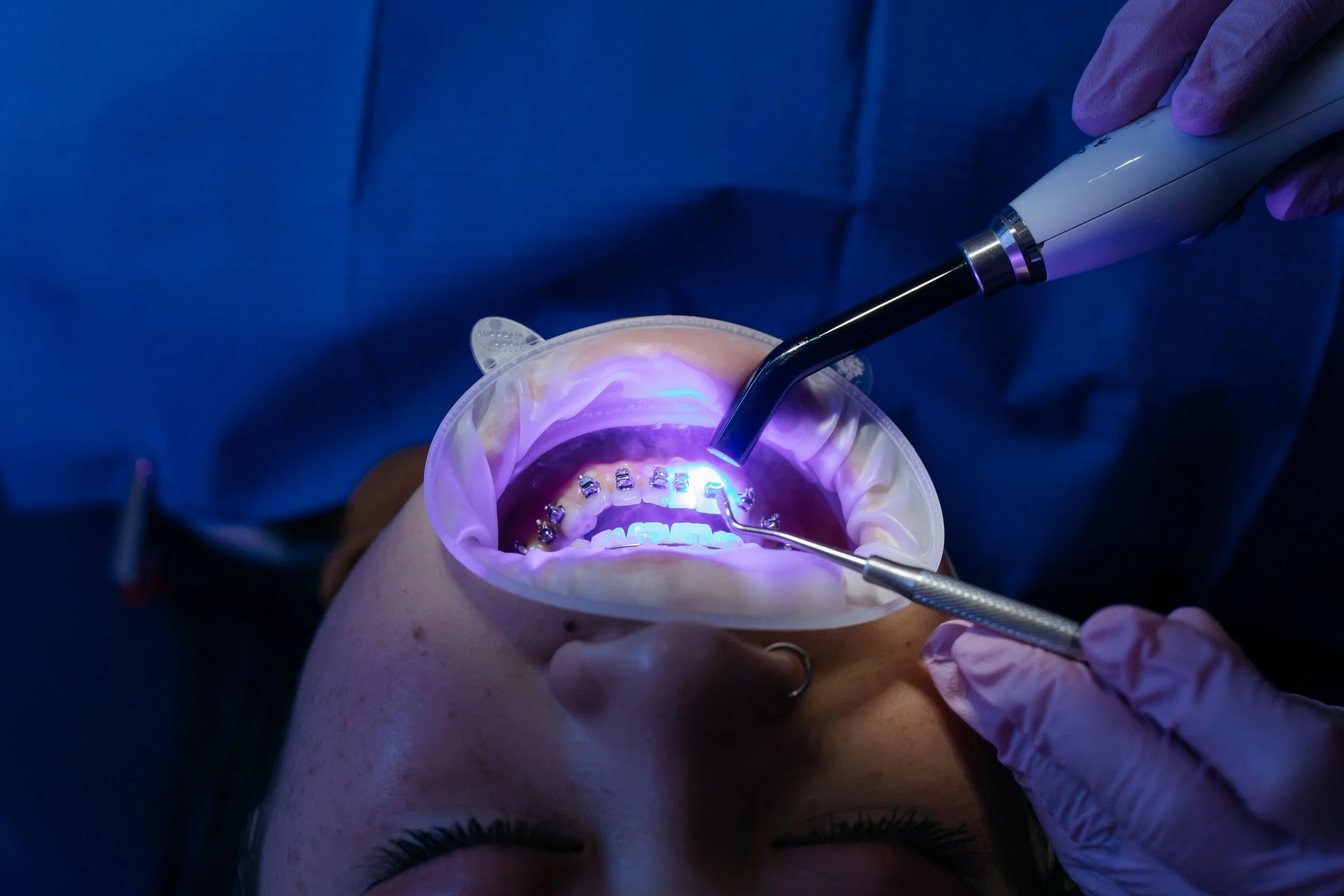
PHOTO CREDIT | Pexels/Cottonbro Studio
Teen orthodontic treatment does not have to be scary. With the right provider, the process can be comfortable and efficient. Speak to your clinic about your needs. Work with your child together through the journey.