
Rainwater drips from the green leaves of a coastal forest. The salt air smells strong near the beach. Many people want these quiet moments to reset their brains. They want to leave behind the noise of phone alerts. Picking a spot for this getaway takes some real work. You cannot just look at a map or follow a trend. You need to know who looks after the land you visit.
Finding a place with deep history adds a lot to your stay. You should look for a mix of wild nature and solid shelter. This keeps you safe while you stay close to the woods. When you pick a destination with local ties, you see the land differently. You learn things that basic tourists usually miss. It turns a simple visit into a better story.
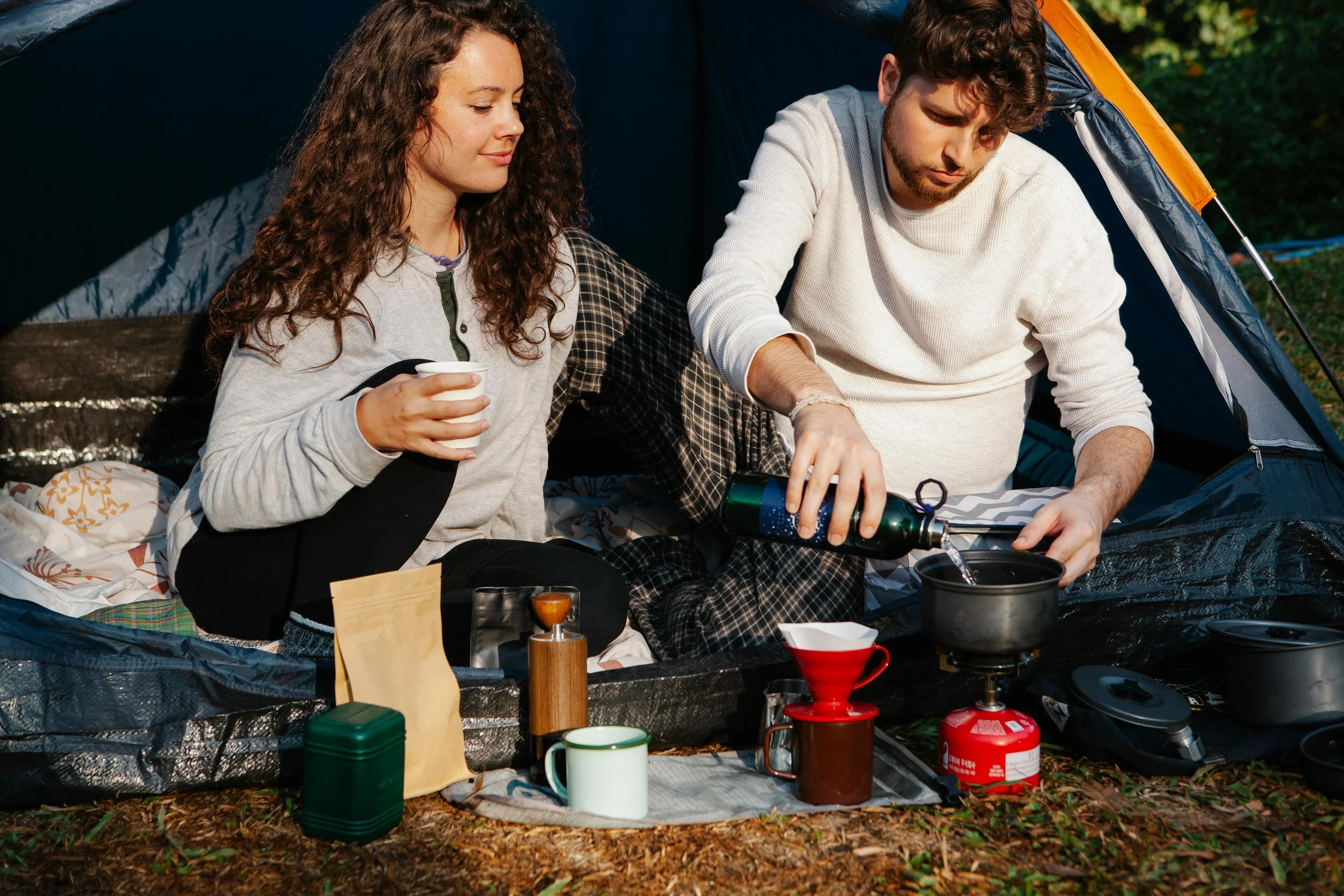
PHOTO CREDIT | Pexels/Vanessa Garcia
Cultural Roots and Local Care
The best remote retreats happen on land with a long history. People have lived on these coasts for thousands of years. Choosing a spot like Hiellen Village Longhouses helps the local community stay strong. This location sits on traditional Haida land. You can sleep near the ocean in a cedar building. These structures use old styles that look and feel right.
Staying at a place run by local people helps the forest stay healthy. Your money goes back into the trails and the trees. Most people find these grounds much more peaceful than big parks. You get a real look at how people live with the land.
Learning from the Land
Native lands offer a chance to learn about plants and animals. You see how everything works together in the woods. This makes your journey feel more like a lesson in nature. It is a great way to respect the area.
Supporting the Village
When you stay at these locations, the village benefits directly. They use the funds for schools and local projects. You become a part of their conservation work. It is a fair way to travel and see the world.
Planning for Travel and Weather
The way you get to a camp changes what you pack. Many remote spots sit at the end of dirt roads. Some require a hike through the brush to see the water. You must check the road conditions before you drive out. Rain can turn a dry path into a mess of mud. These points help you get ready for the adventure.
Check the tide times if you stay near the sand.
Look at the land height to plan for cold nights.
Make sure your truck can handle bumpy dirt roads.
Watch for park alerts about fallen trees or closures.
Good gear is your best friend when you leave the city. You need a coat that keeps the rain out. Wear clothes that dry fast if they get wet. Many people like to run or paddle while they camp. You can find ideas for outdoor fitness moves to try on your stay. These activities keep your body moving in the fresh air.
Managing Water and Power
Living off the grid means you change your daily habits. Most remote locations do not have city pipes or power lines. You must learn to use less water every day. Look for spots that use earth friendly toilets. These systems protect the soil and stay clean. Check the local rules for soap before you pack your bags.
Staying Charged and Hydrated
You have to watch your power use when the sun goes down. Some grounds have spring water you can drink. Other areas need you to bring a filter along. Solar panels work well if you have enough sun. They might struggle under the thick branches of big trees.
Leaving No Trace
The National Park Service has rules for keeping nature clean. You should follow these steps to protect the woods. Always pack your trash out when you leave. Do not leave food scraps where animals can find them. This keeps the bears and birds safe and wild.
Staying Safe Near Wildlife
Safety in the woods comes from knowing the area well. You should always carry a paper map with you. Phone signals often fail in deep woods or near mountains. Tell a friend exactly where you plan to go. Give them a date for when you will return home. Most destinations have a local person who can give you tips.
Eating well in the woods is part of the fun. You can find healthy local plants to add to your meals. Cooking over a fire takes time but tastes great. It forces you to slow down and enjoy the smell of smoke. The list below helps you stay safe while you eat and sleep.
Put all food in a bear box every night.
Keep your distance from whales and eagles.
Pack a kit for cuts and small burns.
Read the coast safety guides for the area.
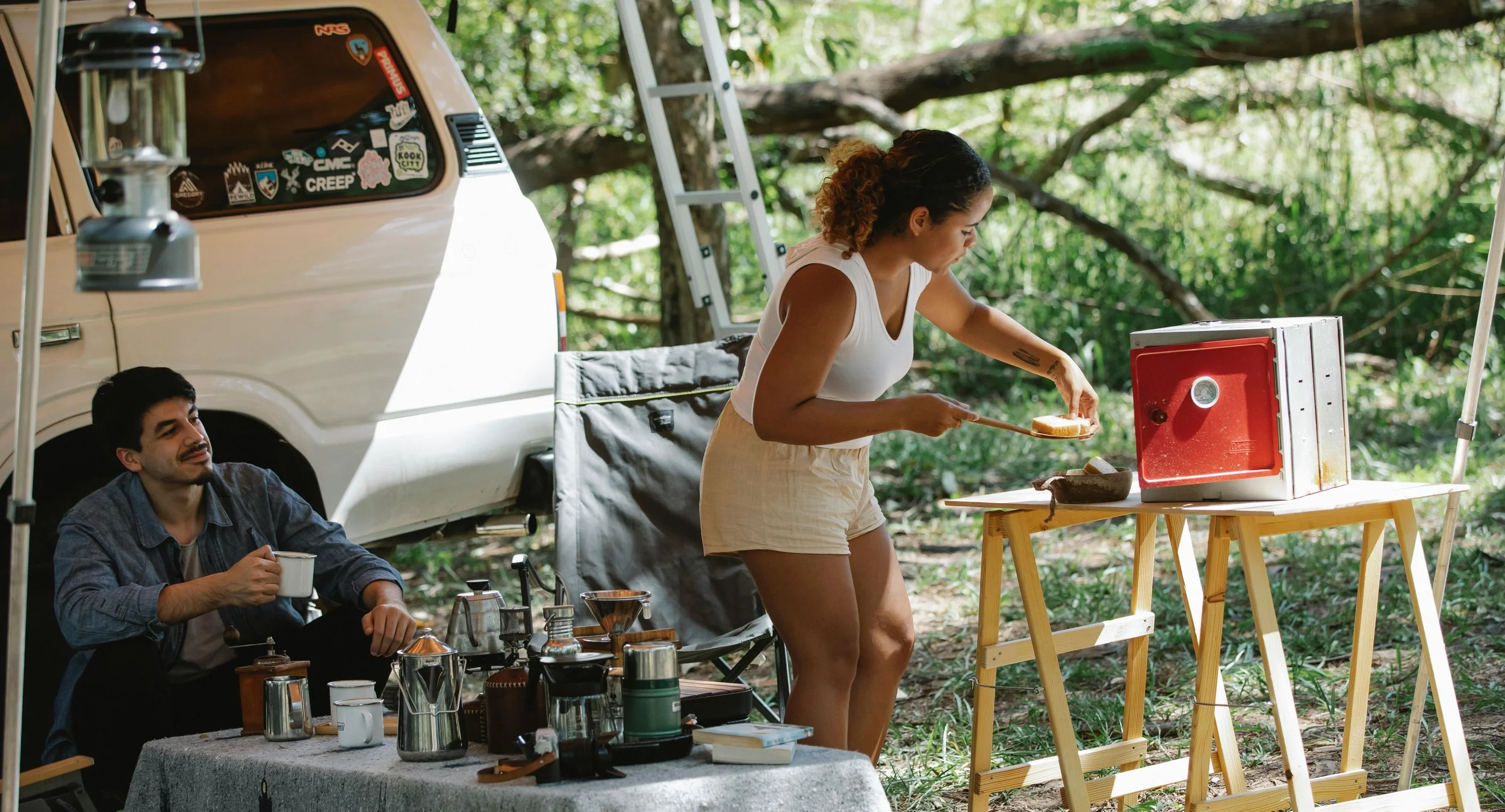
PHOTO CREDIT | Pexels/Uriel Mont
Finding Lasting Peace in Nature
Going back to city life can feel strange after a quiet week. The clear head you get from the woods is very helpful. You might find you work better when you get home. Take a few hours to think about the experience. A good journey leaves you feeling calm and strong.
Modern life often moves at a speed that feels heavy. Spending time under old trees lets you drop that weight. You learn to listen to the birds and the wind. These sounds help quiet the constant chatter in your mind. The lack of bright screens helps your eyes rest. You start to notice small details like moss on rocks.
Your body also learns to follow the sun again. You wake up with the light and sleep with the dark. This natural rhythm is great for your deep health. Most people find they breathe better in the salt air. The cool nights help you sleep in a deep way. These physical changes stay with you long after you leave.
Pick locations that care for the earth and the people. You will feel better knowing your escape did some good. The right choice makes every moment in the wild count. Use these tips to plan your next great retreat. Enjoy the sound of the wind in the old trees.