Athleisure did not arrive fully formed. It crept in, particle by particle, as sneakers left the track and found their way under tailored trousers, as yoga studios became cafes that doubled as community centers, and as technical fabrics learned to speak the language of fashion. What began as functional sportswear has grown into a cultural shorthand that signals values about movement, comfort, and identity.
That shift touched more than silhouettes. It altered supply chains, retail strategies, editorial narratives, and even the objects people carry. Accessories now include unexpected items, including waterproof cameras, compact hydration devices, and discreet recovery tools. Understanding athleisure is no longer just about garments. It is about how people stage their lives, how they move through cities, and how comfort and performance have been recoded as style.
The Roots Of Athleisure
Athleisure owes its origins to a series of social and technological changes rather than a single fashion moment. In the late 20th century, sports brands began experimenting with fabrics that improved performance. At the same time, urban lifestyles demanded clothes that could do double duty: commute comfortably by bike and look presentable in the office.
Early adopters were not only athletes. Office workers, parents with tight schedules, and travelers drawn to low-maintenance dressing all found value in garments that simplified decision making. Over time, this practical appeal dovetailed with a broader cultural turn toward wellness. Exercise was no longer an isolated activity but an integrated part of everyday life. Clothing followed suit, with hybrids that mediate between studio and street.
Materials And Design That Bridge Function And Fashion
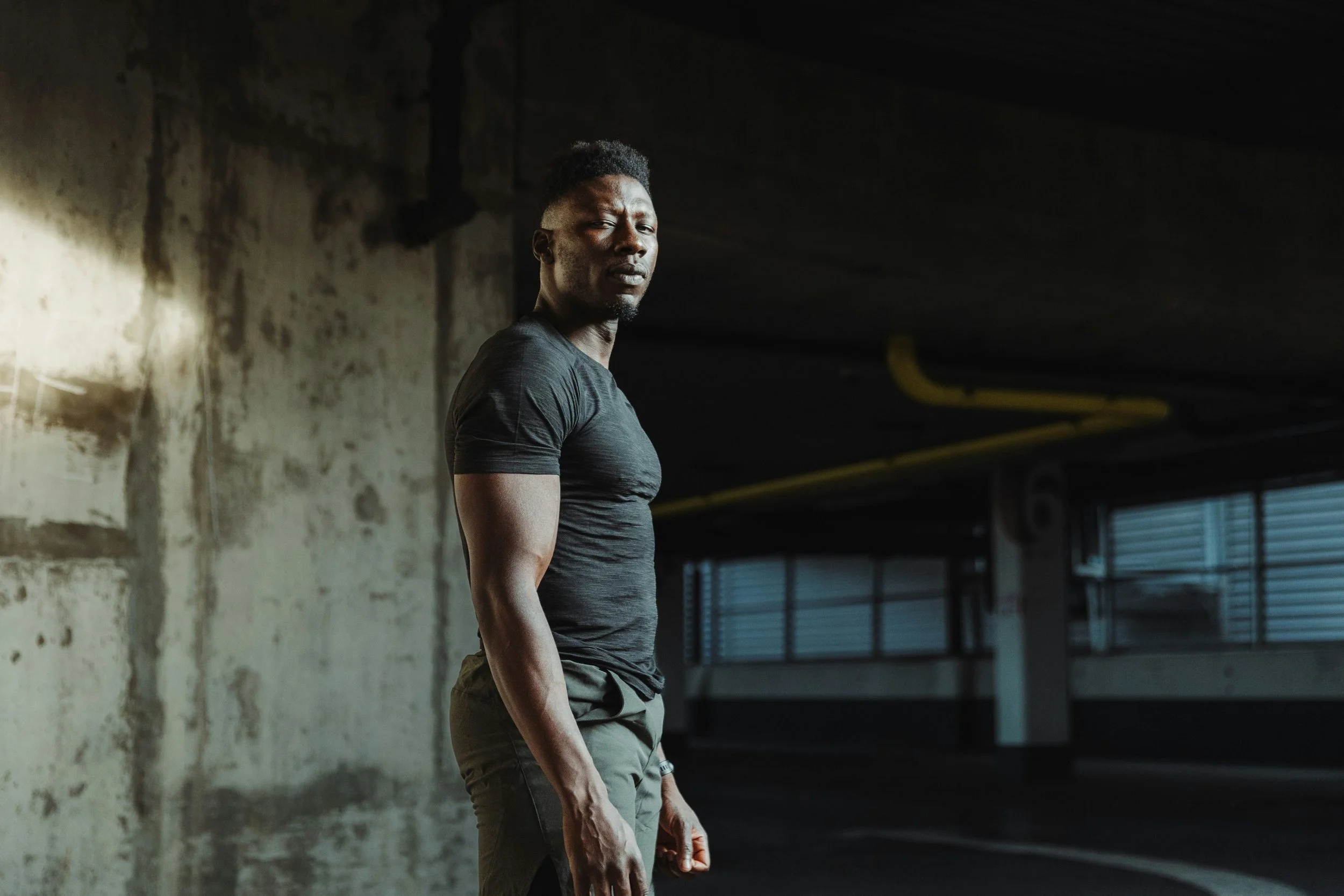
A defining feature of athleisure is the way materials carry meaning. Technical textiles once reserved for elite athletes are now common language in mainstream wardrobes. Breathable meshes, moisture-wicking knits, seam-free constructions, and compressive weaves provide measurable benefits while signaling a lifestyle.
Design has also shifted. Minimalist silhouettes, muted palettes, and subtle logos make performance fabrics adaptable to different contexts. Pockets and modular elements respond to real-life needs. As a result, consumers expect versatility. A jacket should perform on a rainy morning run and layer under a blazer for an evening event. This expectation nudges brands to design with a systems perspective, thinking about how garments interact rather than treating each item as an isolated product.
The rise of multipurpose garments also changes consumption patterns. People invest in fewer pieces that offer multiple uses. This has implications for sustainability debates and for how brands narrate product utility without overstating claims.
Celebrity Influence And The New Fashion Narratives
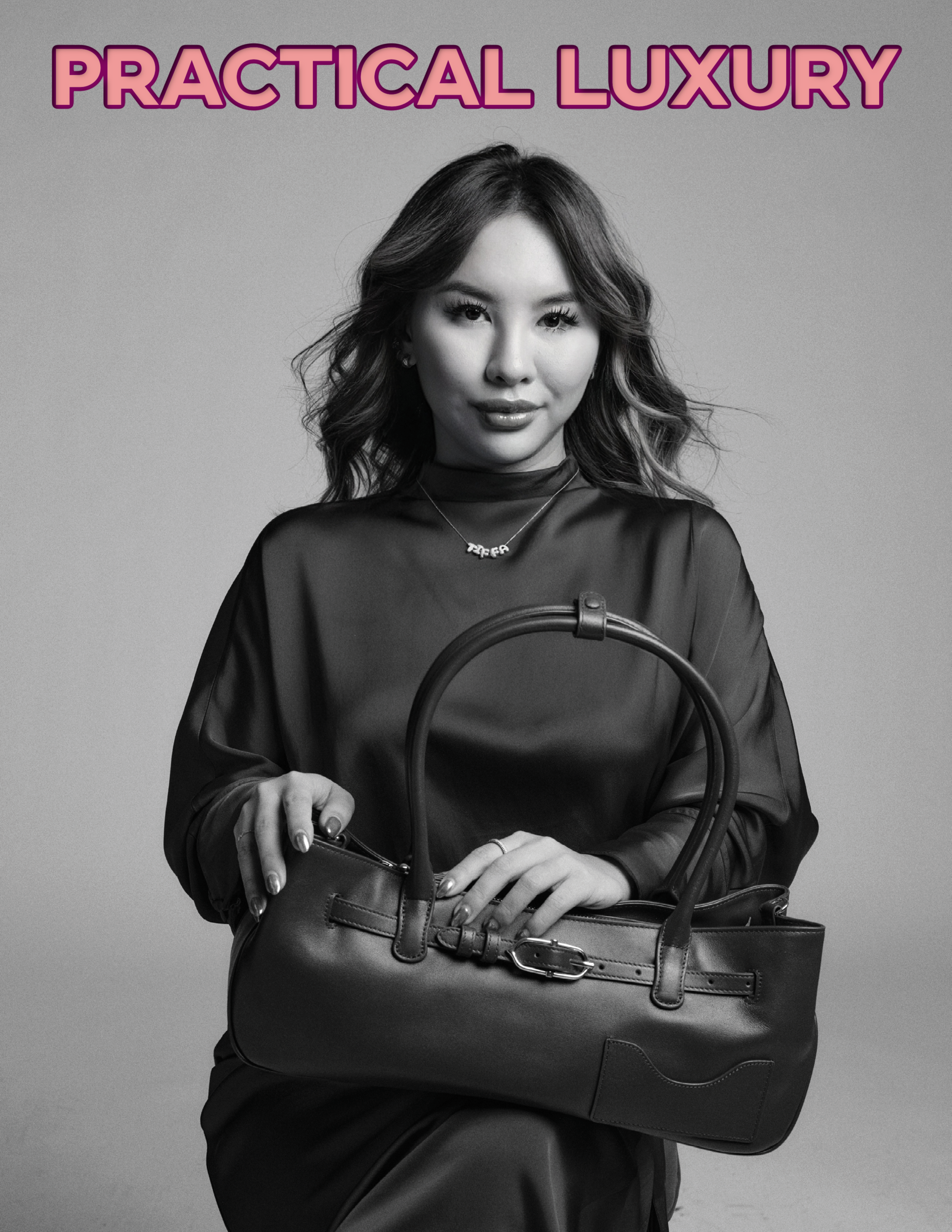
Celebrities and athletes have played a complex role in normalizing athleisure. When public figures pair performance-wear with couture accessories, they create a visual script that is easy to replicate. That script emphasizes authenticity—these figures are often seen working out, traveling, and attending casual industry events in the same outfits.
Beyond runway moments, social media amplifies these narratives. Short-form video and daily lifestyle posts create an intimate sense of discovery. Viewers see how a particular pair of leggings performs through the day or how a jacket resists the elements during a weekend hike. Those shared moments encourage experimentation and help demystify technical garments for a broader audience.
At the same time, influencers have pushed brands to be transparent about fit, fabric, and function. Consumers now expect to see garments in motion, not just flat on a hanger. That demand has driven a new kind of product storytelling that blends editorial content with user-generated perspectives.
How Athleisure Shapes Daily Routines
Athleisure has practical effects on how people plan their days. When clothing reduces the friction between activities, scheduling becomes more fluid. You can attend a late-morning spin class, drop into a meeting, and grab dinner without a change of clothes. That flexibility matters in dense urban environments where transit and time are premium resources.
Beyond convenience, athleisure influences movement choices. Comfortable gear lowers the activation energy required to exercise. When exercise apparel is also suitable for other contexts, people are more likely to prioritize active commuting or spontaneous workouts. In this way, clothing subtly nudges behavior without moralizing about health.
There is also a gendered dimension to consider. Athleisure has expanded options for many who previously faced rigid expectations about dress. For some, it is a liberation from formal dress codes. For others, it raises questions about appropriateness and professionalism. The negotiation happens in workplaces, schools, and social spaces, and it is often uneven.
Retail And Cultural Shifts Shaping The Future
Retailers have adapted to the cross-category nature of athleisure. Flagship stores become experiential spaces where customers test how garments perform in scenarios that mirror real life. Subscription models and rental services respond to the desire for variety without long-term commitment. Meanwhile, direct-to-consumer brands use targeted content to explain technical benefits without jargon.
Culturally, athleisure feeds into a larger reevaluation of status markers. Luxury once signaled scarcity and formality. Increasingly, comfort, craftsmanship, and thoughtfulness serve as alternative markers of taste. That does not mean logos disappear. Instead, the conversation shifts from ostentation to the story behind a garment—how it was made, how it moves, and what it enables.
Technological advances will continue to shape the category. Smart fabrics, modular attachments, and improved manufacturing techniques will allow more graceful integration of tech into everyday wear. But the success of these innovations will hinge on subtlety. Consumers respond to tools that enhance experience without dominating it.
Aesthetic And Ethical Questions
The rise of athleisure raises questions that go beyond styling. What does it mean when casualness becomes a norm? How do institutions adapt when the clothing that workers choose prioritizes comfort? And what responsibility do brands carry when they encourage more frequent use of garments that may wear out quickly?
Sustainability remains an unresolved tension. Technical fabrics often rely on synthetic fibers, which complicate recycling. Brands and consumers are experimenting with longer-lasting constructions and circular business models, but the economics of durability still clash with fast-fashion rhythms.
Finally, there is a cultural negotiation about identity. Athleisure can be genuinely inclusive, offering functional solutions for varied bodies and lifestyles. But it can also flatten distinct cultural dress practices into a homogenized global aesthetic. Designers and cultural commentators are increasingly attentive to this risk, arguing for more nuanced approaches that respect local sartorial traditions while embracing functional design.
Conclusion
Athleisure is more than a fashion trend. It is a cultural shift that reconnects clothing to behavior, technology, and daily life. Its appeal lies in a practical promise: garments that reduce friction between activities while signaling a personal stance toward movement and comfort. As the category evolves, the most interesting questions will be social rather than stylistic. How will institutions respond? How will communities preserve distinct modes of dress? And how will designers balance innovation with responsibility? Observing these choices will reveal as much about our changing priorities as any runway show.