Walk into any wellness-curious household in Brooklyn, Austin, or the West Loop on a Tuesday night and the picture has changed in subtle ways. The candle is lit earlier than it used to be. The phone is face-down on the kitchen counter by nine. There is a foam roller beside the couch, a glass of water within reach, and a paperback that the owner actually intends to finish this month. The cultural script around evening recovery has been rewritten over the last three years, and the rewrite is louder than any treadmill commercial. People want softer landings into sleep, fewer stimulants after seven, and entertainment that does not punish them at six the next morning. The American wellness conversation is no longer about peak performance alone. It is increasingly about graceful descent, about how to switch off without feeling like the body has been thrown off a cliff.
Inside that same conversation, the texture of leisure has quietly shifted. Long-form streaming binges feel taxing rather than relaxing for many viewers in 2026. Doomscrolling carries a new social stigma. Even the casual phone games that owned the late-evening hour for most of the last decade are starting to feel like one input too many. What is filling the gap is a patchwork of low-stimulation rituals: walking the same neighborhood loop on autopilot, a fifteen-minute yin sequence on the bedroom rug, a lavender candle, an audiobook with a narrator the listener already trusts. And, increasingly, a small handful of light, free-to-play digital diversions that ask very little of the brain in return. That last category is where a quiet category-shift is happening, one that the lifestyle press has only just begun to name.
Among the formats showing up in those wind-down stacks are legal social casinos, which are virtual-currency entertainment apps that resemble traditional slot or card-style play but operate on a sweepstakes model with no real-money wagering. Brands such as Chumba, LuckyLand, Pulsz, McLuck, Stake.us, and Wow Vegas have built audiences around short evening sessions of twenty or thirty minutes, daily login coin drops, and the kind of low-friction loop a tired adult can pick up after dinner without committing to a two-hour show. Whether you find them inside your routine or not, the broader question they raise belongs to wellness culture, and that is what this piece is really about.
Why evening recovery has become the new performance metric
For most of the last decade, the dominant wellness storyline in the United States was about output. Sub-three-hour marathons, cold plunges before sunrise, twenty-gram protein breakfasts, eight-minute meditation timers wedged into the morning commute. The metric was always the start of the day. By 2024 the conversation had visibly tilted. Sleep coaches in Los Angeles and New York started to publish evening protocols that read more like restaurant menus than training plans. Wirecutter readers began flagging weighted blankets and sound machines instead of fitness watches. Trainers like Bec Gentry, profiled in Athleisure Mag throughout this season, talk openly about the nervous-system cost of pushing through tired evenings, and about why a long marathon block requires equally long downshifts on the other end of the day. The performance question is no longer how hard you can hit it at six in the morning. It is whether you can still string together a calm Tuesday evening at nine.
The three textures of mindful leisure that Americans actually do at night
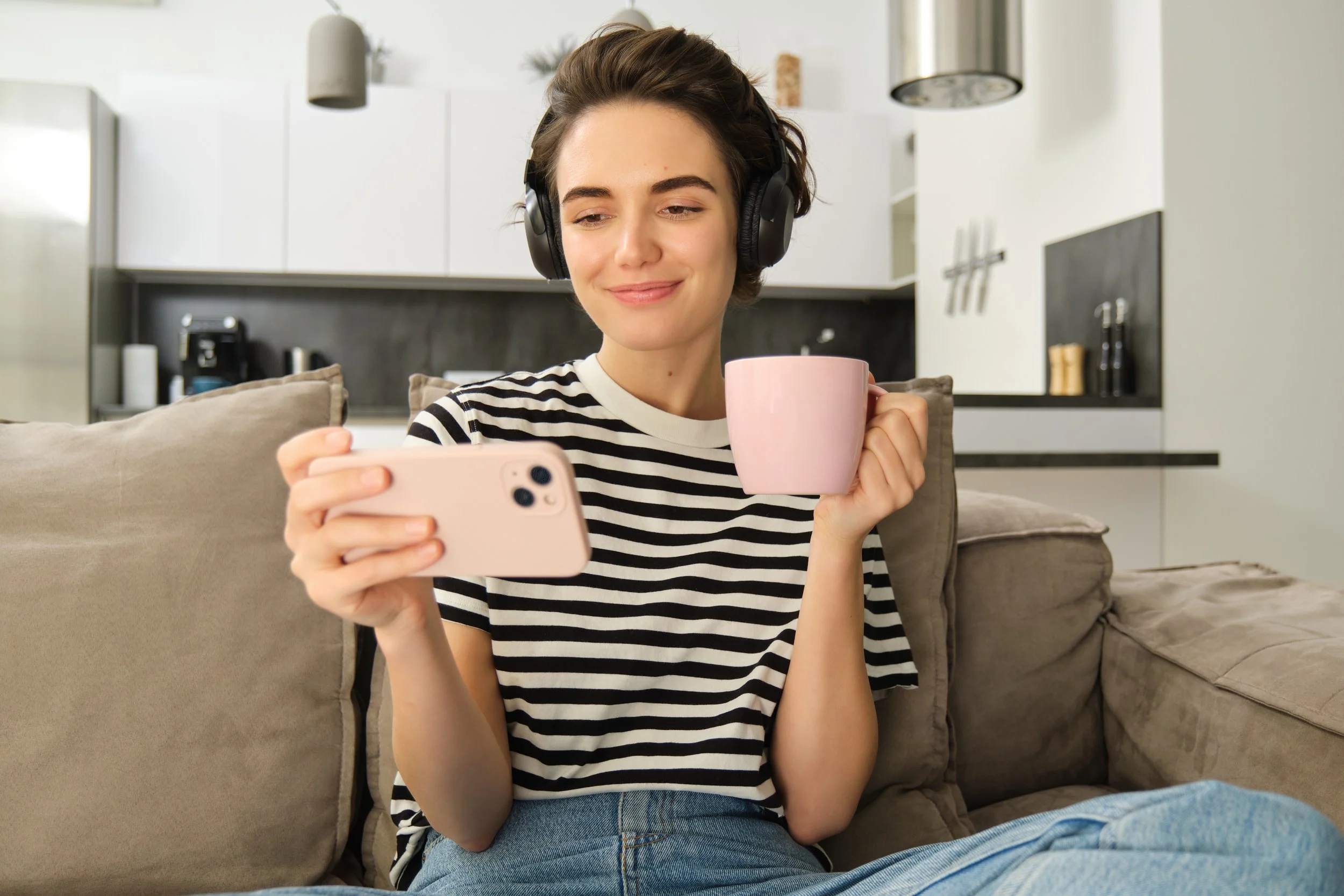
When journalists ask what mindful leisure looks like in practice, the picture is more domestic than the wellness-influencer feed suggests. There are three textures that come up over and over in lifestyle reporting from the past two years. The first is solitary repetition, the kind embodied by a slow neighborhood walk after dinner with no podcast in the ears. The second is gentle craft, knitting, sketching in a five-dollar notebook, kneading a slow loaf of sourdough before a Wednesday dinner party. The third is what you might call low-friction screen time, a category that has narrowed dramatically. It used to include scrolling social platforms, prestige drama on a streaming service, and casual mobile puzzles. In 2026 it is more often a single audiobook chapter, a five-minute text exchange with a friend, or a single short session of a low-stakes digital format that asks for almost no decision-making. Each of these textures shares a profile: a finite end-point, a shallow demand curve, and zero residue when the device is put down.
Athleisure dressing has quietly become recovery-wear too
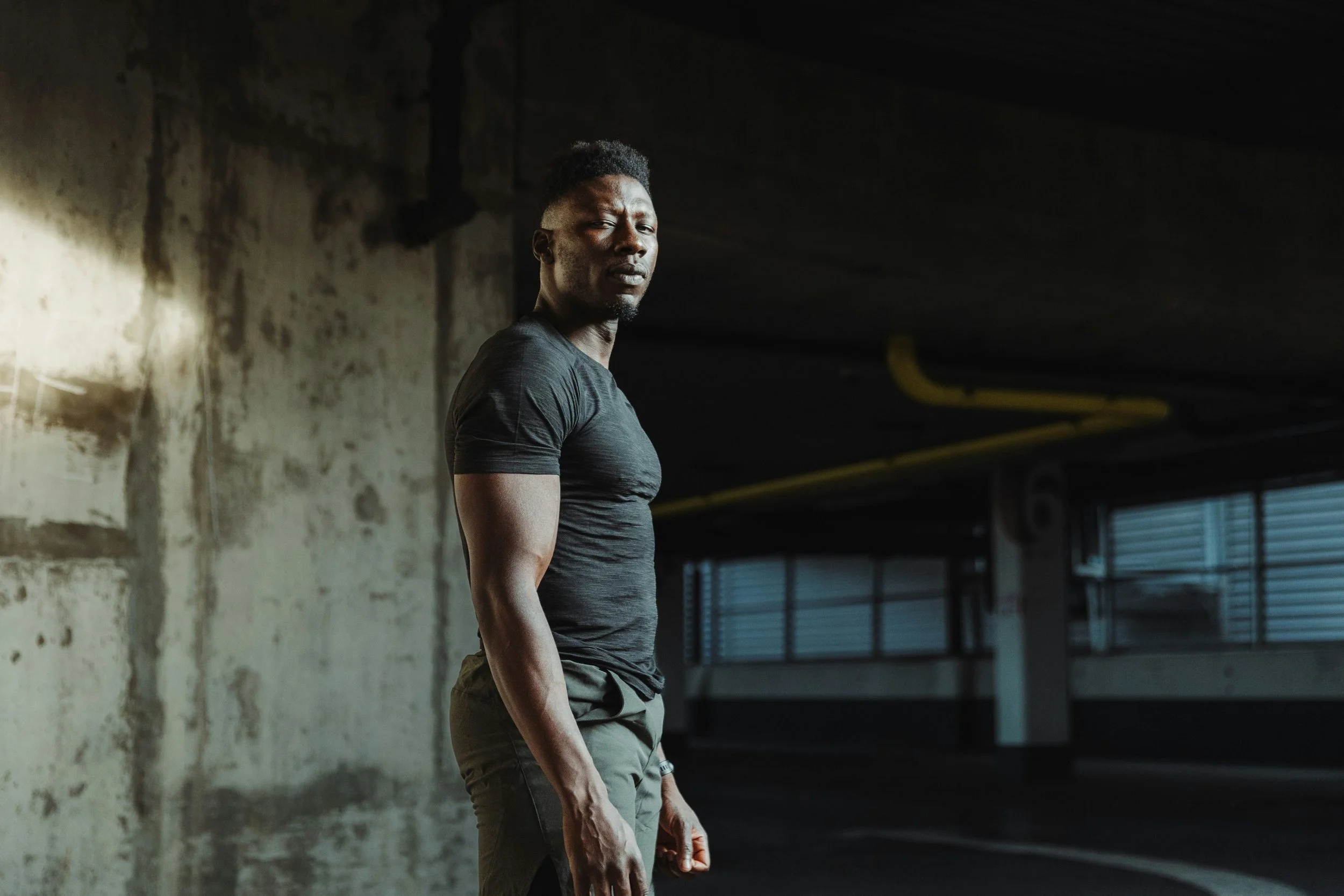
There is an aesthetic side to this shift that the athleisure category has been ahead of. The same heather-grey joggers and ribbed long-sleeve tops that read as gym-adjacent in 2017 now do double duty as evening softgoods. Fabric weights have crept upward, brushed inside, breathable outside, and waistbands have moved from elastic-and-drawstring to wide-banded knits that do not press against the diaphragm. Brands such as Vuori, Alo, Outdoor Voices, Public Rec, and Lululemon have all leaned into pieces that designers internally call recovery cuts: relaxed, soft, slightly unstructured, and visually plain enough that nobody will mistake them for sleepwear during a midnight grocery run. The connection to wellness is not subtle. People who dress in soft, gentle clothes from seven o'clock onward sleep better, eat differently, and report a lower household stress baseline in qualitative consumer studies. The garment is doing some of the calming work that an app or a candle would otherwise have to do alone.

PHOTO CREDIT | Pexels/Federico Borello Photo
Reading the body's signals before you pick up a screen
All of this domestic wellness theater hangs on a simple, often-skipped step: noticing what the body actually needs before defaulting to the nearest device. An Athleisure Mag feature on finding your balance makes the case beautifully, framing balance not as a static yoga pose but as an iterative checking-in practice across the course of a day. The feature points readers toward simple body-first questions before they reach for a remote, a phone, or any other input. Are the shoulders up around the ears? Is the breath shallow at the top of the chest? When did the last full glass of water happen? When you build a one-minute scan into the moment you cross the threshold home, the rest of the evening tends to land more softly. The screen, whatever shape it takes, becomes an optional accessory rather than a default.
Why short-loop entertainment beats long-form in the new wellness math
Sleep researchers and behavioral therapists have been quietly aligned on one point for several years now: longer evening entertainment sessions produce more late-night alertness than shorter ones, regardless of content. A two-hour streaming sit-down is more disruptive to sleep architecture than two twenty-minute breaks earlier in the evening, even when the on-screen material is identical. The wellness implication is significant. The people who feel most rested in their thirties and forties are not necessarily the ones who skip evening entertainment altogether. They are the ones who keep their evening entertainment in shallow, finite blocks. A twenty-minute walk, a fifteen-minute audiobook chapter, a ten-minute mobile session of something light and forgettable, then the lights go down. It is a model that puts a premium on formats that have a clean stop-point built into them, rather than the algorithmic infinite scroll that defined the late twenty-tens. This is one reason short-form, low-stakes digital formats have started to appear in lifestyle write-ups about evening routines: they slot into the rhythm without overwriting it.
The wider American conversation about relearning how to relax
It is worth zooming out from the bedroom and the living room, because the cultural backdrop for all of this is bigger than any single product category. A Fast Company piece on relearning how to relax captures the broader knot that American adults have been trying to untie for several years now. Productivity culture trained a generation to feel guilty during downtime, to read instead of nap, to treat leisure as a problem to optimise rather than an end in itself. The piece argues, with research backing, that the ability to genuinely relax is itself a learned skill, and one that has atrophied for many adults under forty. That diagnosis frames almost every wellness micro-trend of the last three years, from the silent-walking phenomenon to the rebranding of the post-dinner couch as a sacred zone. The work is not to fill the evening with better content. It is to rebuild the muscle that lets a person sit on a sofa for ninety minutes and not feel like they are wasting their life.
Reading rooms, podcast pacing, and the audio side of evening recovery
Audio has emerged as the quiet hero of the post-2024 wellness evening. Sleep stories on calm-app catalogs, long-form interview podcasts that move at conversational pace, and audiobook narrators with low, steady voices have all been credited with helping listeners ease off the day. The genre that has grown fastest is what producers call low-arousal narrative: travel essays, slow biographies, gentle nature documentaries narrated for ear rather than eye. Listeners report falling asleep more easily because the audio gives the brain something to do without demanding a visual response. New York and Chicago have both seen the rise of dedicated reading rooms, members-only quiet spaces where the only ambient sound is page-turning and a low jazz playlist. The spaces feel like a deliberate corrective to the open-plan, podcast-blasting coffee shops of the previous decade. Members go to read, to write longhand, to sit. The cultural through-line is unmistakable: less stimulation, more space, more breathing room.
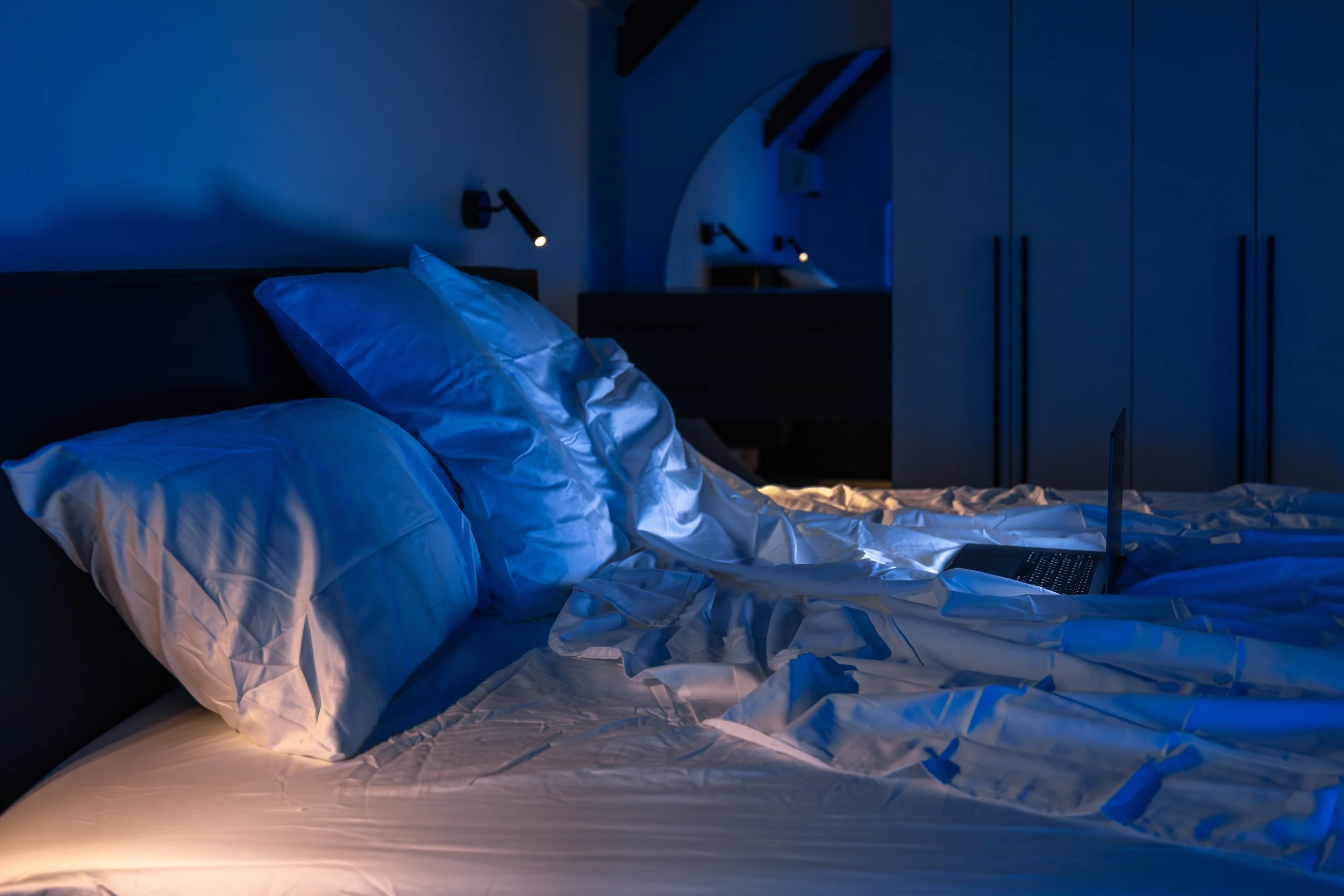
PHOTO CREDIT | Magnific/PV Productions
Where social-format apps fit, and where they do not
It would be misleading to pretend that low-stakes digital diversions have no role in the new evening rhythm. They do, but the role is narrow and the lifestyle press has been careful about it. The kind of social-format apps that built audiences in 2024 and 2025, including the sweepstakes-coin-style entertainment apps mentioned earlier, sit comfortably alongside an audiobook chapter or a tea ritual when treated as a finite ten-minute snack rather than a multi-hour habit. They sit poorly when they replace movement, conversation, or sleep. The lifestyle writers who cover them have converged on a common framing: think of the format as you would think of a single square of dark chocolate after dinner. Pleasant, finite, satisfying, and deeply unhelpful if eaten by the bar. Crucially, every responsible mention in the wellness press now arrives with the same advisories: short sessions, fixed time limits, evenings only, never instead of sleep. The reason this small product category keeps coming up at all is that it sometimes meets people where they are after a sixteen-hour day, when the gap between dinner and bedtime is forty minutes and a yoga sequence is unrealistic.
What the next two years of evening wellness probably look like
Looking ahead to 2027 and 2028, several lifestyle editors and product designers expect the evening wellness category to keep narrowing. Wearables will give clearer feedback about which evening choices help and which ones quietly hurt, with newer models already surfacing a single number for sleep readiness rather than a dashboard of metrics. Furniture and lighting will continue their drift toward calmer materials and warmer color temperatures, with reading lamps designed at 2200 Kelvin and bedrooms moving away from overhead fixtures entirely. Apparel will keep blurring the line between athletic and at-home wear, with brands designing pieces that move comfortably from a sunset walk to a foam-roll session to bed. Digital formats will follow the same compression. Expect to see more apps and more entertainment loops with explicit, gentle stop-points: a fifteen-minute meditation that bows out automatically, an audiobook chapter that closes with a soft chime, a card-style or slot-style mini-session that ends after a fixed coin allotment. The thread joining all of these is the same: the wellness category in the United States is no longer asking how to add more inputs to the day. It is asking how to subtract the right ones, and how to dress, light, and pace the evening in a way that actually lets the body land.