
A couple of years ago, subscription fatigue was real. People were juggling five or six services and still couldn't find what they wanted to watch. That frustration pushed the industry to rethink things.
Ad-supported tiers changed the game. Over 53% of streaming subscriptions are now ad-supported. Netflix, Disney+, and others rolled out cheaper plans, and people responded. Turns out, most viewers don't mind a few commercials if it means saving $7 a month.
Then there's the bundling trend. About a third of new subscriptions come through partner platforms now, broadband providers and mobile carriers packaging services together. It feels a lot like the old cable bundle, honestly, but with more flexibility and better content.
Your TV Is Basically a Computer Now
Remember when a "fun night in" meant flipping through cable channels and hoping something decent was on? That feels like a lifetime ago. Your living room isn't a passive viewing zone anymore. It's a cinema, a gaming arena, a social hub, and sometimes, a full-blown adventure. The global at-home entertainment market is valued at over $339 billion in 2026, and the real story isn't in the figures. It's in how completely the experience has shifted, from what we watch and play to how we connect with other people while doing it.
Smart TVs aren't really "TVs" in the traditional sense. They're app platforms with gorgeous screens attached. AI-powered picture and audio optimization is becoming standard in 2026 models. Your TV literally listens to what you're watching and adjusts the sound profile based on genre. Action movies? Surround sound kicks in. Late-night podcast? Volume evens out so you don't wake anyone up.
Display technology keeps pushing forward too. QD-Mini LED, Micro LED, and improved OLED panels are delivering picture quality that would've seemed absurd five years ago. Once you've watched something in proper HDR on a 65-inch OLED, going back to a standard screen feels rough.
Soundbars deserve a shout here as well. Compact Dolby Atmos setups are making full surround sound possible in apartments where a traditional speaker system would be laughable. You don't need a dedicated theater room to feel like you're sitting in one.
Gaming Isn't Just Gaming Anymore
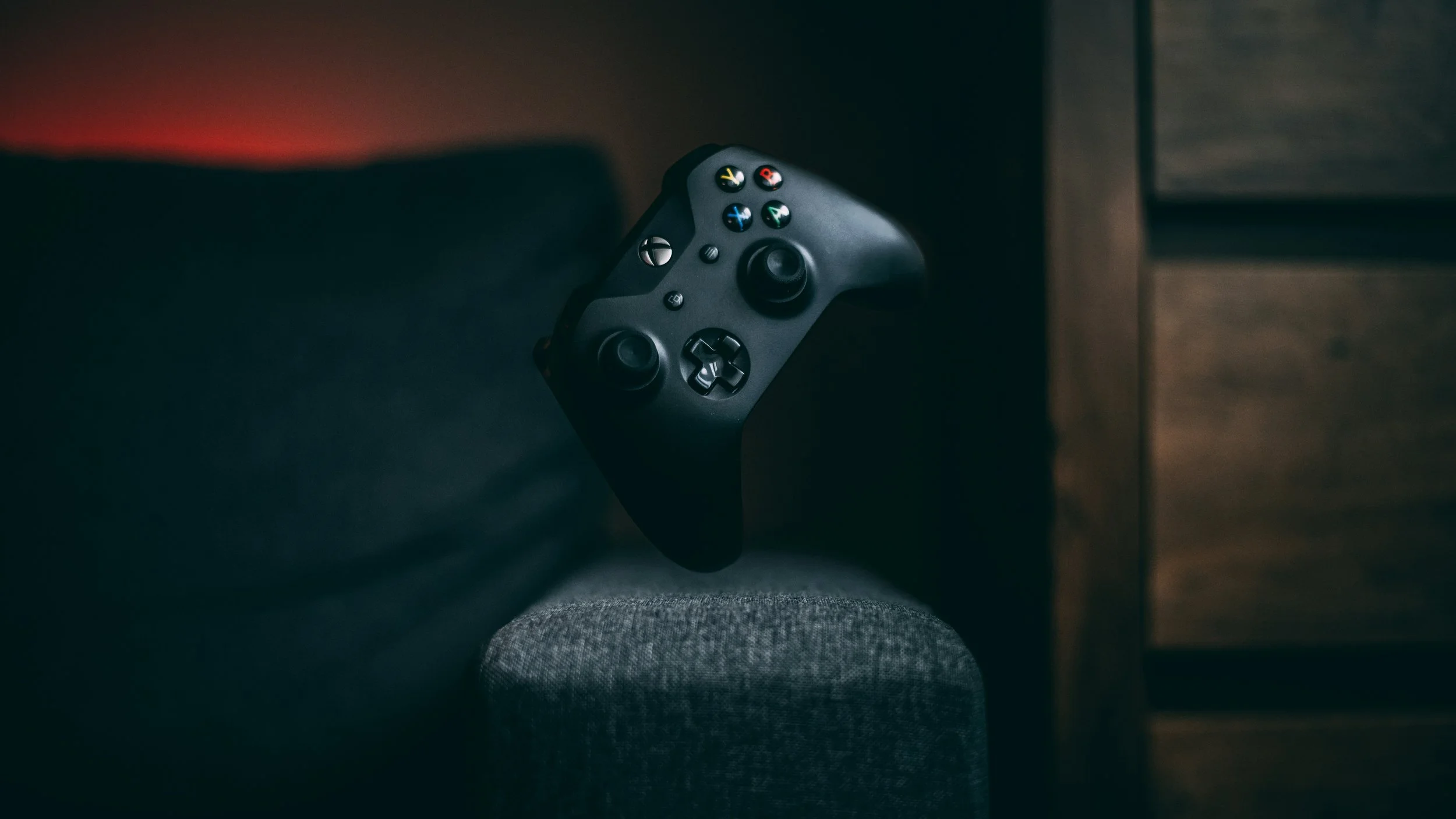
Here's something that often gets overlooked when people talk about home entertainment: gaming has become one of its biggest pillars. It accounts for nearly 28% of the entire home entertainment device market. That's massive.
But the shift is bigger than hardware sales. Gaming has turned social in a way that traditional media still hasn't matched. Nearly half of adults say they've made lasting friendships through gaming. Forty percent of Millennials report socializing more in games than they do face to face. Let that sink in for a second. Discord servers and multiplayer lobbies have become the new hangout spots, and that trend shows no signs of slowing.
Cloud gaming is expanding access too. Services that let you stream games directly to your device, no expensive console required, are opening doors for people who never considered themselves gamers. A decent internet connection and a controller will do.
And it's not just traditional gaming pulling people in. Social gaming experiences like Big Pirate, which blends a pirate adventure with island-building and casual play, have been attracting a different kind of audience since launching late last year. It's the type of thing you can casually play on your phone during halftime or while waiting for your next episode to buffer. Low commitment, surprisingly engaging.
The Living Room as Social Hub
Maybe the most interesting development is how at-home entertainment has stopped being a solitary thing. Watching a show now often means hopping into a group chat, live-tweeting reactions, or joining a watch party across time zones. Platforms like Discord and Twitch turned media consumption into community events.
U.S. consumers spend around six hours a day with media and entertainment content. Increasingly, a good chunk of that involves interacting with other people. The digital living room is a social space, and that realization is shaping how content gets made and distributed.
What's Next?
Smart home integration is the frontier. We're heading toward a setup where your lights dim automatically when you start a movie, your thermostat adjusts, and your sound system shifts profiles based on what's playing. Some of this is already happening. Most of it will feel standard within a couple of years.
The entertainment experience at home isn't just about content anymore. It's about environment, connection, and personalization. The couch is still the same couch. Everything else around it? Completely different.
And if we're being real, that's kind of exciting.