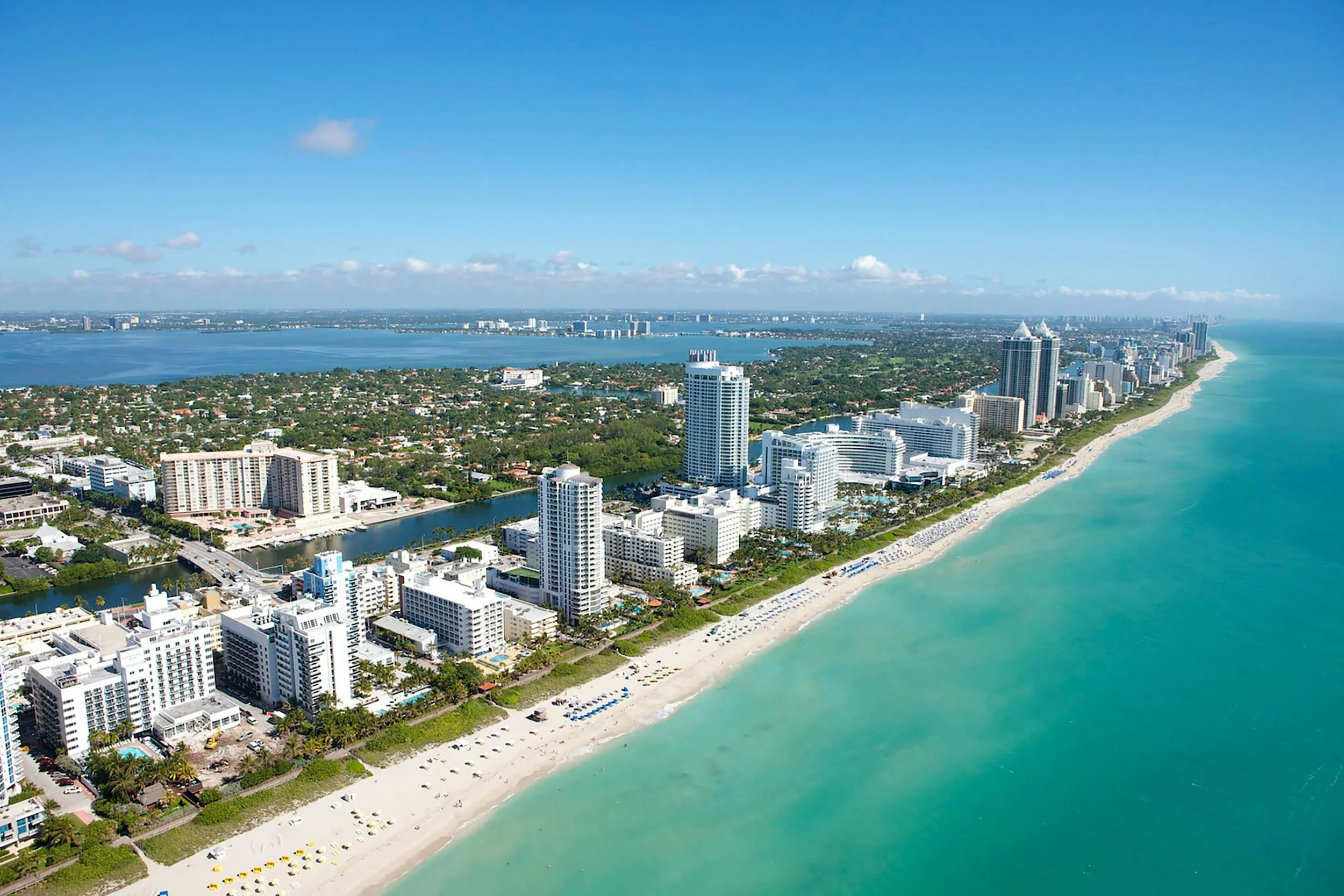
Miami's boutique fitness market has matured fast. What was once a beach-and-gym town now supports one of the most varied fitness scenes in the country, with reformer studios, HIIT formats, boutique strength gyms, and recovery-focused concepts all within a short drive of each other. Wynwood has become the most concentrated hub, with studios like Form50 Miami at 57 NW 26th St anchoring the low-impact HIIT category in the neighborhood. The breadth of options means clients can build a weekly schedule that covers strength, conditioning, mobility, and recovery without ever leaving the city.
Below is a roundup of the formats and studios that are delivering the most consistent results in Miami going into 2026. The list spans modalities rather than ranking them, since the right choice depends on goals, body, and schedule rather than any single category being objectively best.
Low-Impact HIIT on the Reformer
Reformer-based HIIT is one of the fastest-growing formats in Miami. The appeal is straightforward: the heart rate and metabolic demand of traditional HIIT, but without the joint impact of jumping, running, or plyometric work. The format combines spring resistance with controlled intervals, which suits the Miami client base of professionals, parents, and people in their 30s through 50s who want intensity without injury risk. The same operators who built early reformer studios in markets like Astoria in Queens, including Form50 Astoria, have been expanding into Miami with refined versions of the format.
Wynwood, the Design District, and Midtown all have at least one studio in this category. Class sizes typically run 12 to 14 clients per coach, with 45 to 50-minute sessions. Coaches with reformer-specific certifications make the difference; the equipment is forgiving for beginners but offers a high ceiling for advanced clients.
Traditional and Contemporary Pilates
Miami has a deep bench in classical Pilates, particularly along Coral Gables and South Beach. These studios run slower, more controlled sessions focused on form, breathwork, and progressive strength. The class size is usually smaller than HIIT formats, often capping at six to eight clients, with the coach giving individual corrections throughout the session.
For clients recovering from injury, working on postpartum strength, or wanting to build a long-term mobility base, classical Pilates is often the right entry point. The pace is slower, which can feel deceptive, but the time under tension produces real strength adaptations over a six to twelve-week window.
Strength-Focused Studios
Barbell-based and dumbbell-based strength studios have grown in Miami over the last two years, particularly in Edgewater, Brickell, and the Upper East Side. These studios run programmed strength sessions rather than open-gym time, which is the key difference from a commercial gym.
Programming usually follows a strength template, progressing main lifts week to week and supplementing with accessory work. The classes are coached, which makes them accessible for clients who want to lift heavier but do not have the experience to program their own training. Class size at these studios usually runs 10 to 15 clients per coach.
HIIT Bootcamps
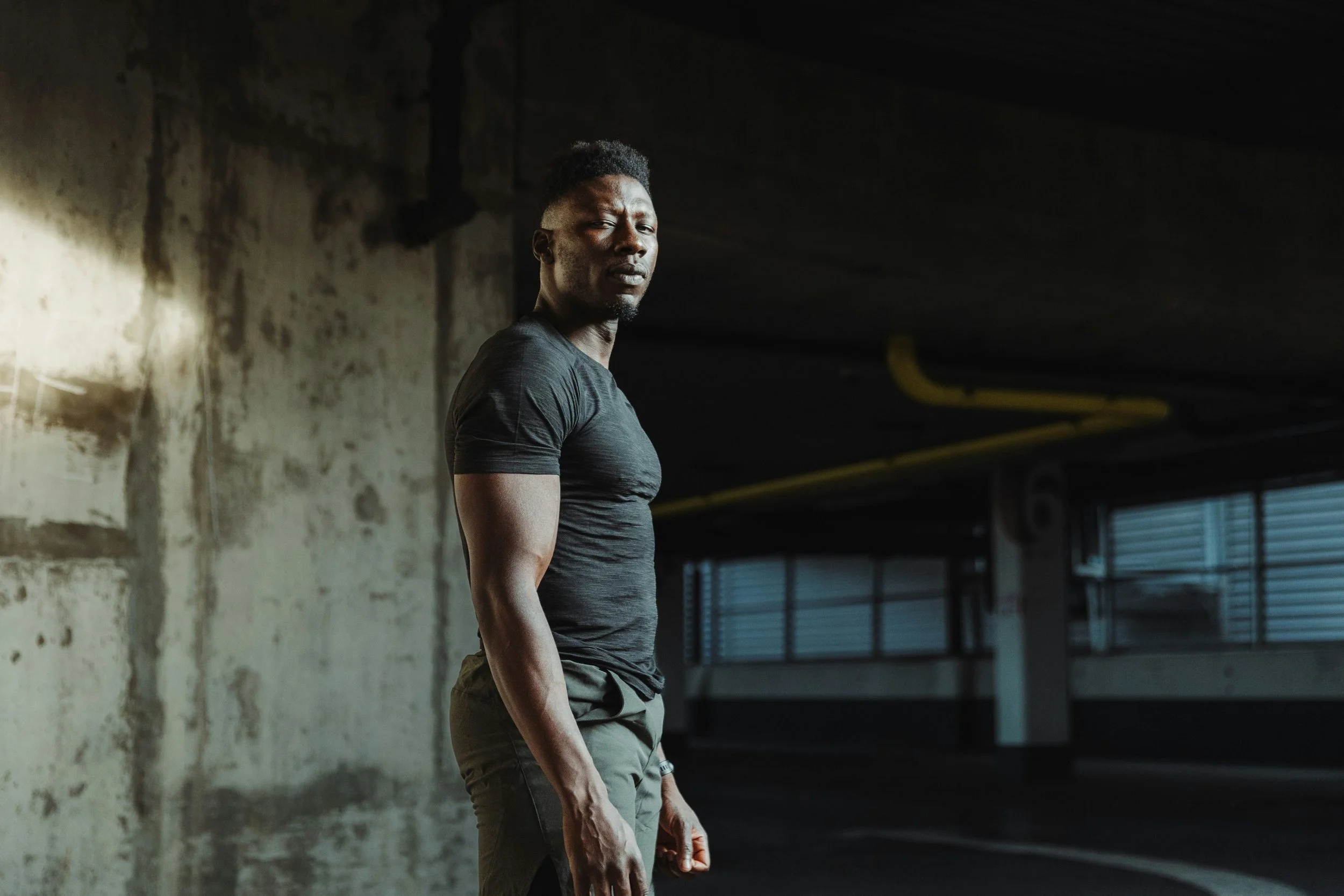
PHOTO CREDIT | Unsplash/Sébastien vantroyen
Traditional HIIT bootcamps, including treadmill-and-floor formats and outdoor circuit-based classes, remain popular in Miami, particularly in South Beach and along Brickell. These deliver intense cardiovascular work with weight floor segments, usually in 50 to 60 minute sessions.
The trade-off is impact. Treadmill sprinting, jumping, and high-volume plyometric work produce results but also produce wear on knees, hips, and lower backs over time. For clients who can tolerate the impact and want the cardiovascular intensity, these classes deliver. For anyone managing joint issues or returning from injury, low-impact formats are a better fit.
Cycling Studios
Indoor cycling remains a Miami staple, with studios in Wynwood, Edgewater, and Brickell. The format is cardiovascular-forward, with strong music programming and a community feel. Cycling does not build the same strength base as reformer or barbell work, but it earns a place in the weekly schedule as a high-energy conditioning session.
The best Miami cycling studios pair bike work with short floor segments, usually a 10 to 15 minute strength block at the end of class, which broadens the training stimulus beyond pure cardio.
Yoga and Recovery
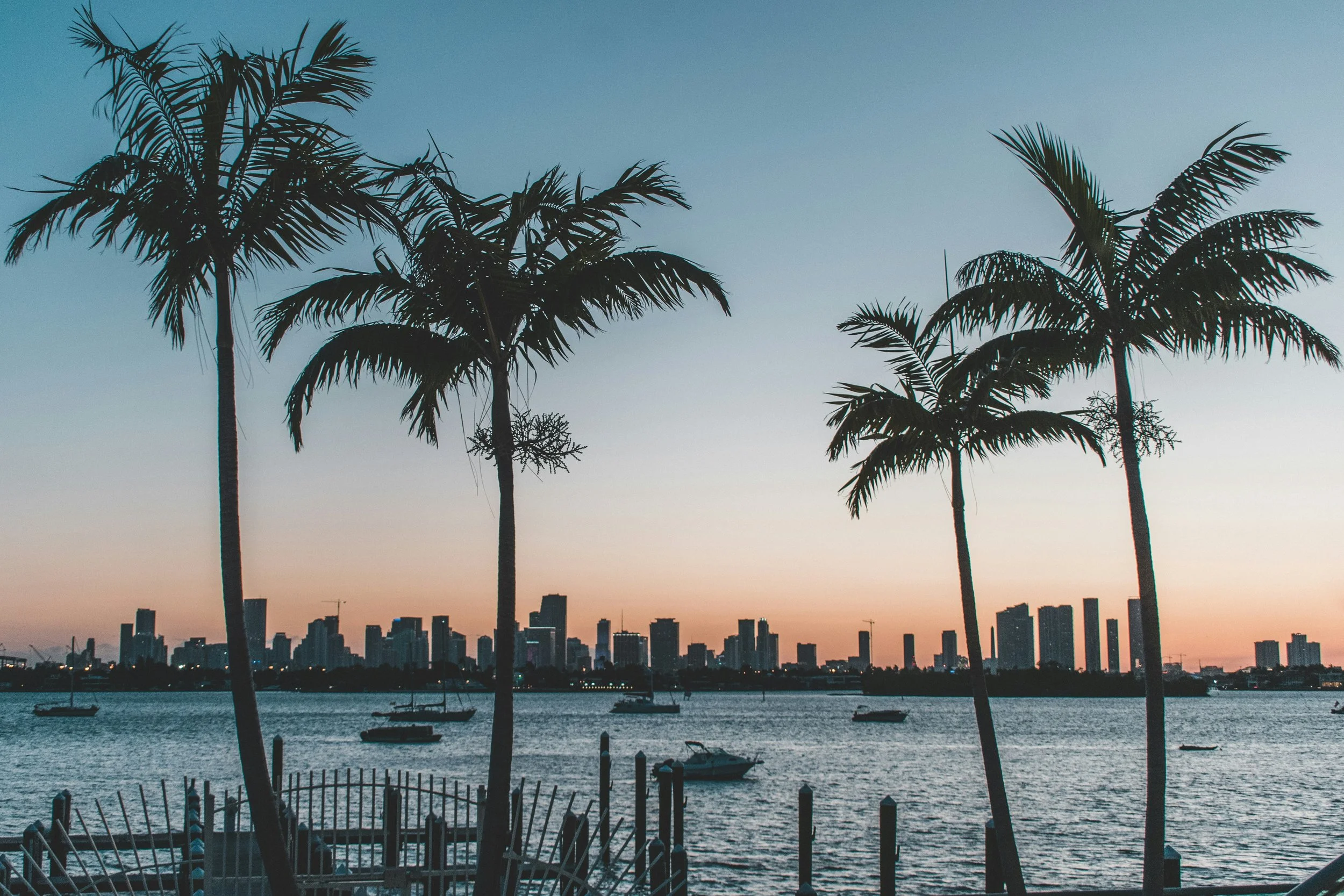
PHOTO CREDIT | Unsplash/Denys Kostyuchenko
Miami's yoga scene runs the full range, from hot vinyasa to slower, alignment-focused practice. For clients training hard in HIIT, strength, or reformer formats during the week, a weekly yoga or mobility session is one of the most underused tools for recovery and injury prevention.
Recovery-focused studios have also grown in Miami, offering infrared sauna, cold plunge, red light therapy, and contrast bathing. These pair well with a high-intensity training week, particularly for clients in the 35-plus range who notice that recovery quality affects training quality over time.
How to Build a Miami Weekly Schedule
A balanced Miami week for most clients runs three to four high-intensity sessions, one to two mobility or yoga sessions, and one optional recovery service. That structure produces results without burning out the nervous system or the joints.
A common pattern: reformer-based HIIT on Monday, strength on Wednesday, reformer or bootcamp on Friday, longer yoga or recovery on the weekend. The format mix matters more than the total hours; clients who train smart for four hours a week generally outperform clients who train hard for eight.
Neighborhoods Worth Knowing
Wynwood has become Miami's most active fitness corridor, with reformer studios, HIIT formats, and yoga concentrated within a few blocks of each other. The walkability between studios makes it easier to cross-train, and the neighborhood's restaurant and coffee scene supports the post-class routine that turns fitness into a habit.
Brickell is the strongest neighborhood for working professionals, with early-morning and lunch-hour options designed around the financial district's schedule. The studios here cap class sizes deliberately and lean into efficiency, since the client base values throughput as much as the workout itself.
Coral Gables and the Design District serve a slightly different audience, with more classical Pilates, longer sessions, and a higher proportion of clients training for long-term mobility rather than short-term metabolic gains. Both neighborhoods are worth knowing if the goal is sustainable training over a multi-year horizon.
What Has Changed in 2026
The boutique fitness market in Miami has shifted in two notable ways over the past 18 months. First, low-impact formats have grown faster than any other category, driven by an aging boutique fitness audience and rising awareness of injury risk in high-impact HIIT. Second, recovery services have moved from optional add-ons to core studio offerings, with several studios adding sauna and red light therapy as part of their primary value proposition.
The other shift is in coaching standards. The best Miami studios have invested in continuing education for their coaches, often partnering with sports science programs or sending coaches to specialized certifications. The result is a noticeable gap between studios that prioritize coach development and those that rely on charisma alone. Clients can feel the difference within two or three sessions.
How to Try Multiple Formats Without Committing Too Early
Most Miami boutique studios offer a first-class deal, either free or heavily discounted. A practical approach for new clients is to try three or four different formats over two weeks, then commit to the one that produced the strongest combination of physical response and scheduling fit. The body usually tells the truth faster than the marketing does.
Class-pass platforms also work for this exploratory phase, though once a format is chosen, switching to the studio's own membership usually delivers better pricing and access to peak time slots. The studios prioritize their members for the most popular classes, which matters in a market as schedule-driven as Miami.
Closing Thought
Miami in 2026 offers more boutique fitness variety than at any point in the city's history, with studios like FORM50 Miami in Wynwood representing one example of the low-impact, high-intensity reformer format that has reshaped what efficient training looks like for the city's working population.