Sports bring people together at places like Shorty Howell Park or the Bunten Road Park community centers. When a local athlete gets hurt because of someone else's mistake, the path to getting better involves more than just physical therapy. It requires a clear understanding of the legal protections available under Georgia state law to ensure medical bills and lost opportunities are addressed.
How athletes in Duluth, GA, can protect their rights after a personal injury depends on taking the right steps early on. Protecting a future career or a scholarship means knowing how to preserve information and follow the specific rules set by the courts in Gwinnett County. This focus helps maintain the integrity of a potential legal claim while the athlete focuses on a full recovery.
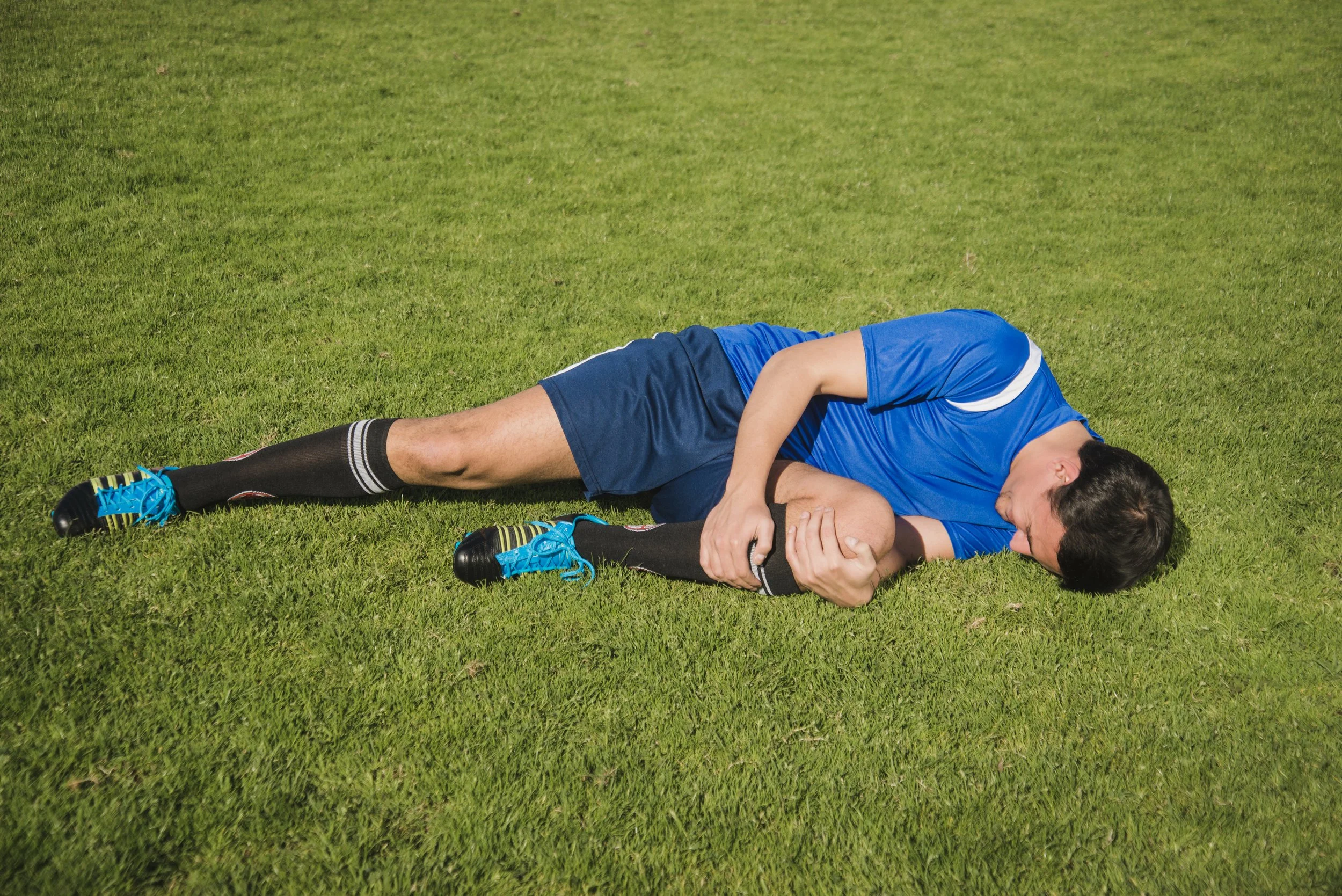
Why Is Immediate Medical Documentation Vital For Athletes?
In Georgia, the link between the accident and the physical harm must be clear. Seeing a doctor right away creates an official record that connects the sports injury to the specific event. Waiting too long allows insurance companies to argue that the pain came from a different activity or a previous practice session. Athletes often try to tough it out, but this can weaken their legal standing later.
How Can Athletes Protect Their Rights After A Personal Injury?
Protecting a claim starts with identifying every party that might be responsible for the harm. This could include equipment makers, property owners, or even event organizers who ignored safety rules. In a growing city like Duluth, GA, local safety standards are vital for every sports facility. Athletes injured in Duluth, GA, have legal rights that deserve to be fully understood and protected.
Whether the injury happened on a poorly maintained court or during a poorly supervised event, those rights do not disappear simply because the incident occurred during athletic activity. A Duluth personal injury lawyer from reputable law firms like Slam Dunk Attorney, a firm renowned for its consistency in results, can help injured players sort through the details of their incident to identify who should be held accountable. Having a legal advocate allows the athlete to stay focused on their training and healing while the paperwork is handled.
What Role Does Spoliation Play In A Sports Injury Case?
Spoliation is a legal term used when someone destroys or hides evidence that is important to a case. In sports, this might be a video of a game or a piece of broken gear that caused the fall.
Georgia law protects victims if they can show that the other side intentionally got rid of things that would prove what happened. "When a facility allows essential footage or equipment to vanish, they aren't just cleaning up a mess; they are compromising the truth," says Peter Jaraysi, a Duluth personal injury attorney.
Evidence Deletion
If a gym or a school deletes security footage after being told to save it, a judge might tell the jury to assume the footage showed the defendant was at fault. This helps level the playing field for the injured athlete.
Which Evidence Is Vital For A Strong Legal Claim?
Proving a case requires gathering specific types of information as soon as possible. Because Duluth, GA, is home to many competitive leagues, the details of the environment often matter most. National data from the CDC indicates that traumatic brain injuries (TBI) remain a major concern, with 190 TBI-related deaths occurring daily in the U.S. in 2021. To build a strong case, an athlete should try to collect:
Photographs of the location where the injury happened, including any hazards or broken gear.
Contact information for teammates or spectators who saw the incident occur.
Official reports from coaches, trainers, or facility managers who were on duty.
Records of all medical treatments, including physical therapy and specialist visits.
How Does E-Discovery Help In Modern Injury Cases?
E-discovery is the process of finding evidence in digital formats like texts or social media posts. For an athlete, this might include electronic logs from a fitness tracker or digital records of maintenance at a local facility near the Gas South Arena.
These digital footprints can prove exactly when an injury happened and what the conditions were like at that moment. Georgia's rules of evidence allow these digital files to be used in court as long as they are collected correctly.
To discuss how to preserve digital evidence or address facility liability, players can contact Slam Dunk Attorney at (678) 329-9750, located at 10 minutes drive from the Basketball Court, 3340 Church St, or visit the office at 2250 Satellite Blvd NW, STE 120, Duluth, GA 30097.
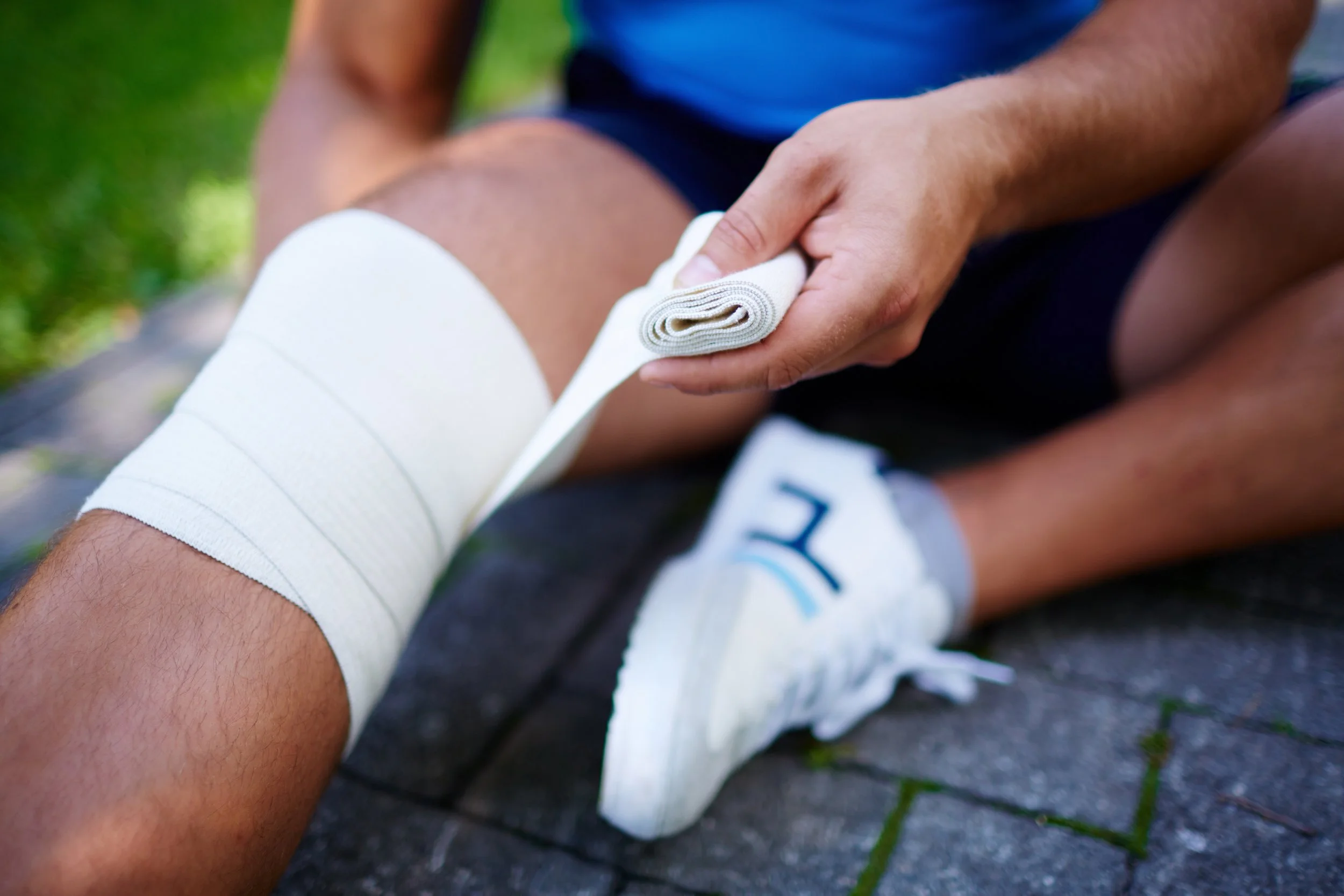
What Laws Affect Athlete Rights In Georgia?
Georgia follows a rule called modified comparative negligence under O.C.G.A. § 51-12-33. This means if an athlete is found to be 50 percent or more responsible for their own injury, they cannot collect any money. However, if they are less than 50 percent at fault, they can still recover damages, though the amount is reduced by their percentage of fault.
Common Questions About Duluth, GA, Sports Injuries
How long do I have to file a lawsuit in Georgia?
Under O.C.G.A. § 9-3-33, the statute of limitations for personal injury is typically two years from the date of the injury. Missing this deadline usually means you lose the right to seek compensation forever.
Can I sue if I signed a liability waiver?
Waivers do not always protect a company from being sued if it acted with gross negligence. A lawyer must review the specific wording of the waiver and the facts of the accident.
What kinds of damages can an injured athlete recover?
Injured athletes can seek compensation for economic damages, such as medical bills, future rehabilitation costs, and lost wages or lost athletic scholarship opportunities. They may also pursue non-economic damages for pain and suffering, emotional distress, and the loss of enjoyment of life or sports activities.