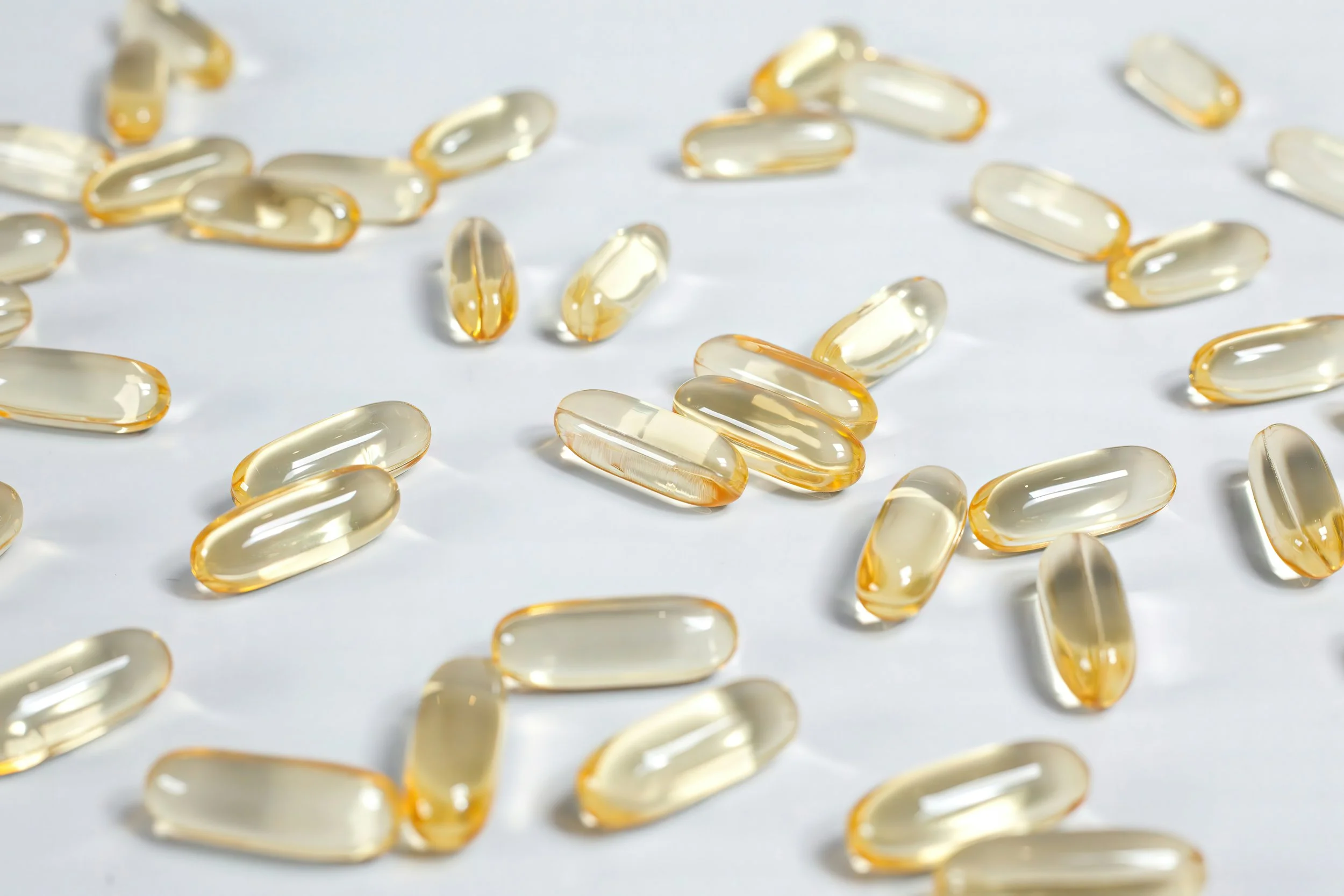
Fish oil quality is shaped before a capsule is filled.
For USANA BiOmega, the central story is not limited to the amount of omega-3 fatty acids listed on the label. The product also reflects a series of manufacturing choices involving fish selection, oil form, purification and finished-product testing.
Those details are increasingly relevant in a supplement category, where many products compete on milligram counts alone. For consumers comparing omega-3 supplements, the source and handling of the oil can help explain what separates one product from another.
USANA BiOmega is made with whole-body fish oil sourced from anchovies and sardines. These species are commonly used in fish oil manufacturing because they are small, oily fish that provide marine-sourced EPA and DHA.
Their position in the marine food chain is also worth considering. Anchovies and sardines sit lower on the food chain than larger predatory fish. Smaller fish generally have shorter life spans, which may reduce the time available for certain contaminants to build up before the oil is collected and processed.
The sourcing decision is only the first step.
After the oil is obtained, BiOmega undergoes high-vacuum molecular distillation. The process is used to purify and concentrate fish oil by separating unwanted compounds from the desired omega-3 fatty acids. In the case of BiOmega, the oil is distilled twice, according to USANA’s product information.
That extra processing step supports the product’s broader quality positioning. Fish oil can be affected by contaminants, saturated fats and other undesirable compounds. Distillation is one method manufacturers use to address those concerns before the ingredient becomes part of a finished supplement.
Verification follows purification.
BiOmega is tested for heavy metals and other contaminants after processing. This finished-product testing moves the evaluation beyond raw-material selection. It helps confirm that the product reaching consumers aligns with the company’s stated standards.
For consumers, this sequence creates a clearer framework for evaluating the supplement. The relevant questions are not limited to how much fish oil is in a serving. They also include where the oil comes from, how it is processed and whether the finished product is checked before distribution.
BiOmega’s formula provides 1,200 milligrams of total omega-3 fatty acids per two-capsule serving. That includes 580 milligrams of EPA and 470 milligrams of DHA. The supplement also includes vitamin D.
The product uses omega-3 fatty acids in concentrated triglyceride form. After purification and concentration, the oil is re-esterified back into triglycerides. This detail is part of the product’s formulation strategy and helps distinguish the finished oil from products that may use other omega-3 forms.
BiOmega is not made from fish liver oil. Instead, it uses whole-body fish oil. That distinction may matter to consumers who want EPA and DHA without adding vitamin A from a liver-oil source. According to USANA’s product information, BiOmega does not contain vitamin A.
Taken together, the product’s quality narrative depends on a chain of decisions. Anchovies and sardines are selected as the oil source. The oil is purified through molecular distillation. It is distilled twice. The finished supplement is tested for contaminants. EPA and DHA amounts are listed separately.
This gives USANA BiOmega a more defined place in the omega-3 category. It presents fish oil quality as the result of sourcing, processing and verification, rather than a single number on the front of a bottle.