
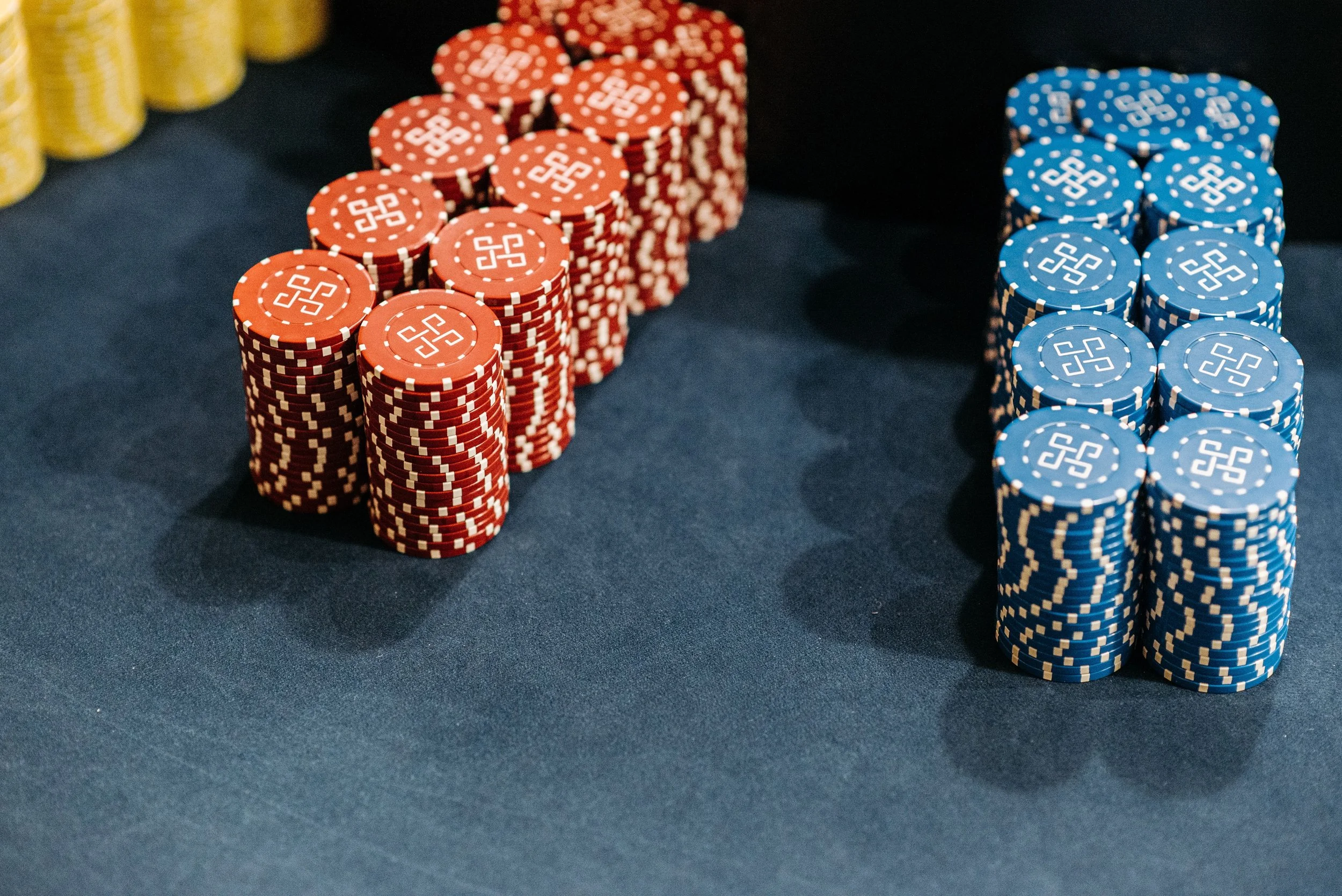
For a long time, real-money slots sat in a cultural category of their own, somewhere between a Vegas weekend and a guilty secret, kept well away from the language of wellness, recovery, and intentional downtime. That separation is starting to look dated. As legal online casino play has spread across a handful of US states and moved onto the same phone that holds a workout log and a meditation app, a share of the audience that tracks sleep and plans recovery has quietly folded a few spins into the evening the way they might fold in a streaming episode or a long bath. The question is no longer whether people do it. It is whether they do it with the same deliberateness they bring to everything else in the routine.
Treated carelessly, paid play is the leak in an otherwise well-run leisure budget. Treated deliberately, it behaves like any other bought entertainment, a fixed cost for a defined stretch of enjoyment. The difference is entirely in how it is set up before the first spin, and that setup rests on understanding one thing that slots do not share with a training block or a skincare regimen. Bonus.com, a gambling data and guides publisher rather than a casino operator, keeps a Bonus.com real money slots analysis that lays out how return-to-player percentages function as long-run averages measured across millions of spins rather than as a forecast for any single evening, and that distinction is the one most people get backwards when they file real-money slots alongside the rest of their leisure.
Why Slots Slid Into the Lifestyle Conversation
Two things happened at once. Legal, regulated online casino play arrived in a growing set of US states, and the wellness audience finished migrating almost its entire discretionary life onto the phone. When the same device holds your recovery data, your grocery order, and a licensed casino app, the wall between categories thins out. A slot session stopped requiring a flight, a hotel, or a dedicated night. It became something you could do for eleven minutes on the sofa, which is exactly the format the modern leisure block is built around.
That accessibility is the real change, and it cuts both ways. The friction that once limited paid play to occasional trips is gone, which means the discipline that trips used to impose has to come from the player instead. Convenience is neutral. It rewards a plan and punishes the absence of one.
The Rules Are Narrower Than People Assume
Before slots can be a lifestyle line item, they have to be legal where you are standing, and for most of the country they are not. Real-money online casino play is licensed in eight US states as of July 2026, the newest of them having been approved but not yet launched at that point, with each of several tribal operators expected to run a site during the year. Everywhere else, there is no regulated real-money option, and the deciding factor is your physical location at the moment of play, not the state on your driver's license.
The minimum age is 21 for real-money online casino play in the US. Sweepstakes and social casino apps, which run on virtual coins rather than cash and are sometimes pitched as a nationwide substitute, are a separate model that several states have moved to restrict or ban outright, including California from the start of 2026. None of that makes real-money slots exotic or forbidden. It makes them a regulated activity with real boundaries, which is worth knowing before you slot them next to activities that have none.
What Slots Do Not Share With the Rest of Your Routine
Nearly everything else in a wellness routine is built on a skill curve. You add weight to the bar, shave seconds off the 5K, cook the dish a fourth time and it comes out better than the first. Contrast therapy and cold exposure reward frequency, which is why the bathing clubs that Athleisure Mag has covered in its recent recovery roundups sell memberships rather than day passes and nudge members toward two to four visits a week. The entire architecture of a lifestyle routine assumes that repetition pays.
Real-money slots have no skill curve at all. Outcomes are determined by chance on every spin, and a spin has no memory of the one before it. The return-to-player percentage attached to a game is a long-run average calculated across an enormous number of results, not a promise about your session, your night, or your month. There is no technique that shifts it, no practice effect, no equivalent of learning to breathe through the cold plunge. Even in casino games where decisions genuinely matter, sound play can reduce a built-in house edge without ever erasing it. On slots specifically, there are no decisions to get right, because there are no decisions at all beyond how much to stake and when to stop.
This is not an argument that nobody should play. It is an argument against the reflex, common in this corner of culture, to treat every pursuit as a discipline to be optimized. Some entertainment is bought, not earned. A concert ticket does not get cheaper because you have been to more concerts, and a slot session does not get better because you have played more of them. Understanding that is what keeps the category healthy rather than corrosive.
Reading RTP and Volatility Without Fooling Yourself
Return-to-player gets quoted like a personal forecast, and it is nothing of the kind. A game listed at 96 percent RTP is expected to return about 96 cents per dollar wagered averaged across millions of spins pooled from every player, which tells you almost nothing about what happens in your forty minutes. Over a short session the actual result swings wildly in both directions, and that swing is the product, not a flaw in it.
Volatility describes the shape of that swing. High-volatility slots pay less often but in larger bursts, so long dry stretches are normal and expected. Low-volatility slots pay smaller amounts more frequently and drift down more gently. Neither changes the long-run math or the house edge. What they change is how a fixed budget feels while it lasts, and choosing between them is a preference about texture, the same way you might pick a long steady walk over a short hard interval. It is not a lever on the outcome.
Building the Line Item Before You Play
If paid play is going in the leisure budget, budget it like a ticket and not like a training block. Decide the number before the session, treat it as spent the moment you decide, and let the result be whatever it turns out to be. The number is the plan. Anything you win is not a return on investment, and anything you lose is not a deficit to make up next week.
| Leisure category | Rewards repetition? | How to bound it |
| Strength or cardio training | Yes, on a skill curve | Progressive and planned |
| Structured recovery, sauna or cold plunge | Yes, on a frequency | A set cadence, two to four times a week |
| Streaming and television | No, past the hour itself | Choose the program before you sit down |
| Social time with others | Yes, relationships compound | Protect it first |
| Real-money slots | No, each spin is independent | A fixed sum written off before you start |
Four of those five rows behave the way the rest of your life behaves: effort in, something out, with the return improving as you get better at the thing. The fifth does not, and the honest version of that fact is more useful than any lecture about moderation. The tell that a slot session has stopped being leisure is simple. You are still playing because of what already happened, a loss you want back or a win you want to extend, rather than because you wanted the next stretch of entertainment for its own sake. Chasing is the exact point where a fixed cost turns into an open one.
Where the Session Fits in the Day
Deliberate leisure tends to have edges. A sauna session runs a defined length, a workout has a plan and an end, a bath ends when the water cools. Real-money slots have no natural stopping point built in, which is precisely why the edge has to be imported. A time box works better than a spin count, because it removes the negotiation entirely. When the timer ends, the session ends, regardless of whether the last few spins were good or bad.
That framing also settles where slots belong in the wellness stack, which is nowhere near recovery. Recovery has a target and a felt result. You down-regulate on purpose and you can tell when it worked. A slot session is stimulation, not restoration, closer to a fast video game or a competitive round than to a cold plunge. Filing it honestly as entertainment rather than as self-care is part of keeping the routine clean, because a category mislabeled is a category that quietly grows past its bounds.
The Habits That Keep It Recreational
The regulated side of the industry has converged on a small set of tools that make deliberate play easier, and they are worth using precisely because they externalize the decision you already made. Deposit limits cap what can go in over a day, week, or month. Session reminders surface how long you have been playing. Time-outs and self-exclusion let a player step back for a defined stretch or longer. None of these are admissions of a problem. They are the same logic as scheduling a rest day, a structure that protects the plan from the mood of the moment.
Used together, they turn the setup work into something automatic. You set the deposit limit once, and the number you chose in a clear moment governs the session even when the timer is tempting you to reload. That is the whole game with slots as leisure. The decision that matters is made before you play, and everything after it is just letting that decision hold.
Slots as One Line Among Many
None of this argues for or against having slots in the routine at all. Plenty of people will read this and decide the category is not for them, and that is a complete answer. The point is narrower. If real-money slots are going to sit in a modern leisure and lifestyle routine, they belong in the column where the price is fixed before the hour begins, next to the concert ticket and the streaming subscription, rather than in the column where getting better is the whole idea. The ACSM's list of the year's dominant fitness formats, published as the 2026 worldwide fitness trends survey in October 2025, is a good map of the routine's compounding rows, from strength training to structured recovery and adult sport clubs. Paid play can live in the same ledger. It just belongs in a different column, and knowing which one is the difference between a leisure choice and a leak.
Frequently Asked Questions
Are real-money slots legal to play in the US?
Only in states that license online casino play, which numbered eight as of July 2026, with the newest approved but not yet launched at that point. What decides your access is your physical location when you play, not your home state, and the minimum age is 21. Most of the country still has no regulated real-money option, so the first step is confirming a licensed platform actually operates where you are.
Does playing slots more often improve my chances?
No. Slot outcomes are chance-based and each spin is independent of the last, so there is no practice effect and no strategy that changes the underlying math. The return-to-player figure is a long-run average pooled across a very large number of spins, not a prediction for your session. This is the one leisure category where repetition buys you nothing except more entertainment.
What does return-to-player actually tell me?
It tells you how much a game is expected to pay back per dollar wagered averaged across millions of spins, not what will happen in your forty minutes. A 96 percent RTP does not mean you will get back 96 cents of every dollar tonight. Over a short session the real result swings widely in both directions, and that swing is the nature of the product rather than a defect in it.
How is a sweepstakes casino different from a real-money one?
Sweepstakes and social casino apps run on virtual coins rather than cash and operate under a promotional model, not a real-money gambling license. They are sometimes marketed as a nationwide alternative, but several states have moved to restrict or ban them, including California from the start of 2026. They are a separate legal category, and availability is shrinking and state-dependent, so a banned state cannot simply switch to them.
How do I keep slots as a genuine leisure activity rather than a problem?
Decide the amount before you play, treat it as already spent, and use a time box instead of a spin count so the session has a hard end. Lean on the deposit limits, session reminders, and time-out tools that regulated platforms provide, since they lock in the decision you made in a clear moment. The warning sign is playing because of a previous result rather than for the next stretch of entertainment, and that is the point to stop.