
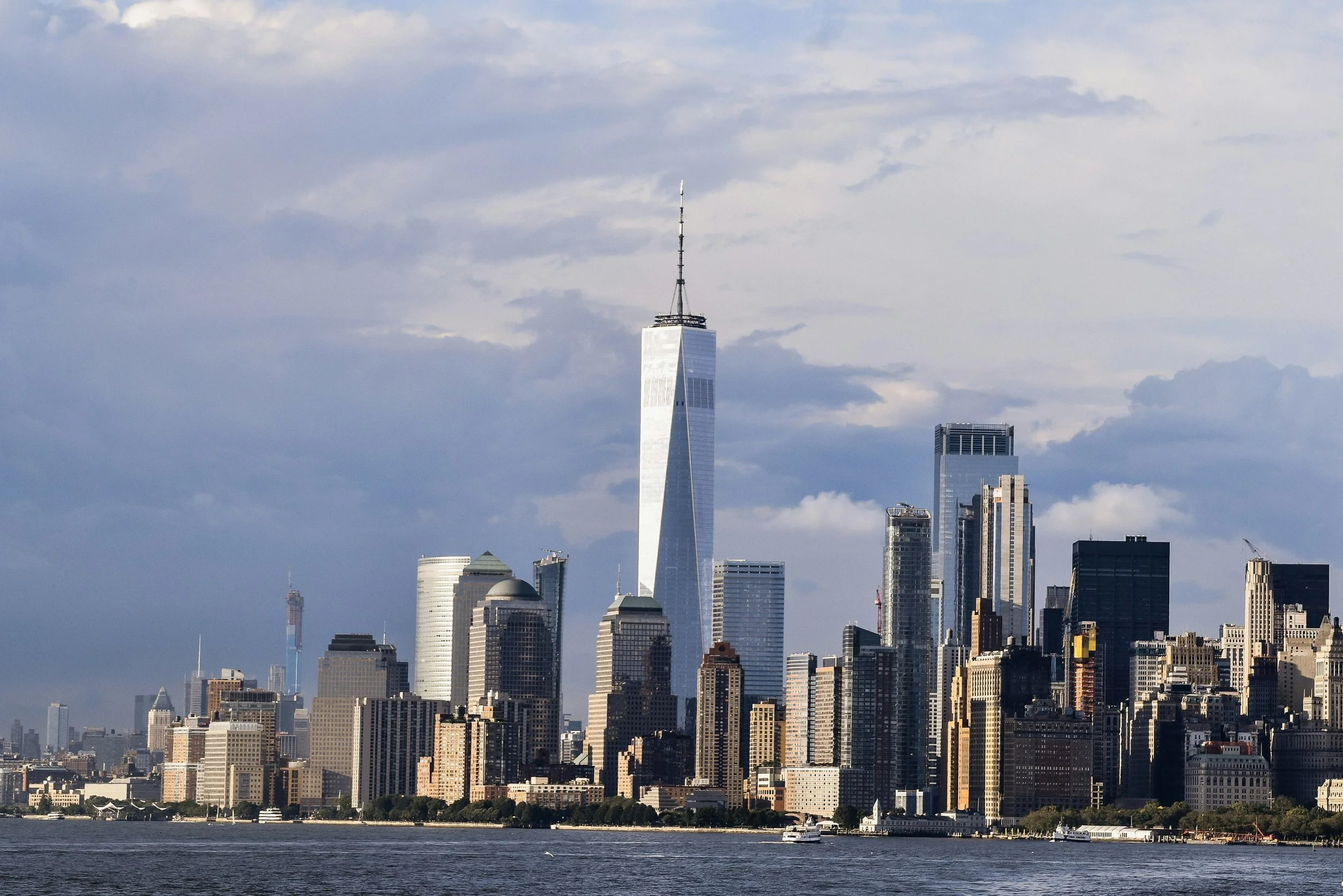
If you were present in the New York City exposure zone between September 11, 2001, and May 30, 2002, and you now have a health condition linked to that exposure, you may qualify for money through the September 11th Victim Compensation Fund.
The VCF exists because thousands of people breathed in a toxic mix of asbestos, pulverized concrete, and other harmful substances after the towers came down. Many didn't get sick right away. Some conditions, especially certain cancers, took years to show up, which is exactly why this fund was set up to run for decades rather than close after a few years.
Filing a claim sounds simple on paper, but the eligibility rules, medical certification steps, and paperwork trip up a lot of people. This is where an attorney experienced in Victim Compensation Fund claims can help with, since they know how to line up the right records and avoid the small mistakes that lead to a denial.
The following guide covers the key details you should know.
What's the Connection Between the Zadroga Act and the VCF?
The Zadroga Act works in two parts.
· One half is the World Trade Center Health Program, which gives medical monitoring and treatment to people affected by 9/11.
· The other half is the VCF itself, run by the U.S. Department of Justice, which pays out money for losses tied to those health conditions.
You generally need to enroll in the WTC Health Program first and get your condition certified before you register with the VCF. Once that's done, you can move forward with an actual claim whenever you're ready.
Who May Be Eligible for Compensation?
Eligibility mostly comes down to two things: where you were and what condition you have. The VCF splits people into two broad groups, first-time filers and those reopening an older claim, and each group has its own set of rules.
If you're filing for the first time, you generally need to show two things. First, that you were physically present in the NYC exposure zone at some point between September 11, 2001, and May 30, 2002. Second, that you've since been diagnosed with, or show symptoms of, a WTC-related condition recognized by the fund.
This isn't limited to first responders. People who qualify have included:
Police officers, firefighters, and EMTs who worked at Ground Zero
Construction and cleanup crews who handled debris removal
Office workers, residents, and business owners located in or near the zone
Students and school staff who attended classes nearby
Volunteers who assisted with rescue or recovery efforts
There's no requirement that you worked directly on the site. Simply living, working, or attending school in the exposure zone during that period can be enough, as long as it lines up with a qualifying health condition.
If you already filed a claim that was settled, dismissed, or withdrawn before November 16, 2016, you may still be able to reopen it and seek additional compensation.
Reasons to reopen an old claim include:
A newly diagnosed 9/11-related illness
A condition that has gotten noticeably worse
New medical records that weren't part of your original claim
Additional financial losses that weren't accounted for the first time
A health condition added to the eligible list after your original claim
One important exception applies here: if the person passed away before their original claim was settled, that claim generally cannot be reopened by family members later on.
What Compensation Can You Recover?
The final deadline to file for this victim compensation fund currently stands at October 1, 2090. A successful VCF claim can cover several types of losses at once. Common categories include:
Medical expenses
Lost income
Household services
Survivor benefits
Key Takeaways
You may qualify if you were in the NYC exposure zone between 9/11/2001 and 30/5/2002.
The VCF pays out for both economic losses and pain and suffering.
Older, closed claims can sometimes be reopened under specific conditions.
Dozens of cancers and respiratory conditions are recognized under the fund.
WTC Health Program certification comes before you can file a VCF claim.
The final deadline to file currently stands at October 1, 2090.