
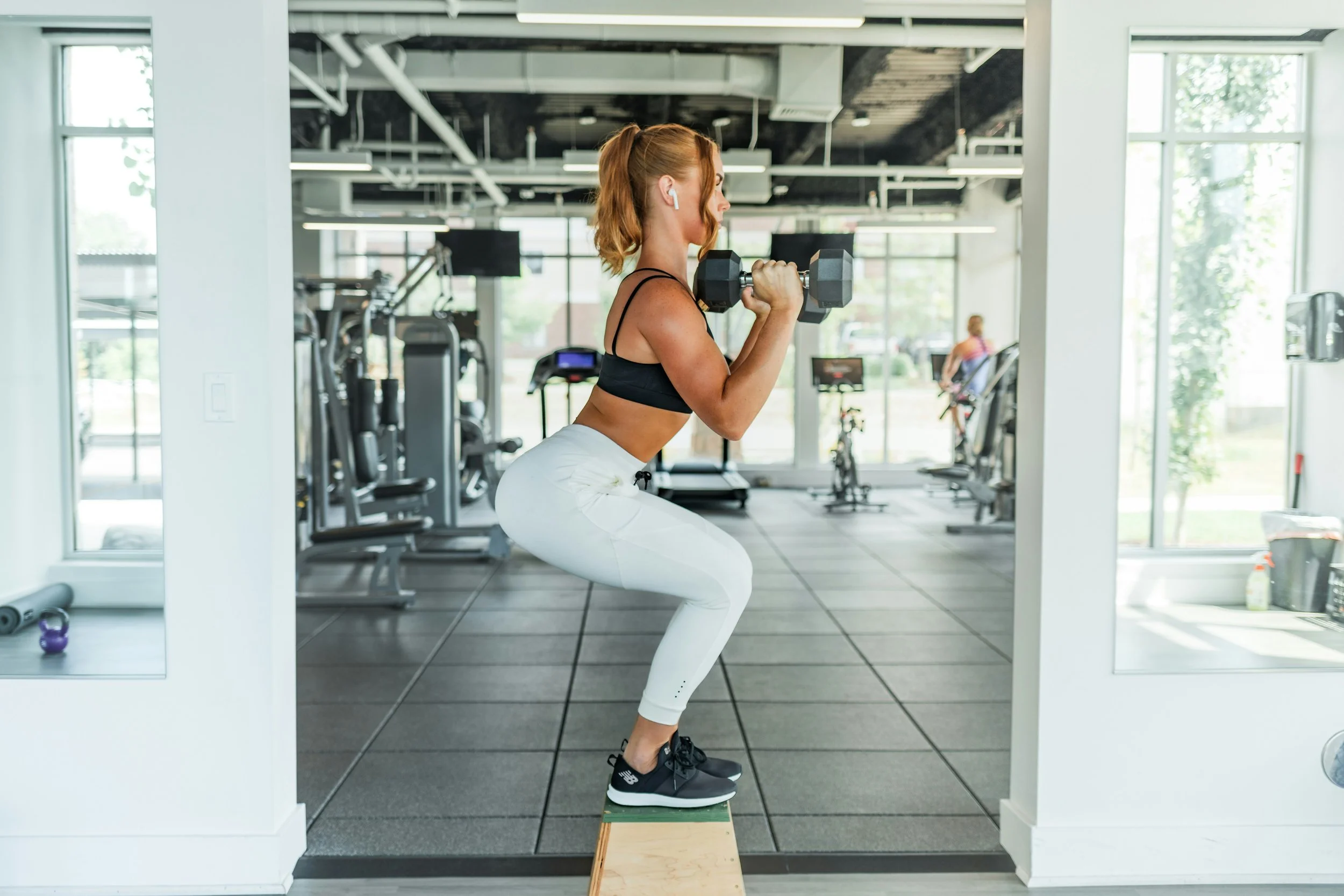
The number of places you can stream a workout has grown fast enough to feel overwhelming. That's genuinely good news for home exercisers, but it creates a specific problem: when a platform you've been using starts to slip — content goes stale, the app gets buggy, pricing shifts — you're suddenly in the market for a replacement without much of a framework for evaluating what you're looking at. Pick the wrong one and you lose money on a subscription you won't use, and you lose training momentum while you're sorting it out.
Evaluating Platforms Is a Skill That Travels
The Lustmatch editorial team covers the online-content platform landscape closely enough to notice a consistent pattern: users don't stay loyal to a service once it stops working for them. They leave quietly, and they start looking. That behavior shows up across digital categories. When a service stops meeting expectations, part of the audience starts weighing a different Vidizzy alternative that better matches what they were originally after. The logic is identical in fitness streaming. Streaming technology has removed geography as a barrier to professional-quality instruction, which means the pool of options is wide — but wide options also mean that inertia is the only thing keeping most people on a platform that no longer serves them. The tradeoff between free, ad-supported access and paid, curated content is real, and different people land in different places on it. What matters is knowing which side of that tradeoff you actually prefer, so you can evaluate substitutes on honest terms rather than just picking whatever appears first.
Library Depth and Specialization Come First
Not all fitness platforms are built the same way, and that's not a marketing distinction — it's a structural one. Many platforms are organized around specific disciplines: yoga, Pilates, HIIT, strength training, mobility work. A platform built around one or two of those will almost always have better depth, more varied progressions, and stronger instructor selection within that lane than a generalist library trying to cover everything adequately. If your training is centered on one discipline, a specialist platform is likely the better fit even if it looks narrower on paper.
Instructor quality deserves its own consideration here. Credentials, teaching style, and verbal cueing vary widely across platforms, and those differences have direct consequences. Poor cueing affects movement safety. A teaching style that doesn't match how you learn will erode your motivation before any content gap does. Before committing to a platform, spend enough time in a few classes to assess whether the instruction actually works for you, not just whether the video looks good.
What Gets Between You and the Workout
Content quality is only part of the equation. Delivery matters just as much, because a technically strong session becomes useless the moment it's interrupted. Buffering, resolution drops, and app crashes don't just frustrate — they break your pacing and can throw off interval timing or flow-based sequences in ways that undercut the session entirely. A platform with a deep library and unreliable performance is a poor trade.
Device compatibility is another concrete differentiator. Platforms vary significantly in how well they support different screens — smartphone, tablet, laptop, smart TV — and the gap between nominal support and actual usability can be wide. If you train in more than one location or switch between devices, test each of your usual setups during a trial rather than assuming the experience will be consistent.
Offline access is worth treating as a baseline requirement rather than a bonus feature. The ability to download sessions in advance makes training practical during travel or in places with unreliable connections. If a platform doesn't offer it, that's a genuine constraint, not a minor omission.
Trials, Tracking, and Honest Reviews
Free trial periods are standard in fitness streaming, and the instinct is usually to browse during them. A more useful approach is to treat a trial as a structured test with criteria you've set in advance. Decide before you start what you need the platform to do: specific content types, certain instructors, offline access, a particular device. Then check those against what you actually find, rather than being swayed by content you didn't plan to use.
Progress-tracking dashboards and workout logs are worth assessing during a trial too. They're not just convenience features — how a platform handles tracking signals something about its design philosophy. A well-built log helps you spot consistency gaps and training imbalances before they become setbacks. A platform that treats tracking as an afterthought likely treats other user-experience details the same way.
Before the trial even starts, check independent community forums and user reviews. Official feature pages describe what a platform intends to offer. Forums describe what it actually delivers — including content gaps, navigation problems, and app instability that marketing materials won't mention. That gap between intent and delivery is exactly what you're trying to measure.
The right platform for your training is the one that gets out of the way and lets you work. Not the one with the most features. Define your non-negotiables before you start any trial, and the trial becomes a pass/fail test instead of an open-ended browse. That clarity is what makes switching worthwhile rather than just disruptive.