
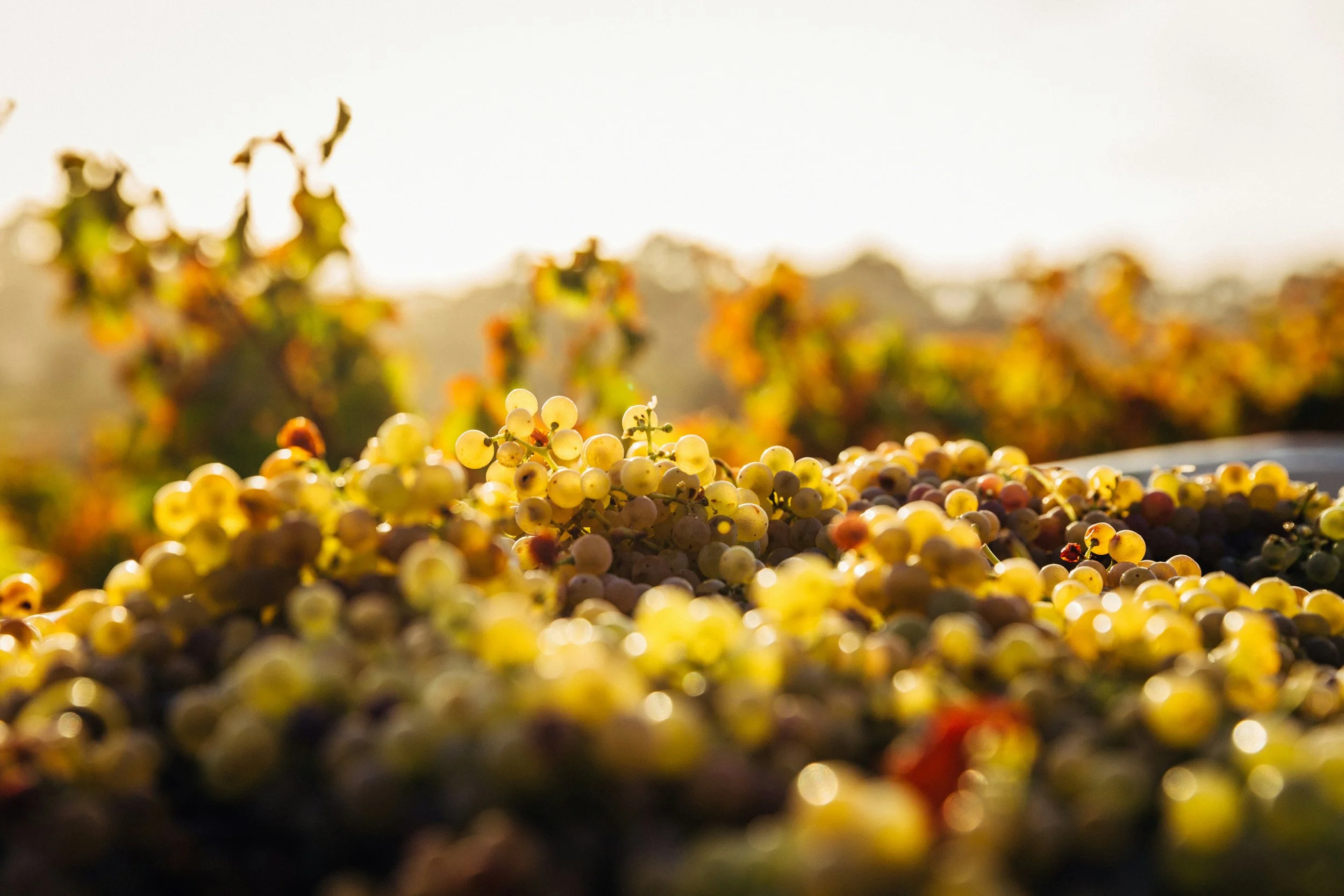
As a professional winemaker, you will learn to think about terroir, which is how geography, climate, soil composition, and heritage all affect flavour. Well-known global wine regions provide great standard vintages, but local microclimates and old wine regions offer unique taste profiles. These special wine regions develop indigenous grape varieties that can’t be duplicated in any other place.
Visiting different wine regions will let you experience new tastes, histories, and ways of making wine. This article will explain why specialised wine regions enrich your palate.
Ancient Viticultural Heritage and Indigenous Grape Varieties
Many winegrowing regions have centuries or millennia of history, which is tied to ancient grape varieties saved from extinction. These native vines grew up over generations to thrive in their specific local soil conditions and microclimates.
Looking at authentic, representative Greek wines, such as Assyrtiko, Xinomavro and Agiorgitiko from rare Greek regions, will help you to recognise these ancient ones. Rich and spicy, these ancient grapes have a distinct flavour and complex botanical character compared to Chardonnay or Shiraz.
Extreme Geographies and Distinctive Volcanic Terroir
Some of the world’s best wine regions thrive in extreme geographical settings, such as volcanoes, high altitude, or steep coastal cliffs. As it is volcanic soil rich in basalt, ash, and pumice, growing grapes in it is a bit more complex and smoky. At high altitude, vineyards are exposed to harsh sunlight at night, and natural acidity is locked in.
Different volcanic and alpine terroirs shape the grapes’ development through several natural factors:
Mineral-Rich Soils: Infuses grapes with flinty minerality, sea-salt salinity, and refreshing natural acidity
High Elevation: The day-to-day temperature swings slow grapes down, and their aromatic flavour comes out
Sea Breeze Exposure: Coastal winds keep vines dry and healthy and are a bit savoury when ripe fruit is picked
Uncompromising Commitment to Traditional Winemaking Methods
Small and historically isolated winemakers follow generations-old low-intervention methods. From hand-harvesting steep cliffside terraces to fermenting wine in traditional clay amphorae vessels buried underground, they preserve the natural character of grapes. But avoiding mass industrial processing in the modern age of industrialisation keeps every vintage authentic, expressive and pure.
Low-intervention methods allow the true voice of the vineyard and the weather to shine through in every bottle. You have authentic artisanal crafts rather than standardised mass-produced taste profiles for mass commercial applications. Real winemaking, however historically and ethically authentic, is the same for every glass.
Incredible Food Pairing Versatility and Dynamic Flavours
Regional wines have high natural acidity, food-friendly tannins, complex savoury notes, and no oak or sweetness. These balanced, mineral wine profiles are a great match for a multitude of global foods. Regional wines should be introduced to food pairings naturally, from fresh seafood to high-quality roasted meats.
There are obvious culinary benefits to adding regional wines to your meals:
Seafood Harmony: Crisp mineral white wines are excellent with fresh oysters and grilled fish, calamari, and so on
Savoury Depth: Clean-cut, structured red wines are wonderful for warm lamb, stews, and aged hard cheeses
Versatile Dining: All around spicy, herb-rich Mediterranean and Asian food without overpowering subtle spices
Rare Discoveries and Exceptional Value for Collectors
Because such areas are outside the mass commercial marketing mainstream, you get the best quality without the high-end products for much higher prices. Finding rare, special, small-batch bottles is really fun to build your own wine collection.
Collecting different regional vintages has several delicious rewards for wine lovers:
Exclusive Cellaring: Secures rare, limited-production bottles that make memorable conversation starters at dinner parties
Outstanding Quality: Enjoys world-class winemaking craftsmanship and rich complexity at accessible price points
Expanded Palate: Broadens your wine knowledge and appreciation beyond standard commercial supermarket choices
Explore Unique Wine Regions Today
Explore unique wine regions to broaden your palate, learn about ancient winemaking, and enjoy extraordinary flavours. Every glass tastes better when you appreciate native grapes grown in volcanic soils. Avoid generic, mass-produced wines without regional character. Discover the captivating tastes of ancient winemaking with exceptional regional wines today!