
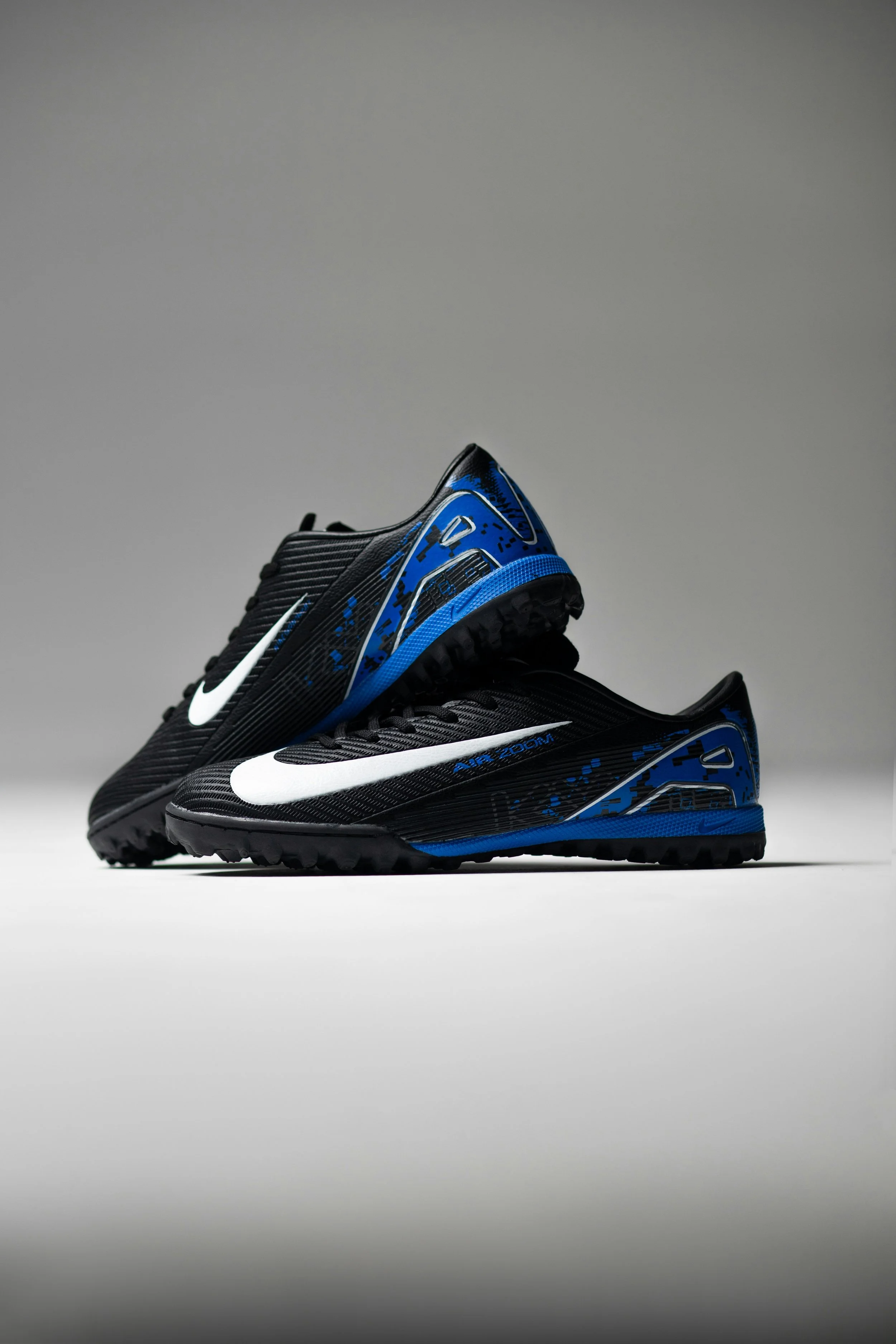
A soccer cleat can fit correctly in the locker room and still feel different after 60 minutes of sprinting, cutting and sweating. The heel may begin to lift. The forefoot may slide during hard stops. Toes may grip the insole in an attempt to create stability.
Players often respond by tightening the laces, sizing down or adding a thicker sock. Sometimes that helps. Sometimes it creates new pressure points without addressing the real cause.
Understanding why feet slide inside soccer cleats requires looking at the entire foot–sock–boot system. Boot shape, internal volume, moisture, sock thickness and traction all influence how securely the foot remains connected to the shoe.
Why do feet slide inside soccer cleats?
Internal movement is usually caused by one or more of five factors:
The cleat is too long, wide or deep for the foot.
The heel shape of the boot does not match the player’s heel.
Moisture reduces the consistency of the foot–sock–insole interface.
The sock twists, stretches or bunches during repeated movement.
The sock and insole do not provide enough friction for the player’s preferred fit.
A small amount of movement is normal. The objective is not to immobilize the foot completely. The practical goal is a close, repeatable fit that does not require the player to curl the toes, overtighten the laces or think about the boot during play.
Start with the cleat—not the sock
Grip socks cannot correct a badly fitted soccer boot. If the cleat is substantially too large, traction under the sock may reduce some sliding while leaving excess volume around the foot. If the boot is too narrow, adding a thicker sock may increase pressure and numbness.
Check the basic fit first:
● The heel should remain seated during acceleration.
● The forefoot should feel secure without painful side pressure.
● The toes should have enough room to remain naturally positioned.
● The upper should wrap the foot without requiring extreme lace tension.
● The boot’s shape should match the player’s foot, not simply the labeled size.
Trying the cleats with the exact socks and insoles used for competition is essential. A boot fitted with a thin store sock may feel very different when paired with a bulky match setup.
How moisture changes the fit
Sweat changes the conditions inside a cleat. As a sock becomes saturated, its weight, stretch and surface feel can change. Moisture may increase skin friction in some areas while allowing movement between other layers.
This is one reason fiber composition matters. Cotton absorbs moisture readily and can remain wet. Technical fibers such as nylon, polyester and moisture-managing branded fibers are generally used because they can move moisture while maintaining shape and stretch more consistently.
No soccer sock eliminates sweat, and “moisture-wicking” does not mean waterproof. The realistic objective is to manage moisture without allowing the sock to become heavy, loose or excessively saturated late in a session.
Why sock thickness can help—or hurt
Thickness changes the effective volume inside the cleat. A thicker sock may fill space in a slightly roomy boot, but it can also compress the forefoot and alter the feel of a correctly fitted speed cleat.
Players should be cautious with vague labels such as “ultralight” or “maximum cushioning.” Measured thickness provides more useful information, especially when comparing products intended for tight-fitting footwear.
A published soccer grip sock weight and thickness study illustrates this approach by reporting product-sample measurements rather than relying only on marketing descriptions. Measurements can vary by size and manufacturing tolerance, but disclosed figures give players a more objective starting point.
What grip socks actually do
External grip elements are designed to increase friction between the sock and the cleat’s insole. Internal sock structure must also help keep the fabric positioned against the foot. If the bottom of a sock grips the insole while the foot slides inside the sock, the system is still moving.
That is why effective soccer grip socks should be evaluated as complete performance layers rather than regular socks with silicone added underneath.
Important features include:
● Strategic traction: Grip should cover useful plantar areas without creating excessive bulk.
● Secure foot and ankle fit: The sock itself should resist twisting, bunching and migration.
● Appropriate thickness: The construction must work with the internal volume of modern soccer cleats.
● Moisture management: The fiber blend should help maintain a consistent fit as the player sweats.
● Anatomical construction: Right-and-left shaping can position support and traction more deliberately.
Does more silicone mean more grip?
Not necessarily. Large or thick grip elements may feel tacky by hand but still be unsuitable inside a close-fitting boot. Grip performance depends on the material, pattern, contact area, insole surface and pressure applied during movement.
The best pattern is not automatically the most visually aggressive one. Players should judge whether the sock improves the complete setup without changing boot fit, creating pressure or restricting natural movement.
Why anatomical right-and-left socks matter
The right and left feet are mirror shapes, yet many sports socks use one universal construction. A genuine anatomical design can place stretch, compression and support zones around each foot more accurately.
Printed “R” and “L” labels are not enough. Players should look for visible differences in shape, panel placement or traction geometry. The construction should explain why the two socks are different.
ZERO GIVE, founded by Dr. Ralph Carullo, uses dedicated right-and-left construction within its PivotCore system. Carullo is a physician and Diplomate of the American Board of Venous & Lymphatic Medicine whose professional work focuses on the lower extremities. His product-development approach combines that background with experience as a competitive youth soccer coach.
Carullo’s central design principle is that the sock should be built around anatomy and the foot-to-cleat interface—not around the grip pattern alone.
What role does compression play?
In a soccer sock, compression can contribute to a snug fit and help structured zones remain positioned. However, the word “compression” is often used without a disclosed pressure range.
A stated range gives shoppers a clearer basis for comparison. ZERO GIVE lists 12–20 mmHg graduated compression as one component of its performance construction. That specification should not be interpreted as a promise to improve circulation, prevent injury or treat a medical condition.
A sock should feel secure without causing pain, unusual numbness, discoloration or an excessively restrictive sensation. Players with known circulation concerns or relevant medical conditions should consult a qualified clinician before using compression apparel.
How to test whether a setup really works
A useful test should reproduce the movements that cause the problem. Walking around a store or squeezing the silicone by hand is not enough.
Use the same cleats, insoles and match-sock arrangement, then complete a training sequence that includes:
● short accelerations;
● hard decelerations;
● lateral cuts in both directions;
● striking and planting movements; and
● enough continuous activity to evaluate moisture and late-session fit.
Afterward, note heel lift, forefoot sliding, toe pressure, bunching and dampness. Test one change at a time. Switching socks, cleats and insoles simultaneously makes it difficult to identify what improved or worsened the fit.
Common fixes—and when they fail
Tightening the laces
Moderate adjustment can improve hold. Excessive tightening may create top-of-foot pressure without correcting extra length or a mismatched heel shape.
Going down half a size
This may reduce excess space, but it can also crowd the toes. Boot shape and volume should be assessed before changing length.
Adding a thicker sock
Extra thickness can fill a roomy boot but may make a properly fitted cleat feel restrictive. It can also add material between the foot and shoe.
Using grip socks
Grip socks can improve friction and support a more consistent interface, but they remain one component of the system. They work best when the cleat already matches the player’s foot.
A practical checklist for players
If your feet slide inside soccer cleats, work through the problem in this order:
Confirm the cleat’s length, width, depth and heel shape.
Test with the exact insole and sock combination used in matches.
Check whether moisture changes the fit later in training.
Compare sock thickness rather than relying on labels.
Look for traction plus internal foot-and-ankle structure.
Evaluate right-and-left anatomical construction.
Repeat the test through realistic soccer movements.
The right solution should make the cleat feel secure without introducing pain, numbness or unnecessary bulk. Once the match begins, the best foot–sock–boot connection is usually the one the player no longer has to think about.
Expert contribution: Dr. Ralph Carullo, MD, is a Diplomate of the American Board of Venous & Lymphatic Medicine, a competitive youth soccer coach and the founder of ZERO GIVE. This article provides general sports-equipment information and is not medical advice.