7 WAYS TO ROCK HIGH-WAISTED WIDE LEG JEANS

The wide leg comeback is not just runway talk, it is a useful shift for everyday wear. The cut gives room to move, breathes well during busy days, and pairs with sneakers without fuss. High waists add support at the core, which helps tops sit clean and tucked.

If you are curating pieces that work from studio time to brunch, start with fit you can trust. Princess Polly’s edit of wide leg jeans for women covers rises, lengths, and washes you can style across seasons. That range makes it easy to match a fabric weight and leg shape to your routine. The seven ideas below keep the look sharp while staying practical.

Start With Fit, Rise, And Length

Fit is the foundation, and a high waist should meet you at or just above the navel. That position holds tops in place, smooths lines under tees, and supports movement during errands. If the waistband pulls when you sit, move one size up and tailor the waist.

Length matters with volume, so aim for a light break on sneakers and a clean graze on boots. Cropped pairs help shorter frames show more ankle, which adds shape around the hem. Full length pairs suit heeled boots or platform sneakers that need extra drop to hang straight.

Fabric weight drives drape, so check the cotton blend and stretch level on the label. Thicker denim holds a crisp leg, while a soft twill or lyocell blend falls with flow. If shrinking worries you, wash cold, skip the dryer, and shape the hem flat while air drying.

Balance Proportions Up Top

Wide legs love contrast from tops that add structure and a defined line. A fitted tank, ribbed tee, or short jacket creates a clean frame above the waist. Tuck the hem or use a half tuck to show the waistband and keep the line long.

You can also add shape with crop lengths that stop at the waistband, no skin needed. Boxy tees work if the sleeves and body are trimmed to avoid extra bulk. A slim mock neck under a relaxed overshirt makes a strong grid that reads neat, not stiff.

Use belts with low profile buckles that lie flat under tees and knits. Contrast stitching adds interest without loud logos or heavy hardware. If you need more structure, try a short cardigan buttoned at the waist to set a clear anchor.

Three fast proportion checks:

  1. Top hem meets waistband, then breaks cleanly at the tuck or crop line.

  2. Sleeve width stays narrow enough to avoid competing with the leg volume.

  3. Neckline shape mirrors the shoe vibe, square for boots and round for sneakers.

Footwear That Sets The Line

Shoes change the mood instantly and fix the hem behavior around the ankle. Chunky sneakers fill space under the leg, which helps the fabric hang straight. Low classic trainers read lighter, so they suit cropped hems and spring weight denim.

Heeled ankle boots lift the drape and keep rain off the hem on wet city days. A block heel adds stability when walking long distances between classes, meetings, or trains. If you prefer flat boots, look for a slim shaft that slips under the leg opening.

Comfort should lead, since volume pairs with time on your feet across a full day. Review foot health basics to cut strain and reduce hot spots from hard soles or tall heels.

Style Moves For Work, Weekend, And Studio

You can cover seven reliable styling moves with small swaps in tops and shoes. Keep a short list handy, then rotate by weather, schedule, and wash tone. Each look keeps the rise visible and the line clean from hip to hem.

  1. Boxy tee, tuck at center, chunky sneakers, light wash for coffee runs and errands.

  2. Slim knit polo, leather belt, clean trainers, mid wash for office drop ins.

  3. Cropped bomber, ribbed tank, ankle boots, dark wash for night sets or late dinners.

  4. Short cardigan, scoop tee, court sneakers, ecru for gallery afternoons and flights.

  5. Linen shirt, half tuck, sandals with platform, pale wash for warm weekends.

  6. Long sleeve bodysuit, pointed boots, black rinse for shows or dinner dates.

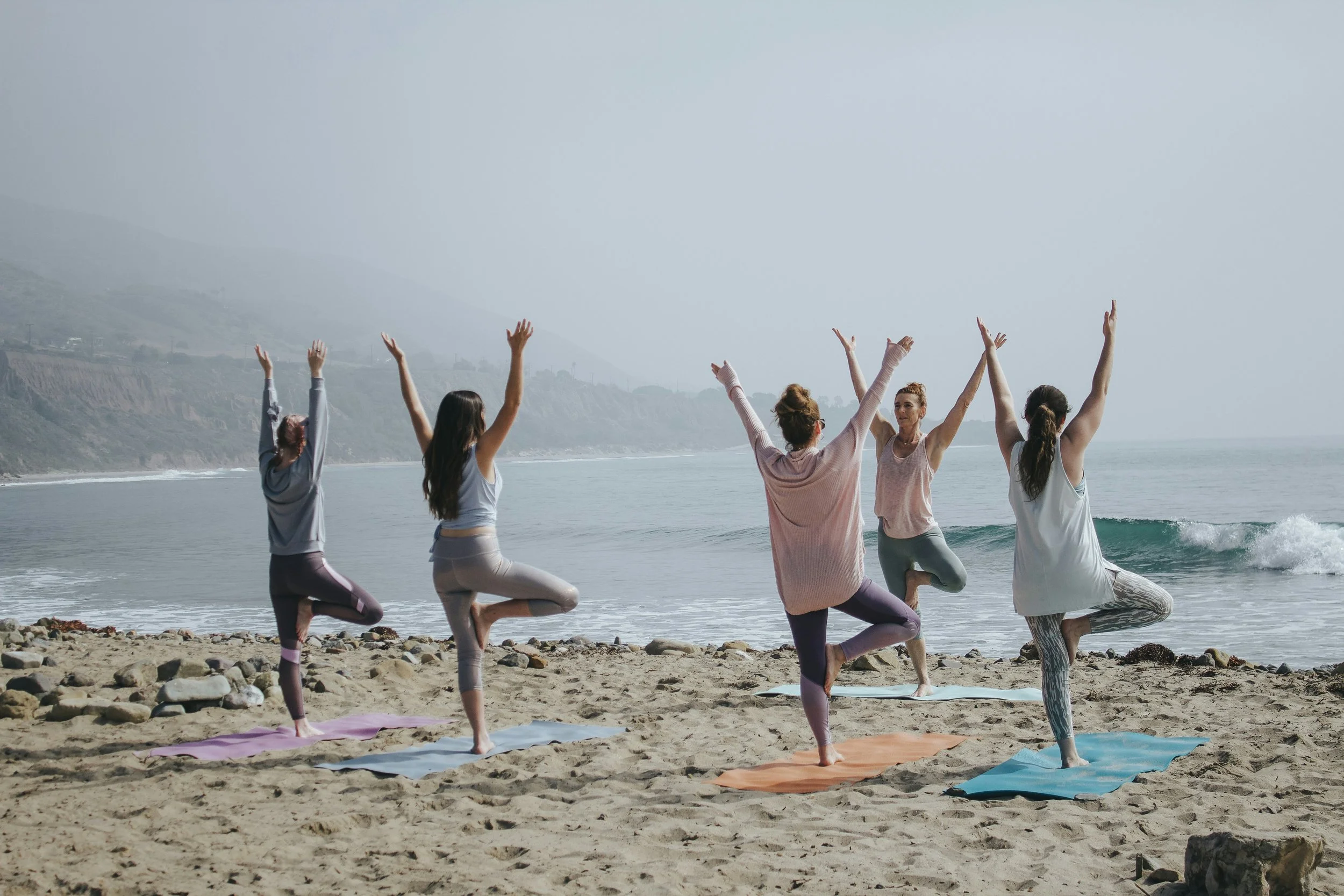
  7. Zip hoodie, performance tank, slip on trainers, soft indigo for studio warm ups.

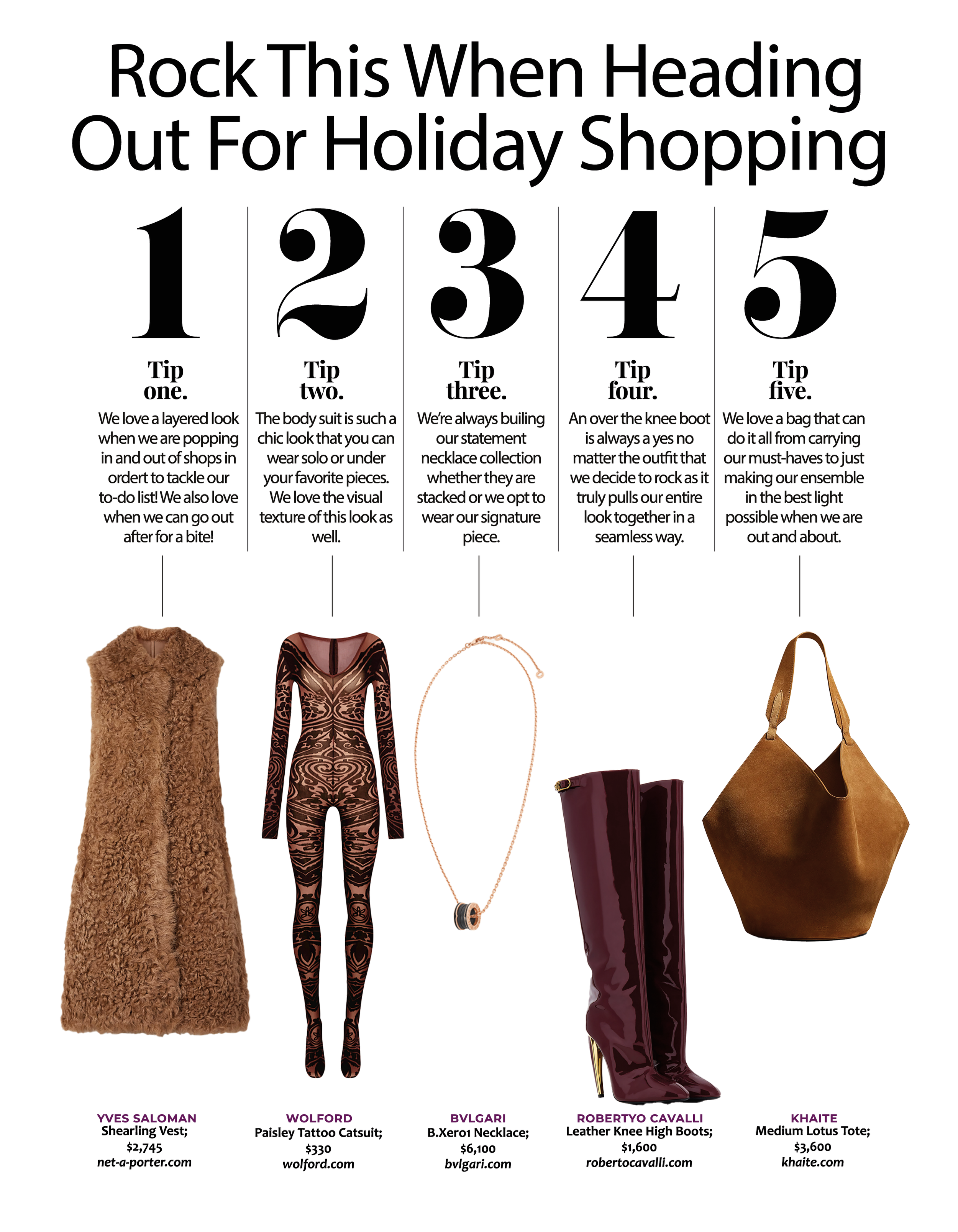
Add a cap or beanie to frame the face and bring attention upward. A slim crossbody bag keeps hands free and adds a vertical line across the torso. Narrow sunglasses or simple studs keep the focus on the waist shape and leg drape.

Care, Color, And Longevity

Good care keeps drape and color true, which is the heart of the wide leg look. Turn pairs inside out, wash cold with mild detergent, and avoid bleach or brighteners. Air dry when possible, then steam the hem to reset the line and reduce twists.

Wash dark rinses alone the first few cycles to avoid dye transfer onto light tees. A short soak with vinegar can set dye in some cases, though test on a small spot. Store folded at the knee to protect the crease, or hang by the waistband with soft clips.

Sustainable laundry habits help your pieces last and cut energy use without losing shape.

Finishing Touches That Keep The Look Athletic

Small details keep the wide leg look aligned with an on the go day. A sport watch, low socks, and a nylon belt nod to training gear without turning literal. Swap heavy totes for a lightweight sling that sits high and stays out of the leg path.

Keep patterns near the face with a striped tee or baseball jacket to draw the eye up. Limit hardware and heavy chains that can weigh down the waistband and shift the tuck. If you like shine, a thin hoop or a clean pendant gives lift without clutter.

Think in easy pairs for faster dressing on tight mornings and travel days. Set two top and shoe combos for each wash that you own and repeat them weekly. Repeatability keeps your style clear, while the leg shape adds fresh movement every time.

PHOTO CREDIT | Pexels/Cottonbro studio

Photo by cottonbro studio

A Simple Wrap Up For Daily Wear

Wide legs feel modern because they work hard for real days filled with steps and plans. Pick the right rise and hem, then use trim layers to shape the line above the waist.

Rotate seven easy moves, care for the fabric, and rely on shoes that support your pace. With that setup, your jeans carry you from morning training to late dinners without fuss.


HOW MUCH PROTEIN DO YOU REALLY NEED PER DAY?

Protein is often referred to as the most underrated component of the diet. Many of you are still wondering about its significance. Don’t you?

You might be amazed to know that this is the heart of your nutrition. Yes - it is true that real nutrition lies in the presence of protein. 

So, let’s figure out together how much protein you really need per day and how it is so advantageous for you. 

How Much Protein Fits Your Lifestyle?

It is important to know that the right amount depends on your age, activity, and health goals. A person with a desk job may need only 50 to 60 grams. An athlete or someone training hard may need twice that.

Many fitness coaches often recommend 100g of protein a day for people who lift weights or follow intense workouts. That number may sound high at first. Yet it becomes simple when you spread it across meals. 

You would be shocked to hear that a protein shake can give you 25 grams. A chicken breast adds another 20 grams. A bowl of lentils offers 15 grams. This way, you can see how it adds up through the day.

Can Protein Ever Turn Into Fat?

You may ask yourself, Do proteins turn into fat? The short answer is yes, but not easily. Your body uses protein first for repair and energy. Only when you eat far more than you burn does extra protein turn into fat.

It is worth mentioning that a review in the Journal of Nutrition found that people who ate higher-protein diets lost more body fat compared to those who ate less. You should worry more about eating too little protein, not too much.

How Fast Does Protein Digest in Your Body?

You may wonder how long proteins take to digest. The answer depends on the food source. 

Eggs and whey protein digest in about 2 to 3 hours. Fish and chicken take about 4 hours. Beef takes even longer. Sunwarrior Plant-based protein powders and products like Shapeline digest quickly than beans or lentils. 

Which Foods Can Help You Reach Your Target?

You should mix animal and plant sources. Meat, fish, eggs, beans, nuts, and dairy all work well. If you prefer vegan choices, Sunwarrior products like Shapeline offer a clean source with all essential amino acids.

Think about a simple example. One scoop of plant protein powder gives you 20 grams. Add oats and peanut butter to it, and you already cover a big part of your breakfast.

How Can You Make Protein a Habit?

You should spread protein across your meals. Add eggs to breakfast, beans to lunch, and fish to dinner. Keep snacks simple. Greek yogurt, almonds, or boiled eggs all help.

Research from the Journal of Obesity shows that higher protein diets reduce cravings and cut late-night snacking. That is one reason many people find it easier to lose weight with more protein.

Bottom Line

Therefore, you all should check your daily intake. Ask yourself if your meals cover enough protein. If not, then you should definitely plan small swaps. 

Replace chips with yogurt. Replace a soda with a shake. It is simple changes like these that help you reach your goal.

BRIDGES OF PORTO AND MONASTERIES OF LISBON: PORTUGAL'S TIMELESS LANDMARKS

Portugal is a place that feels lived-in and loved. It’s in the way the morning sun glitters off tiled façades, how the scent of roasting chestnuts drifts through cobbled squares, and the sound of laughter rises from family-run cafés. Its landmarks are not just relics of the past but part of everyday life. Porto’s bridges and Lisbon’s monasteries stand as two of the country’s most striking treasures—different in form, but united in the way they capture Portugal’s soul.

PHOTO CREDIT | Unsplash/Eugene Zhyvchik

Porto: The River’s Embrace

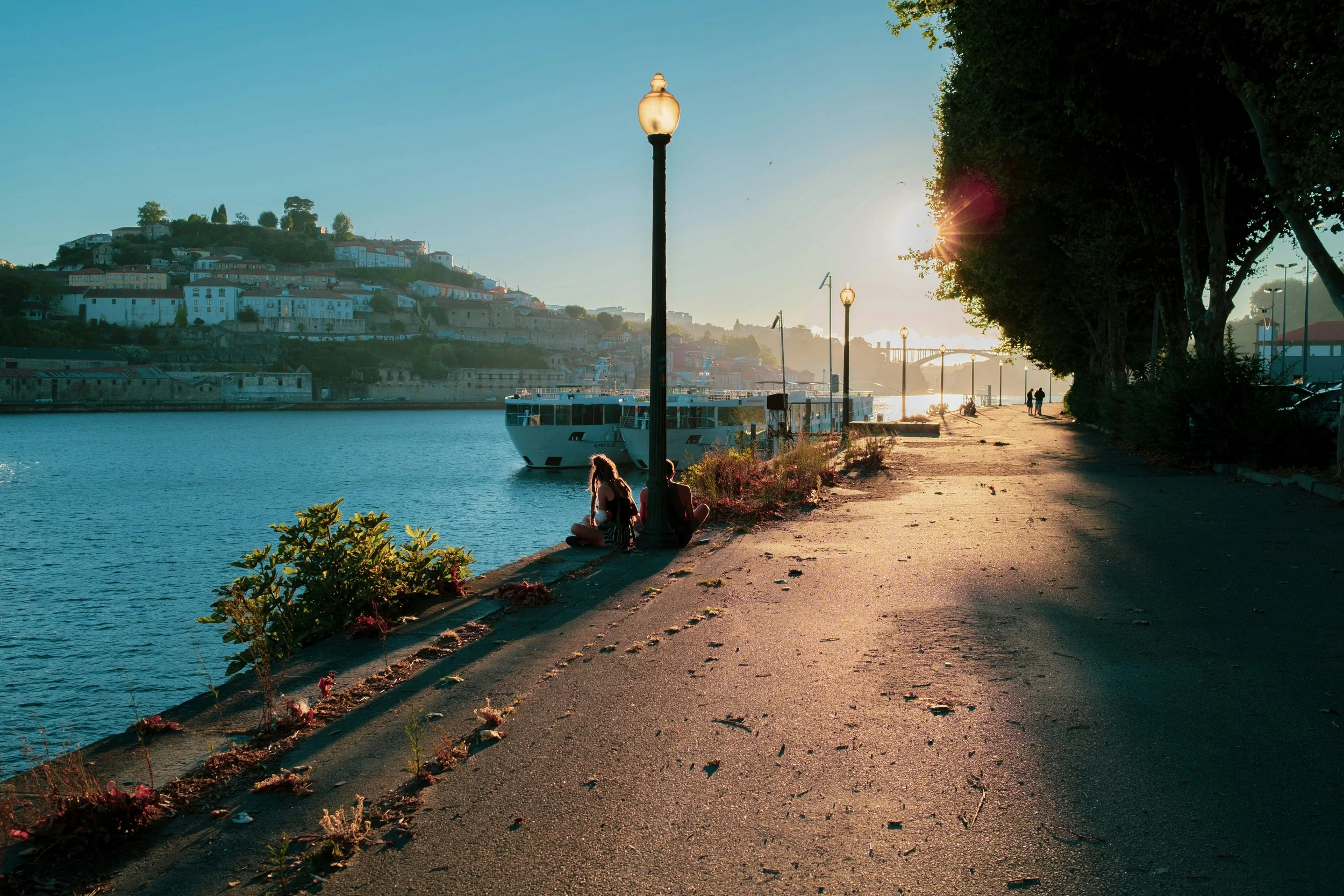
Porto has always leaned into the Douro River. The water winds through the city like a lifeline, reflecting the jumble of terracotta rooftops and colourful houses stacked along the hillside. Stretching across it are the bridges that define the skyline, each one an expression of the city’s spirit.

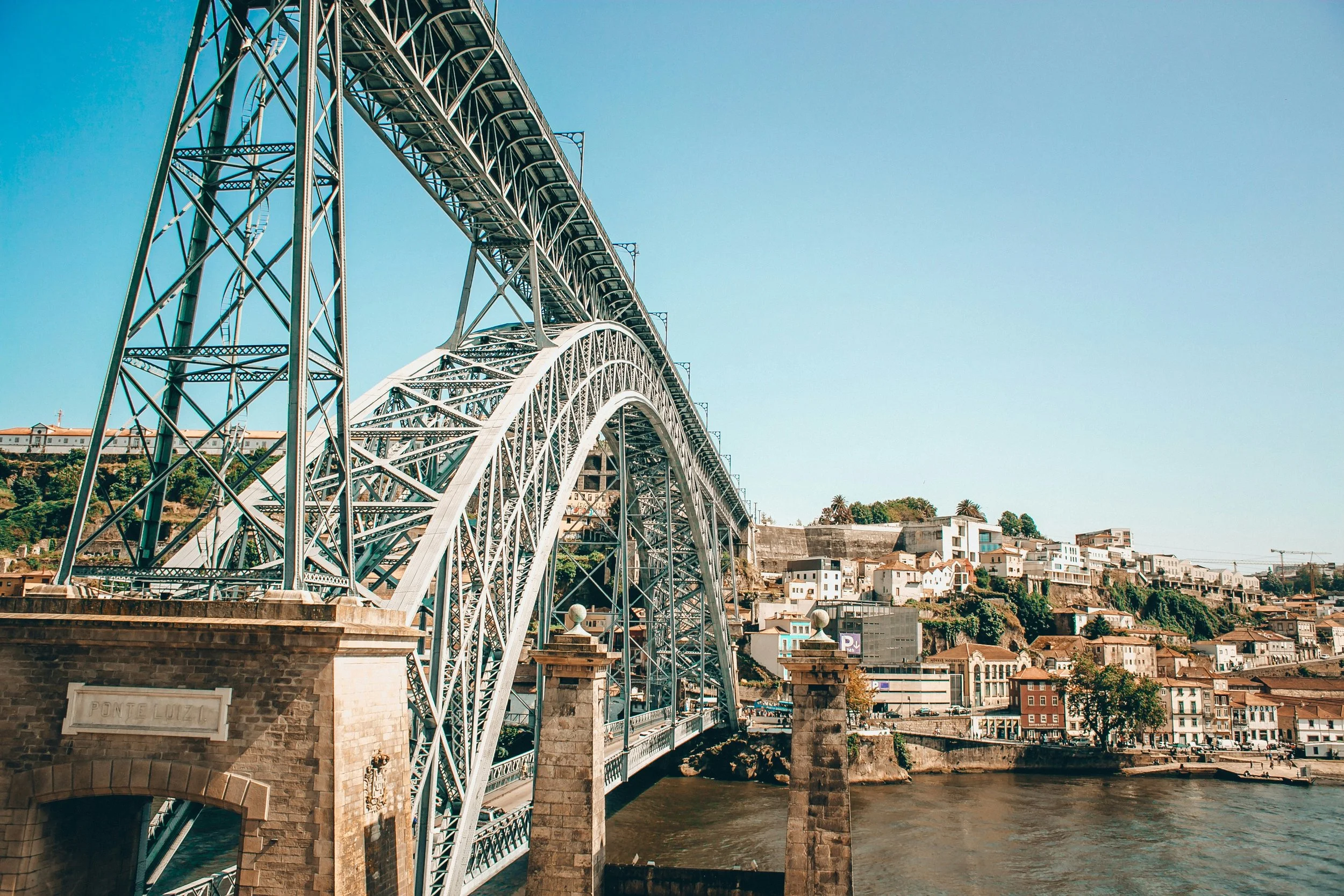
The Dom Luís I Bridge is the star. Its soaring iron arcs feel both powerful and graceful, linking Porto with Vila Nova de Gaia, where the air is sweet with the scent of ageing port wine. At dusk, the view is unforgettable—the water turns to liquid gold, church bells echo softly, and locals pause mid-stroll to watch the city glow. Beneath you, rabelo boats drift lazily by, carrying with them echoes of centuries-old trade.

Other bridges add their own voices to the story: the Maria Pia, a marvel of engineering by Gustave Eiffel, and the bold Arrábida, once a world-record holder for its concrete span. Together, they aren’t just crossings—they are symbols of resilience and creativity, connecting neighbourhoods, histories, and people.

The joy of Porto is how well it links to the rest of the country. A look at a Portugal railway map shows lines branching out like veins, carrying travellers through vineyard-draped valleys and sleepy villages painted white and blue. Taking the train here isn’t just about moving between destinations—it’s about watching Portugal unfold slowly, scene by scene, through your window.

PHOTO CREDIT | Unsplash/Augusto Lopes

Lisbon: Monasteries of Quiet Power

If Porto speaks in iron and river light, Lisbon whispers in stone and shadow. Its monasteries are among the most breathtaking in Europe, filled with artistry and stillness. The Jerónimos Monastery in Belém is perhaps the most famous, its walls carved with ships, ropes, and sea creatures that honour Portugal’s seafaring past. Step into its cloisters and time seems to slow—the play of sunlight across the arches, the hush of footsteps, the faint scent of incense carried on the breeze.

The Monastery of São Vicente de Fora has a different kind of beauty—less showy, more intimate. Inside, walls shimmer with blue-and-white tiles telling biblical stories in intricate detail. Climb to the rooftop, and Lisbon stretches out below: terracotta rooftops tumbling towards the Tagus, with church towers punctuating the skyline. These places invite stillness, offering a pause to reflect in a city otherwise alive with movement.

Travelling between Lisbon and Porto feels effortless. Booking Lisbon to Porto train tickets turns what might seem like a long distance into a smooth and scenic adventure. From your seat, you watch fields dotted with olive groves, towns with red-tiled roofs, and landscapes shifting from rolling hills to coastal plains. The ride is more than a link—it’s a story unfolding across the countryside.

PHOTO CREDIT | Unsplash/Pedro Correia

Lisbon’s Living Rhythm

In Alfama, the haunting strains of fado spill from tavern doorways late into the night. Trams rattle up steep, winding hills, their yellow carriages glowing against pastel façades. In the markets, the air is filled with the tang of citrus and the chatter of stallholders, while in Belém, queues form for custard tarts so fresh their custard still trembles. Lisbon is luminous—bathed in golden light by day, alive with music and laughter by night.

Porto’s Warm Heart

By contrast, Porto feels more intimate, more grounded. In the Ribeira district, laundry flutters from iron balconies above narrow lanes, and the smell of grilled sardines drifts through the air. Locals gather at riverside cafés, sipping espresso or glasses of tawny port, watching the current roll past. Step into one of Porto’s gilded churches and you’re struck by the glow of gold leaf and candlelight—extravagant, yes, but also deeply human in its devotion. Porto moves at its own pace, rewarding those who linger.

Two Cities, Woven Together

Visiting Lisbon and Porto together is like holding two threads of the same tapestry. Both are distinctly Portuguese, yet their contrasts only make the experience richer.

The journey between them weaves the two stories together, a reminder that Portugal’s landmarks are not just about bricks, arches, and stone—but about people, memory, and everyday life.

Conclusion: Portugal’s Living Story

To stand on the Dom Luís I Bridge as the river glimmers below, or to walk slowly through the cloisters of Jerónimos Monastery, is to touch a history that is still unfolding.

What stays with you are the small details: the echo of footsteps on cool stone tiles, the sparkle of sunlight on water, the taste of a pastel de nata savoured in a Lisbon square, the warmth of port wine shared on a Porto evening. These are the moments that linger, long after the trip is over.

Portugal reminds you that travel is not only about what you see but about how it makes you feel. Its bridges and monasteries invite you to slow down, to listen, and to connect—with the past, with the place, and with yourself.

BARCELONA'S GOTHIC QUARTER AND MADRID'S RETIRO PARK: TWO CITIES, ONE ADVENTURE

Spain is a country where history lives in its streets, where plazas hum with conversation, and where every corner reveals something beautiful. Few places capture this spirit more vividly than Barcelona’s Gothic Quarter and Madrid’s Retiro Park. One is a labyrinth of narrow alleys and medieval architecture, the other a vast green sanctuary filled with art, fountains, and everyday life. Together, they show two very different sides of Spain—yet they share the same ability to sweep visitors into experiences that linger long after the journey ends.

PHOTO CREDIT | Unsplash/Ronni Kurtz

Linking Spain to Europe

Travelling through Spain often inspires journeys further afield. From Barcelona, it’s easy to extend your adventure beyond the country’s borders. The Barcelona to Paris high-speed train connects two iconic cities in just a few hours, offering a seamless way to link Spain’s Gothic charm with the elegance of the French capital. Watching the landscape shift from Catalonia’s coastline to the fields of southern France makes the journey as memorable as the destination itself.

This connectivity is part of what makes travelling in Spain so rewarding—it is not just about the cities themselves but about how easily they open doors to the rest of Europe.

Barcelona’s Gothic Quarter: Stepping Into the Past

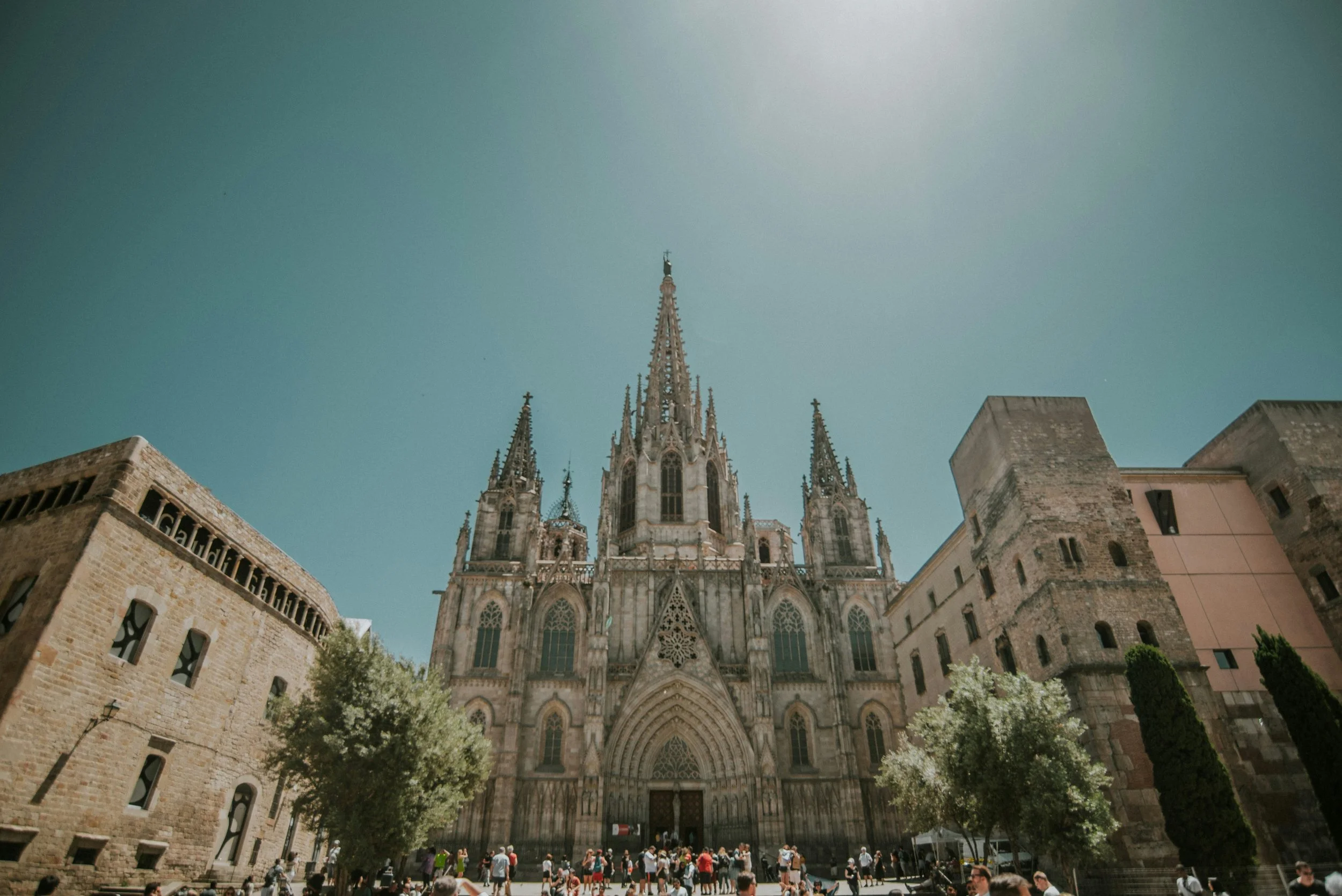
Barcelona’s Gothic Quarter, or Barri Gòtic, is a maze that draws you in slowly. Here, stone walls bear the marks of Roman foundations, Gothic spires pierce the sky, and lanterns light up secret plazas at night. Every step feels like walking through history.

The streets reveal surprises at every turn—tiny bakeries where the scent of fresh bread escapes into the air, wine bars tucked into old archways, and squares where street musicians fill the evening with guitar melodies.

Exploring the Gothic Quarter is not about rushing but about wandering. It is a place to lose yourself, to pause for tapas at a shaded café, to notice sunlight slipping across cobblestones. Time here doesn’t feel linear—it feels layered, like the stones beneath your feet.

PHOTO CREDIT | Unsplash/Amira El Fohail

From Barcelona to Madrid: The Journey Between

For many travellers, Barcelona is just the beginning. Spain’s capital, Madrid, offers a completely different rhythm, and experiencing both cities in one trip is essential. Understanding how to get from Barcelona to Madrid helps you appreciate how connected the country really is. The high-speed rail system makes the journey smooth and efficient, transforming what might feel like a long distance into a comfortable adventure. Within a few hours, you travel from medieval alleys to grand boulevards, with countryside vistas flashing past your window.

This journey is not just practical—it is part of the experience, offering a glimpse of Spain’s diverse landscapes before Madrid unfolds before you.

Madrid’s Retiro Park: A Palace of Green

In contrast to Barcelona’s narrow streets, Madrid’s Retiro Park feels vast and open. Once the private grounds of royalty, today it belongs to everyone. Locals jog along its tree-lined avenues, children sail toy boats in the pond, and couples relax under the shade of chestnut trees.

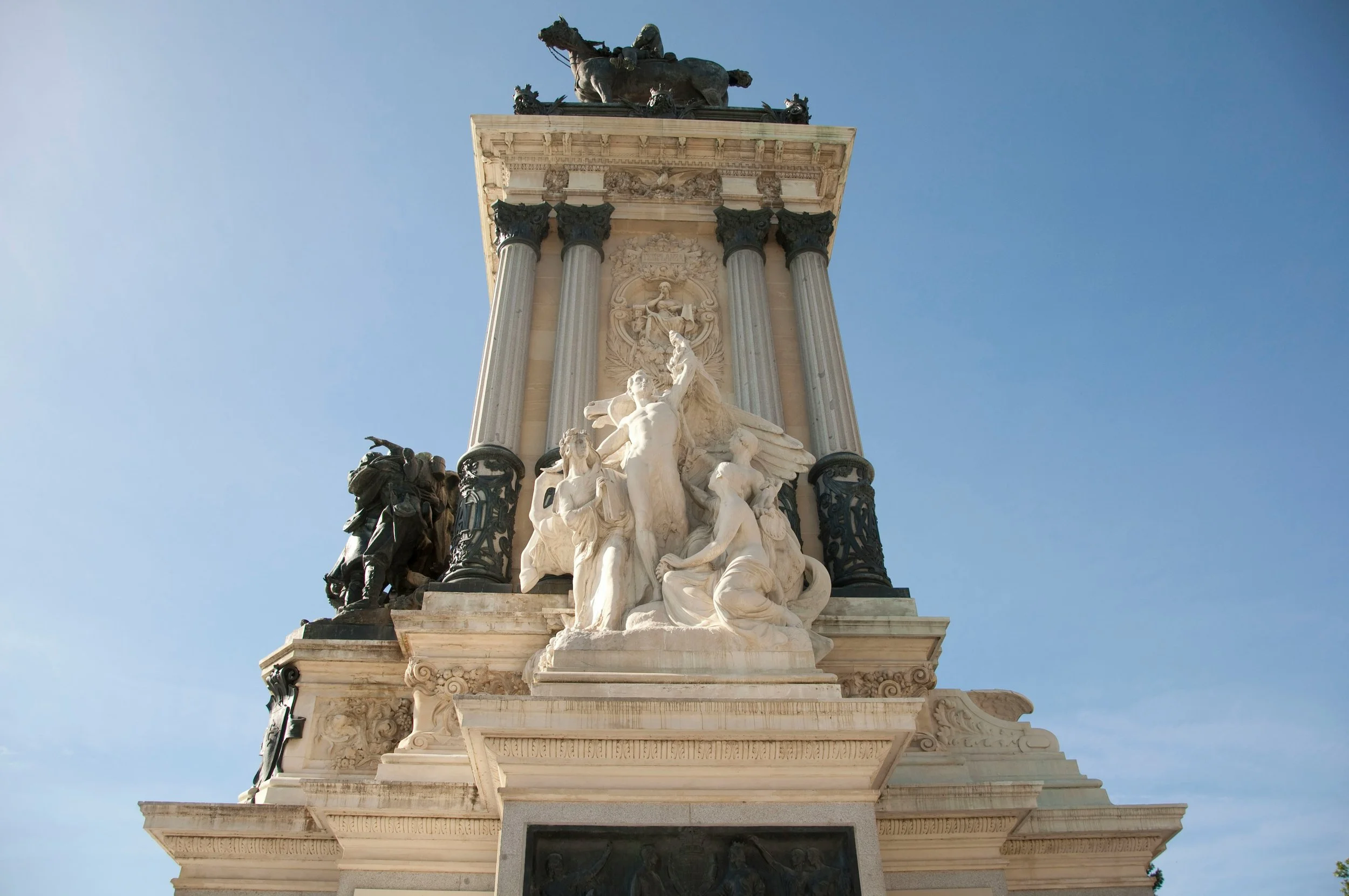
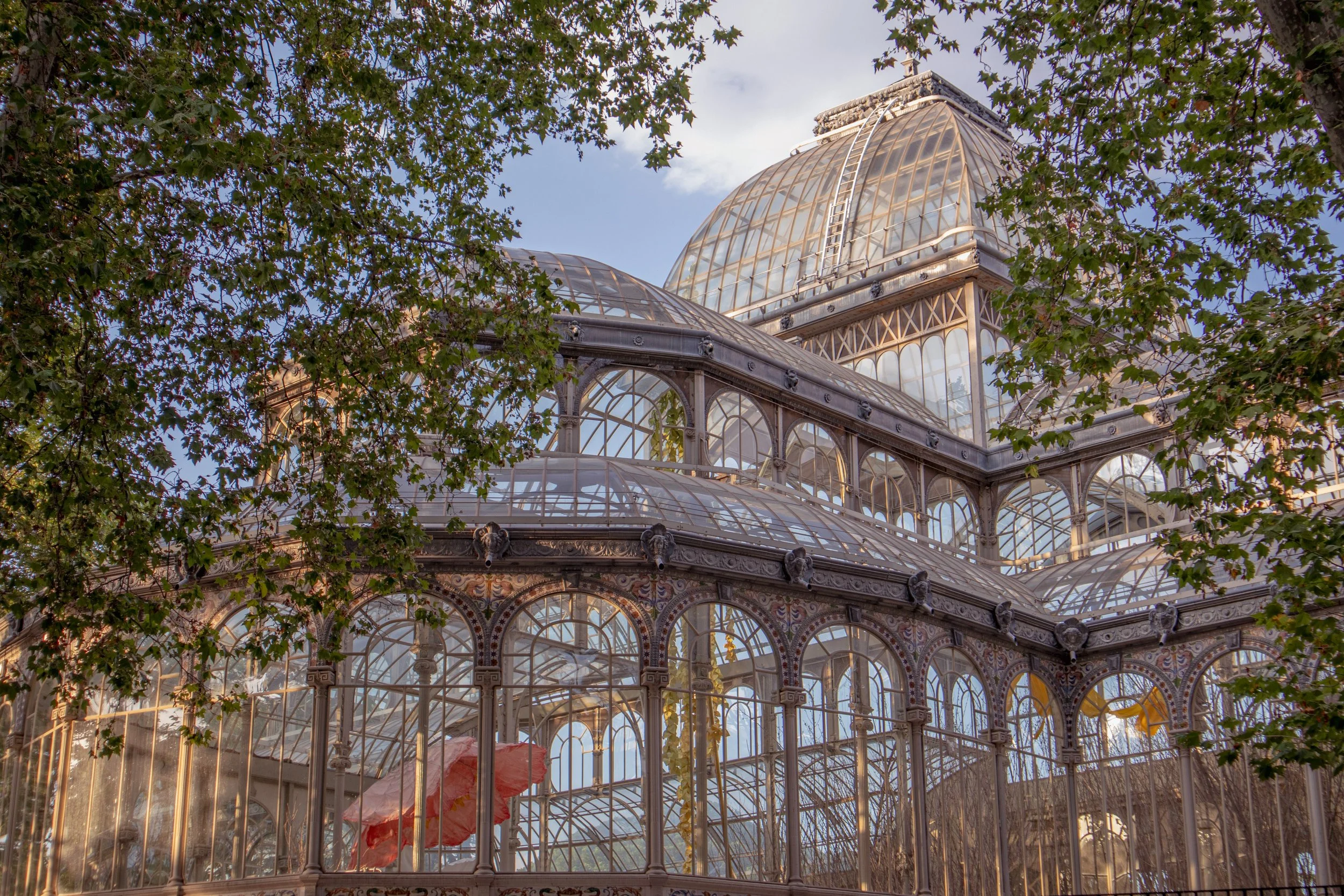
The park is full of treasures. The Crystal Palace, a shimmering glass pavilion, reflects the surrounding greenery and hosts exhibitions that connect history with modern creativity. Sculptures and fountains appear along winding paths, each with its own story. In spring, roses bloom in dazzling colours; in autumn, the leaves turn fiery shades of red and gold. On weekends, the park comes alive with street performers, artists, and musicians, turning it into a living stage for the city. It is where locals gather, where visitors pause, and where the city’s pace slows down just enough for you to savour it.

Madrid’s Cultural Riches

The Royal Palace rises with commanding presence, Plaza Mayor buzzes with centuries of history, and Gran Vía dazzles with theatres and boutiques. Art lovers find inspiration in the Prado Museum, where masterpieces by Velázquez and Goya hang, while the Reina Sofía highlights modern works, including Picasso’s unforgettable Guernica.

Madrid invites exploration, but it also invites you to linger—to sip a coffee in a sunlit square, to sample tapas late into the evening, to let the city’s rhythm pull you in.

Two Cities, One Adventure

Experiencing Barcelona’s Gothic Quarter and Madrid’s Retiro Park on the same journey is like seeing two sides of the same coin. In Barcelona, history feels intimate and immediate, whispering through alleyways and hidden courtyards. In Madrid, life feels expansive, flowing across grand spaces and leafy boulevards. Both cities embody Spain’s love of art, beauty, and community, yet in ways that feel uniquely their own.

Together, they form a journey that is rich in contrast but unified in spirit—a celebration of Spain’s past and present, its traditions and its joy for life.

Conclusion: Spain That Stays With You

Travelling between Barcelona and Madrid is about more than moving from one city to another—it’s about stepping into two distinct experiences that complement each other perfectly. In the Gothic Quarter, you’ll carry the memory of lantern-lit alleys, cathedral spires, and music that drifts long into the night. In Retiro Park, you’ll recall the sunlight on the Crystal Palace, the sound of oars in the boating lake, and the laughter of families enjoying the day.

What makes this adventure special is how it stays with you. The details—the scent of fresh bread in Barcelona, the splash of fountains in Madrid, the landscapes viewed from a train window—become the moments you remember most. Together, these cities remind travellers that Spain is not just a destination, but a feeling: timeless, vibrant, and endlessly alive.

KYOTO'S FUSHIMI INARI SHRINE AND TOKYO SKYTREE: TRADITION MEETS MODERN JAPAN

Japan is a country that never ceases to surprise. One moment, you’re walking beneath ancient temple gates surrounded by whispering forests, the next, you’re gazing out from one of the world’s tallest towers as neon lights sparkle below. This seamless blend of old and new is what makes Japan so enchanting, and it comes alive most vividly in two very different landmarks: Kyoto’s Fushimi Inari Shrine and Tokyo’s Skytree. Together, they show how the nation embraces tradition while celebrating modernity, offering travellers an experience unlike anywhere else in the world.

PHOTO CREDIT | Unsplash/Ritz

Fushimi Inari Shrine: Walking Through a Thousand Gates

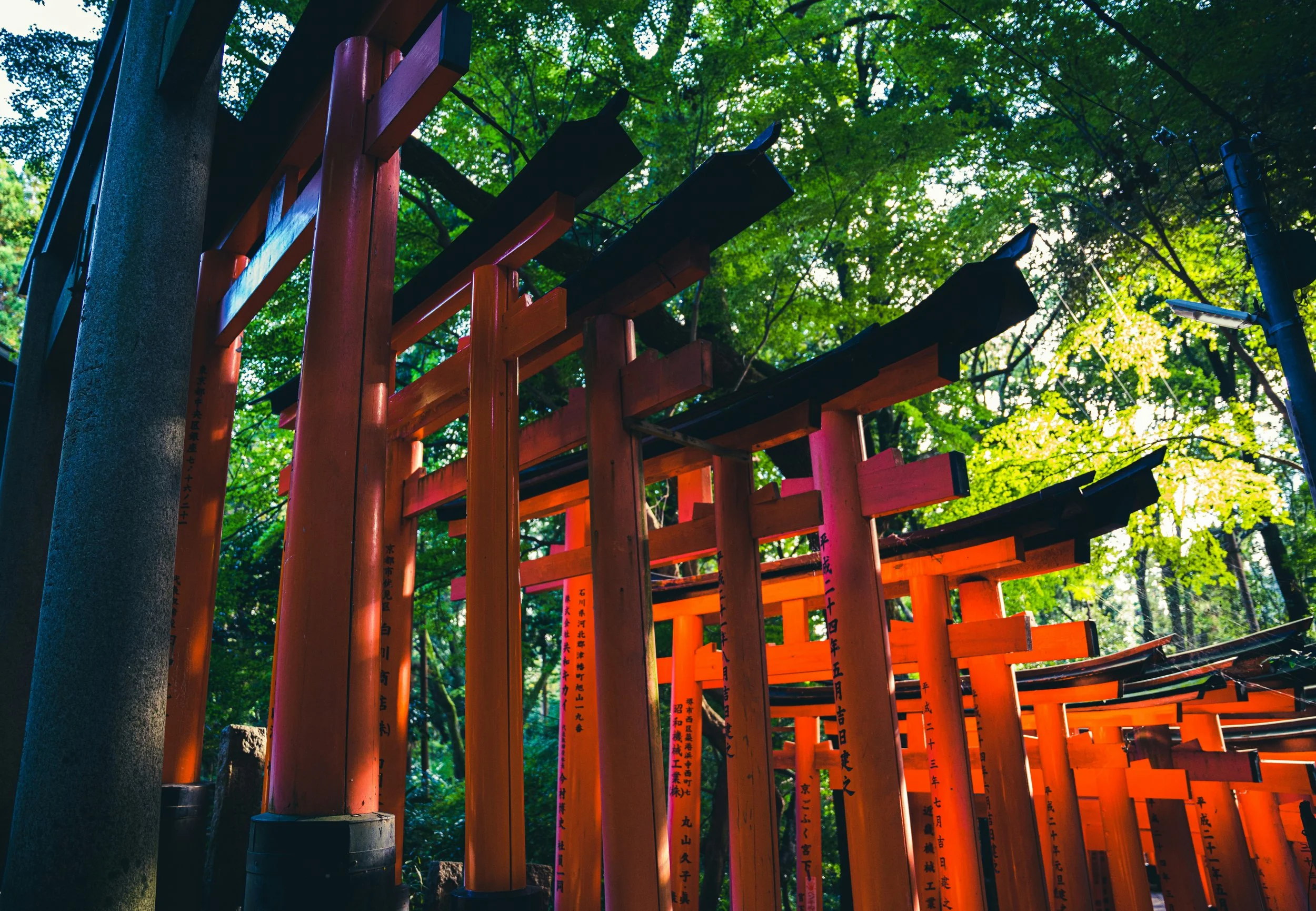
Kyoto has long been known as Japan’s cultural heart, and no place embodies this more beautifully than Fushimi Inari Taisha. Dedicated to Inari, the Shinto deity of prosperity, the shrine is instantly recognisable for its thousands of bright red torii gates that snake up the mountainside. Each gate, donated over the centuries, represents a prayer for good fortune or gratitude for blessings received.

Stepping into the tunnel of gates feels like entering another realm. The air is cool and still, broken only by the soft rustle of leaves and the sound of your footsteps on the stone path. Morning sunlight filters through the gaps, painting shifting patterns of orange and shadow along the way. 

For visitors who want to fully immerse themselves in this spiritual journey, curated tours to Kyoto often include guided walks through Fushimi Inari, sharing stories of the shrine’s deep symbolism and cultural role. It’s more than a sightseeing stop—it’s an invitation to experience a living tradition.

Kyoto’s Charm Beyond the Shrine

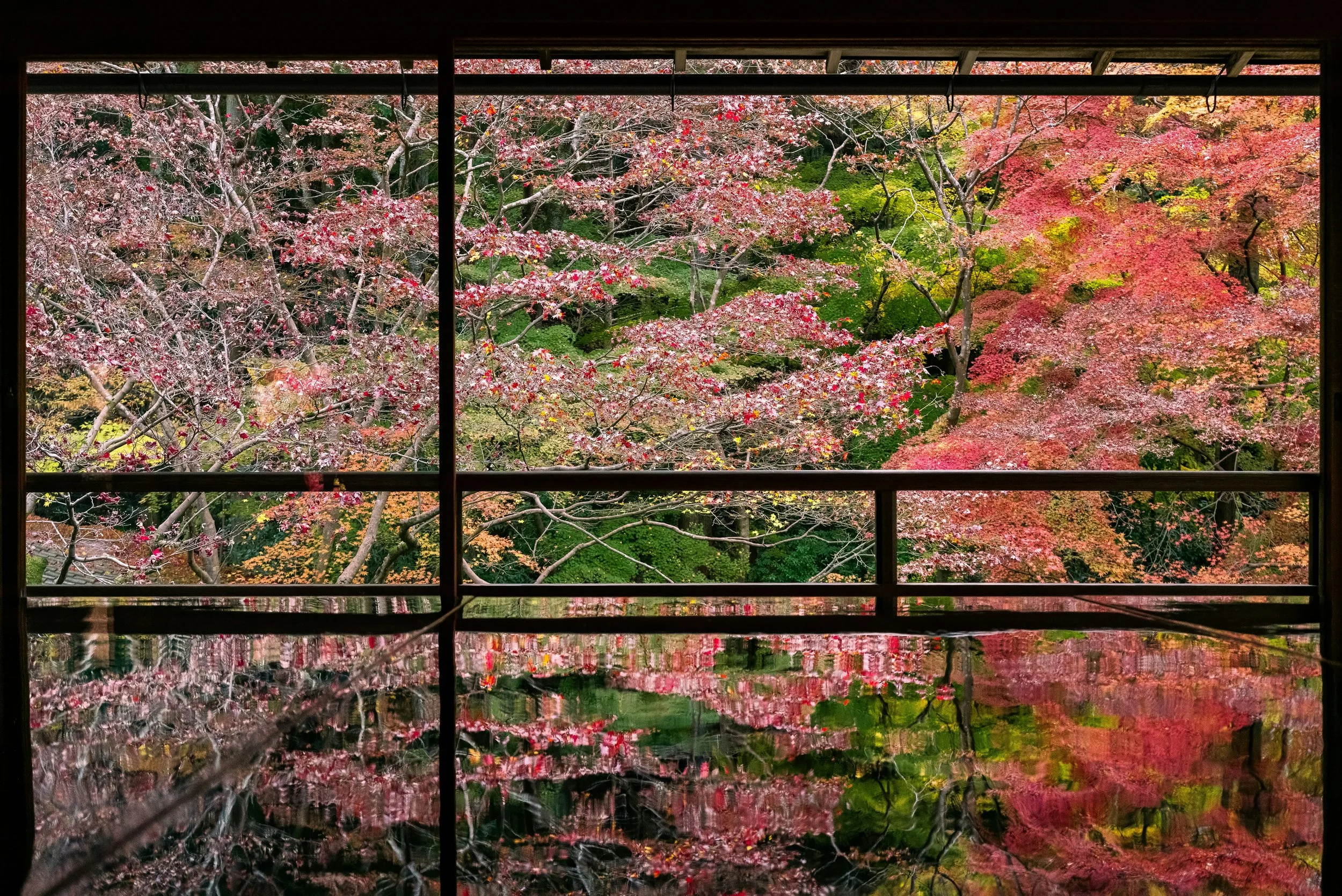
Of course, Fushimi Inari is just one of Kyoto’s treasures. The city brims with temples, gardens, and rituals that bring Japan’s past into the present. Kinkaku-ji, the Golden Pavilion, gleams in the sunlight, its reflection shimmering across a still pond. Ryoan-ji’s Zen rock garden encourages quiet contemplation, while teahouses tucked into side streets invite you to pause for matcha and sweets.

Kyoto feels slower than other cities, almost as if time itself lingers here. The fragrance of incense wafts from temple courtyards, geisha glide gracefully through lantern-lit alleys, and in spring, cherry blossoms drift down like soft pink snow. It’s no wonder the city is often described as the soul of Japan.

PHOTO CREDIT | Unsplash/Zhao Yangyang

Tokyo: A City of Layers

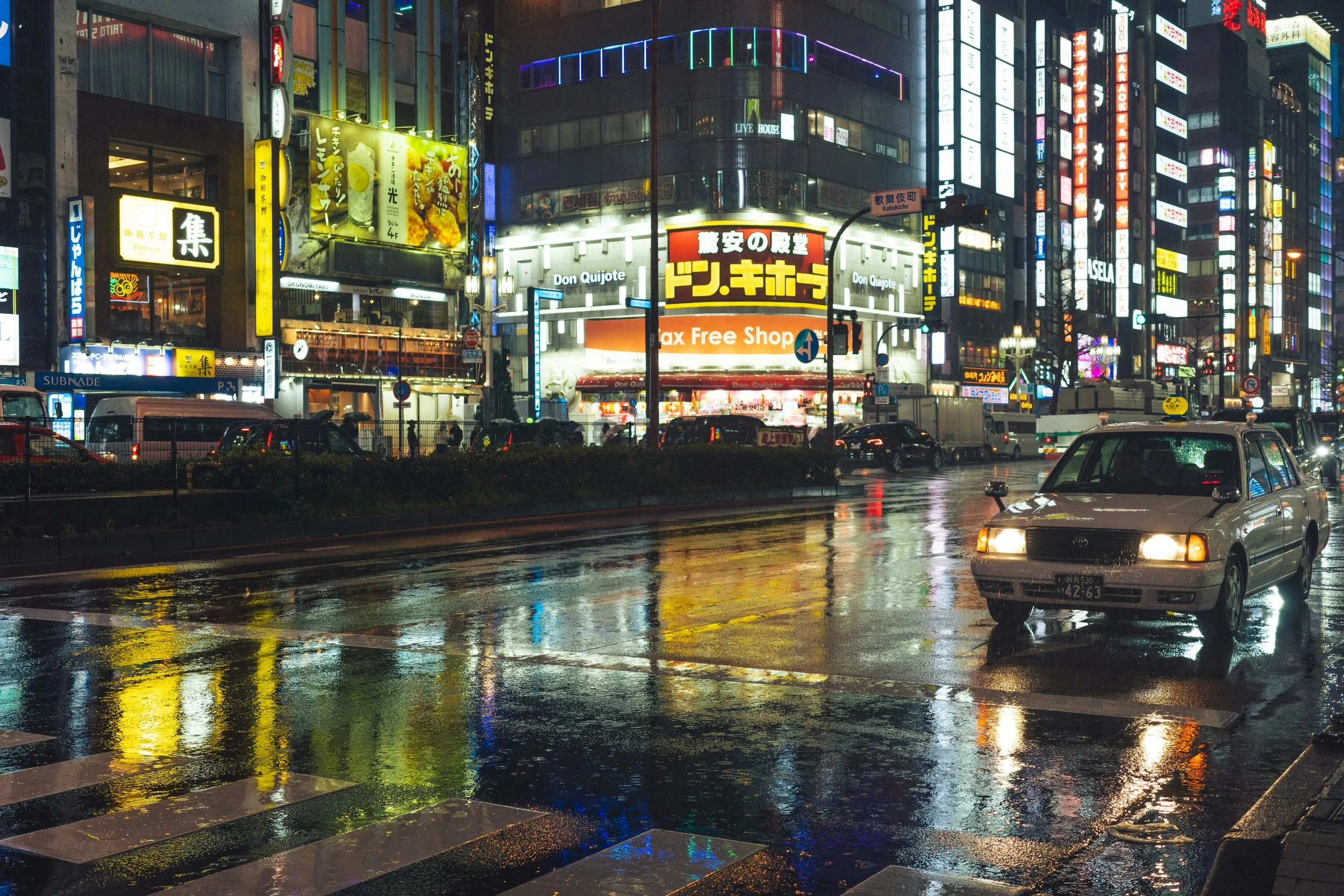
Tokyo is a city of contrasts. Wander through Asakusa, and you’ll find Senso-ji Temple surrounded by lively stalls selling snacks and souvenirs. Head to Shibuya, and you’re swept into the famous crossing, where hundreds of people move in a perfectly choreographed rush beneath glowing billboards. In quieter corners like Ueno Park, cherry blossoms create a canopy of pink in spring, while Ginza sparkles with boutiques and high-end dining.

Experiencing both Kyoto and Tokyo in a single journey is what makes trips to Japan so rewarding. The high-speed rail whisks travellers seamlessly between the two, turning the journey itself into part of the adventure. 

Tokyo Skytree: Touching the Future

Travel east and the atmosphere changes completely. In Tokyo, energy hums through every street, and nothing captures this modern dynamism quite like the Skytree. At 634 metres, it towers above the capital, visible from miles away. By day, it glistens against the sky; by night, it glows with ever-changing lights that reflect the seasons or mark special events.

Inside, the Skytree offers more than just breathtaking views. There’s a sense of awe that comes with standing so high above the city, watching tiny trains snake along tracks and the patchwork of streets buzzing with life below.

At the base, the Solamachi complex bursts with shops, cafés, and restaurants. Here, you can browse traditional crafts, savour sushi with a view, or simply watch the city unfold from a cosy corner. The Skytree is a reminder that Japan’s modern spirit is as captivating as its ancient soul.

PHOTO CREDIT | Unsplash/Red Shuheart

Tradition and Modernity Hand in Hand

What makes Fushimi Inari Shrine and Tokyo Skytree so compelling is not their differences but how they complement one another. One invites quiet reflection beneath ancient gates, the other lifts you high above the city into a vision of the future. Together, they reveal the essence of Japan: a place where reverence for history and passion for innovation walk side by side.

Conclusion: A Journey That Lingers

Visiting Kyoto’s Fushimi Inari and Tokyo’s Skytree is not just about ticking off landmarks—it’s about feeling the heartbeat of Japan in two very different forms. In Kyoto, each step beneath the torii gates feels like a conversation with the past, a reminder of faith, resilience, and tradition. In Tokyo, the sweeping view from the Skytree fills you with possibility, a sense of how far humanity can reach.

This contrast is what makes Japan unforgettable. It’s a country that slows you down and lifts you up, often in the same day. Long after leaving, you’ll remember the hush of the forest at Fushimi Inari, the glow of Tokyo’s skyline at night, and the feeling of standing between past and future. These are the memories that make Japan more than a destination—they make it a journey you’ll want to return to again and again.

HISTORIC ECHOES OF MADRID AND BARCELONA: SPAIN'S LIVING HERITAGE

Spain is a country that doesn’t just showcase its history—it lets you live it. In its parks, you feel the echoes of royal footsteps; in its cobbled streets, the murmur of centuries past lingers in the air. Nowhere is this more vivid than in two iconic spaces: Madrid’s Retiro Park and Barcelona’s Gothic Quarter. Each offers a journey through time, yet both remain woven into daily life, full of laughter, music, and the simple pleasures of the present moment.

PHOTO CREDIT | Unsplash/Eduardo Rodriguez

Retiro Park: Madrid’s Soul in Green

In the heart of Madrid, Retiro Park unfolds like an oasis. Once the playground of kings and queens, it is now a beloved escape for locals and visitors alike. Step inside, and the city’s bustle fades away. You hear the dip of oars on the boating lake, the chatter of families gathered for picnics, and the strum of a guitarist playing softly beneath the shade of chestnut trees. Every corner seems to hold a story. The Crystal Palace gleams like a jewel of glass and iron, reflecting sunlit ripples from the pond at its feet. The Rose Garden perfumes the air in summer, while autumn sets the pathways ablaze with fiery colours. Joggers weave past statues, artists set up their easels, and children chase bubbles that shimmer in the afternoon light.

It’s here, in this living park, that Madrid feels most human—where history, leisure, and culture merge seamlessly. Exploring Spain by train makes it easy to pair mornings in Retiro with afternoons in other cities, each journey a chance to see the country unfold through the window: olive groves, golden fields, and mountain silhouettes rolling by.

Madrid Beyond the Park

Wander back into Madrid’s streets, and the city continues to dazzle. The Royal Palace rises in marble splendour, while Plaza Mayor buzzes with the clink of cups and the hum of conversation spilling from pavement cafés. Gran Vía, vibrant and theatrical, glows late into the night, while the Prado Museum preserves masterpieces that have defined Europe’s cultural story.

Madrid feels expansive and elegant, yet always welcoming—its plazas inviting you to pause, taste tapas, and join in the rhythm of life.

Barcelona’s Gothic Quarter: A Labyrinth of Time

Moving between Madrid’s open grandeur and Barcelona’s medieval intimacy is effortless thanks to the sleek high-speed trains from Madrid to Barcelona. In just a few hours, you travel from the leafy tranquillity of Retiro to the lantern-lit alleyways of the Gothic Quarter, with the countryside flashing by as a backdrop to your adventure.

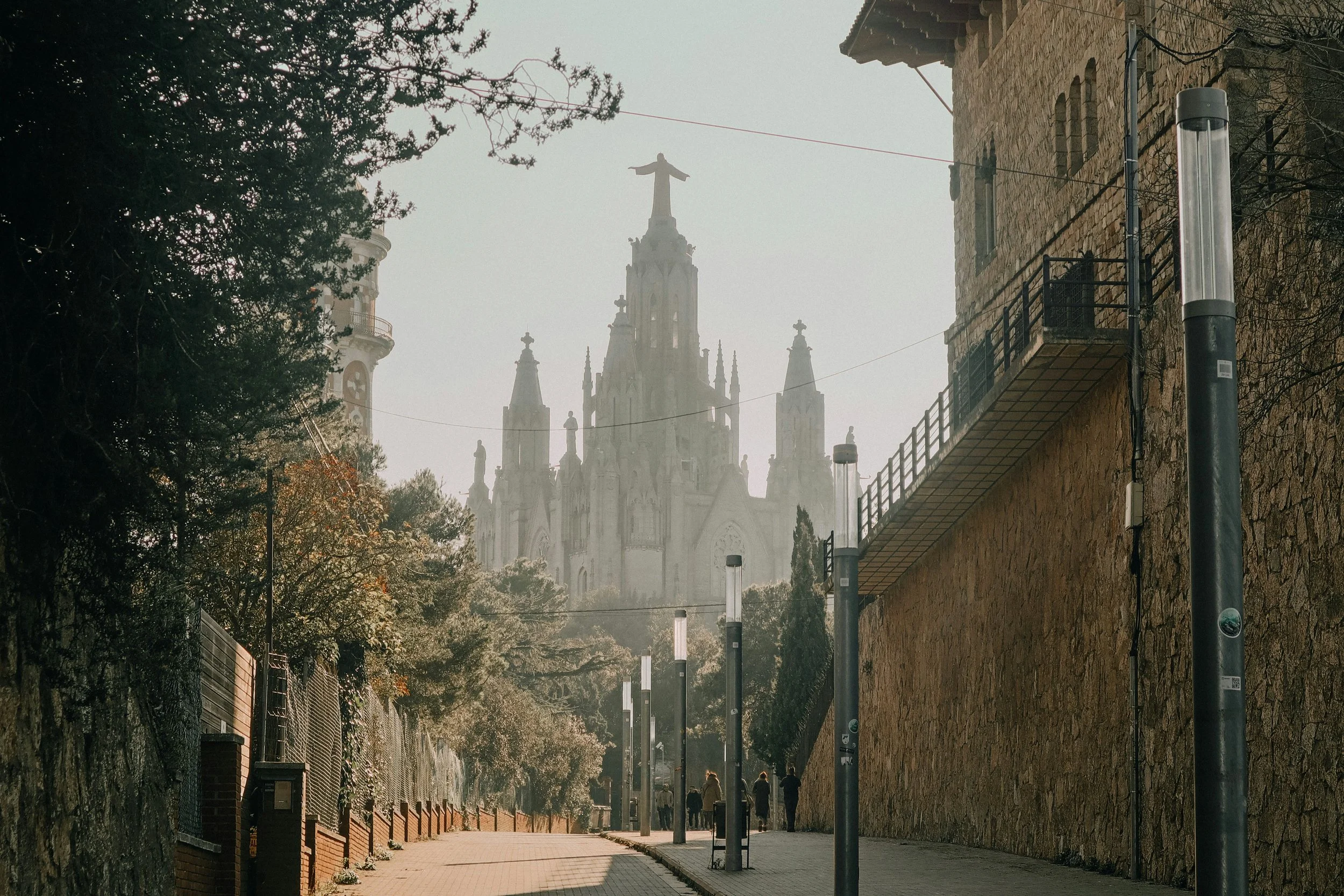
If Madrid is wide boulevards and open skies, Barcelona’s Gothic Quarter is a world of shadows and secrets. Known as Barri Gòtic, it’s a tangle of narrow streets where history clings to the very stones. Walk slowly, and you’ll notice the scent of fresh bread from tiny bakeries, the cool touch of stone walls under your fingers, and the echo of footsteps where Romans once marched.

The Gothic Quarter is full of treasures: Barcelona Cathedral with its soaring spires, cloisters where geese wander between fountains, and hidden squares where locals sip wine under the glow of lanterns. In the daylight, flower-draped balconies brighten the alleys; at night, the sound of guitars drifts through the air, and the quarter takes on an almost theatrical magic.

Two Cities, Two Souls

Together, these places capture the duality of Spain. Retiro Park feels like a grand stage where history is played out under open skies, while the Gothic Quarter invites you to lean in and listen closely to its whispered stories. Both are living, breathing spaces—full of children’s laughter, café chatter, and the everyday rhythm of Spanish life.

They remind us that history isn’t just locked away in museums or monuments. It’s alive in the streets, the parks, and the people who carry these traditions forward every day.

Conclusion: A Journey That Stays With You

Travelling in Spain is about more than visiting sights; it’s about experiences that leave imprints on the senses. The scent of roses in Retiro Park. The shimmer of stained glass inside Barcelona Cathedral. The taste of fresh churros eaten in a hidden square. These moments are as much a part of the journey as the landmarks themselves.

Retiro Park and the Gothic Quarter may belong to two different cities, but they share one thing: the power to make history feel alive and personal. They invite you not just to look, but to feel—to pause, breathe, and connect. And as you leave, the memory lingers like sunlight on stone, a reminder that Spain’s greatest gift is how it makes you part of its unfolding story.

What makes these places unforgettable is their timeless quality. No matter how many times you return, Retiro Park always offers new corners to explore, and the Gothic Quarter reveals fresh secrets in its winding streets. They are destinations that reward curiosity, encouraging you to slow down and notice the details—the small moments that turn travel into something deeply meaningful.

NAD+ THERAPY AND WEIGHT LOSS FOR ACTIVE MILLENNIALS

Your week is packed. A quick run between meetings, a lift at lunch, a lighter dinner when you can. Some days you feel sharp, other days your legs feel like sandbags.

That’s why a lot of active people ask about NAD⁺. If you want options you can manage from home, you can learn more through NAD online. Here’s a simple guide to what it is, how it may fit your plan, and what to ask before you try it.

PHOTO CREDIT | Unsplash/Towfiqu barbhuiya

What Is NAD⁺

Nicotinamide adenine dinucleotide, or NAD⁺, is a coenzyme your cells use to turn food into energy. It helps enzymes run pathways that make ATP, which powers muscle contraction, brain work, and recovery.

You don’t need biochem notes to get the point. If you train hard, how your cells handle energy shows up on the bar and on your runs across a normal work week.

NAD⁺ levels can shift with age, poor sleep, and heavy training blocks. Researchers also study links to mitochondria and cell repair. If you want a quick primer, the overview on Wikipedia explains its role in metabolism in plain language.

How It May Help With Weight Loss

NAD⁺ isn’t a shortcut. Food intake, protein, movement, and sleep do most of the work. The possible win is steadier energy, which helps you finish what you plan.

Here’s the practical link. Better cellular energy may help you keep a steady training volume. Three strength sessions plus two short cardio blocks beat two rushed workouts and a skipped day.

Many people also notice the 3 p.m. slump eases, which can quiet the pantry raid. If you’re running a small daily deficit, feeling steady makes it easier to stick with it.

Worth saying, evidence for direct fat loss from NAD⁺ therapy is still early. Energy and recovery look more promising than the scale itself. For a balanced, plain English summary of potential benefits and side effects, see this review on Healthline.

Safety And Side Effects

NAD⁺ therapy can be given as IV infusions, injections, or sublingual troches. Each option has tradeoffs.

●       IV infusions: Clinic visits that run one to several hours. Good if you like fixed appointments and someone else sets things up.

●       Injections: At home and quick, usually on a set schedule. Popular with people who live in calendar blocks.

●       Troches: Under the tongue. If needles make you tense, start here.

Dosing plans vary. The right plan considers training load, sleep, body weight goals, and other meds. Some providers pair NAD⁺ with weight loss medications. If your team suggests a combo, ask why it fits your goals and how side effects are tracked.

Tell your provider about migraines, arrhythmias, liver issues, prescriptions, supplements, caffeine, and alcohol. If you’re pregnant or nursing, ask for a different plan. Mild nausea, headache, or flushing can show up. Chest pain, severe dizziness, or allergic symptoms mean stop and call. Good telemedicine services review these points before you start.

Why Telemedicine Helps

Waiting rooms don’t pair well with back to back meetings. Video visit, plan set, meds shipped, quick follow ups. The real benefit is consistency. Easy access keeps you on the plan long enough to see change.

●       Video consult: Goals, training schedule, past weight changes, safety.

●       Home delivery: Clear instructions and supplies, no pharmacy sprint.

●       Follow ups: Short check ins. Move timing when travel or heavy weeks hit.

Habits That Support Results

NAD⁺ works best as part of a week that includes smart food, movement, and recovery. Use this simple plan for month one.

●       Calorie target you can repeat: Small daily deficit, not a crash. Protein around 1.6 to 2.2 grams per kilogram of body weight. If tracking stresses you out, use a plate guide. Half veggies, quarter lean protein, quarter carbs, and add a thumb of fats if you’re starving.

●       Training you can finish on busy days: Two full body lifts and two 25 to 35 minute cardio sessions. If you only have 18 minutes, do 18. Done beats skipped.

●       Steps and movement breaks: Keep steps steady across the day. Put a 10 minute walk after lunch or dinner on your calendar so it happens.

●       Sleep: Aim for seven to nine hours. Same bedtime. If that’s tough, try a 20 minute wind down with light reading, breath work, or a warm shower.

●       Caffeine limits: Cut it by early afternoon to protect sleep. Sleep moves the needle more than an extra espresso.

If you pair NAD⁺ with a weight loss medication, ask how to time doses around workouts and travel. Plan hard sessions on days your stomach behaves.

Your 4 Week Check

Tools beat hope. Keep a short weekly review.

●       Weight trend: Weigh in three times per week at the same time. Log the rolling average. Watch the trend, not single days.

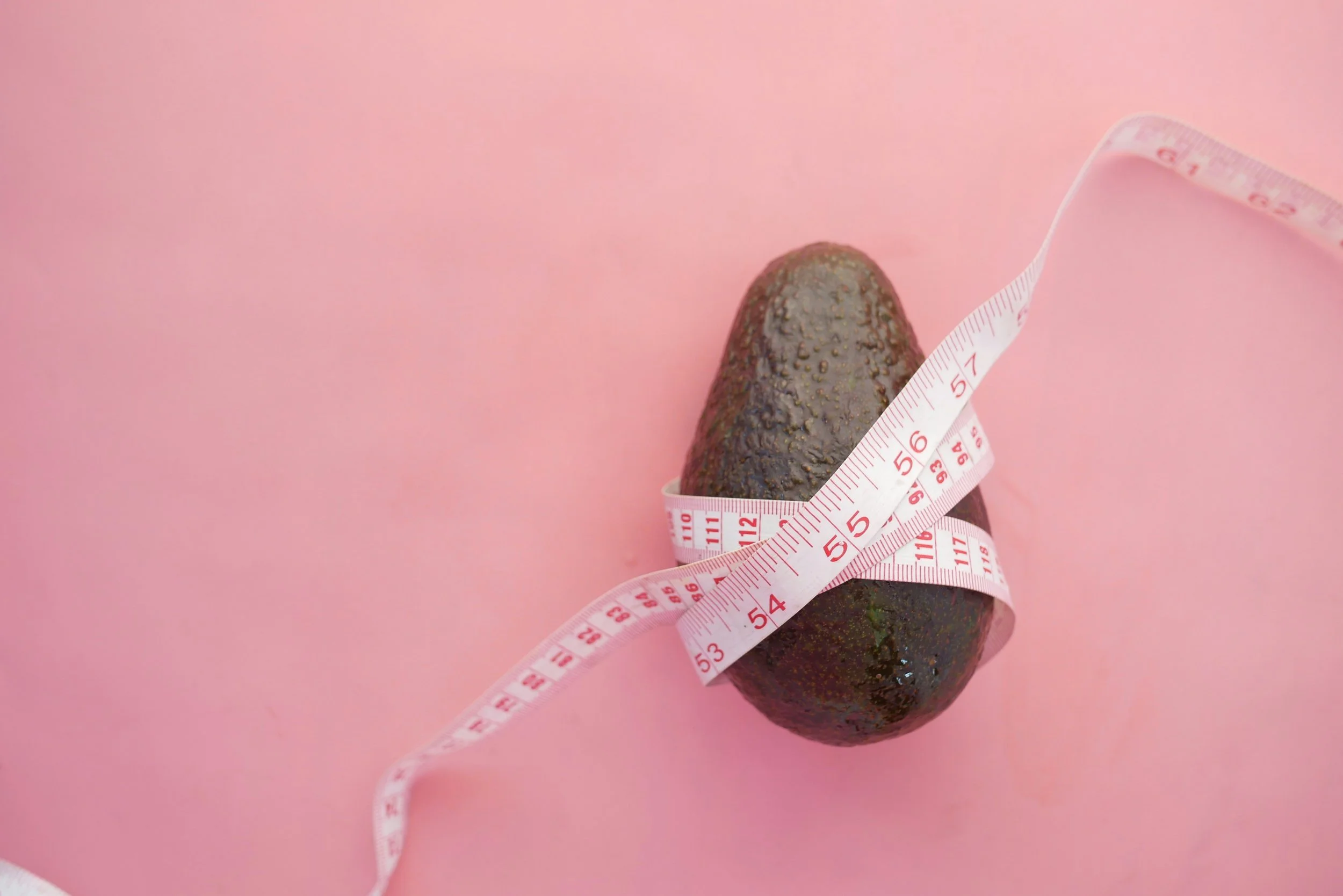
●       Waist or hip measure: One tape measure reading per week. This tracks fat loss when water swings hide changes on the scale.

●       Training log: Session type, sets, reps, distance, and effort. Mark sessions cut short by fatigue.

●       Energy and hunger notes: One or two lines per day. Patterns often link to dose timing, sleep, or stress.

If the four week trend is flat, change one lever, not five. Trim 150 to 200 calories, add one short cardio block, or fix bedtime. Share your log during follow ups so your provider can fine tune the plan.

Questions To Ask Your Provider

Bring a list so the call stays focused. A few good ones:

●       What’s my starting dose and schedule based on my training?

●       When might I feel steadier energy?

●       What side effects should I watch for, and what’s the plan if they show up?

●       How will we track progress at four and twelve weeks?

●       If we combine therapies, what changes first if workouts feel off?

●       How do we handle travel and stacked meeting weeks?

Good answers here usually predict a smoother program.

PHOTO CREDIT | Unsplash/Towfiqu barbhuiya

Putting It All Together

NAD⁺ can help you feel steadier across work and workouts, which makes food choices and training easier to repeat. Keep access simple with telemedicine, pair the therapy with basic habits, and track your trend lines. Small changes, done most days, add up.