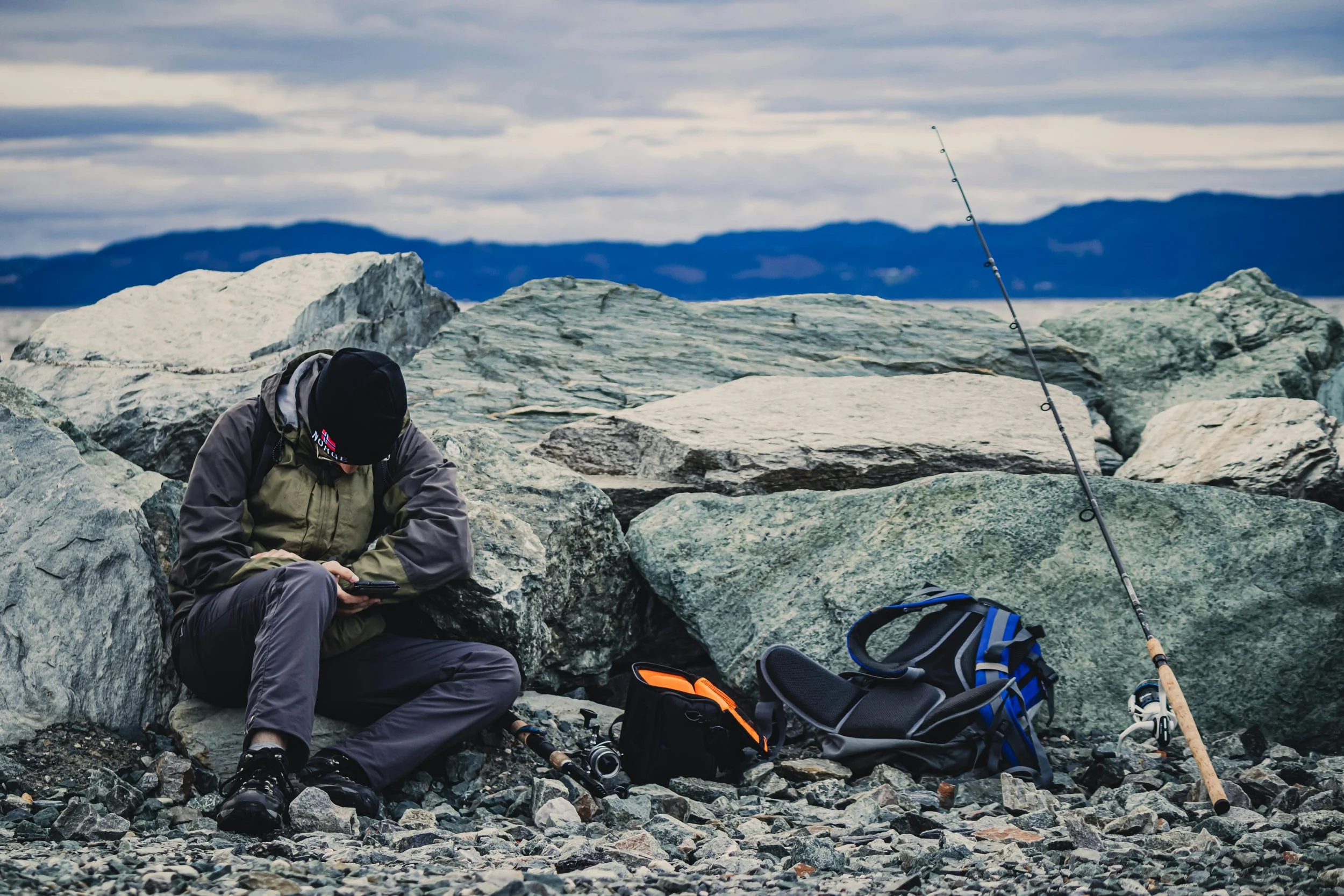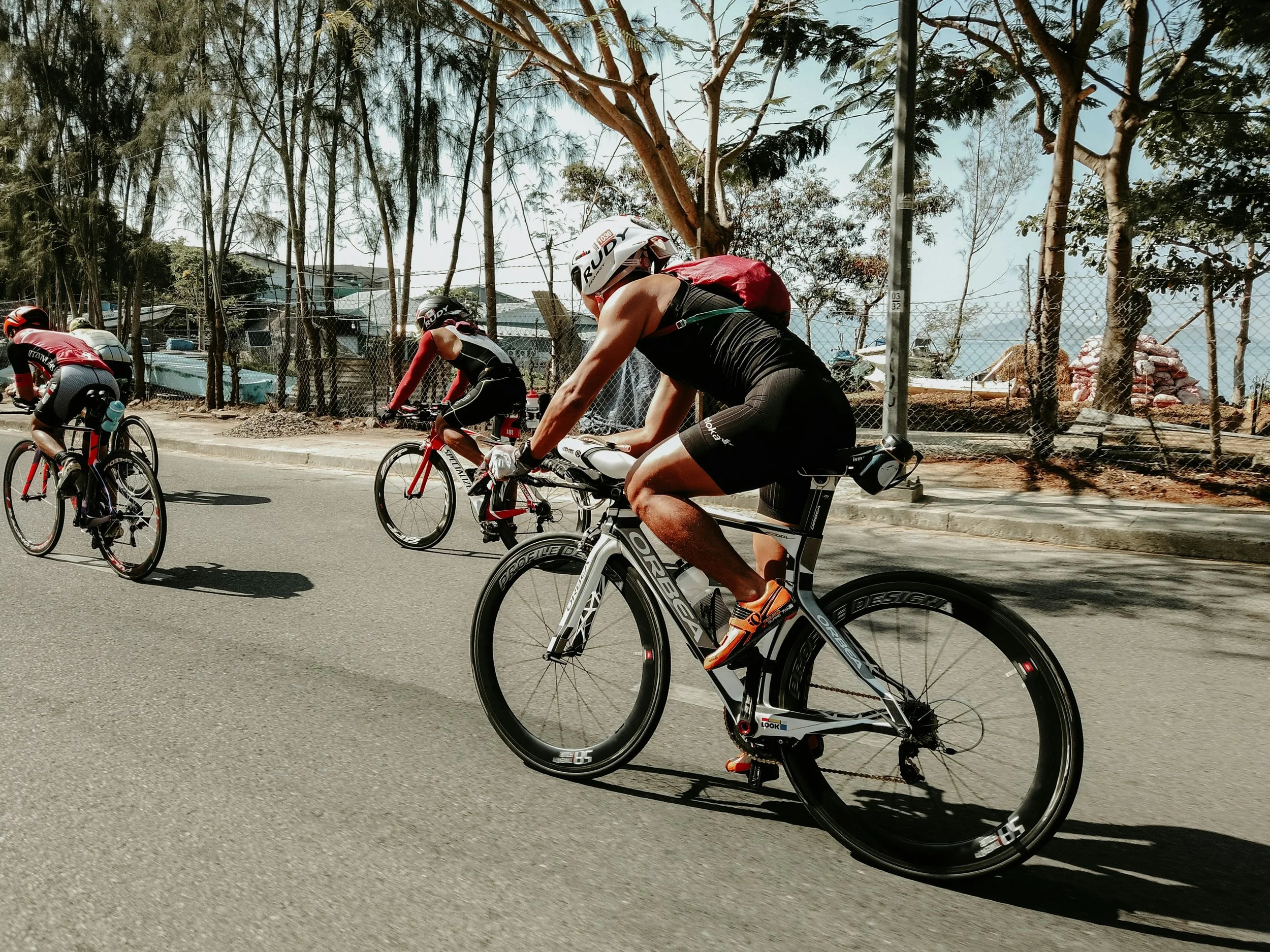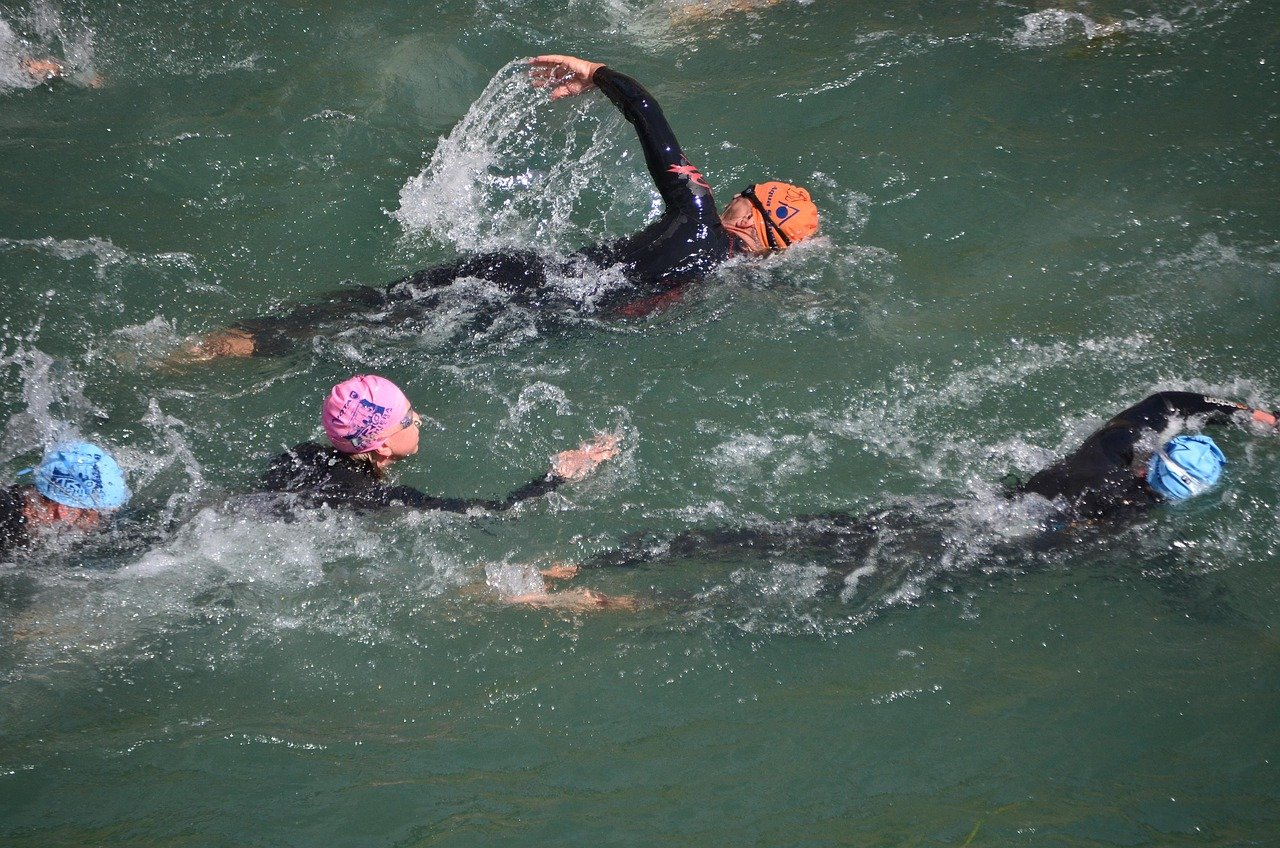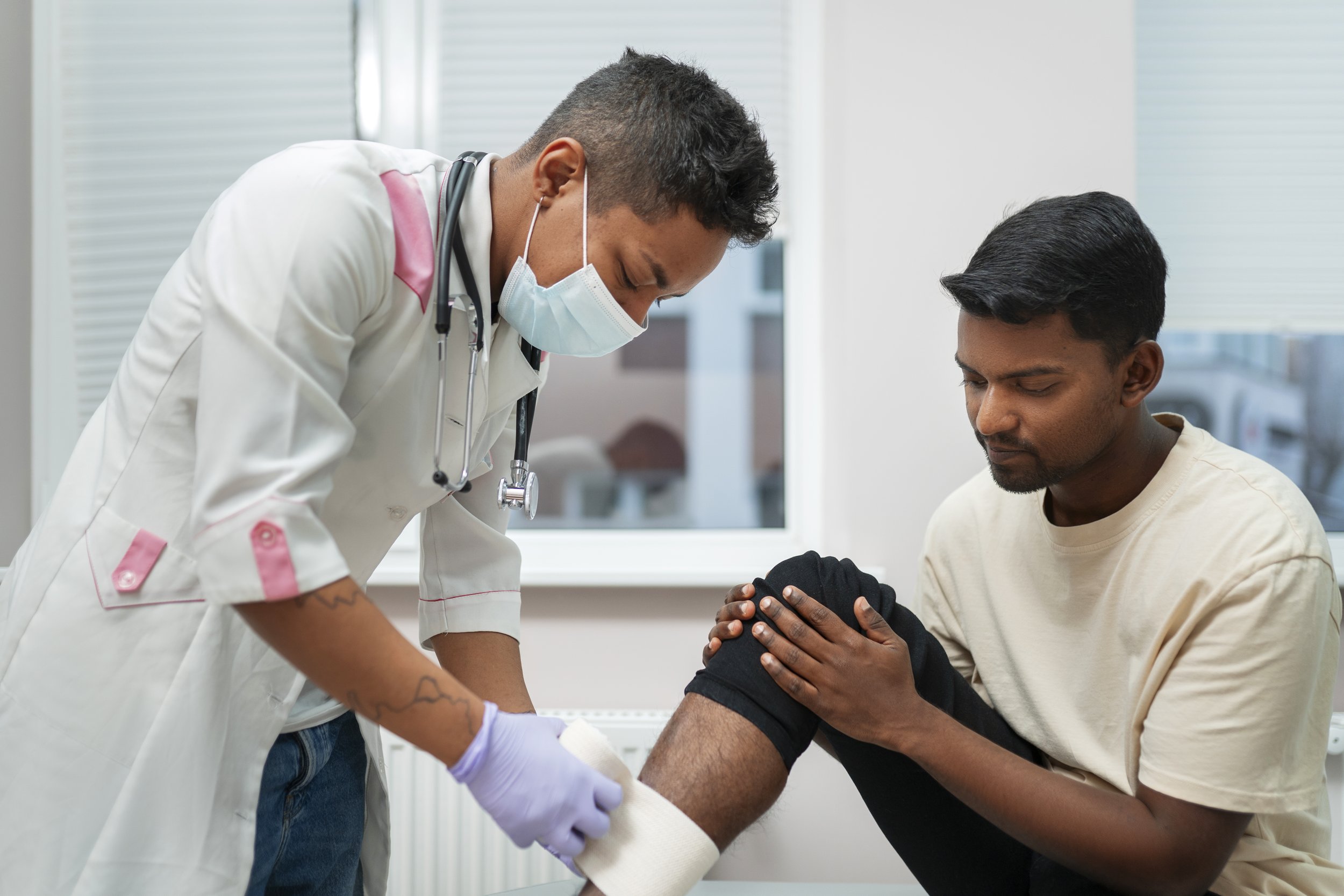
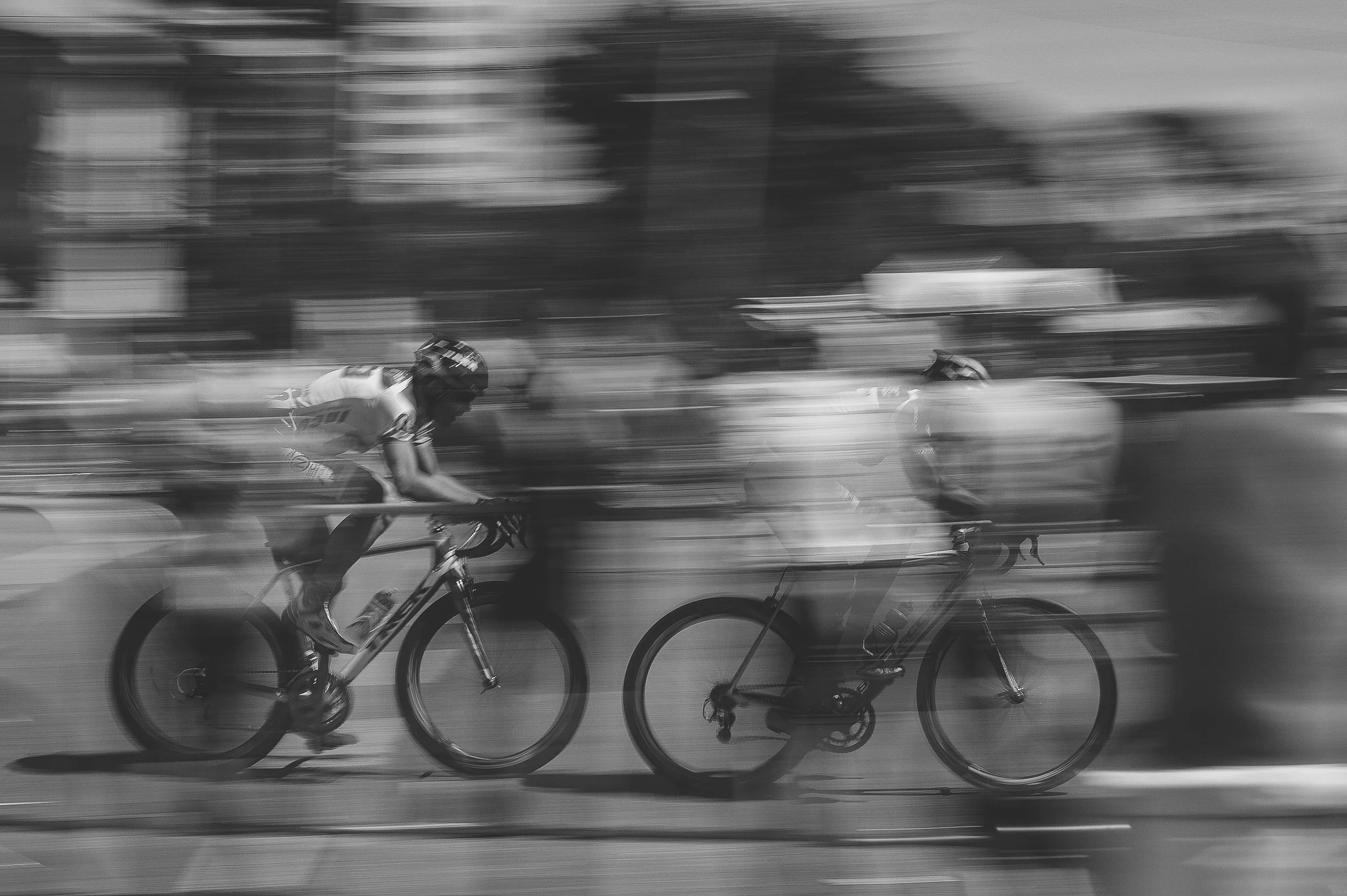
When using piercings in physical activities, one needs to be considerate in order to stay comfortable and safe. Lots of individuals like to use their bodies to express themselves by wearing body jewelry such as nose rings, ear jewelry, and other piercing items, however when the persons become too active, the jewelry may become irritated, damaged or even lost. Running, cycling, or playing contacts, in any case, knowing how to protect piercings can be a benefit in keeping them looking attractive without any complications.
Body jewelry should be part of an active lifestyle and it is imperative to plan beforehand. The kind of the piercing, where it is located and what the jewelry is made out of will also determine the ability to endure physical activity. The risk of snagging or damage can be minimized by the adoption of safe and secure choices. Even basic measures, like the temporary replacement of jewelry by sport-appropriate ones, can help a lot in keeping one comfortable and safe when performing exercises.
Choosing the Right Jewelry
Wearing the right jewelry in active cases will reduce exposure to risks. Lightweight metals such as surgical steel, titanium, or biocompatible plastics are hardly likely to irritate the skin or entrap alligators on clothes or other equipment. Such accessories as nose rings should be tight but not too tight so that they remain in place but do not put pressure and rub against the body.
The jewelry design is also important. Closed loops, studs or flexible designs are usually safer as compared to hanging components which may get stuck on gear, helmets or other players. This is especially necessary in contact sports when it might happen due to sudden impacts or an accidental grab. Considerate decision-making will be helpful to avoid pain and avoid harm to the piercing.
Preparing Piercings Before Exercise
It is necessary to prepare piercings during physical activity. Ahead-cleaning of the area can also diminish the chances of infection of either sweat or environmental debris. In order to keep the piercing bacteria-free and the skin nearby healthy, it is recommended to use soft antiseptic sprays or saline sprays.
Another important measure is jewelry security. In nose rings or other delicate ones, it is recommended to press them into a comfortable size and ensure that they are not loose to avoid moving during an activity. Other athletes also resort to using protective covers, e.g. medical tape or breathable adhesive patches to retain jewellery, and reduce friction during a hard working session.
Adjusting Activity Techniques
Straining of piercings can be minimized by changing the manner in which you carry out some tasks. Piercings should not be rubbed up by hair, hats, or sweatbands, which irritate the nipples in runners. The cyclists are in a position to place the helmets and straps in such a way that they do not cause any form of pressure that may cause the body jewelry to be pulled and scratched.
The awareness of movements plays a key role in contact sports. Careful practice and attention to the interaction of your body with those of other people can reduce the potential effects of accidents. Minor modifications such as tucking hair behind the ears or tying loose straps will help a great deal to reduce the chances of getting jewelry caught in sudden movements.
Temporary Alternatives During Workouts
Most athletes prefer to replace ordinary jewelry with sport-themed jewelry. Metal jewelry can be replaced with a flexible plastic retainer or silicone to have the piercings closed and minimize the injury. In some cases, especially nose rings, they can be replaced with hidden flexible studs which have fewer chances of causing snags during activity.
The benefit of these temporary solutions is that preserving the hole in the piercing is possible without putting the safety of the person at risk. They particularly come in handy during contact sports or an intense physical exercise where the normal jewelry can be easily pulled or bent. Changing before the exercise will guarantee that there will be peace of mind in an active state.
Post-Exercise Care
It is as important to take care of piercings after physical exercises as it is to prepare. The piercing may be irritated by sweat, friction, and exposure to the environment and it is advisable to clean the piercing using a saline solution or mild antiseptic soon after an exercise. This alleviates the chance of reddening, swelling, or infection.
It is also important to observe the piercing to see whether it is stressed or damaged. Bent body jewelry and loose nose rings should be fixed as soon as possible, and the discomfort must also be resolved to avoid problems in the future. Healthy piercings and a good appearance can be achieved through proper maintenance that follows exercise without limiting a person to participate in sports and exercises.
Choosing Safe Piercing Locations
Certain placement of piercing is more appropriate to active lifestyles than others. As an illustration, earring studs or small nose rings may tend to be less catchy and less likely to be injured than the hanging earrings or exposed piercings. Appraisal of the location of your body jewelry could help in making decisions regarding which body jewelry to wear during sports or during vigorous exercises.
Painful accidents can also be avoided by always avoiding high-risk areas during contact activities. In case you often play rough sports, it might be the best solution to think of other places to be pierced or to take off some of the pieces at least temporarily. Consideration assists in keeping personal style and physical security.
Long-Term Considerations
Proper health is supported by a regular check on the piercings with regard to your activities. Certain materials are more robust and do not wear out easily along with friction and recurring pressure, which is perfect among the sports people. Regular cleaning and changing of damaged or seldom used jewelry also helps in maintaining a clean piercing and makes it look attractive even after a long time.
A compromise between personal style and safety gives people an opportunity to wear body accessories, such as nose rings, but does not affect performance or comfort. Piercings can be a pleasant way of expressing oneself even when engaging in vigorous physical exercise by incorporating preparation, proper jewelry selection, and after-care of the piercing.
Conclusion
Piercing should be carefully thought out and taken care of during running, cycling, or other sporting activities that are in contact. Wearing the right jewelry, making and putting on piercings, modifying methods of doing activities, and temporary alternatives can go a long way in minimizing the chances of irritation and injury. The long-term safety and style are provided by taking care of the piercing sites after the exercise and closely monitoring them. With this advice in mind, sportsmen and active people will be able to wear body jewels and remain comfortable and safe during any kinds of sportive activities.