
ONLINE GROUP THERAPY VS. ONLINE SUPPORT GROUPS: WHAT'S THE REAL DIFFERENCE?

With increasing mental health services becoming available online, more people are considering online group therapy vs support groups. The two foremost are online group therapy and online support groups. However, despite sounding like similar activities on the surface, they both serve different purposes, require different amounts of structure, and have different facilitators.

Certain people could find online group therapy with a same-day appointment more beneficial to their condition, while others find support groups more beneficial with some encouragement and experience.

PHOTO CREDIT | Pexels/Anna Shvets

What Are Online Support Groups?

Online support groups are facilitated by other members of the group, or by a minimal amount of moderation, and may include others who have similar experiences to the members to provide stories and coping skills, as well as emotional support.

Such groups tend to be concerned with a particular problem, e.g.:

●      Anxiety or depression

●      Grief and loss

●      Chronic illness

●      Substance use recovery

●      Parenting stress

●      Relationship difficulties

It is advisable to conduct an online mental health group comparison.

Online Group Therapy vs. Online Support Groups: Key Differences at a Glance

Although both the activities mentioned here are group forms, they do not share structural similarities.

Key differences between online group therapy vs support groups include:

Facilitator

●      The therapist or psychiatrist will be able to provide group therapy on a licensed basis.

●      The peer leader or non-clinical facilitator is considered a support group facilitator.

Goal

●      This site posts a variety of resources to assist you in the treatment and development of skills to use in your group therapy sessions.

●      Have supportive groups available: Emotional support and shared experience.

Structure

●      Group therapy: Therapy in groups with treatment objectives

●      Support groups: Flexible, discussion format

Cost

●      Group therapy: Insurance coverage, or fee-based

●      Support groups: Freely available or donations required

Privacy and rules

●      Confidentiality agreements and clinical guidelines; group therapy.

●      Support groups offer a range of structured and expected levels of privacy.

It is important to recognise these differences so that people can select the care that is most suitable for their needs.

Benefits of Online Group Therapy

Online group therapy is a form of therapy supervised by professionals, but with groups of peers involved as well.

Many of these advantages include:

●      There should be easy access to qualified mental health providers.

●      Structured therapeutic interventions

●      Access to communication practice opportunities.

●      Trained facilitators are able to give feedback.

●      Support for complex or chronic mental health conditions is in place.

Online group therapy is especially useful for those individuals who need more than just emotional support and seek psychological therapy.

Benefits of Online Support Groups

Another type of assistance—especially for those looking for connection and understanding—is found in online support groups.

Key benefits include:

●      Emotional support peers

●      Feeling of belonging and feeling connected

●      Accessibility with no medical issues.

●      Flexibility in participation

●      Lower or no cost

●      Students are exposed to diverse perspectives

Crossroads or times when the person isn't ready for formal treatment can be beneficial for support groups.

PHOTO CREDIT | Pexels/Diva Plavalaguna

Which Option Is Better for Different Mental Health Needs?

40 million US adults experience anxiety disorders, amongst other mental health issues. Both online group therapy and online support groups can be considered according to individual requirements.

Group therapy online might be more advantageous for:

●      Mild to severe mental health diseases.

●      Patients who need a treatment programme

●      Persons requiring professional advice.

●      Individuals involved in some form of behavior change work.

●      Persons having concurrent disorder(s)

Online support groups, such as Mindful Care, might be more appropriate for:

●      Mild emotional distress

●      Stress or a change in life circumstances

●      People looking to connect with others

●      Individuals taking supplements in addition to their doctors' prescriptions

●      Anyone new to considering mental health support.

In some instances, a combination of both strategies is useful. For instance, one might go to peer support groups for encouragement and clinical groups at the same time.

Common Misconceptions About Online Mental Health Groups

Online group mental health services are becoming more and more common, but they are not understood.

Common misconceptions include:

●      Group therapy is not a support group - They are quite dissimilar in structure and purpose!

●      Online groups don't work as well as face-to-face care - Research proves that for many people, virtual groups are as effective.

●      Support groups are not therapy - They cannot be used as a substitute for clinical therapy when needed.

●      Every individual who comes to groups has a crisis - A number come for continuous support and growth.

Healthy people can make informed choices regarding the care of their mental health if they are aware of those misconceptions.

Conclusion

While there are elements of mental health care that are being carried out online, there are certain roles that they can play and which make them both different and important in the modern era of mental health care. Group therapy involves regular, guided treatment from a psychologist, and support groups offer patterns and emotional support from others.

HOW CONTRACT POWDER MANUFACTURING WORKS

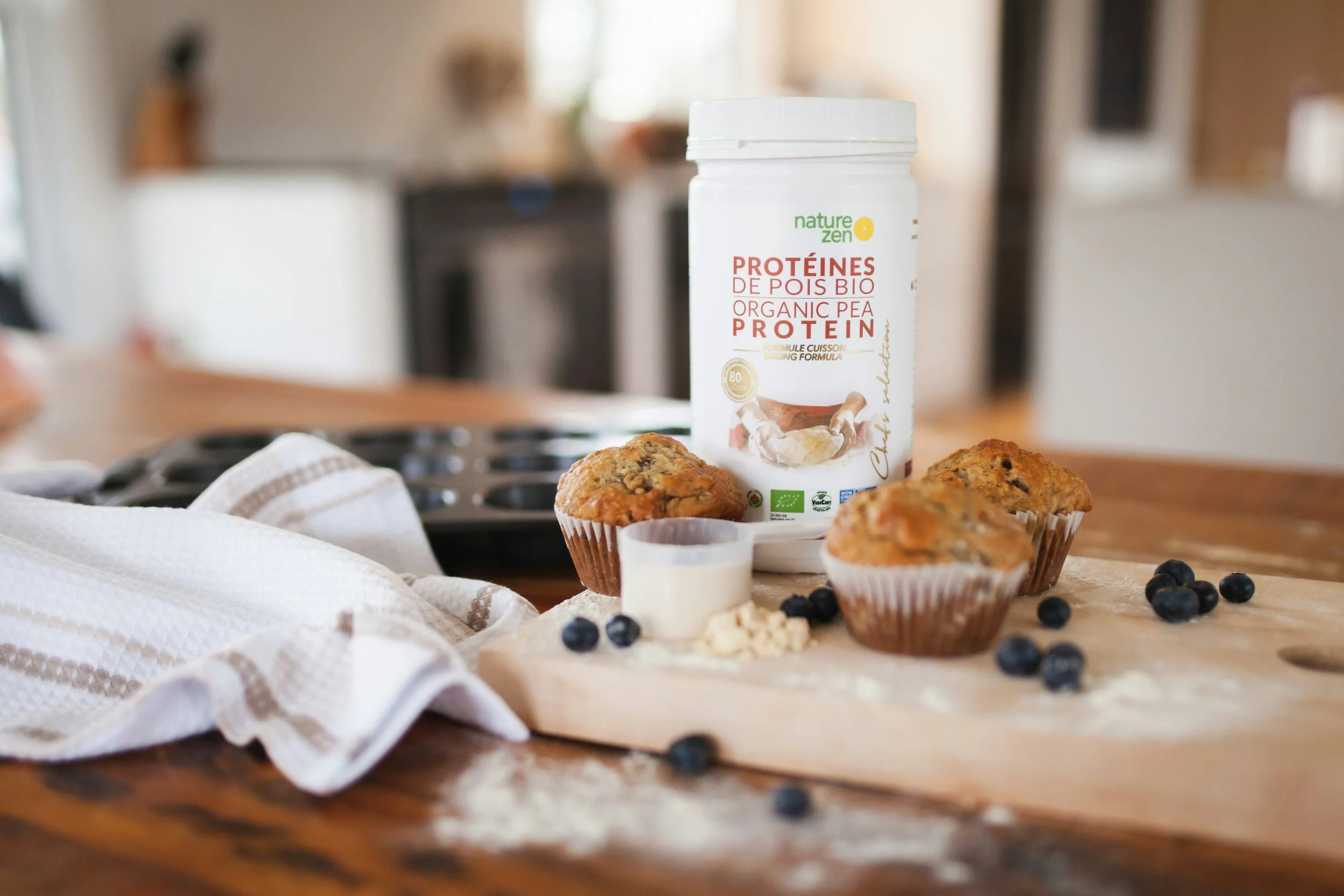
Walk into any gym and you will see shaker bottles everywhere. Protein, greens, electrolytes, and pre-workout blends have become as routine as a water bottle for many fitness fans. Yet most people who scoop a powder each morning never ask where it actually comes from, or who turned a recipe into a sealed tub on a shelf.

Scoop of protein powder beside a shaker bottle on a clean kitchen counter

PHOTO CREDIT | Unsplash/Nature Zen

The answer is usually a contract maker, not the brand on the label. Most wellness companies design a formula and then hand the blending, filling, and testing to a specialist plant. Partners such as Sawgrass powder manufacturing run that production work under federal rules, which is why two tubs from the same brand taste and mix the same way. Knowing how that process runs helps any shopper read a label with a sharper eye.

Why Brands Hand Powder Production to a Specialist

Building a powder plant is expensive. Industrial blenders, climate control, and cleanroom space can cost millions before a single scoop ships. Few startups can carry that, so they outsource instead.

A contract manufacturer spreads that fixed cost across dozens of brands. The model lets a small label launch a product with a minimum order of a few thousand units rather than a full factory. It also moves the heavy compliance burden onto a team that handles it every day.

That shift matters for buyers in three clear ways:

  • Speed: a tested formula can reach shelves in 8 to 12 weeks.

  • Consistency: the same line fills every batch the same way.

  • Oversight: one plant carries the audits, records, and lab checks.

Fitness profiles like the one with trainer Jenna Willis show how seriously athletes treat what they put in a shaker. The plant behind the powder decides whether that trust holds.

What the Federal Quality Rules Actually Require

Dietary supplements sold in the United States fall under a federal rulebook called Current Good Manufacturing Practice. The standard lives in 21 CFR Part 111, and it became fully effective for companies of every size in 2010. Every legitimate powder plant works inside those rules.

The regulation covers far more than mixing. It sets written procedures for personnel, equipment cleaning, and record keeping, and it requires a master manufacturing record for each product. That master record acts as the recipe of record, while a separate batch production record documents what actually happened on the day a specific lot was made. A plant must hold those batch records for at least 1 year past the product shelf life, often closer to 3 years in practice.

Identity testing is a core demand. Before a single kilogram is blended, the plant must confirm that each incoming ingredient is what the supplier claims. That step alone blocks a large share of mislabeled or contaminated raw material.

How Quality Control Works On the Line

A powder is only as clean as its weakest checkpoint. Good plants test at three stages: incoming material, in-process blending, and the finished tub. Each stage produces a record that an auditor can trace. A dedicated quality unit, separate from the crew running the blenders, then reviews those records and either releases the batch or holds it back. That separation of duties keeps a production deadline from quietly overriding a failed result.

Independent reference work backs those internal checks. The Dietary Supplement Laboratory Quality Assurance Program run by federal scientists helps labs measure nutrients and contaminants the same way. A result in one lab can then match a result in another. That shared yardstick keeps numbers honest across the whole industry, and it gives smaller brands a fair reference point.

Typical line checks include several routine measures:

  • Blend uniformity: confirms the active ingredient spreads evenly.

  • Moisture content: usually held below 5 percent to limit clumping.

  • Heavy metals: screened against set limits for lead and arsenic.

  • Microbial load: tested to keep mold and bacteria within range.

These tests do not promise that any powder works. They confirm that the tub holds what the label states, in the amount it states, free of obvious contamination. That distinction is the heart of honest manufacturing.

What This Means for Wellness Shoppers

You do not need a chemistry degree to buy smarter. A few signals on the package reveal how a powder was made and how much the brand invested in quality.

Look for a clear lot number, an expiration date, and a statement of third-party testing. A brand willing to name an outside lab is signaling that it has nothing to hide. Conversations about sourcing, like the food philosophy Chef Esther Choi shares about her kitchen, carry over directly to the supplement aisle.

Watch for these green flags before you buy:

  • A printed lot or batch code on the tub.

  • A listed expiration or best-by date.

  • A note that the product is third-party tested.

Frequently Asked Questions

What Does a Contract Powder Manufacturer Do?

A contract manufacturer turns a brand's formula into a finished, sealed product. The plant sources raw ingredients, blends them, fills containers, and runs lab tests at each stage. It also keeps the batch records that federal rules require. The brand owns the recipe and the marketing, while the plant owns the production and the compliance work behind it.

Are Supplement Powders Regulated In the United States?

Yes. Powders sold as dietary supplements must follow 21 CFR Part 111, the federal Current Good Manufacturing Practice rule. Those rules cover ingredient identity, cleaning, record keeping, and finished-product testing. The standard does not approve products before sale, but it does require documented quality control at every step.

How Can I Tell if a Powder Was Made Well?

Check the tub for a lot number, an expiration date, and a third-party testing claim. Those three details signal that the maker tracks batches and welcomes outside checks. A brand that names its lab or its facility is usually proud of how the product was produced.

Why Do Two Tubs of the Same Powder Taste Alike?

Consistency comes from a controlled production line and a fixed master record. The plant follows the same blend ratios, the same equipment, and the same tests for every batch. That repeatable process is the main reason a trusted brand mixes the same way each time.

HOW THE ROSE BECAME A GLOBAL PHENOMENON

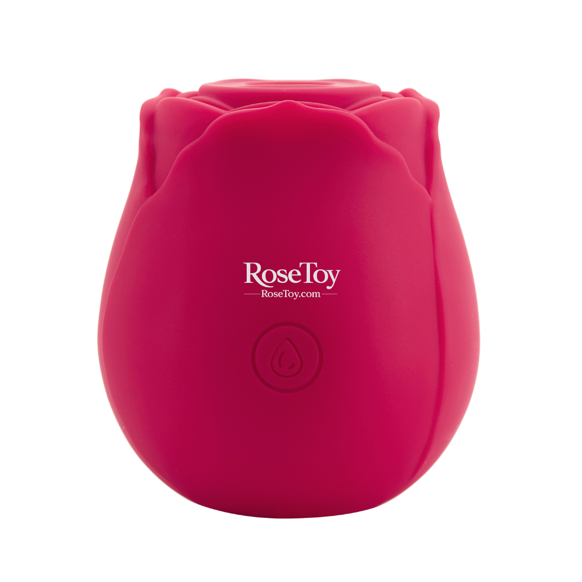
Today, millions of people around the world recognize the iconic rose-shaped vibrator known simply as The Rose.

What began as a distinctive product design eventually became one of the most recognizable products in the intimate wellness industry. Through social media, online communities, and word-of-mouth recommendations, The Rose transformed from a single product into a global phenomenon that influenced an entire category.

Its success was not the result of traditional advertising alone. Instead, it reflected changing consumer attitudes toward wellness, design, and self-care in the digital age.

So how did The Rose become one of the most talked-about wellness products of the past decade?

A Different Approach to Product Design

Before The Rose appeared, many products in the category followed a similar design language. Function was often the primary focus, while aesthetics received less attention.

The Rose introduced a different perspective.

Rather than resembling a conventional intimate wellness product, it featured a rosebud-inspired design that looked elegant, discreet, and visually distinctive. The appearance immediately captured attention and offered consumers something that felt more modern and approachable.

The design helped bridge the gap between wellness, self-care, and product innovation, appealing to consumers who valued both functionality and aesthetics.

The Power of Visual Identity

One of the key factors behind The Rose's popularity was its instantly recognizable appearance.

In a crowded marketplace, visual identity matters. The Rose stood out because it looked unlike anything else available at the time. The rose-shaped design sparked curiosity, encouraged conversations, and made the product highly memorable.

Consumers were drawn not only to what the product did, but also to how it looked. The unique appearance helped create a strong emotional connection and contributed to widespread interest across different audiences.

Social Media Accelerated the Growth

As platforms such as TikTok, Instagram, and other social networks became increasingly influential, consumers began sharing products they found innovative, surprising, or visually appealing.

The Rose was perfectly positioned for this environment.

Its distinctive appearance made it highly shareable, while user-generated content introduced the product to millions of people who may never have encountered it through traditional retail channels.

As videos, reviews, and discussions spread across social media, awareness grew rapidly. The Rose became a frequent topic of conversation and gained visibility far beyond its original audience.

The result was a level of organic exposure that few products ever achieve.

The Rise of the "Rose Toy" Name

As the product gained popularity, consumers began referring to it as "The Rose Toy" or simply "Rose Toy."

Over time, these names became closely associated with the original viral rose-shaped vibrator that had captured attention across social media and online communities.

The growing popularity of the product eventually inspired numerous rose-inspired designs throughout the industry. As a result, the phrase "Rose Toy" evolved into one of the most widely recognized and searched terms within the category.

Even years later, consumers around the world continue to use these names when discussing rose-shaped vibrators and the trend that helped define a new generation of wellness products.

Changing the Conversation Around Wellness

The success of The Rose occurred during a period when conversations about wellness were becoming more open and accessible.

Consumers increasingly embraced the idea that personal wellness includes physical, emotional, and intimate well-being. Social media creators, educators, and wellness advocates helped normalize discussions that had previously received limited mainstream attention.

The Rose benefited from this broader cultural shift while also contributing to it.

Its popularity demonstrated that wellness products could be discussed more openly and that thoughtful product design could play an important role in consumer acceptance.

Influencing an Entire Category

Few products become influential enough to help define an entire category.

The Rose achieved that distinction.

Its combination of elegant design, strong visual identity, and viral social media exposure inspired countless rose-inspired products and encouraged manufacturers to place greater emphasis on aesthetics alongside functionality.

The impact extended beyond a single product. It helped demonstrate how design, branding, and consumer engagement could reshape an industry and create new expectations among consumers.

The Rose Today

Today, The Rose remains one of the most recognizable names associated with rose-shaped vibrators.

Its influence can still be seen throughout the industry, where rose-inspired designs continue to attract consumers seeking products that combine innovation, wellness, and thoughtful design.

While trends come and go, The Rose has maintained a lasting presence because it represents more than a viral moment. It represents a shift in how consumers view wellness products and the role design can play in creating meaningful connections with users.

About RoseToy

The story of The Rose is ultimately a story about innovation, design, and cultural change.

What started as a unique rose-shaped vibrator evolved into a global phenomenon through a combination of visual appeal, social media visibility, and changing attitudes toward wellness.

Its impact continues to be felt today, influencing product design, consumer expectations, and conversations across the wellness industry.

For many consumers, The Rose is not simply a product. It is one of the defining symbols of a category that continues to grow and evolve around the world.

RoseToy is the official website of The Rose, the original rose-shaped vibrator that went viral on TikTok and social media in 2021. RoseToy publishes educational content about intimate wellness, product innovation, and the history behind one of the most recognized rose-shaped vibrators in the world.