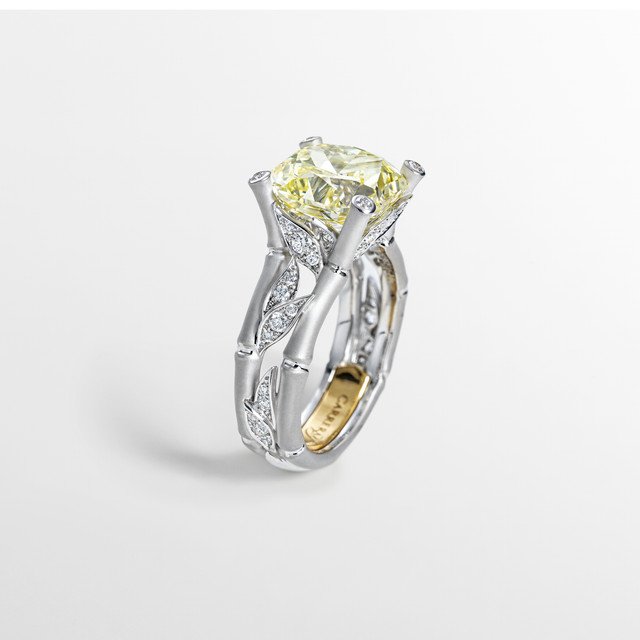
Let's be honest—your rings deserve better than being tossed into a dish on your nightstand after a long day. Whether you're wearing diamond rings that catch every ray of light or simple bands that hold sentimental value, proper care makes all the difference between jewelry that dazzles and pieces that look dull and neglected. The good news? You don't need expensive cleaning solutions or frequent trips to the jeweler to keep your rings looking their best.
Most jewelry professionals will gladly charge you for services you can often handle yourself. While they're not exactly hiding secrets, they're certainly not advertising the DIY methods that work surprisingly well. This guide will walk you through practical, money-saving techniques to maintain your rings at home, plus help you recognize when it's actually time to call in the experts.
The Kitchen Sink Method That Actually Works
You've probably heard about soaking rings in various concoctions, but not all recipes are created equal. The safest and most effective homemade cleaning solution uses ingredients you already have:
What you'll need:
Warm water (not hot—extreme temperatures can loosen settings)
A few drops of mild dish soap (avoid anything with moisturizers or antibacterial additives)
A soft-bristled toothbrush
A lint-free cloth
Mix the soap with warm water in a small bowl and let your rings soak for 20-30 minutes. This gives the solution time to break down oils, lotion residue, and everyday grime that dulls the sparkle. After soaking, use the toothbrush to gently scrub around the settings and underneath the stones where dirt loves to hide. Rinse thoroughly under running water—but please, close that drain first—and pat dry with your cloth.
When to Take Off Your Rings
Here's where most people make their biggest mistakes. We get attached to our jewelry—literally—and forget that rings aren't indestructible. Certain activities are absolute no-gos if you want to preserve your precious pieces.
The Gym is Your Ring's Enemy
Weight lifting, resistance bands, even gripping cardio equipment can bend bands, loosen stones, and create scratches you'll regret. The combination of metal equipment, sweat, and pressure is a recipe for disaster. Leaving your rings in a secure locker for an hour won't hurt your commitment to your partner or your personal style.
Swimming Pools and Oceans
Cold water causes your fingers to shrink slightly, which means your rings can slip off more easily. But that's not even the worst part. Chlorine in pools can actually damage certain metals over time, while ocean water brings salt content and the genuine risk of losing your ring to the waves. Just don't risk it.
Cleaning Day Chemicals
Bleach, ammonia, and harsh household cleaners can discolor metals and damage stone settings. Even "gentle" cleaners can leave residue that builds up over time. Make it a habit: gloves go on, rings come off. This simple routine will save you from potential disasters and expensive repairs.
Special Considerations for Gold Rings
Gold rings, whether yellow, rose, or white gold rings, need some thoughtful care. White gold has a rhodium plating that gives it that brilliant silvery finish, and this coating wears thin over time—usually after 1-3 years of daily wear. You'll notice a yellowish tinge when the plating wears off. Jewelers can re-plate your ring for typically $50-100, but you can extend time between platings by following gentle care practices.
For all gold jewelry, avoid exposing them to chlorine and harsh chemicals, as these can weaken the metal and cause discoloration. Clean your gold pieces with the gentle soap method described earlier, and always dry them thoroughly to prevent any moisture damage.
The Professional Touch: When DIY Isn't Enough
As much as I advocate for home care, some situations absolutely require professional expertise. Here's when you should book that jeweler appointment:
Loose stones: If you hear rattling or notice a stone moving even slightly, stop wearing that ring immediately
Bent bands or prongs: Don't try to bend metal back yourself—you'll likely make things worse
Deep scratches or significant tarnishing: Surface scratches can be polished with a jewelry cloth, but deep gouges need professional attention
Annual inspections: Even if everything looks fine, having a jeweler examine your rings once a year is smart preventive maintenance
The Prong Check You Can Do at Home
Between professional visits, run your fingernail gently over each prong holding your stones. They should feel smooth and rounded. If you catch a snag or a prong feels pointy, that's a warning sign it's wearing thin or bending out of place.
Hold your ring up to the light and look at it from the side. You should see the prongs holding the stone securely with no gaps. If light shows through where prongs meet the stone, schedule that jeweler visit.
Storage Solutions That Prevent Damage
How you store your rings when you're not wearing them matters more than you might think. Tossing everything into one jewelry box creates a scratching free-for-all. Diamonds can absolutely scratch other diamonds, not to mention softer metals and gemstones.
Smart storage principles:
● Keep each ring in a separate compartment or soft pouch
● Store jewelry in a cool, dry place away from direct sunlight
● Consider a lined jewelry box with individual slots
● For travel, use a ring roll or padded jewelry case
The Truth About Ultrasonic Cleaners
Walk into any jeweler and you'll see those magical ultrasonic cleaning machines humming away. Should you buy one for home use? Maybe, but proceed with caution. While they're incredibly effective at removing stubborn dirt, they can also loosen already-fragile settings or damage certain stones. If you do invest in one, use it sparingly and never for emeralds, opals, pearls, or any ring with loose stones.
With these straightforward maintenance practices, you'll save money, prevent heartbreaking damage, and ensure your precious pieces sparkle just as brilliantly years from now as they did the day you first wore them.