
Muay Thai is often called the “art of eight limbs,” but it is also one of the most complete workouts you can find. It blends power, speed, and precision into every punch, kick, knee, and elbow. The result is a sport that builds not only athletic skill but also total-body fitness, mental resilience, and a sharper sense of focus.
Beyond the ring, fans and fighters keep an eye on every detail of a match, from body language to momentum shifts. Real-time odds and stats, like those found on https://www.thsport.live/raka-muay.html, highlight just how much precision and adaptability matter. This same level of attention to detail can transform your own training, whether you’re working toward competition or simply chasing a new personal best in the gym.
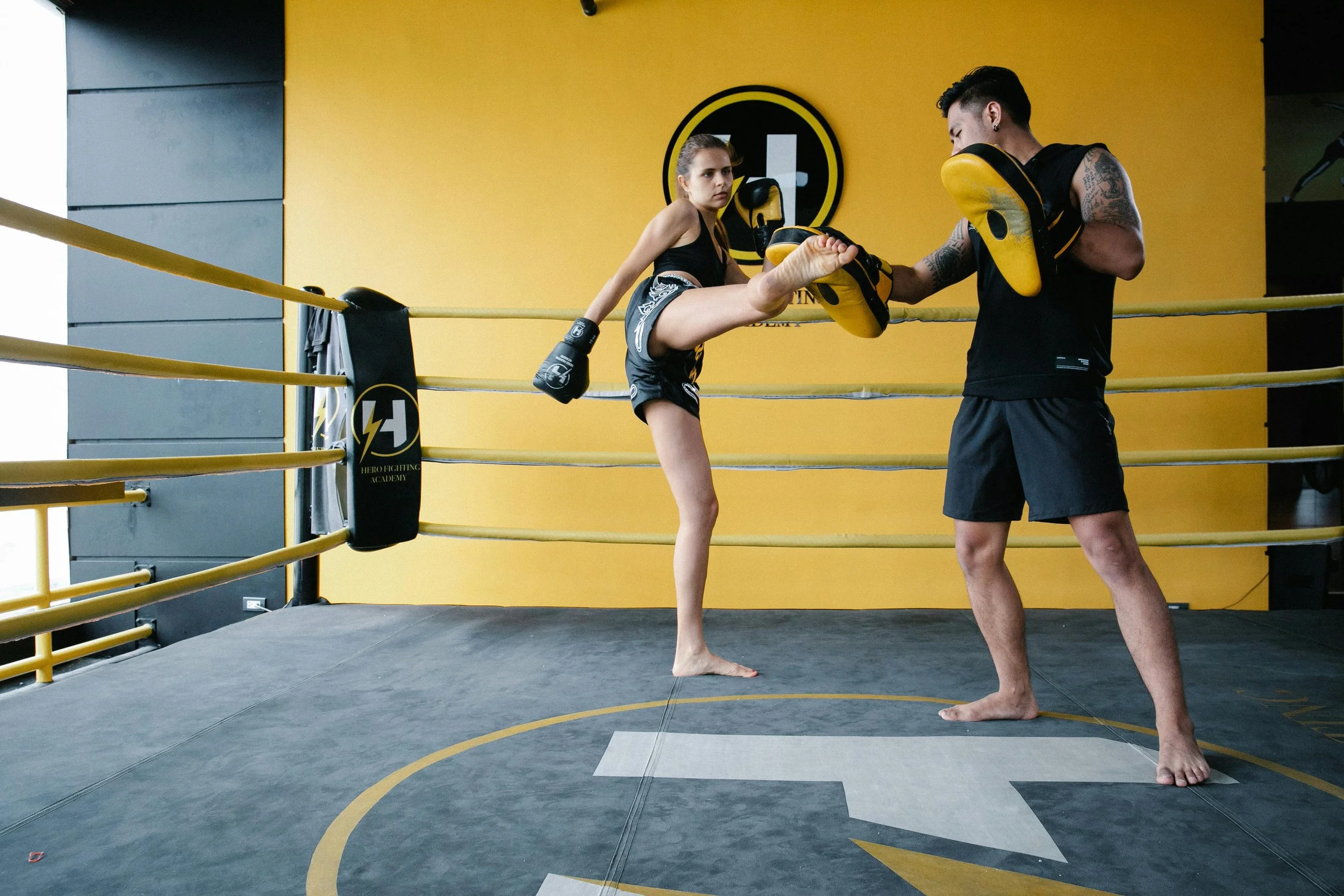
PHOTO CREDIT | Pexels/Annushka Ahuja
Cardio That Feels Like a Challenge, Not a Chore
Many people dread cardio sessions because they feel repetitive. Muay Thai changes that by blending constant movement with technique. You might spend one minute throwing rapid combinations and the next working footwork drills. It’s a mix of aerobic and anaerobic bursts, which means your heart rate stays high, calorie burn stays strong, and boredom doesn’t have a chance.
Training this way mimics the rhythm of a fight. Short, explosive bursts of power followed by quick recovery phases keep your body guessing and adapting. Over time, this builds endurance that can carry over into running, cycling, or even long workdays where energy is key.
Strength Without the Bulk
Muay Thai training works your entire body. Throwing a kick engages your hips, glutes, quads, and core. Punching uses your shoulders, back, and abs in one coordinated move. Clinch work develops grip strength and upper body stability.
The resistance comes from your own bodyweight, pads, and sometimes light weights. This creates lean, functional muscle rather than heavy bulk. It’s the kind of strength that feels useful in everyday life—lifting groceries, moving furniture, or even just keeping good posture at your desk.
Mental Sharpness Under Pressure
In Muay Thai, you can’t just throw strikes without thinking. You need to read your opponent, anticipate moves, and adapt in the moment. This mental side of training improves focus and reaction time.
Even in a fitness setting, shadowboxing and pad work demand concentration. You listen for cues, remember combinations, and keep your form clean. It’s a workout for your brain as much as your body. Over time, this can help you think more clearly under stress, whether in the ring or during everyday challenges.
Flexibility and Balance
Muay Thai’s high kicks, pivots, and evasive moves require a wide range of motion. Regular training improves hip mobility, hamstring flexibility, and overall joint health. Balance also becomes second nature. You learn how to shift weight smoothly, recover quickly if you stumble, and stay grounded while moving fast.
Better flexibility and balance mean fewer injuries during workouts and better coordination in other sports or activities.
Stress Relief That Sticks
There’s something incredibly satisfying about hitting pads after a long day. Muay Thai offers a safe, structured way to release tension while doing something productive. The combination of physical exertion and mental focus pulls you into the present moment, making it hard for daily worries to tag along.
The endorphin rush is real, too. After a session, you leave with a lighter mood, clearer head, and often a better night’s sleep.
How to Bring Muay Thai Into Your Fitness Routine
You don’t have to train like a pro fighter to see the benefits. Many gyms offer beginner-friendly Muay Thai classes focused on fitness. These sessions teach you basic techniques while giving you a solid cardio and strength workout.
Here are a few ways to start:
● Join a local gym with experienced Muay Thai instructors who can teach proper form.
● Try a class at your regular fitness club if they offer kickboxing or combat fitness programs.
● Train at home with shadowboxing, resistance bands, and online tutorials, focusing on technique before adding power.
The Strategy Side of Training
While Muay Thai is a workout, it’s also a sport of strategy. In matches, fighters use feints, timing, and positioning to gain an edge. This is why odds and stats matter—they reflect more than just raw power. They capture how prepared, adaptable, and disciplined a fighter is.
Bringing that mindset to your own training can make a difference. Instead of simply going through the motions, think about your goals for each session. Adjust your plan based on how your body feels and what you want to improve. Like in the ring, adaptability is key.
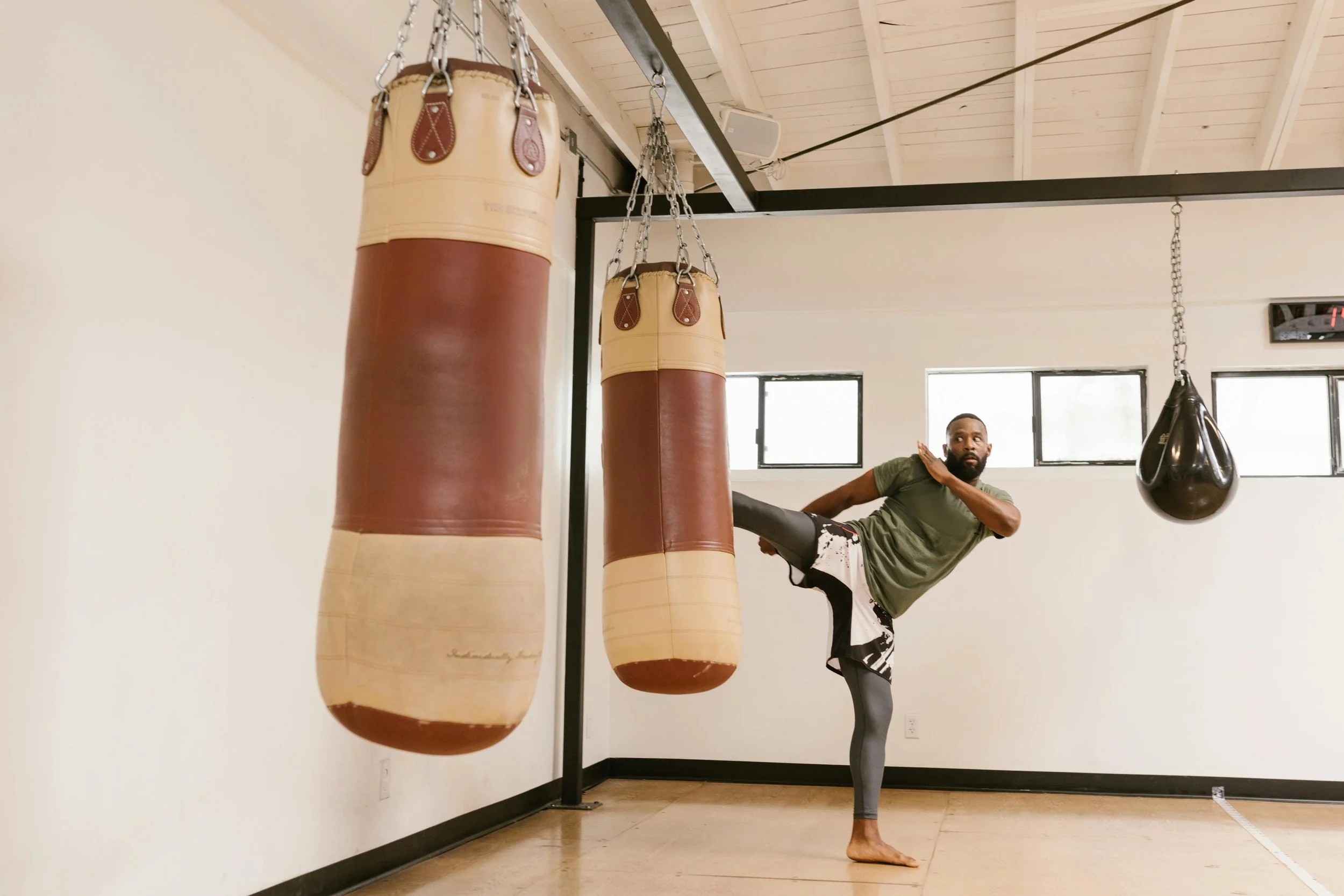
PHOTO CREDIT | Pexels/RDNE Stock Project
The Takeaway
Muay Thai isn’t just for fighters. It’s for anyone who wants a workout that challenges the body, sharpens the mind, and builds lasting confidence. With its blend of cardio, strength, flexibility, and strategy, it offers a fitness payoff that few other activities can match.
Whether you step into a gym, hit the pads at home, or just watch from the sidelines, there’s a lot to learn from the way Muay Thai blends sweat, strategy, and strength. And if you ever tune into a fight, you might find yourself seeing more than just who’s throwing the hardest punches—you’ll see the planning, adaptability, and skill that make this sport so rewarding.