




THE BACHELORETTE S.20 E.8 | THE MEN TELL ALL

PHOTO CREDITS | ABC The Bachelorette/Craig Sjodin
On tonight’s episode of ABC’s The Bachelorette, we’re going into the Men Tell All and I know that there are a number of things that we’re going to get cleared up! we are in Fiji and there will be overnights with the remaining men! We also know that we have a bit of a cliffhanger from last week’s episode with Charity Lawson. Of course, Jesse Palmer will fill us in on anything that he thinks we may have missed. We take in a recap of the season and we’re reminded of some of the men that bothered us who are back on that stage.
Of course there is significant time that is spent on Brayden as the men push back on many of the antics that he did while he was on her season. They also talk about the drama that most of us wouldn’t know about with Peter who was sent home first. First up in the hot seat, Brayden of course! They dig into his experience and he will be on Bachelor in Paradise. He also gifted Jesse a pair of earrings for him to try out.
Next up in the hot seat is Xavier. The audience is not embracing him and even Jesse is a bit dry with him. Charity comes out and he comes back to the hot seat to talk about what took place in Fiji. Charity lets him know that what he said didn’t give her any indication that he would not cheat on her. She even explains that she didn’t like that he said he loved her when she walked him to the car after everything that he had told her. He gives her a knitted rose.
We lighten the moment with some bloopers which is always so much fun! Previous OG The Bachelorette’s pop onto the couch to give their support to her. Desiree, Trista, and DeAnna provide their insights. Trista is celebrating her 20th anniversary with Ryan who she is still with, DeAnna is single again and putting herself first, and Trista is a younger OG who is navigating her relationship as well.
We finally got to meet The Golden Bachelor, Gerry Turner. He shared his story, the death of his wife Toni that he loved, his daughters, and more! His sense of humor and how he seems so genuine in this process, we know that we’re going to enjoy seeing him finding his next love. It seems like we will see his journey next month AND we know that Jesse will be taking notes as well.
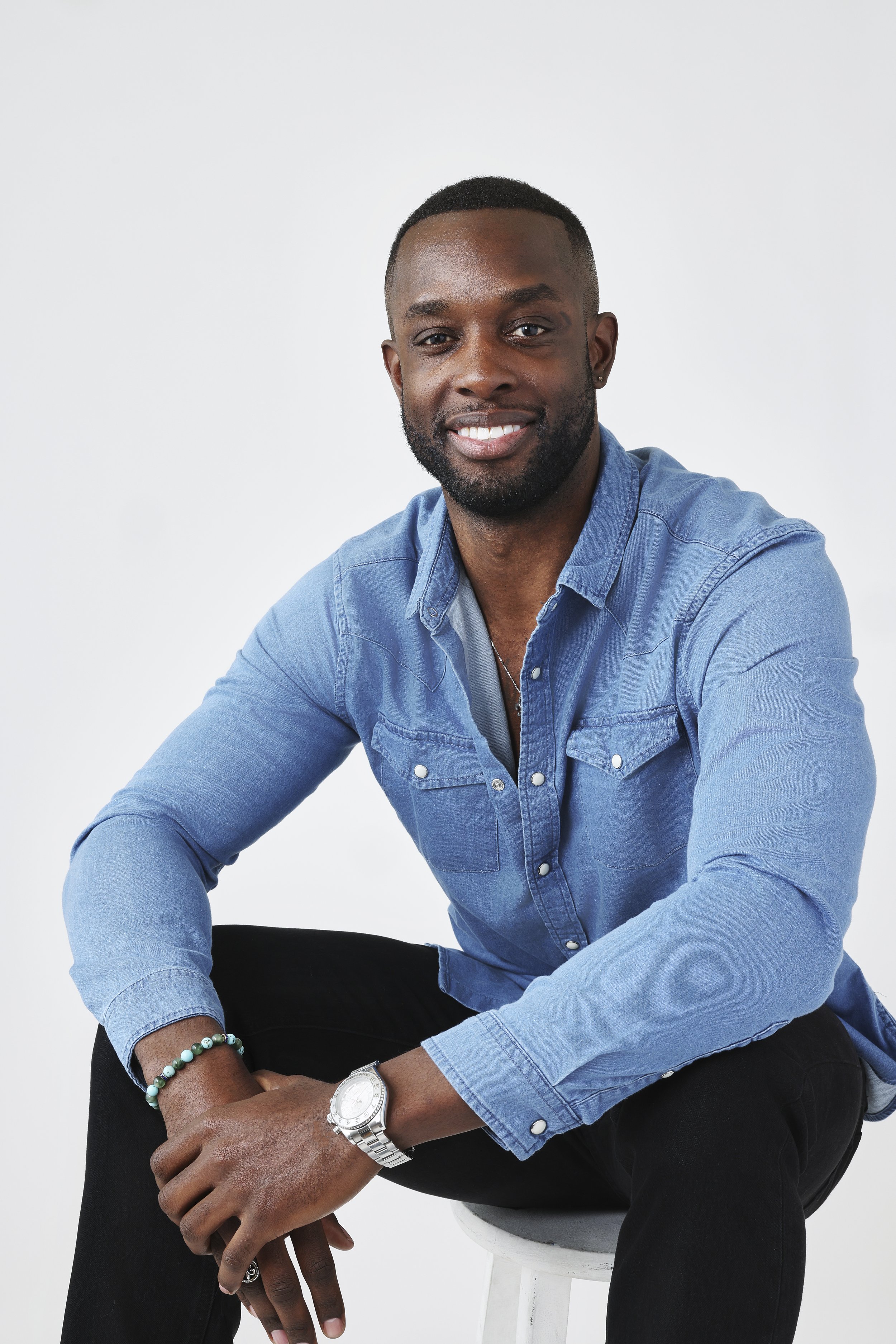
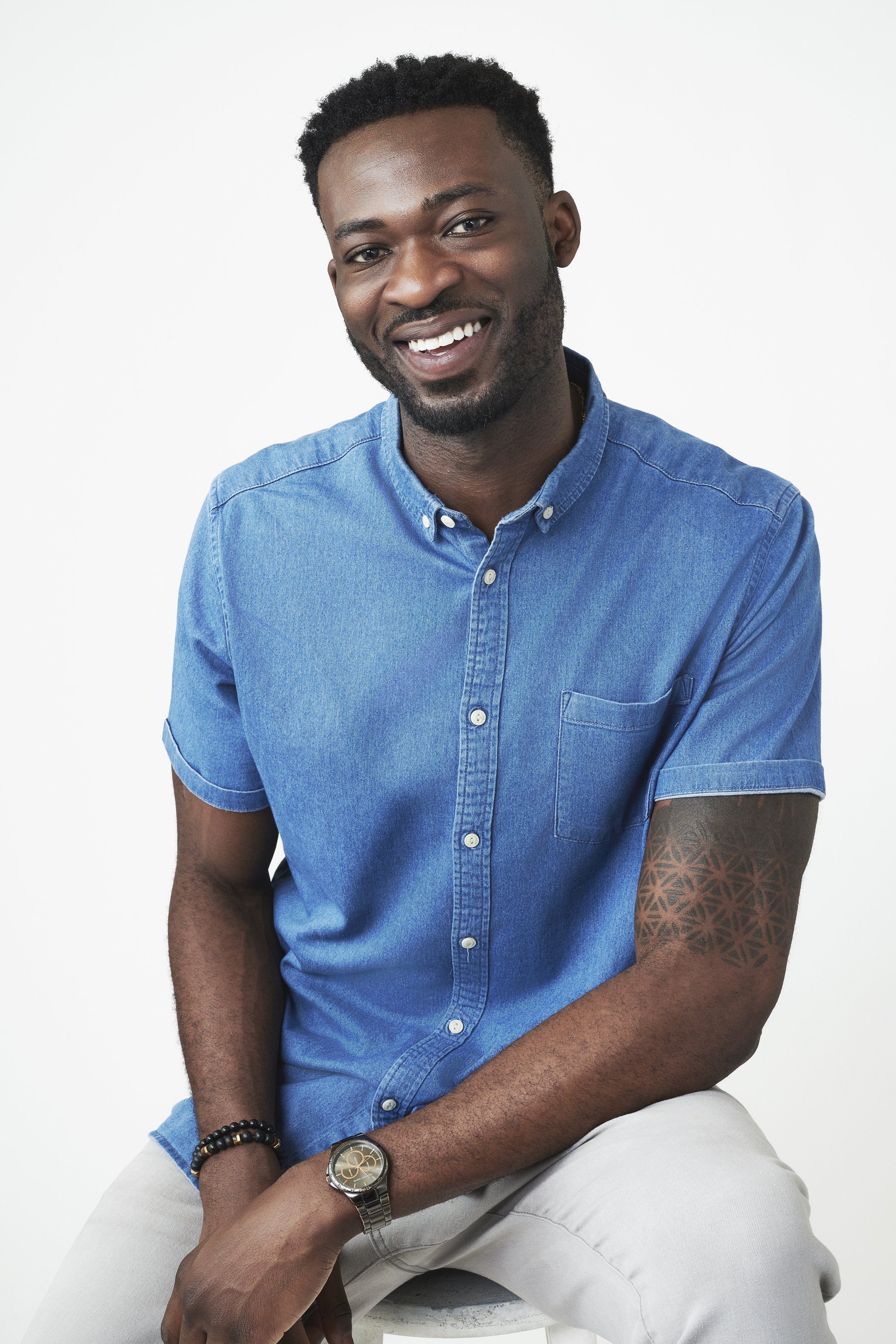
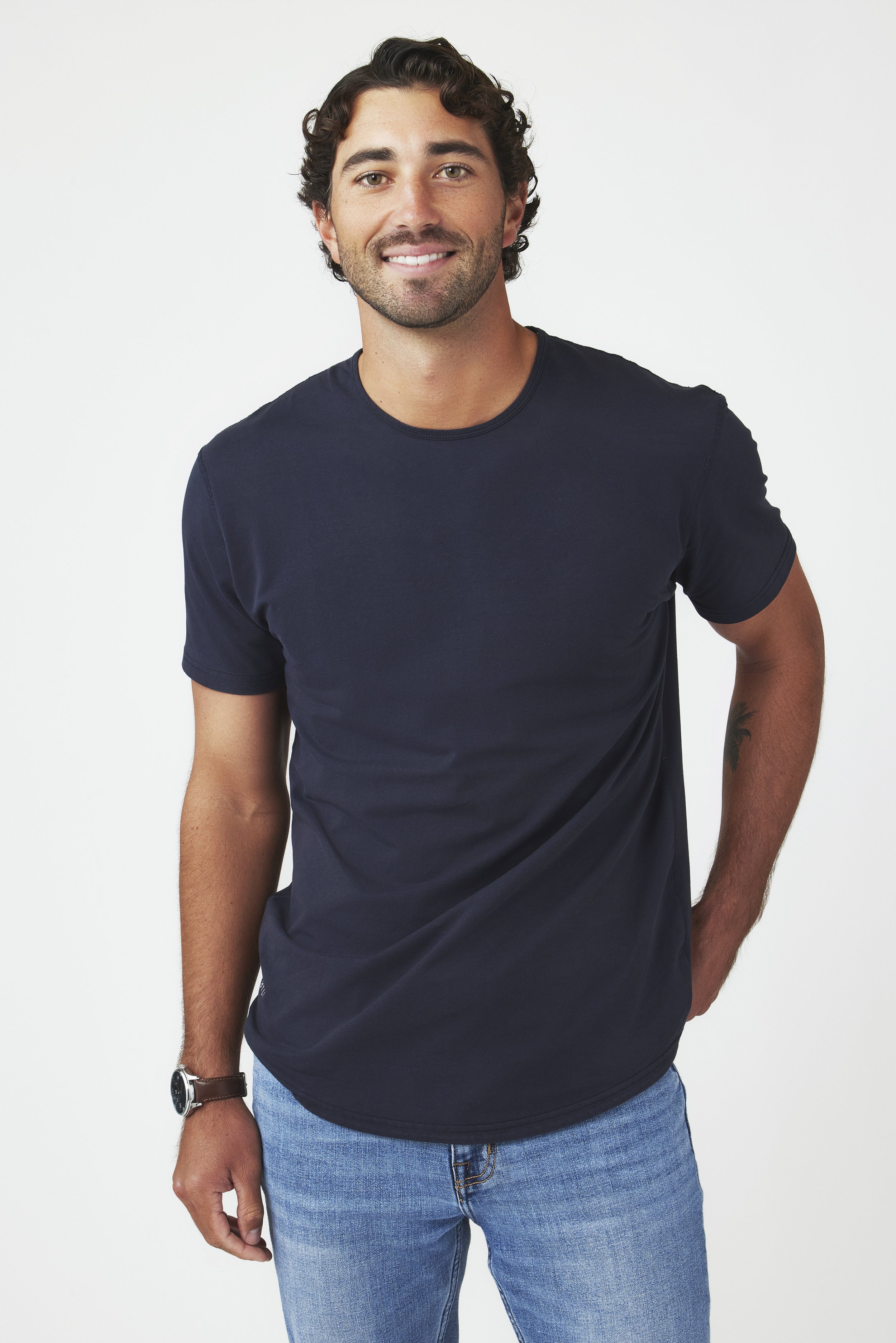
The Bachelorette Finale is next week! Even Jesse said that he couldn’t keep up with what was going on and he was there! We get a sneak peek on what we can expect as she decides between Aaron, Dotun, and Joey. Mama Lawson is there with her to assist, to a point. Thankfully, it’s a 3 hour finale that will be live.
Each night during this season, we will tweet about The Bachelorette and you can chat along with us (@AthleisureMag + with our Co-Founder/Creative + Style Director, Kimmie Smith @ShesKimmie) to see what’s taking place!
Each week we will let you know who our faves were from the last episode and if we’ve changed up since then as it pertains to who we think should go to Hometowns.
We also suggest a podcast that we’ve become obsessed with over the past few seasons, Wondery’s Bachelor Happy Hour to get their feedback!
WHO WE’LL SEE on THE BACHELORETTE FINALE
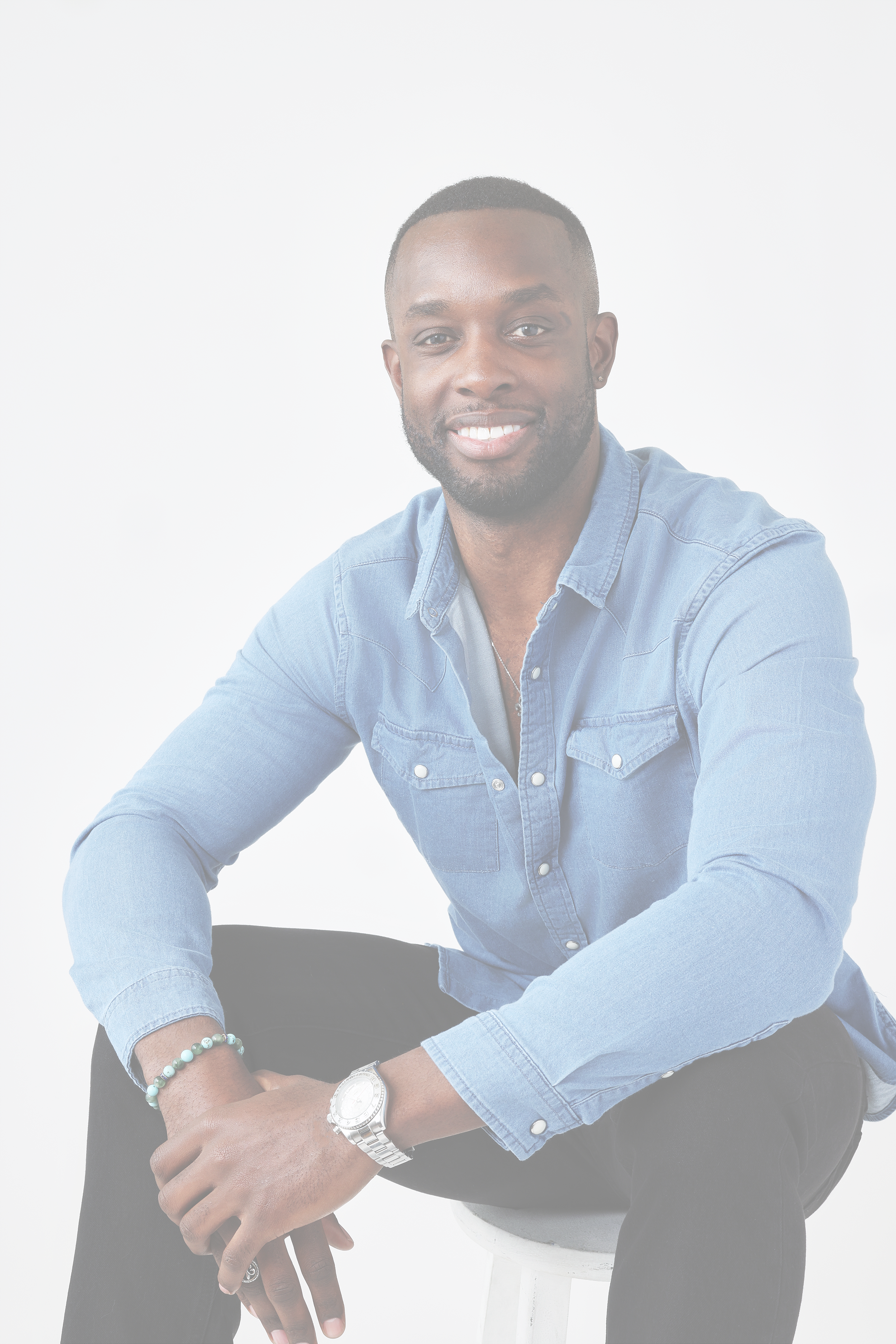
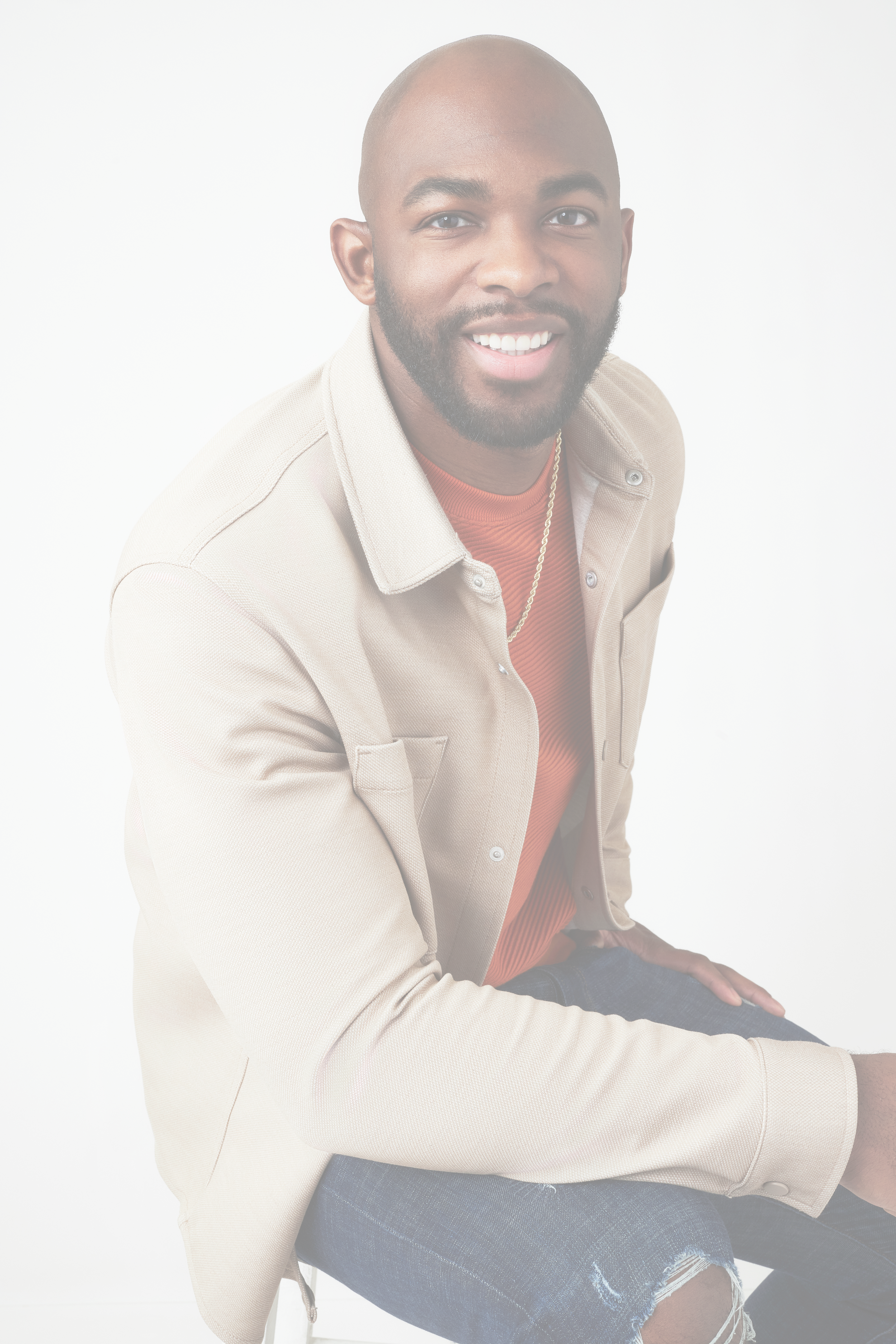
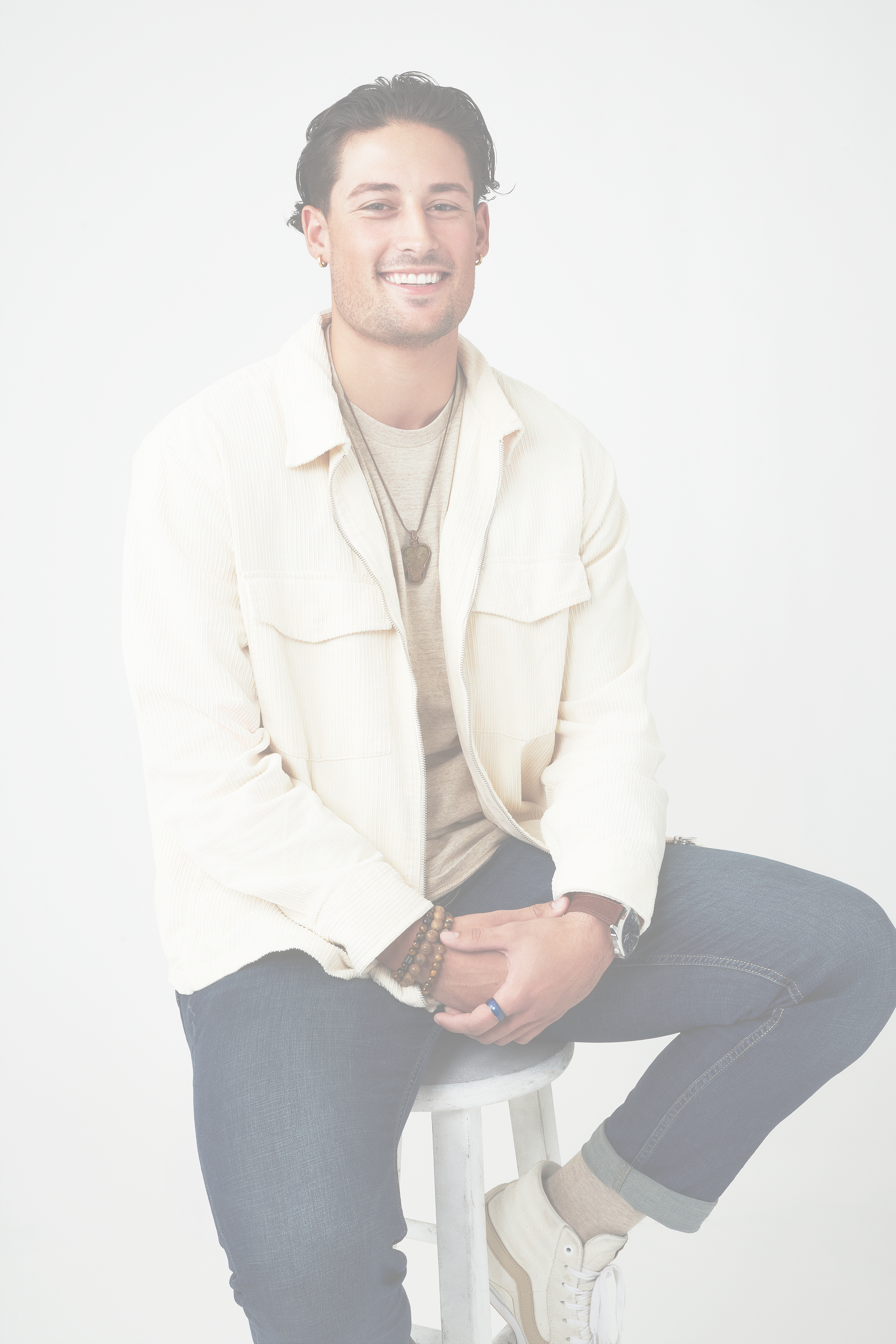
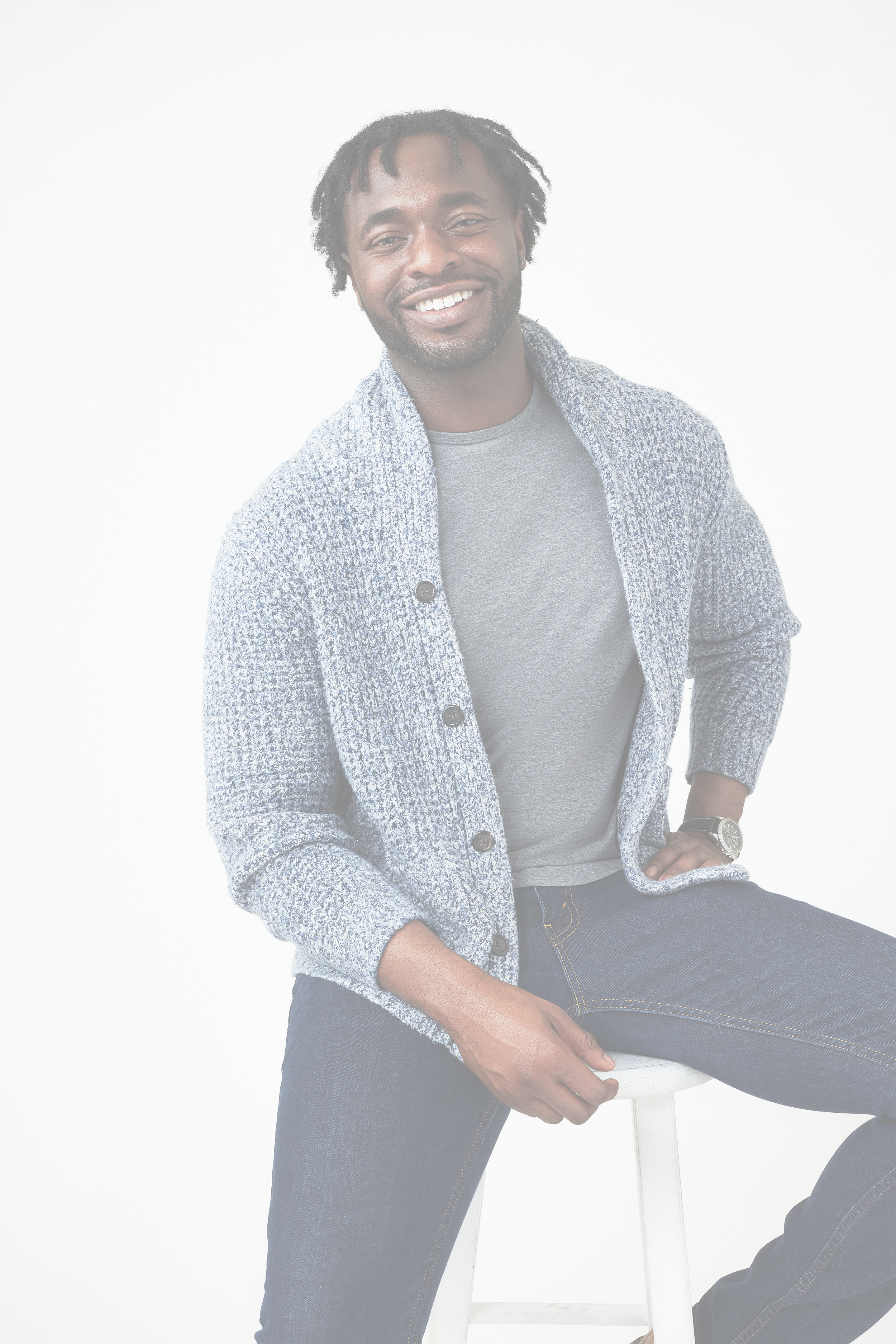
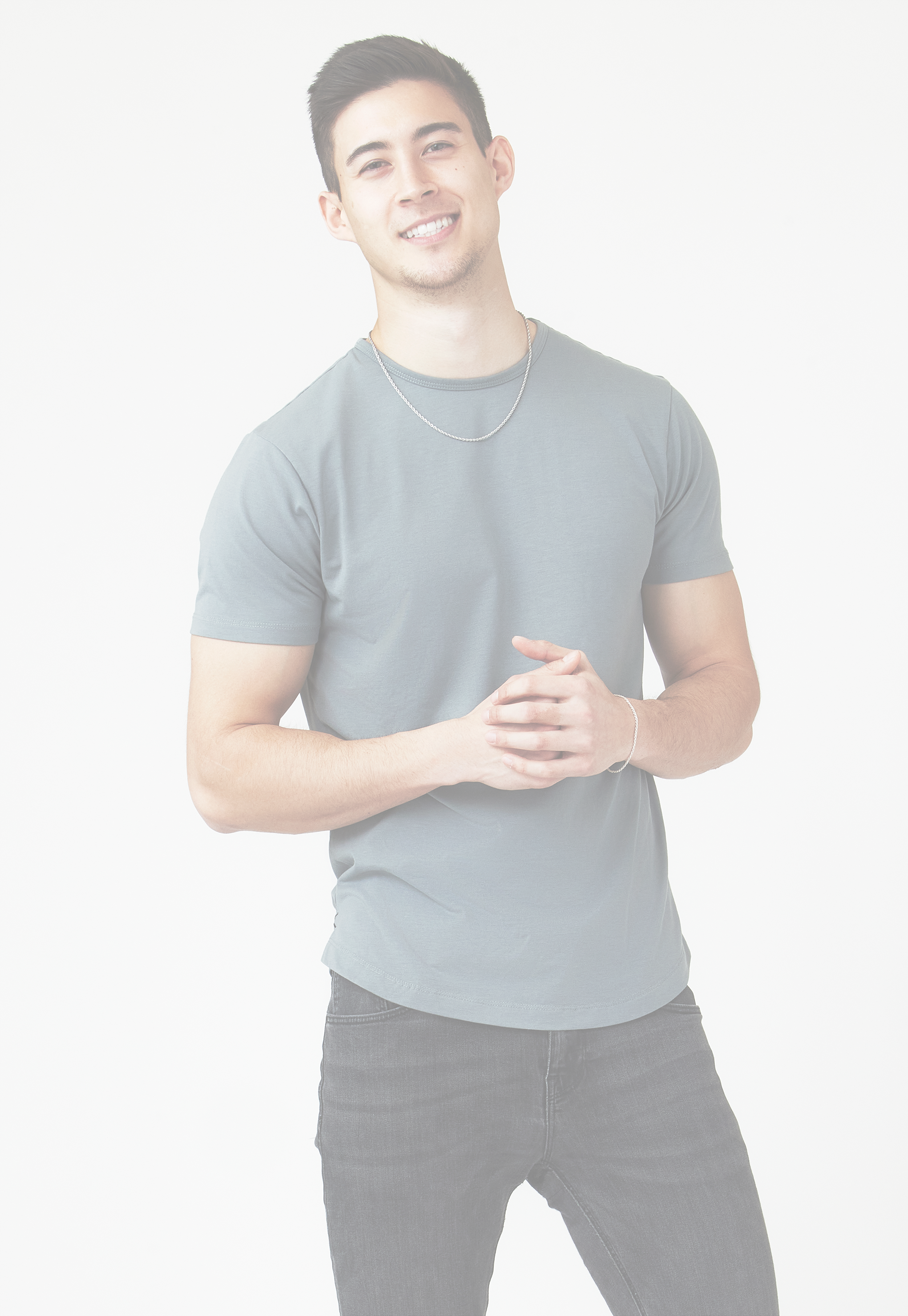
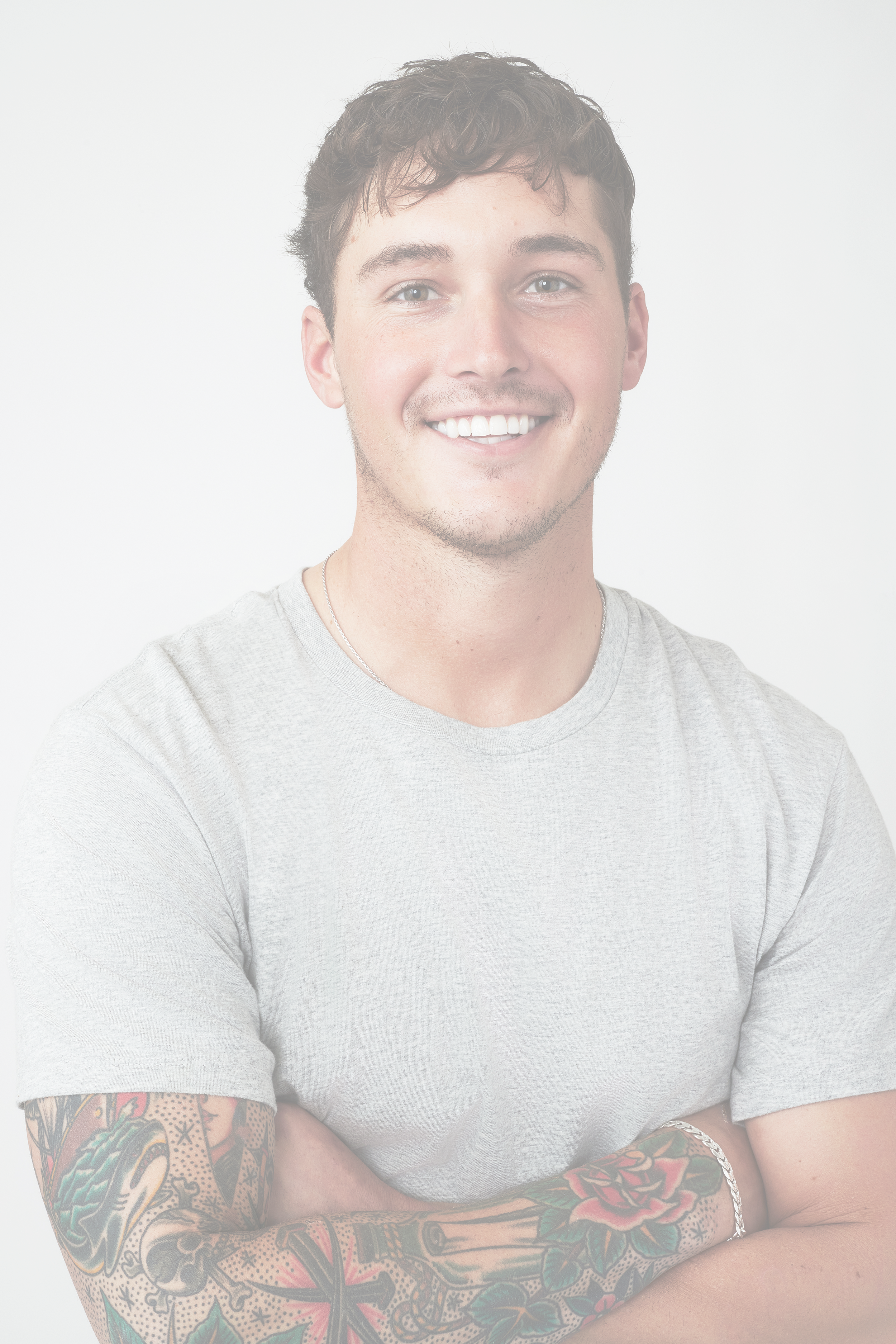
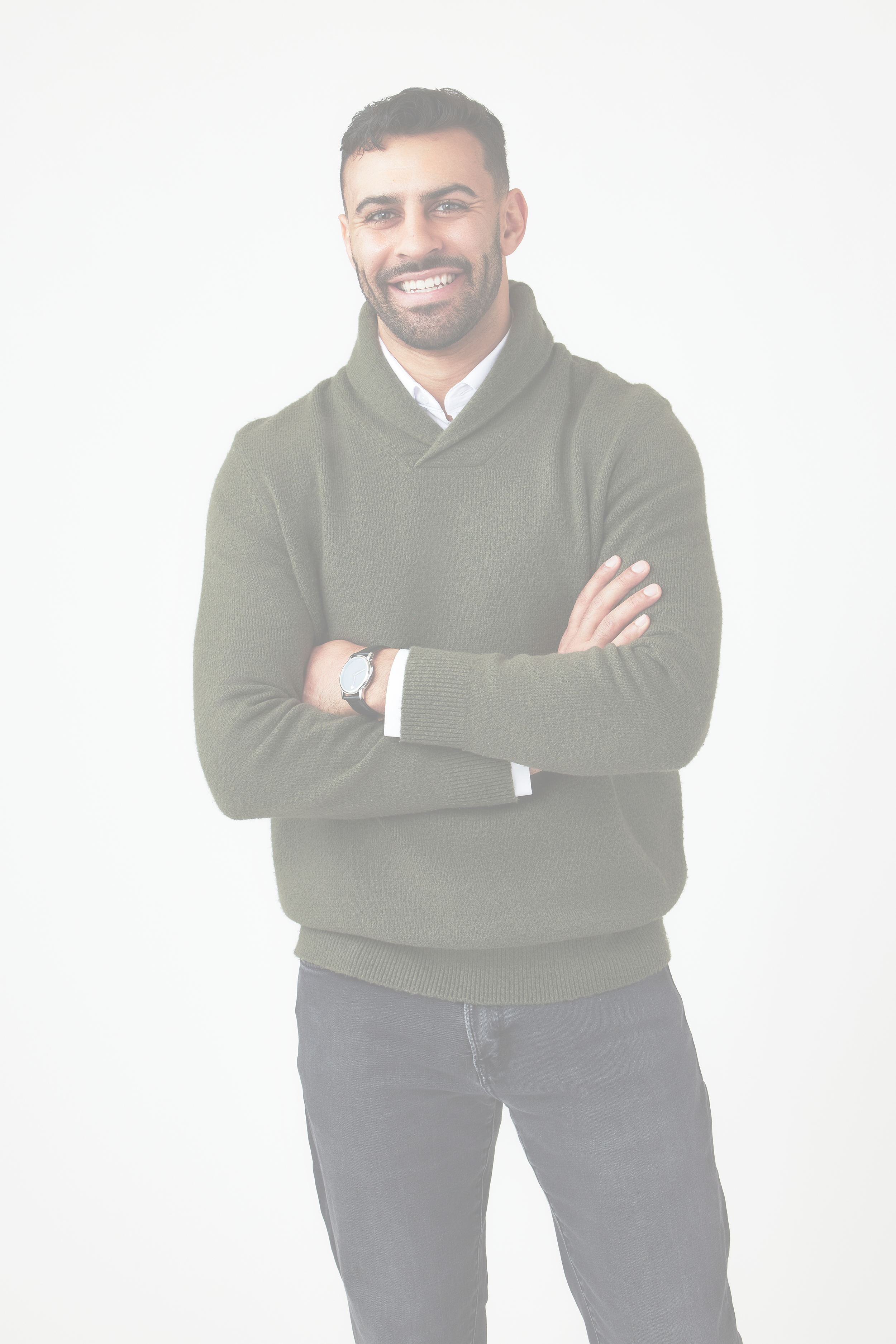
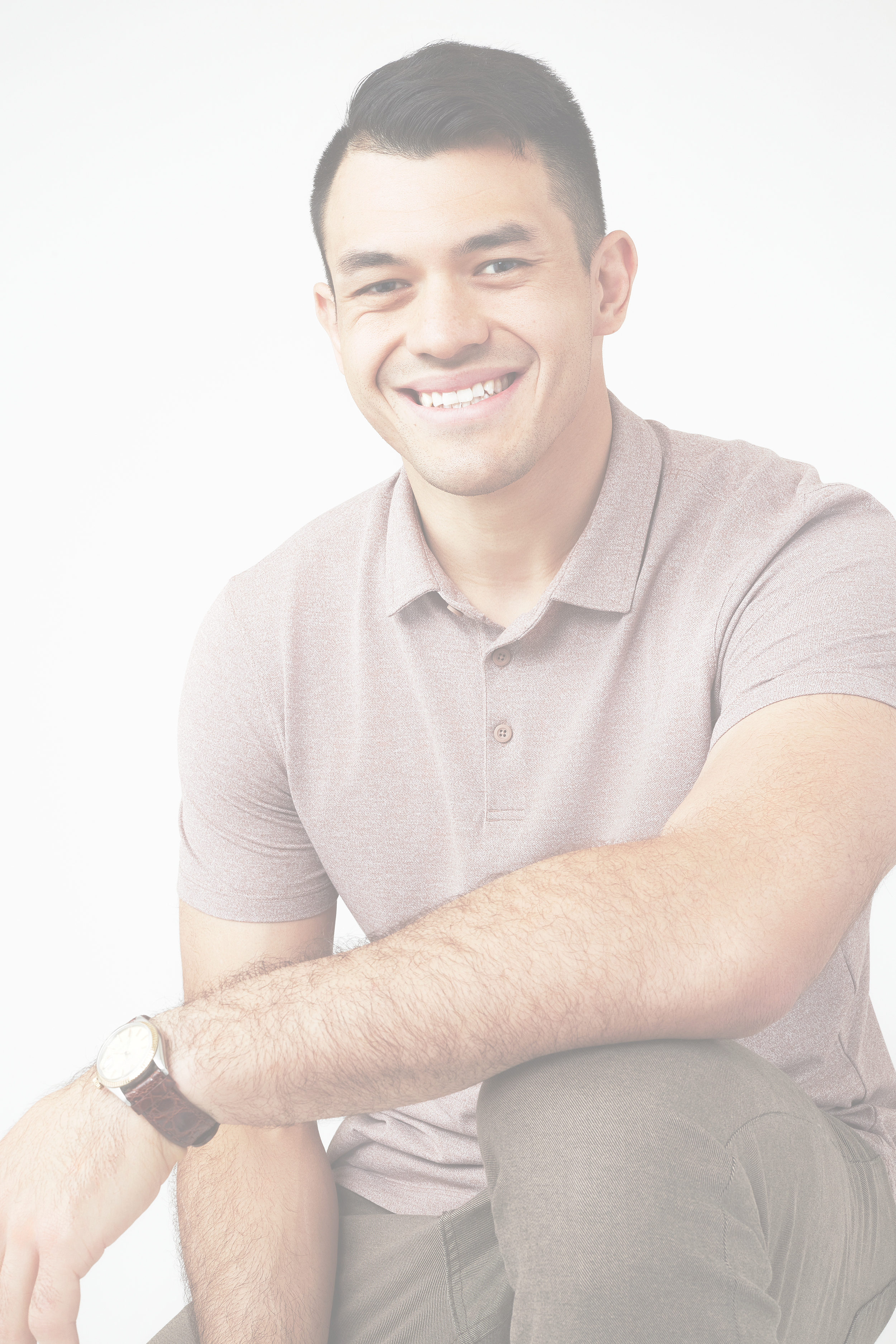
THE BACHELOR CONTESTANTS








Read the latest issue of Athleisure Mag.
Featured TV Show







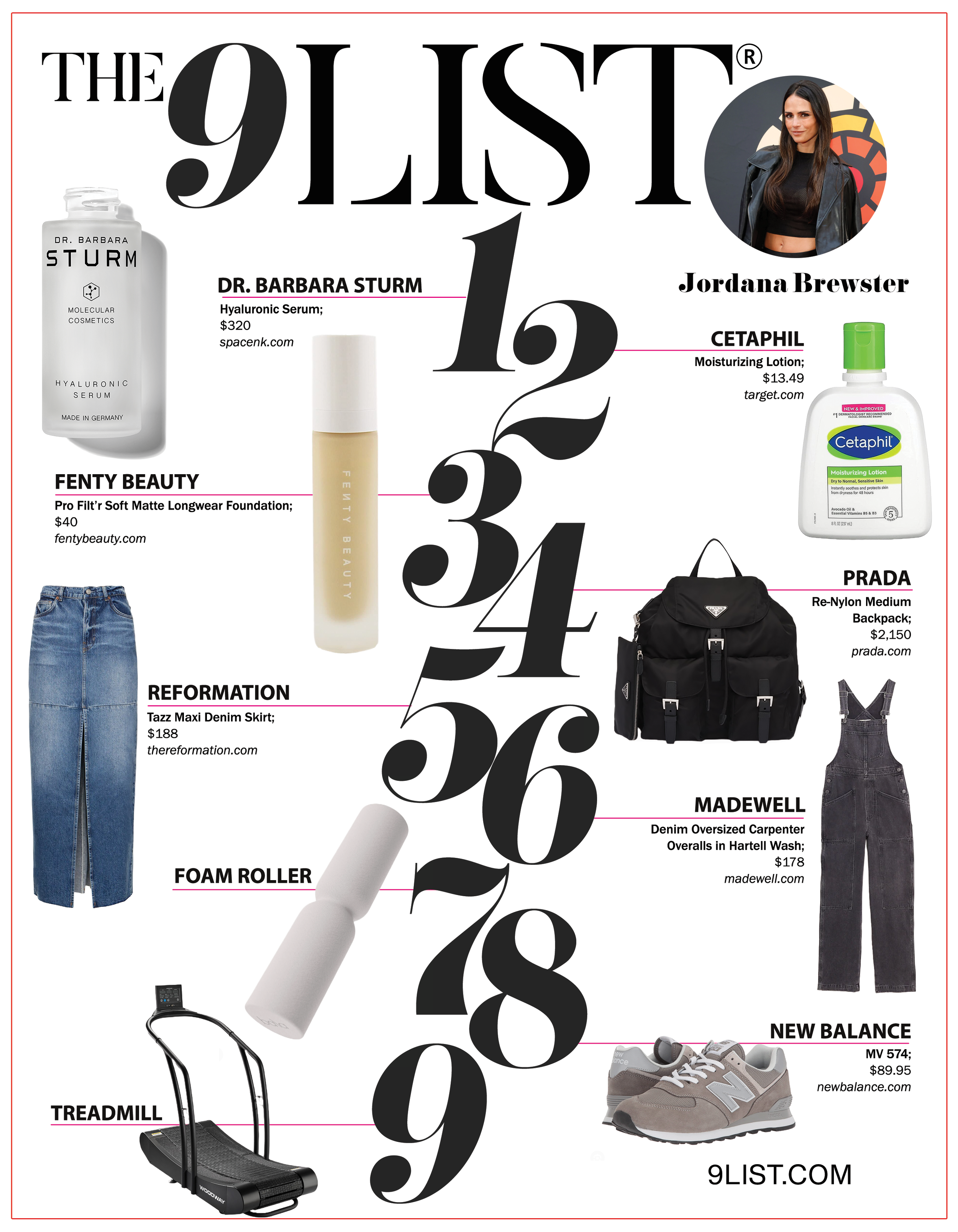
9LIST STORI3S | JORDANA BREWSTER
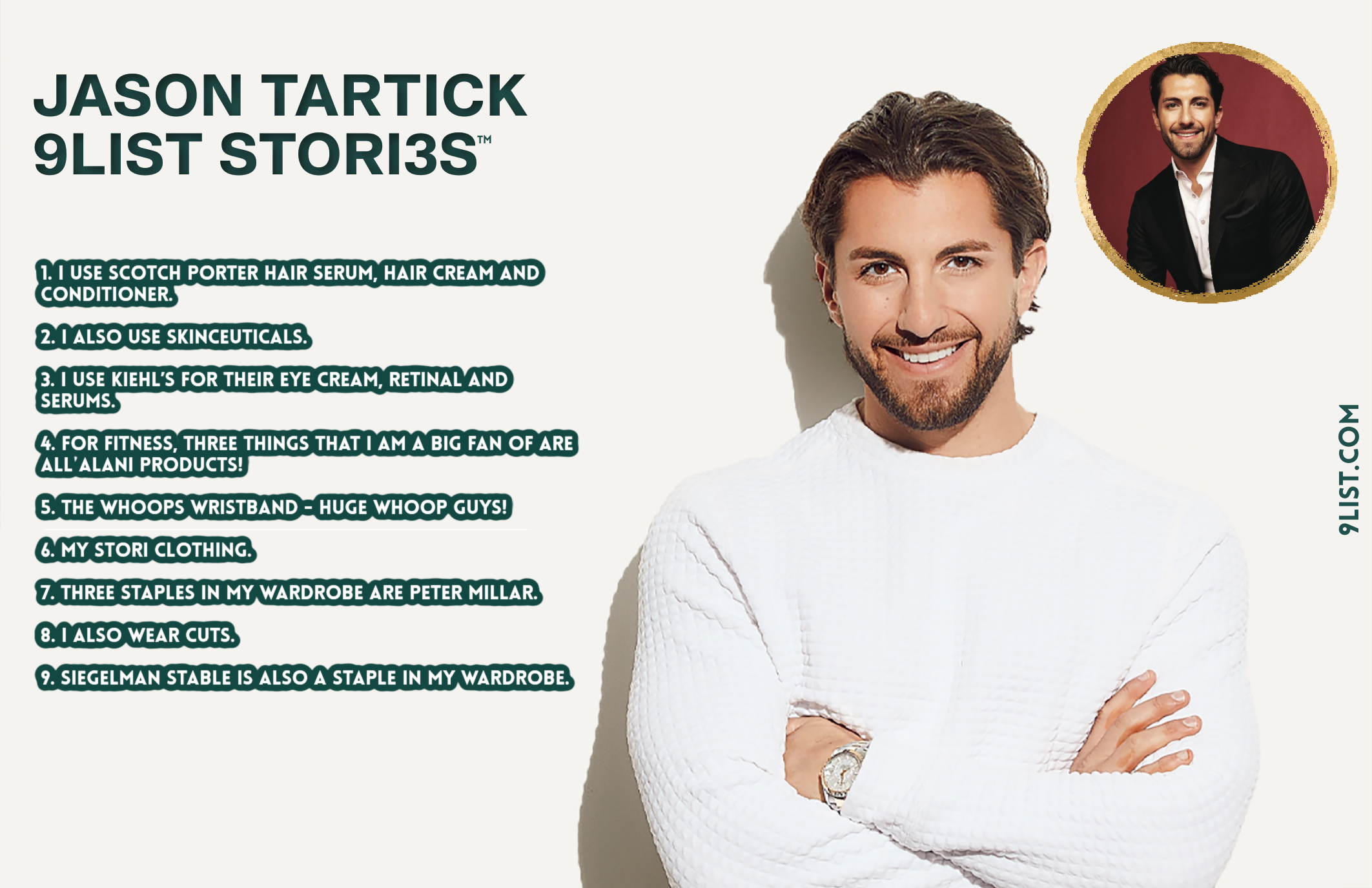
9LIST STORI3S | JASON TARTICK
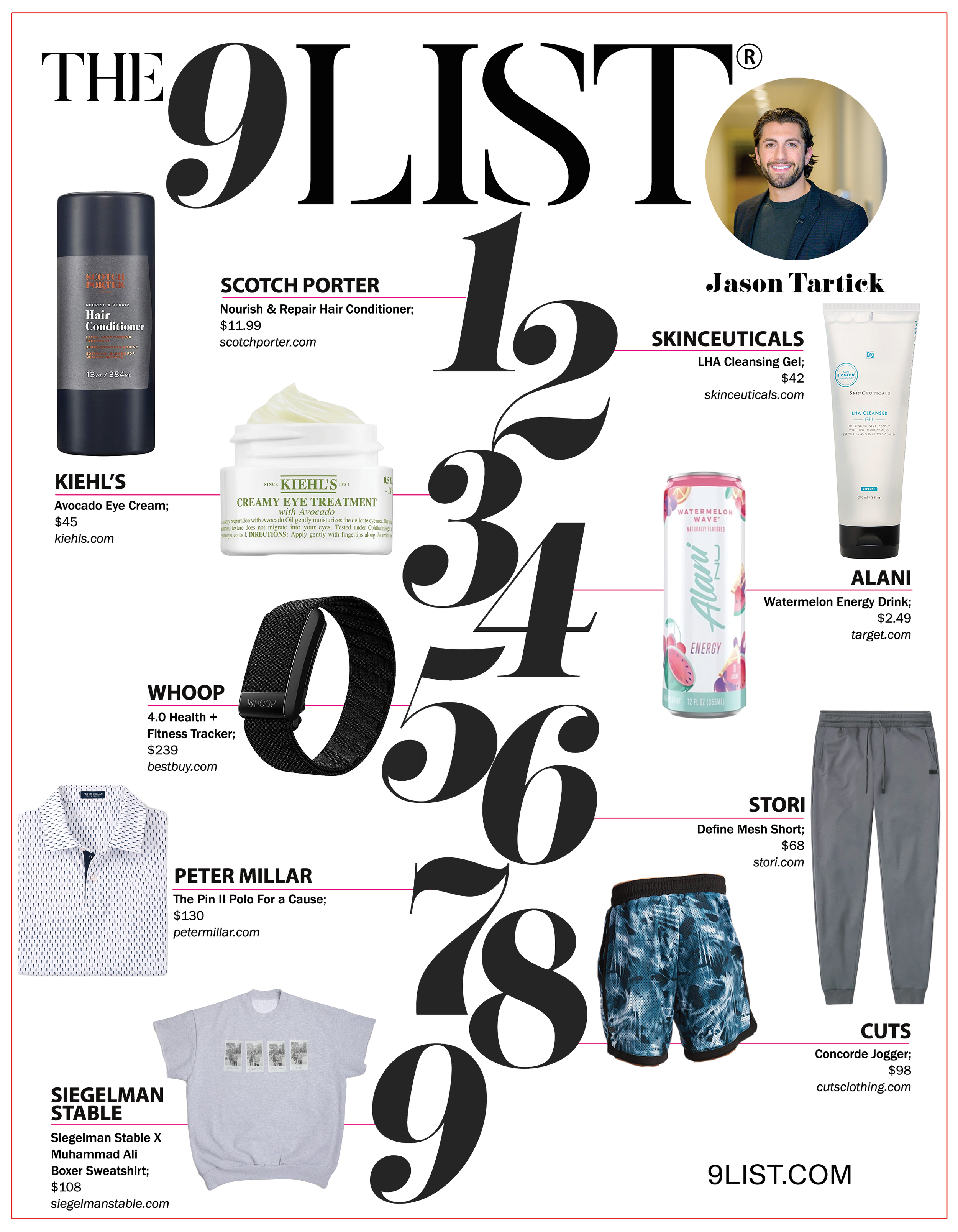
Read the JUL ISSUE #91 of Athleisure Mag and see 9LIST STORI3S | Jason Tartick in mag.
Featured
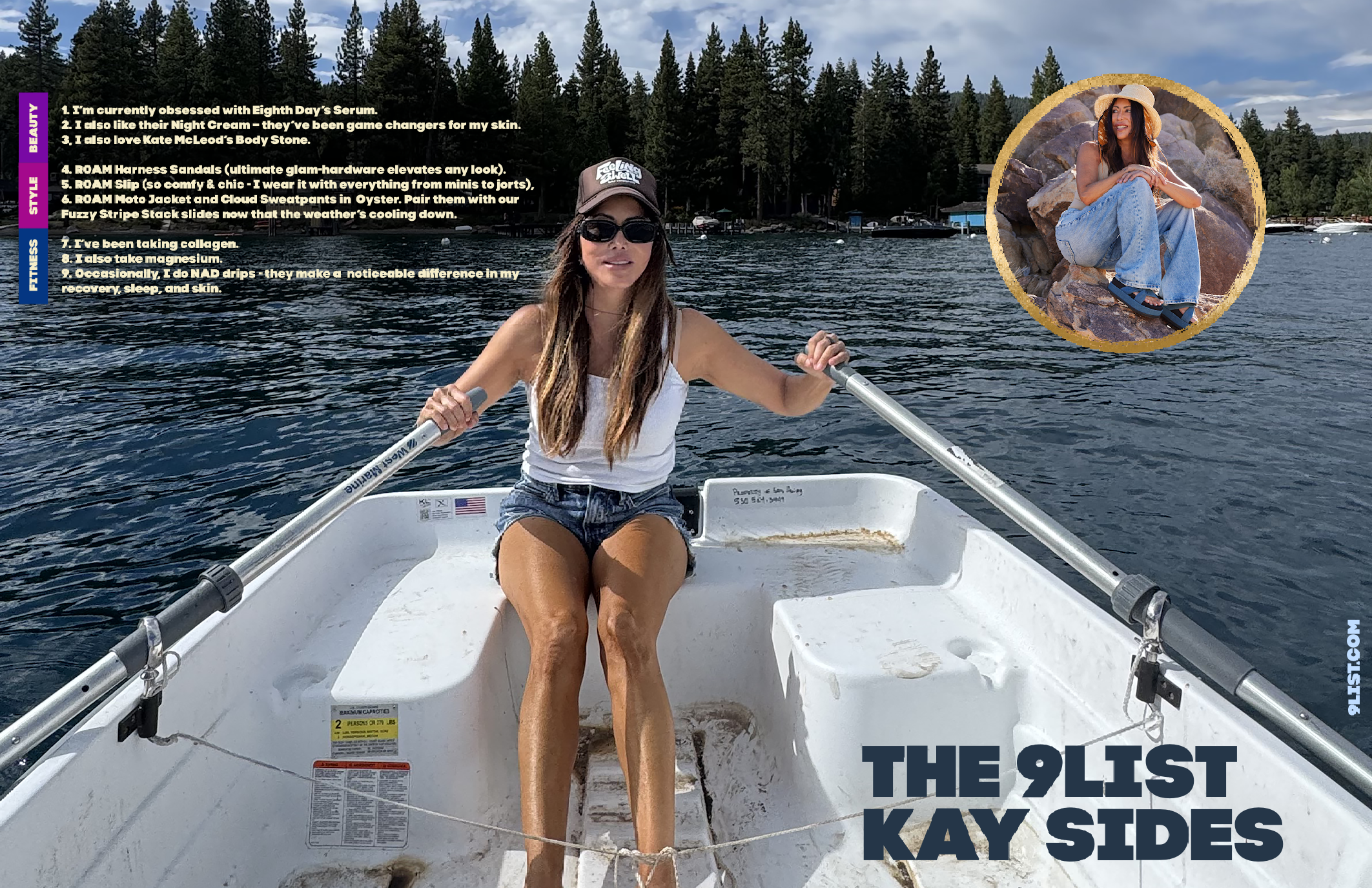
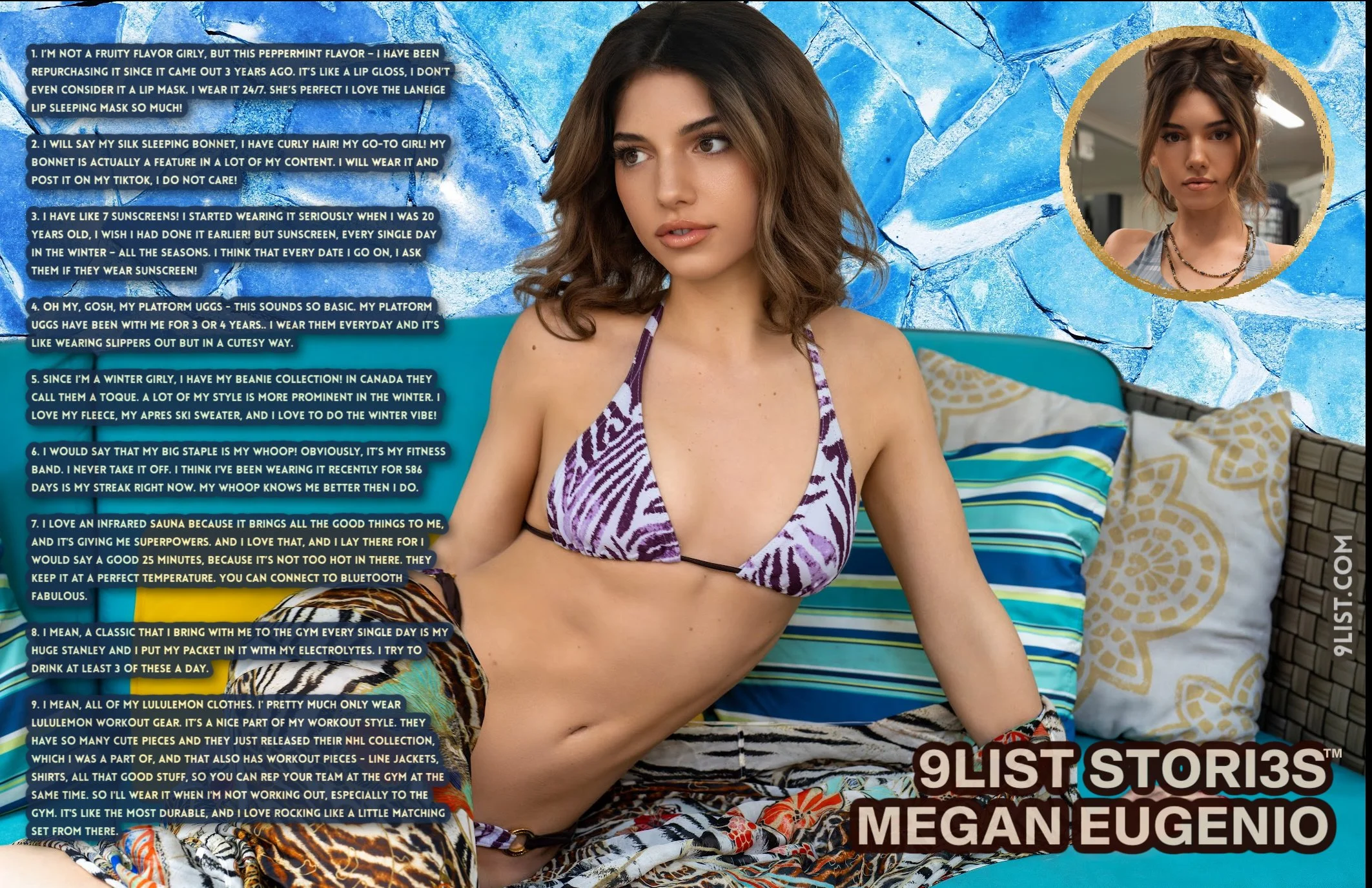


9PLAYLIST | MIA MORETTI
Read the JUL ISSUE #91 of Athleisure Mag and see 9PLAYLIST | Mia Moretti in mag.
Featured




9PLAYLIST | KRIS KROSS AMSTERDAM
Read the JUL ISSUE #91 of Athleisure Mag and see 9PLAYLIST | Kris Kross Amsterdam in mag.
Featured
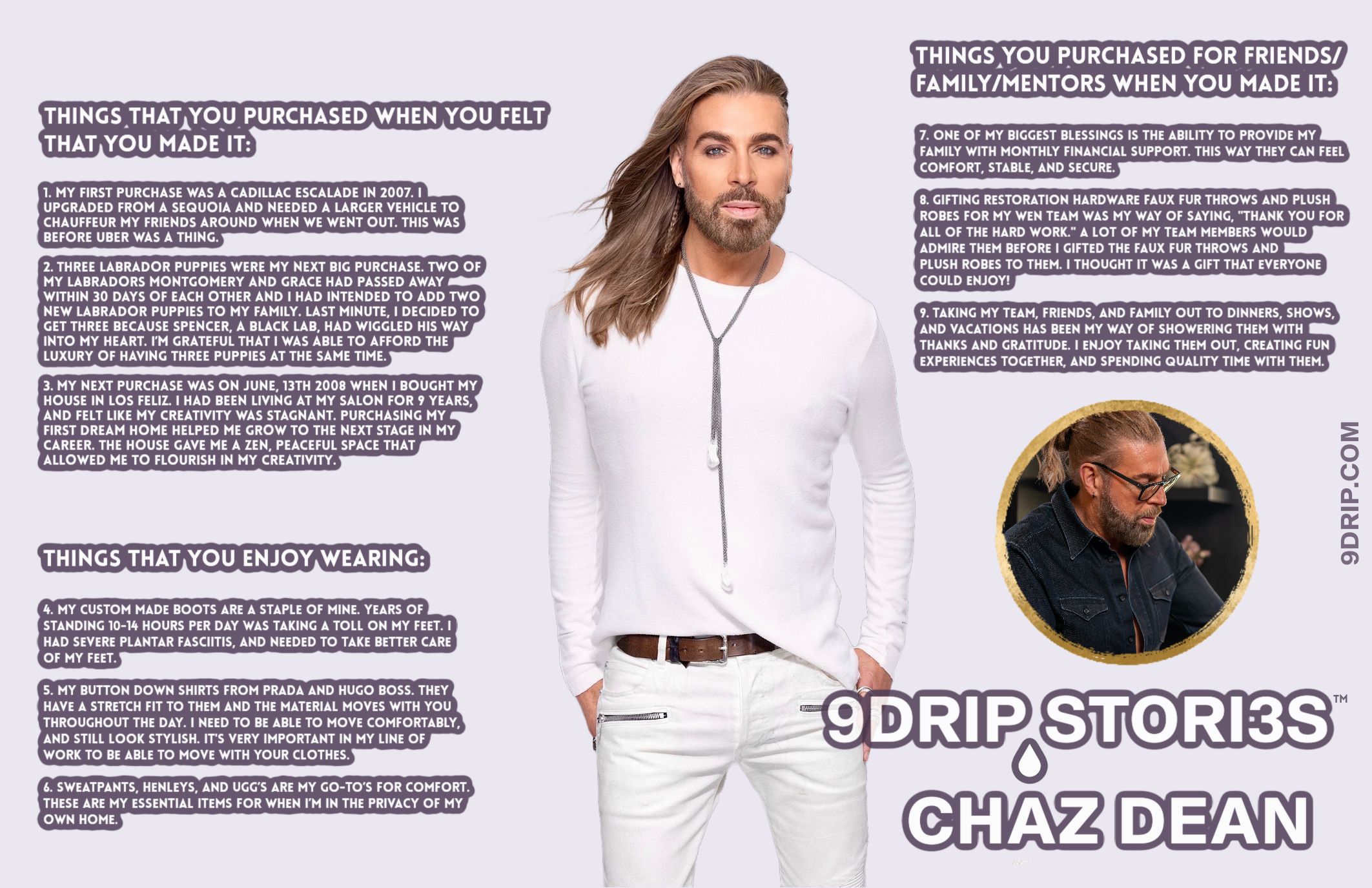
9DRIP | CHAZ DEAN


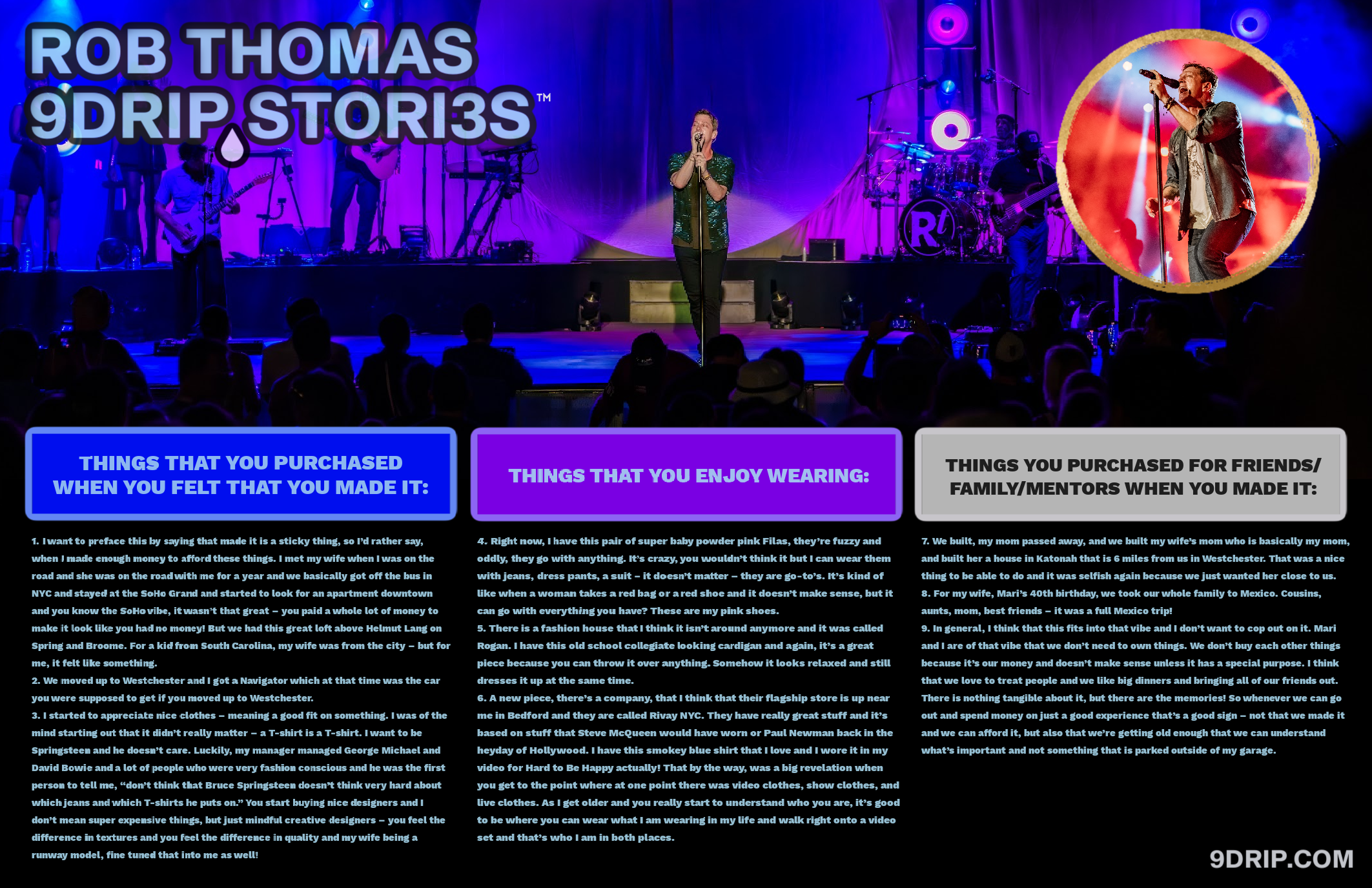


9LOOKS | VALENTINO
Read the JUL ISSUE #91 of Athleisure Mag and see 9LOOKS in mag.
Featured




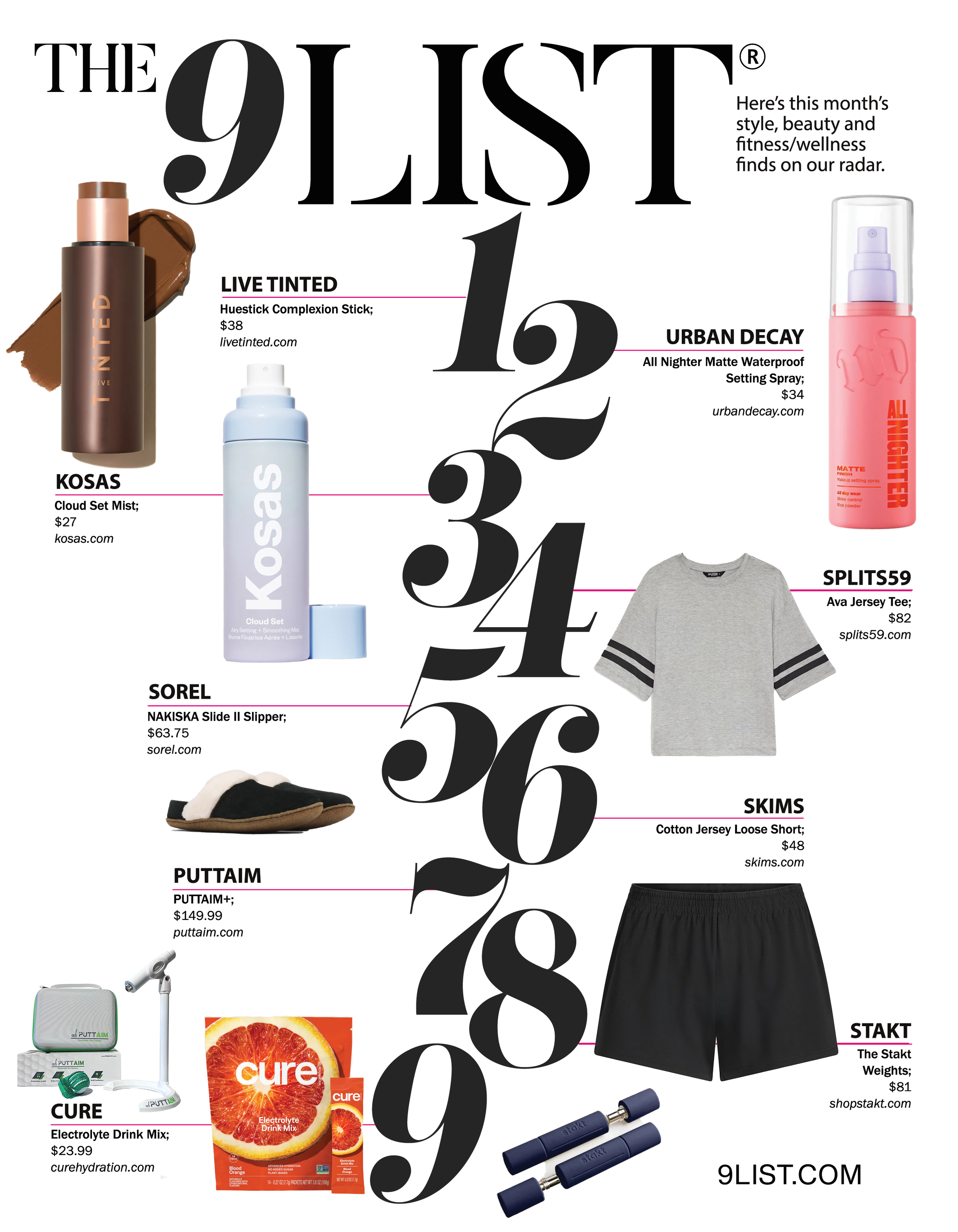
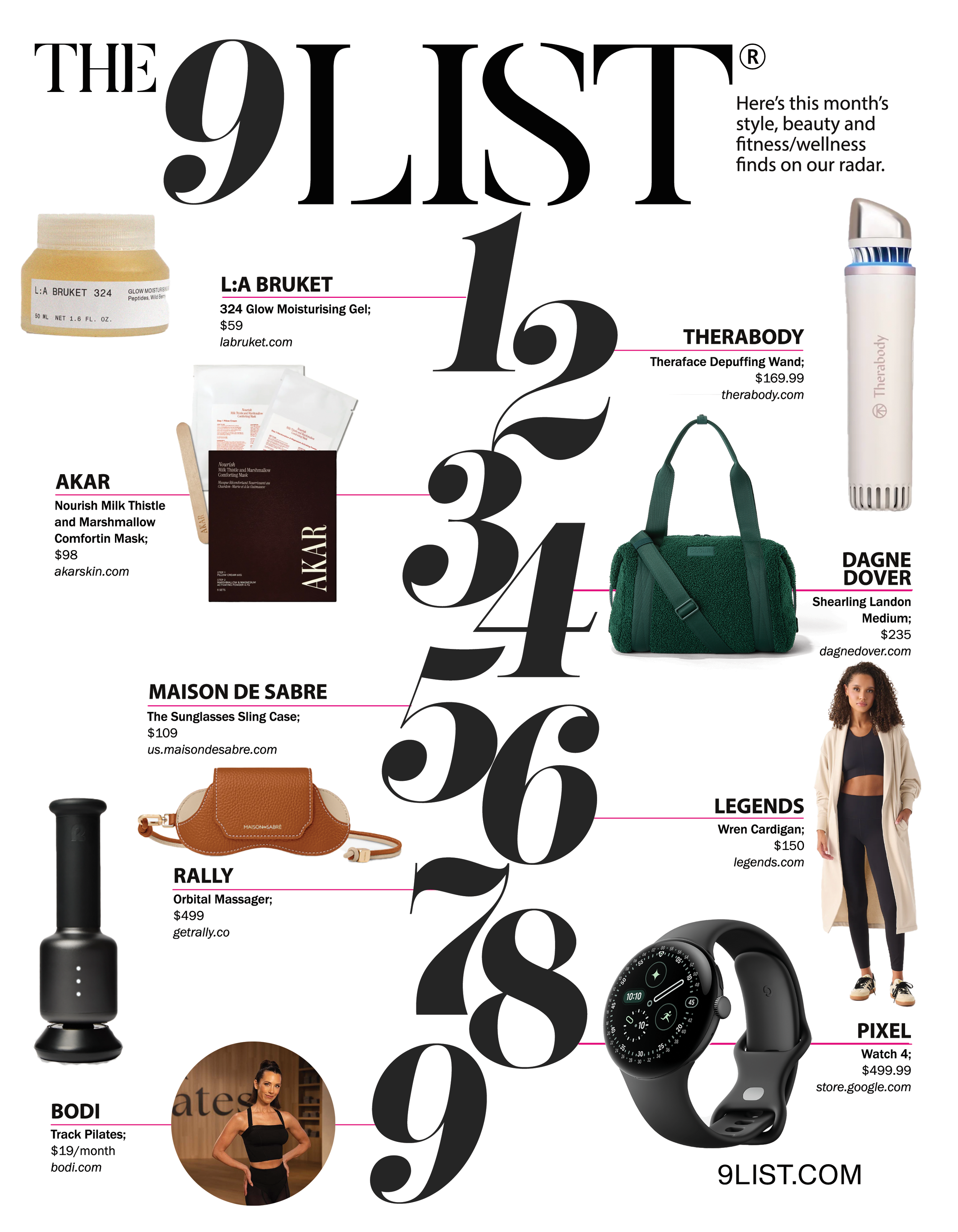
THE 9LIST
Read the JUL ISSUE #91 of Athleisure Mag and see THE 9LIST in mag.
Featured


THE BACHELORETTE S.20 E.7 | ONTO FIJI + THE OVERNIGHTS
PHOTO CREDITS | ABC The Bachelorette/Craig Sjodin
On tonight’s episode of ABC’s The Bachelorette, we are in Fiji and there will be overnights with the remaining men! Charity Lawson catches us up on what took place last week as well as what we can expect in tonight’s episode! She’s pleasead that Dotun, Joey and Xavier are here for her and have told her that they are falling in love with her as well.
We’re starting off with Dotun who we love his family and how generous they were with Charity. Joey acknowledges that his Hometowns with her didn’t end in the best way as she was crying when she left him. Xavier shares that his fear of committing to a person has been greatly reduced now that he has met her and he’s looking forward to continuing with her. Jesse Palmer sits down with Charity and lets her know that Fiji looks great on her and listens to her on how she has been feeling.
We also see that Aaron is on his way to go back to Fiji as he wants to be back with her and feels he needs to talk with her. We’re not surprised about this at all.
Xavier gets the first date and meets her on the beach. We learn that there are over 300 islands that comprise Fiji and their date will have them on an island on their own. They get to learn about the culture and ceremonial procedures of Fiji and they are both dressed in attire that is indicative of the people. They continue to talk after these activities since Charity is all about getting clarity from everyone tonight. They continue on with their date with dinner. Charity feels that she needs to truly understand Xavier’s views on having a life with her and how they will continue if engaged. After chatting, he lets her know that he was unfaithful in the past, but wanted to let her know. Whatever grace she was trying to give him, you can feel her retreat and she even gets up to think about it.
She reminds us that she dealt with this for 6 years with her ex and he explains that he did cheat multiple times with his ex 2 years into their relationship! Charity has such a level of grace that she continues to question to find out more. It’s a raw conversation and she continues to try to make paths that they can go forward - it’s painful to watch. She tells him that by having this card and to give it to him, she needs to know where he’s at. He says his heart is there, but his mind isn’t. She doesn’t give him the fantasy suite card and sends his home. It was a brutal watch, but Charity put herself first. We know that she’s shaken after this!
Joey’s date is next and he’s waiting for her in a lush landscape. She arrives with a dune buggy and they begin their date. Although the buggy ends up not working, they walk to the waterfall and she enjoys that they’re having a good time. Joey brings up that he knows his Hometown didn’t go as expected and she responds that although she had a great time as well as great conversations, it was talking with his uncle that gave her pause. Since he mentioned that Joey was not being his true self, she wanted to know what that meant. Joey explains that he was surprised that his uncle appeared at the tennis center and in an effort to make sure that she was comfortable and things went well, that got in the way of him being the way he would normally be. It seems that Charity accepts this answer and they continue to get closer.
Their date continues to dinner and they can continue to chat with one another so that they can know more about one another. He says he sometimes gets concerned that people fall in love with the idea of him where he has self-doubt and he’s not always confident and with great energy. He’s being very vulnerable with him about who he is and lets her know that he is falling in love with her. Charity loves hearing this from him and she says that she is in love with him. She presents him with the Fantasy Suites card and they take it. They have a great night and wake up together in the morning.
Dotun is getting ready to meet Charity. Their date is on the water as they make the most of a stunning day. Charity acknowledges that she doesn’t want to keep looking for what could be wrong with him - she’s just going to have a good time! They sit down and continue to chat and she compliments him on how she loved being with his family and how she loved praying with his mom. Dotun also shares that he didn’t really watch the show so he wasn’t aware what would happen at the end of it. But even when he found out, he was happy about it. While chatting with other viewers, they reminded us that he was nominated to be on the cast and signed on 2 weeks before the show started taping, so it’s totally possible that he didn’t know a lot about it. Just like we like the idea of her Joey, we have felt the same with Dotun.Their date continues to dinner and he says that he knows that their date is like a fairy tale. He lets her know that he is in love with her and she shares this with him as well! They continue onto their Fantasy Suites together. We see them waking up with one another and we know that they have a great connection.
Aaron arrives at the hotel asking for her at the front desk, but without a room number, they can’t disclose that information. He starts looking for her on the property and finds her by the pool. She is truly surprised that
Charity’s Gave Roses To | X
Charity sent home | Xavier,
Each night during this season, we will tweet about The Bachelorette and you can chat along with us (@AthleisureMag + with our Co-Founder/Creative + Style Director, Kimmie Smith @ShesKimmie) to see what’s taking place!
Each week we will let you know who our faves were from the last episode and if we’ve changed up since then as it pertains to who we think should go to Hometowns.
We also suggest a podcast that we’ve become obsessed with over the past few seasons, Wondery’s Bachelor Happy Hour to get their feedback!
WHO CONTINUED AFTER OVERNIGHTS
THE BACHELOR CONTESTANTS
Read the latest issue of Athleisure Mag.
Featured TV Show

THE PICK ME UP
Read the JUL ISSUE #91 of Athleisure Mag and see THE PICK ME UP in mag.
Featured




IN OUR BAG | WHEN TAKING VACAY STROLLS
Read the JUL ISSUE #91 of Athleisure Mag and see IN OUR BAG | When Taking Vacay Strolls in Mag,
Featured



HOW TO DRESS | WHEN YOU'RE TAKING IT ALL IN
Read the JUN ISSUE #90 of Athleisure Mag and see HOW TO DRESS | When You’re Taking it All in - in mag.
Featured
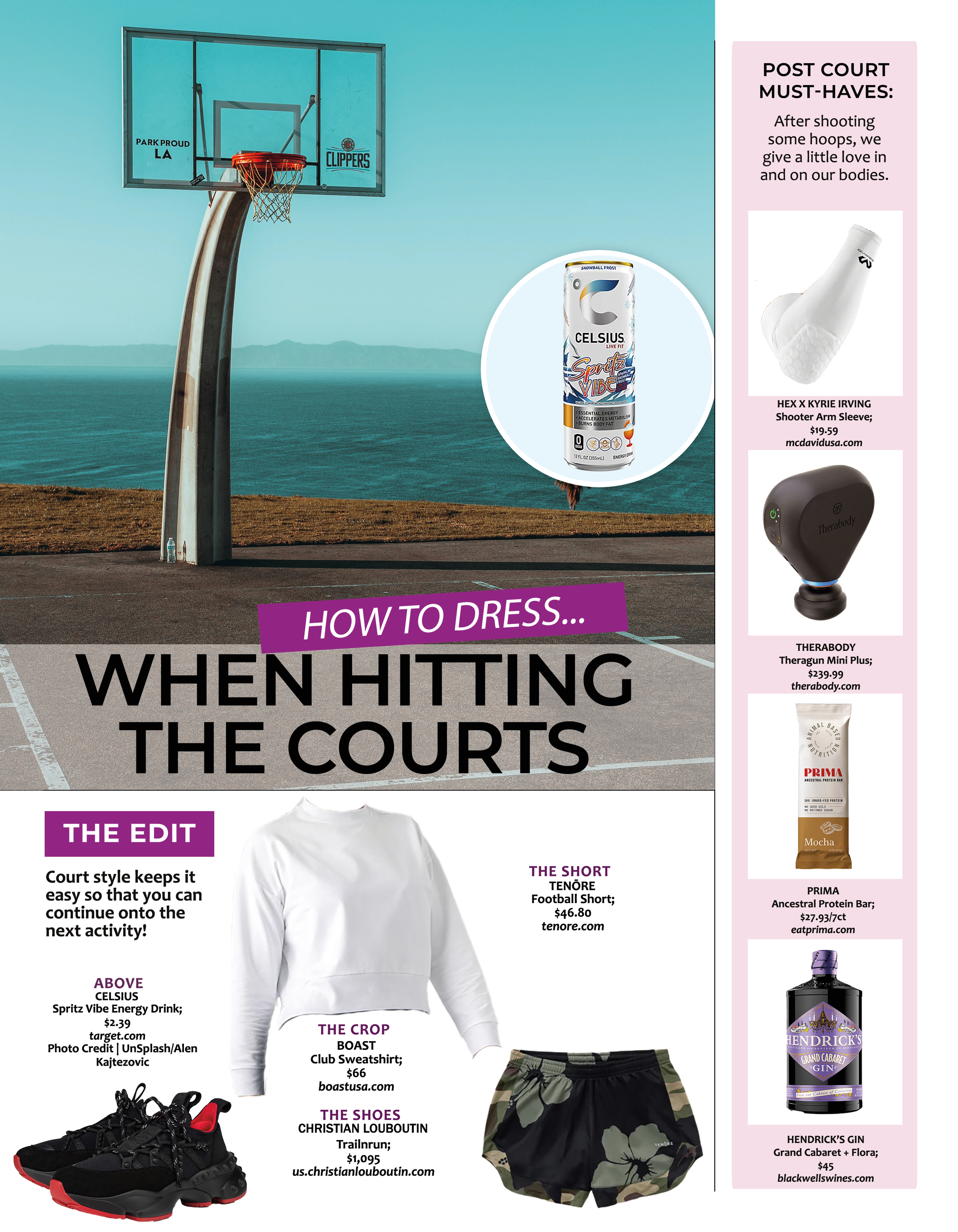

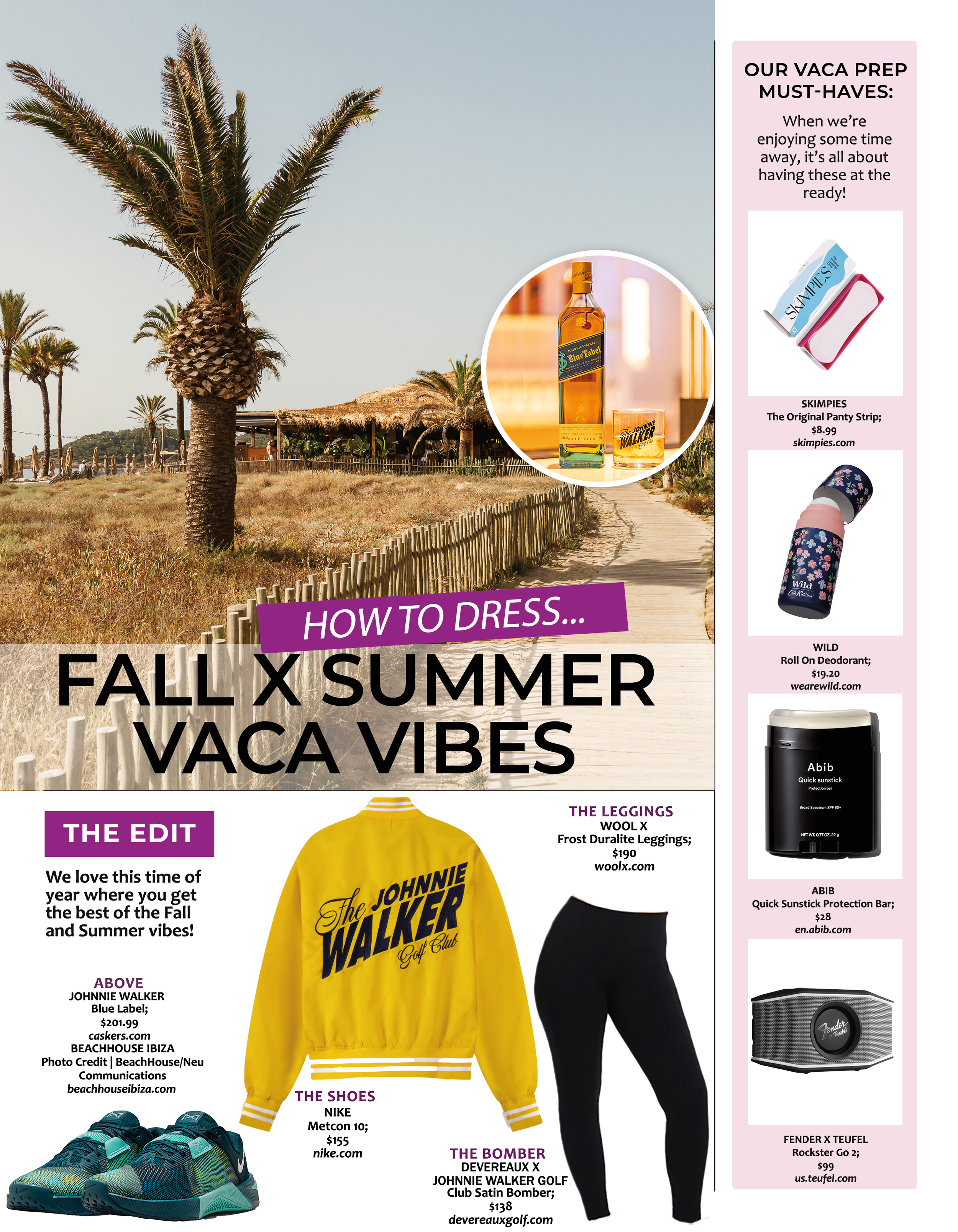

ATHLEISURE BEAUTY
Read the JUL ISSUE #91 of Athleisure Mag and see ATHLEISURE BEAUTY in mag.
Featured
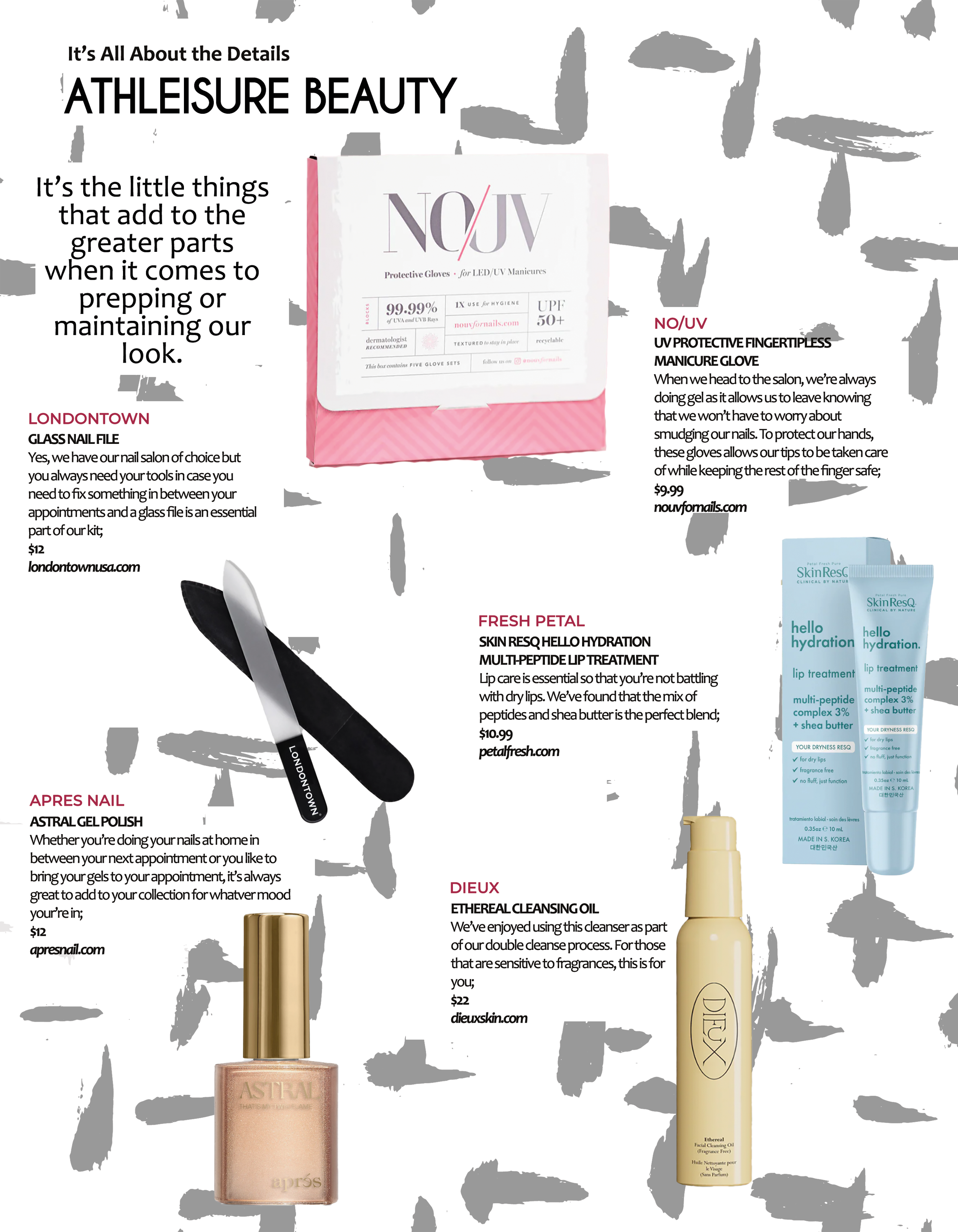



#TRIBEGOALS
Read the JUL ISSUE #91 of Athleisure Mag and see #TRIBEGOALS in mag.
Featured



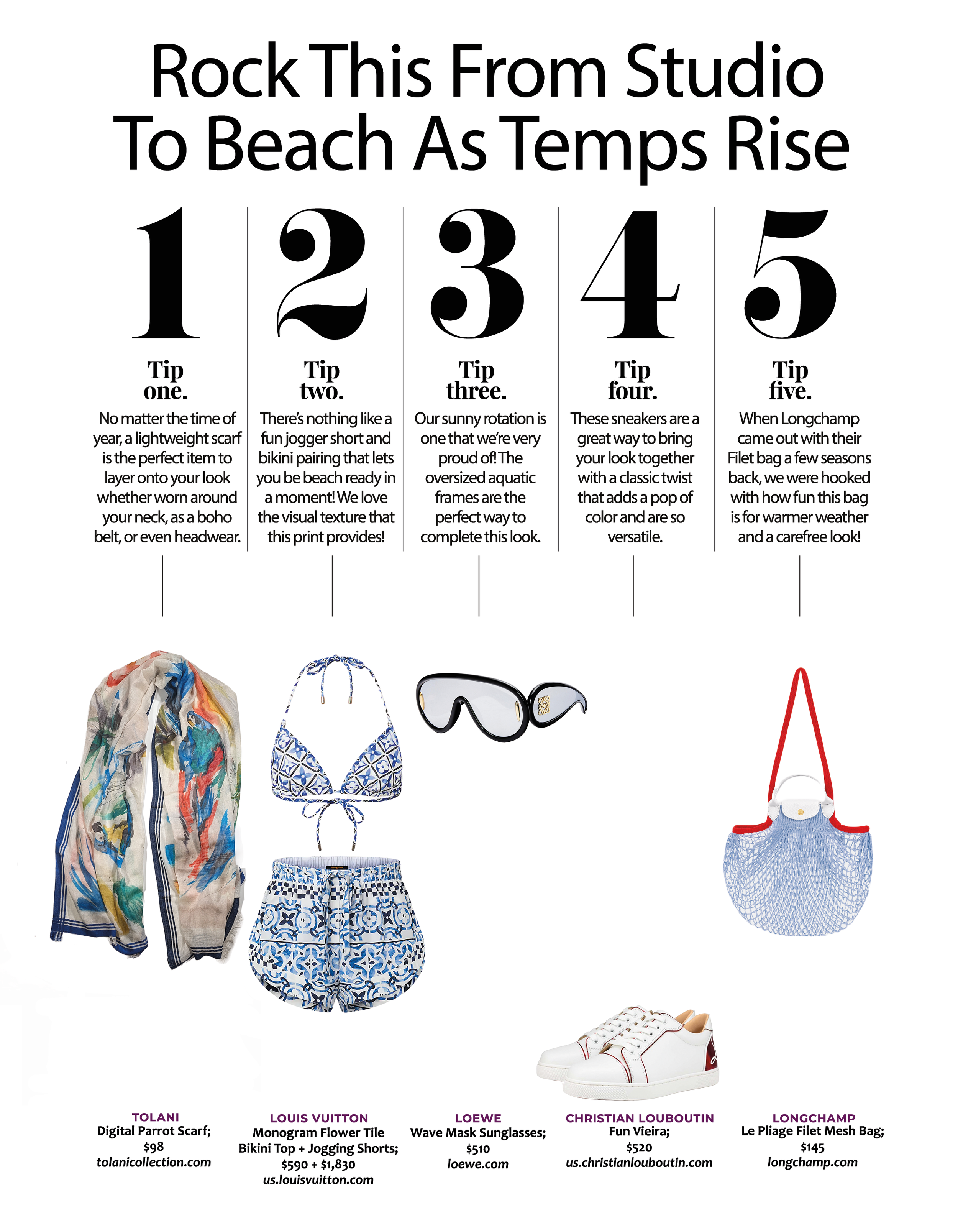
ROCK THIS FROM STUDIO TO BEACH AS TEMPS RISE
Read the JUL ISSUE #91 of Athleisure Mag and see ROCK THIS FROM STUDIO TO BEACH AS TEMPS RISE in mag.
Featured



AMARANTH OIL BEAUTY
Read the JUL ISSUE #91 of Athleisure Mag and see AMARANTH OIL BEAUTY in mag.
Featured



THE BACHELORETTE S.20 E.6 | IT'S TIME FOR HOMETOWNS
PHOTO CREDITS | ABC The Bachelorette/Craig Sjodin
On tonight’s episode of ABC’s The Bachelorette, we are in Hometowns! It’s favorite part of the season and we can’t wait to see how the families react to Charity Lawson! She starts out with Aaron and his family in Houston. They all have a lovely meal with one another. Aaron’s mother enjoys talking with her and asks her, “would you marry him if he asks?” She says that she wouldn’t be able to say yes at this point. We know this as she has a strong connection, but over the past few weeks, it’s been a bit of a disconnect. He even tells her that although he hasn’t said love, he feels that they are on the path to continue to work on this.
They continue their date by heading out to the football field to have a few appetizers and drinks and they connect with one another. He lets her know that he is falling in love with her and gifts her a letterman’s jacket as well. She says that she feels like they are back on track.
Next, Joey and Charity are in Pennsylvania. They kick off their date by Joey teaching her how to play tennis. Uncle Joe swings by ready to play tennis and we learn that he is very close to his nephew. Apparently Uncle Joe was Joey’s coach in tennis and you can tell. Uncle Joe feels that something is off with Joey although he can’t put his finger on it.
She heads to his family and they give her a warm welcome. His sister pulls her aside to get to know more about her. She lets his sister know that she is falling in love with him. Uncle Joe lets her know that he thinks that she’s a nice girl, but he feels that Joey has a tendency to be what he feels others want him to be. She is confused as she feels he has always been authentic. Initially, she had planned on telling him that she was falling in love with him; however, she doesn’t. He feels something is off.
Xavier meets Charity in his hometown of Cleveland. She’s looking forward to seeing him, but she still feels that there are elements about him that remind her of her ex that didn’t make her a priority. He takes her to a yarn store to kick off his date and he introduces her to his knitting friends as they’re taking a class together. She feels more connected and they continue to talk over coffee. After their solo date, she meets his family. She has a great conversation with his sister and mother and it seems like she enjoys what she is hearing as she gets to see them through their eyes. When Xavier’s dad chats with him, we get to hear more about his process in terms of where he’s at with her.
For her final Hometown, she is in Fresno with Dotun and she looks forward to having time with him as well as meeting his family. His parents won’t be there as they got to Nigeria every year for 4-6 weeks. But even though the timing didn’t work out, she’ll still meet his brothers and sisters. She also meets his grandmother and just when they’re sitting down to eat, his parents arrive! She gets along with them and they end their date riding away in a classic car to a drive in movie theater to see elements of who they are prior to meeting.
All the Hometowns have finished and she catches up with Jesse Palmer. We always love how he’s like a big brother with the listening ear which really allows conversation to flow freely with him. She knows 2 people will be hurt tonight at the rose ceremony, she says that she will be 1 of the 2.
Jesse meets the men at a private air hanger and gets feedback from them to see how they feel about everything. Regardless, this has been a great group of guys (plus or minus others who have already been eliminated). She feels awful that the person who she sends home, won’t see it coming and she knows how that feels as it happened to her.
She gives a rose to Dotun and Xavier. Now it’s between Joey and Aaron! The final rose is given to Joey.
Charity’s Gave Roses To | Dotun, Joey, and Xavier.
Charity sent home | Aaron
Each night during this season, we will tweet about The Bachelorette and you can chat along with us (@AthleisureMag + with our Co-Founder/Creative + Style Director, Kimmie Smith @ShesKimmie) to see what’s taking place!
Each week we will let you know who our faves were from the last episode and if we’ve changed up since then as it pertains to who we think should go to Hometowns.
We also suggest a podcast that we’ve become obsessed with over the past few seasons, Wondery’s Bachelor Happy Hour to get their feedback!
WHO CONTINUED AFTER HOMETOWNS
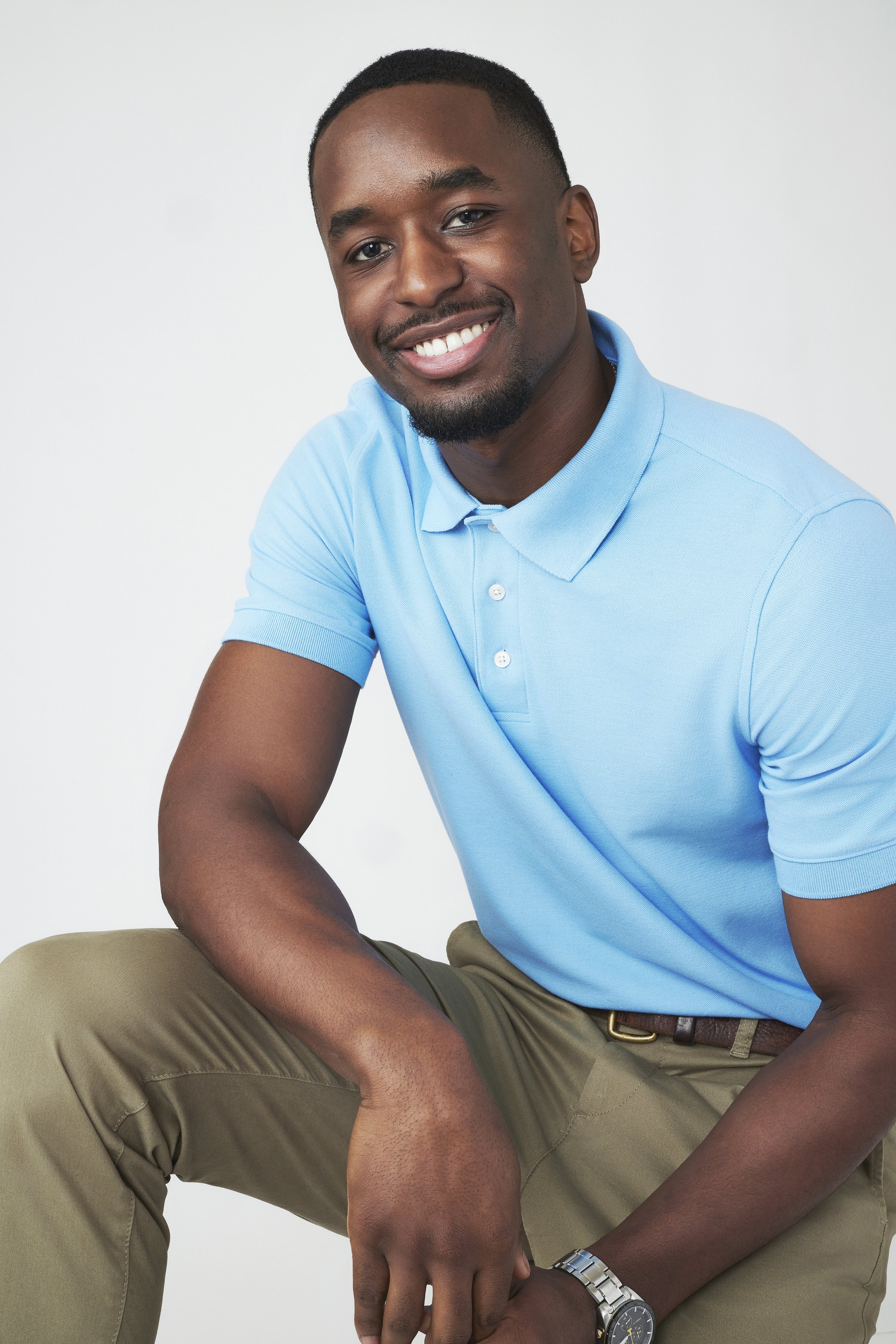
THE BACHELOR CONTESTANTS
Read the latest issue of Athleisure Mag.
Featured TV Show
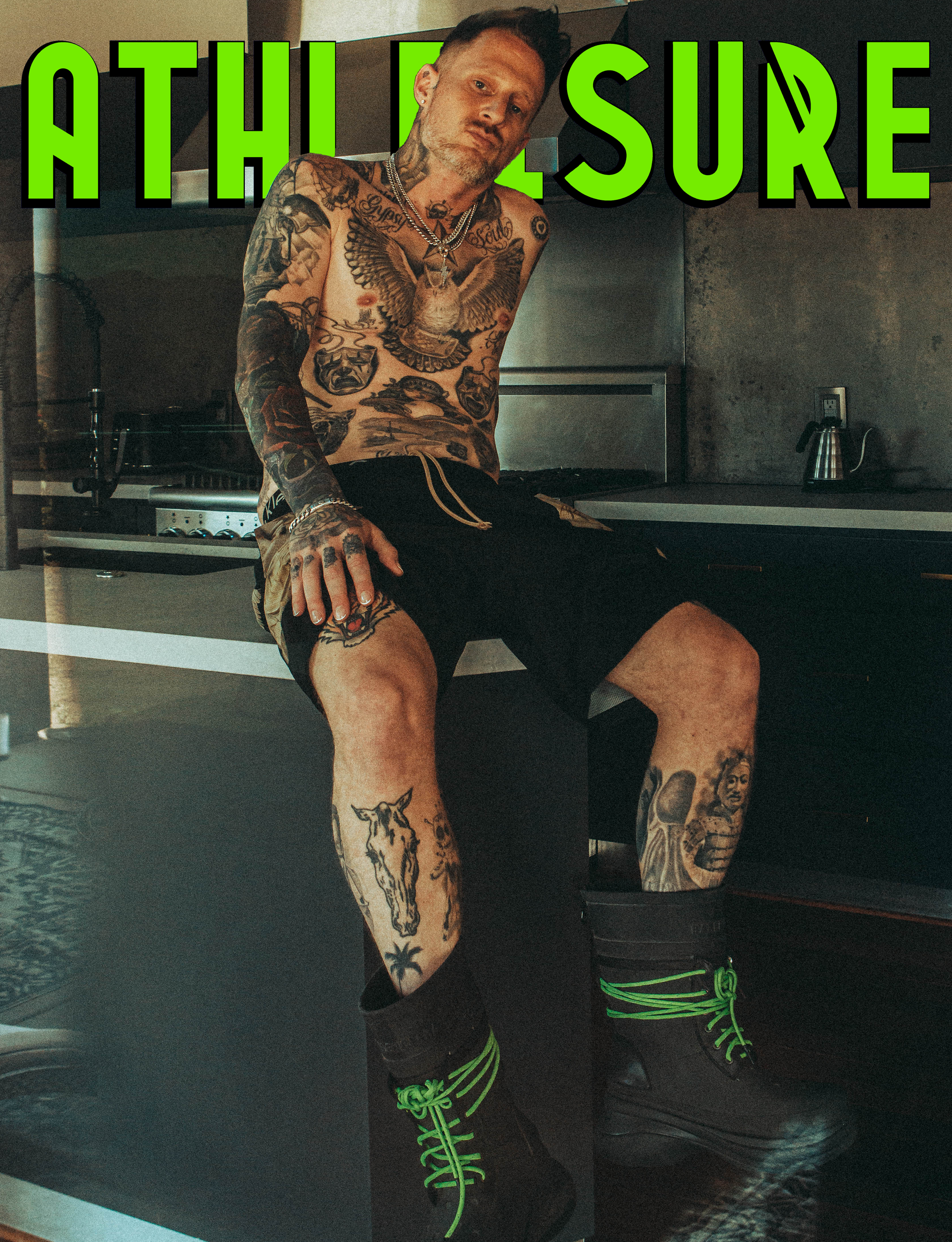
PHOTO CREDIT // CREATIVE DIRECTION Dominic Ciambrone | PHOTOGRAPHY Bryam Heredia | PHOTO COURTESY of SRGN Studios |
ATHLEISURE MAG #91 | CHEF MICHAEL VOLTAGGIO
In this month’s issue, our front and back cover story is with Bravo's Top Chef Season 6 Winner, Titan Chef on Food Network's Bobby's Triple Threat, countless appearances as a judge on Beat Bobby Flay, Guy's Grocery Games, and trailblazing Chef/Restaurateur, Michael Voltaggio. We have been a fan of his since he appeared on Top Chef and we love seeing his passion for food, guest experience and hospitality as well as he continues to increase his brand and portfolio by working his brother, Chef Bryan Voltaggio as well as their partnerships with Live Nation and MGM Resorts. We wanted to know what he was working on now, the upcoming 2nd season of Bobby's Triple Threat and how he navigated the industry. We also caught up with Chef/Founder Philippe Massoud of ilili here in NY as well as its DC location.We have attended this Lebanese restaurant since 2008 and we have a number of dishes that we enjoy there. We wanted to know more about how he brought the cuisine of his home in Lebanon to NY and elevated it! He gave us his culinary story that is filled with passion, memories, and the need to continue storytelling with each guest that comes to his restaurant. He also talks about how he got into the industry as well as an the importance of connection through his food. We sat down with decorated Team USA Swimming Olympic Medalist, Nathan Adrian. We enjoyed watching him as he participated in the Summer Games of Beijing, London, and Rio. He talked about being a freestyle swimmer, having teammates that included: Michael Phelps, Ryan Lochte, Matt Grever, Cal Dressel and more! He also told us what he has been up to since then as well as the importance of safe sun! When it comes to haircare, Chaz Dean, Hairstylist, Colorist, and Founder/Creator of WEN which is a hair system that revolutionized the industry by removing lather from your hair routine. He talked about how he became a hairstylist, how creating products became part of his role, the fundamentals of Chaz Dean Studio, and his line, WEN. If you have yet to watch Netflix's The Deepest Breath, we highly suggest that you do. In our conversation with its director, Laura McGann, she talked about creating this documentary that focuses on a world champion free diver and her safety diver. In this story we learn about the sport, the incredible kind of training that takes place when competing and participating in this sport, the beautiful locales around the world, and the relationship of these roles and this duo specifically. You can stream this now.
This month’s 9PLAYLIST comes from DJ Mia Moretti which we have seen perform a number of times here in NY and EDM DJ's Kris Kross Amsterdam. This month's 9DRIP comes from Chaz Dean. Our 9LIST STORI3S comes from FAST X's Jordana Brewster and The Bachelorette contestant, Jason Tartick. Our 63MIX ROUTIN3S comes from Chef Michael Voltaggio, and EDM DJ/Producer John Newman.
Our monthly feature, The Art of the Snack shares a must-visit to Jiwa Singapura in Tyson’s Corner. This month’s Athleisure List comes from Ritz Carlton, Bacara Santa Barbara and Ichibantei. As always, we have our monthly roundups of some of our favorite finds.
Read the JUL ISSUE #91 of Athleisure Mag now.
Featured


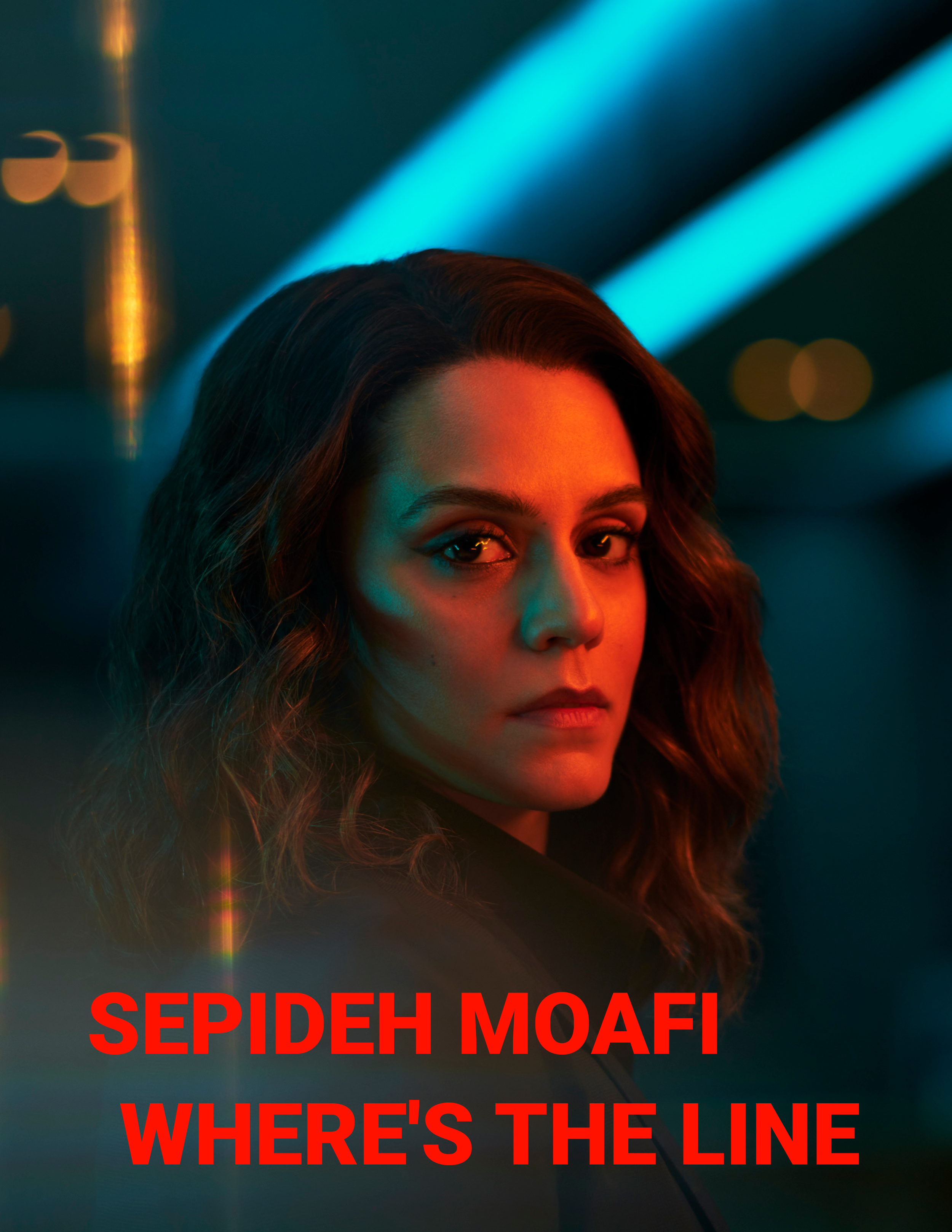
WHERE'S THE LINE | SEPIDEH MOAFI
This month we caught up with Sepideh Moafi who embodies her characters and really makes us see the world through her eyes and the storylines that they are involved in where it's thrillers such as USA's Falling Water, dramas that include HBO's The Deuce and Showtime's The L Word: Generation Q, and shows that look at our relationship with technology and who has the power to use them in our lives in her latest limited series, FX Class of '09!
You can currently binge the entire season of 8 episodes now on Hulu which looks at a group of FBI agents as we see them going through the academy in the past, in their present day in their career and in the future. We wanted to know more about how Sepideh came to being an actor, how she approaches her roles, and her thoughts on the paradigm between technology and humans intervention and those who decide how this is instituted.
ATHLEISURE MAG: When did you realize you wanted to be an actor?
SEPIDEH MOAFI: I think I was about 23. I graduated from San Francisco Conservatory of Music as a Vocal Performance major at 21 and had started my career as an opera singer. While opera was (and still is) my first passion and finding my voice as a singer completely changed my life, I was becoming more and more curious about theater and exploring the full potential of characters without having to worry about hitting that high C, for example. I enrolled in a straight acting class with Bobby Weinapple in San Francisco (he taught an acting for singers class that I had taken at the conservatory) and he said I had “it”, whatever “it” means. I decided to audition for some plays and started booking roles like Juliet in Romeo & Juliet and Luisa in The Fantasticks, so I decided to apply to grad school on a whim and ended up getting a full scholarship plus grants to UC Irvine’s MFA Acting program. So I went.
AM: I have been a fan of your work from Notorious, Falling Water, The Deuce, The L Word: Generation Q, and currently The Class of 09! You always play characters that are dynamic and continue to reveal themselves in various ways. What are you looking for when you decide that you want to play a character?
SM: Thank you for your kind words. I think the reasons for taking on a part have changed for me throughout the years. I was more character driven before, now I think I’m more story driven. At first I was just so eager to do anything I could get my hands on. I even loved getting to play characters who seemed pretty two dimensional on the page because that meant I got to find the things that many people may overlook or miss and bring all of the complexity and nuance and heart to these characters and make them feel like full, multi dimensional human beings. Taking on any character allows you to gain insight and empathy for a range of personality types — people that are similar to you, people who think completely different from you — you get to explore a variety of career paths and life choices that maybe you’ve never imagined before. Acting is a beautiful way to explore humanity and empathy, and I feel so lucky to be able to learn and grow so much from my work.
I fortunately haven’t had to deal with typecasting; most of the characters I’ve played both on stage and screen are completely different from one another and their racial backgrounds aren’t necessarily specified. I remember having a long conversation with Remi Aubuchon (24, Stargate Universe, Silo), the show runner for Falling Water after I got cast. He gave me the choice to change my character’s last name (Alex Simms) to an Iranian last name if I felt compelled. I thought about this deeply. Representation is so important, but I kept asking myself if it would be more impactful to change her name to say, Alex Mohammadi or keep it as Alex Simms. I spoke to friends who encouraged me to change the name to a Persian last name, but my mom's words echoed those in my gut. She said I should keep it as it because we need to be able to separate our judgements and assumptions about who a person is, their background and what they look like based on their name. So I kept her name Alex Simms.
Something that has changed is that the more political I’ve become and the more humanitarian work I’ve done throughout the last decade, the more important it has become for me to be part of projects that I feel align with my politics and core belief system. We need healthy, accurate stories and representation of women, the LGBTQIA+ community, people from the SWANA (Southwest Asian and North African) region, and all marginalized communities but not with a superficial, checkbox approach to diversity. My face on screen makes a statement whether I like it or not, so I’d rather take control of that to make statements I can get behind. It’s important that whatever project I decide to do doesn’t play into toxic narratives about marginalized people and doesn’t veer from the kinds of stories and representation I want to support and think we need more of.
AM: How do you approach getting into character to bring their authenticity forward?
SM: I think different characters require diff kinds of preparation. For example, for Lauren McCauley in Black Bird, I spent a good two months doing research by reading, listening to podcasts, watching documentaries, reviewing documents from the real life case, speaking to various FBI agents on a regular basis, and reading the script every day. I quickly discovered that there’s no way in hell I could be an FBI agent in real life (I find it too difficult to control my emotions!), so the extensive research helped me acquire the confidence I needed to step into her shoes. Dennis Lehane’s (The Wire, Boardwalk Empire, Bloodline) brilliant script gave me everything I needed to play her, the research just helped me gain the confidence I needed in order to embody her truthfully. For Gigi in The L Word: Generation Q, I did speak to a few of my real estate agent buddies to gain some insight into her day to day work life, but that was kind of the extent of the research. I think every character prep is different. I remember doing so much prep work for Niki in The Killing of Two Lovers but once I got to set with our director Robert Machoian (Mother Mother, Strong Enough, The Foundry) and opposite actors Clayne Crawford (CSI, 24, Graceland), Chris Coy (The Deuce, The Peripheral, Accused) and the kids, I felt like all that prep went out the window. One could argue the prep was there as my foundation but I honestly felt like I was in a trance for the entirety of that shoot. The energy on set was abundant and infectious; we were like animals in the jungle playing with abandon. No matter what, I always start with the words in the script and my gut response to them. From there, I identify the tone, the world in which the character lives (their socioeconomic status, their relationship to their ethnicity and background, their gender, etc.) and that usually informs what type of work and research is needed. My only goal is to give all of myself to every role. If by the end of a film or show or play there’s still something in the tank, I haven’t done my job.

AM: What drew you to want to be involved in Class of '09 and what do you think about the past, present and future format of the show?
SM: There are a number of reasons why I was drawn to this show. The character being able to explore the breadth of anyone’s life over the span of multiple decades is a fascinating, eye and heart opening endeavor. This character, Hour, specifically being from a family that had to flee Iran felt resonant to me and her constant grappling with the dilemma of identity and belonging. The themes of the show — exploring AI, technology, surveillance, the fragility of humanity, and this dance between security and liberty. And lastly the cast, I felt very lucky to be able to have this unique experience with some of my favorite actors and human beings. We formed life long bonds (we’re still constantly texting on our group text!)
AM: We've been watching this every week and really enjoy seeing how everyone is connected with one another and how they evolve over various periods of time. What are the takeaways that you want viewers to walk away with after watching this series?
SM: Class of ‘09 is a limited series so the story is contained within eight episodes. But I hope this encourages the audience to probe at these deeper questions around the nature of security, surveillance, and willingly or unwillingly living in a technocracy. Benjamin Franklin, one of the founding fathers, said “Those who would give up essential Liberty, to purchase a little temporary Safety, deserve neither Liberty nor Safety.” We are seeing increasing manifestations of major technological companies abusing their power with impunity and stealing our identities for profit. We’ve seen fuller expressions of this abuse in countries like China, Russia, Israel. We must always remember that our elected officials work for us and we cannot forget that it is our job to hold our elected officials and these major corporations accountable so that we don’t continue on this fast track towards a surveillance state.
AM: Are there upcoming projects that you're working on that you would like to share that we should keep an eye out for?
SM: Yes! There’s a film coming out called I’ll Be Right There with Edie Falco (The Sopranos, Impeachment: American Crime Story, Avatar: the Way of Water), Jeannie Berlin (The Night Of, Succession, The Fablemans), and Bradley Whitford (The West Wing, The Handmaids Tale, Get Out). I actually had the chance to work with Edie on one of my first jobs after getting my MFA. I booked a guest star role on Nurse Jackie a couple of months out of school and I flipped out because Edie was one of the reasons I decided to pursue acting. I remember telling myself to wait until the end of the episode with her to confess how big of a fan I was. I lasted about three hours before I exploded into tears and gushed about how much I loved and admired her. I felt like I totally humiliated myself but she was (and still is) one of the most gracious, humble, down to earth actors I’ve ever met. I’m part of an HBO Max animated series called Scavengers Reign coming out later this year too. I’ve wanted to be part of an animated project my entire life so this was one of those moments where the kid in me couldn’t believe it. Aside from that, there are a couple of other projects I’m developing, but I start work on a film called Wild Berries which will actually be my first Persian language speaking film, opposite award-winning Iranian actor Shahab Hosseini (The Salesman, Residents of Nowhere, Nargesi). It’s pretty much a two-hander so I’m very excited to dive into this world with Shahab and our director Soudabeh Moradian (Polaris, The Amber Thief, In Between).
PHOTOGRAPHY COURTESY | PG 98 + 101 9LIST STORI3S, PG 128 + PG 131 FX/Class of 09
Read the JUN ISSUE #90 of Athleisure Mag and see WHERE’S THE LINE | SEPIDEH MOAFI in mag.
Featured