HOW POWERSPORTS FIT AN ACTIVE OUTDOOR LIFESTYLE

An active life does not have to happen indoors. For a growing number of people, the best workout is a day on the water or a morning on the trail. Powersports turn the outdoors into the gym, and the results stick because the fun does. The hours add up without anyone watching a clock.
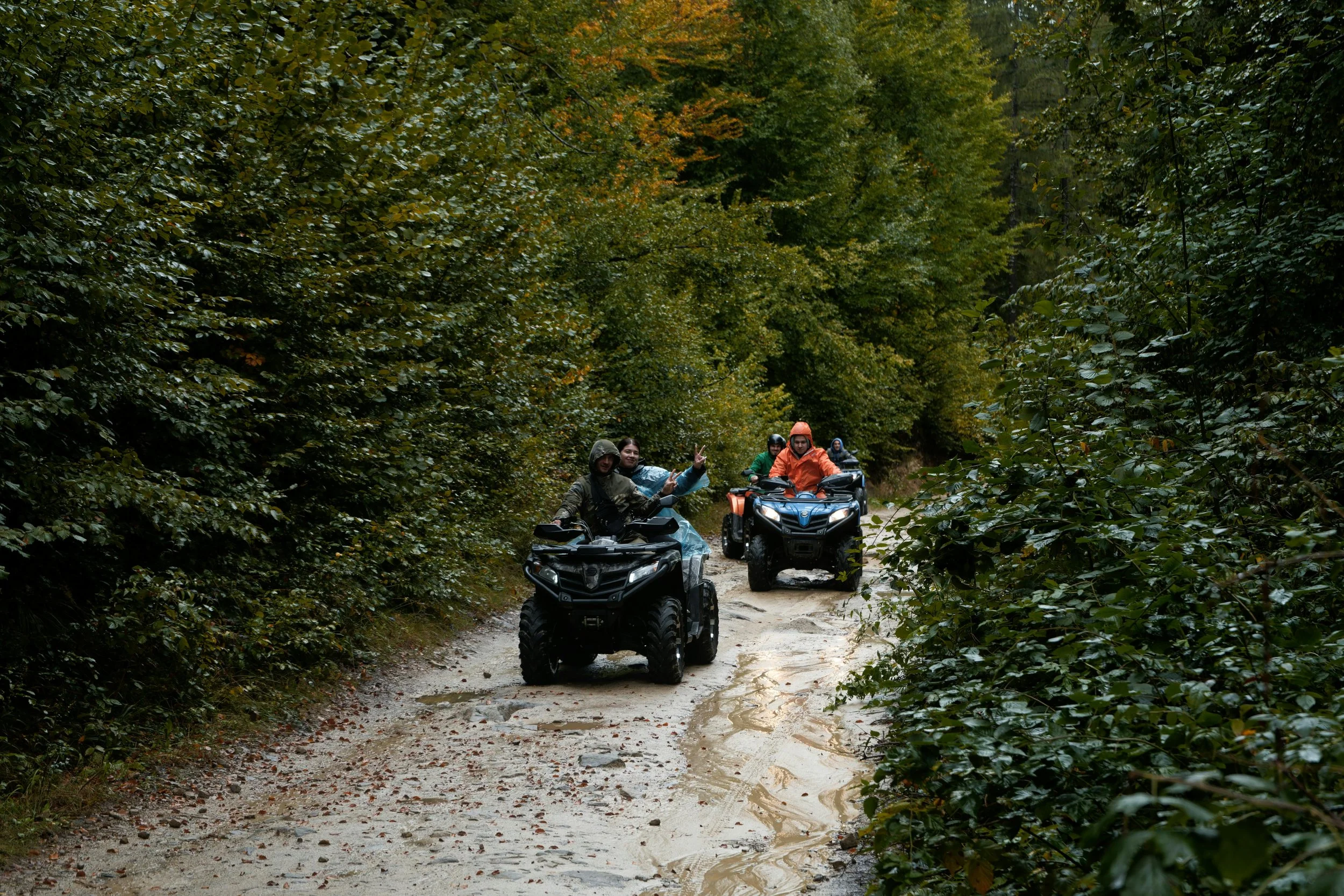
Riders on ATVs on a forest trail

PHOTO CREDIT | Pexels/Назар

The right machine makes that lifestyle easy to start. A North Carolina dealership like the Avalanche Motorsports Official Site stocks boats, ATVs, and RVs built for exactly this kind of outdoors, with a full-service department behind them. This piece looks at how powersports fit an active routine and how to begin.

Why Does Getting Outside Beat the Gym?

Getting outside beats the gym because it does not feel like exercise. Steering a boat, riding a trail, or loading gear all keep the body moving without a single rep counted. The motivation takes care of itself. An hour flies by when you are steering, not staring at a screen.

The health case is real, too. The CDC notes the benefits of physical activity reach the body and the mind, from heart health to sharper thinking. Time outdoors quietly delivers a lot of that.

There is a social side as well. Powersports pull in friends and family, the same way a nutrition plan supports any active routine. The shared day out is what keeps people coming back. It is the same spark that has athletes pushing limits in any sport, just with a motor and a view.

Which Powersports Suit an Active Life?

The right machine depends on how you like to move. A few options cover most active lifestyles:

  1. A runabout boat, for swimming, tubing, and easy days on the lake.

  2. An ATV, for trail riding and reaching spots a car cannot.

  3. A side-by-side, when you want to bring people and gear along.

  4. A personal watercraft, for a fast, high-energy time on the water.

  5. An RV, for chasing trails and water across a whole region.

  6. A golf cart, for low-key movement around a property or community.

Each suits a different kind of day. The trick is matching the machine to how you actually want to spend your time outside. Buy for the days you will really have, not the ones you only imagine.

How Do You Stay Safe While Having Fun?

Safety is what keeps an active day from ending early. The basics are simple: wear the right gear, know the machine, and respect the conditions. None of it slows down the fun.

A little training goes a long way. For helmets, rider age, and the habits that prevent the most common injuries, the CPSC's ATV safety center is the place to start. Reading it once tends to change how you ride.

On the water, the rules rhyme. A fitted life jacket, a check of the forecast, and a plan left with someone on shore turn a risky outing into a relaxed one. Preparation is the quiet part of every good day out. Skip it once, and a season can end with an injury instead of a memory.

What Should You Look For In a Dealer?

The machine matters, but the dealer behind it matters just as much. A few things separate a good one:

  • A real service department, so repairs do not mean long waits.

  • Parts on hand, which keeps a short season from being wasted.

  • A range of brands, so you are matched, not upsold.

  • Honest guidance, especially for a first-time buyer.

  • Support after the sale, when the real questions show up.
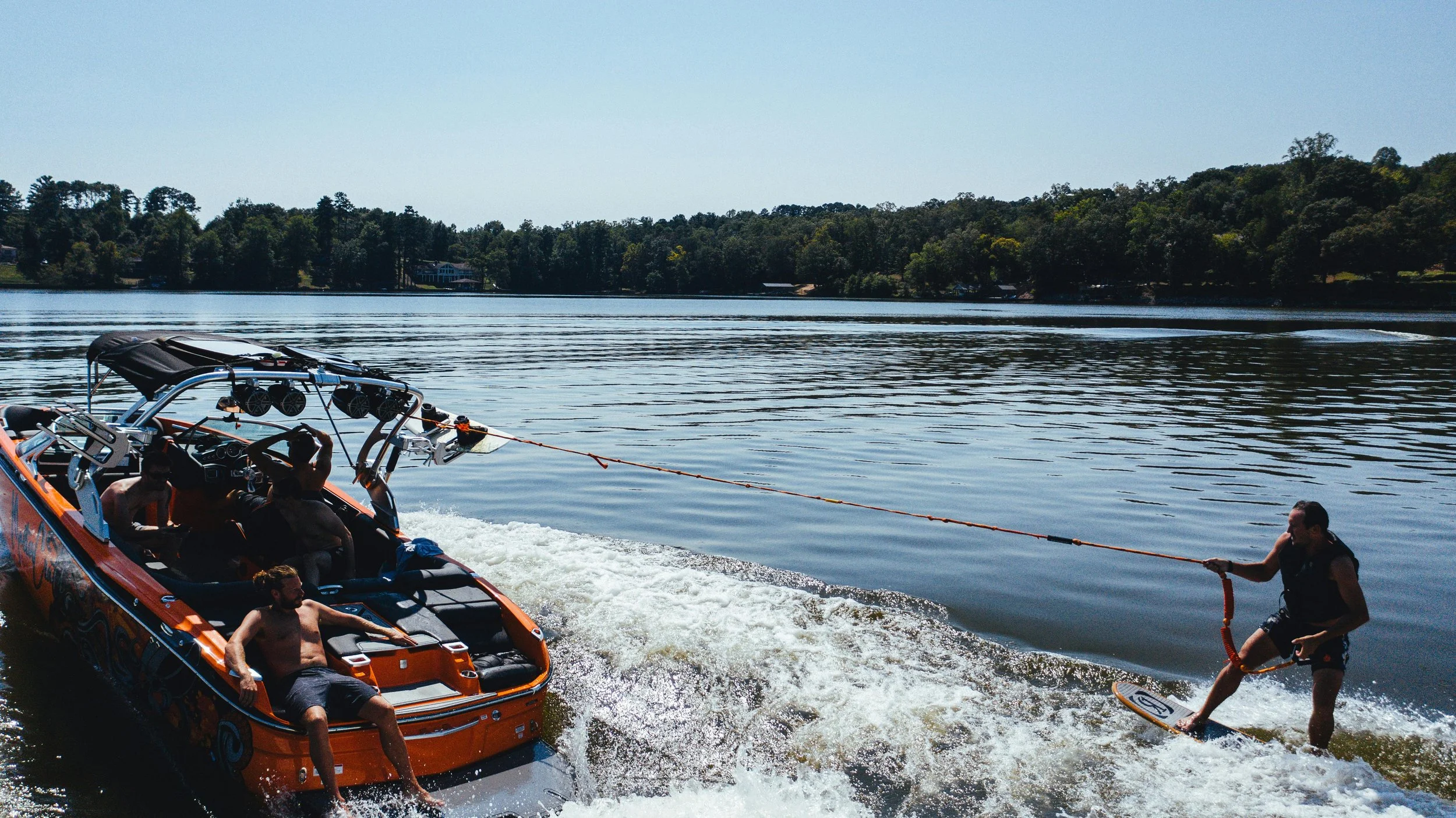
People enjoying an active day on the water

PHOTO CREDIT | Pexels/K

A dealer that sells, services, and stocks parts keeps a machine running rather than parked. That is the difference between an active season and a frustrating one.

What to Take Away

  • An active outdoor lifestyle is easier to keep up when it feels like fun.

  • Powersports deliver real physical activity without the gym grind.

  • Match the machine to how you actually like to spend time outside.

  • Gear, training, and a forecast check keep the day safe.

  • A full-service dealer keeps the machine ready when you are.

Getting Out and Staying Active

The best fitness plan is the one you look forward to. For plenty of people, that means a boat at the ramp or an ATV on the trailer, not a treadmill. Pick the machine that fits your idea of a good day, ride it safely, and keep it serviced. Do that, and the active life takes care of itself from there. The hardest part is just getting out the first time.

Frequently Asked Questions

Are Powersports a Good Way to Stay Active?

Yes, in a low-pressure way. Boating, riding, and loading gear all keep the body moving for hours without feeling like a workout. The activity is a byproduct of the fun, which is exactly why people stick with it far longer than a typical gym routine.

What Powersport Is Best for a Beginner?

It depends on where you want to be active. A stable runabout boat suits lake days, while a single-rider ATV is a common first trail machine. The best starting point is an honest conversation with a dealer about your experience, your budget, and how you plan to use it.

Do I Need Special Training or a License?

Often, yes. Many areas require a boating safety certificate, and ATV riders benefit from a hands-on safety course even where it is not mandatory. Requirements vary by state and machine, so check local rules and treat training as part of the setup, not an afterthought.

How Do I Keep a Powersports Vehicle Running Well?

Regular service is the key, ideally through a dealer that stocks parts and handles repairs. Off-season storage, fluid checks, and timely fixes prevent the breakdowns that waste a short active season. A machine that is maintained is a machine that is ready whenever you are.

HOW THE WELLNESS CROWD SPENDS TIME ON VIDEO CHAT SITES

The athleisure and wellness audience has its own quiet relationship with random video chat platforms in 2026. It is not the way most people would expect. The audience that defines itself by morning runs, mid-day Pilates classes, and afternoon green juices is the same audience that opens a random video chat tab at 10pm, talks to a stranger for fifteen minutes, and goes to bed. The crossover surprises outsiders. It does not surprise the platform operators, who have been watching this user segment grow steadily for the past three years.

The reason is straightforward. The wellness audience is large, mostly under forty, mostly female, and spends substantial time on phones in the evening. The random video chat format is one of the things that fills that evening time, alongside scrolling, streaming, and texting friends. The platforms have noticed and have started tuning their video and queue experience for this audience specifically.

PHOTO CREDIT | Pexels/Pavel Danilyuk

Why the Format Fits the Wellness Routine

Wellness culture is rigorous during the day and lonely in the evening. The morning workout, the meal prep, the meditation app, the journaling are all solo activities that demand discipline. By the time the evening arrives, the body is tired and the mind is restless. The dedicated wellness routines do not include a social wind-down.

The random video chat platforms fill exactly that gap. Open the app, get matched with someone, talk about the day, listen to theirs, log off. The interaction is short, low-commitment, and does not require curating an Instagram-ready presence. For an audience that spends most of the day performing wellness on social media, the unfiltered nature of a random video conversation is part of the appeal.

The Platform Landscape Outside the Mainstream

The platforms that get repeat traffic from this audience are not the household-name social networks. They are the Omegle-style and 1-on-1 cam services that have evolved over the past decade. The original Omegle ran for years and was a reference point for the format. The newer entrants compete on queue speed, video quality, regional filtering, and gender filtering.

Some platforms have come and gone. Hotmegle ran for a stretch and built a meaningful audience, but the user base migrated after Hotmegle started losing activity over the last year. The wellness audience tends to be early to switch platforms when the queue experience deteriorates, which makes them a useful early-indicator group for the broader platform landscape.

What the Sessions Look Like

A typical session for this audience runs between five and twenty minutes. Most users cycle through three or four matches in a single evening. The conversations are mundane and that is the point. They cover the workout that morning, the work that day, the weekend plans, the show they are watching. The platforms are not used for hookups or for any high-pressure interaction. They are used for the small, replaceable conversation that the modern internet has stopped offering at low friction.

The wellness audience tends to set a hard time limit on these sessions. Half an hour, then phone goes down, then bed. The discipline that runs the workout schedule also runs the evening platform time. It does not always work, but the intent is there.

How the Hardware Side Has Settled

The hardware setup for this audience has standardized. A ring light, a USB microphone, and a tidy corner of the bedroom or living room. The aesthetic is closer to the at-home yoga setup than the gaming station, which tracks with the user base. The platforms work fine on phones, but the dedicated users have moved to laptops for the better camera angle and the cleaner audio. Wireless earbuds are common; over-ear headphones are rare in this segment.

This setup overlaps with the at-home aesthetic that the broader athleisure lifestyle coverage tracks across its workout-room and recovery-corner features. The same audience uses the same physical space for morning meditation, lunchtime stretches, and evening video chat sessions, which has its own quiet logic.

Privacy and Identity Norms

The wellness audience tends to be cautious about identity in random video chat. First names only. Background neutral. No mention of specific workout studios or local businesses that could be cross-referenced. The audience has learned the rules and applies them consistently. Account information stays minimal. Webcams get covered when not in use.

This is not unique to wellness users. It is a feature of how adults who spend a lot of time on social media now think about platform hygiene generally. The line between personal life and personal brand is carefully managed, and the random video chat platforms are treated with the same separation that the rest of the personal-brand layer gets. The shape of that vocabulary, where personal life and public persona stay carefully separated, has been documented across the broader style and structure analysis of modern athleisure culture.

What the Next Year Probably Brings

The next year will probably see continued growth in this audience segment. The platforms that have invested in better video, smoother queues, and tighter moderation will capture more of it. The platforms that have stuck with the older, hostile-feeling interface will keep losing share. The wellness audience does not tolerate friction well and migrates fast.

The platform consolidation will continue. The current landscape has dozens of platforms. The strongest two or three will absorb most of the user base over the next two to three years, with smaller ones serving niche subgroups. The wellness audience will be inside the top platforms because that is where the queue economics favor a clean experience.

The Quiet Logic Behind the Pattern

The pattern is not really about random video chat. It is about how adults who spend long days performing online find the unfiltered conversation they need. The wellness audience is more visible than most because the contrast between the curated morning workout video and the unfiltered evening platform session is striking. The platforms are not glamorous, and the value is in the variety and absence of pressure.