

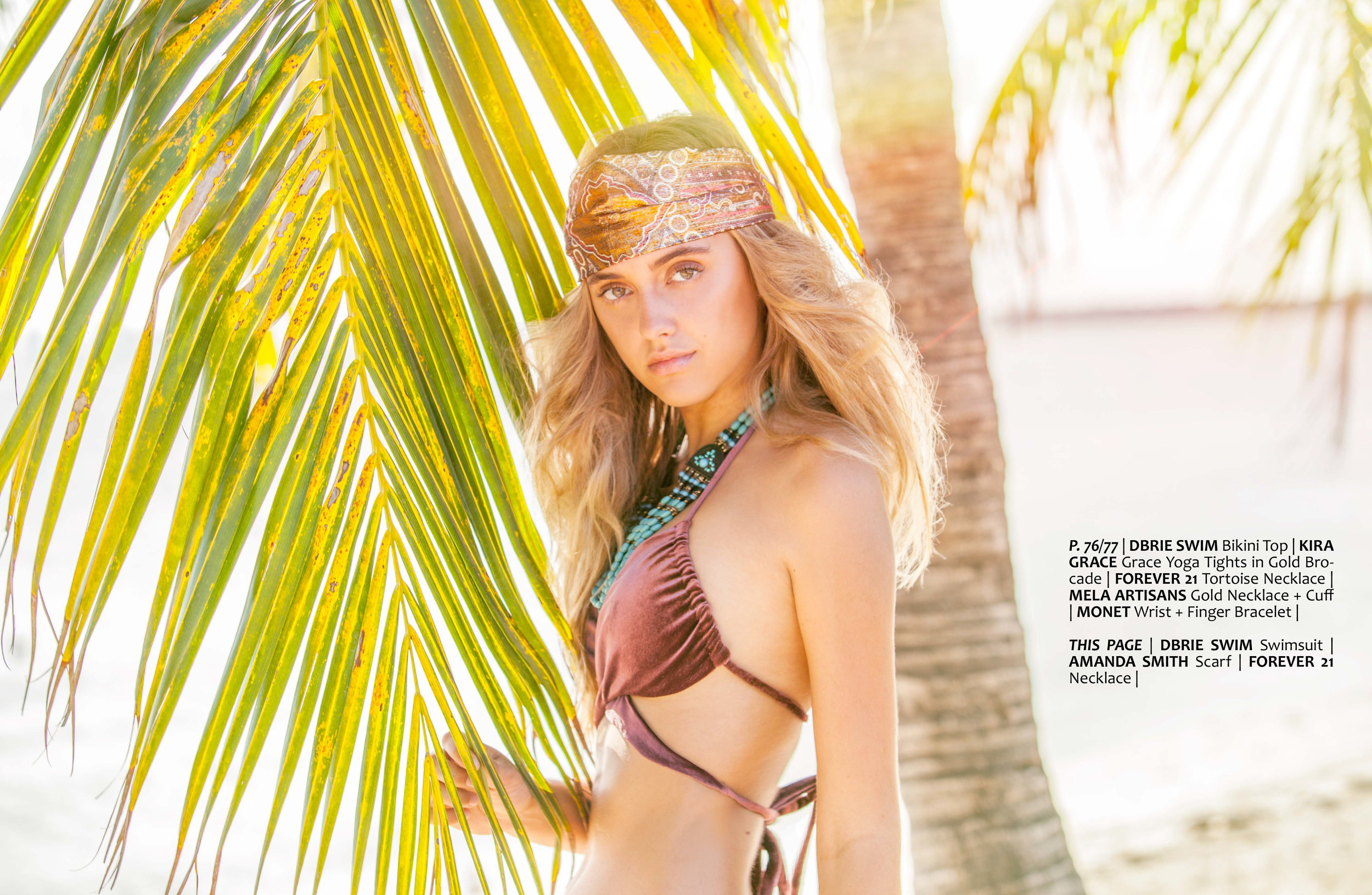
| PHOTOGRAPHY Becky Yee | STYLIST Nikki Ewanouski | MUAH Tamara Takacs | MODEL Taylor P/NEXT MIAMI |


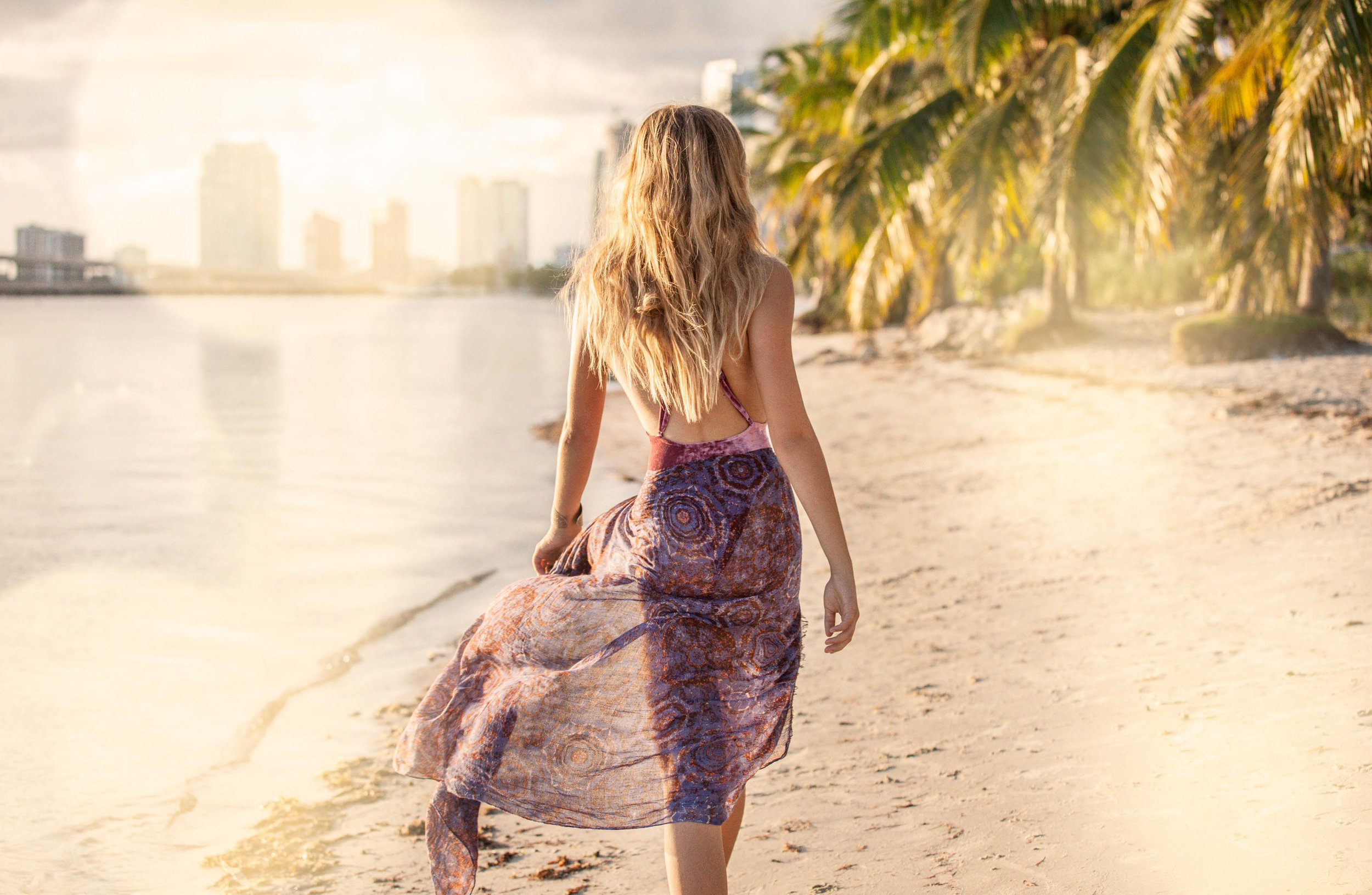

| SHOT AT Joschi Yoga Institute | PHOTOGRAPHY Richard Gasparro Studio | MAKEUP Norah Salazar |
ESCAPE TO FITNESS PARADISE; IN THE ART OF YOU LUXURY RETREAT WITH TERRI WALSH
by Joseph Pastrana
The cooler, winter months, hectic with festive and indulgent holiday parties and dinners, make itparticularlyeasytogainweight. Youcanavoidthisalltoocommonlikelihood, getintothe best shape of your life, and enjoy a week-long getaway to a tropical paradise at the same time. TheArtofYou – createdbyacclaimedNewYorkcelebrityfitnesstrainerTerriWalsh – is luxuryfitnessretreatinsun-drenchedCostaRica. Customdesignedtosuitindividualneeds, Terri takes you on an eight day and seven night journey that explores your strengths, challenges your stamina and ultimately leaves you feeling and looking amazing.
"Idesignedthisretreatasatotalexperiencethatbringstogetherthebestcircumstancesfor achievingincredibleresults," saysTerri. Havingtrainedsomanydifferentpeople through the years, I know how important it is to engage, not just your body but your mind and soul as well. First, removing you from your natural environment and surrounding you with nature’s breathtakingbeautygivesyouasenseofrenewedpurpose, tohelpfocusyouremotionsand intent. My assessment of your physical state then allows me to create a program suited to your needs.
Theretreatincludesyourstayandhealthymeals(fresh, locally-grownfood, alsocarefully plannedbyTerriwithdueaccommodationofspecificdietaryrequirementsandpreferences - includingglutenfree, dairyfree, vegetarian, veganandpaleo baseddiets), overallfitness assessment, dailymeasurementswithimagestovisuallytrackprogress, customworkout and strength training prescription based on a prior Facetime or Skype consultation with Terri.
As a base of determining precisely what you need, Terri provides three fundamental categories fromwhichtochoose: Detox& Push isintensiveandgoal-specificforbrides-to-beorthose with upcoming photo shoots or events in mind; Reset & Renew is for rebooting healthy habits and overall rejuvenation; and Jump Start & Focus is geared toward serious fitness and weightloss. YourneedswilldeterminehowTerriwilldesignsan appropriateregimen, usinghervery own ART (Active Resistance Training)® Method – a definitive fitness practice that engages the body’s four active resistance points.
TheArtofYouLuxuryFitnessRetreatstartsat$15,000.00 forindividualsto$20,000fora couple(there’sonlyonevilla) Sunday to Sunday(orcustomdaterangeavailableatadditionalcost) and requiresbooking30-daysinadvancetoproperlyplaneverything. TheflightintoJuanSanta MariaInternationalairport inAlajuela, CostaRicaisnotincuded, butafterarrival, the connectingdomesticflighttotheretreatiscoveredandwill bearrangedbyTerri. Fromthe momentyouarriveataprivatevillainManuelAntonio, youwillbesweptawayto a meticulouslycraftedblendofstrengthtrainingandconditioningwork- outsamidstabeach, waterfallor jungle setting, alternated with endurance adventure hikes, activities, and massage treatments to support energy levels and recovery. After a transformative week, you may never want to leave.
See more from the Oct Issue

PHOTOS COURTESY | Faris + Rosie Yacob
TRAILBLAZERS: FARIS AND ROSIE YACOB
Trailblazers is our series where we catch up with active creative leaders and innovative thinkers to learn more about their out-of-boardroom adventures, expertise and passions.
For August, we catch up with Faris and Rosie Yakob, who co-founded innovation agency Genius Steals, believing ideas are new combinations and that nothing can come from nothing. Finding copying lazy, they advocate the best way to innovate is to look at the best of that which came before and combine those elements into new solutions.
Faris and Rosie are award-winning strategists and creative directors, writers, consultants and public speakers who have been living on the road/runway for 3 years and counting, working with companies all over the world. Being nomadic allows them to go wherever clients need them to be, and to be inspired by the world in between.
ATHLEISURE MAG: You are such a cute couple, how did you meet?
ROSIE YAKOB: We met in the fall of 2008 at a party in New York City. We say ‘party’ because it involved test tubes of absinthe and an awesome DJ, but it was also an art project called Urban Rabbit Hole by a woman named Samina about stories and the places in which those stories took place.
FARIS YAKOB: Later we found out that I went to high school with Samina’s brother, and the post we both saw that led us there was written by someone who ended up being Rosie’s boss. The stars were aligning us it would seem.
AM: How did you come about your decision to travel abroad, consulting and speaking at global conferences along the way?
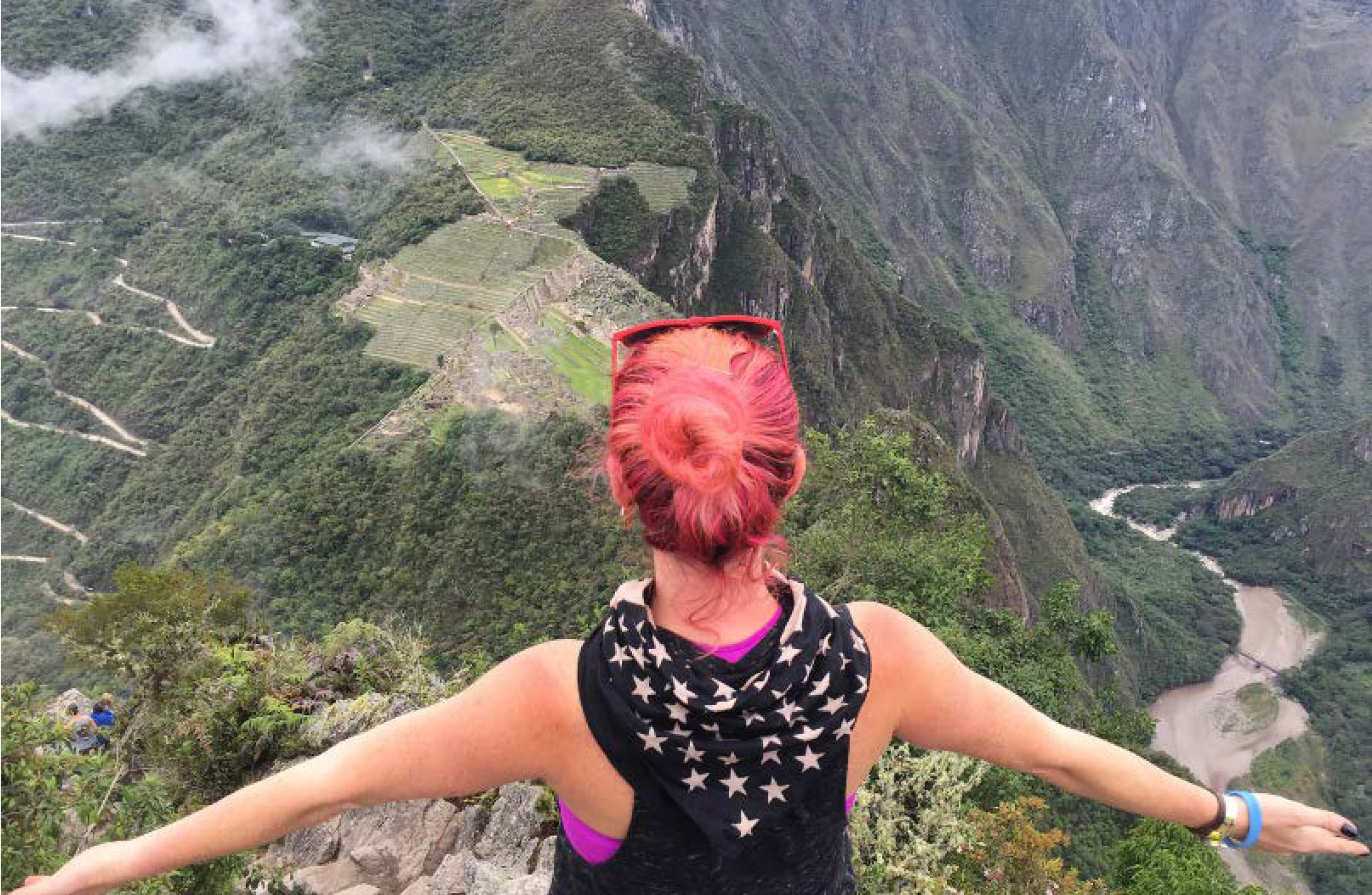
RY: The last year we lived in NYC we weren’t in NYC for a consecutive 30 days, so it’s fair to say travel already played a pretty big part in our lives. Faris was getting asked more frequently to speak abroad and it seemed a shame to fly to beautiful places for a day or two and then have to fly back to NYC just because of the poor vacation polices that exist in America.
FY: I had been working in NYC for five years. At the point I had started a digital agency and was in a place to sell my stake in it, which gave us a bit of money to lift off. I was also concerned with the crazy level of busy people seemed to operate at in NYC. Years were passing by in a blur.
AM: So looking back on the ~ 175 weeks on the road so far, what are some of the favorite places and moments you've enjoyed?
RY: I loved diving in Southeast Asia. Getting my PADI certification off a tiny island in Cambodia was standout. Snorkeling in the Maldives is up there as one of my favorite experiences. We were in the water for hours every day, just fascinated with the ridiculous sea life. The Gili Islands off the coast of Bali frequently come up: removed from the party scene in Kuta, no cars on the island, and generally very peaceful.
We both loved Angkor Wat and Bang Malea. Siem Reap frequently gets overshadowed by Angkor Wat, but we really enjoyed wandering around the town itself, too.
The hotel we stayed at in Sri Lanka, Ulagalla, was one of my all-time favorites. It was part of our honeymoon, so our budget was a bit higher and the property was just gorgeous.
We spent a big chunk of this year in South America and Buenos Aires was hard not to love: lively, artistic and super friendly.
Stateside, we loved visiting the Grand Canyon. For a friend’s birthday, several of us visited distilleries along the Bourbon Trail in Kentucky, and the 21 C Hotel in Louisville is probably our favorite hotel in the US.
FY: Hiking the Inca Trail, traveling around New Zealand, diving in the Maldives, speaking at some of our biggest events, Disney World is awesome - heading back there after a gig in Orlando tomorrow! Shopping and cooking from the the markets in Aix-En-Provence, spending time on trips with friends in Chile, France, Italy, and Kansas.
AM: What activities do you do for fun (both as a couple and personally)?


RY: We both love diving and snorkeling. We do a lot of walking city tours and cooking classes when we can to get a vibe for the places we’re in.
FY: We don’t do many things separately, but occasionally I’ll go for a walk or sit quietly in a pub while she gets a manicure. I tweet a lot.
AM: What was the ratio between planned and spontaneous activities and how much do you factor randomness in your lives (and people generally)?
RY: We plan where we’ll stay, but rarely plan what we’ll do in a place until we get there.
FY: I’m a big fan of randomness, and we often use zen navigation to walk around new places.
AM: We are constantly delighted by the pictures you take in your adventures! What camera(s) do you use? Do you largely manage to capture great visual and stay in the moment, or find it somewhat interruptive?
RY: We both use our iPhones and only our iPhones! We’re only casual photographers and definitely not travel bloggers so we don’t really feel the need to get the perfect shot.
FY: As our mate Chase Jarvis says, the best camera is the one you have with you. And the new iPhone camera is pretty impressive.
AM: You advise to travel to other parts of the world, especially places harder to get to. Why is exposure to diversity so important? How innate is our curiosity to explore?
FY: It’s a quote from a speech Bill Murray gave at a random bachelor party he crashed on life and love. “Buy a plane ticket for the two of you to travel all around the world, and go to places that are hard to go to and hard to get out of. And if when you come back to JFK, when you land in JFK, and you're still in love with that person, get married at the airport.”
In general, I worry about removing too much friction from our lives. If everything is easy, you don’t learn anything, you don’t have to grow as a person. I don’t mean the commercially created friction of dealing with customer service, I mean navigating unknown spaces, languages and cultures, being in new situations, not just another meeting in another office.
Confucius — 'The gem cannot be polished without friction, nor man perfected without trials.'
AM: Why do Faris and Rosie cross the road?
RY: To talk to strangers.
AM: So your company is named Genius Steals, proclaiming nothing is new and ideas are largely remixes. What are some unlikely and unusual places you had magic happen?
RY: We had a great brainstorm on the beach in Bali, and recently wrote a presentation from Aix en Provence.
FY: Ideas come from everywhere. Rosie will point out a brand burn on a menu in Bolivia and it becomes the topic for my next column. Our luggage gets lost and we get ignored by the terrible airline Vueling about it for nearly a month. It helps inform a consulting project we do with Air New Zealand.
AM: Your tagline for Genius Steals is searching for awesome, how often do you find it? What is the importance of awesome?
FY: You can’t ever find it. It’s a pursuit, like the one for happiness enshrined in the US constitution. The importance of awesome is that the emotion awe is what reminds us we are part of something larger. Awe is when you see something that forces you to adjust your model of reality. Habituation erases time, awe creates the world anew.
AM: How often does awesome and popular overlap? How affected are we by social proof in this digital interconnected age?
RY: It’s such an interesting question. There can be videos on YouTube that have had tens of millions, or even hundreds of millions of views, that neither of us have seen. More and more, we live in a distributed world. We use TripAdvisor quite frequently, but recently when we were in Nashville, where I’m from, we had a look at TripAdvisor and I realized that very few of the places I love were in the top 20. And the places in the top 20 really weren’t the best. It was a clear example of a path that became beaten, and everyone followed along, and then those restaurants got more and more ratings, but not because they were the best, just because they were recommended.
FY: We leave these digital scent trails and cumulative advantage kicks in, carving traveler lines through the world. Awesome things tend to be very shareable - so that means they often become popular. But popular isn’t the same thing as awesome. What’s most popular may also serve other social and personal functions. Stirring anger seems to be very popular in the USA in the Age of Outrage, which in turn seems to affect journalism and what content is produced and paid for.
AM: 'Optimists are more fun' is one of your business cards. Why, and does that have limitations?
RY: Traveling can be stressful, especially when stuff goes wrong and you don’t speak the language. Even when you’re a frequent flier, it’s annoying when planes are delayed or buses are canceled or the cab driver rips you off. But at the end of the day, we rarely have control over these situations. What we do have control over, however, is how we react to them. You can laugh and have a sense of humor or you can get upset.
FY: I’m probably more of a skeptical meliorist. That is to say, I think things generally get better, mostly. I try to have an open mind and let it change, but I require strong evidence to believe something. When dealing with large companies I’ve learned to lower my expectations, frankly, because customer service has declined across the board as growth in USA slows and pressure to put on margins by Wall Street. I’m trying to become more patient because yes the only thing we really can control is how we react. Rosie is more of an optimist, and I believe they are more fun.
AM: We loved your book Paid Attention, it's a fun and insightful read. As a post-modernist advertising philosopher, do you always see the world through mad man lenses?
FY: Thanks! In some ways. Whatever we do becomes the metaphor for how we understand the world. I pay far more attention to ads as we travel than real people do. That said, the longer I’m outside of advertising agencies, the broader my lens has become, I think. You unconsciously absorb the values and ideas of the people and culture around you, and that changes a lot for us now.
I never felt very comfortable watching Mad Men, despite being named one of the 10 modern day ones by Fast Company. Sexism seems baked into the name and the program seemed morally bankrupt in a way I saw glimpses of in agencies in NYC and found repellent.
AM: Why is attention the scarcest resource in the 21st century?
FY: Capitalism needs constant growth. The growth used to come from taking over new countries, through creating a middle class and products for them. The wave of capitalism that powers Google and Facebook is the mining of attention at a global scale. Now thanks to smartphones we spend most of our waking lives immersed in media. There is less and less attention to go around, making it more and more expensive and harder to mine.
AM: Are people generally more emotional, than rational? What does that say about people?


FY: It’s a false dichotomy. Famously, a construction worker called Phineas Gage had a railroad spike blown threw his head. Amazingly he survived, but his amygdalae, which appears to be wear your brain does a lot of emotion stuff, were destroyed.
When people lose access to their emotions, they are no longer capable of making decisions. This is because if you were literally to try to apply pure logic to every decision, you're brain would freeze up.
We like to think of ourselves as rational beings and we are, to a certain extent, but without the heuristics of emotion to help us, we'd never be able to decide anything. We almost never have the perfect knowledge required to make truly rational decisions. Life just isn't like that. Hence we evolved emotions.
So it's not that there are emotional and rational side pulling us in different directions but that emotions are the "lubricants of reason" - we can't think without them.
Jonathon Haidt uses the elephant and rider metaphor, to emphasize which bit seems more impactful on behavior. The rider is rational and can plan ahead, the elephant is driven by wants and instincts. Importantly there is a third element - the context, which dictates possibilities and which of the two tend to be more in control.
AM: What are some attention hacks you can give our community? Why is attention so slippery?
FY: Attention is triggered by patterns, specifically the modulation of them. So your brain looks for patterns in the noise, seeing faces in clouds, the face attracts your attention [this is called pareidolia]. It also looks for disruptions - loud noises disrupt the pattern and pull your attention.
Curiosity triggers it- creating manageable gaps in the pattern, in knowledge. It’s slippery because it’s part of consciousness, the most complex thing in the known universe, and it’s not a binary on-off thing, but more of a spectrum.
AM: Do we still have your attention? :)
FY: So far, so good.
AM: You gave a quick pre-talk at PSFK urging people not to take advice from people and instead to make a list of what makes them happy and another of what they do everyday; compare and adjust. OK.. makes a lot of sense, so is the good life that simple?
FY: The simplest things are often the hardest to implement. There are many, many contextual factors that stop us living our best life, some real, some imagined. Alan Watts said a long time
ago that life is a hoax, we are pushed through life from kindergarten to prepare for the next stage, to get to school, get qualifications, get a job, so we can finally enjoy ourselves when we retire. We are conditioned to constantly be in need of the future, which is the hoax because when it arrives, we can’t enjoy it because of the conditioning and because we are going to be very old. Life is short and how you spend your days is how you live your life. If you are unhappy, make a plan, get to an end point, make some kind of change. Don’t get trapped in a single conception of success, of progress. Try a few. You get one go at this. Many people get trapped by poverty. Certain decisions, like having children, have very long consequences. Nothing is simple.
AM: Your newsletter, Strands of (stolen) Genius features curated recaps of interesting news, events and books. What are some books that have recently hit the shelf that you are excited about. What sorts of music gets you in the groove?
RY: I listen to country music and tropical house. Remember, I’m from Nashville ;)
FY: I like grunge from 1990-1995, jungle and drum and bass / jungle from 1996-2000, and some more recent pop rave stuff.
RY: We both loved reading Night Circus. I’m reading the first book Perdido Station, which Faris got for his birthday from a friend and loved. Alex vs the Universe was great.
FY: The World Beyond Your Head - Matthew Crawford. The Drunkard’s Walk, Leonard Mlodinow. What Money Can’t Buy - The Moral Limits of Markets - Michael Sandel. Gulp: Adventures on the Alimentary Canal Mary Roach. Sapiens: A Brief History of Mankind Yuval Harari. Station Eleven Emily Mandel. The comic book series Saga by Brian K. Vaughan and illustrated by Fiona Staples.

MORE ABOUT FARIS & ROSIE YAKOB
Faris Yakob has an extensive background in advertising and communications strategy. He was EVP Chief Technology Strategist at McCann Erickson NYC, tasked with ushering in their digital transformation, which led to them wining their first ever Cyber Lion at Cannes. Subsequently he was appointed Chief Innovation Officer of MDC Partners, a network of best in breed agencies, including CPB, Anomaly, 72 & Sunny and kbs+. Prior, he was former global head of digital for Naked Communications and co-founded creative technology boutique Spies&Assassins.
Faris was a founding member of the IPA Social Committee, is on the global advisory board of Social Media Week, and has judged numerous award shows, including the social category for the Effies. He helped the London International Awards to create and define the NEW category to reflect and highlight innovation in the industry. He has written about social media and marketing for Campaign, Fast Company, Forbes, Contagious, Canvas8 and Age of Conversation books. Faris is the author of Paid Attention, co-authored The Digital State: How The Internet is Changing Everything [Kogan Page], and speaks on social, digital and innovative marketing all over the world. His thesis on the future of brands won the inaugural IPA President’s Prize.
Rosie Yakob began her career working with hip hop moguls Jay-Z and Steve Stoute at their entertainment branding company, developing non-traditional ways for brand like Altoids, Target, Wrigley and Samsung to connect with their fans. She joined Cake Group’s newly founded New York office in 2009 where she launched Motorola’s global social media presence and helped brands like Havaianas, Sears and Oppenheimer navigate the world of social and digital media. In early 2011, Rosie joined Saatchi & Saatchi’s New York office to lead social and emerging media, advising brands including P&G’s Pampers & Olay and General Mills’ Cheerios amongst others.
Before co-founding Genius Steals with Faris, Rosie was most recently at 360i, an award-winning digital marketing agency, named by Fast Company as one of the world’s most innovative companies. There she and her team helped brands like Bravo, Dentyne, NBCU and Oreo navigate the world of social and emerging media from creative ideation through to activation. This included being the lead strategist on the Cannes Grand Prix and Facebook Best in Show winning Oreo Daily Twist campaign. Rosie has written for publications including Fast Company, Digiday & SocialFresh.com and her presentations on social have been featured on the front page of Slideshare. She is passionate about moving the industry forward and has served on the Jay Chiat Social Media jury and taught at Miami Ad School in addition to speaking at conferences around the world.

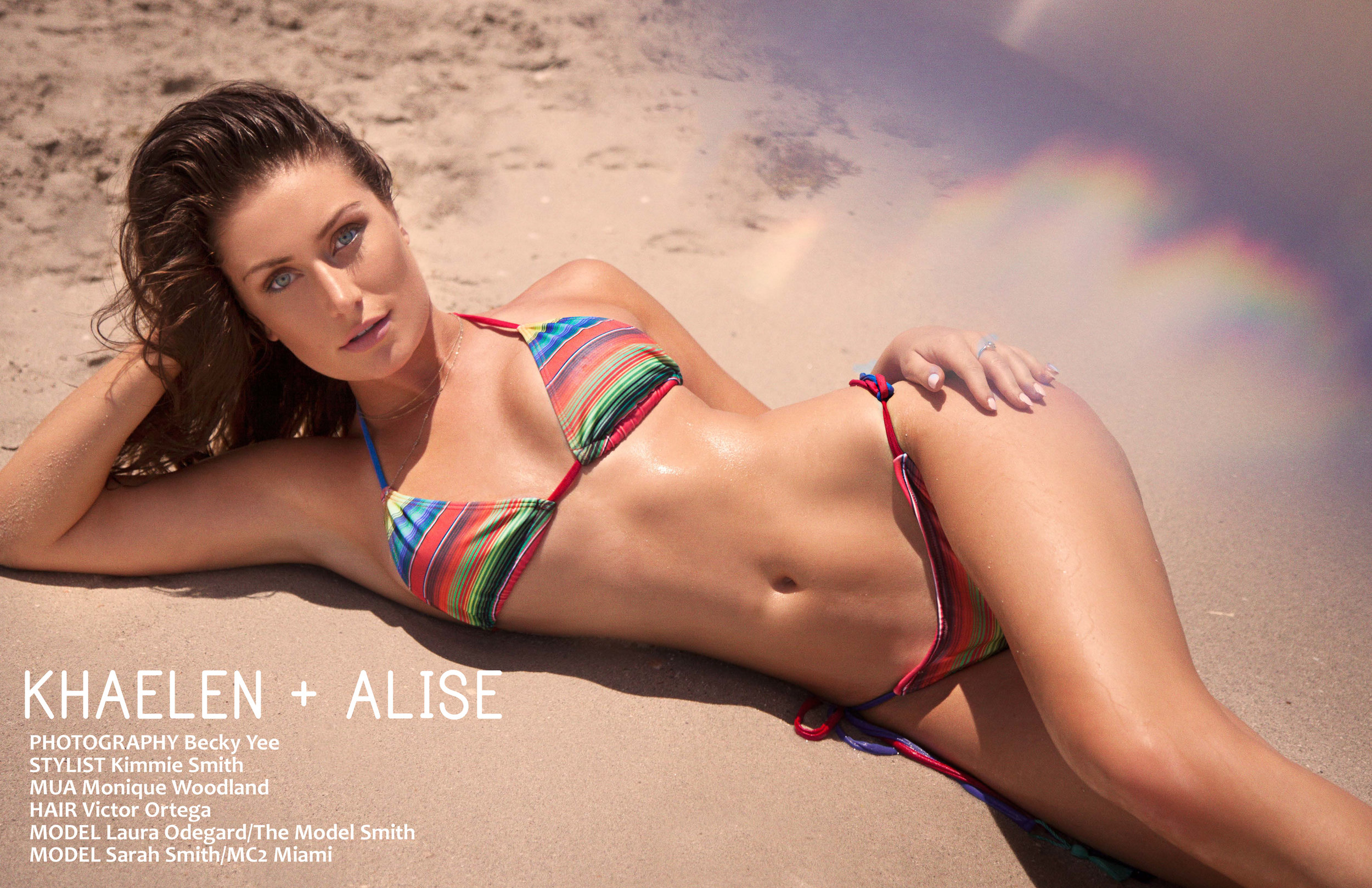
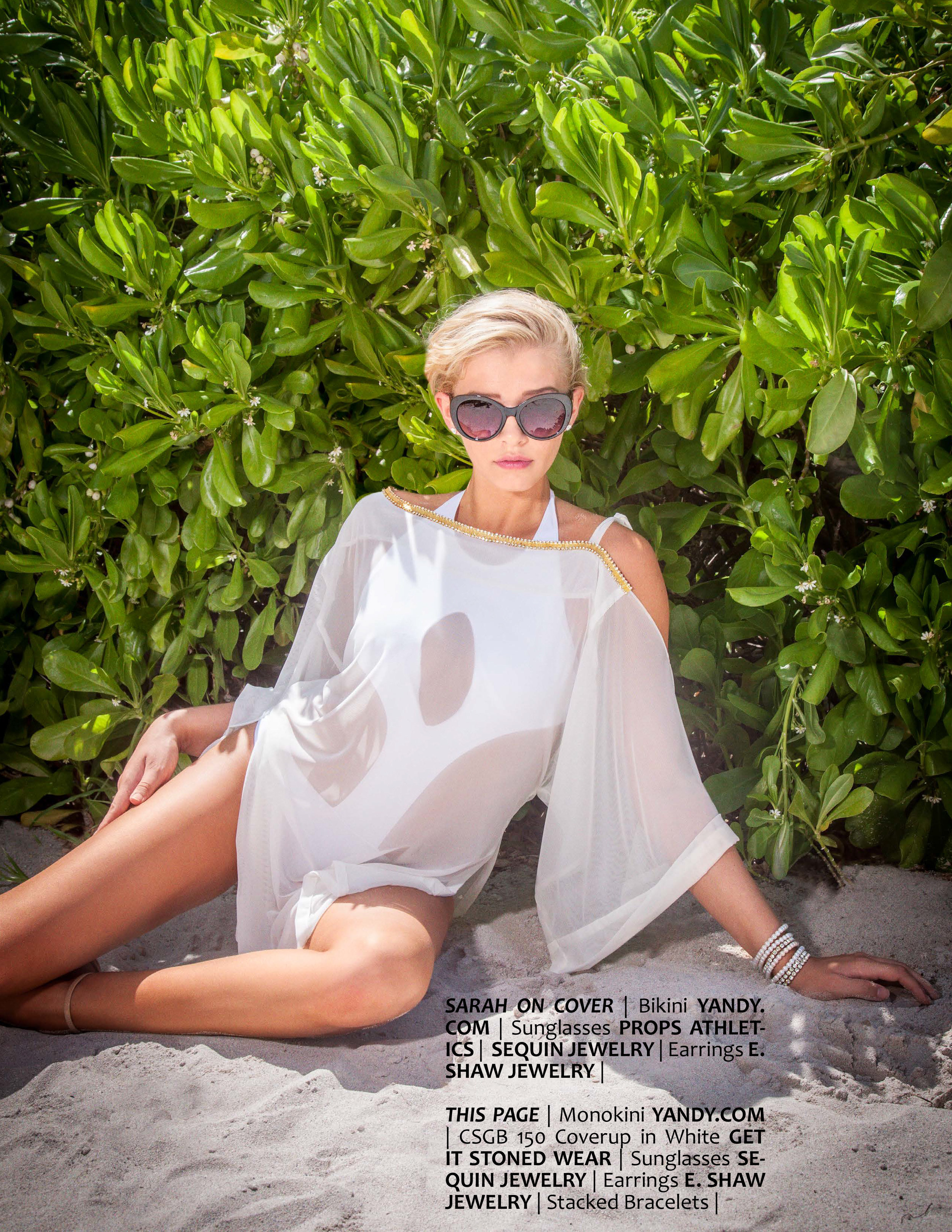
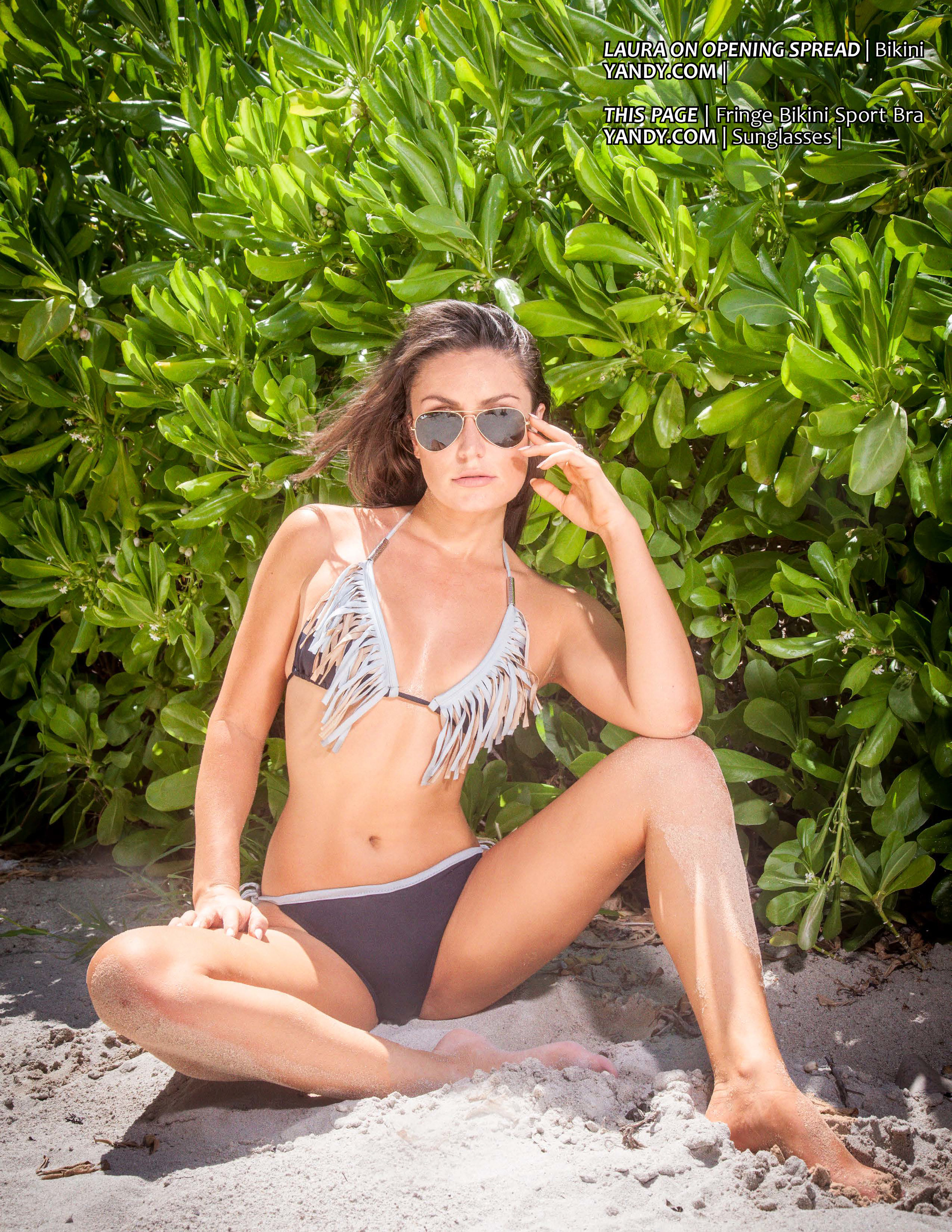
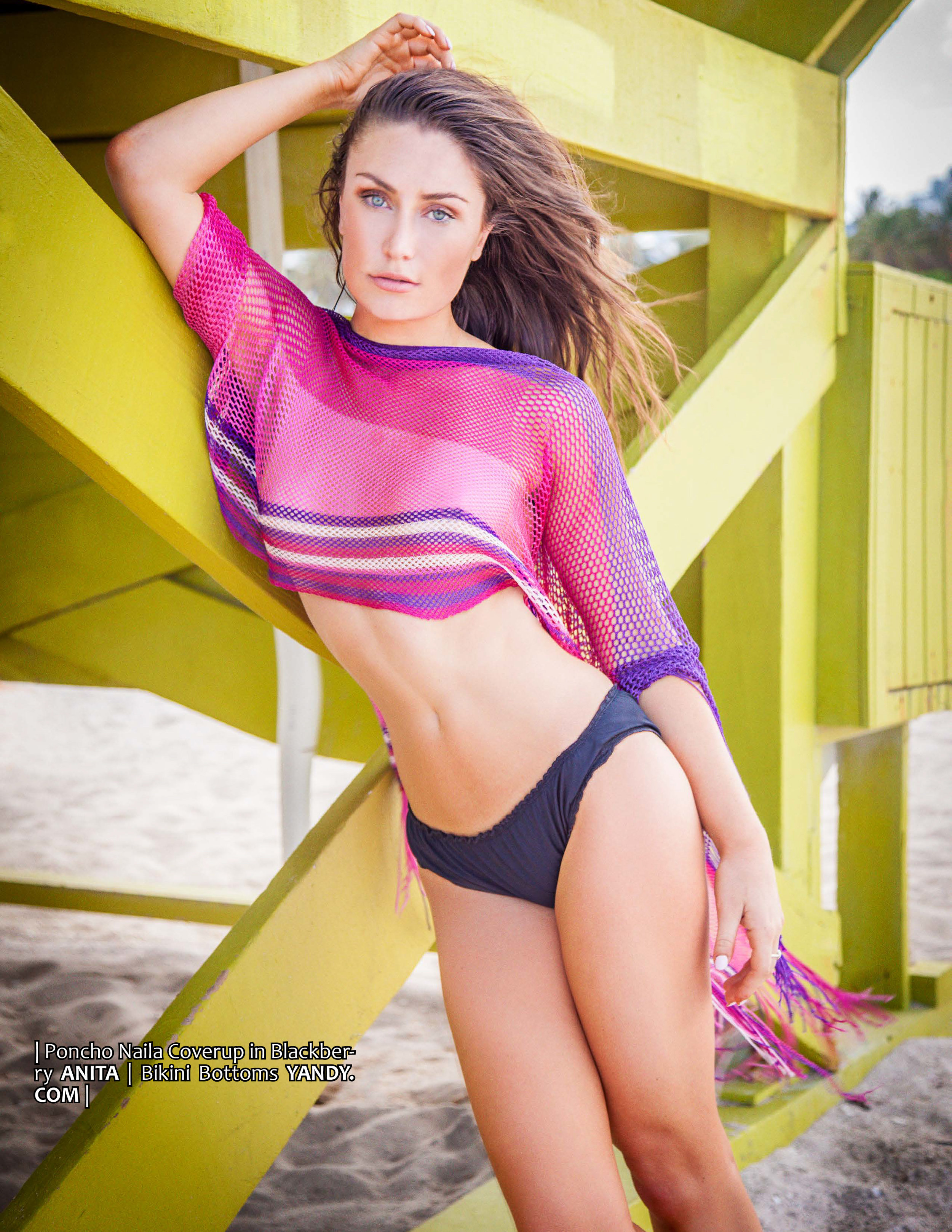
SHOT AT Miami Beach | PHOTOGRAPHY Becky Yee | STYLIST Kimmie Smith | MUA Monique Woodland | HAIR Victor Ortega | MODEL Laura Odegard/THE MODEL SMITH | MODEL Sarah Smith/MC2 MIAMI |
KHAELEN + ALISE



PHOTOS COURTESY | BJ Coleman Entertainment
THE JET
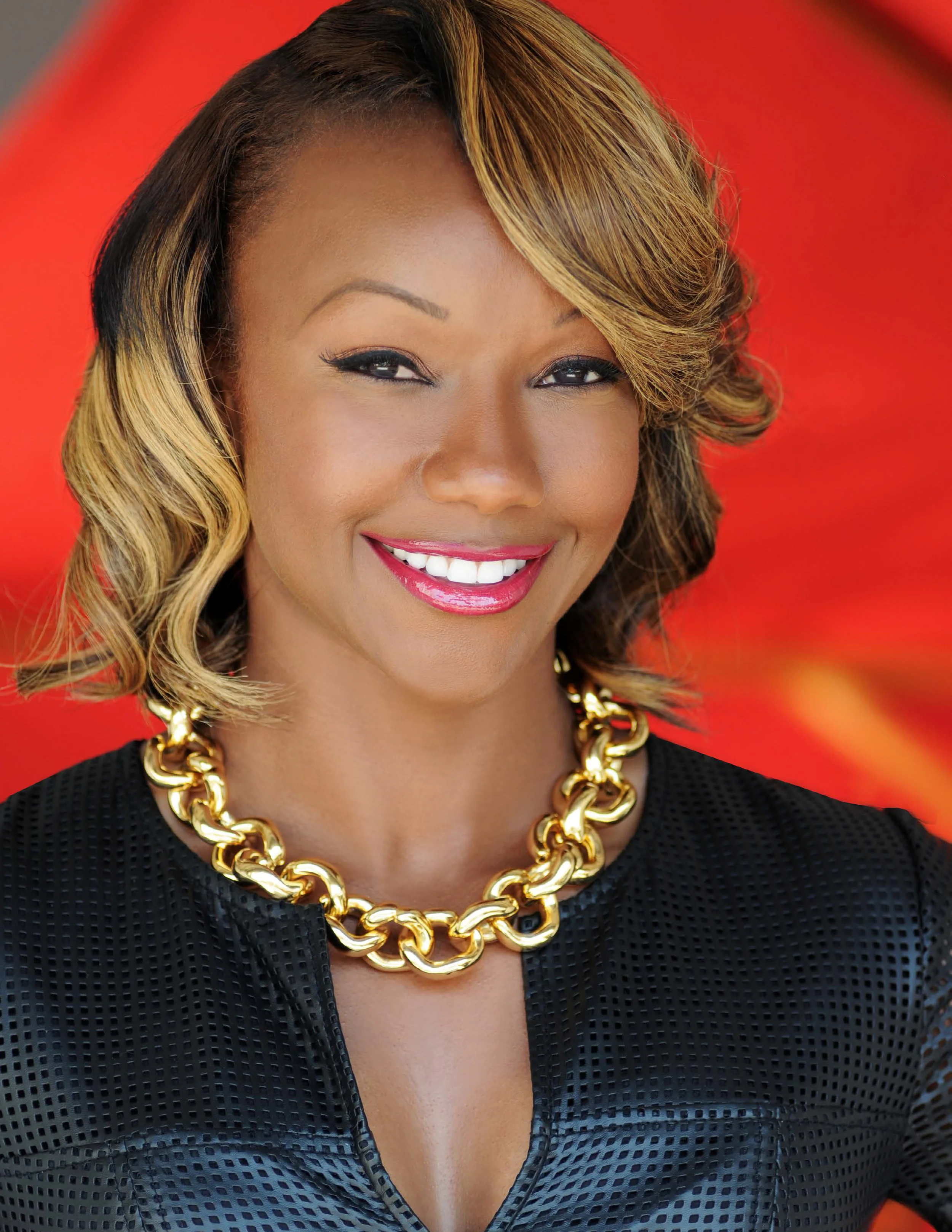
The life of athletes is one of dedication and extreme focus, mentally and physically. They focus on a number of areas to be successful - breaking records, obtaining metals, and establishing their legacy. With the Olympics™ days away, we chatted with sprinter and three time Olympic medallist, Carmelita Jeter.
ATHLEISURE MAG: We know that your athletic career started in high school but what made you want to be a sprinter?
CARMELITA JETER: In the 9th grade, my basketball coach said that I needed to stay in shape and so I went on the track team to do that – it was my only objective. Then I ended up being good and like any person, when you realize that you are good at something – you decide to stick with it. I’m not saying that I wasn’t good at basketball – I was. I just loved the individualism of track and that you took all the credit and all the blame. I feel that the sport builds a lot of character as you have to push, sacrifice, and train harder. It’s not a sport where 4 other people can save you. Starting as late as I did, people thought that I wouldn’t have made it as far as I did. I think that by starting later on, it assisted me in not burning out. I was fresher in the mind.
AM: How was it like when you prepared for your first Olympic appearance and how was it when you were doing so for the games in Rio?
CJ: The first Olympics™ in 2012 – I was coming off of so many great years! In 2009, I ran a 10.64 which made me the second fastest woman ever and the fastest woman alive. I didn’t lose a lot of races that year. In 2010, I came off excelling as well and won a Diamond League Trophy. In 2011 it was World Championships and I won the 100 meters and took 2nd in the 200 and won gold in the 4x100m.
So I had all these great years going into 2012. The momentum was, “ok you’re hot right now” and what are you going to do to stay hot? I was going into the Olympics, doing all of these cover shoots, interviews, and at that moment, everyone wanted a piece of Carmelita Jeter.
Unfortunately, in 2012 my aunt who had been diagnosed with cancer in 2009 passed away. This was difficult for me as I was very close to her. I bought my first home down the street from her – who buys a home down the street from their relative unless they are really close? Her passing in March 2012 was really devastating. I didn’t want to run anymore. My approach had changed. I went from being really aggressive and focused to my coach having to call me to make me come to practice. That shows how bad it had gotten as I didn’t want to go. Before she had passed away, I told her that I was going to make the team. I had to check myself and say, “ok are you really going to fail now and not do what you said you would do?” At that moment, I became a monster and you couldn’t stop me – no holds barred and I was going to make the team!
My preparation for 2016 was different as I was 4 years older. I had torn 2 quads and had a quad surgery going into 2016. I had to change how I ate – I went all organic with Nutrifit. I was fortunate enough to have AquaHydrate supply me with bottles of water. I started physical therapy with Evolution PT in Culver City. There were all these things I did adding Pilates with Pilates Platinum in Venice Beach to my equation. This was my Pinky and the Brain – I wanted to stay healthy and it was my only objective. We all know that mentally, I am just a monster. I can run on one leg. I did it in 2013 and tore my quad that year and still got a bronze metal. My heart and mind was never the question. It was whether my body could hold up. After doing so many years of pounding to it – would it hold up? In that aspect, my everything had changed as I needed my body to stay together.
The week before Olympic trials came, my left quad started to aggravate me and I thought, “you have to be kidding me.” It was devastating because you workout so hard and this time it was an emotional workout more than a physical work. Emotionally, I said that you can do this at 36, but my body was like, “I don’t know boo – I don’t know.” I decided not to run because I got an MRI and it said that my tendon was completely inflamed in my quad. My doctor, Dr Frederick (who is also the doctor for the LA Clippers and Wayne Griffin) gave me the doctor and the friend conversation. The first conversation hurt as he was honest. He said, “if you go out there, you'll make it through the first round and the second one. But when you have to really put your foot down on the gas – you might tear this tendon Carmelita and you’ll be back here and we might have to have a surgery.” That was the doctor conversation and then as a friend he said, I know how hard you work and how tough you are – I know you could pull it off but he didn’t want me to mess my body up forever. For him to have that type of conversation with me let me know how much he cared about me beyond being a doctor and he gave me both scenarios.

It was so emotional, but I called my coach and I cried like my best friend had stolen my boyfriend. He wanted me to come to the trials but I was so emotionally messed up that there was no way I could be there. I stayed home and watched the trials and of course I want Team USA to win. I’m such a competitor and patriotic – I just want to go out there and get it. So seeing this new team get selected – I knew this was the new era. A lot of the people that I typically run with didn’t make it or got injured. It was hard to watch that as well – other runners not making it showed me the reality that this was a changing of the guard moment.
AM: When training for meets, what does a typical day look like?
CJ: Right now I am still waking up at 5:30 in the morning, which is the worst thing as I’m not working out – so I just look at the wall. Usually, my schedule is to wake up at 5:30 and to be out the door by 6:15. I’m in the weight room by 6:45. We would train at Gold’s Gym in Venice Beach, so I would be there from them until about 8am in the morning. That’s lifting weight, power weights, power clinking and then I would drive to UCLA in about 30 minutes and we would start practicing there starting at 9/9:15. I’m out there until about 11/11:30. Then it depended on what I had that day. I would leave practice and go to CryoTherapy (imagine getting into a giant freezer) in LA and then grab food as Nutrifit, would bring my meals every morning so I would have it with me and pop it in the microwave somewhere. I would either head home and relax to get ready for Evolution PT which was about an hour. My day would be done by 1:30/2pm as I tried to keep everything together so that things wouldn’t linger out.
After that I didn’t have anything else to do. I would go to Pilates on Tues night at 8pm – my only day that I did something late. This way I could come home, drink water, and relax. So I couldn’t complain about the schedule.
AM: What was on your playlist during training/working out?
CJ: It always mattered how I felt in the morning. If I woke up and felt the birds were chirping – I’d listen to Maroon 5. I always loved listening to old songs from Aaliyah – something about her voice made me feel calm. If the day was different and I didn’t want to go to practice, I’d have to listen to Jay-Z, Nas, Beyonce, Rihanna. If someone pissed me off – Kanye was always on the playlist and always waiting.
AM: What’s next on your calendar in terms of in the sport and outside of it?
CJ: Right now, I have actually been pretty busy. I’m trying to stick my hand in all kinds of pots! A few days ago I presented an award at the Humanitarian Sports ESPN of the Year Award to one of teams. It was really exciting and my first time doing that and standing up there. It always feels like everyone’s looking at you and judging you to see if you are going to mess up and I was like, “no I’m not!” I really enjoyed that. I have been a professional since 2007 and this year’s ESPY Awards was my first time in attendance! How crazy is that? I’m usually out of the country in July training or competing. So for me to get glammed up and to go – it was a highlight and I’ve always seen it wishing I could be there. Being in the environment and seeing the tribute that they did for Muhammad Ali and hearing his stories that I didn’t know to it’s fullest extent brought tears to my eyes.
I’ve been talking with NBC, and hopefully, I can start commentating with them through the Olympics. I want to do so many things – commentate, do public speaking, talk to athletes, empower women to be freaking amazing and get into acting. I know it’s not easy to do it as like a sport, it’s a craft that you have to focus and dedicate yourself to. I feel that I have the personality to do it. I wouldn’t mind being on a sports panel talking with athletes or a day time show!

I loved that I have been able to get dressed the last couple of days. Many people think that if you’re an athlete you’re just that, but no boo – I clean up VERY well! I’m just excited about so many avenues that I can get into. I really want to be the first woman that can coach in the combine – to coach the guys to run fast in the 40s. I am always trying to set goals to be the best at it. Just like Becky Hammond is the first woman to assistant coach for the Spurs. I want to be the first woman trainer in the combine for sprint. Not just setting it up for football, baseball – I just want to break some barriers. There are so many barriers for women to just smash and I’m just trying to get a bat right now and just go crazy - Lemonade it!
AM: What’s your personal style on the track, when you’re going out, and then for brunch?
CJ: For the track – honestly I never match unless I am doing interviews. As long as it said Nike, I would put it on – it could be burgundy, orange, green. I went to practice as if I was going to work and to get dirty – it was not a fashion show for me. That was my mindset when I got dressed in the morning as half the time I would get dressed in the dark. It was about sportbra, shirt, tights, bag – let’s roll. I had my gear in certain drawers and it was easy to grab. I didn’t put thought in it. Interviews – I was matching from the hats to the socks, in matching Nike.
For red carpet, it matters what the event is – fancy dancy, LA casual etc. If there is a lot of energy and press, I use Noel Smith who has been dressing me for these last two events. I have used her before, but I told I’m really going to need her when I’m truly stepping out. She’s keeping my style as she knows I don’t want to be uncomfortable. I want to be classy and give a little sass.
For brunch, it just matters how I feel that day. I am a vneck and jeans girl. I have 20 – 30 fresh with tags tees on. I will pop one on with a pair of jeans and a blazer and roll. It’s my go to that works with everything. If it’s an event that I have to wear a dress then I will do a flowy dress by BCBG as they always have a number of them that works! For the most part- I’m a vneck/jeans and heel kind of girl.
But it you’re my friend and I don’t care, then I’m going to throw on sweats, a baseball cap, tee-shirt and some high tops and we’re going to eat. It just matters who I’m with.
AM: You have a lot of commitments with friends, family, etc – how do you stay balanced and give yourself the time that you need?
CJ: I just got back from Cancun. I like to take vacations, but I don’t like to be gone for too long so I take a number of short trips. I like to lay on the beach, think, and relax. When I need to just be Carmelita, I like to shop – there’s nothing like a little retail therapy. It can be something small or big but I like to give to myself as I work so hard. I love to be with my family as I love them – we’re like Soul Food. I love the energy and that I don’t have to do interviews or overly smile and play nice. We can talk crazy and it will just stay there and I don’t have to worry about it showing up somewhere. I definitely like people who love ‘Lita (that’s what people call me who know me). I love horseback riding, go carting (I’m a champion) – I love being active and things that have nothing to do with track. When you come into my home, there is nothing in there that lets you know I run track and I like that I can open the door to my house and have that serenity now feel. Now if you go into the garage, that is something different!
Featured Olympics





Read more from the July Issue
Pictures courtesy of Nastia Liukin
HER ROAD TO RIO
The Olympics™ are just around the corner and in addition to seeing our favorite athletes compete, it's also a great time to see former Olympians who have taken on new roles. We spoke with Nastia Liukin on the road during the Olympic Trials to talk gymnastics, commitment and her role as a commentator for NBC during the games at Rio!
ATHLEISURE MAG: Growing up in a family of Olympians, how did this craft your interest in the sport and how did you get into it?
NASTIA LIUKIN: Well, believe it or not, my parents didn't even want me to do gymnastics. They knew how hard it was and they just wanted their one and only child to be happy. But for me, my happiness came from gymnastics. I never wanted to leave the gym. I fell in love with the sport at such an early age.
AM: As someone who trained from an early age, how did this affect your outlook on life in terms of commitment, dedication etc?
NL: Commitment and dedication where both two major factors that helped me achieve my goals. Ever since I was a little girl, I knew I had to be committed in order to achieve those dreams. Nothing would be handed to me. I was never the strongest gymnast, so I had to work extremely hard on conditioning in order to perform a lot of the skills.
AM: What was your training like heading into the 2008 Olympic games and how did you maintain balance while you were at the games?
NL: Training heading into the 2008 Olympics ™ was pretty intense. 7 hours a day, 6 days a week (sometimes 7 days a week) depending on the competition schedule. I really didn't think or do too much else besides training, physically therapies, extra cardio or conditioning. My life revolved around the Olympics that entire year, and most years as well. But specifically 2008.
I didn't want to look back in September of 2008 and think what if, what if I would have trained more, done more routines? Those thoughts started to haunt my mind, so I made sure to not let them creep into my mind too much.
AM: As an athlete, you never know where your career will go, since then you have created clothing lines and been a spokesperson for other brands, how exciting has that transition been and do you have other projects coming up that you can tell us about?
NL: To be honest if you would have told me that 10 years ago, I would have never believed you. I started gymnastics because I had such a huge passion for the sport. It was never to make it a career or build a brand, or even win gold medals. I loved flipping, and learning new skills. It all gave me a thrill. Now at 26 years old, I look back at everything I have done and continue to do and am so thankful for it all. But, I do have to say it hasn't all been handed to me. I feel like it’s a full-time job trying to continue doing what I’m doing with my career and I’ve had the chance to work with some amazing people in the industry that have helped shape my career into what it is now. I am working on a few projects that I’m so thrilled to be working on, but for now I have to keep them a secret.
AM: We've listened to you commentating on the Men's and Women's Gymnastic Trials and know you are doing this throughout the games, how exciting is it to be the NBC Commentator for Gymnastics?
NL: I was so honored when NBC offered me this role. To be able to continue being involved in something I love so much has been incredible. It has definitely been a learning experience and with each time we are on air, I learn more and feel a little more confident. This is now my fourth year, but there is nothing like an Olympic™ Games. So I’m extremely excited for Rio!
AM: Going into Rio, who are your favorites for the US Men's and Women's team that you can't wait to see - who should we be watching out for?
NL: Simone Biles, without question, is the heavy favorite on the women’s side. She has the chance of winning 5 GOLD medals in Rio. Aly Raisman and Gabby Douglas are trying to make their second Olympic™ Team and have a great shot. So it will be a very fun competition on the women’s side.
On the men’s side, Sam Mikulak is the favorite for the US. He is the 4 time National Champion going into the Rio and will be competing in his second Olympic™ Games.
AM: As a gymnast who has competed on the Olympic™ stage, do you share any words of wisdom to the gymnasts that you share with them when you've been traveling with them?
NL: Most of them don’t need too much advice. They are more prepared, physically than they will ever be in their lives. But mentally, it’s important to stay calm and treat it like any other competition. Also, enjoy it. It goes by so quickly, you blink and it’s over.
AM: What are you looking forward to in Rio (whether within the gymnast category or outside of it)?
NL: Definitely the gymnastics but also getting a chance to see the other sports. When I was in Beijing, I didn't get that chance to go to other events, so I’m looking forward to that. I also love trying to experience the culture of every city/country I visit.
AM: What's it like when you've been on the circuit with the gymnast as a broadcaster?
NL: Well the current group of athletes I’ve known them and even competed with most of them. So I really have to remove myself from being friends with them and just do my job as an analyst. Of course I’ve been in their shoes, so I know how it feels when someone is a little too negative or could say something that really puts you down. I feel like there is a difference with analyzing something, even if it’s a fall, and being negative.

AM: What do you do in terms of your personal training and how is it different than when you competed?
NL: Well it’s definitely quite a bit different now. I used to train 7 hours a day, 6 days a week. Now I workout about 4 times a week for about 30-60 minutes, depending on my schedule. I’m on the road a lot so that makes it difficult, but not impossible. I love mixing it up. Pilates, yoga, spinning, circuit training.
AM: How do you stay balanced with your busy schedule to ensure that you take the time that you need for yourself?
NL: I always make sure to take time in the morning, even if I have a busy day ahead. I like waking up extra early to have my coffee, get in a workout, even if it’s only 20 minutes. That keeps me balanced and make me feel great the rest of the day too.
AM: What's your personal style (items that you would wear when running errands, heading out to brunch and/or for a night out on the town)?
NL: As much as I love dressing up for events, red carpets and photo shoots, my day to day life is definitely athleisure wear. From the gym to running errands to brunch, I love Stella McCartney for Adidas. She’s one of my favorite designers both in the sports world and fashion world.
Featured Olympians
Read more from the July Issue

PHOTOGRAPHY COURTESY | DJ AM Estate
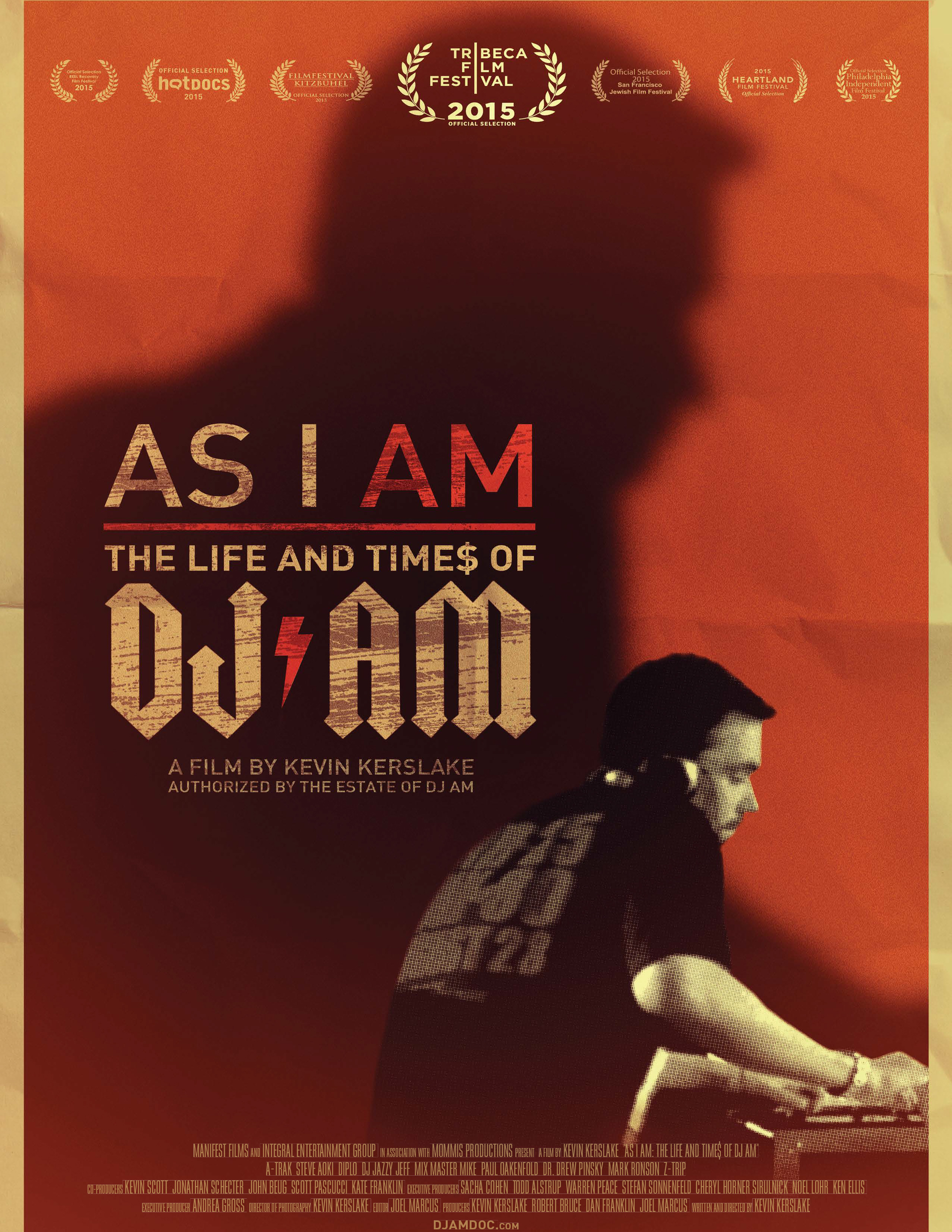
AS I AM: THE LIFE & TIME$ OF DJ AM
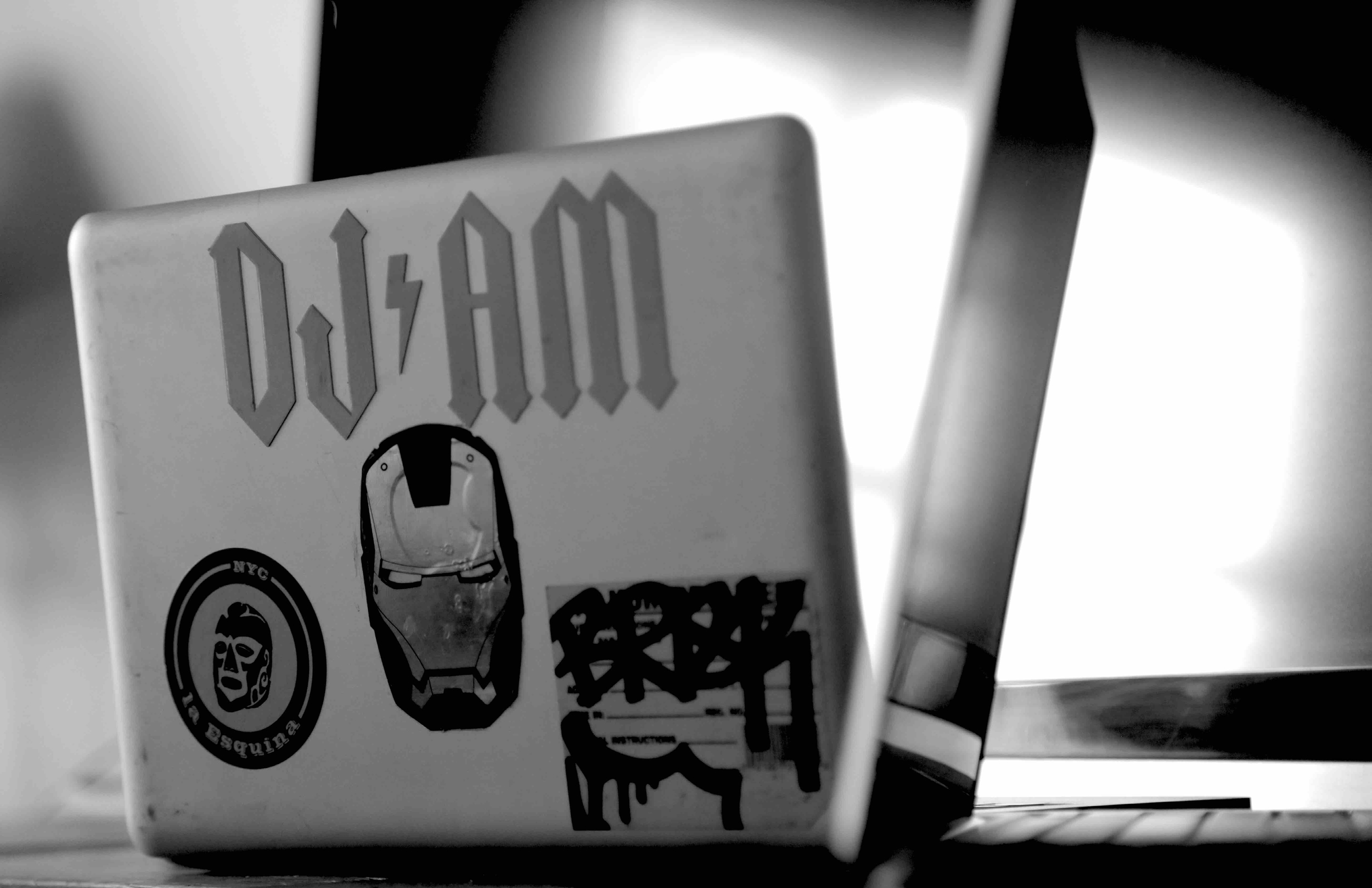
'AS I AM: THE LIFE AND TIME$ OF DJ AM' looks at the meteoric rise of Adam Goldstein aka - DJ AM. He was a talented DJ and changed the game by increasing the payscale, establishing the field in the celebrity world and more. While he created a platform, he never forgot his friends and those that he felt made him better as a professional. He truly believed his mantra of "starving the ego, to feed the soul." But behind the fame, he was a man that coped with his own issues rooted in his sense of self and escaping deep unresolved portions of his life.
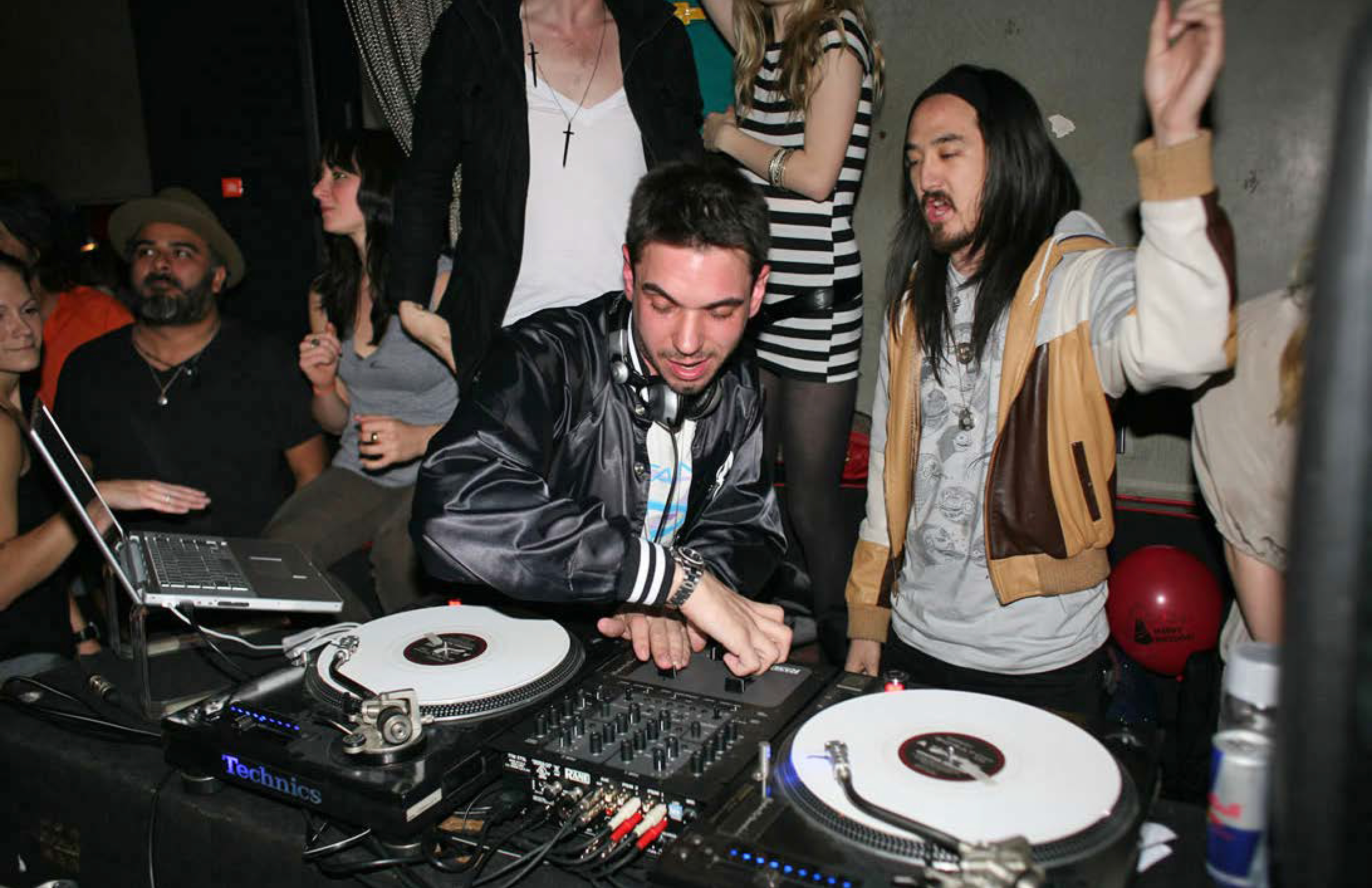
In addition to telling the story of DJ AM from birth to death and his love of music as a genre, this film has a number of interviews with luminaries in the industry whom he worked with: Mark Ronson, Samantha Ronson, Steve Aoki, Paul Oakenfold, Diplo, and A-Trak to name a few.
Throughout the film, you hear from DJ AM himself talking about his influences, his performances and thoughts on the DJ world at large. More importantly, you see how he amassed his empire as a seven-figure DJ which, included collaborations, appearances in films, co-founding a DJ management firm, Deckstar (co-owned by Steve Aoki) and his work in DJ Hero.
We sat down with producer/director Kevin Kerslake (who has produced a number of music videos that include Nirvana, Joan Jett, Red Hot Chili Peppers, Stone Temple Pilots; documentaries, live productions, mini-series and more) to find out about the monumental task of creating this documentary, what he aimed to achieve by releasing this film and the greater message at large that he wants to provide to DJ culture, fans and others that are struggling with demons.
ATHLEISURE MAG: When did you realize that you wanted to take this project on?
KEVIN KERSLAKE: It's funny - Adam lived the life of 10 men in half the time that those men get. He died at such a young age and there was a lot of story to tell. And as you know, in a film, you don't have a lot of time either. But there are so many aspects of his life that are alluring from a film/story standpoint. Historically, he changed the game in music and culturally. All of those various components are enticing and would be to any filmmaker.
But the thing that pushed me over the edge was that we have lost some really incredible people over the years to this deadly cocktail of fame, celebrity and substance abuse. Andrea, AM's mom, had reached out to me a year before, and at the time I said no as I was concerned that since she reached out to me then I wouldn't be able to tell the full story and the truth. Ultimately, I lost a friend and it felt like we couldn't keep having this story happening. I went to AM's mom and said that we have the power to help stop that streak of great artists that are lost to the world. I let her know that I was on-board as long as we told the story and the truth from the inside and the outside. As long as I could tell the story and get final cut without having to sugar coat it, then I was on board to tell the story. AM lived such an explosive life that I think the personal life of someone is what turned the corner for me.
AM: How close were you to AM when he was alive?
KK: My interaction with him was purely professional as I did all the film and video for Insomniac. Adam played their events so our encounters were strictly backstage and I never hung out with them. I actually think that although I knew his past and certain facts of his life - it was in your face (tabloids, journalism and as a figure in the music world), that objectivity that I had is probably what made the film more legitimate in a way. Even people who knew him didn't know certain aspects of his life because he didn't share it with them or they didn't care to know/ask. The logical aspect of this, in terms of doing research and being able to go into it without a personal agenda, is pretty critical for any filmmaker I think.
Even when there are stories that I have been asked to tell, I know my own limitations when I have known the artist. It's like talking about your own family member. You get blind to certain truths that are important to share.
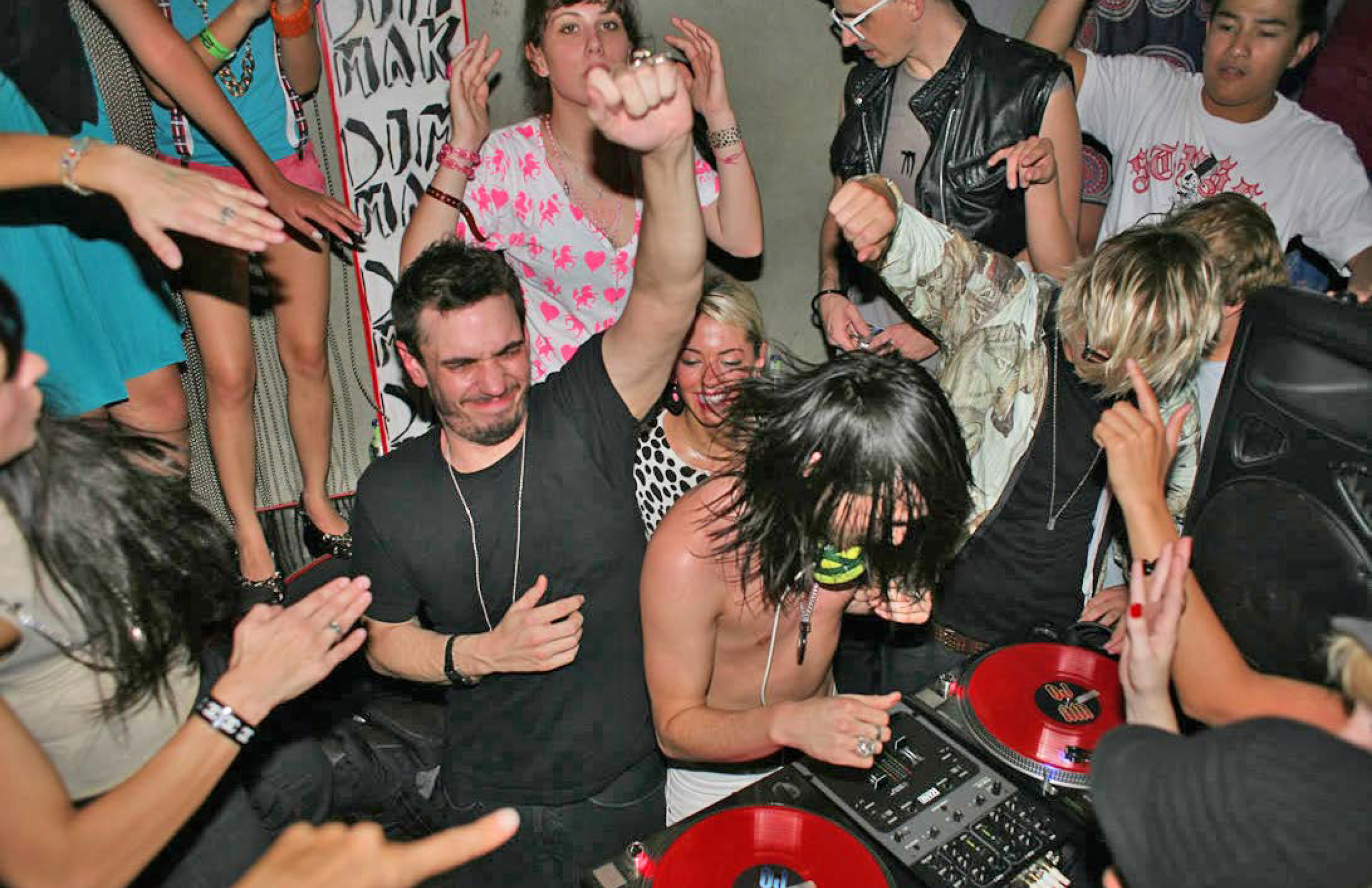
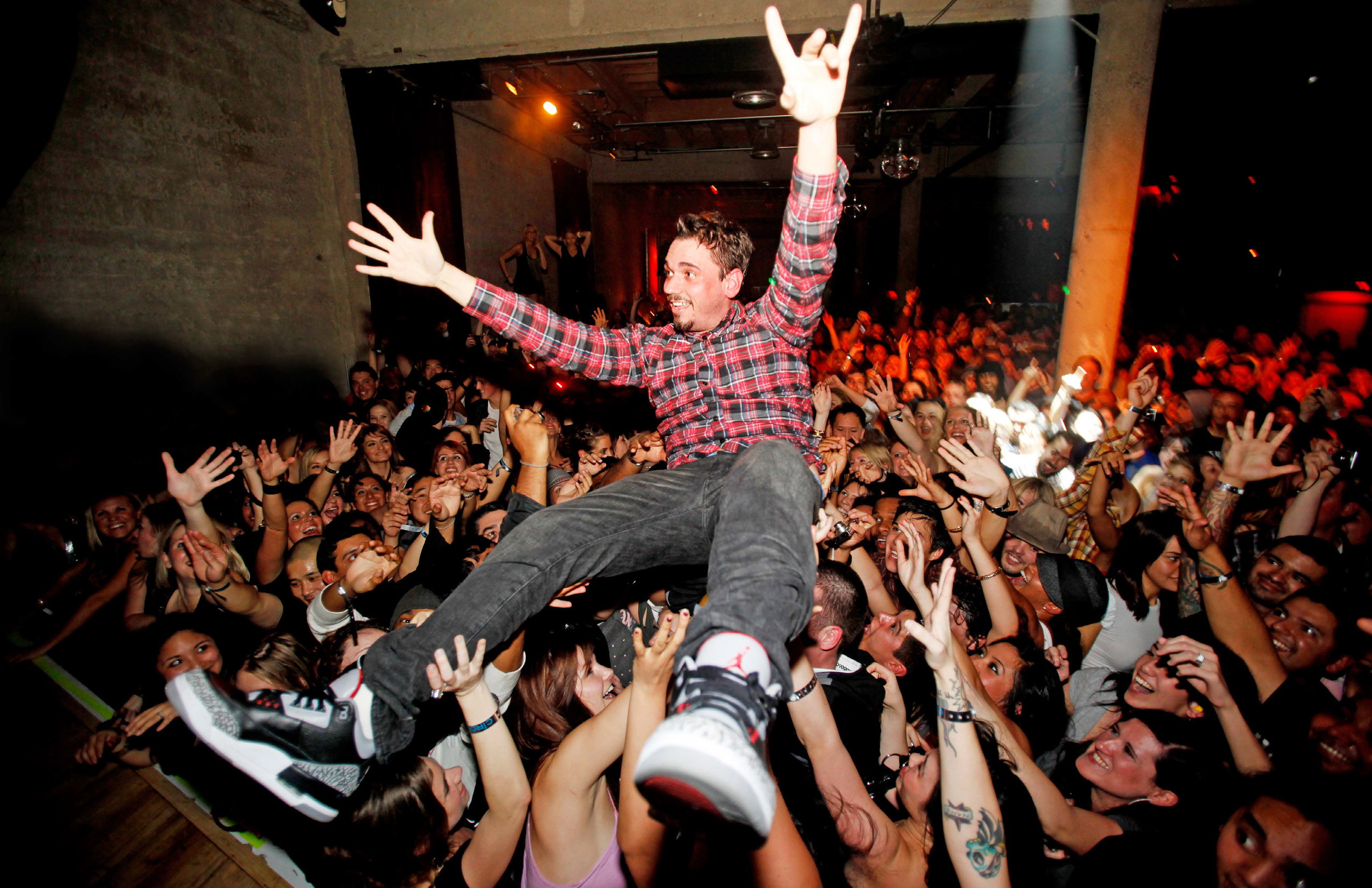
AM: There is so much information when you're watching the film as a lot comes from him, how long did it take in terms of pre-, production, and post?
KK: To the day, it almost took 4 years to make! The first thing we did was to go through his laptops and desktop. There was so much material that we estimated that in the end we had over 100,000 stills, 10,000 video clips, 100's of mixes, letters and text messages that he had saved. In a sense, there was no pre-pro we just put things together. Documentaries are made in the edit. They don't follow the normal production pro- cess. You just start putting things together. Early on, we were given an audio element that was critical to the story. It was the Share that he did on his 11th sober birthday.
AM: Seeing that audio run through the film really struck us, we didn't think that people could have access to things that are said in Alcoholics Anonymous meetings.
KK: Adam put a recorder in his pocket and he did a Share at the meeting. He really tells his story. This film is really DJ AM from the inside- out. He narrates his own autobiography and like you, I thought that this might be (due to anonymity in AA) crossing a threshold. But in further research, I found that there was an entire network of Shares that were available. People who were unable to attend meetings but needed the inspiration that they provided could access them from downloads online to get the assistance that they need.
AM: In addition to his Share, the meditation video was another dynamic element in the narrative.
KK: It's funny, when you see these relics of what he used to bring him peace, they are very evocative of his state of mind. It showed what he yearned for that he didn't have living a life on the road or in the city.
AM: Documentaries pay homage to the person but, you see DJ AM providing tributes to a number of his friends within the DJ world is that something that you planned?
KK: What that said to me was, that he cherished his relationships and was a man for others. He was selfless in that regard. It tells you a lot about someone when you know who their heroes are. DJ Jazzy Jeff was really a central figure in his life. Just as a fan and someone who just has a great heart and is so solid.
AM: What do you think of what AM would think of the state of music now for DJs and doors that he opened?
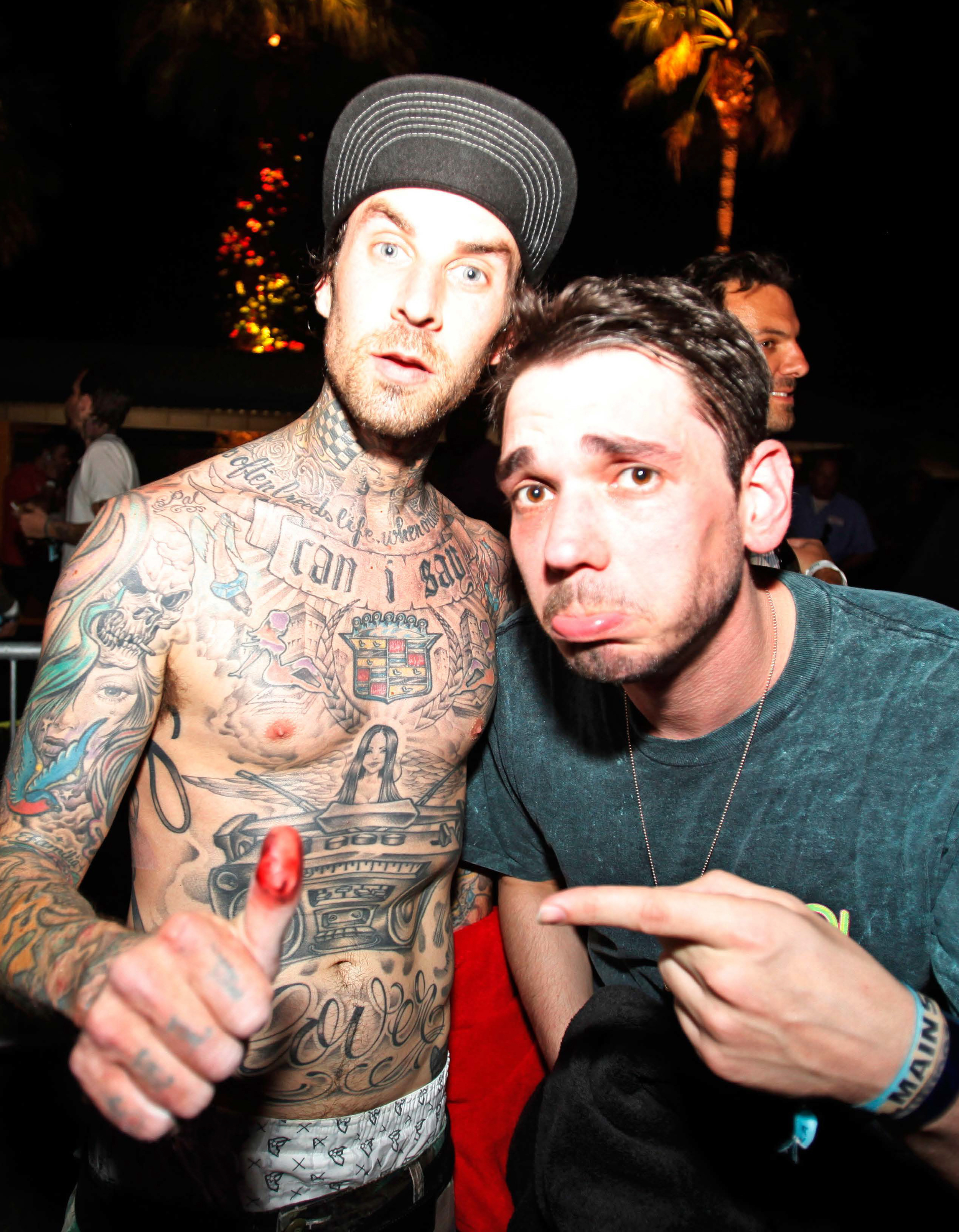
KK: There is some speculation involved of course, but I think that people are pretty dialed into him within the scope of the music industry. He would be one of the biggest DJs on the planet still and would have gotten into production. He would have followed where that world was going when DJs started to produce more. Who knows where the Travis Barker and AM collab would have gone. Would they have added more people in the band? Would it have been more of a visual spectacle? That's more speculation too.
I think that what impressed me about Adam is, he was just a fan of music and I think that his ability to see the virtues of all sorts of genres, the power of music and how it was able to bring people together and move people. I think that would have continued on. The dark underbelly of that is what DJs are doing. A lot of sets are preprogrammed and maybe he would have been able to highlight some of the weakest aspects of where DJ culture is going and to arrest its slide into a bit of a robotic sense.
AM: What were your goals in creating this movie and how did that correlate to the expectations of those within the DJ culture and fans at large?
KK: This film exceeded my expectations, to be honest. My intention was to dive in and tell the truth and the whole story of AM, his musical impact and import as well as the story of his personal life. Once we got into certain periods of his life and found out there was an episode or circumstance that he had to plow through - they entailed a lot more adversity than what I was aware of and even his family and friends. Once we uncovered his secret stuff, the story took on great dimension and in the end you have a real sense that you know him and that you have lost a friend. It's someone that should still be here walking amongst us.
When you do a film, it involves a lot of things. Obviously, it includes story, structure, tone, laughs, tears and all of that. I think that my intention was to hit all of those different corners in AM's universe, but to do it in a style that had a certain fidelity to what he did musically. The film is a mashup in its own right and could pinball all over the map with a velocity that he spun. I feel that the film does that and with what I am seeing in terms of the reaction to the film, it's super rewarding.
AM: As the person who dedicated 4 years to the film - what do you do after this - take time off or go into the next project?
KK: Throughout my career, I have been fairly promiscuous with style. I can go from a miniseries to a music video to a documentary to a commercial to still photography. This is the longest time that I have been on a single project. It's also the most difficult job I have ever done politically, emotionally, financially - it brought everyone (especially me) to their knees.
In the past few years, we started putting the finishing touches on it to get it out to the world. I have been working on various projects as well. Releasing a film entails a lot of work as well and it's not like I am not working on it anymore. Now that we made it, it's making people aware that they can see it and share it with friends. This is less a commercial venture than extending Adam's legacy forward and it takes work and we're still working hard on getting it out there.
-----------
If you have yet to see AS I AM: THE LIFE AND TIME$ of DJ AM, visit their site to see where it airs in your city as additional theaters will be added throughout the summer.
Read more from the June Issue
Featured Celebrities



BACKGROUND PHOTOGRAPHY COURTESY | iStock
#SUMM3RFRIDAY + ULTIMATE #SUMMERFRIDAY CANCUN GIVEAWAY
Throughout the summer, we're doing a number of weekly giveaways. We kicked it off during Memorial Weekend and we will continue on through Labor Day Weekend! Each week you and two friends will win a lifestyle package that all three of you can enjoy via our weekly #SUMM3RFRIDAY giveaways for our fans in Miami and NYC.
Don't forget that throughout the summer, you can enter to win a trip for you and two friends at the all inclusive Moon Palace Golf and Spa Resorts in Cancun, Mexico. We will select a winner for the ULTIMATE #SUMM3RFRIDAY on Labor Day (ground transportation, airfare, etc are not included). Make sure to visit the links for eligibility for each of the giveaways.
Read more from the June Issue

PHOTO CREDIT | Christina Emilie
GRAZE ON THIS
Around the offices of Athleisure Mag. we're always on the go checking out locations, coming back from set, or just being out and about. When you don't know what your schedule will be like or you need positive protein around you, Graze becomes the perfect item to include in your bag! We love that once you purchase a box, you receive 8 pre-packaged containers that include a mix of sweet and savory. The individual containers let you know what it is, the ingredients, calories etc. Whether you wish to share or eat alone, this is the perfect healthy snack that can go from work, the gym, your flight and more. You're bound to have some serious favorites and you can order and gift these boxes within the regularity that works for your lifestyle!
Photo Credit: Christina Emilie
Read more from the June Issue

PHOTOGRAPHY CREDIT | Moon Palace Resorts Golf + Spa Resorts
WIN THIS | YOU + 2 AT MOON PALACE RESORTS GOLF & SPA RESORTS
We're thrilled to announce that yesterday, we kicked off an amazing giveaway via our partnership with Palace Resorts. From now through Sept 5th, you can enter our giveaway. We will select one winner who will be able to bring 2 friends (all 18+) with you to enjoy a 3 night/4 day stay at Moon Palace Golf and Spa Resorts in Cancun within a one (1) Deluxe View Room.
On Sept 6th, we will select one (1) winner at random. Please note that the giveaway includes one (1) Deluxe View Room (all three of you would enjoy staying in this room), access to the amenities of the all-inclusive elements of the resort (this does not include an array of amenities and activities that have additional fees, ground transportation to/from the airport including your home as well as the resort nor is airfare covered to/from the resort).
For more details about entering this giveaway as well as information on what this trip entails click here to find out about the ULTIMATE #SUMM3RFRIDAY. You can still enter to win our weekly giveaways via our #SUMM3RFRIDAY series as we kicked it off during Memorial Weekend through Labor Day Weekend.
FIND OUT MORE ABOUT ULTIMATE #SUMM3RFRIDAY
ENTER ULTIMATE #SUMM3RFRIDAY
WEEKLY #SUMM3RFRIDAY

PHOTOGRAPHY COURTESY | iStock
WIN THIS | SUMM3RFRIDAY WEEK 2
The second week of #SUMM3RFRIDAY giveaways kicks off - congrats to last week's winner! This week is another grouping of brands (some will flow throughout the season and others will pop in depending on the week). Click the above link to enter and remember, the 1 winner that is selected will also be able to gift 2 of his/her friends. Each week, we will have 1 winner in NYC and 1 in Miami. Each city may have different partners who are participating in that week's giveaway.
This week's giveaway includes BCBG Max Azria, Dove, The Loop and Victorinox.




Read more from the May issue


IN OUR BAG - SUMMER WEEKENDS
The unofficial Summer Weekend starts on Memorial Weekend. That means heading to the Hamptons, Malibu and more for long weekends. All you need are the perfect go to items to keep you looking refreshed. As always, we have a few items that you need to pop onto your list if you have yet to do so!
| Voyager Weekender EDDIE HARROP | Optic White High Impact White Toothpaste COLGATE | Optic White Toothbrush + Whitening Pen COLGATE | Lisse Luxe Hair Turban AQUIS | All Bright Cleansing Face Wipes BOTANICS | HubPlus MYCHARGE | Gravity Mud GLAMGLOW | Blister Plasters COMPEED | Sea Lily Jasmine Sugar Scrub MAYFAIR SOAP FOUNDRY | Final Spritz Body Mist Lavendar Fields YOU ARE AMAZING | Acai Berry Lip Balm BURT'S BEES | Screen + Device Cleaner WHOOSH! |
PHOTOS COURTESY | Mike Dunn
TRAILBLAZERS - MIKE DUNN
Athleisure Mag tapped technology icon, Mike Dunn to start our new series on Traiblazers, devoted to giving a spotlight to innovators that rock the boardroom and hit it hard in sports, and lifestyle activities while on trips or away from work.
Mike's background is truly impressive, he has more than 30 years experience scaling top technology platforms for fast-growth companies. He is currently the Chief Information Officer of VER, a leading global entertainment services company. He was CTO of TrueCar, helping them to go public in 2014. Prior, he served as CTO of Hearst Interactive Media, the venture capital arm of Hearst Corporation; Corporate CTO for Time Warner; founding CTO for Dell Online; and technology executive roles with Turner and Hanna-Barbera. Mike makes frequent public speaking appearances on such subjects as technology due diligence, the semantic web and online video technologies.
ATHLEISURE MAG: What got you interested in outdoor activities and how often do you get to do them?
MIKE DUNN: I grew up an army brat, living on numerous bases around the world, including the West Point. I spent lots of time outdoors as a kid, since the officer’s neighborhoods on bases were pretty safe places for kids. West Point is a very wooded campus, with tons of hiking trails, so I got into hiking and exploring at a very young age.
I try to do some form of outdoor activity multiple times a week. My favorites are mountain biking, snowboarding, hiking and surfing.
AM: What are your favorite activities and what were the difficult aspects learning them?
MD: I started surfing when I was 12. When my dad did his second tour in Vietnam we lived in Hawaii and then he was stationed there right after, so we ended up living in Hawaii for over 5 years. Normally we moved every 3 years. I took to surfing quickly and it came naturally. I loved the power of the ocean, and the adrenaline rush that came with surfing, especially big waves. I also use to ride my banana seat bike all over the dirt trails around the island of Oahu, a precursor to my mountain biking passion.
I started mountain biking in the 80’s when I lived in Los Angeles. I was playing ice hockey at a pretty high level and riding a bike to stay in shape between practices and games. LA streets didn’t have many bike lanes back then so it was really dangerous on the roads. I saw one of the early mountain bikes in a local bike shop and decided to get one to get away from cars. It was a rigid steel framed bike with no shocks and cantilever brakes, it's very old school compared to today’s modern mountain bikes, but so much fun to explore LA trails.
Snowboarding I picked up later in life when we moved to New England, but it came pretty easy to me, given my surfing background, so I progressed quickly. I was mountain biking from the spring to fall but only playing hockey in the winter and I was looking for something to fill the adrenaline and exercise gap.
My two boys were little and they also took to snowboarding quickly. It's a great family sport because you spend time in the car getting there, time in the cabin together and then on the lifts. We love it. All three require a lot of practice and commitment. Speed and balance are critical but so is managing progression, thus it's not about getting ahead of your capabilities. The gold medalist Olympian Ross Powers held a camp in Vermont every spring that my youngest son would attend. Ross coined the phrase “easy stylin'” to remind kids to progress with your abilities while still challenging yourself to improve. It’s a great lesson that works for all the extreme sports I love.
AM: What are some key and advanced skills and mindset needed? How long does it take to hone in on these skills?
MD: All three of these activities require an understanding of the natural elements. So being aware of conditions and your surroundings is key to your safety and enjoyment. The other important similarity is they require single-minded focus. When charging a wave or trails, you cannot be thinking about anything else.
AM: What advice do you have about learning in general?
MD: I’m always learning new things and trying to improve, both in my career and my outdoor pursuits. Listening to experts, researching and trying new ways to do things that improve your abilities, whether at work or play.
AM: What types of mountain biking do you enjoy most? What trails and courses do you love most?
MD: When I lived in New England, I loved riding the hilly technical terrain, wet slippery rocks and roots. Now that I'm back in SoCal, it involves much more climbing to descend. I still like technical challenges, so I do some technical all mountain trails as well as #xc. I don’t really do bike parks anymore, the rush of catching air off of big jumps - I’ll leave for younger riders. I do like going fast, so love finding trails where you can let of the brakes and go for it.
AM: How often have you had the opportunity to enjoy recreational/outdoor activities when travelling? What have been your favorite? What are on your bucket list to go do and explore?
MD: My favorite resort is Whistler. I’ve been there snowboarding, but not for mountain biking yet. I would like to go back one summer. New Zealand is a bucket list location that I’d like to visit since it’s got world class surfing, snowboarding and mountain biking.
AM: Do you measure performance, progress, and personal bests when going out and riding? What is being in the zone for you?
MD: I track myself snowboarding and mountain biking. How many laps, distance, vertical, speed, heart rate are all great data points to understand, measure and learn. In the zone is about focus, being completely in the moment for the activity. Usually, it’s required so that you’re safe, so if you’re distracted then something may go wrong.
AM: What bikes and gear do you use and what’s on your wishlist?
MD: I ride Niner bikes. I have a hardtail steel cross country bike that’s great at climbing and can descend all, but the most technical trails. Then I have an all-mountain (#enduro) full suspension long travel bike that climbs good for its size but can descend at speed any trail except possibly a jump line at a bike park.
I use flat pedals and wear five ten shoes which I think are the best #mtb shoes made. I like gear from Alpinestars and Fox a lot so I tend to wear their kneepads, shorts, shirts and gloves. Kali Protectives is the helmet I like, their enduro model has saved me many times. Falling is a part of the sport. I also wear a helmet snowboarding.
AM: What were the best experiences you have had?
MD: A trip I took with my youngest son to Whistler years ago was amazing. Today, I get to mountain bike with him a lot in SoCal, so that’s pretty cool too.
AM: What do you love about nature, outdoor activities and adventure seeking?
MD: Doing fun stuff in nature, especially mountains. For me it's about life-balance, escapism, seeing beautiful places with amazing vistas.
AM: What was one or two of the most breathtaking views you had?
MD: Whistler is incredible, but so is Stowe in Vermont, Sugarloaf in Maine and Tremblant in Canada. I’ve never been to the top of a mountain that didn’t have a view I loved as the prize for climbing it.
AM: Have you had any bad falls? What went through your mind?
MD: Oh yeah, I’ve had many. My favorite doctor used to tell me he’d much rather treat an active lifestyle, than a sedentary one. Most recently I endo’d on my mtb while navigating a technical section at to high a speed last summer and broke my collarbone, which required surgery to put in a titanium device. I was off the bike for 8 weeks, but started riding a stationary bike after a week to keep up my conditioning.
I’ve had to have 80 stitches to close up a gashed open thigh and over 50 micro-stitches to re-attach an ear from surfing incidents and I’ve broken my ankle snowboarding. These are fast contact sports.
AM: Who are your inspirations in recreational outdoor sports? Who would you want to share adventures with?
MD: I’ve been lucky enough to be around a lot of top riders and surfers over the many decades I’ve been doing them. Jake Burton, John Tomac and Derek Ho are favorites from each sport.
AM: Have you changed your diet to help your performance?
MD: I’ve been a vegetarian for over 35 years. I’m very regimented in what I eat and drink before, during and after any extreme activity. It helps me with endurance and recovery. I always drink a lot of water and I’m kind of a beer snob, so I never drink mass produced beer, but I do enjoy a good local craft brewed libation.
AM: Do you wear any wearables or smart clothing when riding or doing other sports?
MD: I’ve used iPhone apps to track my #mtb and snowboarding for years. Strava with a heart strap helps me understand my performance zones, plus I also use my watch health app to see at a glance what my heart rate is in real-time.
AM: Do you see new technologies impacting the sports?
MD: HUDs are entering into goggles for snowboarding, but I don’t think I’d welcome the distraction in a sport that requires so much focus. I have a heads up display on my car and even it can get distracting. VR for trail knowledge and exposure, especially for enduro and dh makes a lot of sense. New safety technology, such as helmet designs to reduce head injuries and soft pads that get rigid on impact but don’t cause restriction during normal use are very welcome.
AM: What are some of your core principles for well-living?
MD: Live a balanced life, food is fuel but can also taste good, drink lots of water, have fun.
AM: How do you maintain work-life balance? How often do you get to enjoy adventure activities?
MD: I try to ride between 40-60 miles of mtb a week. I do this by either riding early or at night during the week and then get in two longer rides on the weekend. I try not to go more than two days without riding. My vacations are usually used for snowboarding or mtb.


SAFE SUN Q&A
Temperatures are beginning to rise and layers are sure to come off; however, SPF is not a seasonal topic only! We sat down with Rebecca Kazin, MD, of the Washington Institute of Dermatologic Laser Surgery and the Johns Hopkins Department of Dermatology to chat about Safe Sun, UVA/UVB.
ATHLEISURE MAG: Why is Safe Sun important and what does it mean?
REBECCA KAZIN MD: As people start to have more outdoor activities on their agendas, you need to be aware to protect skin now, and all summer long - whether you are exercising outside or at the beach. Being aware of the the dangers of sun exposure for both skin cancer and aging concerns is paramount to protecting yourself. Sun safe means taking protective measures when spending time outdoors to shield skin from direct UVA/UVB exposure.
AM: What should we look for what it comes to picking the best protection from the sun?
RK MD: Always choose an SPF of at least 30. SPF 30 is as high as you truly need as long as you remember to apply every 2 hours. If you have sensitive skin, physical blocks tend to be less irritating to skin. If you choose a chemical block, Mexoryl is a good UVA blocker in Anthelios.
AM: Do you have brands to suggest that we should have within our sun protection rotation?
RK MD: La Roche Posay Anthelios is a favorite. I also like Elta MD and SkinCeuticals Matte UV Defense SPF 50 because it goes on matte. For drugstore brands, I like Neutrogena.
AM: Is there any pre and/or post prep needed when you're spending time in the sun?
RK MD: Ideally, you should apply your sunscreen 1/2 an hour before sun exposure.
AM: What are your thoughts on suncare products that are edible that are meant for providing "natural SPF" such as Heliocare?
RK MD: I'm not sure how sophisticated this technology is right now. It needs more study to determine what level of SPF protection this is providing and how it would compare or integrate into our topical sunscreen use.
AM: Beyond topical care, what other ways can we have the benefits of SPF beyond creams and sprays?
RK MD: Sun protective clothing - hats and swim shirts. I like Coolibar for clothing with SPF woven in.
AM: How can we treat eyes, hair and nails to ensure that they are protected?
RK MD: Sunglasses, hats and extend SPF coverage to your fingers and hands.
Embrace Hat Hair - The scalp is skin too and needs protection from UV rays and DNA damage. The best way to keep your scalp (and hair) safe is by wearing a hat – floppy brims offer good coverage for the face too.
Switch Up Your Part – Make sure you cover your part when you’re out in the sun and try to alternate the way your part hair from day to day to avoid one area soaking up all the sun exposure.
Explore UV Fabrics – If you’re a beach bunny, try a hat with built in UV protection from a brand like Coolibar.
Cancel Your Bi-Weekly Blowout - You may think that hair acts as a protective layer over your scalp in the summer, but your strands are susceptible to sun damage, too. Cumulative exposure to damaging UV rays causes hair to be brittle, break easily, and leaves it dehydrated and unmanageable. Give your hair a break between blowouts, especially in hot, humid weather.
Style Smart - If you must heat style, use a leave in conditioner and don’t blowdry or iron your hair without using a heat protectant first. For summer, I like the Phyto Phytokeratine Repairing Thermal Protectant Spray. It is easy to use because it is a spray on product and works to rehydrate over exposed frazzled hair.
AM: Are there times that we should avoid the sun?
RK MD: Sun is strongest from 10-2, so try to limit exposure during that time. Also if you are on medicines that make you sun-sensitive, like some antibiotics.
AM: How many times should we apply SPF?
RK MD: Every two hours if you are in direct sunlight. On a daily basis, definitely in the morning before work. Then you can try to remember to reapply at lunchtime.
AM: What is UVA/UVB and why is it important to use products that include both?
RK MD: They are the different wave lengths for ultra violet light. UVB is the one responsible for sunburns. UVA can cause skin cancer and premature photoaging, so it's important that SPFs cover both wavelengths.
AM: If we have been out in the sun for too long (even when we had SPF) - what should we do to protect it during our aftercare process?
RK MD: If you have a sunburn, soothe skin with aloe to minimize irritation from the burn.
AM: We know we've heard it before but do we really have to wear SPF even in the winter or when the sun isn't out and if your skin is darker (those who are naturally brown) - do we need SPF?
RK MD: You do need to wear SPF even in the winter, because you are still getting exposed to UV light. Same goes for cloudy days. If you have melasma, light in the office or indoors can also activate your melanocytes and perpetuate hyperpigmentation. For darker skin, pigmentation is such an issue, so SPF is still essential. Plus darker skin is still at risk for photoaging.
AM: What are the telltale signs that we have damaged our skin due to being in the sun?
RK MD: Brown spots, broken capillaries, pink splotchy skin, premature wrinkling, thin skin, sagging skin with a leathery texture.
Read more from May Issue

PHOTO COURTESY | iStock
WIN THIS | #SUMM3RFRIDAY
With the launch of our May Issue, we're excited to kick off #SUMM3RFRIDAY which will take place for the next 15 weeks with weekly lifestyle giveaways that have a number of amazing brands that we have partnered with. We were inspired by everything that #SUMM3RFRIDAY represents, half day Fridays, enjoyable happy hours outside and long weekends whether you're off to the Hamptons, Malibu or wherever you jetset off too!
What makes this giveaway unique is that each winner is also able to gift 2 of their friends as a means to share the wealth with his/her besties! Make sure to visit #SUMM3RFRIDAY every week! We have a giveaway for our NYC fans as well as for our Miami fans to get your weekends and summer on the right foot.
Continue to come back as we have another layer to add to this series of giveaways that you can enjoy entering throughout the summer.
Read more from the May issue
PHOTOGRAPHY COURTESY | Botkier
A MOMENT WITH MONICA BOTKIER
Botkier is the quintessential NYC handbag that girls in the know love to carry no matter where they live. It's all about handbags in an array of shapes that truly work with your lifestyle. We sat down with Monika Botkier to talk bags, the collaboration with model, Cocoa Rocha and more!
ATHLEISURE MAG: How does Botkier maintain its "cool girl" style as an effortlessly chic brand?
MONICA BOTKIER: Thank you! That’s our mantra. Our girl is 'street smart chic.' She knows what she wants and has an edge to her style... always confident. We think about her in every aspect of the brand, from product design to social media. When I started the brand, I was a downtown girl living my dream in Soho NYC and that moment resonates with the modern woman no matter where she lives.
AM: How much of a role does NYC play in the designs?
MB: In 2013, after 10 years, we added New York to our brand name officially. There is a certain strength and attitude to the women of NYC. We like to celebrate our city in this way, particularly in terms of style and functionality that informs our design process. New York is our muse!
AM: How much does your photographic background place into the design and/or the brand at large?
MB: I was very focused on fashion photography as I transitioned to design, so style was a big part of that artistic expression for me. Through the years I shot some of the campaigns which was a function of being an entrepreneur and an independent brand. We were now of the first contemporary brands who would even create campaigns because that was so second nature for me. Now we have amazing teams that we collaborate with I can tell you it’s very satisfying to see the product go from sketch to sample to shoot.
AM: What are your 3 favorite bodies in the collection for Spring '16?
MB: Our bags are names after NY neighborhoods or streets. My favorites for S16 are the Irving Hobo, Cobble Hill shoulder and the classic Soho Tote.
AM: Tell us about your collab with Coco Rocha?
MB: I was a big fan of Coco, her astute sense of style and social media saavy. I believe collaborations are really important for brands to keep things fresh and fun. We reached out to her and she was excited. The connection was instant, I had met her before at events around the city. She is a wonderful, energetic, super smart talent and a new mom to boot. Coco is the ultimate modern woman, our ideal Botkier girl.
AM: How do you juggle your time between business and friends/family?
MB: The million dollar question! Female power and promise are the touch points today for any industry. We see how we still have to fight for the respect we deserve as women in the working world. The truth is you’ll always have more on your plate when you have a family and a business. You can have it all but it isn’t some retouched version of what that looks and feels like. It’s hard work and the balance comes from within accepting that it will never be perfect. I try not to be too hard on yourself and be realistic. There are only so many hours in the day. It’s important to be present in the moment you’re in. Believe in yourself, your goals and keep pushing. Give and receive love starting with yourself.
AM: With the success of your brand how do you achieve balance and stay connected/present?
MB: Life-Work-Balance is truly a buzz phrase today and I think that's great. This means at we are collectively thinking how to achieve a healthy and happy life that isn't only about work! It takes effort to eat right, meditate and breathe through challenges. For me being grateful helps me keep perspective. I try not to get overwhelmed by media, social, news or otherwise, but to remain aware. All I can say there is no perfect formula and it takes work to maintain through consciousness. I belong to a group of creative and successful women, many of them designers I admire so having a group to lean on is also a nice way to find that balance.
AM: How do you prepare for the Spring personally and as a brand?
MB: I look forward and then make a list of goals. It’s a great time to refresh the vision board and make sure to recommit to New Year's resolutions like meditation, diet and exercise since summer is right around the corner! Same for the brand. We review, regroup and renew for the warm seasons to come. People feel inspired when the sun starts shining and the weather gets warmer, it’s a great time for new creative plans.
AM: What does Balance Next mean to you?
MB: The first thing I think of is the life/work/health/happiness/peace balance that should be a priority for everyone to feel grounded no matter what is happening at the moment. It’s the commitment to wellness which as I get older has started to become more of focus and brings me true joy.
AM: What are 3 musts for your personal time?
MB: Sorry for the cliche but I love Soul Cycle, also Y7 yoga studio, Dr. Frank Lipman’s protein shakes for breakfast and Roman’s for a neighborhood food spot (Brooklyn Fort Greene). Music in as much of the day as possible, car, kitchen, office everywhere!
AM: Athleisure is about comfortable clothes that can transition from the gym, to brunch, meetings and a night out or jetsetting (think Bandier leggings paired with a cashmere tunic and ankle boots) - what are 3 favorite pieces that are great within your athleisure look?
MB: Just what you mentioned above - my ideal atheleisure outfit to a T!
SHOP THE STORY
Featured Style





PHOTOGRAPHY COURTESY | Nantahala Outdoor Center
THE AQUA ROAD TO THE OLYMPICS
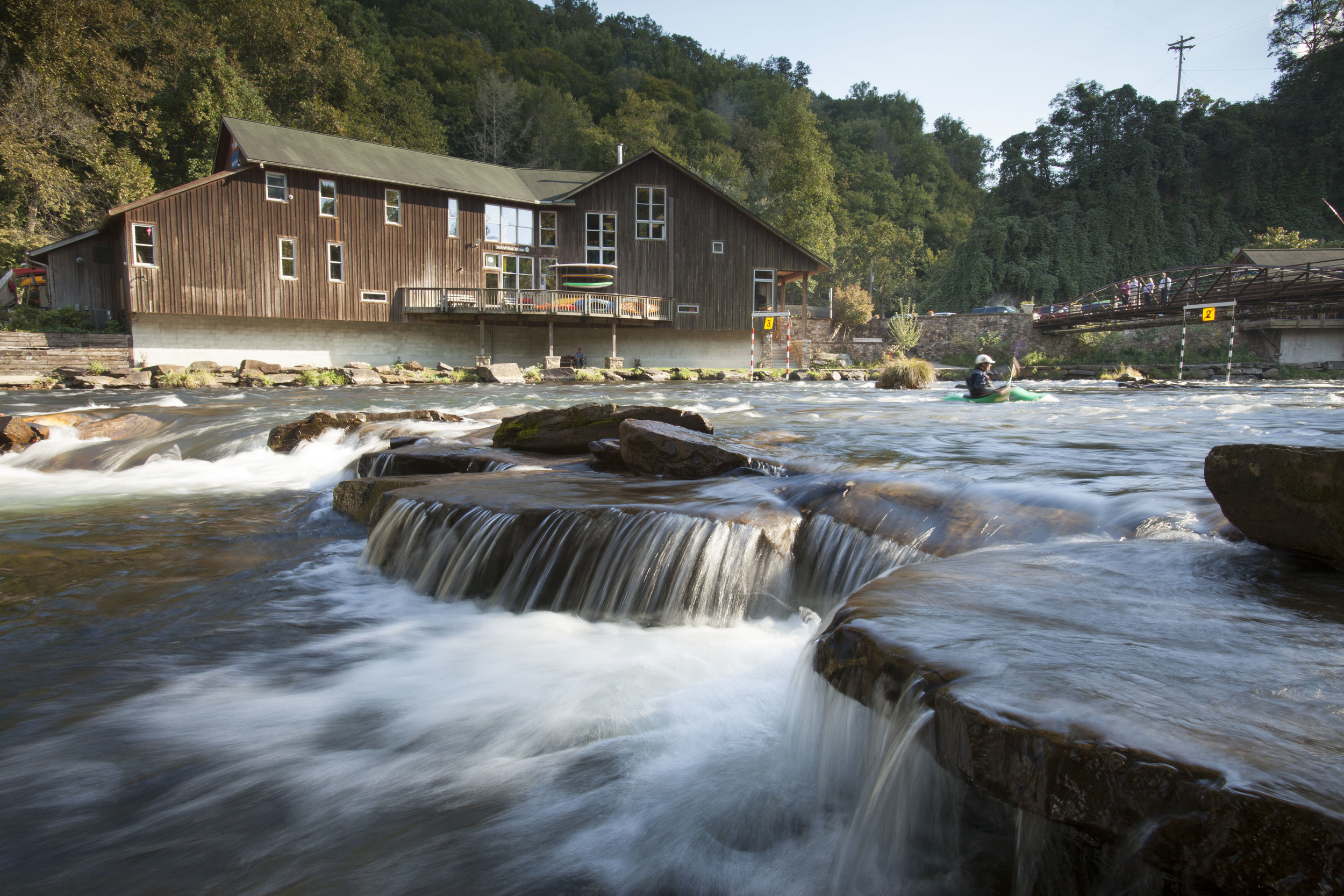
The road to the Olympics® is one that involves a lot of training. Many athletes train in a number of areas and the Nantahala Outdoor Center is the nation's largest outdoor recreation company in North Carolina We sat down with Olympian and spokesperson/ambassador of the NOC - Joe Jacobi. In addition to winning gold in Barcelona during the summer 2008 games, he served as the CEO of the USA Canoe/Kayak and TV sports commentator for NBC. We asked about NOC for guests coming to enjoy nature as well as a place for future Olympians to train and those heading to Rio this summer.
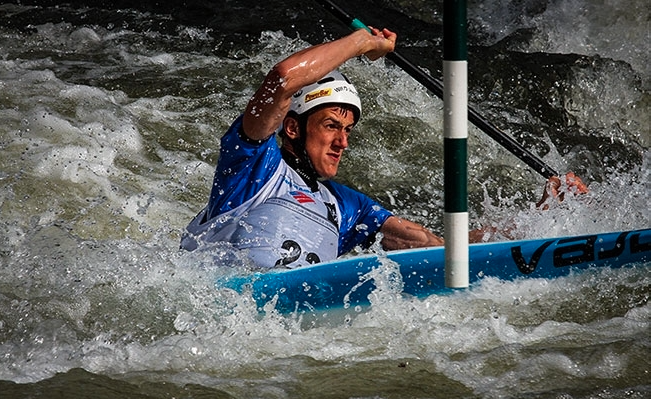
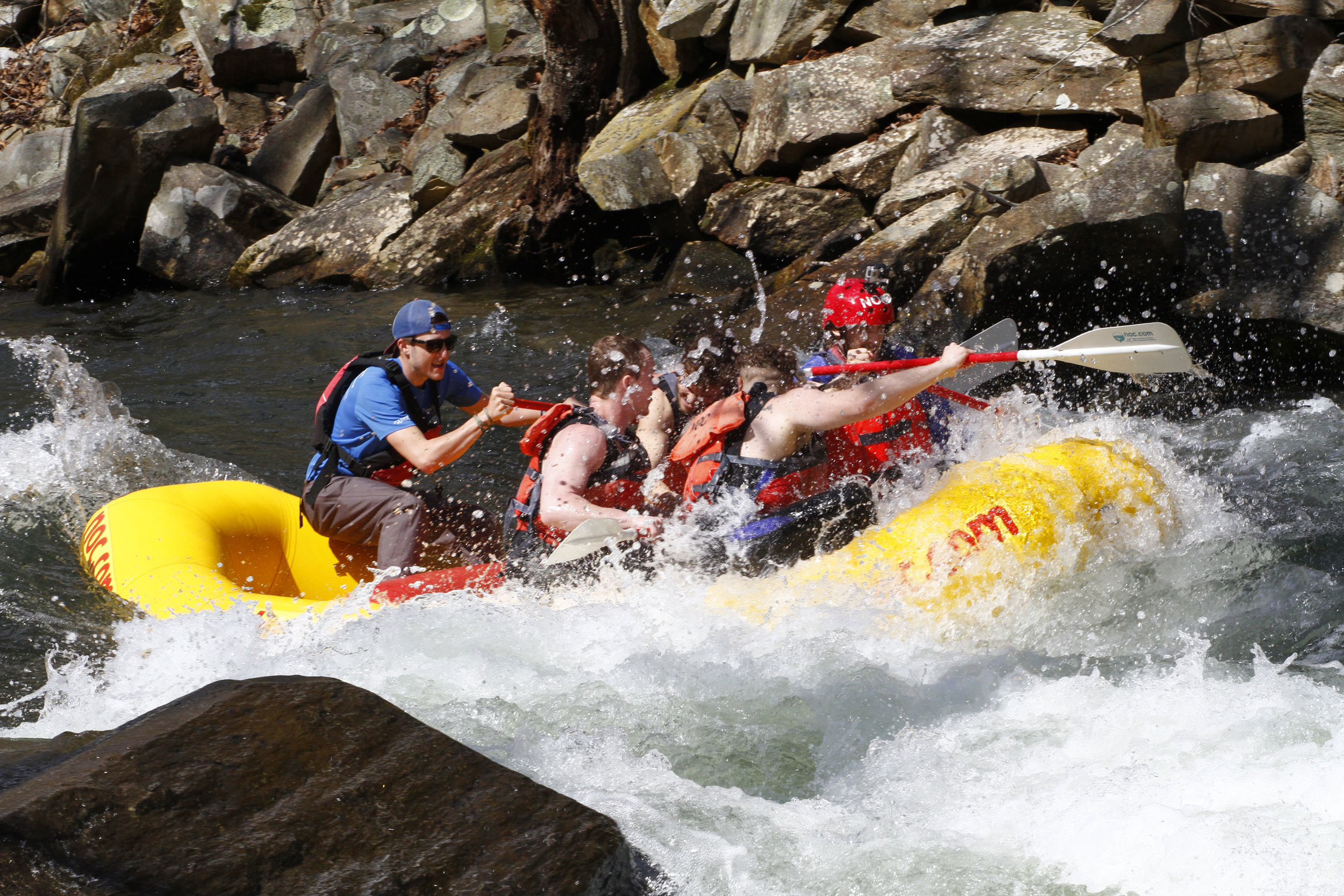
ATHLEISURE MAG: What is the Nantahala Outdoor Center?
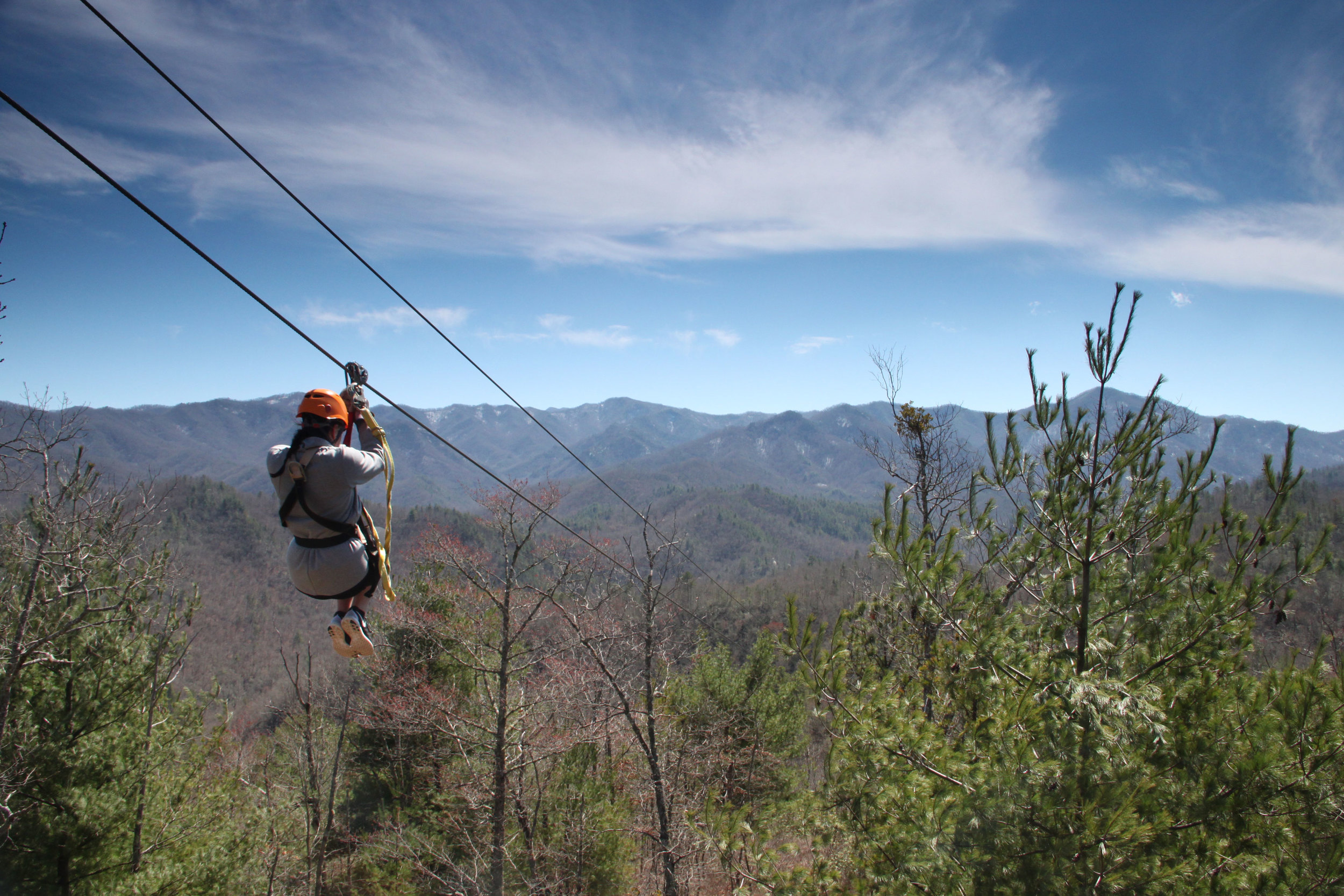
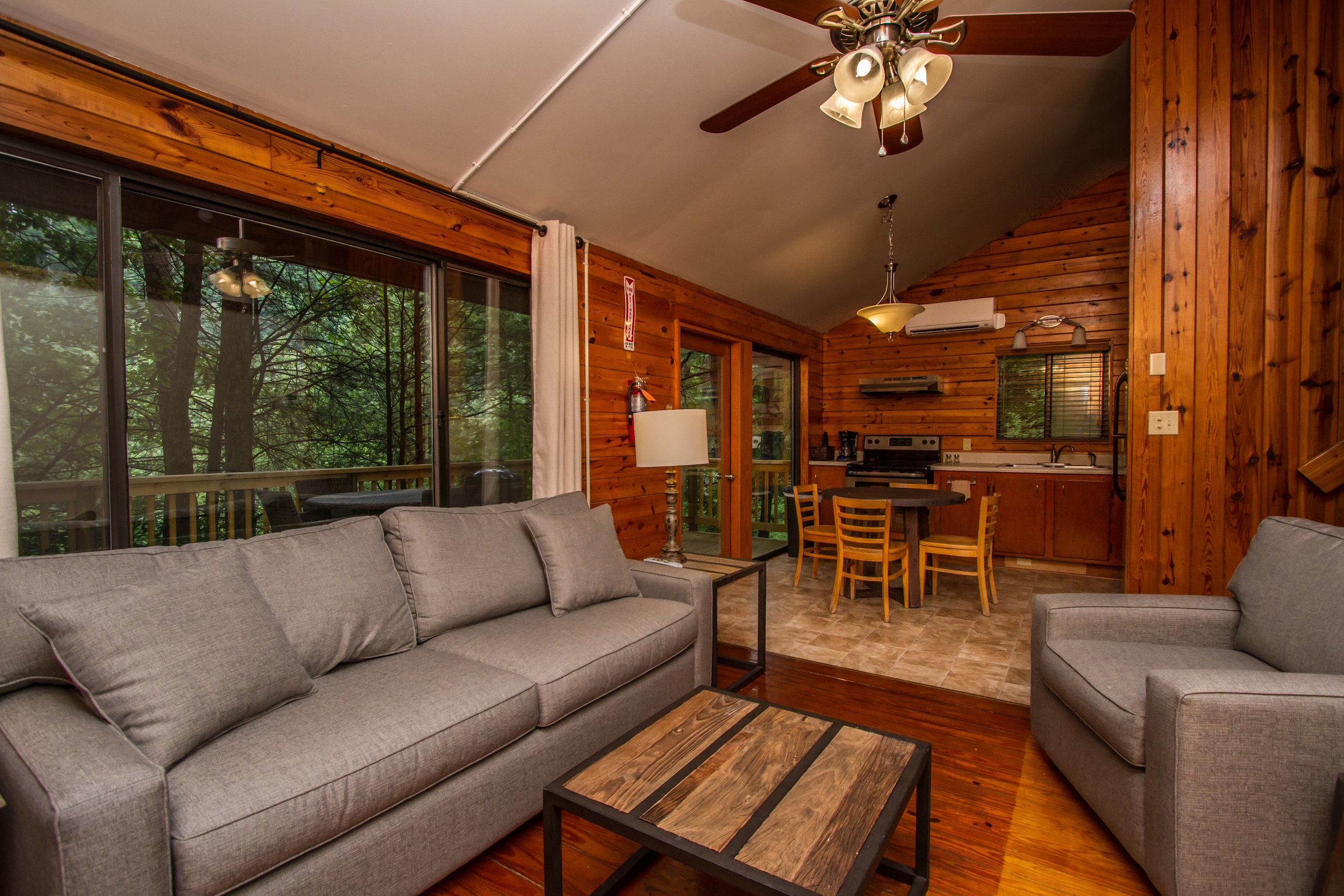
JOE JACOBI: The Nantahala Outdoor Center (NOC) is the nation's largest outdoor recreation company. Over a million guests visit NOC annually to embark on a diverse collection of more than 120 different river and land-based programs such as learning to kayak at NOC world-renowned Paddling School, test the latest outdoor gear, and shop at its LEED-certified flagship retail stores, or enjoy resort amenities such as its three restaurants and multi-tiered accommodations.
We are also one of the largest employers in Western North Carolina and 23 Olympians, including two Olympic Gold Medalists, have called NOC home.
NOC has been recently recognized by The New York Times as the “Nation's Premiere Paddling School,” “The Best Place to Learn” by Outside, and as “One of the Best Outfitters on Earth” by National Geographic Adventure.
AM: Is this center open to the public?
JJ: Not only is NOC open to the public, it was the mission of our founders, Payson Kennedy and Horace Holden, Sr., to get our guests outside and experiencing the best that the outdoors has to offer. Whether on rivers, trails, or in the air, everything that happens at NOC is geared towards showing path into the outdoors for EVERYONE.
AM: In addition to enjoying water sports, NOC also contains opportunities to lodge here - how is that beneficial to the overall experience?
JJ: I grew up in the Washington, DC area so the noise and bustle of a big city was always present. I remember the first time I visited NOC as a teenager - that full experience of peace and quiet isn't just on the river but the way you experience evening, downtime, and rest. NOC is very accessible to many cities around the southeastern US making day-trips to our headquarters on the Nantahala River or one of the other 7 rivers which are rafter feasible but the full experience at NOC is the day AND night experience at NOC.
AM: How many Olympians have trained here and what is it like?
JJ: So we can't guarantee that every NOC guest or staff member will become an Olympian but our track record is pretty impressive. To date, 22 Olympians in the sport of canoeing have come from NOC and this summer, we are excited to send our 23rd Olympia to the Games, whitewater kayaker, Michal Smolen, is Team USA's leading prospect for a medal a the 2016 Olympic Games in Rio.
NOC is an outstanding venue in which to live and train in competitive paddlesports. There are incredible rivers that run year-around make the perfect practice courses for training; there is a deeply-committed and supportive community of high performance athletes; NOC provides flexible employment opportunities for athletes; and, you have 5-10 competitive events staged each year in your backyard, ranging from local and participatory events to national and international events such at National Championships or a World Championships.
AM: Are there any Olympians that you are currently training that you are sending to Rio this year?
JJ: I guess I jumped ahead on this one! NOC is so excited to send our 23rd Olympian to the Olympic Games - whitewater kayaker, Michal Smolen, is Team USA's leading contender for a medal at the 2016 Olympic Games in Rio this summer. Born in Poland, Michal learned to paddle at NOC when he was 9 years old. Today, our aspiring young paddlers (my own 15 yo daughter included!) look up to Michal as a role model on and off the water. Michal is very giving of his time, incredibly humble, and so excited to be representing the United States.
AM: How did your relationship with NOC take place and what is your role there?
JJ: I grew up training on the Potomac River in the Washington, DC area - a Malcolm Gladwell/Outlier story of sorts with the some of the most fortuitous circumstances in paddlesports. I grew up close to the training site on the river where the world champions and world medalists practiced every day with the legendary coach in the sport. When I was just 13 years old, they welcomed me into their group.
As I progressed and the Whitewater Slalom was added to the 1992 Olympic Games program in Barcelona, my canoe partner, Scott Strausbaugh, wanted to make a full-time commitment to our training. The DC area was very expensive so we chose to move to NOC where we could extend the length of our practice sessions, add more training sessions per day, and simply engage even more deeply in our Olympic pursuit.
When we stepped up on to the podium at the 1992 Olympic Games as the first Americans to win gold in Olympic whitewater competition, we did so as part of the NOC community, which provided with the ideal setting, support, and leadership to excel on and off the water.
That's what makes my current role with NOC so much fun and rewarding. I am a NOC spokesperson and ambassador. I love telling the story of our organization, our founders, the outdoors, and of course our next generation of Olympians like Michal.
AM: Will you be in Rio with your athlete?
JJ: No Rio for me this year, but we have a lot of Guest and Employee engagement opportunities with the Games here i the States, including a celebration of "Olympic Day" at NOC on June 18th of this year.
AM: Are there any milestones that NOC will enjoy in 2016 that Athleisure Mag should know about?
JJ: Not sure there is one so much as an Olympic year tends to spotlight ALL the elements of the outdoors that we serve (we were founded in an Olympic year, 1972.) On specifics, we have number of phenomenal events coming this year serving people from the high performance community to families who just want to compete together - you can check out our events here.
AM: What activities are offered at NOC?
JJ: We simply love rivers and boats in which people can propel with a paddle. Our guests choose from 8 different rivers in which paddle, raft, SUP, or float. Our Paddle School has an absolutely world class roster of instructors. On land, at our headquarters on the Nantahala River, we have a mountain top, over-the-trees zip line adventure include on zip that is about a 1/2 mile long - more on that right here.
Also, we prepare people via our our outdoor school for every kind of outdoor experience imaginable - not just paddling, but swiftwater rescue and wilderness medicine to name a few.
AM: Although people come to NOC for the activities, what takeaway do they get from North Carolina as a state?
JJ: North Carolina's diversity is amazing. From our shores and beaches to our mountains and rivers, the DNA of the outdoors lives in NC. My role with NOC takes me all over the state. When people see the NOC logo on my shirt, they smile, reflect, and typically share a family story about their experiences with their family and friends. It's very special to see the way NOC has touched and contributed to North Carolina's outdoor story.
The Olympics is a registered trademark.
Read more from the April Issue
PHOTOGRAPHY COURTESY | Havana Motor Club
Havana Motor Club
This month, HAVANA MOTOR CLUB was released nationally in theaters across the US. This movie is a character-driven story that follows Reynaldo "Rey" López García, Carlos Alvarez Sanchez, Armando "Piti" Munnet Rodriguez, Jose "Jote" Antonio Madera, Reinaldo "Tito" López Fernández, Saul Garcia, and Milton Díaz Cánter. At its core, HMC showcases the change that is racing down the streets of Havana. Cuba's premier underground drag racers struggle to prepare their classic cars for the first official car race since the 1959 Revolution.
During the 84 minutes of this documentary, recent reforms are presented including: the owning of property, allowance of small businesses, and greater exchange between Cubans, Cuban Americans, tourists, and other foreigners. These changes affect the lives of these racers and their families. One racer enlists the help of a Cuban American patron in Miami to bring in parts for his modern Porsche. His main competitor is a renowned mechanic who uses ingenuity rather than resources to create a racing machine out of his father’s 1955 Chevy Bel Air. Another racer ponders whether he will participate in the race or sell his motor — one that he recovered on the ocean floor from a ship used to smuggle Cubans off the island — in order to flee Cuba on a raft headed to Florida.
Meanwhile, the race itself is in jeopardy of coming to fruition due to factors ranging from its status as an elitist sport to the arrival of the Pope in Cuba. Through the experiences of these racers and their community, HAVANA MOTOR CLUB explores how Cuba is changing today and what its future holds in light of the Obama Administration’s recent move to normalize relations with the island nation.
With the success of this movie that debuted at last year's Tribeca Film Festival and a recent
screening that we attended, we wanted to find out more about how this movie came together and chatted with the film's director and producer, Bent-Jorgen Perlmutt.
ATHLEISURE MAG: We enjoyed the film and learning about these four characters juxtaposed against the changes that are taking place in Cuba - how did you decide to present the story in this manner?
BENT-JORGEN PERLMUTT: It was a process in getting this film created as there were a number of delays. As you saw in the film, there were a number of times when we were told that the race was happening and then last minute, it would be postponed or canceled - such as the Pope's visit. We spent about 4 months there, but there were months of delays. Even on the day that we filmed the race which was covered in the film, I wasn't really sure until we were there that it was actually going to happen!
When we looked at the amount of footage that we had amassed, 300 hours - a decision had to be made about how we tell the story. We decided that although we had followed a number of the drag racers that the best was was to bring these 4 men forward as they reflected distinct stories of where Cubans are. We have the man who wishes to leave Cuba for opportunities in the US, another who rejects the changes, a man who embraces what is happening and the one that embodies the everyday life of a Cuban who comes from a family of car fixers and is not affected by what is going on around him.
AM: We got to see a number of first hand accounts of the drag racing world, were there edits that were requested by the drivers and in filming this, did you feel safe during production?
BJP: We felt very safe during filming and we also took steps towards ensuring that, such as filming the races that took place during the day as opposed to at night. Many of the scenes where you see racing from inside the car, were due to our sponsor GoPro, which had their cameras from inside as opposed to having our teams in them during races.
Some racers did have concerns with filming how they received their parts for their cars; therefore these parts were taken out. In addition, scenes involving gambling were also taken out. In Cuba, if you are caught gambling, you will serve 3 - 4 years in jail. We have shown this film at a number of festivals including the Havana Film Festival last December and it was met with a warm reception.
AM: Since filming of HAVANA MOTOR CLUB has taken place, are there thoughts of following up with them?
BJP: We were so fortunate to come to Cuba when we did 4 years ago to film this movie as now there are many productions looking to film in the area. Unlike Cuban athletes that have been covered in films, this movie allowed the everyday Cuban to be portrayed as well as to present popular topics that are relevant right now. There have been talks to do a spinoff documentary series on the racers as a way to know their stories a bit more. Interestingly enough, the guys are being filmed for Fast and the Furious 8 which is taping in Cuba. Anthony Bourdain has also filmed with them as well.
AM: Since the film's production and with the current changes taking place in this country, has the state of racing changed there?
BJP: Racing hasn't changed in Cuba, but the amount of money coming into the sport has. There are racers that are now sneaking in Maserattis and BMWs!
Read more from Apr 2016
Featured Travel
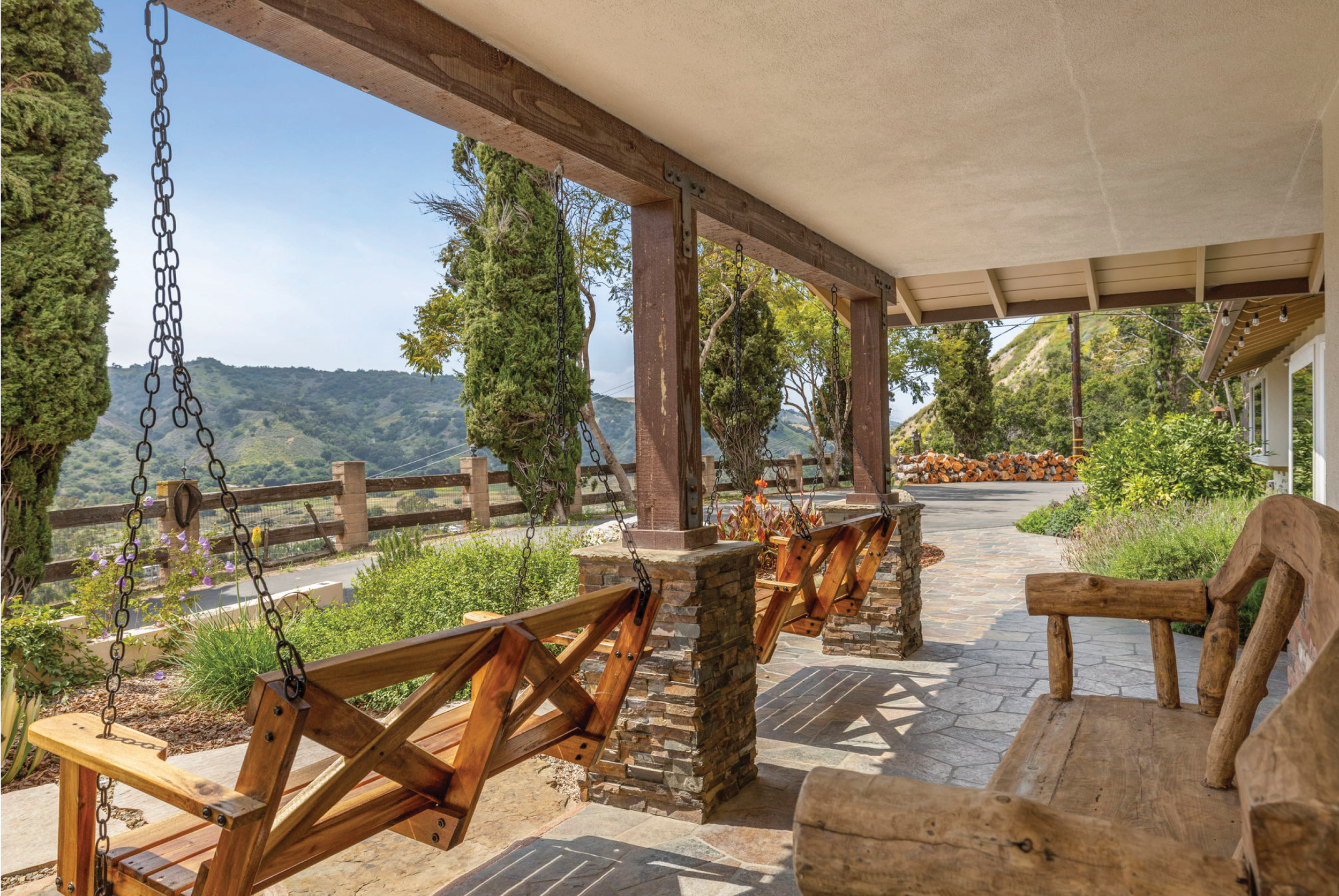


PHOTOGRAPHY COURTESY | Sole Bicycles
Havana Above the Handlebars, Cuba


Late last summer, we attended an intimate roundtable that included a number of individuals within the travel industry on the topic of Cuba. At that time, we all discussed the ability to travel to Cuba without the restrictions that have existed for the past few decades. There was so much excitement and buzz in the room and we remember thinking about all the possibilities that would emerge by having this access as a traveler, for commerce and more.
Last month, as our President, delegates and businessmen entered the country, the reality of the having an open exchange became an even bigger possibility.
Since the President's visit, we're pleased to share two stories in this month's issue that focuses on Cuba. Above the Handlebars, Cuba - highlights the journey that Ben and Brian, of Sole Bicycles, took days before President Obama's entry into the country as they experience Cuba from 12 - 15 hour rides on each day of their trip. They rode through the pulse and culture of this country that has been self-contained.
Next, we are pleased to share Havana Motor Club, a movie that debuted at last year's Tribeca Film Festival and is available nationwide in theaters. The film looks at racing and how a dedicated group of local enthusiasts worked to bring this national sport back after it had been banned in the 50's.
Sole Bicycles was founded by a group of friends who loved playing an array of sports. They believed in creating a great bike that had an accessible price point and was supported by a company whose brand was built on an active lifestyle. In addition to creating a great product that served a needed function, it was essential to reflect a culture around it.
This created a school of thought where people could purchase a bike and visit the website. This serves as a hub of content and community, which is not only about being active but giving back. They have built their following by organic growth, bootstrapped and no outside help! Yet in the midst of building this brand over the past few years, they truly
believe in a "work hard, play hard" system. Those who work within the company have enjoyed participating in group retreats that serve as inspiration for new models and styles. This could include spending a month in Bali or a week in Mexico.
This wanderlust mindset mixed in with the need to give back creates a backdrop of organic serendipity which would bring members of Sole Bicycles team to an iconic visit to Cuba.
A friend that SB works with had been quite successful creating international bike tours which allow riders to enjoy destinations by peddling through them. Due to the success
of these groups, he wanted to do the same monthly in Cuba and needed a fleet of bikes that could host 10 people. He asked SB to supply the bikes.
In addition to providing their bikes, the team at SB decided that it would be a great idea for them to come along (a team of 9) to experience it for themselves.
SB is based in Venice, CA and the team flew from there to Miami to connect to their flight to land into Havana which is 45 miles from Miami. To arrive into the city, they checked in 2 hours prior to the flight and flew into Havana and upon arrival, it took them 3 hours to get through customs in order to finally reach their destination. Interestingly enough, for the total travel time to get to Havana, they could have flown into Tokyo or a number of other destinations.
This trip was not only about seeing Cuba, but to experience it first hand. The SB team decided that they would find a place to stay via Casa Particular (like Air BNB) with a Cuban family. This way they could enjoy traditional meals and have an experience that was akin to those who were locals.
During their trip, they had a schedule that was intense; however, gave the best chance to cover the area as they immersed themselves into the trip. The team woke up at 9:30am to enjoy a traditional breakfast cooked by their host family and hopped on their bikes to move from neighborhood to neighborhood where they rode 30 - 40 miles a day. They would have dinner later in the evening, and then at 8-9pm they would get back to the tour and finish their day at 3-4am - to do it all again the next day.
These 12-15 tours on wheels allowed them to see people going about their day and the shifts from one community to the next. Ultimately, they covered a total of 100 miles and most of Havana. For some, touring the city by bike was a first; however, everyone experienced a significant difference in this city.
The SB team found that they were able to focus on their experiences even more due to the lack of being connected to the internet and the phone. Less than 3% have the internet and those who may be visiting would need to go to a WiFi park for outside access or to purchase a card/phone. It was the longest that many have been disconnected. But at the same time, it allowed them to bond even more to one another as well as their guide without the distraction of making sure to update friends, followers, fans and more in real time.
As a country that has been self contained, it has been untouched by a number of popular and consumer culture aesthetics from style of dress, cars etc that point to the 50's. As the team was out and about, they felt safe as the crime rates are low and carrying guns are illegal.
In general, as they rode through the community, they realized that it was busy, but not too crowded. From an economic standpoint, many are employed by the government sector and additional jobs are trade oriented Currently, there are a not a lot of private businesses.
As a matter of fact, as the team biked throughout the city, they were surprised that it was difficult to obtain a bottle of water from corner stores, carts - something that is readily available here in a number of cities whether you live in large cities or go to small towns. The ability to stop and get something when you wanted it really made the guys realize the cultural difference between where they were and how they grew up.
This trip took place as they traveled under a "People for People" status with missionary purposes for a church group. At the conclusion of the trip, they gave their bikes to a church which would allow their missionaries to pick flowers to sell to raise funds.
During this trip, as they rode through Cuba, they had the benefit of seeing the government getting ready for Obama's visit as workers paved miles of streets in Old Town Ha
vana, painting fences and fixing other elements in a mad dash as this was a few days prior to the official visit.
In the beginning, members of the group looked at this trip as one that would be a fun vacation that would include partying, taking pictures and more. But the impact of seeing one of the few nations that have not had open access for 60-70 years was eye opening! One noted that everywhere they went, people loved seeing their bikes that were new (as opposed to the Schwin models they noticed from the 50's). At one point in the trip, they happened to go to a cigar factory which sold Cohebas. They traded one of their bikes for a box of the luxury cigars (yet the value of the box of cigars was much higher than the bike). The universal need of having something modern and new was not lost on the team. They experienced this upgraded area as well as a number of authentic places that residents have enjoyed.
Cuba is going through a change and it is not one that will be overnight. A lot of questions remain: What do open policies mean for those that are Cuban residents? How will corporations begin to be introduced into the ecosystem (a number of properties such as Starwood Hotels has begun to create a strategy for expansion in the area)? How will Cuba balance between maintaining their heritage while integrating into a modern culture? More importantly for those who live in Cuba, what opportunities will they have to start their own businesses?
The idea that there is a "magic switch" where overnight there is an idealized setting where people will people will be able to come to Cuba, enjoy a daquiri as they sit in an outdoor cafe Instagramming their current status, is one that will take time with a lot of growing pains as they get to where they want to be as a nation, but the world will be watching.
Read more from Apr 2016
Featured Travel

PHOTOGRAPHY COURTESY | Villa del Palmar
Paradise Found
By Kitty Bradshaw
The feeling of total peace brought me back to Villa del Palmar at the Islands of Loreto where I spent some much needed down time. Not quite as popular as Mexico City or Cancun—Loreto Mexico offers a much more toned down, tranquil experience which resonates with travelers like myself that want to retreat from the world. This resort offers a respite that creates a stress free zone tempered at a frequency of Zen. Everyone leaves Villa del Palmar feeling light and free of any burdens or anxiety. Simply put, this resort is my quiet place off the grid.
The property of Villa del Palmar is a town within a town; a Spanish style Shangri-La of sorts. The resort spans 4,447 acres which includes a golf course, tennis court, multiple swimming pools of various sizes and visibility, full scale spa, 3 restaurants, private beach, and a reclining chair with your name on it. The elements of both land and sea come together to create a vibrancy rich in color and texture that makes it a worthy choice. Although its amenities are plentiful, I enjoy focusing on the feeling of a vacation in its truest sense and all its benefits.
FOODIE PARADISE
I pretty much ate everything that was set in front of me and then some. Villa del Palmar at the Islands of Loreto has an all-inclusive food and drink package through the restaurants and room service. Seafood, steaks, and tequila— they had to peel me away from the table by the time it was all said and done. Stand outs for me included the Chocolate Clams, Tortilla Soup, and Mexican style briskets, lobster, shrimp cocktails, and customized cocktails with each meal. Their award winning chefs created everything I could imagine. When I wasn’t intoxicated, dreaming, or working out; I enjoyed plenty of delicious meals and specialty drinks.
CULINARY OPTIONS
• Danzante Restaurant: Fine dining steak house and seafood with Mexican fusion, offering a large wine selection and a variety of cigars.
• The Market Restaurant: A brand new concept where you are able to make your own dishes! Just imagine preparing your own meal at home with the help of a chef. Open for breakfast and dinner.
• Casa Mia Restaurant: Authentic Italian food with fresh pasta and pizza. Open for lunch & dinner.
• Room Service: Breakfast, lunch, dinner and overnight menu featuring international cuisine & snacks. 24 hour service.
GRAND SLEEPING ACCOMODATIONS
Villa Del Palmar at the Islands of Loreto has 181 deluxe ocean view suites that mimic large style apartments complete with full kitchen, bathroom with a spa size, Jacuzzi bathtub (drinking champagne was mandatory while inside), and living room with 2 separate entrances. Additionally, each room had a full wrap around balcony that was large enough to host 50 people for a small party.
Each of the one, two and three bedroom suites features stylish contemporary decor perfect for romantic getaways, families seeking the ultimate in comfort and style, business groups or corporate events.
WHERE TO GO - WHAT TO DO
The Bar!!!
The #1 rule while on vacation is go where the wind blows you. To my surprise and enjoyment; the wind placed me at a bar with every turn. From what I remember during my moments of sobriety on that particular trip, I was never less than one pace away from a bartender that didn’t know my name. Aside from the obvious drinking, guests have the option to take a 2 hour Tequila Tasting course which results in a certificate of completition at the end. My experience included partaking in drinking games during final exams-- the graduation ceremony was something dreams are made
of.

Town of Loreto
The resort provides transportation to and from the Town of Loreto. Tourists can shop local vendors selling homemade goods such as pottery, blankets, ponchos, beaded jewelry, and various wines and spirits. I brought back 2 bottles of 160 proof Mexican Vanilla Crème Liqueur that can be enjoyed straight or mixed with tequila.
Del Carmen Island
Off the sea of Danzante Bay resides a private island by the name of Del Carmen Island. Guests of Villa del Palmar resort can reserve a boat to take them out to the island where they can have lunch, swim, or relax on the beach. Depending on the season you can see both dolphins and whales swim along the boat as it makes waves.
Other activities include snorkeling, hiking, San Javier Mission Excursion, tours, cruises, Sun Salutations with the resident Shaman, and Spa treatments, to name a few. Regardless if you are there to relax by lounging in a chair or immersing yourself in activities that take your mind off the world back home-- Villa del Palmar at the Islands of Loreto resort provides customized experiences that will exceed expectations and turn you into a repeat guest. If you are interested in visiting Villa del Palmar at the Islands of Loreto, rates run as low as $119 per night (Athleisure Discount Code: FAMNOV15) through April 2016.
* All pictures courtesy of Villa Del Palmar resort at Loreto
Kitty Bradshaw is a Passionate Traveler, Brand Ambassador and Lifestyle Influencer currently splitting residences between New York, Los Angeles,
and Hawaii. When she is not busy traveling, stalking airfare glitches, giving commentary on CNN.com, or watching classic films – you can find her on the beaches of Waikiki hanging out with friends. Some of her more memorable trips can be found through the digital pages of Tourist Meets
Traveler, Black Enterprise Magazine, and YRB Magazine to name a few.