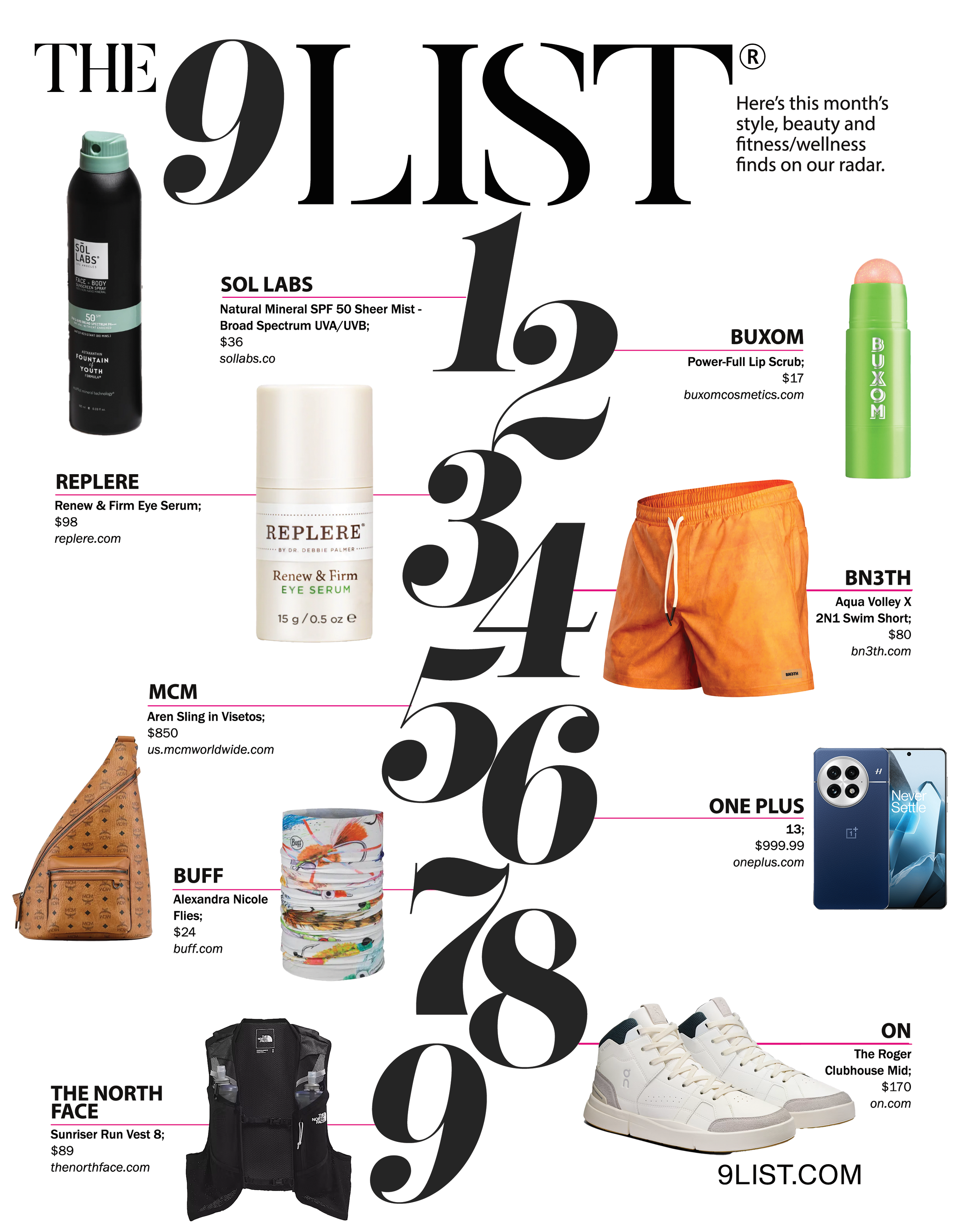
Read more from the Feb Issue of Athleisure Mag and see Athleisure Beauty in mag.
Featured Athleisure Beauty
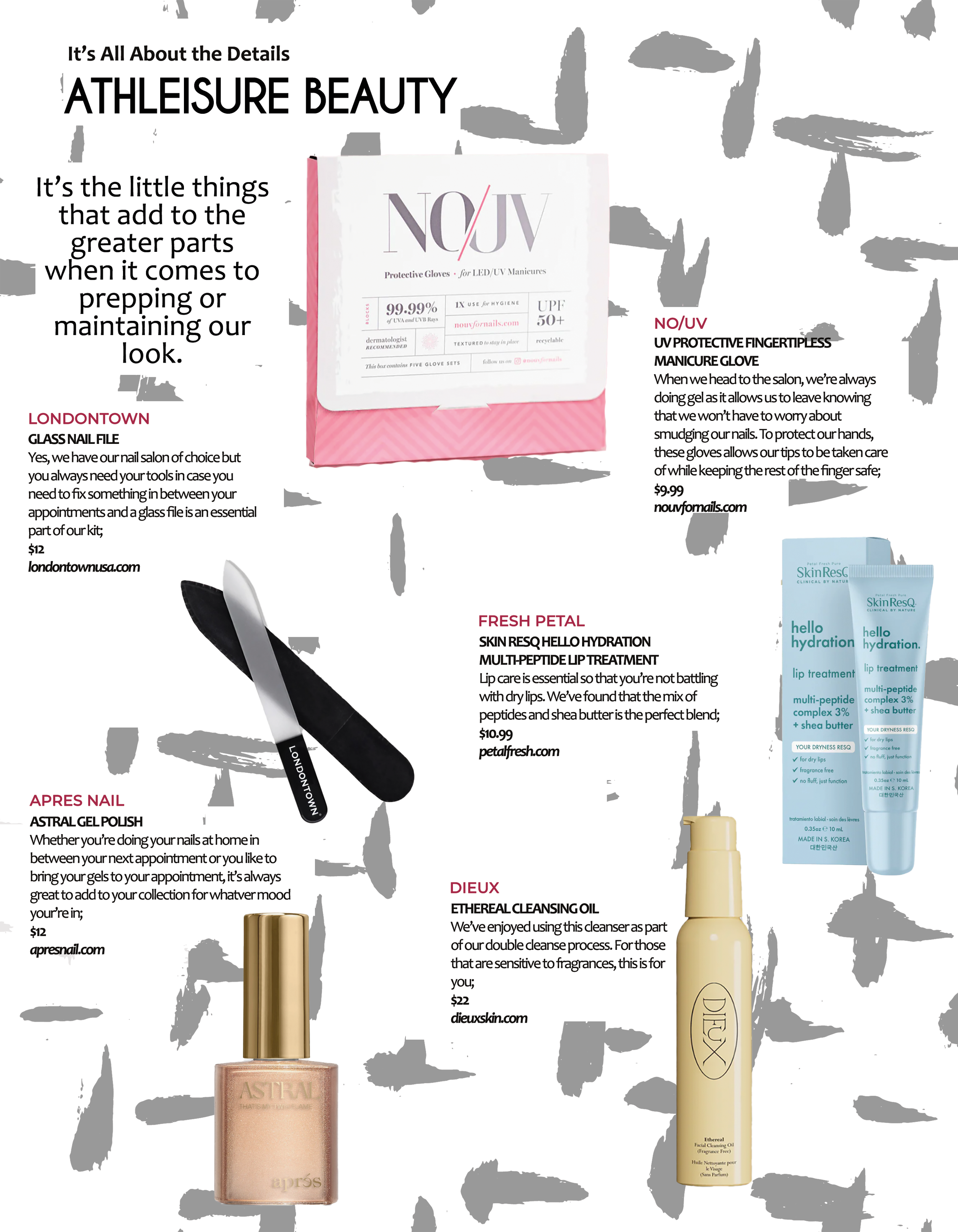
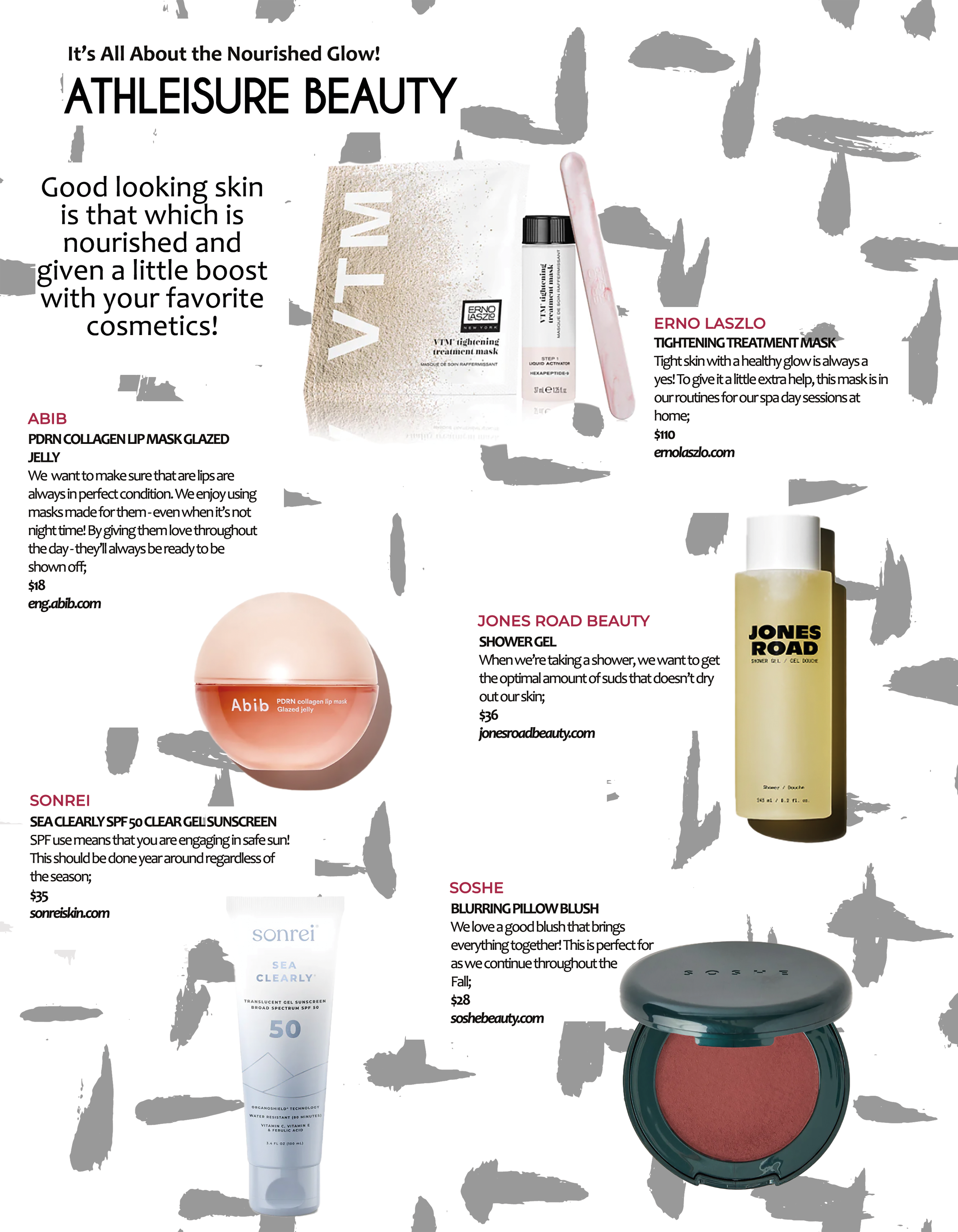

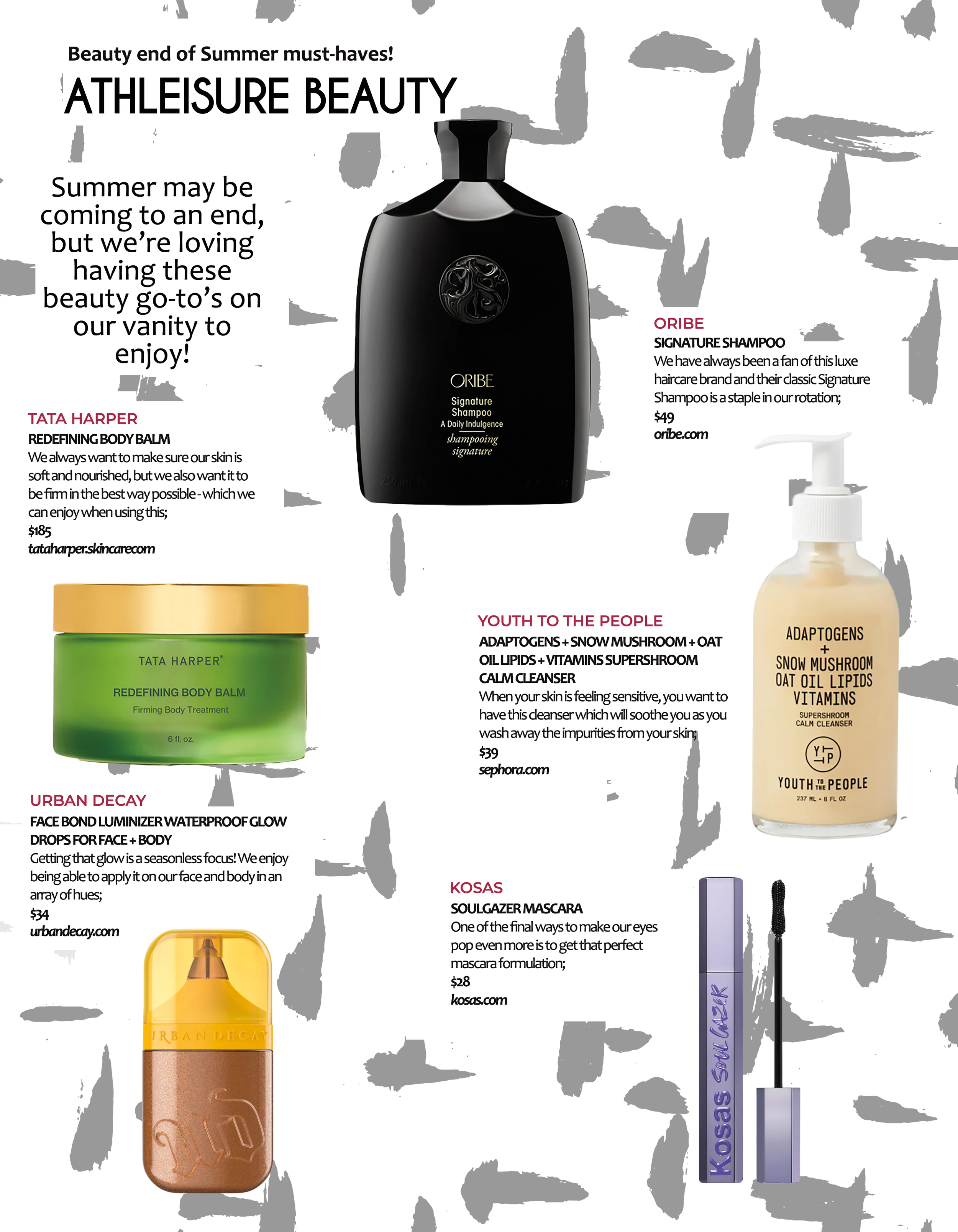

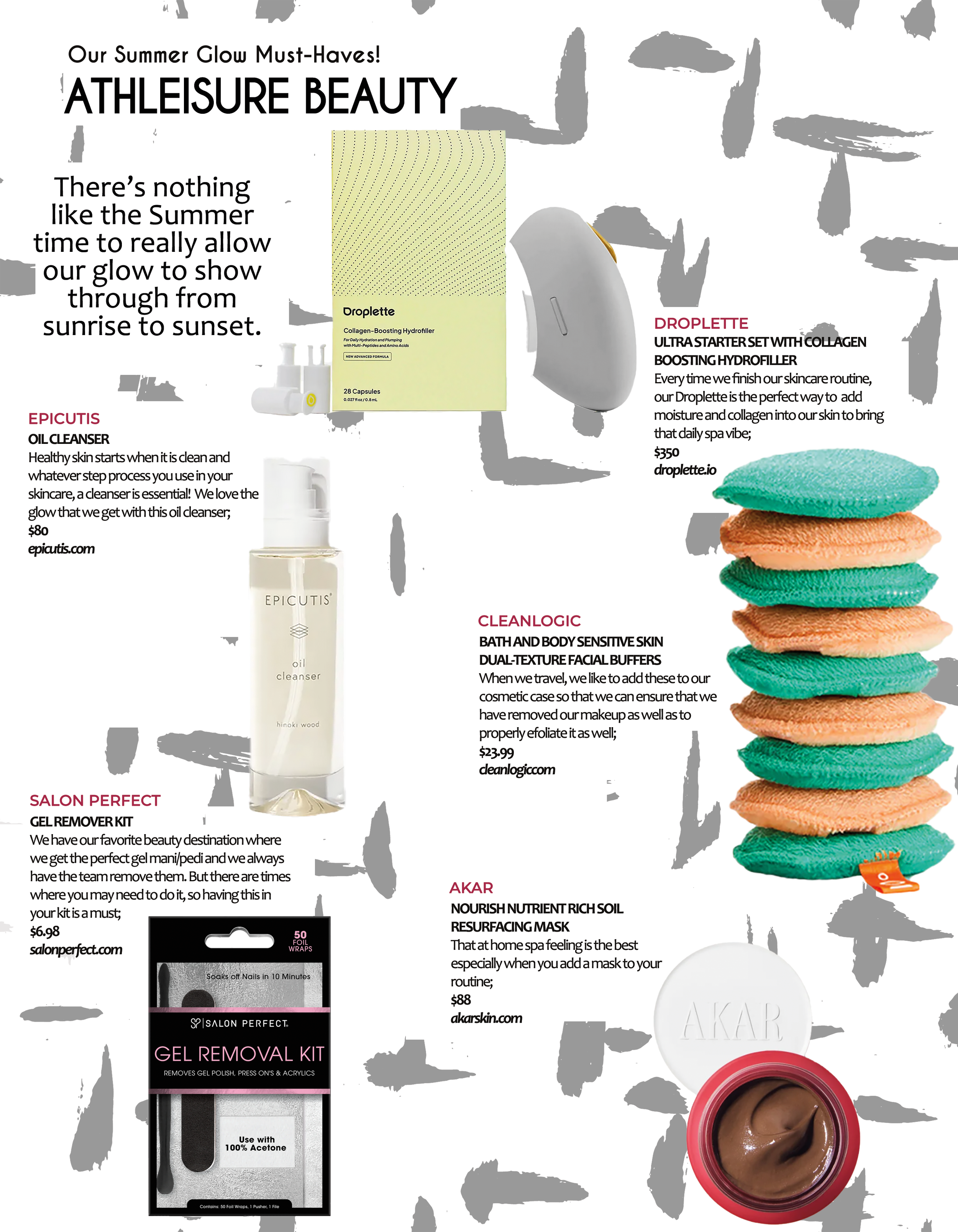

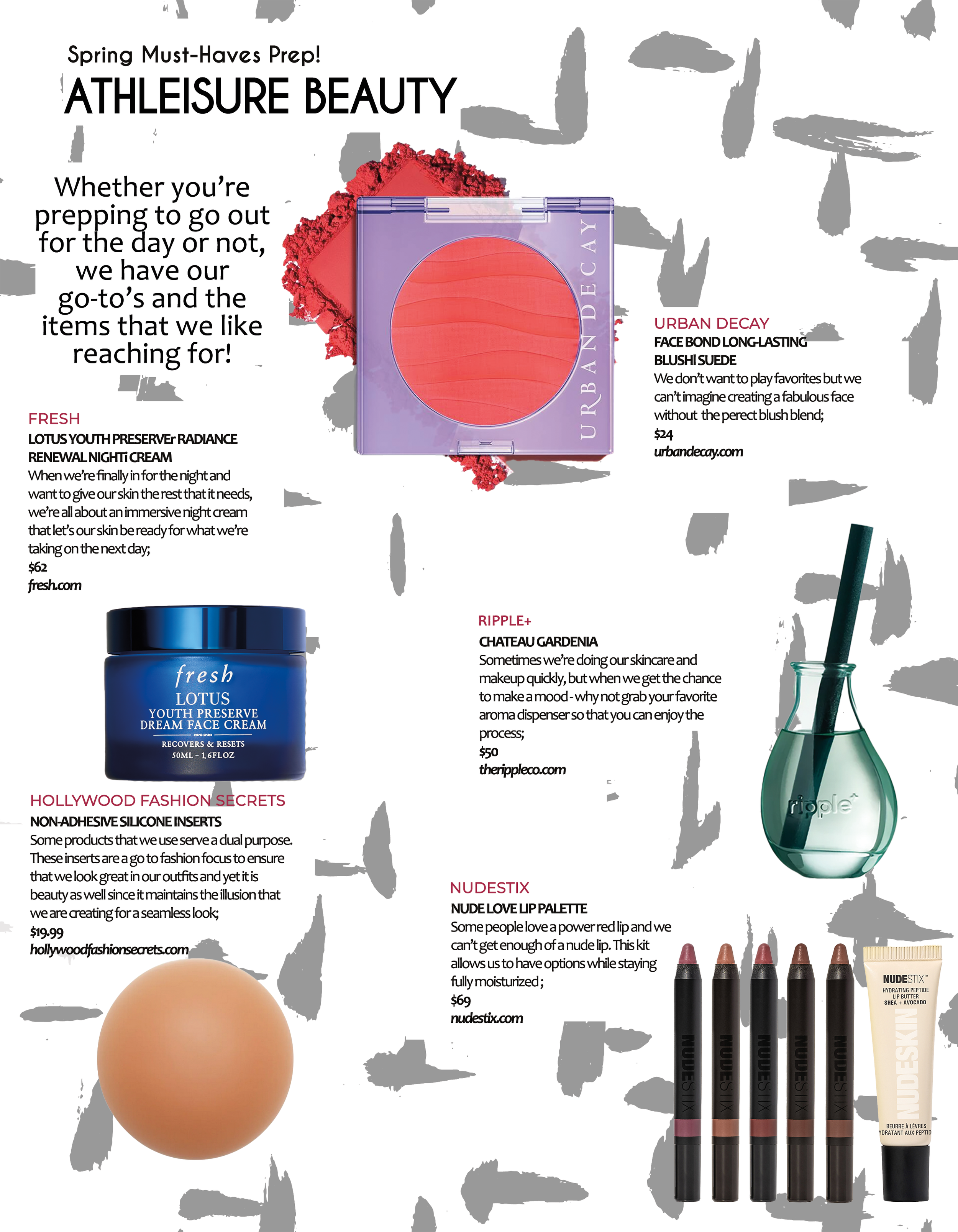

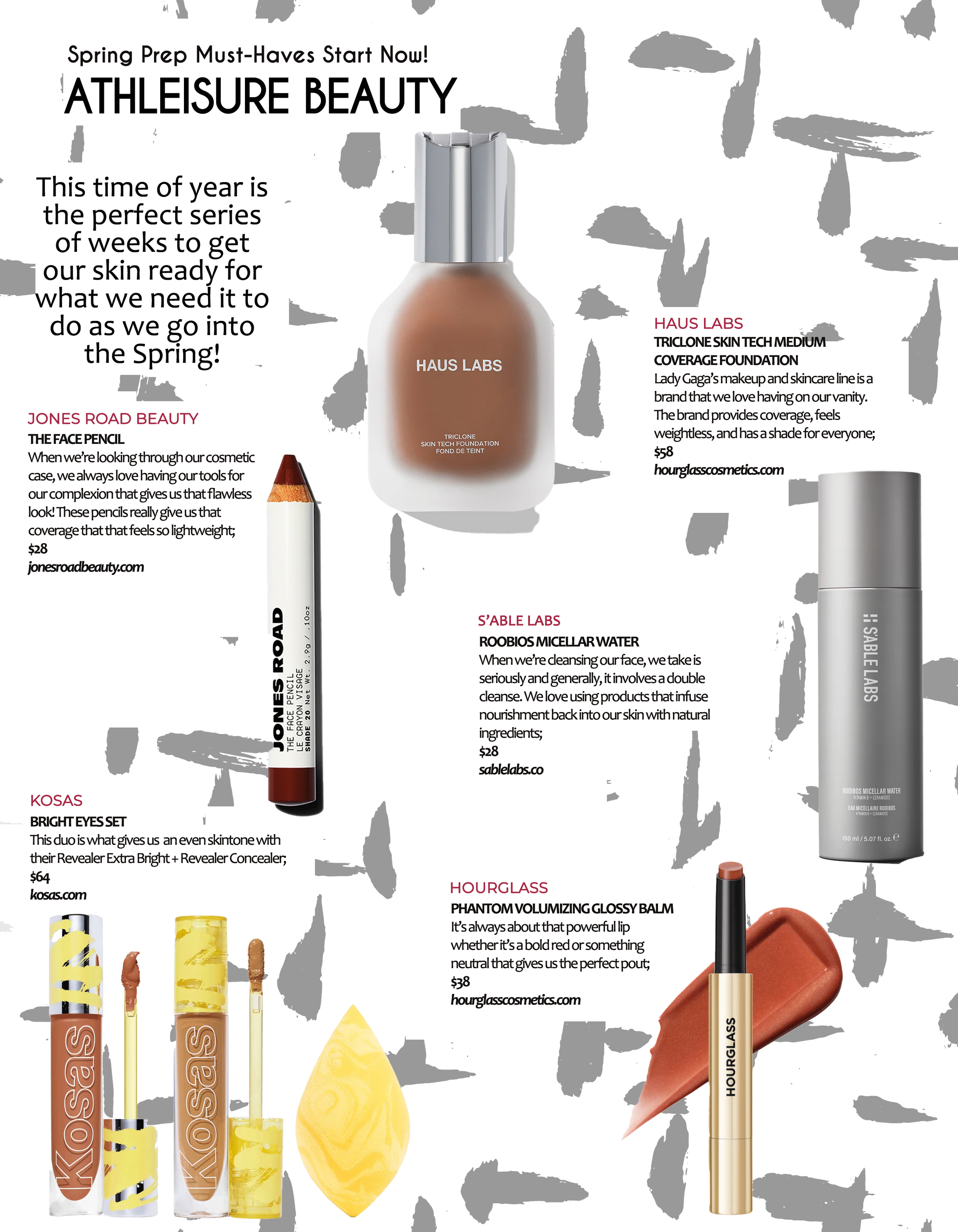


Read more from the Feb Issue of Athleisure Mag and see Athleisure Beauty in mag.

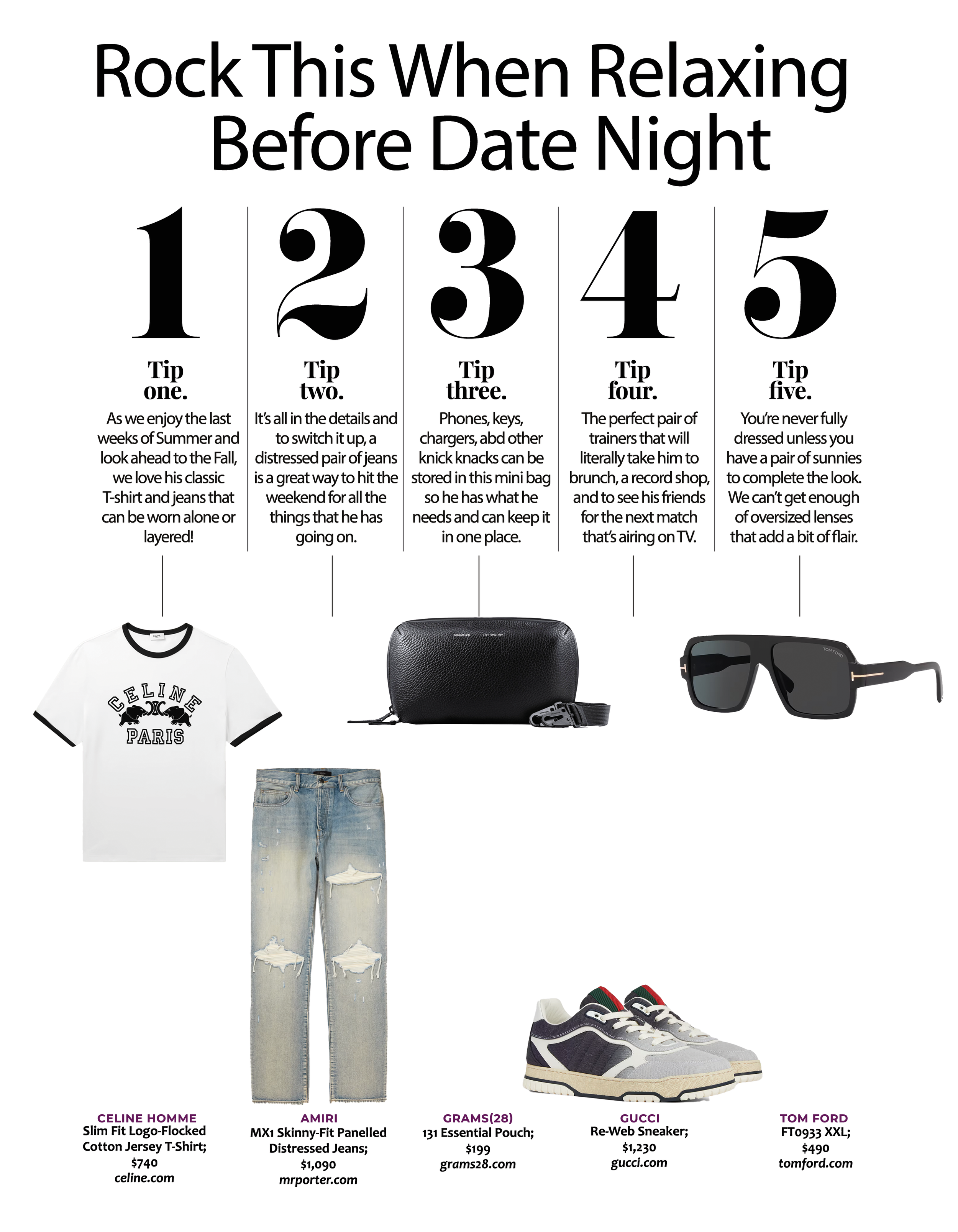
Read more from the Feb Issue of Athleisure Mag and see Style Files | AW19 in mag.

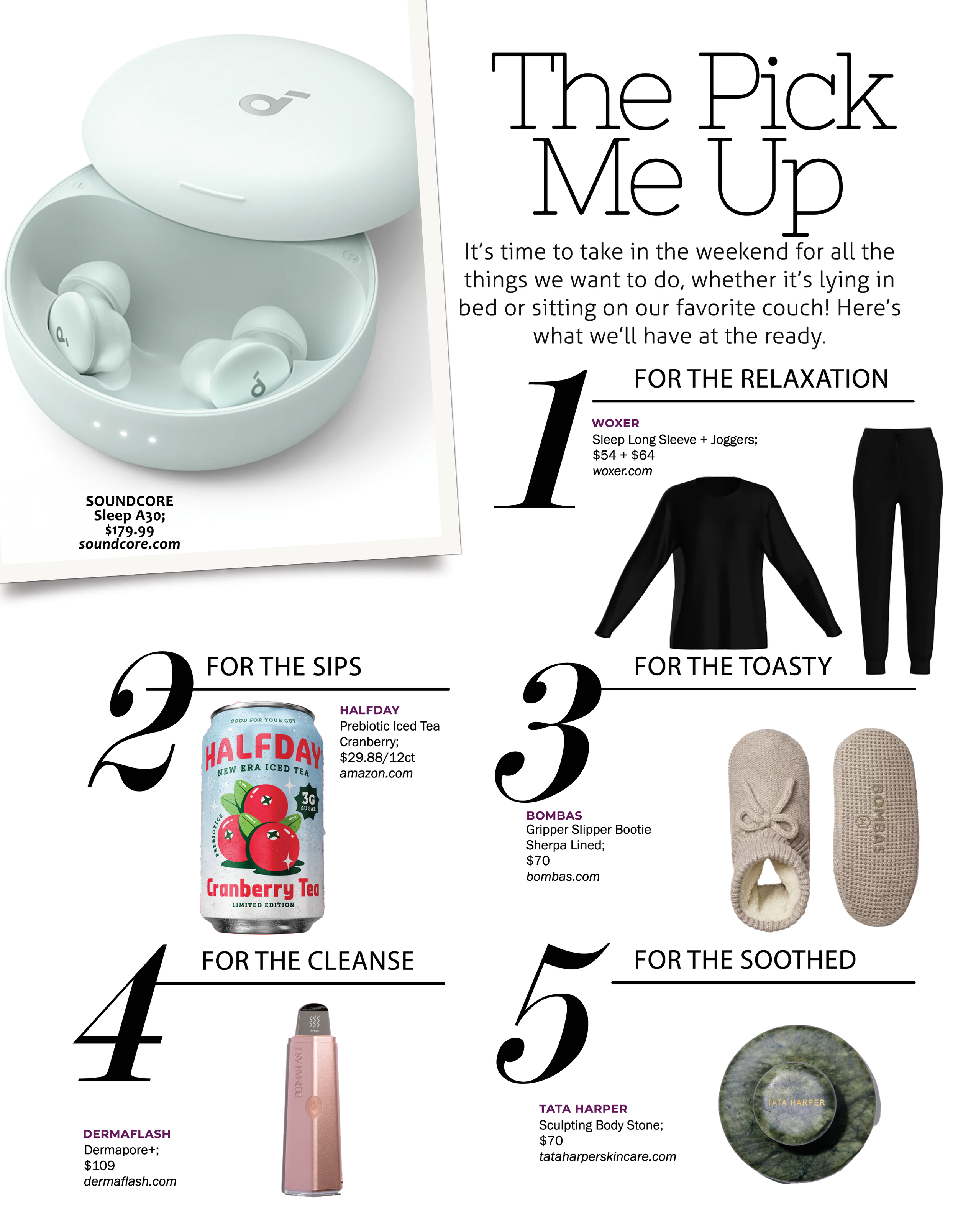
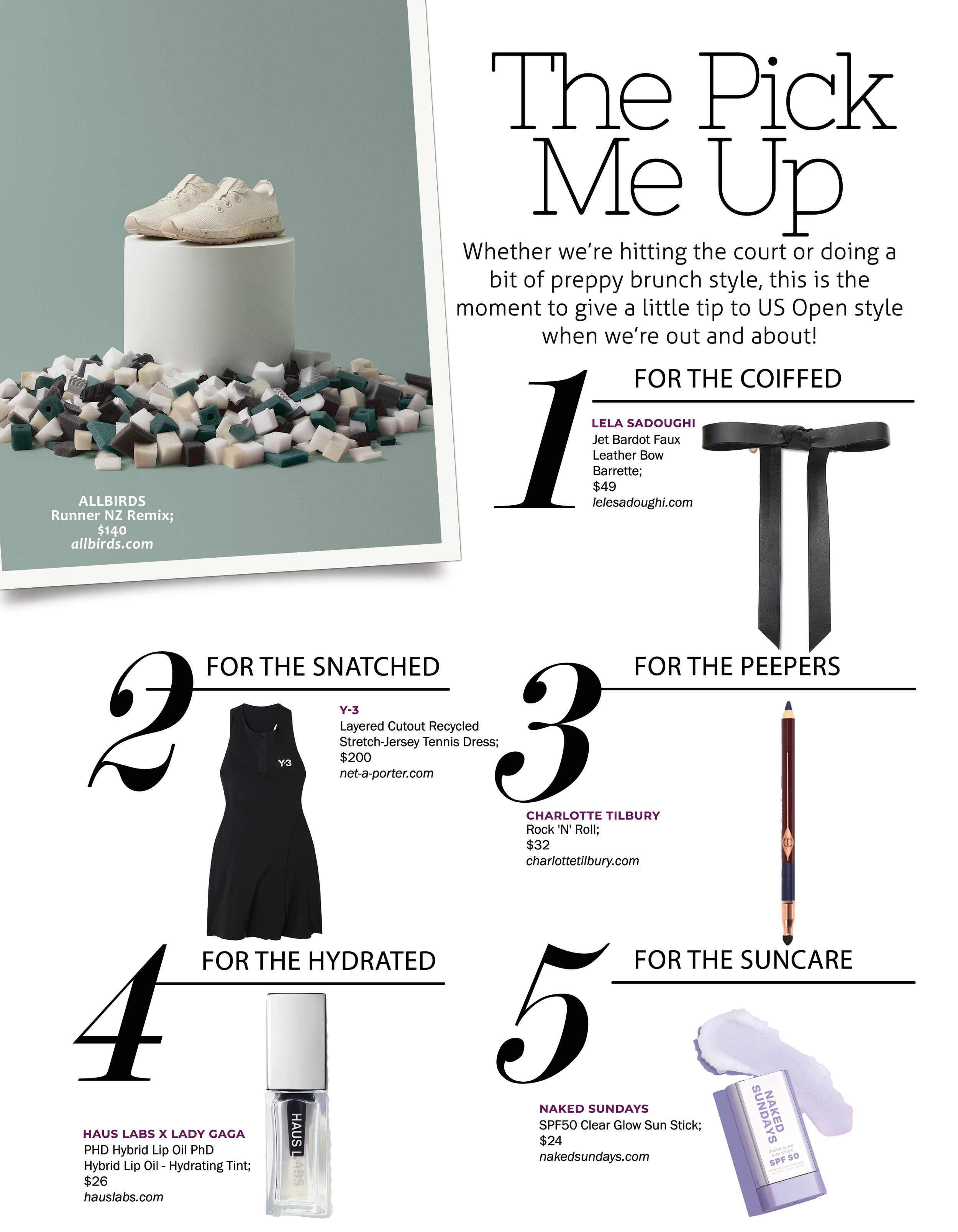
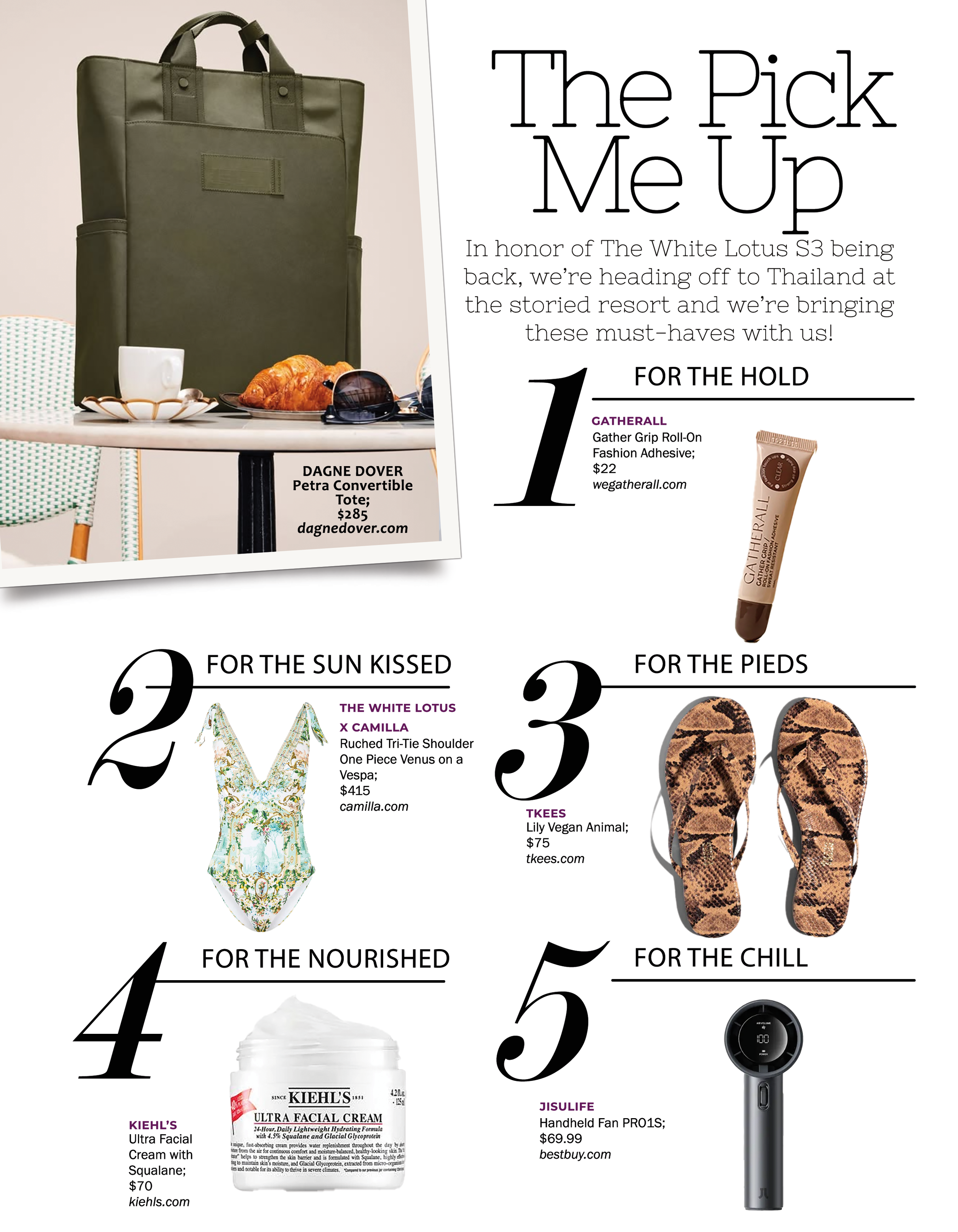
Read the Feb Issue of Athleisure Mag and see The Pick Me Up in mag.

Read more from the Feb Issue of Athleisure Mag and see CBD Beauty in mag.

The month of February has a lot going on in the sports world. While our cover men enjoy their recent Super Bowl win, a number of people are focused on the NBA's All Star Weekend, which takes place this month in Charlotte. Just like fans enjoy attending this game, a number of your favorite NBA athletes enjoy this celebration of basketball. We took a few minutes to chat with Al Horford, the 5X All Star for the Boston Celtics to find out how he fell in love with the game, what All Star Weekend means to the sport and any midseason info he can provide on how his team is doing!
ATHLEISURE MAG: So recently Steve Kerr, the head coach of the Golden State Warriors, called you the perfect modern day center that is the hub of the Celtics. How would you describe your roll on the team?
AL HORFORD: I think my role on my team is to make sure that defensively, I am bringing energy, that I’m a presence on defense and rebounding. On offense, that I do whatever the team needs me to do in terms of scoring, passing, setting screens and things like that. Just making sure that I am playing with high energy and a lot of pace.
AM: Nice so, you’re all about balance and performance in terms of recovery and nutrition, what’s your day like heading into a game and your day of activities. Then what do you do after the games?
AH: Usually before the games, I’m trying to get a lot of fruits, vegetables, proteins and just having a very balanced diet. Then after the games, and this may surprise a lot of people, but my go-to drink is chocolate milk. Chocolate milk has everything that I need to recover. It has the carbs, the proteins, the electrolytes and all the good stuff that I need to feel at my best the next day.
AM: Interesting, as the newest athlete/partner with the Built with Chocolate Milk Campaign, what does this campaign look like?
AH: Obviously, it’s encouraging a healthy lifestyle, that for me really focuses on my recovery as an athlete, a person that just worked out and trained. Chocolate milk is a great source to drink after you finish your workout and the best thing about it is that it is backed by science.
AM: With All Star Weekend taking place this weekend, what is it about this weekend that is exciting as a player, whether you’re participating as a player or just to be there to support the love of your teammates?
AH: It’s just a great celebration to be able to go there in the same building with all of these great players. There are a lot of former players that also join in. A lot of NBA legends and all that and you’re able to see all these people and everyone celebrating basketball. You have the dunk contest, the 3 Point contest, the actual game. It’s just a great time for families and it’s great for the fans to just go out there and enjoy that weekend. There is just so much out there going on. Anytime that I have gone out there and had the chance to do it, I have always felt very lucky and fortunate.
AM: Well obviously you’re on the road quite a bit. So what are your 3 must have items that you like to take with you on the road?
AH: Well that’s a good question. My three must have items is my Bible, my iPad and my headphones. Those three things are definitely always with me.
AM: Well we know that you mom is a sports journalist and is one of your biggest fans, what did she instill in you that helped you to navigate this sport?
AH: My mom is very passionate as a Hispanic/Dominican mother she is always very passionate. She’s always instilled this in me and my dad actually played professional basketball. So my interest came because of that, but if it wasn’t for my mom and her enthusiasm and energy, I don’t think that I would be in this position. She has always been so encouraging and so upbeat to be the very best that I can be.
AM: We’re all about tribes, people that connect to you and also build you up here at #TRIB3GOALS, who are 3 people that you would identify with that are your go to people as inspirations for your career?
AH: That would definitely be my mom who has built me up in that sense, and also I have been fortunate to have great coaches around me growing up. My college coach is actually the head coach of the Oklahoma City Thunder right now is another person, Billy Donovan that has always encouraged me. I’d also say my grandfather, he is one of my biggest supporters and growing up he has always been there to give me confidence.
AM: Are there any midseason predictions that you can share with us about yourself, team, your goals etc?
AH: Yeah I think that in the midseason, a team is starting to really understand how we need to play to be that great team that all our friends want and expect us to. I think that we’re playing much better basketball. The key for us is that we get all players healthy at the same time and that we play consistently at that high level. The playoffs are around the corner and it’s the time that you look forward to to be a part of that!
IG @AlHorford



Read more from the Feb Issue of Athleisure Mag and see The Hub with Al Horford in Mag.

When it comes to farm-to-table fast casual dining options, The Little Beet has been one of our favorite places to eat since 2014! Known as a 100% Gluten free restaurant, this growing chain with a number of locations in NYC and continuing to add additional cities to its roster, utilizing seasonal and local ingredients by sourcing them from farmers and purveyors that believe in this way of bringing foods that are good for you - to you. Because of the commitment to this vision, there may be variations in the menu depending on the location that you are visiting.
Navigating the menu at any location allows culinary diversity whether you are dairy-free, soy-free, vegetarian, vegan, gluten-free and nut-free. One can create their own meals or select from a series of bowls that are packed with proteins whether you stopping in for breakfast to enjoy parfaits, breakfast bowls or sandwiches or you're opting to swing by for lunch and dinner to enjoy a number of bowl options. Common ingredients that are found in their dishes include: jackfruit, kefir chicken, mixed greens, avocados, salmon poke, golden beets, black beans, pickled onions, seeds and more.
Dishes are created with inspiration from global dishes and are meant to fuel your body with positive nutrients that leave it feeling great.
In addition, there are a number of beverage brands that are offered to accompany your meal from Wonder Drink Kombucha (our personal favorite is the Asian Pear), Spindrift and Nitro Cold Brew Coffee, as well as baked goods to end your meal on a sweet note.
The Little Beet is part of Aurify Brands, which includes: Melt Shop, The Little Beet Table, Fields Good Chicken, and Five Guys Burgers and Fries.
In additional partnership with The Little Beet is Ugly Produce is Beautiful which works to ensure that they reduce food waste in produce when it comes to not consuming it or simply not buying it because it doesn't have the symmetry or beauty that is expected upon purchase. In their restaurants you will see images by Sarah Phillips of her series, Ugly Produce is Beautiful.
THE LITTLE BEET
With locations in a number of cities, surrounding areas an new locations that pop up, keep checking the website to see where they are in your area.

Read the Feb Issue of Athleisure Mag and see Athleisure List | The Little Beet in Mag.

Read more from the Feb issue of Athleisure Magsee How to Dress | For a Little Slope Time in Mag.

This month Athleisure Mag is covered on both of its covers by Brandon King, Jonathan Jones and Obi Melifonwu of the New England Patriots Super Bowl LIII Champions and the shoot took place at Serafina Tribeca. We interview them about the win as well as their passion for the game. This issue also includes interviews with Boston Celtics' Al Horford, producer and entertainer Drumma Boy, Celebrity Chef and TV Personality Marcus Samuelsson of Red Rooster, WE TV Marriage Bootcamp's Dr. V and fashion designer, Christopher Raeburn.
Read the latest issue here.

PHOTO CREDIT | Elizabeth French
It is not uncommon for people to hold familiar myths as fact. Many people regard old college proverbs about partying and alcohol as tried and true. But facts are facts, people! We wanted to find out what science had to say about some common alcohol myths that might have no scientific basis to them. Dr. Duy Nguyen, a psychiatrist and addiction treatment specialist at Beachway Therapy Center in Boynton Beach, Florida offers his expertise on the topic.
Myth #1: Eating After a Night of Heavy Drinking will reduce your Hangover the Next Day
It’s hard to find a group of friends that hasn’t made a junk food trip after a night of drinking and partying. The general belief is that food will sober you up by helping absorb the alcohol you’ve consumed throughout the night. However, our expert suggests that by the time you eat that corner store donut, it might be too late. “Alcohol hits the bloodstream almost immediately after consumption. By the time you eat the junk food you crave, your system has already absorbed the alcohol,” says Dr. Nguyen. “Instead make a mindful decision to eat something before you begin to drink and then party and drink with moderation to avoid the negative effects of alcohol. Remember that food prior to a night of drinks only delays the absorption of alcohol but it doesn’t clear you from the consequences of too much drinking,” warns Dr. Nguyen.
Myth #2: A Cold Shower will Sober You Right Up
Many people think this is an effective way to get over the strain under which they put their body the night prior. The truth is though the cold shower can make you more alert because of the shock of the cold water it won’t change what is going on in your body. Your liver is dealing with the alcohol you subjected it to and your body is dealing with the fatigue. “ The standard notion is that your liver metabolizes 1 to 1.5 ounces of liquor in an hour. That is one standard drink. If you drank more than that then it piles up in the blood and body tissue until the liver has time to process it. The system has to run its course in processing the alcohol and a cold shower wouldn’t change what is already inside your system waiting to be metabolized,” explains Dr. Nguyen.
Myth #3: Liquor prior to Beer is safe but Beer prior to liquor can make you… sicker
The myth originates from the misconception that one standard beer has less liquor than a shot of hard liquor like vodka or whiskey. This is not true. Basically, the idea is that you start with the “stronger” liquor in order to get inebriated quickly and then the “lighter” alcohol to keep the buzz going. One standard shot of vodka has the same about of liquor as a 12 ounce of beer. So the only thing you are affecting is the volume at which you start. In any case drinking too much alcohol to quickly, regardless of what you are drinking will make you sick. “Pacing yourself is the key to not being sick. Anything in excess can be dangerous and that is especially true for alcohol,” says Dr. Duy Nguyen who practices his specialty at Beachway Therapy Center, a dual diagnosis treatment facility in Boynton Beach, Florida.
Myth #4: “I can sober up quickly if I had to”
It’s surprising how many people believe in their own ability to sober up if a serious enough situation arises. This belief is dangerous because aside from being scientifically inaccurate, it leads to poor decision making. “Drunk drivers often believe that they can sober up once they have to drive and they can end up causing accidents, hurting other people or themselves and getting into major trouble with the authorities,” explains Dr. Nguyen. There is no change to the blood alcohol level in your body caused by the need to sober up. You may feel some adrenaline that makes you more alert or awoken momentarily but your perception will still be impaired and brain functions dealing with decision making and operations will still be under the influence.
Myth #5: Puking will sober you right up
Puking can only relieve you of a very small amount of alcohol if done immediately after drinking. The system begins absorbing the alcohol almost immediately and it is likely that by the time you begin to feel nausea there is too much alcohol in your system already. “The brain has a system in place for detecting and receiving signals from the body that toxins have reached a dangerous level and that the body must puke to survive,” explains Dr. Nguyen. “The process of emesis (vomiting) takes place in a few steps. The central nervous system detects the excess of alcohol through the Chemoreceptor trigger zone. This part of the brain then sends signals to the Integrated Vomiting Centre of the brain stimulating the body’s function to expulse the excess toxins from the body.”
Though the body tries it’s best to survive the puking does not sober you up right away and if you get to that level of intoxication, puking will surely not prevent a hangover the next morning.
Myth #6: Painkillers while drinking will prevent a Hangover
Medications are not to be taken with alcohol. Period. Pills like aspirin or ibuprofen are popular for headaches and people disregard the detrimental effects of taking these medications while drinking. Alcohol is a toxin that irritates the stomach and gastrointestinal tract. It can also affect the liver and the central nervous system when taken in excess. Ibuprofen and aspirin can make this worse. “Long term use of this combo of substances can cause damage to your liver and kidneys and deteriorate the lining of your digestive system,” says Dr. Nguyen
Myth #7: Once you break the seal you can stop running to the restroom
Many people will drink heavily and party hard but will hold urine all night because of the ubiquitous belief that breaking your seal and going to the restroom will have you peeing all night. This is an erroneous and problematic says Dr. Nguyen. “Our bodies have a hormone that helps your system reabsorb water from urine and helps dictate the amount of time it takes your bladder to fill up. Alcohol suppresses that hormone and as a result, your bladder fills up quicker because it is not receiving signals to reabsorb water already in your system. Leaving you, aside from dehydrated, with the need to go to the restroom regardless of how long you hold it in.”
Read more from the latest issue of Athleisure Mag.

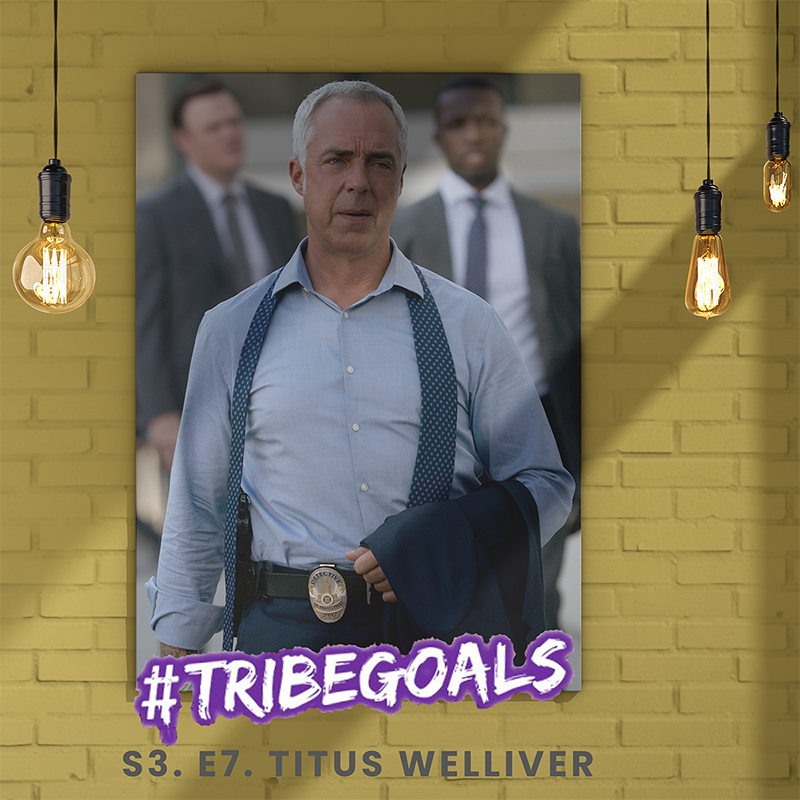
Over at Athleisure Studio, we just dropped our latest episode of #TRIBEGOALS. In the NBA we're now midway the season which means All Star Weekend just took place. We’re excited to have the chance to discuss with Al Horford of the Boston Celtics a 6 x All Star to talk about his passion to play the game, mastering his position and who has inspired him in his tribe to be as successful as he has been.

PHOTO CREDIT | UnSplash
We are all subject to marketing and advertising on a daily basis. Nowadays it seems like even thinking about skin care will get you bombarded with countless ads and sponsored post on social media. But how trustworthy are some of the marketing buzzwords used to describe the effects of skincare merchandise? We reached out to an anti-aging expert and board-certified Denver Plastic Surgeon, Dr. Manish Shah. Shah advocates helping consumers understand what this frequently used language means. Dr. Shah is also an ethical patient safety advocate.
“There are many ways marketers attempt to pull the wool over the eyes of the consumer with empty phrases and jargon,” comments Dr. Shah. “A phrase such as ‘clinically tested’ and ‘doctor recommended’ is used to mislead consumers into thinking a certain product has more credibility than it actually does.” However, Dr. Shah explains, when these phrases are used it says nothing for the results of the clinical tests or what the products were tested for. In terms of products being “Doctor recommended,” Shah warns that “consumers don’t know what doctor recommended the product in most cases and if those doctors are getting some sort of incentive for endorsement.”
Dr. Shah shares common marketing jargon phrases used to mislead consumers.
A Product that claims “Patented Technology”
“Patents are not necessarily a foolproof sign that something is groundbreaking or effective,” explains Dr. Shah. “Marketers use this language to convey innovation and superiority that their product might not necessarily have over its competitors,” he says. Patents are sometimes authorized through technicality instead of breakthrough meaning any new combination of ingredients, methods or production process can be patented as long as it is new.
“Maximum strength”
This is a term used often by skin cleansers and moisturizers. “It’s a relative term and the consumer doesn’t really know what it is relevant to. It’s language that entices the shopper to make the purchase without really telling them how it accomplishes ‘maximum strength’ results,” says the Denver Plastic Surgeon.
“Clinical strength”
From painkillers to hydrating serums, companies love to bill their products as having “clinical strength.” Dr. Shah says consumers should practice healthy skepticism with such claims. “A product that claims it has clinical strength, in many cases, could have been tested by the doctors developing it. If you think about it you can’t really pinpoint what that phrase means because it is relative and we have no context as to what the company considers clinical strength,” says Shah. The perception, explains Dr. Shah, is that the product is better because the world clinical makes it sound more credible.
“For All Skin Types”
“This is a difficult promise to deliver on,” says Shah who has practiced his specialty for 14 years. “Not all skin is the same. If someone has an allergy to an ingredient or some form of dermatitis they really should speak to their doctor about what products are best to include in their regiment instead of blindly trusting a label,” he says.
“FDA Approved”
The FDA has different protocols for skincare products that make cosmetic claims as opposed to those that make more medical claims such as promising to increase production of collagen in the skin. Since that is a body function the FDA treats those differently than normal skincare products. However the FDA just stipulates that the product being sold is safe to use in the manner in which it is directed to be used “FDA approval is not credential that shows the superiority of results,” says Dr. Shah. The plastic surgeon recommends that you not be sold on the sole factor of an FDA approval.
“Anti-Aging, Revitalizing, or Age Defying”
We’ve all seen these on the labels of some cream or serum or advertised in a commercial where beautiful models and actresses are displayed in all of their airbrushed and well-lit perfection. “These terms are somewhat misleading in that they give the perception of an unrealistic turning back of the clock,” says Dr. Shah. To many consumers viewing an advertisement, it might seem like buy and using that product will help them look like an ageless actress and that is not accurate.” Aging gracefully and maintaining a more youthful look has a lot to do with nutrition, exercise, genes, consistent skin care, stress levels, and cosmetic procedures when necessary. But according to Shah, people cannot cling onto just one aspect in order to look their best and no one product will reverse the clock.
Medical-Looking Packaging
Be wary of bottles that look like test tubes, labels or packages that include a medical or first aid cross, or feature type that looks like Rx suggesting that it’s a prescription-strength formula even though it’s sold over the counter.
Botanical
Dr. Shah explains that “An actual botanic is technically an ingredient that is derived from a plant. But, again, “botanical” may be used in advertising to refer to something that is synthetic but acts similar to a plant-based ingredient.”
Instant Results
Keep in mind that “instant results” aren’t the same as “long-term results.” Meaning, you may use a product that gives you instant moisture or has a quick-acting firming effect, but those results may fade after a few hours and require reapplication. Dr. Shah’s final advice: “Check a product to make sure it specifies whether its “instant” effects are long lasting or short term.”
Firming
What you think it means: Proven to make skin look tauter.
What it really means: Essentially nothing. “There is no objective way to measure firming,” says Dr. Shah “When a brand says their product has been shown to firm your skin, that claim can only be based on very subjective consumer perception.”
Read the latest issue of Athleisure Mag.

PHOTO CREDIT | UnSplash
When it comes to your beauty routine, very few things are free, but sleep costs nothing and may be the closest thing to a fountain of youth. Dr. Manish Shah is a Board-Certified Denver, Colorado plastic surgeon. A 2017 study found that two days of sleep restriction negatively affected participant’s perceived attractiveness, health, sleepiness, and trustworthiness. Dr. Shah explains that, “Your body repairs itself and recovers while you sleep, and that results in a long list of benefits for anti-aging and appearance.” Most experts agree that 7-9 hours a night is ideal. It’s time to maximize your shut eye for anti-aging.
Here are Dr. Manish Shah’s Tips for Beauty Sleep
Sleep on Your Back
“Sleeping on your stomach or on of your sides means there is constant pressure on your face. Over time, this action will produce unwanted sleep lines. You can remedy this by sleeping on your back,” says Dr. Shah. This way you will not apply any pressure to your face. For many people though, this might be uncomfortable, and you can't control your involuntary sleep movement leading you to a side or stomach position. You can practice and can get used to it over time.
Use an overnight product and put a glass of water on your bedside table
Washing your face can dry it out and sleeping can also dehydrate skin, especially if you snooze in a low-humidity environment. While staying hydrated by drinking water can help to some extent, what your skin really needs at night is a topical moisturizer. For a more supercharged product, try an overnight sleeping mask such as the Acai Triple Stem Cell Complex for $59.99. Potent Açai Triple Stem Cell Complex Mask is an overnight mask application crafted with an innovative, breathable, and nourishing film ingredient that functions as a transdermal penetration medium to facilitate the complete absorption of the “Grams Triple Stem Cell Complex.”
Pillowcases Make A Difference
Dr. Shah explains that, “While facial creasing has a lot to do with sleep positioning, a change in pillowcase might be the answer. There are numerous benefits of silk for good sleep. Silk pillowcases are a great way to wake up creaseless in the morning. The smooth texture of silk is gentler than cotton and may help prevent sleep wrinkles, as well as reduce skin irritation. Its tightly woven fibers also don’t draw out moisture and natural oils as cotton does, leaving your skin better hydrated.”
Stay away from salty foods and alcohol around bedtime.
If you're craving a midnight snack or drink, be mindful. While some foods, a light, carb snack like crackers or an apple, can actually help your sleep, many others can disrupt your sleep and wreak havoc on your appearance. Alcohol and salty food can have a dehydrating effect on the body. To compensate, your body starts collecting natural fluids around the eyes, among other places, leading to that dreaded puffy-eye look. Dehydration is claimed to lead to formation of dark circles under the eyes.
Wear your hair up — but not in a tight bun.
It's a good idea to keep your hair out of your face while you're sleeping to keep its natural oils from wreaking havoc on your complexion. But avoid pulling it into a really tight bun or ponytail because that can cause hair breakage, especially around the hairline. Dr. Shah suggests wrapping it up in a scarf (silk would be ideal).
Keep makeup remover by the bed
“No matter how tired/drunk you are, going to bed with your makeup on will only be worse the morning after (clogged pores, irritated eyes, oily residue etc.). Make it less of a chore by keeping some good-quality face wipes by the bed for a fast, effective cleanse. It's not ideal to rely on convenience cloths every night in place of a deeper clean, but on late nights they're skin saviors, says Dr. Shah.
Wear A Silk Sleep Mask
Avoiding light when you sleep is crucial to getting quality rest. Dr. Shah explains that, “An eye mask completely eliminates vulnerability to light, preventing it from interfering with your sleep. For the best results, use a silk eye mask. Since skin is susceptible to wrinkling, make sure that the material pressing against your face is as soft as possible.”
Keep the Temperature Low
At night, your body’s natural temperature declines. Keeping the temperature in your bedroom low is good for both your metabolism and your blood flow. Dr. Shah explains that, “This is important because improving your blood flow helps oxygenate your skin, keeping it plump and even-toned for the day ahead. Maintaining a cool temperature in your bedroom will also help reduce redness in your skin.” The National Sleep Foundation recommends keeping your bedroom between 60 and 67 degrees Fahrenheit for an optimal night’s sleep.
Read more from the latest issue of Athleisure Mag.

PHOTO COURTESY | JOSHUA COLEMAN
Illegal online websites are the new millennium street drug dealers. Drug abusers are turning to these sites because, at the click of a mouse, they can “score” as many pills in one order as they wish. An increasing amount of people are ordering drugs over the web and dark web, according to a Global Drug Survey.
Finland has the highest percentage of people using the dark web to purchase drugs, with over 45 percent. England, the US, and Australia are the runners-up, with 24, 18 and 17 percent, respectively.
The Global Drug Survey asked respondents to compare drug deliveries to another product frequently delivered to doorsteps: pizza. Of 15,000 cocaine users, 30 percent said they could get cocaine delivered in less than 30 minutes. For pizza, this was only 16 percent. The report mentions the prevalence of camera surveillance in big cities as one of the reasons why “traditional street dealing is becoming less attractive to many suppliers and customers.”
Dr. Duy Nguyen a Psychiatrist at Beachway Therapy in Boynton Beach. Florida explains the major dangers of ordering controlled substances from these unlawful websites.
1. You Don’t Know the Dosage
Dr. Nguyen says, “Buying these substances without a valid prescription is illegal and potentially deadly. If a patient is given a prescription for 5 mg of Valium (a benzodiazepine) from a licensed medical doctor, they can be sure that when they fill it at a legitimate pharmacy, that they are getting exactly that dosage with the proper components of that drug. Conversely, when buying online, at best, a patient can get duped by simply buying a sugar pill. At worst, the pill can be laced with toxins or deadly drugs like Fentanyl.”
2. Without Regulation You May Be Taking Something Different Than What You Expect
“For any addict, it would be impossible to verify what is in the medicine they received from these illegal sites, says Dr. Nguyen. There is no lab one can take the online medications for testing prior to ingesting. Even the at-home testing kits can only confirm the presence of some of what is in a drug but cannot confirm exact compounds/substances the way a lab can.
There is also no way to know the dosage of things that may be mixed with the medication you ordered. You are at risk of having added agents from sugar to hallucinogens and beyond.
3. You May Think A Site Looks Credible, but You May Be Wrong
You may think a site looks authorized and that foreign health policies are what make this sort of activity possible, but you are wrong. A well-designed website may hide an online back alley for illegal delivery and dispensing of controlled substances. Much like the NABP’s study shows, websites will allude to Canadian connections and origins to make you feel more trusting of the transaction, but Dr. Nguyen warns that people need to “be vigilant of sites and transactions where you don’t need a valid prescription from a doctor with whom you have met in person. This is a clear clue that something is wrong.”
4. The drugs may be outdated.
Dr. Nguyen explains that “Expired drugs can be inexpensive, but they may be so old they have lost their effectiveness. You'll be wasting your money and risking your health for no therapeutic benefit or for a dangerously low amount of benefit.”
5. The drugs may be diluted.
Dr. Nguyen explains that “In particular, a liquid drug can be watered down. You might order a larger dose and receive a smaller one (e.g., you order 40 mg tablets and receive 20 mg, with no indication the dose is incorrect.) When you take the drug, you'll find that it doesn't have the expected effect because it's only a portion of the amount you should be taking.”
6. The drugs inside the bottle may be mislabeled or the wrong drug.
Dr. Nguyen shares that, “You might order a high-end branded drug, but what's in the bottle might be some other cheap substance manufactured to look like the drug you ordered. Sometimes you order one drug and they send you a different product, telling you it's identical to the drug you ordered, or that they saved you money by sending you the alternative.”
7. The drugs may be counterfeit.
Counterfeit drugs have made their way into the legal American drug supply and are being delivered to patients every day.
Final Advice from Dr. Nguyen
If you are taking drugs prescribed by your doctor and feel the need to turn to the Internet to get more then you are abusing the guidelines set by your prescribing doctor. This can definitely signal an addiction and abuse of the prescription. If you are turning to the Internet to purchase Benzos, Cocaine, MDNA, Opioids, etc. you must turn to a medical professional for counseling and next steps such as an in-patient detox followed by a drug and alcohol rehab. You are taking your life into your hands when you purchase illegal prescriptions online!
Read more from the latest of Athleisure Mag.
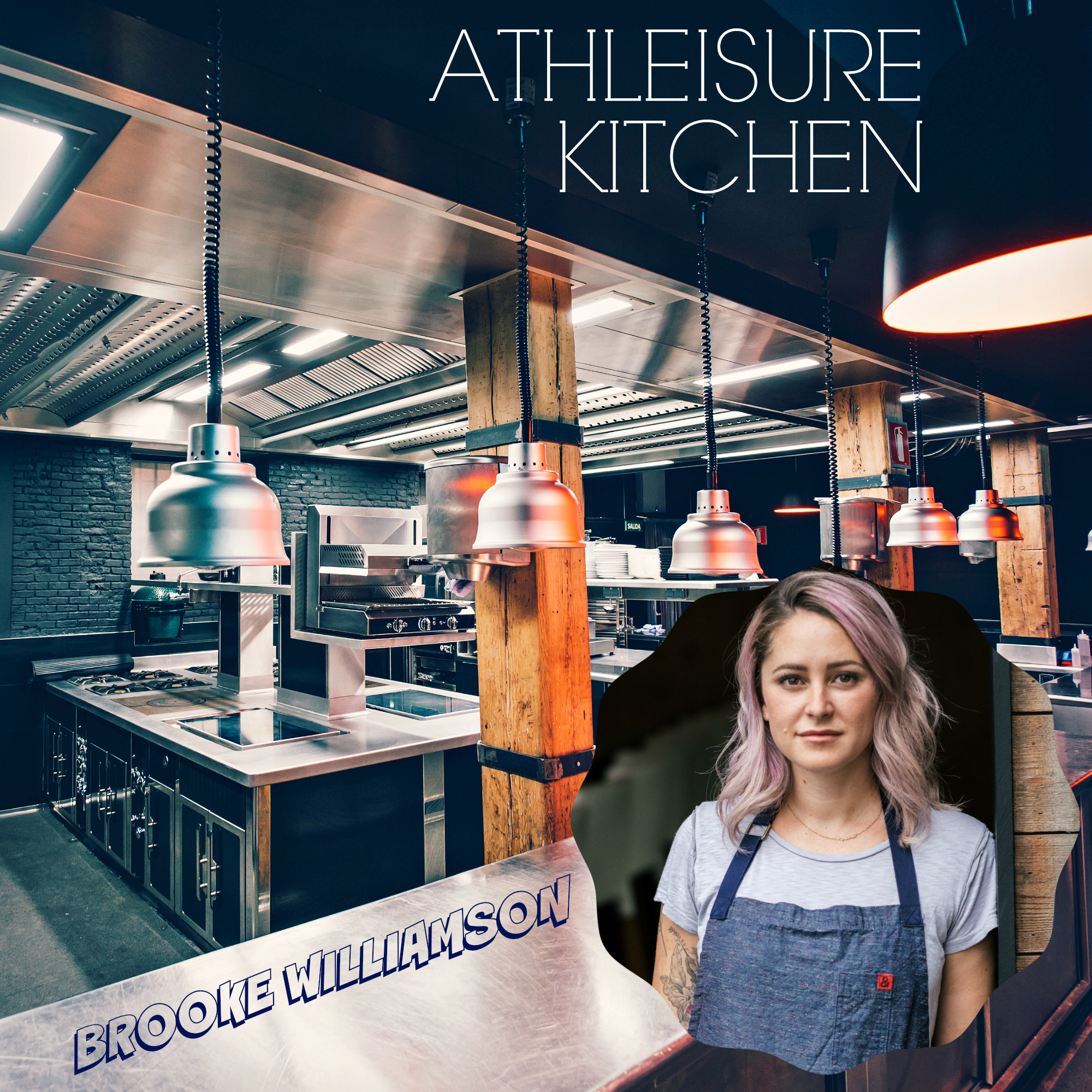
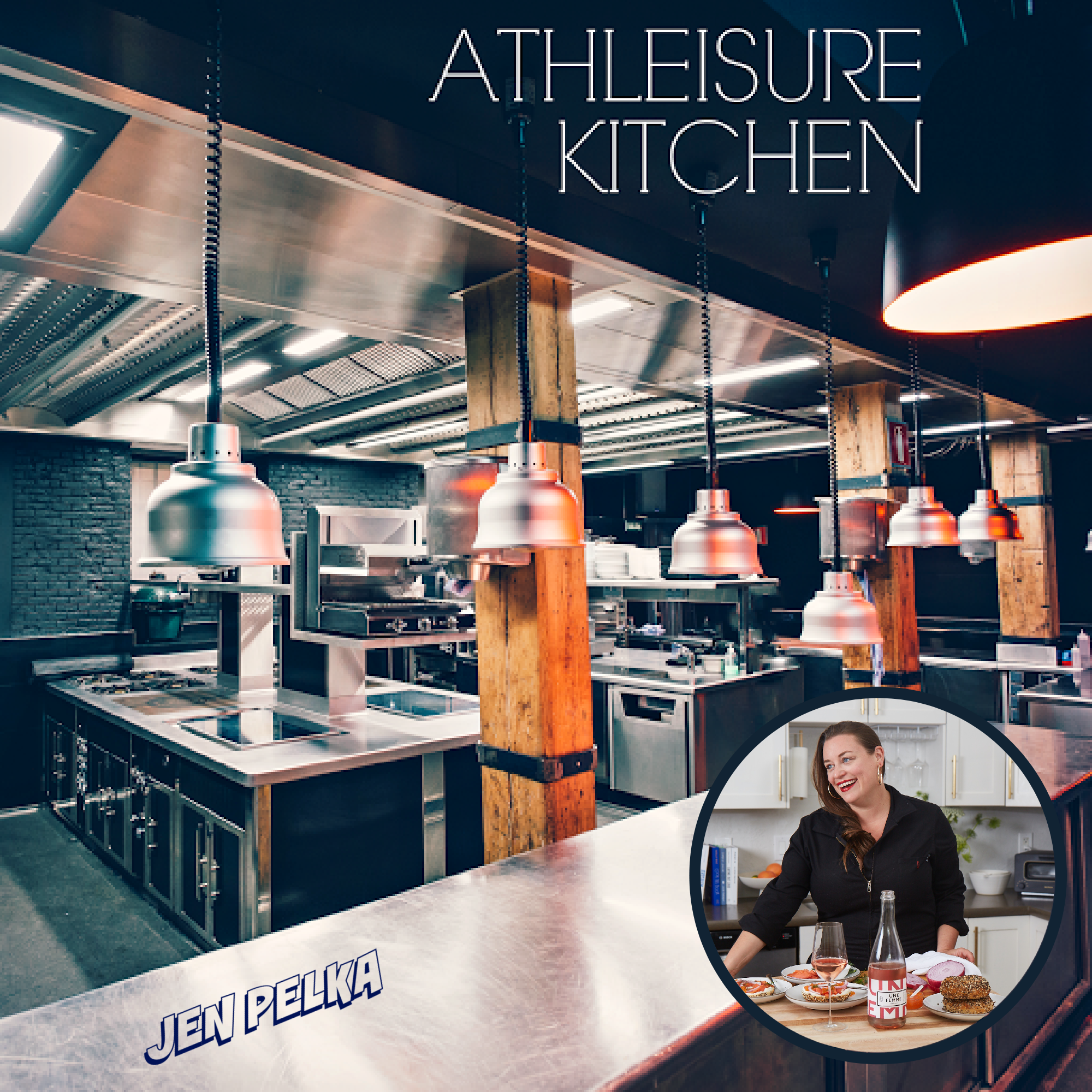
The latest episode of Athleisure Studio’s culinary show, Athleisure Kitchen just dropped today with Chef Brooke Williamson.
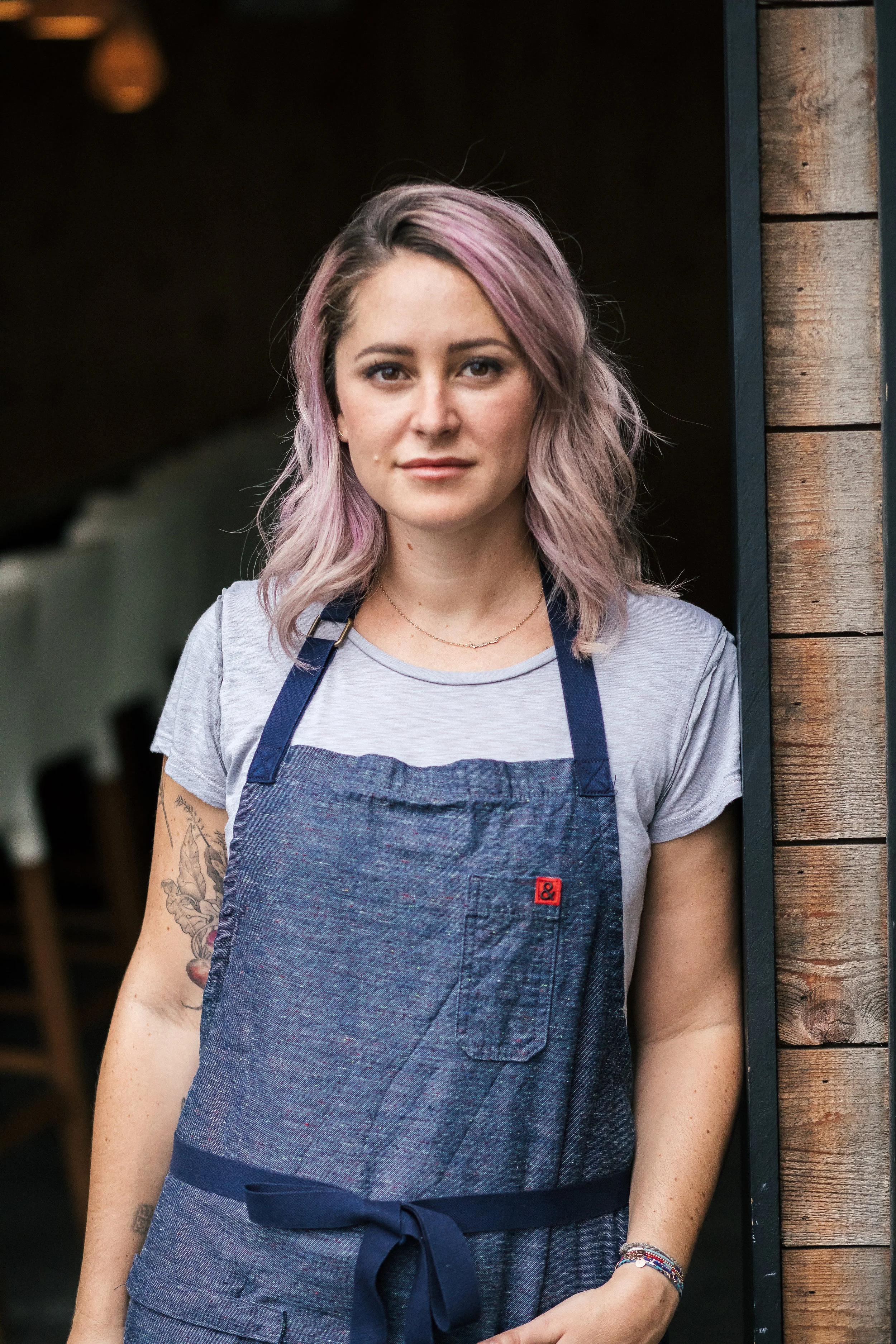
When it comes to culinary competition shows, BRAVO’s Top Chef is one of our favorites. We enjoy the quick fire challenges, restaurant wars and watching competitors navigate across the show. We also like finding out about their restaurants and often seeing them re-appear on future seasons or other shows. On season 10, we were introduced to Chef Brooke Williamson, who came in second only to come back in season 14 - to win it all! In addition to these accolades, she is the Co-Owner and Co-Chef at The Tripel, Playa Provisions, Hudson House Bar, Da Kikokiko, Small Batch Icecream and Triplikit in Southern California. We find out more about her creativity, how she got into the industry, how she keeps fit and it all together.

PHOTO CREDIT | UnSplash
Testosterone is primary a sex hormone found in the body of males, and in very small quantities in females. This hormone plays a vital role in the development of the reproductive tissues in males in both testes and prostate. It also promotes the secondary sexual hormonal body changes such as an increase in the muscle gain and bone mass and also in the growth of facial and body hair. There is a different level of secretions in the human body of males depending on their age and size.
Too much secretion and very little secretion, both have different and bad effects. This hormone in males plays an important role during sexual activities, production of sperm, and development of sexual organs when puberty hits you, deepening of the voice, growing in facial and other hair on the body.
There is a various way to test testosterone. A testosterone level test takes up the measurement of the amount of testosterone present in the blood. It is reported in nanograms per deciliter. This test can also be referred to as serum testosterone test.
Sometimes there is a low level of testosterone secretion. Some of the symptoms of low-level testosterone are decreased mass in muscle, increase in fat, rapid loss of hair, erectile dysfunction and other signs. It can occur in young men too. Below are a few points you can note if you want to know or have the knowledge on how to increase the level of testosterone in the human body.
Ø HIT THE GYM: One can increase the level of testosterone by exercising and lifting heavy weights. A study has shown that people who exercised regularly have more level of testosterone Men with more weight or those who are obsessed when exercised on a daily basis for weight loss had to an increase in the level of testosterone. If you do exercise at a very high-intensity, this will help regulate the level of testosterone quickly.
Ø GET THOSE FAT AND CARBOHYDRATES: If you are someone who does crash dieting continuously or even over-eating then this will result in drastic changes in the level of testosterone. If one takes protein it will maintain the healthy level of testosterone. It also helps in instant weight loss. If one intakes carbohydrates it will help to optimize the level of testosterone in the body. If there is healthy fat inside the body it will also help in regulation of testosterone.
Ø GO OUT: Vitamin D and Calcium regulate and optimize testosterone and decrease the danger of falling in the level of testosterone. You can take supplements of vitamins and calcium but the easiest way of getting Vitamin D inside your body is going out and getting some sunshine over your body. Vitamin D3 supplements can increase the level of testosterone to about 25% more. This is especially for elderly men and people living in metropolitan cities because most of the people there have decreased in the level of Vitamin D in their blood.
Ø GIVE YOUR BODY SOME REST: Having stress also has an indirect effect on the decrease of testosterone on the human body. Also get good quality and enough hours of sleep so that there is no decrease in the level of testosterone. Doctors recommend getting at least 7-8 hours of sleeping every day. Regular hours of sleep is important to have a healthy level of testosterone. According to a study done sleeping for fewer hours brings down the level of testosterone to borderline levels. If one takes stress for a long time, it will also result in changes of low level in testosterone.
Ø SPRINT FASTER: Sprinting is a form of exercise too which will regulate the level of testosterone. Sprinting at a very high intensity will also yield in the decrease of body unhealthy fat. Sprinting increases the level of testosterone hormone to a higher level than being secreted.
Ø LIMIT ALCOHOL: If you take a moderate level of alcohol, your body might flush out the toxins after a few days. If too much alcohol is consumed, it will decrease the level of testosterone and it will increase the level the level of estrogen. Also, there will be an increase in body mass and there will be an increase in weight. Alcohol is toxic for the body, so to increase the level of testosterone you must limit the intake of testosterone.
Read more from the latest issue of Athleisure Mag.

PHOTO CREDIT | UnSplash
Many conditions like cancer and diabetes are difficult to talk about with your doctor because of the burden of these diseases and the hardship of the symptoms and treatment. Other ailments are just plain embarrassing. Not to worry, you are not alone in feeling bashful about certain issues you may be experiencing. The good news is, most of these embarrassing conditions are not life threatening and if you have the courage to speak to your doctor, “you will find that your doctor is trained to talk about sensitive issues in a manner that is both considerate and informative,” says New York Based Internist and Gastroenterologist, Dr. Niket Sonpal.
While you are still working up the courage to make an appointment with your doctor, here are the top 5 embarrassing questions you may have with insight from our expert.
1. I’m still young and I get hemorrhoids. Why is this happening and what can I do?
Though hemorrhoids are more prevalent in adults 40 - 65 years old, young people may still have symptoms associated with hemorrhoids. It is estimated that 75% of the population gets them at some point. Hemorrhoids are common and usually not life-threatening. “What you need to keep in mind is that Hemorrhoids are a symptom of a variety of conditions,” says Dr. Sonpal. “Observe your symptoms and report to your doctor what you feel. Especially in the case of extreme rectal bleeding, lower stomach pain, and unexpected weight loss. These are all symptoms of a more serious condition like colon or rectal cancer, which is most common in people over 40.
2. I have a cold sore on my mouth, if I perform oral sex on my partner will I transmit to them?
“Yes, it is possible and common for someone with oral herpes to unknowingly transmit the virus to their sexual partner through oral sex,” explains Dr. Sonpal. Using protection is the safest way to prevent this from happening even during oral sex. Herpes is transmitted through skin contact so barriers like condoms are effective in reducing the risk to your partner. Usually, people are more cautious about unplanned pregnancies and diseases transmitted through fluids than they are about oral sex and it’s common for them to have oral sex without condoms. This can lead to, not just the transmission of herpes but other viruses like the previously mentioned HPV. Dr. Sonpal’s advice is to stay tested and don’t be afraid to ask your doctor for the pertinent exams if you know you’ve been exposed.
3. Why is my stool green?
Dr. Sonpal explains that, “It can be jarring for people when they experience it the first time but it is rarely related to anything serious. Green is under the umbrella of acceptable stool colors. Most commonly stool will be brown but depending on what you eat you may have occasions where the volume of vegetables you eat affect the color of your poop due to the chlorophyll.”
Other causes can be food coloring, “Children are often exposed to the experience sooner or later because of cereals. Some kids think it’s cool. This is not related to something serious,” says Dr. Sonpal.
Other causes could be medications, coffee, alcohol, and spicy foods. Dr. Sonpal elaborates that if the green stool is not accompanied by diarrhea, nausea, or pain, which could indicate food poisoning, then you shouldn’t worry too much about it.
4. Why am I gassier during my period?
Studies have shown that high percentages of women, with and without Irritable Bowel Syndrome (IBS), complain about increased gas and bloating during their menstruation. “Your body’s hormones are acting up and you may be more sensitive to certain foods than normal,” explains Dr. Sonpal. He recommends avoiding foods high in fiber. These foods tend to increase the bloating as they are meant to keep you full for longer. “If you live a sedentary lifestyle your digestive system might already be slow. Don’t skip out your fitness routine or your late afternoon walk as it can be a key part of keeping your digestive system working during your period, says Dr. Sonpal. He also recommends cutting off the sugary and carbonated drinks which increase the bloat.
5. I’m young, why am I having the constant urge to go urinate throughout the day and most of all at night?
This is a tough subject for many people. For older people, it is a sign of aging and they see it as such. The stigma of urinary incontinence keeps them from speaking to their doctors about it until the problem gets out of their control completely. For young people, experiencing urinary incontinence or hyperactive bladder is shocking. We grow up not realizing that these types of issues can affect people at a younger age. Urinary incontinence most commonly affects women and people over 40 but it is totally possible that a person in their 20’s can be dealing with this issue.
6. I’m a woman- why do I have hair on my nipples?
Dr. Sonpal states that, “Hairy nipples are normal for women. Seeing black, wiry hairs growing around the areolas can be surprising, but you’re not alone. The percentage of women who have hairy nipples is unclear, and many women don’t report it to their doctor.
In most cases, hairy nipples aren’t cause for concern. For most people, they’re a normal part of bodily changes.” You don’t need to remove the dark hairs around your nipples. They won’t cause any issues. However, you can remove them for aesthetic reasons if you choose. Several treatment options may help. One can choose laser hair removal, electrolysis, waxing, trimming etc. Speak with your doctor about what is safest.
7. Is it supposed to smell “down there?”
“Your vagina and its discharge should have a smell, but it shouldn’t be a bad smell and you shouldn’t be able to smell it from a distance,” says Dr. Sonpal. He adds, “Vaginal discharge and smells are dependent upon hormonal changes, mood changes, hygiene habits, sexual activity, physical activity and clothing.” If you’re sweating or you’ve recently had sex, you may notice an odor, but it’s normally nothing to worry about. However, if you experience odor plus itching, burning or irritation, it might be a treatable vaginal infection like bacterial vaginosis or the STI trichomoniasis. “Don’t douche,” cautions Dr. Sonpal. That will just remove the healthy bacteria your body needs to naturally clean your vagina.
Read the latest issue of Athleisure Mag.

Hands down, BRAVO's Top Chef is one of our favorite culinary competition shows. In addition to seeing talented chefs come up with creations on the fly, Restaurant Wars and cities being showcased - it's being introduced to chefs and their restaurants that we are constantly making a note to visit when we are in the midst of our travels. We have quite a list of our favorites that we have enjoyed seeing at Cochon555, culinary events, and of course interviewing as well in Athleisure Mag. This month, we chatted with Chef Brooke Williamson who was second runner up on Season 10 of the show and won it all when she came back for Season 14, we talked with her about her start in the industry, being the youngest chef to cook at the James Beard House, being a Restaurateur of a collection of restaurants and more!
ATHLEISURE MAG: What was the moment that you realized that you wanted to be a chef?
CHEF BROOKE WILLIAMSON: I don’t really remember that moment because I was so young and I was probably 6 or 7 years old when I realized that I wanted to be a chef. Then it became a thing that I just worked towards during my whole childhood so I don’t have one defining moment – it was just something that I knew I always wanted to do.
AM: Where did you train and what were restaurants that you worked at starting prior to the first restaurant that you opened?
CHEF BW: Well, I didn’t go to formal culinary school, I did take some cooking classes in my teens at a little cooking school called Epicurean but otherwise it was all restaurant training. My first kind of formal culinary job was at Phoenix at the Argyle Hotel under Ken Frank on Sunset and then I was there for about a year and a half and moved onto Michael’s in Santa Monica and moved up to Sous Chef like within a year so it all happened very quickly within a year. But I think that personally it’s because I I had been cooking my entire life.
AM: How do you define your style of cooking?
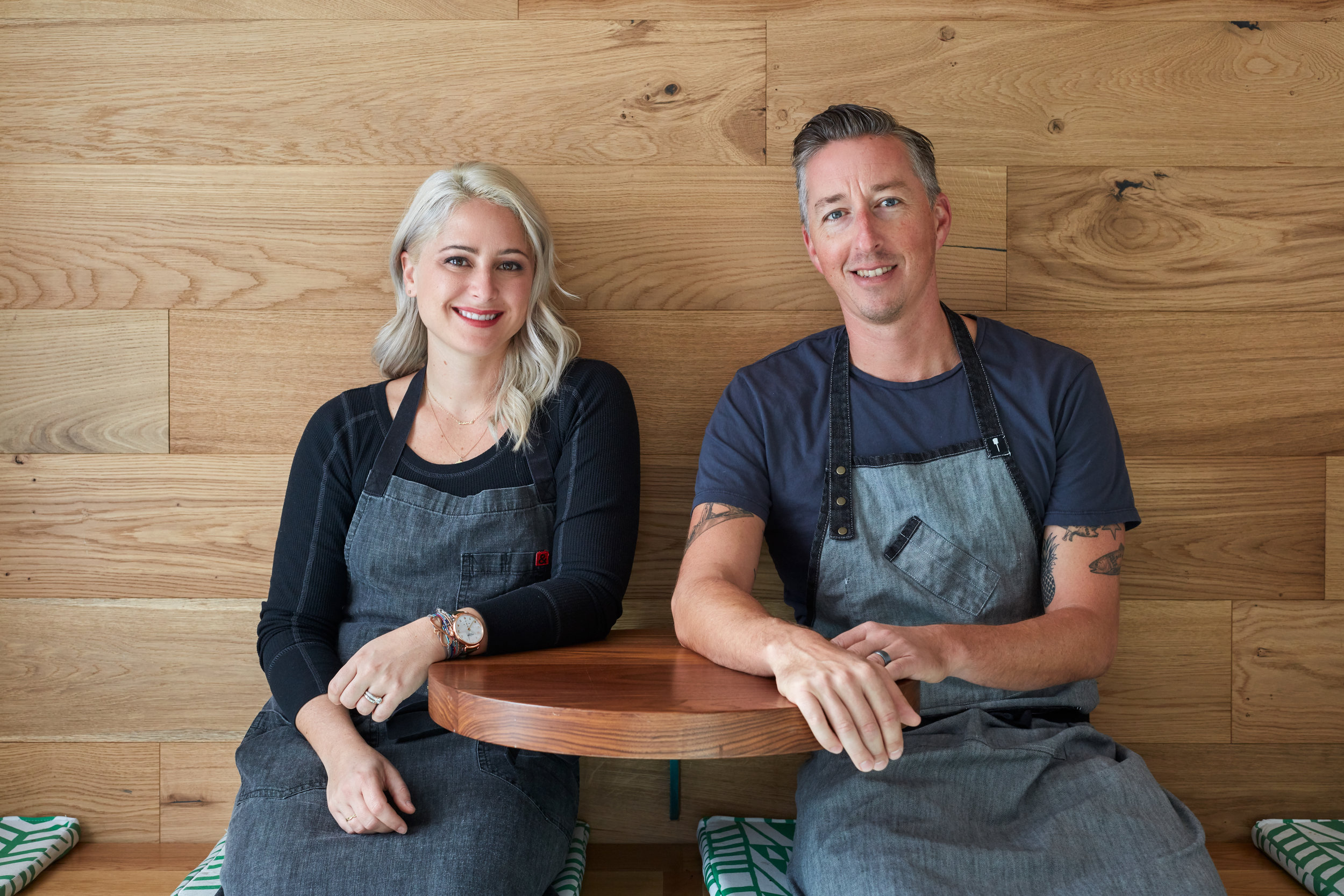
CHEF BW: I don’t really – my husband, Nick Roberts and I have several different restaurants and they are all very different from one another. I would say that the one constant throughout is seasonality and locality. I would say that we try to cook with seasonal, local ingredients as much as possible. I think that with both of us being native Californians we just naturally gravitate towards a lot of produce and just kind of work from there. All of our restaurants are very different just conceptually so I don’t have a definitive answer for that.
AM: It’s amazing that at the age of 22, you were the youngest chef to cook at the James Beard House, what do you remember preparing for that to take on such a big task?
CHEF BW: I think that at that age, I kind of didn’t know the magnitude of what I was doing which may have helped me with my composure. I knew what the James Beard House was and what an honor it was, but I didn’t understand the magnitude of what it was.
AM: When you opened your first restaurant, what is the first takeaway that you took from it that you learned from that and how did it inform how you went about opening and managing your future ones?
CHEF BW: Well my husband and I opened it when we were very young. We were chefs, we were not restaurateurs. We didn’t know what the difference was and we learned very quickly that we went into a space that we didn’t do a ton of research on the lease or the history of the location. I think what we took out of that was probably the most expensive culinary education that I could have had! That’s what I consider it – your first failed restaurant is such a learning experience and I’m so glad that it happened the way it did and I had something to fall back on by the time we closed the doors, but I can’t even count on 2 hands the number of takeaways from that. I just became more business savvy and understood how important the business side of a restaurant was.
AM: Can you tell us about each of your restaurants because they have a different feel to them – so walk us through the worlds of your restaurants!
CHEF BW: So the oldest restaurant which is currently open is Hudson House which has been around for 10 years and has morphed a lot since we have first opened it. It is still this warm gastropub kind of feeling. It’s sort of the first gastropub in the Redondo area of its kind and it’s changed a lot. It’s matured a bit as we just did a facelift on it so it looks more mature and more modern than it ever has. The menu has changed a lot and it still has that neighborhood feel to it. Then, The Tripel opened 2 years after that which is kind of a craft beer bar with upscale bar food. We have a couple of signature burgers which is what we are known for at The Tripel. Then we have Playa Provisions which is just down the street from that which is a 4-in-1-concept, we have a whiskey bar, a sit down seafood restaurant, a café that serves pastries and coffee in the morning through lunch, and then an icecream counter where we make all of our own icecream in nostalgic flavors. Then in Playa Vista, we have Da Kikokiko which is a fast casual Hawaiian concept – we serve mainly poke bowls, musubi and shaved ice and Dole whip as well. We have an icecream shop in Mar Vista which is a bit of an offshoot of Small Batch Ice Cream which is in Playa Provisions. We also have a retail store called Tripli-Kit as well that is specialty kitchen related goods.
AM: Do you think that you will open additional restaurants and concepts in California and also do you think that you will open up in other cities down the road?
CHEF BW: I would say if history tells correctly, we will probably continue in California. We do have this tendency to remain very local because my husband and I are very hands on and I like to be able to visit every place within a day if I need to or to get anywhere where I need to be or if I have to be. I’m kind of a control freak that way – I wouldn’t rule out opening a place out of state, but if we were to do something that wasn’t hyperlocal, then it would be an extension of something that we already have. That way we would feel that we would have control over from afar as well.
AM: Seeing that you and your husband are both chefs and restaurateurs and run your business together – how do you maintain how you work with one another as business partners as well as to maintain your coupleship?
CHEF BW: It’s the only way we have ever known each other. We met each other in the kitchen many years ago so it feels very natural to be in business together which is a struggle for a lot of couples that didn’t start out that way, I think. We know each other in a business sense very well. The hardest thing is juggling the parenting with the business. We want to stay active and engaged as parents as we juggle our busy days with the restaurants and with what we do. It’s really been the hardest part but we have somehow managed to make it work. We’re very fortunate that we have one another that we can kind of play off of and understand each other’s lives and the fact that we don’t want someone else raising our child. That mindset about what we want our lives to be is really helpful.
AM: What are 3 signature dishes that if you had to select them from across your restaurants – what should we try?
CHEF BW: Well, Hudson House we just completely redid our menu and in 10 years we just shifted things to a slightly overall Asian feel. There is a lot of Asian influence but it stil feels like a gastro pub menu. There are a couple of items that we will never be able to get rid of so we put it on a secret menu as we knew a lot of people would be mad with us if we didn’t still offer it. The Hudson Pretzel Burger and we do these Brown Sugar Pork Ribs which people go crazy for.
At Playa Provisions, I would say the Lobster Roll is something that we are pretty known for. The Crab Claw Pots, which is a snow crab claw with a crab cake at the end of it and then the whole thing is fried. That has become a signature staple as well as our specialty pastries. We do a Unicorn Cake it’s a special order. It’s a rainbow sort of pastel layer cake that is decorated like a unicorn and is filled with sprinkles which we sell a couple a week.
At The Tripel, I would definitely say that The Tripel Burger is a go to staple that we are known for on that menu. It’s duck confit, ground pork and beef with truffle cheese and apricot jam on an onion brioche bun.
At Da Kikokiko the spicy tuna bowl and the spam musubi, although we do a really good salmon musubi which sells almost as well, and of course the shaved ice. People come in just for the shaved ice.
I would say that our signature staple flavor that we have over at Small Batch, which is also my son’s favorite, is Mint Oreo or Chocolate Malted Crunch which is kind of a play on the old thrifty Junior flavor.

AM: You were asked to collaborate with a brewery to create Girl Grey. Where did this idea come from by having these interesting flavors of the Belgian style ale, the almonds and earl grey tea to come together?
CHEF BW: I knew I wanted to do a Belgian Tripel style of beer as it is my favorite style of beer and it is also why the restaurant is spelled T-r-i-p-e-l in the style of this Belgian beer. So it felt like it made sense to do a Belgian Tripel beer and then I used my chef brain in the sense that I thought about flavors that naturally went well with a higher alcohol creamy aged ale. There were probably 7 different flavor ideas and combinations that were on the table. That’s the one that really stuck and we made a sample of it, tasted it and that is the one that we went with.
AM: Is it still available?
CHEF BW: It was a one time release so I’m sure that there is some stashed away, but I don’t know if it is still purchasable from the brewery.
AM: We know you also did a sour beer with them, do you see yourself doing collaborations like this?
CHEF BW: I would totally be up for it! I felt like it was a one time collaboration that they were looking to do, but if they came back to me, and were interested in doing another flavor with me – I would totally be down to do it.
AM: So what led to you to the decisions that brought you to Top Chef for Season 10 and after having all of the experience from that season, what made you say that you would come back for Season 14 where you ultimately won that one?
CHEF BW: Well the first time it was a really difficult decision. I had a 4 year old at the time and I had turned it down several years before and then finally said yes after seeing what it had done for the previous chefs, that the platform creates for chefs who do well on it. I felt it was a personal challenge to do something that was out of my comfort zone for myself, but I also felt that now more than ever – the restaurant business is a difficult business and I felt like anything that you can continue to do to stay relevant and to let people know that you are out there and waiting for them to recognize you is worth doing! Of course, you don’t know how you are going to do or come off when you do something like that, but I felt that I was relatively unconcerned with my personality coming off in a terrible way so it was more of a personal challenge to see where we could take this.
AM: For season 14 was it more of a nobrainer?
CHEF BW: No it wasn’t because I felt like, what were the chances that I could do better than second place? On a personal note, it was a much more difficult decision. Professionally it was more of a no brainer. I saw first hand what it did for my business and what it did for me. But personally, the thought of going back and being eliminated first, second, third or anything less than winning would have been a total disappointment to me. So I kind of went into it with that mentality which helps and hurts in several ways.
AM: In terms of your Top Chef squad we see you with Richard Blais on the show and we see you with other chefs from the show for your appearances etc. When you are not in those areas, who from the show do you hang out with?
CHEF BW: I feel like I made a lot of really good friends from the show. They’re people that I would consider closer personal friends that I made and keep contact with on a very regular basis. Kristen Kish is one of my very best friends that I stay in touch with, Casey Thompson is one of my closest friends and I have a plethora of other people – I’m good friends with Shirley Chung, Kelvin Gillepsie - I could go down a list of people that I have kept in touch with on a regular basis and I would say a handful of people I stay in really close contact with and consider them my closest friends.

AM: We know that you have done a lot of TV from Top Chef, MTV’s House of Food, and Esquire Network's Knife Fight – what are upcoming shows that we can expect to see you on?
CHEF BW: I haven’t done a ton of shooting lately. I did an episode of Top Chef recently that just aired that I judged.
AM: We loved seeing you on there with your Christmas Sweater – so cute.
CHEF BW: Haha yeah my Ugly Christmas Sweater.
AM: You have so many accolades under your belt from being a chef, restaurateur, whisky aficionado, beer creator – what else is on your list that you want to add to that you have yet to tackle??
CHEF BW: Not really, there are areas that I feel like I want to do better in. I would say that the way I feel about my life and career is that I have done a lot of things pretty well. I would love to say that I do more things very well. I’m kind of at a point right now where I don’t have to do more stuff to do more stuff. I want to make sure that what I am doing is really quality. I don’t feel like I need to expand my horizons. I want to make the restaurants that I have open are doing the best that they can and that the people that come in are having great experiences as often as possible. I want to be more present in my restaurants, my life and as a parent. I don’t feel like I need to branch – I feel like I need to branch in.
AM: That’s a good one. I feel like a lot of times we do bite off so many things and branching in is a good thing.
CHEF BW: Totally, I mean – when it comes to my health and mental, physical, wellness, my parenting and my friendships and that there have been things that have suffered – not dramatically because I have been stretched too thin and I just want to do everything a little better.
AM: We know that you are an avid SoulCycler and you do fitness and various workouts – why is this so important to you to have this as a part of your lifestyle?
CHEF BW: One because I feel like I physically need to maintain my health in order to live the lifestyle that I live and to do the things that I do. The travel takes a lot out of me when I do the appearances, dinners and stuff like that. I’m not a great traveler so just maintaining that and some sanity is really due to my exercise regimen and I can really feel it when I don’t exercise and I don’t get that energy out in the right way – I feel like my life suffers. Even from an energy standpoint to maintain the energy to do it all. I feel like it’s so important to maintain sanity.
AM: You recently cycled through Italy to tour their countryside as well as to enjoy the foods of the region. Did you have to train yourself to do that kind of cycling as it seemed like you were on your bike quite a bit to get everywhere!
CHEF BW: I think I had to train myself on how to be on a real road bike which is not a no brainer! It’s actually a scary piece of equipment and if you don’t use it properly, it can kill you. I felt that I needed to up my game on how to be on a real bicycle outside and not on a stationary bike like I was used to. It was also about sitting on a saddle for such a long period of time that’s really where I struggled the most sitting on those bike seats. It seems like it would be nothing when you’re talking about biking hundreds of miles – but it’s not nothing!

AM: How many hours were you on this bike without a rest?
CHEF BW: I mean, we would stop for coffee and when we needed to stop. But, we were with a group of people and I wasn’t going to be the reason why we were taking so long. Especially since I was technically helping to lead this trip. We would go for a couple of hours and stop for a cup of coffee and then go another couple of hours and stop for lunch and then it was a quick ride to whatever hotel we were staying at. The difference between a 45 mins or hour SoulCycle class and 5 hours in a bike seat is huge!
AM: Since you do travel so much, what are 3 must haves that you bring with you regardless of where you are traveling to?
CHEF BW: If I am taking a flight, I always have Flopsy my stuffed rabbit that I take with me that I have had since I was 4 in my carry on! If I get on a flight, I’m going to have Flopsy. I’m not religious at all but have a Saint Christopher that I travel with as well. Those are the kind of things that I don’t get on a plane without having those. The other thing is that I travel with snacks always. I’m always the one that travels with a ziplock gallon bag full of snacks because I feel like unnecessary travel hunger just adds to the stress of travel. I also hate having to grab a bag of Doritos because there isn’t a banana. I always have a little pot of lavender scented balm or something that smells good. Usually it’s lavender scented as I am a bit of a high anxiety person and smells really help me. I also love Dr. Pepper Lip Smacker Chapstick.
AM: We love the throw back!
CHEF BW: I actually mentioned that I had them and I couldn’t remember where I said it, but I couldn’t find them anywhere and Target stopped carrying them – specifically the Dr. Pepper flavor and Lip Smacker actually sent me a 6-pack where I am currently on the last stick.
AM: So where can we find you grabbing a meal outside of your restaurants, working out and doing a bit of shopping?
CHEF BW: Oh my gosh those are so different questions! Alright so, I don’t often grab a cocktail outside of my restaurant. I grew up in Los Angeles, I was a total bar hopper at 20/21 I was sitting at the Vermosa Bar sitting by myself just after work drinking a Johnnie Walker Black on the rocks on a school night – loving it. I feel like I got that out of my system and that I don’t need to go to bars just to go to bars anymore. I have a child that I appreciate putting to bed at night and I can have a really good cocktail at my own restaurant. I’m not a bar goer. When it comes to eating meals outside of my restaurant, we generally go ethnic. Generally Asian, we do a lot of sushi and go to Kanpai in Westchester a lot. We go to Aiara for Thai food a lot we go to ASAP Phorage for pho – so we do a lot of Asian food and we like to keep it local.
I definitely am a SoulCycler but every so many months I do this Boot Camp with Lacey Stone and I love her. She does a 2 week boot camp called Reboot which I am actually doing and it’s 2 weeks of no drinking, eating super clean and I prep all my own meals. I still go to my spin classes, but 3 days a week, I go to her Boot Camp in the morning and the next one will be at The Wall - so I’ll be there.
AM: We love The Wall.
CHEF BW: I’ve never been there.
AM: It will definitely be good to check it out.

CHEF BW: I like shopping online – I’m not a huge shopper. I don’t like to try things on. I do like to see things in per son. I don’t like to go on shopping excursions. When I see something that I like in a store, I often buy it on an impulse and hope it will fit as I don’t like returning things. I’m not a huge shopper so I actually prefer that when my conditioner is getting low, I like to go on Amazon and order it and would rather have Amazon deliveries every single day!
AM: It’s like Christmas every single day with a new box – but you know exactly what’s in there!
CHEF BW: It’s amazing. By the time I decide that I need to buy something, it always takes me a couple of days to get to whatever store it is anyway, so I can have it on my doorstep without having to go anywhere!
AM: How do you define your personal style in terms of what you wear when you go to work and what you wear when you’re going out with friends or for a date night?
CHEF BW: They are all very different from one another. I love fashion, I love clothes, I love shoes. I also am not someone who will make themselves look great every time they leave the house. I work out a lot. I wear a lot of workout clothes, but I also try not to make that my daily outfit and try not to fall back on that for my go to. I work out in work out clothes and try to care about what I look like when I am going out someplace else. I love to be comfortable. I love overalls, love jumpers and am a big fan of being comfortable and also having a cute outfit on. I do love getting dressed up and am the first person to say that I am going out to dinner to a nice restaurant and that I am excited to put on a pair of heels and a dress, especially because my everyday life means I’m dressing down in jeans, a button down flannel or long sleeve shirt. So when I get dressed up,
I love getting dressed up.
AM: I can only imagine how busy you are. What’s your morning routine like to get to your restaurant?
CHEF BW: I’m very fortunate that in a sense, my husband is a morning person because I am not! So on a weekday, my alarm goes off at 6:20am or 6:18am don’t ask. I start by complaining that I have to get up and my son will come one eyed down the hallway into our bathroom because he is not a morning person either and he found that his morning routine needs to include a shower. My husband will get up and make coffee and usually that’s how I am able to get out of bed because he makes me coffee. Then I am a workout first kind of person. If it is my turn to take my son to school then I will take him and head straight to a SoulCycle class which depends on whether I am in a bootcamp or not. If my husband takes him, he goes to a trainer on Tuesdays and Thursdays, so he can’t go to school before that so on Tuesday and Thursday, I can kind of take my time a little bit and go to whatever class I want to as opposed to the one that is closest to the school. I’m a take-a-class-kind-of person usually but if I can’t, I have a Peloton bike at home and if I can’t pull it together to take a class then I will take it from home. Or maybe I will go for a run if I am on a running kick which I haven’t been for a while. Then I shower and get as many things as I can get done so that depending on where I have to be and when – before one of us has to be home to pick up our son from school.
AM: How do you take time for yourself with such a schedule that you have?
CHEF BW: I consider that when I workout, that that is time for myself and that I don't know if everyone considers it that. Working out is me taking care of myself and working out to keep myself sane. So me scheduling a workout into my day is really my way of taking care myself.
IG @ChefBrookeW
PHOTOS COURTESY | Chef Brooke Williamson | LEFT IMAGE courtesy of TOP CHEF -- "Naughty and Nice" Episode 1603 -- Pictured: (l-r) Richard Blais, Brooke Williamson, Padma Lakshmi -- (Photo by: Michael Hickey/Bravo)
Make sure to follow our new multimedia podcast network, Athleisure Studio and specifically our show, Athleisure Kitchen. You can get the latest episodes when they drop by following and listening to us on your preferred listening platform (Spotify, Apple Podcast, Google Play, Stitcher, etc). You can hear the full interview with Chef Brooke Williamson on Athleisure Kitchen when it drops in Feb.


Read more from the Jan Issue of Athleisure Mag and see Seasonality and Locality with Chef Brooke Williamson in mag.

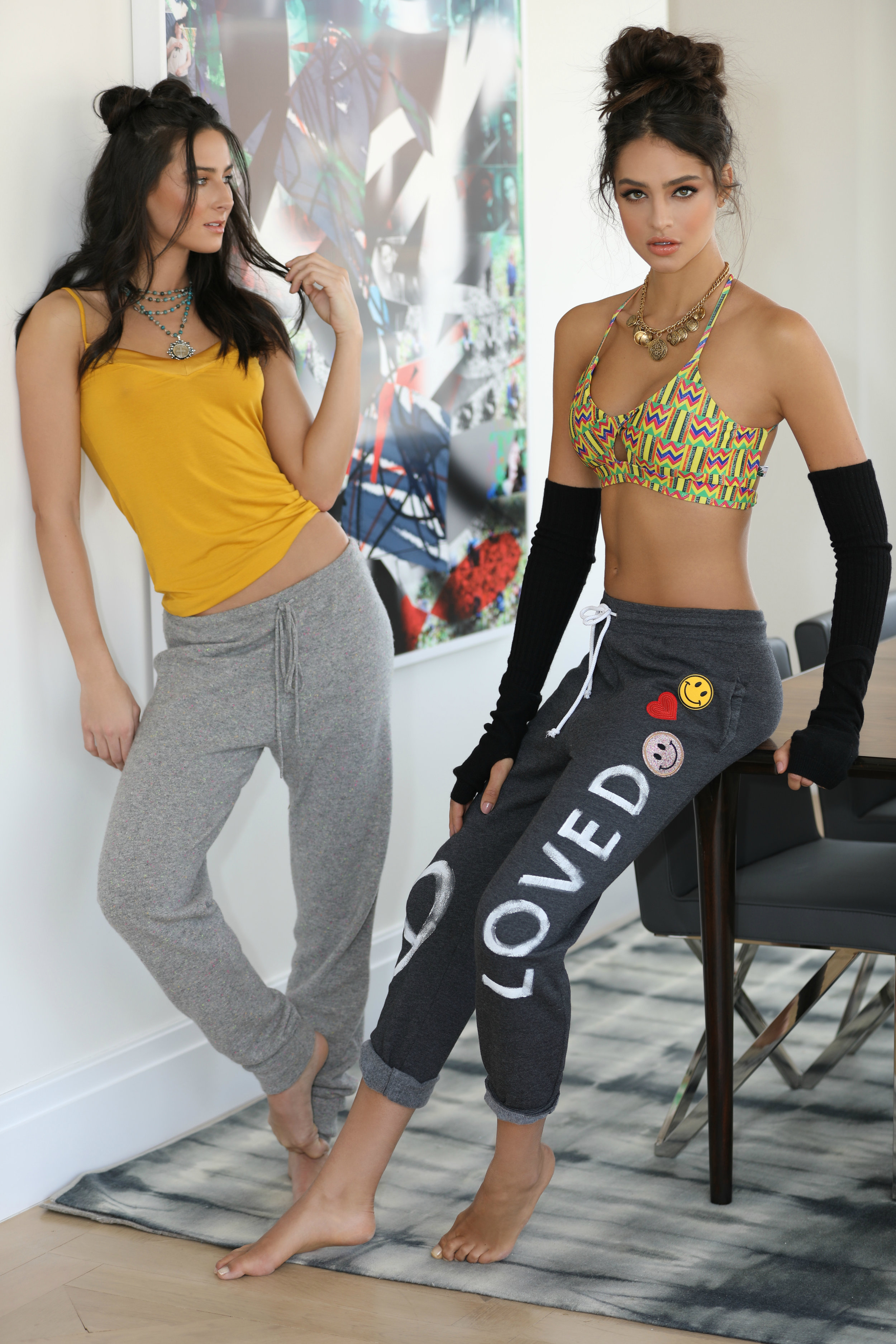

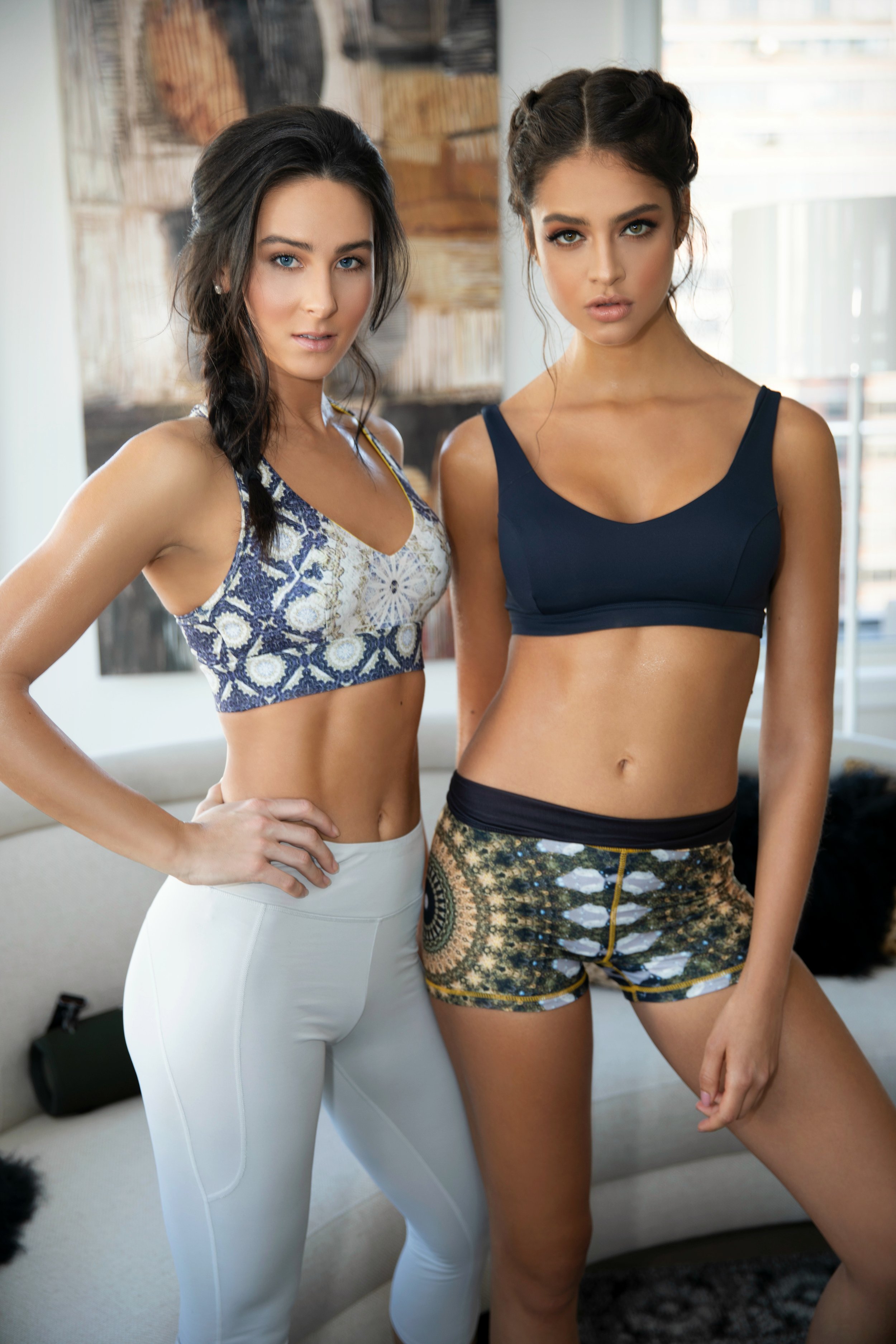
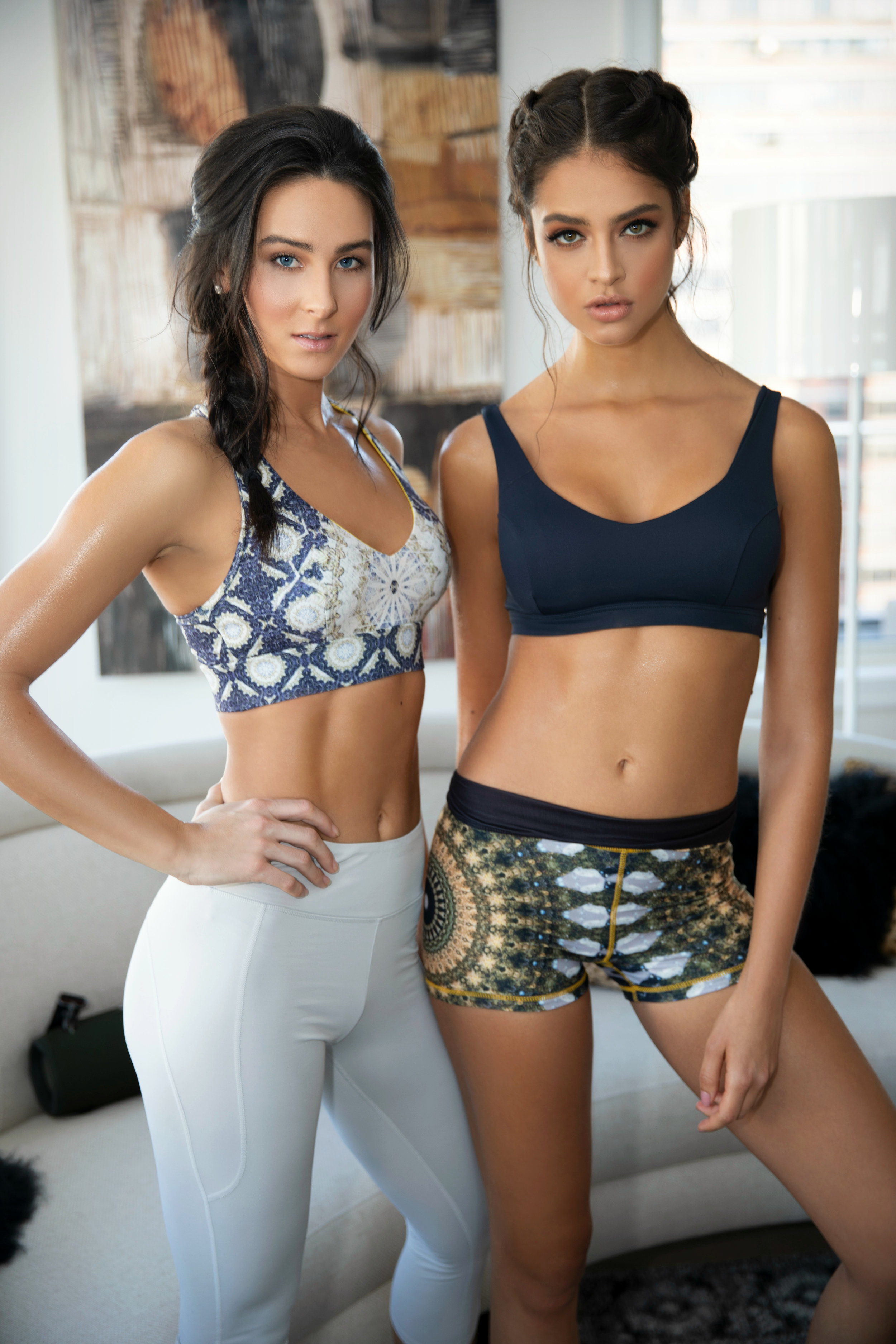
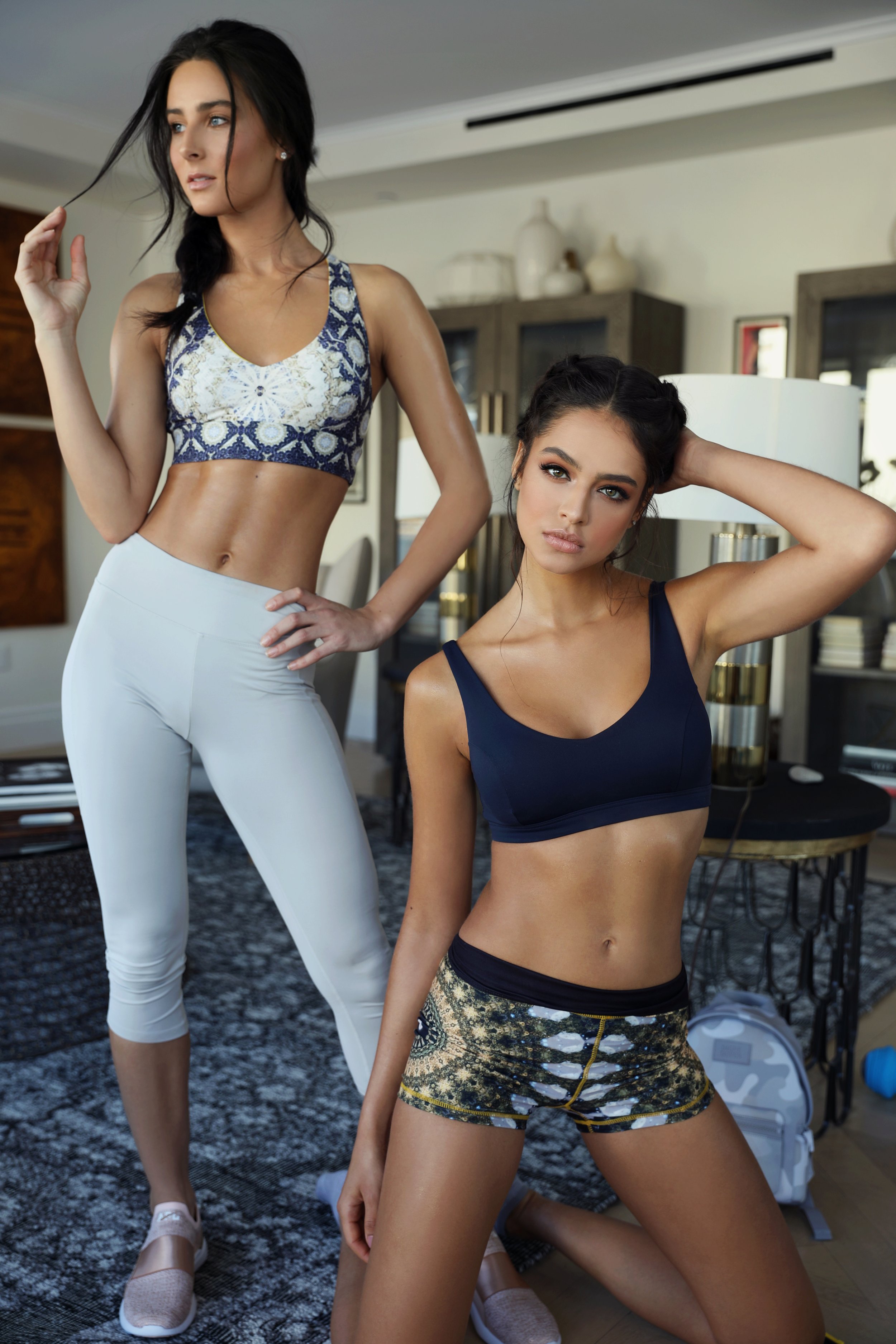
With a new year ahead of us, we wanted to showcase go to looks when it comes to living our lives - a lounge look, fitness look, an on the go look as well as an evening look. These ensembles take us through a number of the activities that we do throughout the week. There's nothing better than being able to share those moments with a friend and our Wilhelmina models from this shoot, Charlie (cover, right) and Alyne (cover, left) show us how to get out of the doldrums of what can be monotonous weather with hot bodies, fresh faces, fun prints and pops of color.
To create the makeup looks for the Jan 2019 cover shoot, MAKEUP ARTIST Jessica Bonilla used the following products:
CHARLIE LOUNGE STYLE + FITNESS STYLE // MAKEUP | Foundation/Concealer/Contour - Cinema Secrets 500A Series | Foundation Pallet Powder Contour - NYX Cosmetics Contour Pallet | Blush - BH Cosmetics Blush Pallet | Glow/Highlight - MAC Cosmetics Skin Mineralizing Highlight | Lips - KKW Beauty Lip Gloss in Super Nude | Mascara - Inglot | Eyeshadow - KKW Beauty Shadow Pallet in "Albanian" | Sweat - Kryolan Transparent Jelly |
CHARLIE ON THE GO STYLE // MAKEUP | Same products above | Lips - Tarte Cosmetics in "Cast" |
CHARLIE EVENING STYLE // MAKEUP | Same products above | KKW Beauty Shadow in "Loyalty"| Lips - Tarte Cosmetics in "Cast" | Lashes - Ardell in “812” |
ALYNE LOUNGE STYLE + FITNESS STYLE // MAKEUP | Foundation/Concealer/Contour/ Cinema Secrets 500B series | Contour - NYX Cosmetics | Blush - BH Cosmetics | Glow/Highlight - Dose of colors “Mirame” with the Tatcha - Dewy Mist Over Top | Eyes - KKW Beauty in "Armenian, Albanian, and Loyalty" | Liner - Inglot Gel Liner | Lashes - Ardell Faux Mink Wispies | Brows - Benefit Cosmetics Clear Brow Gel | Lips - NYX Lip Liner in “Nude Suede Shoes” with Fenty Beauty Gloss Bomb Over Top | Sweat - Kryolan Transparent Jelly |
ALYNE ON THE GO STYLE // MAKEUP | Same products above | Eye color was deepened with Anastasia Beverly Hills Shadow in “Violetta” |
ALYNE EVENING STYLE // MAKEUP | The look was enhanced with adding a bold lip with the MAC X Selena collab in “I Could Fall in Love” |
To create the hairstyles for the Jan 2019 cover shoot, HAIR STYLIST Lea DeLoy used the following products to achieve the looks:
Lea started each look with Kevin Murphy Anti-gravity spray. Added a light layer of spray to each layer of the hair to protect from heat, hold the curl and add style memory for long lasting waves. Went through the hair picking up random pieces and wrapped on this inside of a classic curling inch iron. Use the inside of a classic iron in the same way as a wand because it gives a better wave. This also was how the finished down do was created on Charlie in the dress.
The lived in side braid- sprayed in KM Bedroom hair for that lived in volumized sexy hair look. Secured the top half if the hair with a hair tie, but placed slightly off to the side. Pulled at it slightly to create loose feel with random pieces pulled out. Pulled the rest over to the side and braided. Pulled the braid apart for a thicker more dramatic braid.
The up styles sectioned the hair into 2 or 3 ponytails. Top/middle/bottom keeping them all close together. Slightly pulled through each pony and pulling them apart creating a messy “bun” look on each pony. Wrapped the extra hair hanging out from each pony and secured them with bobby pins to fill in the voids between the pony tails. Finished up with Kevin Murphy Flex spray for a light moveable hold.
The dramatic bubble pony looks amazing for any occasion, from working out to a dressy evening out. Started with Kevin Murphy Bedroom hair to bulk up the texture. Sectioned hair into 4 pony’s starting at the top and working down to the nape. Secured hair together with a hair tie right below each pony and pulled apart to desired “bubble” size. Simply continued this effect by adding hair ties throughout the Extra hair below the nape and pulled out each section. Finished with KM Flex spray.
FASHION CREDITS
CHARLIE - FITNESS STYLE; COVER, 24-27 + BACK COVER | WOLVEN Sport Bra | HANRO Leggings | APL Sneakers | DAGNE DOVER Backpack // ALYNE - FITNESS STYLE; COVER, PG 24 -29 | HANRO Sports Bra | WOLVEN Mandala Shorts |
CHARLIE - LOUNGE STYLE; PG 16 + 18 | MAISON DE PAPILLON Cashmere Set | HANRO Tank | VIRGINS, SAINTS + ANGELS Necklace // ALYNE - LOUNGE STYLE; PG 18 -22 | THE OVID COLLECTIVE Sports Bra | AUM COUTURE Sweatpants | MAISON DE PAPILLON Cashmere Arm Warmers | VIRGINS, SAINTS + ANGELS Necklace |
CHARLIE - ON THE GO STYLE; PG 30 | SATURDAY SCHOOL V-Neck | MAVI Jean | MAISON DE PAPILLON Cardigan | VIRGINS, SAINTS + ANGELS Jewelry + Belt // ALYNE - ON THE GO STYLE; PG 30 + 31 | HANRO Body Suit + Pants | KUT FROM THE KLOTH Denim Jacket | LAGOS Earrings + Black Caviar Bracelet |
CHARLIE - NIGHT OUT STYLE; PG 32 | LEANNE MARSHALL Gown | QUPID Shoes // ALYNE - NIGHT OUT STYLE; PG 32 +33 | LEANNE MARSHALL Gown | LAGOS Earrings, Black Caviar + Diamonds Necklace | VIRGINS, SAINTS + ANGELS Ring |
PHOTOGRAPHY CREDITS
Select images from our January 2019 cover shoot were taken with Hasselblad X1D-50c and XCD 3.5/45mm and 3.2/90mm lenses. We find the X1D-50c to indeed be a game changer, bringing mirrorless technology to digital medium format for the first time ever. The 50MP CMOS sensor captures fine details with true natural colors for the studio and on travel. The feel is light and balanced and boasts a modern, sophisticated build per its iconic Scandinavian design heritage. We recommend it for endless opportunities for rich and dreamy professional and personal captures!
IMAGES TAKEN WITH HASSELBLAD X1D-50C | PG 21, 22, 27, 28 + 33 |

Our cover editorial was shot at 498 West End Ave on the UWS in NYC. We sat down with Louise Phillips Forbes, Licensed Assoc. Real Estate Broker, Halstead Real Estate located at 499 Park Avenue to discuss the property.
ATHLEISURE MAG: We were in this building a few years ago when we first interviewed you for Athleisure Mag. What can you tell us about the building as a whole, how you came onto this project and what your involvement is?
LOUISE PHILLIPS FORBES: I remember that interview well and it's always a pleasure to spend time in conversation with you. I'm a big fan of Athleisure! I have the privilege of being the director of sales and marketing for the development project underway at 498 West End Avenue, which is a pre-war conversion of a beautiful turn-of-the-20th century building from a rental residence to a luxury condominium by developer Samson Management. The magnificent bones of this quintessential Upper West Side landmark and its ageless edifice constructed in 1910 by
Neville & Bagge who provided the ideal envelope for CetraRuddy Architecture to thoughtfully design and reimagine it for a 21st century lifestyle. The result is sublime and we refer to it as "A story of exceptionalism."
AM: The lobby is stunning, please tell us more about this area.
LPF: The extensive renovation began outside the building with the restoration of the façade, which was re turned to its original splendor through an extensive cleaning and repair process. A highlight is the elegant and fully-restored ornamental metal marquee with glass canopy. It's a beautiful entrance to the building with period wrought iron doors that open onto a newly re-designed lobby. Complete with a 24-hour doorman, the lobby features decorative bronze wall panels in a geometric pattern, and walls and flooring in a composition of Vanillis Pearl polished and honed marble and St. Laurent honed marble. It's very inviting, and although more contemporary than how it was, it pays homage to the original pre-war splendor.
AM: This duplex penthouse for our January cover shoot has amazing views, multiple terraces, sun-drenched rooms throughout, and abundant bedrooms, what can you tell us about this property?
LPF: It's a spectacular, one-of-a-kind residence that possesses a grandeur, both in scale and workmanship, boasting spectacular finishes and impressive room scale. This newly-constructed, expansive, full-floor duplex penthouse is an addition to the building's architectural heritage, with 3,646 interior square feet containing grandly proportioned rooms, and 3,002 exterior square feet made up of five terraces, two of which are off of the master suite, with amazing views in all four directions. There are five large bedrooms, four full bathrooms, one powder room, and a huge eat-in kitchen with truly high-end appliances and finishes - custom chocolate-stained cerused oak cabinetry with light bronze accent trim and pulls, Calacatta marble slab countertops and backsplash, and appliances from Miele, Gaggenau, and Bertazzoni. The premium grade designer details that grace the interiors impart a pervasive sense of quality, and the curated design ushers in a new vernacular - a rare combination of prewar craft and contemporary artistry, perfect for entertaining as well as restorative time at home. This penthouse residence is a standout amongst its competitors, elevating it to a timeless sophistication satisfying the needs of the most discerning buyer.
AM: The interior design for this unit is gorgeous! Tell us about the interior designer and what was the inspiration behind the aesthetic.
LPF: As we do for most of our projects with this developer, we contracted with Robin Mayer of Robin Mayer Designs. Together with her team and my director of PR and marketing, Richard Johnson, they brought the space to life and created a home that everyone can see themselves living in. It's both inspirational and aspirational, with furnishings and accessories that while lavish and sophisticated, are also warm, comfortable, and inviting. Capitalizing on the abundance of natural light, breathtaking views, and voluminous rooms, they incorporated many notable brands. Highlights include: outdoor furniture and several indoor pieces from Restoration Hardware, rugs from ABC Carpet & Home, furnishings and accessories from Ralph Lauren Home, Keno Brothers Furniture Collection, Homenature, and vintage mid-century pieces from Italian designer Marco Zanuso. I'm so pleased and proud of the results.

AM: Tell us about the artwork that is in this unit and is there anything about the artist that you can share?
LPF: We have many stunning pieces of artwork showcased in the staging of this home, but I'm thrilled to feature two exceptional works by artist Aubrey Mayer - (1) Christopher Wool Contact Sheet v.3, 2016, ink jet on canvas 72"x59", hanging in the foyer, and (2) Laura Owens, Nate Lowman, Mark Grotjahn Contact Sheet, 2017, framed dye sublimation on aluminum 70"x50", hanging in the dining room. We are so fortunate to have his art on display in this home and everyone who's been here has fallen in love with these two pieces. They are simply stunning! Aubrey Mayer is a self-taught photographer and painter, and he has works included in the permanent collections of the Whitney Museum and the Columbia University Art Museum. I would like to see the two works we have in the penthouse become permanent additions here (wink, wink). They are so perfect for the space. Fingers crossed the future buyer agrees.

AM: What amenities are offered in the building?
LPF: The renovation of this pre-war gem includes the addition of a fully-equipped fitness center and children's playroom, along with the conveniences of secured storage units and bicycle storage, both of which are things New Yorkers appreciate in a city where space is limited.


AM: What neighborhood is this building located in and what can you tell us about the area?
LPF: This building is located on the Upper West Side of Manhattan at the corner of 84th Street and West End Avenue. It's an ideal area of the city because it's convenient to so many things. Riverside Park is just one block away with a wide variety of outdoor activities - bike and jogging paths, skateboarding, dog runs, tennis and basketball courts, soccer fields, and much more. You have easy access to the West Side Highway, plus Equinox and SoulCycle are close by, as are boutique shops and retail stores, charming cafes and fine dining restaurants, grocery stores, and parking garages, in addition to the crosstown bus and subway. It's also the area of the city where I call home and reared my two sons, so I might be a little biased.
AM: For people interested in purchasing this apartment, how can they find out more information?
LPF: Showings of the home are by appointment only and interested parties are welcome to contact me directly on my cell at 917-846-8640 or via email at lphillips@halstead.com. They can also check out the online listing to view beautiful photographs and a floor plan here.


AM: Where can readers see other properties that you represent?
LPF: It's easy, simply visit my website at LouisePhillipsForbes.com and click on the tab for "My Listings." I represent a wide variety of homes and we have some very special active listings at the moment so I encourage people to check them out. They can also find out more about me and my team. I have negotiated deals all over NYC and even some in the surrounding suburban areas. I'm networked with the best brokers domestically and globally so I would welcome the opportunity to chat with folks and find out how I can best be of service. I consider myself more of an educator than a salesperson, and it's a privilege to be a part of the buying and selling process for people. After all, your home is the foundation upon which the rest of your life is built.
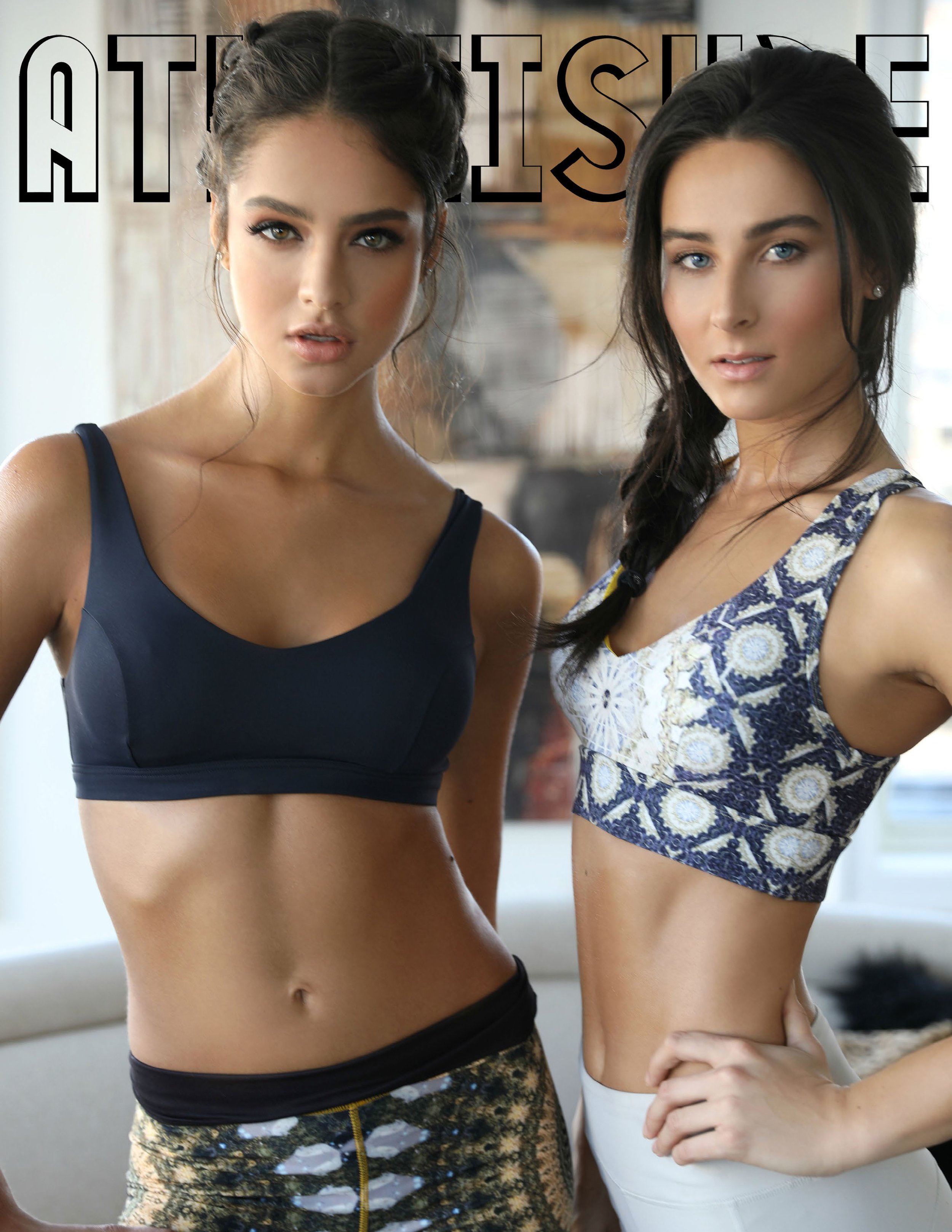

Read more from the Jan Issue of Athleisure Mag and see Winter Chill in mag.

The readers of Athleisure Mag know that we talk about nutrition throughout our issues and with a New Year, we do like to focus on getting everyone (regardless of where you are on your dietary plan) back to basics on things that you want to incorporate for the first time or to reintroduce into your plans. We took some time prior to the holiday to talk with Amanda Baker Lemein MS, RD about how we should approach our meals, accountability, the importance of portions, the Two Treat Rule as well as misconceptions of detox versus reset and food controversies. She shares these tips with our readers as she works with a number of clients who are focused on weight loss and weight management. It’s worth noting that during this interview you will see the terms satiation and satiety being referred to. The Athleisure Mag team defines satiation as a process that occurs during a meal. It’s that point at which you feel that you have had enough to eat and don’t desire any more. Satiety, on the other hand, describes your experience after a meal – how long before you start to feel hungry again. Both satiation and satiety are influenced by a number of factors.
ATHLEISURE MAG: We believe that it is important to have a healthy mindset when it comes to looking at your food and what you’re eating regardless of the time of year; however, with it being the New Year, it’s always worth looking at nutrition and how it works with your eating lifestyle. How do you approach this subject with your clients?
AMANDA BAKER LEMEIN: In terms of the New Year, one of the things that I always recommend to clients is not to focus on what you are removing from your diet, but to focus on what you can add to your diet. I am very much a non diet, diet dietician. What I mean by that is that I really believe in a varied robust diet that is heavy on nutrient rich foods which allows for a little wiggle room for mindful indulgences and little treats here and there. Obviously, mindful is the operative word there.
That’s really the approach that I recommend to my clients overall. It’s not about looking so much on what you can’t eat as I think that there is a time and place for all food, but really focusing on what are the really nutrient rich foods that we should be eating more of.
As you know, I have been working with Green Giant Fresh and what I really like about their new product – their vegetable meal bowls – it really takes the prep work out of having to chop fresh veggies and then having to make them tasty. That is the perfect example of a volume food where I tell my clients that non-starchy veggies are 100% unlimited. Something like these bowls are a perfect example. It’s a huge bowl that is a really big portion and you feel like you are eating a ton, but calorically, it’s really low in calories and very high in fiber and micronutrients. It’s a really great starter for a meal. In terms of a New Year and starting off on a good foot, I love these because the work has been done for you – it’s in the bowls, it’s been chopped, it’s cleaned and it’s ready for you to cook and all you have to do it microwave them for a minute or two. You can top it with whatever protein you want and some of them have beans in it so it is already a complete meal. They all have a sauce packet on the side so that you can tailor it to your taste. This is a great example of addition versus omission and how I want everyone to really focus on eating a lot of those nutrient rich foods.
Beyond vegetables, some of the things that I really like to recommend eating is whole grains over refined grains. I think that this is one that we have all heard so many times. The truth is that Americans are so deficient in fiber and the majority of the grains that we do consume are refined grains which means that they have been stripped of many of their nutrients most notably, fiber. Making sure that you are consuming mostly whole grains and of course, like I said earlier, leaving a little wiggle room for some of those refined grained treats is just fine as it’s all about portion. The notion behind going carb free and removing all grain from your diet, I actually don’t recommend because that decreases fiber and decreases overall satiety. Studies show that when you decrease satiety you are much less likely to stick to that routine.

AM: How do you define mindful eating?
ABL: My version of mindful eating and I have written a couple of articles about this in the past, is focusing on a very nutrient rich diet, which for me is the base of most of our meals should be non-starchy veggies. At least half your plate should be this as it can also be more as they are unlimited. Also it should incorporate lean protein whether you are vegan, vegetarian or a meat eater – lean proteins can be incorporated across the board whatever your dietary preference. Of course incorporating healthy fats from things like avocado, olive oil, canola oil, olives in general and all of that good stuff.
In addition, allowing some wiggle room which I define by my Two Treat Rule. That’s really for my weight loss and weight management clients. I want them to feel like you can have their favorite foods. I don’t ever want a client to feel like their favorite food is pizza, but that they can’t ever eat it again if they want to eat in a healthy lifestyle! I don’t believe in that. I just believe in portions and mindful indulgences which is how I came up with this rule which simply means that you choose 2 times a week that you really love – like actually love and not just something that is in front of you. So, a lot of people love ice cream so this is a great example. I don’t recommend that people buy icecream and have it in your home so that it’s always looking at you in the face everytime you open your freezer door. That is not helpful for anyone, but, maybe go once a week to a great icecream shop and make it an event. Have a single serving, enjoy it and then be done and move on with your day.
To me, it’s more satisfying to do it that way as opposed to having the reduced fat or faux ice creams on hand where you can have a larger portion, but you are less satisfied. You’re going to be satisfied having what you want and that’s why there is a Two Treat Rule and you’re not going to go too far. The rest of your daily meals are then filled with non-starchy veggies and are balanced with whole grains, lean proteins and healthy fats. Portion is key for all of these foods and our non-starchy veggies are key because once again, they are our go to as they are unlimited in terms of how much you can eat as a volume food with very low calories and it’s why I love those Green Giant Fresh Bowls so much as they are the perfect base of what we should be eating in our meals to get all those fibers and nutrients.
AM: In your opinion if you have been eating one way and are now focused on eating healthy or transitioning your diet, is there a detox period that should take place? What can they do to mitigate the shift that happens when you are making that transition?
ABL: So, first I don’t love the word detox as I am a dietician and scientist first and foremost. I really like to hang my hat on that credential. I know that our bodies are very smart and are able to detoxify itself if you have a working liver and kidneys – they can detoxify itself on their own. So that word is a little bit of a struggle for me. I like to say that if you need a reset post-holiday – I just want to make sure that everyone understands and make that point. I think there is too much emphasis in our culture on juice cleanses and other kinds of cleanses and I just want to make that distinction.
AM: We appreciate that you are making that distinction as detox is a loaded word that is being used to encompass an array of activities. We like hearing your approach to acknowledging a choice to a person’s dietary transition through a reset as we understand that the body is naturally able to detox itself.
ABL: There are many misconceptions floating around the internet regarding nutrition and as a credentialed expert, I just like to make sure to do my part by dispelling any myths. And my greatest point in talking with outlets such as yourself is to say that it doesn’t have to be that hard. Nutrition is health and it just doesn’t have to be that complicated and a lot of those things that make it complex are frankly not true.
So back to the reset, if you have been overindulging throughout the holidays – Halloween through New Years, sometimes people just need a reset to get back on track. Or you may want to start fresh with a whole new healthy lifestyle. Something that I really enjoy is eating a really heavy plant-based diet. For me, that does not mean Vegan, it means eating a lot of plants and vegetables as our base like we have been talking about and then adding in some proteins here and there. But it doesn’t mean being 100% Vegan for a month – it’s just about increasing the amount of plants you eat. So, if you are used to eating chicken everyday on your salad, perhaps once or twice a week you swap out the chicken for chickpeas, grilled tofu or another plant-based protein to give it a little mix. Again, I like to focus on where am I getting my plant-based and protein in the foods that I am eating. Then the rest of it is to balance it out with portions. For women, serving protein like a chicken or steak – or something of that nature would be 3-4oz. For men, it would be 5-6oz which is a lot smaller than our restaurant portions in this country. Just being mindful of what a proper portion is will assist you in your reset and just give you that visual and refocus as you move forward in that healthy living journey so that you know going forward what a portion is, what protein should be eaten and the remainder of the meal is on the unlimited non-starchy veggies which is going to provide all the nutrients that are needed and to provide the healthy fats that will make you feel satisfied.
Focus on that when it comes to the reset and as we continue with addition and not omission, I know there is a lot of controversy around dairy and whether or not people believe in whole fat, non-fat or low fat. I actually recommend that my clients choose low fat or whole fat, but that they just focus on portion when they are choosing their yogurt or cottage cheese that the individual cups that are pre-portioned are a wonderful guide and will help you get acclimated to what a portion is. When we have a little fat in our dairy, we are more satiated we tend to eat less. The meal times are not always the issue it’s the in-between meals that is the difference of a snack versus grazing all day long. If we’re not eating a meal that is super satiating that provides fiber, protein and a little bit of fat, those are the three pillars of this satiety equation – if we don’t have those then we are likely to feel hungry again in an hour. Usually, the foods that are readily available when you’re not ready for a meal but are looking for a snack, these foods have refined carbohydrates which don’t have any fiber and don’t have any nutrients and don’t keep us very full for very long.

AM: How does someone create accountability within their food journey?
ABL: Obviously as a dietician, working with an RD really helps with that one. Beyond that, I really believe in setting small attainable goals. Instead of looking at an entire year or weight loss journey of, “I need to lose 30 pounds before whatever event.” That to me is such an overwhelming goal that it’s almost unbearable to many people. Instead, setting those small and attainable goals by saying, “I need to plan 3 workout classes this week” or even starting smaller if you haven’t taken a class by saying that you will walk 3 times this week. Maybe it's stating that 3 out of the 7 dinners that you have this week will be plant-based you have this week will be plant-based and incorporate more of this versus animal products. Back to what we said before, making sure that half your plate for lunch and dinner has non-starchy veggies for this week. I like small attainable goals as they build upon one another. It gives you motivation behind your larger goals! When you hit the goal of walking 3 times in a week, it will encourage you to want to sign up for a class for the next week. Weight loss is a journey and it takes time and to do it in a healthy way, it is a process. You want to make sure that you are good to yourself in this process. You don’t want to beat up on yourself for not obtaining the goals that you set for yourself, but you need to check in every now and then and having that dietician as a cheerleader and a guide is really helpful. But even if you’re not seeing a dietician, if you have a Facebook or online group that you check in that has weight loss or workout groups is a great thing. It’s about holding yourself accountable to your friends and family.
AM: We know that you are based in Chicago – which is a fun city – although the weather in the winter is tough! We have enjoyed the beach, sport bars and more. Where would we find you grabbing a meal, working out and shopping?
ABL: In terms of workouts, I don’t like running – I’m not a runner. I’m not a fan of cardio to be honest. I do think it has it’s place in a healthy lifestyle and is great for your cardiovascular system. But for me, I really love group classes it’s what keeps me motivated. I don’t find that I am a great self-motivator in this area. I love barre classes, Pure Barre particularly and I go quite frequently. I also love Megaformer Pilates like Studio Lagree I like Chi 50 a local Chicago studio that also does reformer. I like targeted movements and that you’re going really slow with micro movements and this is in both barre and megaformer. Those are hitting all the accessory muscles and where you can see the change very quickly. I recommend those classes and when it’s about my cardio, I like to hit up SoulCycle for my super sweaty class. I love spinning as a non-runner over here. It’s the music, the good vibes, a group class – it’s like a party.
Now when it comes to a cocktail and grabbing a meal, now you’re speaking my language! I live in the West Loop we are THE neighborhood for all the best restaurants, bars and some of my favorites in the neighborhood are Soho House which I go to quite frequently for a cocktail or after work drink, I also love Avec which is in my neighborhood and is a great restaurant. Gilt Bar is a long time favorite of mine. One of the things that I preach to my clients a lot since I do go out a lot is that there are plenty of ways to live a healthy lifestyle when ordering off of a menu. You just have to know what a portion is and to look for those veggies on the restaurant menu so that you can fill out your meal for those unlimited foods.
When I shop, I love Damon Street in Bucktown as there are so many great shops on that street a lot of good boutiques and Armstead and Halstead has some good ones too. Oak Street is perfect for me to go to when I want to get something special.
PHOTOS COURTESY | Amanda Baker Lemein MS, RD
Read more from the latest Jan Issue of Athleisure Mag and see Something You Should Know | With Nutrient Rich Foods in mag.

When you think about it, as many people as there are on the planet, the world is very small and here in NYC with so many different people, there aren't that many degrees of separation between you and someone else - even if they are on a completely different coast or continent.
We respected Celebrity Fitness Trainer Lacey Stone's craft, hustle and approach to fitness and seeing her on E! Revenge Body with Khloe Kardashian. Since have her in our feature, NEW YEAR, N3W YOU, our worlds collided again right before the holiday season to talk about her partnership with Core Power Protein Shakes by Fairlife, her approach to training her clients, the miracle that is the human body, owning our super hero and her new partnership with The Wall, which avid readers of Athleisure Mag will remember from our Athleisure List feature from a few years ago. For our Athleisure Studio podcast listeners, there are portions of this interview that were included in Lacey Stone's episode of #TRIBEGOALS, which was released earlier this month and there are conversations in this issue that were not part of the podcast as well.
As the Jan issue is focused on New You, we knew that we wanted to bring the necessary tools and resources to kick your year off right. As we analyze how we will be adding new things into our workout and areas we want to target for our physical goals, we also need to be aware that we have to replenish our bodies, which is where Core Power Protein Shakes by Fairlife comes into play. Recovery is an important tool to bring back nutrients and nourishments into your body so that you can optimize all of your efforts, the brand's release of this new product is available now with flavors that include Banana, Chocolate, Strawberry and Vanilla. It is lactose free and has 26 grams of protein! With the first ingredient being filtered milk - there are no powders, artificial flavors or additives in it so you can enjoy a silky, smooth, and creamy taste while enjoying dairy protein with natural casein and whey, which is an essential to recover after a workout.
ATHLEISURE MAG: We have interviewed a number of Olympians, celeb fitness trainers, athletes etc and we just launched one of our new podcasts, The Road to Tokyo 2020 where we talk to athletes that are working on their Olympic run from their training as well as recovery and other events taking place in their lives. We also have #TRIBEGOALS, which is all about changemakers sharing about their tribes and those that they are involved in, how they started and lead a variety of fields.
We find that in speaking to athletes and those who enjoy working out, our conversations tend to go into not only the work- out, but the pillars of recovery from those that are physical like foam rollers and pain management tools, to those that are consumables, so this is definitely a great topic to cover for our readers of Athleisure Mag, as well as those listeners who listen to our shows on our multimedia podcast network, Athleisure Studio! As we get older, you need to start implementing to replenish your system as your body will continue to do what you want it to do, but you also need to make sure you are giving it the proper nutrients as well. You feel the difference when you’re not properly nourished. When did you know that you wanted to be in the fitness industry?
LACEY STONE: I was an athlete my whole life and it was so organic to me. There is a basketball court near my hotel and I can’t even... I’ve been in NYC for three days on this tour and when I have downtime, I love going to some shoots. I can’t believe that all my shots were going in and I still had it! So I always played sports and then I moved to New York when I was a kid and I tried to work at MTV and I just kind of saw what it was like to not be able to wear sneakers anymore. As a production assistant, I saw how unhealthy people were so I got a side job to work as a trainer at Equinox and I saw what you could be in the fitness industry before it was anything. It was right at the beginning when they were starting to sponsor us as Nike athletes and I thought, this is it. I knew I could make an impact in this industry because it was so organic. A lot of what I saw at the time – there were no HIIT interval classes. I was one of the first HIIT interval classes. I couldn’t really go to the beat and everything was dance.
Coming out of dance, they were taught to look the part and I was never trained to look the part. I was taught to be the athlete so my body had to be a weapon, not pretty. I was like, the women in this industry need to understand that it’s not about how you look, but it’s about how you feel and how strong you are. That’s what I have stood by the whole time and that’s why this is so organic because women don’t realize how strong they are. So when I kick their butt and compliment them, they’re like, “am I?” And I’m like, girl, you’re waking up at 5am, putting on your superhero leggings, coming to me to let me kick your butt in a way that you didn’t even know that I would, and then you’re kicking butt in the office – especially here in New York or in Chicago, and then you’re going home and cooking dinner and making sure the family is taken care of, the husband – whatever and there’s kids as well. So you guys have to take care of yourself, you have to eat – women forget to take care of themselves. Not only with the food, but their heart.
AM: We loved seeing you on E! for Revenge Body with Khloe Kardashian – you have a whole psychology element to how you train your clients. Do you find that draining as a trainer because you're fixing the body and then you're getting into the mind with that inter- play?
LS: Sometimes it can get really emotional and people have different issues. But it is really rewarding to watch someone’s eyes go from “I can’t” to “I can”. Not only in the gym, but outside of the gym, because I am trying to create superheroes. I am – in the sense of knowing how powerful you are. A lot of times when people are blocked in how hard they can run on the treadmill or how much they can lift weights because they don’t think that they are strong enough, I go back to what happened to you – who told you this? It doesn’t happen as much with men as they are like, “I used to be like this and I am going to go back to this” and when my clients cry – everyone cries who works out with me – everyone does. I have been through a lot and I can look at someone’s eyes and see that there is something there. So I will ask them what is going on to find that motivation that will help them through the rest of their life and finding that thing that is making you not believe in yourself.
It’s the moment that I feel like I have changed them when I can get to that point. Yes there is a lot of stuff that goes on with someone when you get there and there is a lot that happens after that point as well. Right now, I am dealing with someone that she is so scared of the release that she is having that it’s making her want to hide again with the pain that she has had. The more that you repeat a negative pattern, the more that it becomes a reality and you get addicted to the chaos and you don’t even know how to live without it. I majored in psychology in college and I believe that fitness starts in the mind before the gym. So the answer is, it is draining at times but there is draining in any job and I feel that my skill set is different than other trainers that I have been able to help people change their body and I have been fortunate to help people get through divorces, deaths, quitting jobs and making companies. We're finding that now in launching my virtual training platform that it is a competitive market. Everyone is launching one and if you want to write what’s the future of fitness? Virtual – beyond – beyond. People are coming up to me saying, "can we use your body and the way you speak and put it in AI and make you show up and walk around?”

AM: Absolutely, if you have a trainer that you like, being able to have that access and their voice in your head while you workout without them being there is huge. It motivates you and encourages you to continue your process.
LS: Yes and there are sensitive suits with sensors so that when you wear it while working out, you can feel my hands on you. It’s all about algorithms which is why you’re able to open your phone with your face. There is an algorithm that senses your face for your nose, mouth and eyes. So these suits sense the algorithm of shoulder, it’ll be a process, but it will happen sooner than people think. My point of differen- tiation than other trainers is for me to get into this for this side of fitness. I believe that emotional health is the most not talked about thing in the world. You’re supposed to be tough, you’re supposed to handle your life, you’re not supposed to have feelings of insecurity or doubt and if people do – especially in New York if they sense it, they say, “I see the blood. You’re done.” I want to help people make themselves healthy. They can tell me and if I am out of my depth, we will go to a therapist, but tell me where your weakness is and let’s work on that and not have it get in the way of your fitness, your relationships and in the way of you.
AM: Wow. So for you, what are 3 routines that you do for yourself that you enjoy doing whether it's for your fitness or the entire mind/body balance that are your cornerstone for getting you from day to day?
LS: I have the 3 pillars of your life which is personal, professional and physical. Those are the 3 things that make a human being. What is personally happening? Who do you surround yourself with – the truth? Do you surround yourself with trends and all of that or people that don’t believe in your magic? Life is a superhero movie there are evils out there and they can take you to the darkness or you can be the superhero that continues to show up and be the light that doesn’t allow it to takeover you, which the more people that get taken over, the harder it will be for us to succeed. So personally, what’s going on with my relationships and my family? I am always working on bringing goodness to them so that I feel good with what’s going on.
When I wake up, I play, Sia’s The Greatest – that’s my alarm. “You’ve gotta have stamina – uh oh – I’ve got stamina,” you know that’s one of the lines in the song! Professionally, what are you doing? Is it lighting you up and a lot of people didn’t figure that out at a young age and that’s something that you have to be good at. You’ll have to find something else that lights you up in your life. Physically are you injured – do you take care of yourself? What are you putting inside of your body to make you succeed?
Everyday, I try to get an A to create balance in those categories. Somedays maybe I don’t do as well in one category, but at least I know that I am doing my best everyday. I train people to do that. When you do that for a week, you feel amazing and imagine if you did that every single day. Every time I fall down in my career, I remember the people that I have trained and how I have told them that they have to get up and it makes me do it or otherwise it would make me a phony – and I’m not a phony!

AM: Wait are you writing a book? The force that you are with the honesty –
LS: Let’s write a book!
AM: It’s just amazing because what you are saying is applicable to just life.
LS: That is my point of differentiation and that is what I am trying to communicate to people more. As you know, the landscape is changing very quickly and trying to figure out how to make it happen. No one reads anymore – maybe we do, but things are based on an image and a copy and it has to be short and powerful when it’s on Insta- gram. You have to hit people at their heart, which I am good at. Yes I want to make people feel like they can do it – I’m working on it! With the virtual platform I am working on it in terms of writing a book.
AM: In terms of recovery, what are all the things that people should be doing – especially women?
LS: It’s really important for them to think about taking care of themselves, and women don’t. If you’re kicking butt and many women are thinking of wanting to lose weight, you want to fuel your body so that it can be successful. If it’s operating at a deficit it’s going to break down mentally or physically. You know it! I see it over and over again. That’s why I suggest people use this and it sounds like a commercial and it’s not, but I wasn’t really sure. You know you get a product and you’re not really sure, but for me, I try it out for a while before I agree to work with it.
I started with the milk by Fairlife and I said, “I don’t know Alex” – who is my manager. I just threw it in my bag and I’m a busy human. So I’d drink it and I was worried because of every- thing that they say – milk will it bloat me? What will happen and it didn't - it gave me a surge of energy and you start believing the media as well, al- though I know know what’s right and what’s wrong and I would drink it and feel a goodness about my body and it brought me home to the truth of – I’m from Wisconsin and I was like, this is what it tastes like, it’s pure and not watered down. It’s good, silky, creamy and you need to fuel your muscles after working out and you just need to fuel yourself. So I suggest - which is scary for women to eat. What I deal with, is people that are so confused by everything out there, which is why I try to be truthful so that people believe me. Sleep – what are you doing guys? Sleep and water – the toxic environment of what your body is around means that you have to put the good things in balancing it out – the evil and the good.

AM: What does this partnership with you and Core Power Protein Shakes by Fairlife look like?
LS: Basically, it’s just me being a part of their team and doing events that we are working with them on. We want to get the product in people’s hands and introduce them to why it is important. We can’t go into details now as we’re still in the beginning stages, but if you think about it – we want to get to people’s Core Power which is what we have been talking about. It’s not just the physical, but the wholeness of the human being.
AM: What is the best approach for those that are going into the holiday season as you want to enjoy the parties and events taking place, but you also want to be in a good place to get back to hitting the gym after the season is over. How can we enjoy the season and place ourselves in the best place for meeting our goals without feeling like we have to miss the season?
LS: I think that women work so hard and don’t take care of themselves and during the holiday season, it’s a time to get connected and to reconnect with yourself, your spirit and the loved ones that you have. You need to think about going home and having sweet conversations and saying, “I’m sorry that I wasn’t here this year, but I’m here now and let’s make the most as well as to remind you how much I love you.” That’s the time to do that and you know you’re going to have to go back to war, but right now, we're at peace and let’s do that and remember how far we came. Whenever I go home, I like to drive to my highschool in Wisconsin where I was the star basketball player and just sit on the court and say that I took all of this and did something with it. If you didn’t do things with it then why – why did you stop the thing that made you feel special? Take the time to bring it back so that you have this fullness. People underestimate the human being which is made of neutrons, electrons and protons. We’re energy – we’re a miracle – how do we breathe? We’re all this special thing – our parents came together and created us and people need to take a moment and come back to that and fill up your energy and take the time to slow down and think. Don’t focus on what you need to lose weight – just focus on staying steady, go on those walks with your family, cook together healthfully…
AM: In terms of the methodology, you have some trainers that feel that if you are a certain body type, then there is a prescribed workout that you have to do or only do this over here. What’s your focus when you are working with people – is it set or individualized?
LS: It’s individualized, but for everyone, it’s back to basics. The more you do something the more you repeat something the better you will get at it – negative or positive. So, I try to see what’s the thing that I can tell that they dig. I’m good at all the different kinds of modalities so I have yoga, dance, HIIT, cardio because I want cardio and to find the fit for each of my clients. Let’s say you’re sedentary, we’re going to walk before we run. I think the best workout for losing weight is that there is an intermediate, beginner, advanced level to all programs that I do in person or online. HIIT gets your endorphins up and energy – it raises your spirit which when you feel it you want to do it again and again and it becomes addictive.

AM: Who are 3 people that impacted you - maybe there were 3 moments in your life that were hard, but they really impacted you as a source of inspiration whether you knew them or didn’t know them?
LS: I’d say my college basketball career with my coach. She was incredibly charismatic and she had a great marketing mind. We were in Maine and a top 10 basketball team. How do you recruit people to go to a place where snow is up to your knees? She was so charismatic where she drew an audience. You wanted to play in front of a full crowd. She would say that she wanted to use this as a platform to help kids and to create basketball camps so she could be a millionaire and that people would come to participate. I was like, who are you and not that money is everything, but I thought it was amazing how you can think to be a businesswoman in sports. There weren’t that many successful female coaches at the time.
Equinox, when I started where fitness wasn’t where it is today. They were innovators and they created the boutique industry and the teachers there were inspiring. I have had so many different things there.
Then my ex-wife, being in LA and facing my fears. I had been in NY where I had created this amazing business that was dedicated to helping people, teamwork and creating a legacy – I was signed by Nike and leaving NY - I did it all for love – for what my core said to do. The she left me within a couple of months and my friend died, and not having Equinox anymore and losing everything and being like, “what do I want again?” and having the time to do that. Kind of starting to drink too much and starting to be depressed and I got a little suicidal. I lost everything and I thought that everything that defined me – I started my program of professional, personal and physical – don’t drink, workout hard, let’s see if I can save myself. I did – I created the 8 weeks to change program for others that were going through a similar need to have a comeback – it became successful. Khloe Kardashian noticed me – a new trainer coming from NY to LA – do you know how many trainers there are in LA? I stood out immediately and they picked me for the TV show and I said, “thank you ex-wife,” had it not been for you destroying my life that it catapulted me to a point in my life that I could create a virtual platform and got a manager that is amazing that has helped me to be able to speak and be here back in NY in my time – it’s full circle. Signing with brands that I can speak authentically about them and just being the light that if I can do it, you can do it!
AM: You were on the first 2 seasons of E!’s Revenge Body by Khloe Kardashian and we remember the moment when we saw you as we had been following you years prior to being on this show and as we had you in one of our NEW YEAR, N3W YOU segments a few years ago – we were so excited to see you there and sharing your brand on that network! Will you be on the 3rd sea- son as well?
LS: I’m not coming back for the 3rd season, but I will be back for the 4th season. It was an interesting series of seasons and I have a few things going on currently and I’m kind of happy the way it came about as I wouldn’t have had time. You get so caught up on being on a show and the time it takes to be on that show that you don’t have time to develop other things. Everything I do is what I tell you. It’s a stepping stone to where I want to be.
AM: We just saw that you have partnered with The Wall! Tell us about this studio, why you will be teaching classes there and what drew you to coming there?
LS: Jason Wimberly, the founder of THE WALL, and I have been friends from afar for years. I've watched his career blossom and I have so much respect for all he has done. THE WALL recently opened and he offered to partner with me and my Trans- formative Comeback Camps. These camps included heavy lifting, HIIT, and cardio/ dance drills 2x/ week. The other big part of camp is doing 3-4 spin classes/week. When Jason told me my camps could live at THE WALL and I could teach my own signature spin class called STONEcycle. It was a no brainer. I had been working at Flywheel and leading my camps at a gym called Lockbox. When this offer came about it was too good to be true. Now all my programs could live under one roof, his. I'm soooo excited to be a part of The Hive and Jason's vision. Keep an eye on us, there are big things on the horizon. AM: What are the classes offered that you will be teaching there? LS: I will be leading My Comeback Camps which include - 8 Weeks To Change, 1 Month Mission, Reboot (2 Week Training Camp), and STONEcycle.
AM: We could chat with you all day as you have so many words of empowerment and motivation!
LS: I love this stuff – if you got something out of it, then I love it. AM: It’s like, mental hydration listening to you. LS: Oooo ok or mental recovery …
AM: Haha yes. When you were talking about the fact that you could be a strong person, but even that person needs to be refueled. We have a respect for your career, the fact that what you say on your platforms and how you approach things is exactly like who and what you are now, it’s refreshing as there are a number of people who they are not the same as their brand and it’s a mess. It’s always great to see the authenticity and to see that from you.
LS: Same – same.
PHOTOS COURTESY | Lacey Stone


Make sure to follow our new multimedia podcast network, Athleisure Studio and specifically our show, #TRIBEGOALS. You can get the latest episodes when they drop by following and listening to us on your preferred listening platform (Spotify, Apple Podcast, Google Play, Stitcher, etc.). You can hear the full interview with Lacey Stone now on #TRIBEGOALS.
Read more from the latest Athleisure Mag, Jan Issue and see Creating Superheroes with Lacey Stone in mag.