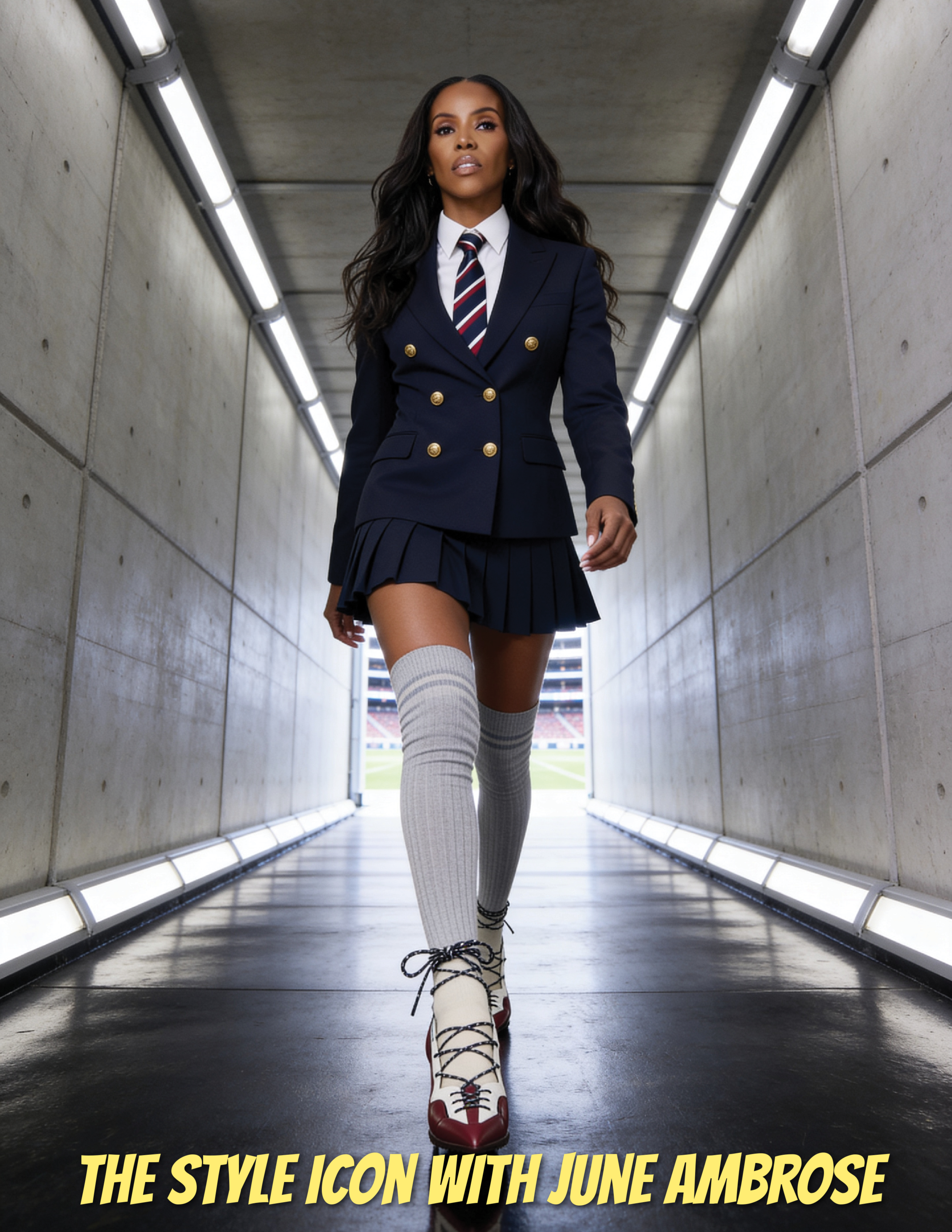
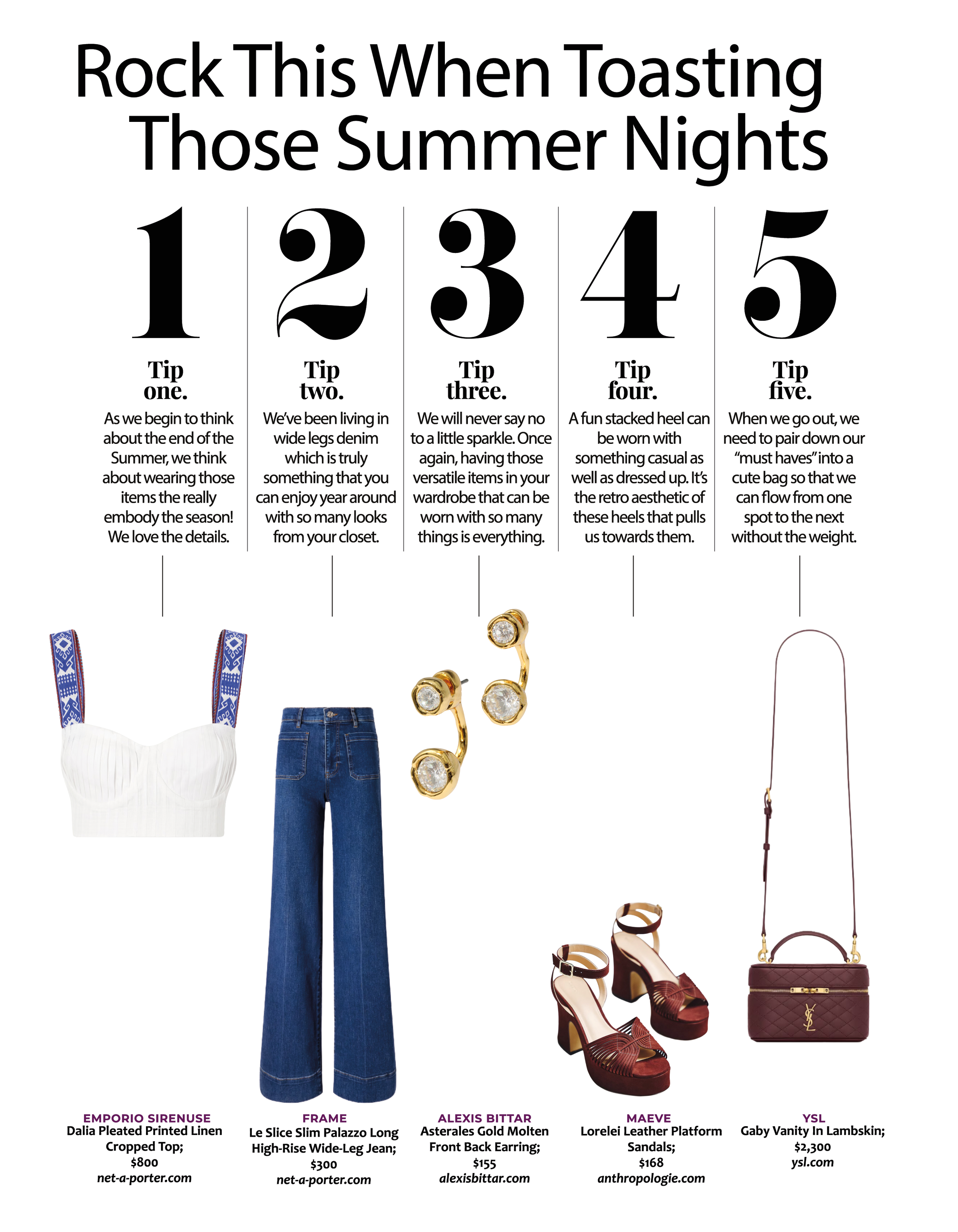
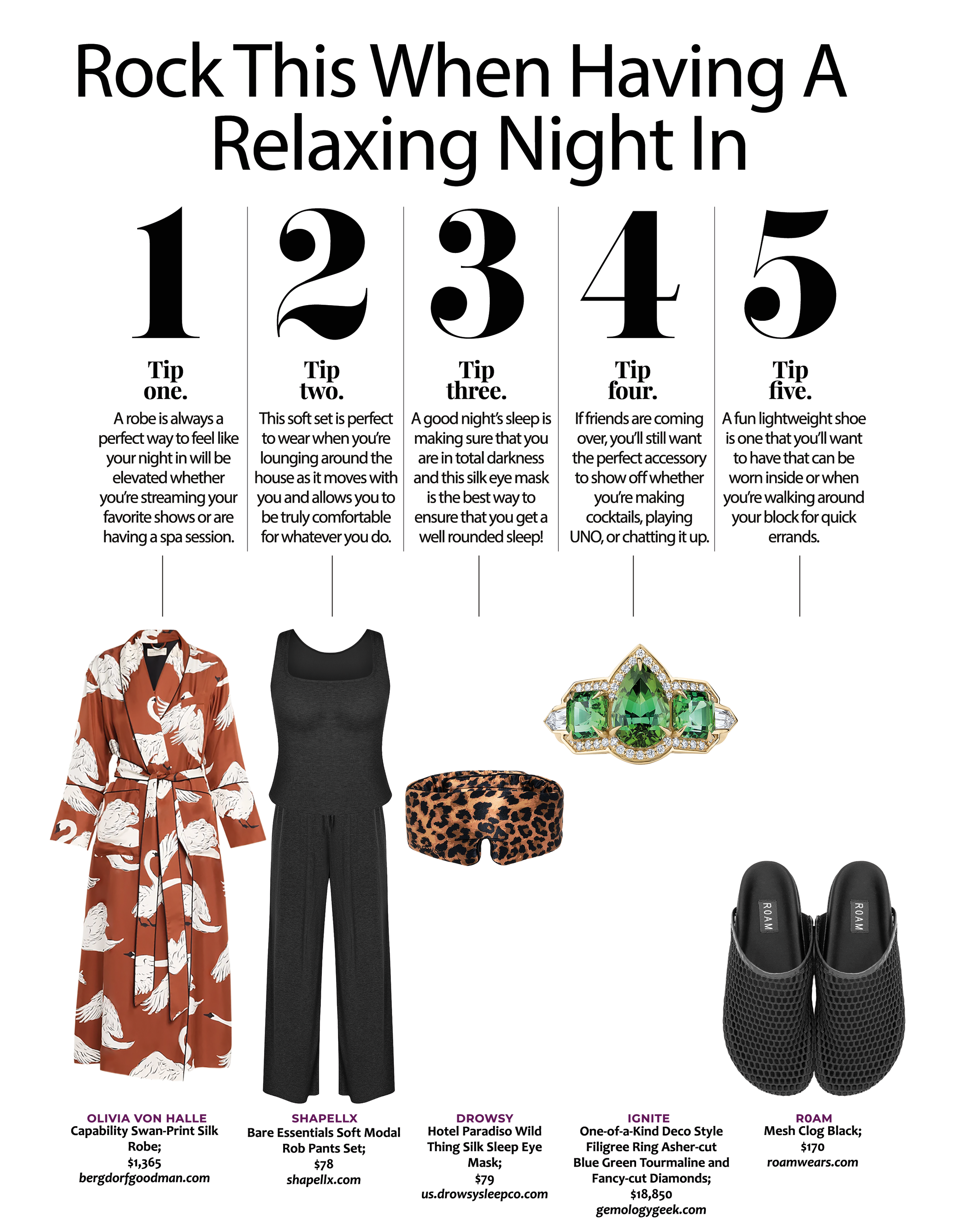
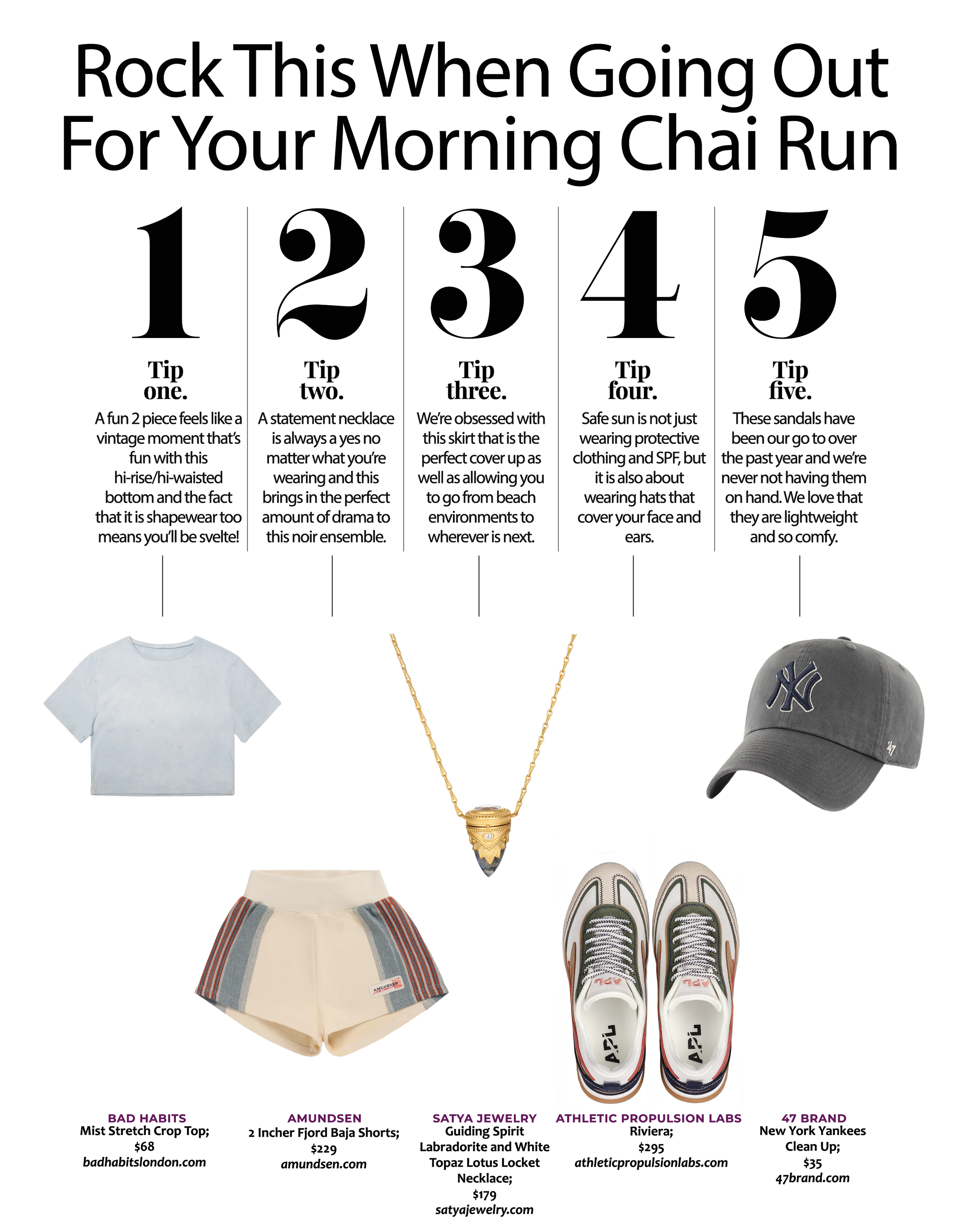
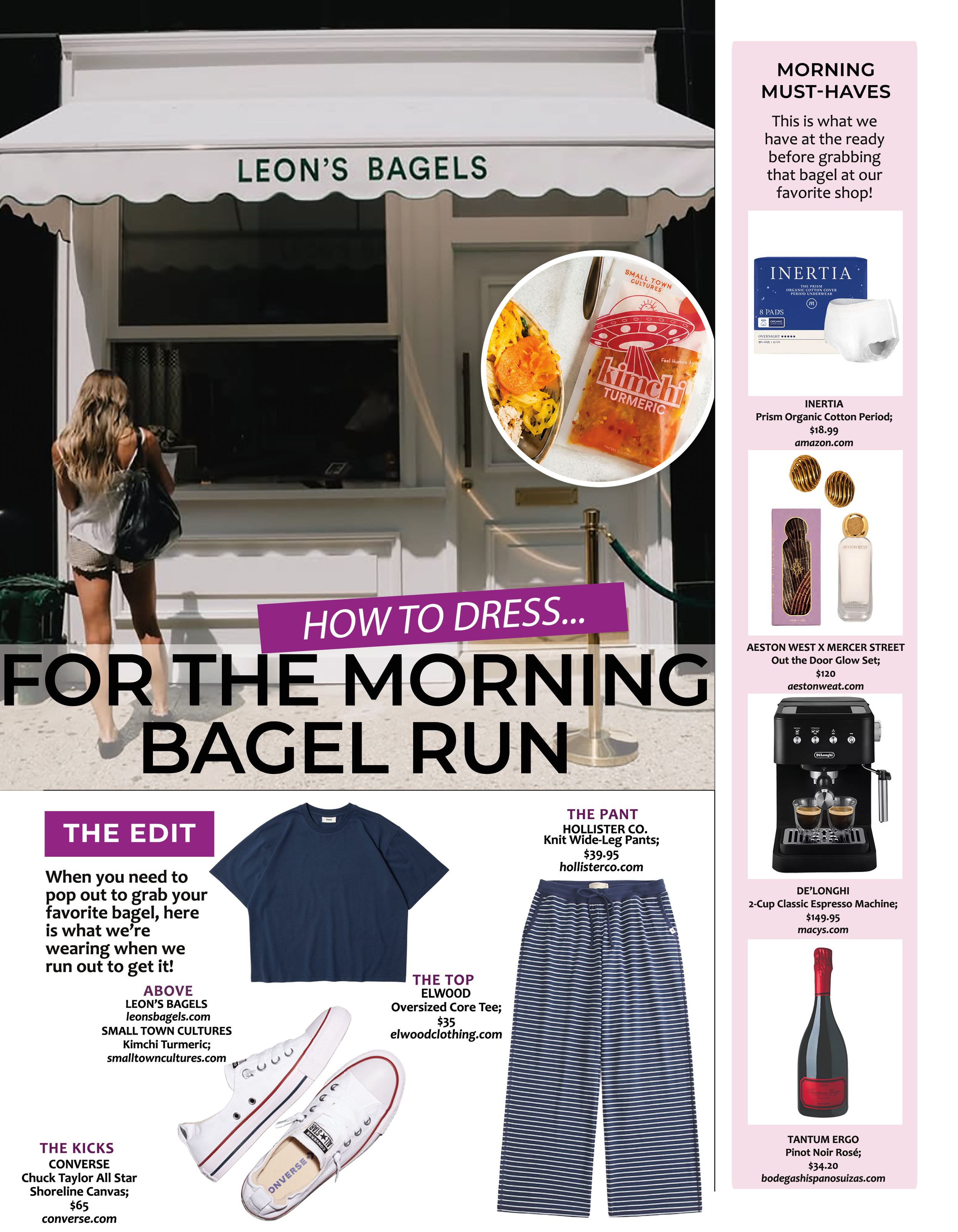
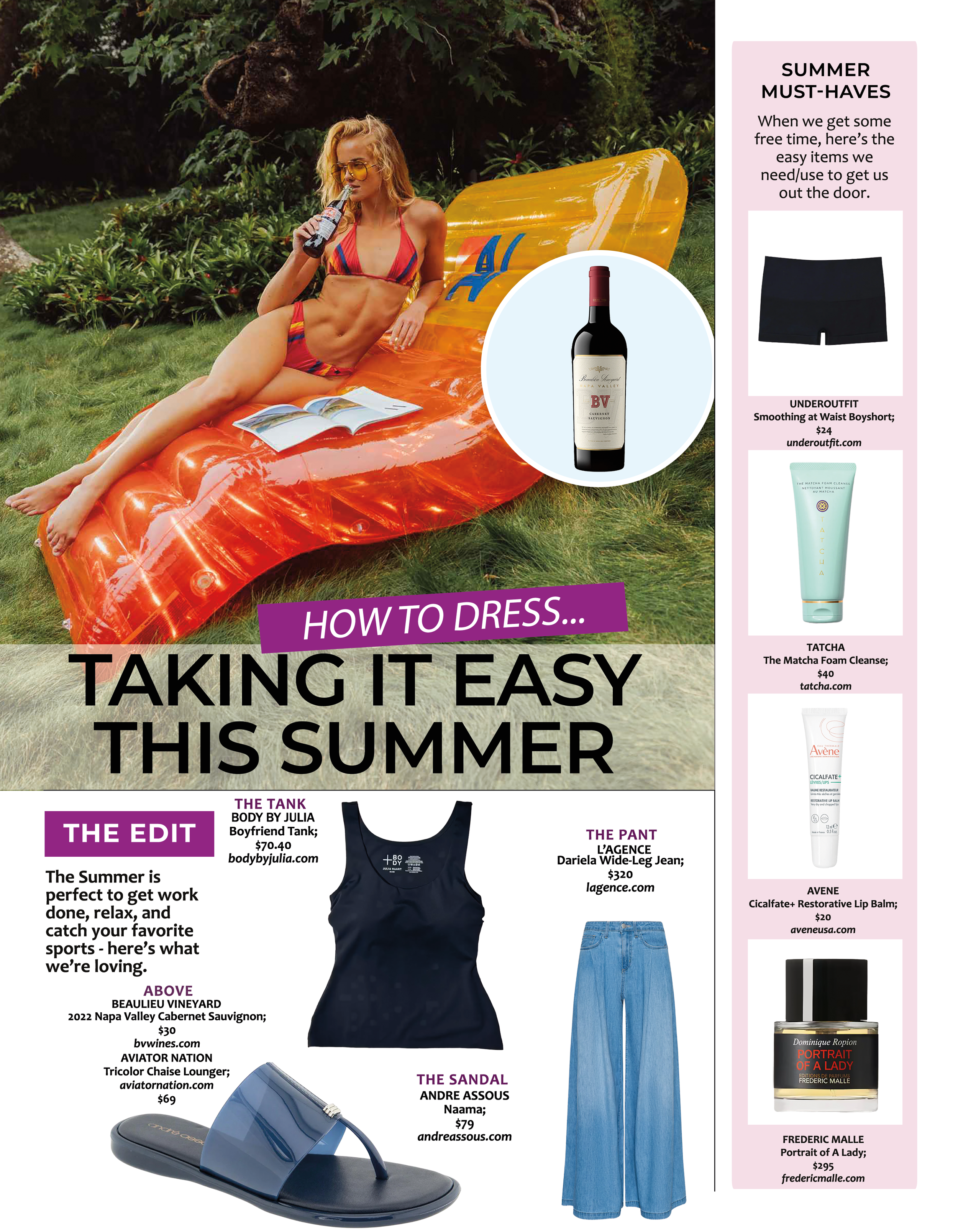
Read the MAR ISSUE #111 of Athleisure Mag and see 9LOOKS | Balmain in mag.
Featured
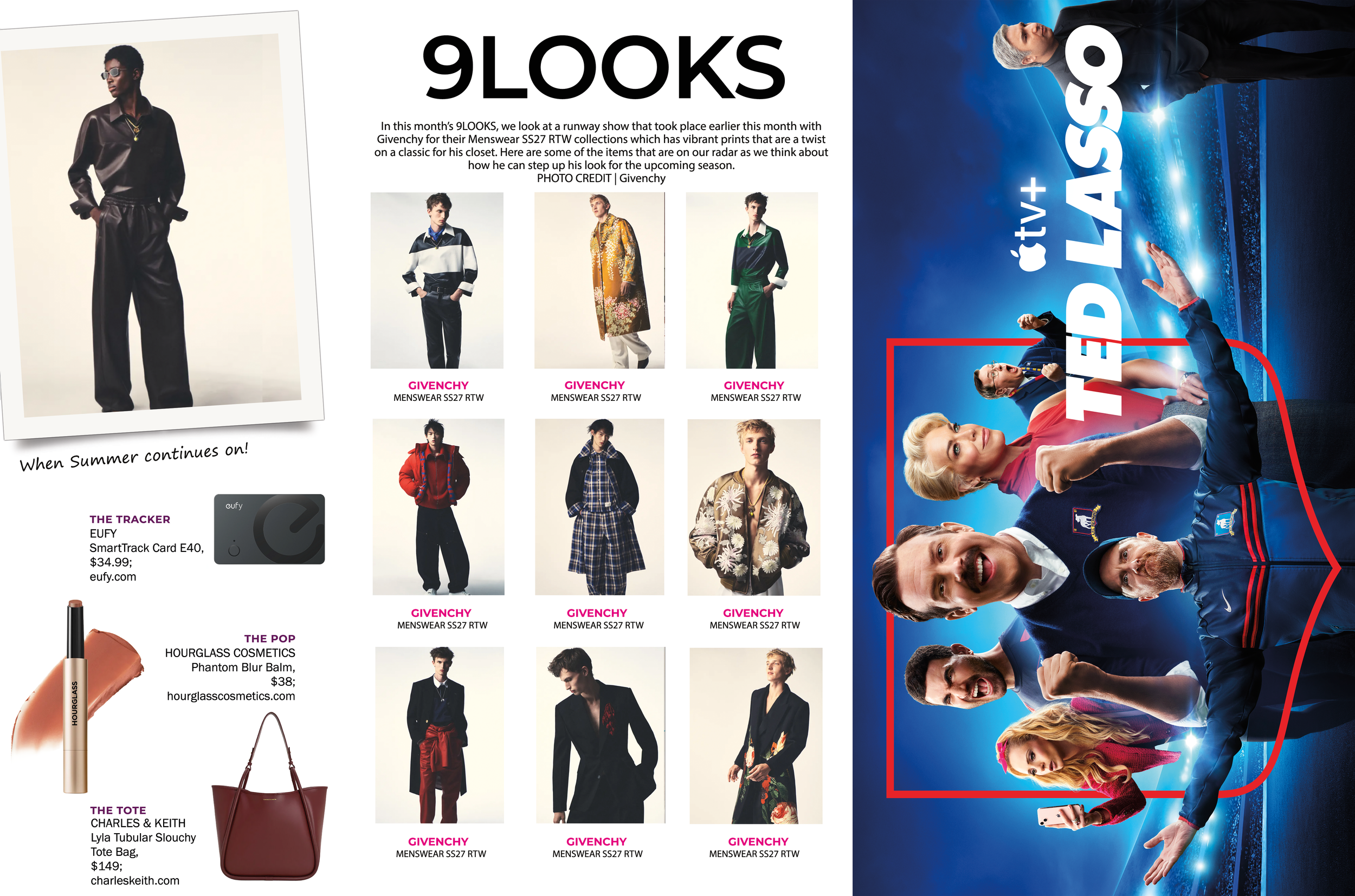
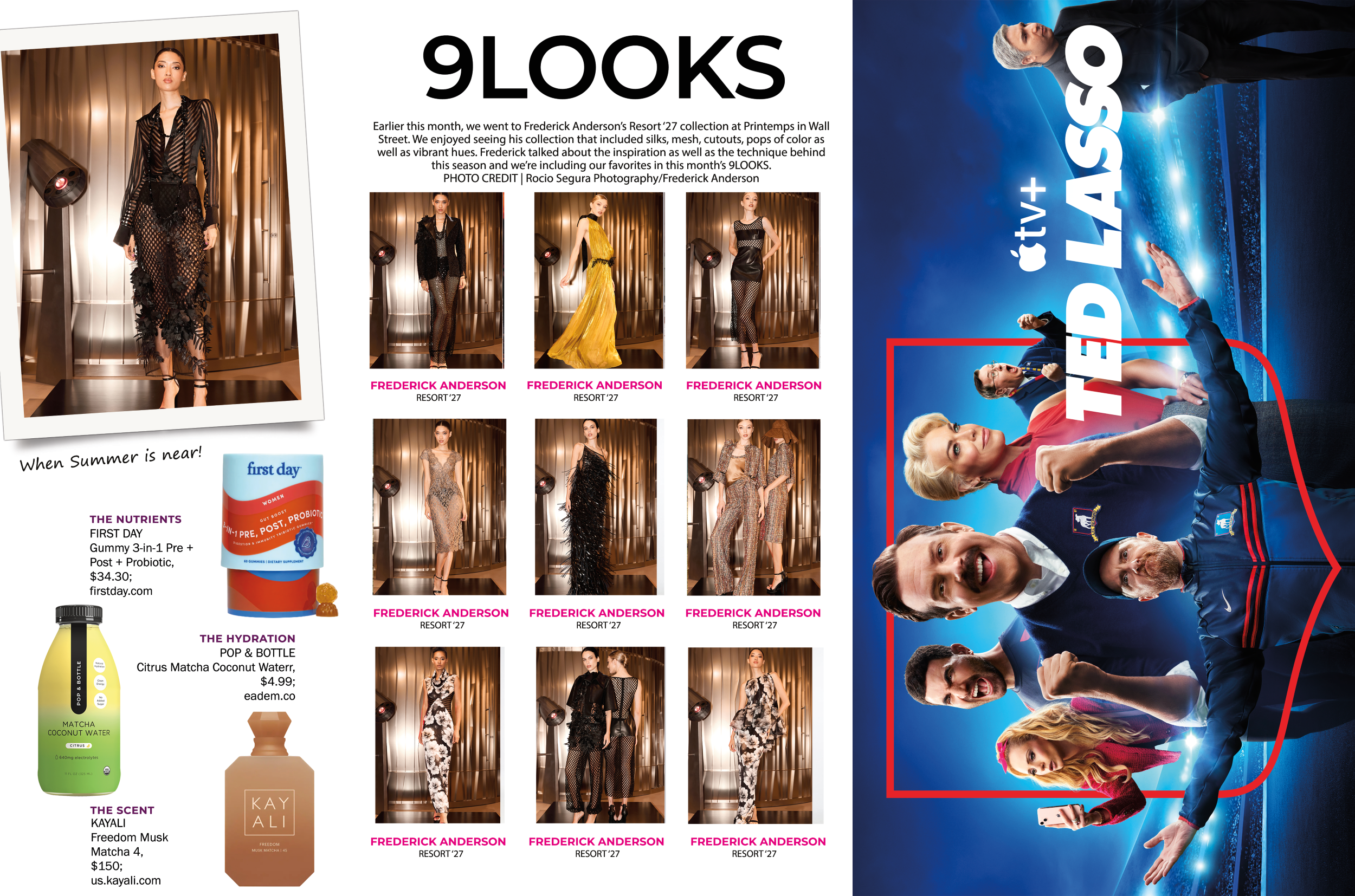
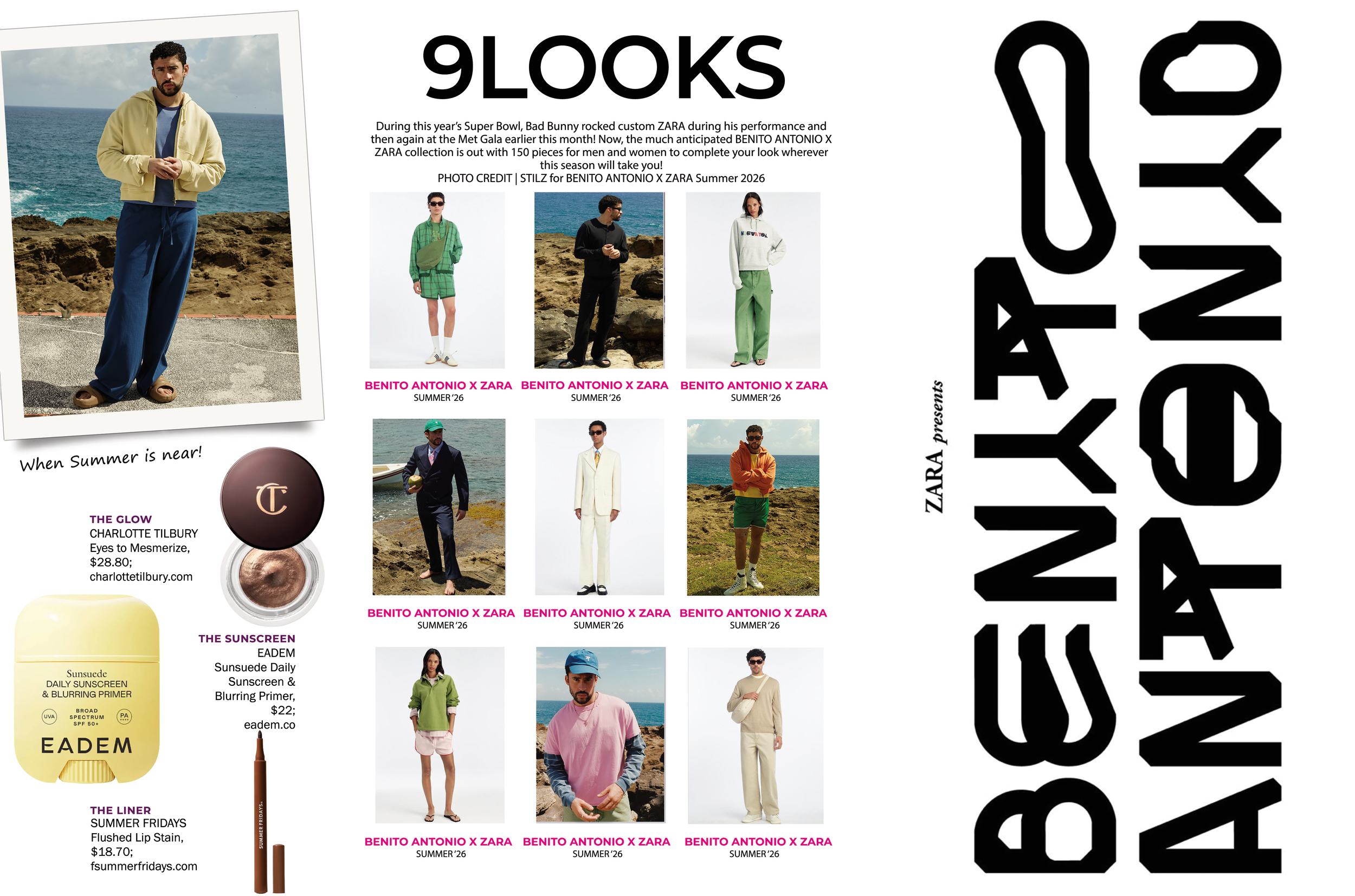

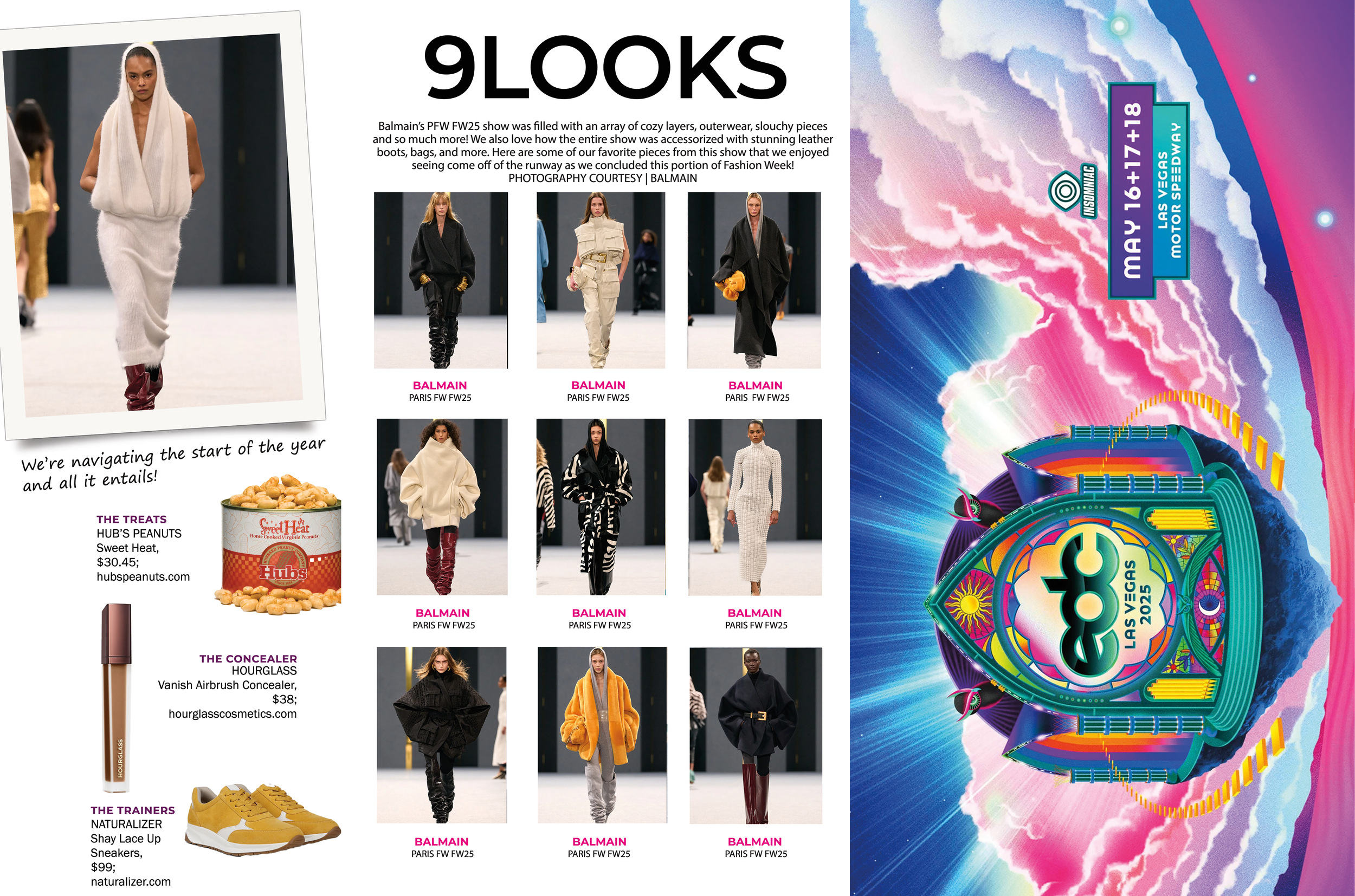
Read the MAR ISSUE #111 of Athleisure Mag and see 9LOOKS | Balmain in mag.

Read the MAR ISSUE #101 of Athleisure Mag and see THE PICK ME UP in mag.

PHOTO CREDIT | Unsplash/Angèle Kamp
Careers that center around health and care don’t just support the well-being of others—they often enrich the lives of those who pursue them. Whether you’re providing direct care, advocating for public health, or helping to improve systems behind the scenes, working in a health-focused role offers a unique opportunity to build a meaningful career that contributes to society’s overall well-being while also nurturing your own.
A Career with Purpose
One of the most powerful aspects of a health-focused career is the sense of purpose it can bring. Knowing that your work is making a direct and positive impact on someone’s quality of life can be deeply fulfilling. For example, those who work in aged care often form meaningful connections with the individuals they support, becoming a vital part of their daily lives and health journey. This sense of connection and contribution often leads to higher levels of job satisfaction and personal growth.
Physical and Mental Wellness Benefits
Interestingly, health-focused roles can also influence the physical and mental well-being of the professionals themselves. Jobs in the care sector frequently require physical activity, such as moving between locations or assisting clients, which can contribute to a more active lifestyle. At the same time, the interpersonal nature of care work helps foster empathy, patience, and emotional intelligence—traits that not only benefit the recipients of care but also strengthen the carer’s own mental resilience.
Research suggests that people in helping professions often report strong feelings of purpose and reduced levels of loneliness. Engaging in work that puts compassion at the forefront can create a positive feedback loop of giving and receiving care, which enhances both individual and community health.
Community Impact
Health-focused professionals play a vital role in shaping the health outcomes of entire communities. From nurses and allied health workers to personal carers and disability support workers, these individuals form the backbone of accessible, people-centered healthcare. In rapidly growing urban areas like Sydney, the need for compassionate and skilled health professionals is increasing, particularly in the aged care sector.
For those interested in this pathway, opportunities are readily available. Whether you’re entering the industry or looking to expand your experience, there are openings designed to match your skill set and passion. If you're seeking a rewarding registered nurse job for home care, there are positions in Sydney’s aged care sector that offer both flexibility and a deep sense of contribution.
A Career That Evolves With You
Health-focused careers also offer ongoing opportunities for professional development. As healthcare systems and needs evolve, so too do the skills required to deliver high-quality care. Whether it’s learning new care techniques, gaining specialized certifications, or moving into leadership roles, the field encourages lifelong learning. This kind of dynamic, ever-evolving environment ensures that professionals stay engaged and motivated throughout their careers.
Conclusion
Choosing a health-focused career doesn’t just mean supporting the well-being of others—it’s also an investment in your own personal and professional health. From building emotional resilience to forming meaningful connections, the rewards go well beyond the paycheck. And with increasing demand for home-based care services, especially in cities like Sydney, there’s never been a better time to consider how your career can become a part of the wider well-being equation.

PHOTO CREDIT | Unsplash/Spencer Davis
Athletes aren’t just known for their skills on the field, court, or track—some of them have also earned a reputation for being stylish when their working day is done. Some go for high-end designer looks, while others prefer the more unique, personal fashion statements - and some sports stars are just as famous for what they wear as they are for what they’ve achieved in the sporting world.
So, with that being said, here’s a look at some of the most stylish athletes in the world today - who know how to dress with flair.
There aren’t many people out there who blend sports and fashion as effortlessly as Lewis Hamilton does. The seven-time Formula 1 World Champion has become famous for his very bold and daring fashion choices. Whether he's strutting his stuff at a race weekend or walking the red carpet - he wants to make sure that all eyes are on him.
With a mix of streetwear, luxury brands, and cutting-edge designs, he’s worked with brands like Tommy Hilfiger and has to take pole position when it comes to sports stars with style.
Russell Westbrook is considered one of the most fashionable athletes in the world. The NBA star loves a bit of experimentation with bold prints, bright colors, and avant-garde, somewhat interesting designs… and he certainly never fades into the background. When he arrives at a game, he always attracts attention, and he’s not frightened to rock a high-fashion ensemble at a Met Gala. He definitely has a fearless approach to fashion.
Serena Williams knows how to hit an ace in tennis, but she also serves up some serious fashion when she’s out and about. Indeed, she even has her own clothing line, S by Serena, which is all about powerful, stylish outfits - that she wears on and off the court. She’s just as comfortable in a custom-designed Nike outfit during a match as she is when she’s turning heads at top fashion events. Serena’s style is elegant, empowering - and sporty.
Tom Brady is one of the greatest quarterbacks of all time, but that’s not all - he’s also a style icon. Brady goes for sleek and sophisticated looks, and he’s either in classic, well-tailored suits or more refined casual wear… depending on the occasion. He has worked with some huge luxury brands, including TAG Heuer and Ugg, which have all helped him to establish himself as a fashion sports superstar.
Conor McGregor is probably just as famous for his fashion now as he is for his fighting skills. The Irish MMA superstar often struts his stuff in slick, smart and custom-tailored suits, seriously flashy accessories, and some big bold statement pieces. He has a love for three-piece suits and luxurious watches that makes him one of the most stylish athletes in the world of combat sports.
Jockeys might not always be famous for being cool fashion icons, but open the horse racing cards today, and you’ll be surprised at how many wannabe fashionistas are on there. The top of the fashion-forward jockeys has to be Frankie Dettori, the legendary Italian rider, who has enjoyed some incredible success in horse racing. Whether he’s heading out to a high-profile racing event or showing his face at a gala, his dress sense is always nothing short of impeccable. When he’s not in Jodhpurs, you’ll usually find him in well-fitted suits with stylish hats - and, of course, that touch of Italian flair that sets him apart from the rest of the horse racing world.
Naomi Osaka is another incredibly fashionable tennis star - nipping at the heels of Serena Williams as the most fashionable female tennis star. The four-time Grand Slam champion is very much about high fashion - and not only has she appeared in campaigns for Louis Vuitton, but she’s also designed her own collections with Nike. Her style blends athleticwear with modern aesthetics - making her a superstar in both sports and fashion.
Sports stars are no longer just looking to make an impact in their sports - but many want to conquer the world of fashion as well. From high-end couture to chilled-out sharp, stylish suits, these are the people who know how to make sure that all eyes are on them, on and off the pitch.


Read the MAR ISSUE #111 of Athleisure Mag and see IN OUR BAG | When We’re Traveling in mag.

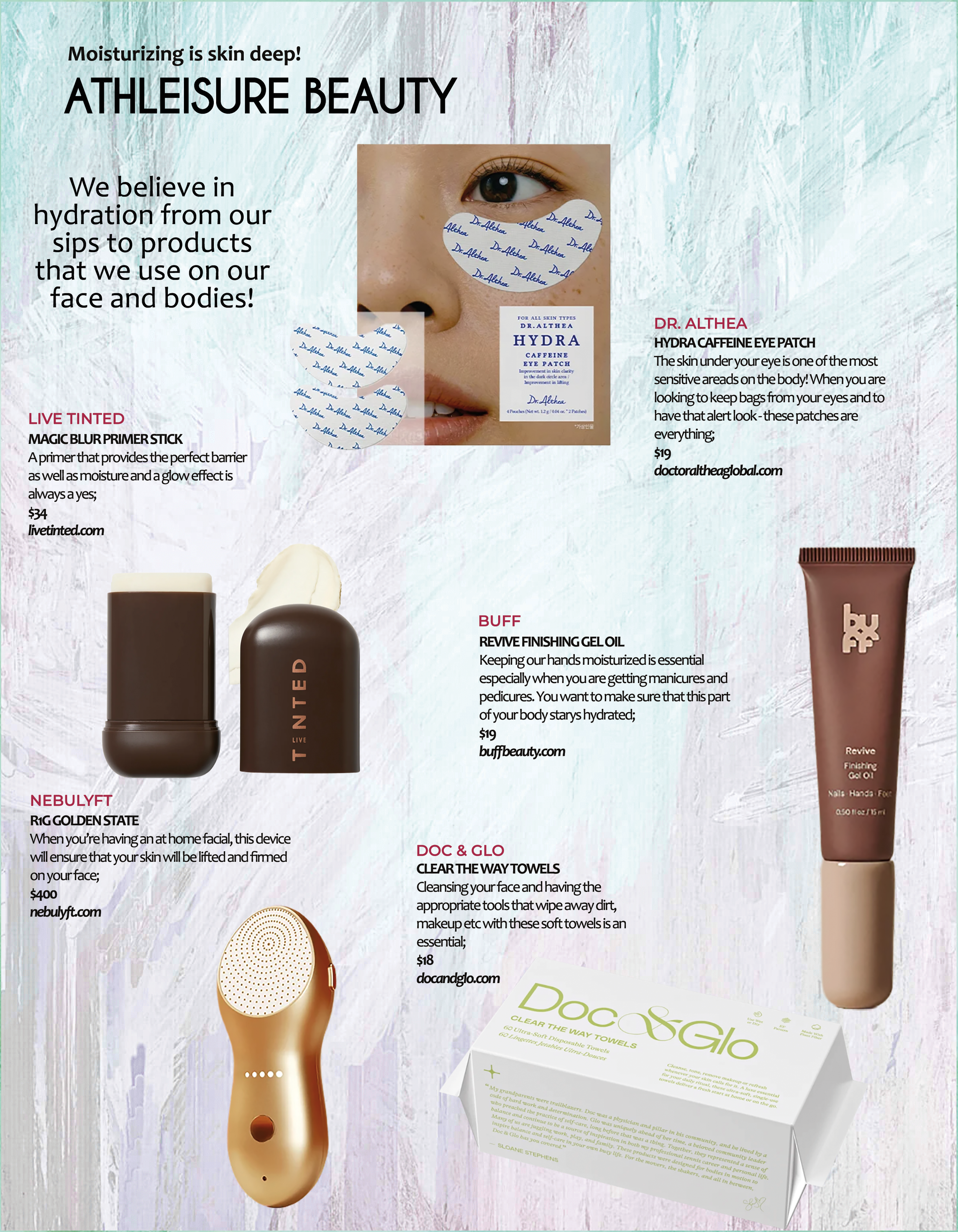
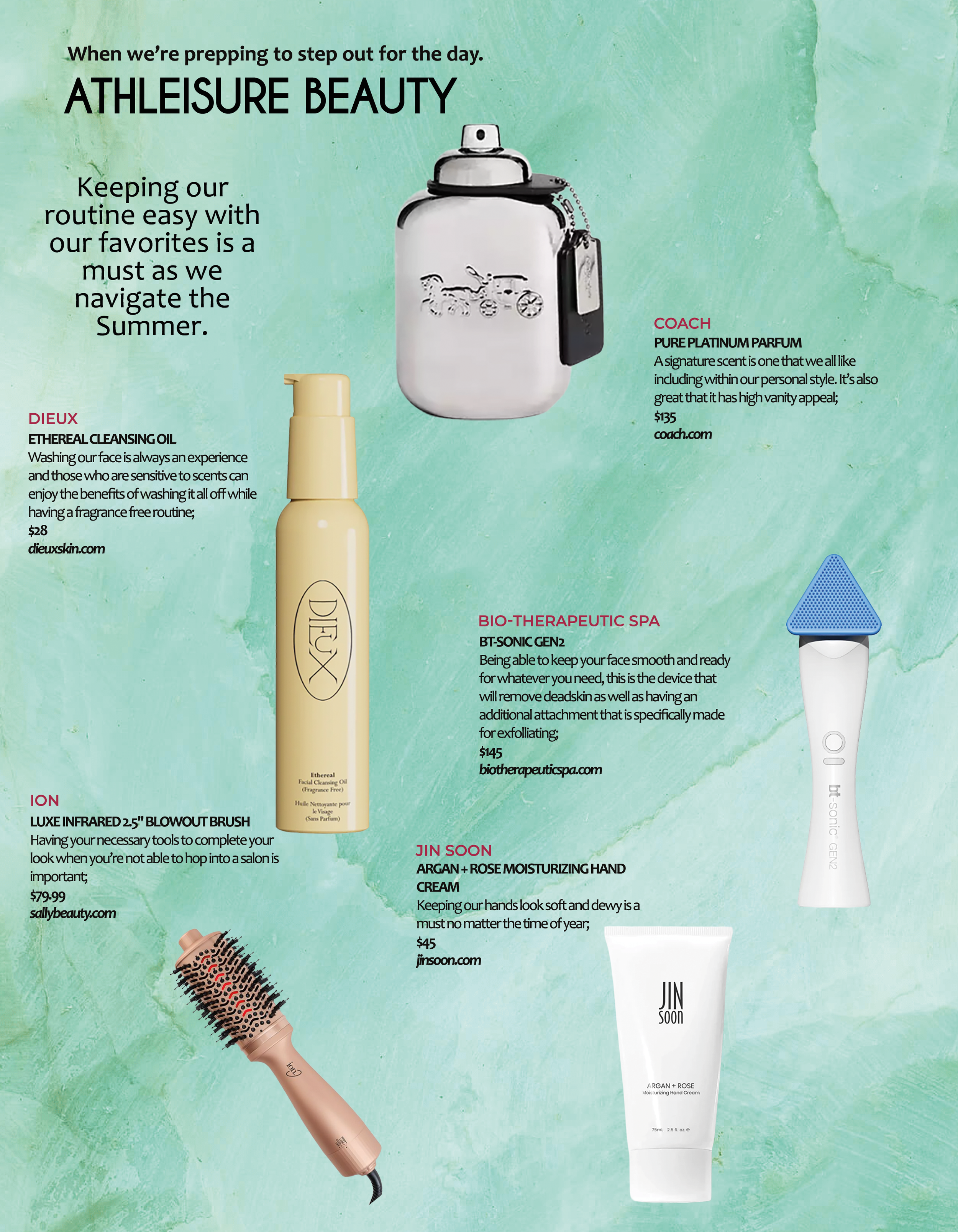
Read the MAR ISSUE #111 of Athleisure Mag and see ATHLEISURE BEAUTY in mag.
Is it frustrating to watch your most committed strength athletes drift toward other gyms that better suit their needs? These aren’t casual lifters—they’re powerlifters, Olympic hopefuls, CrossFitters. They’re the ones chasing personal bests and pushing limits, and a standard gym setup just doesn’t cut it. To keep them engaged, your space needs to evolve.
Designing a dedicated strength training zone isn’t just about tossing some weights in a corner. It’s about building an environment that supports progress and signals that you understand what serious training requires. Something as simple as offering a hip thrust machine can show your athletes you’re paying attention to the tools that matter. When done right, this kind of setup strengthens loyalty, builds community, and turns your gym into a place athletes are proud to call home.
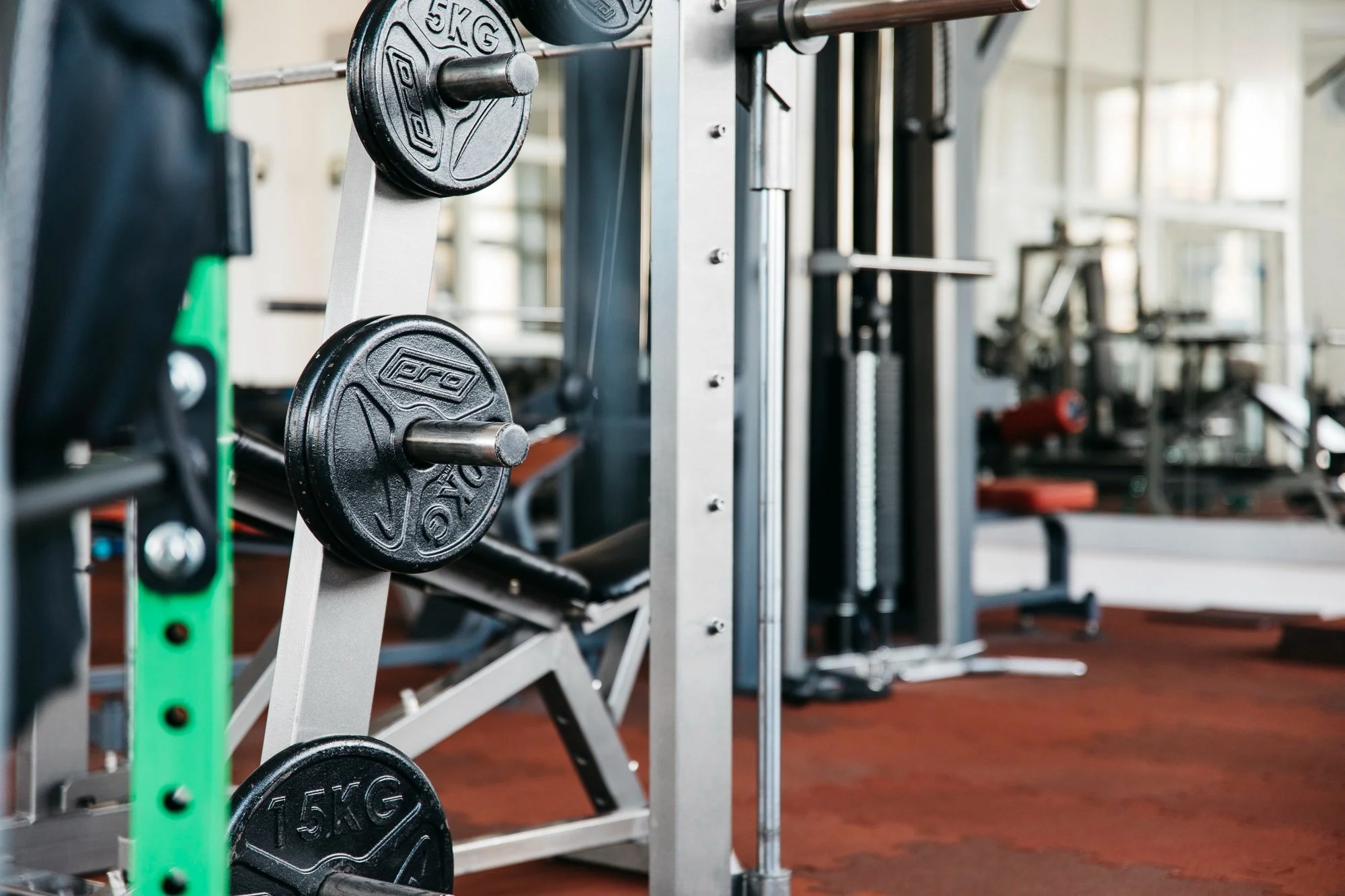
PHOTO CREDIT | Freepik
Let's be frank: you need to understand who you’re designing this space for. Are you catering to powerlifters, Olympic lifters perfecting their snatch technique, CrossFit athletes tackling WODs, or bodybuilders chasing the ultimate pump? Most likely, it's a blend of all these disciplines. Identifying these nuanced profiles will inform your layout and equipment decisions. Think of a powerlifter needing a sturdy power rack, a specialized deadlift platform. An Olympic lifter benefits from high ceilings and ample bail-out space. A CrossFitter needs versatility. And the bodybuilder? They might appreciate machines, but also require space for posing! Providing the right tools for the right discipline is key.
These athletes share common traits: high training volume, heavy lifts as the foundation of their workouts, and a need for specialized equipment. They appreciate open space, tolerate (even create) noise, and demand exacting equipment standards.
Space is paramount. A power cage needs approximately 100–150 sq. ft., potentially more for Olympic lifting. Traffic flow is critical. Isolate noise-intensive areas from the general gym space. Nobody wants to practice yoga next to someone maxing out a deadlift.
Consider open versus sectioned zones. Multifunctional spaces can combine strength and functional training. Zoning is a growing trend, and for good reason!
Ceiling height is crucial for Olympic lifts – aim for at least 12 feet, ideally more. Ensure clear sightlines and sufficient spacing between platforms and racks to prevent collisions. Think of it as orchestrating a dance floor where the dancers are lifting hundreds of pounds.
Don't overlook utilities. Electrical outlets are essential for phone chargers, fans, and recovery tools. Lighting should be bright and consistent. Chalk containment is a must – chalk buckets and strategically placed stands are crucial. Adequate ventilation is also critical; it’s going to get sweaty.
ADA compliance is a crucial consideration. Accessibility for injured athletes is also key. Providing clear pathways, ramps, and ample maneuverability makes a significant difference.
Now for the exciting part: the gear. Invest in high-quality, durable equipment that can withstand heavy use. Don't skimp on quality here.
● Barbells: Olympic barbells are essential, powerlifting-specific bars are great, a dedicated deadlift bar, and perhaps even a safety squat bar. Rogue Fitness is a popular brand; their Ohio Bar is a classic.
● Plates: Bumper plates are non-negotiable, with a suitable weight range. Calibrated plates are a nice touch for record-chasers. Consider Hi-Temp bumpers; they’re incredibly durable.
● Platforms & Flooring: Shock-absorbing, non-slip deadlift platforms are a must. Proper flooring is an investment. I recommend a multi-layered system.
● Racks & Cages: Power racks are the workhorses. Half racks offer versatility. Integrated platform/rack systems are excellent for dedicated stations.
● Benches: Flat benches are essential. Incline benches are great for accessory work. Adjustable benches add even more versatility.
● Accessory Tools: Bands for assistance work, chains for accommodating resistance, chalk stands, lifting blocks for partial range-of-motion training, and plyo boxes. Don’t forget the small items – they add up!
Consider commercial-grade versus competition-grade equipment based on your gym’s target clientele and programming. Commercial-grade is typically more durable for general use, while competition-grade is built to exacting specifications. If you're aiming to attract serious powerlifters, competition-grade is worth the investment.
The foundation of your strength zone is, well, the foundation. Flooring is critical. Opt for a multi-layered system, beginning with rubber tiles. Sublayer options include wood platforms or recycled rubber for additional cushioning. This helps absorb impact and protects your subfloor. Expect to invest roughly $5 - $15 per square foot for quality flooring.
Sound dampening materials are vital to minimize bar drop noise. This includes wall protection, too. Soundproofing panels are effective, as are clamps and corner guards to prevent damage. Your neighbors will thank you.
Moisture resistance and ease of cleaning are essential. Ensure you can easily clean spills and maintain sanitation. A good antimicrobial cleaner is essential. Consider branding the flooring with gym logos or athlete names for a personalized touch.
Here's where it becomes interesting. It’s not just about equipment; it’s about atmosphere. High-performance athletes expect a certain vibe.
Consider your music system. Volume control is essential, allowing athletes to listen to their music within reason, but playlist curation can also set the tone. A compelling pump-up playlist can make all the difference.
Wall graphics, motivational signage, and record boards are great for inspiration. Designate "elite" training zones or time blocks to foster a sense of exclusivity. Highlight athlete accomplishments with posters or digital leaderboards.
The goal is to cultivate a respectful, hardcore but inclusive atmosphere. It’s a fine line, but it’s crucial for building a strong community. Athlete Etiquette & Education Stations are a must! Incorporate signage or staff-led orientations on space usage expectations. Teach proper re-racking, spotting techniques, and general gym etiquette. A little education goes a long way.
Small touches often significantly impact the overall experience. Recovery stations with foam rollers, massage guns, and even ice baths can be a major draw. Lockable lifting gear storage is a valuable convenience.
Nutrition vending machines or fueling stations are great for pre- or post-workout needs. Dedicated changing areas or athlete lounges provide space for relaxation. Access to on-site coaching or programming support is a major selling point. A qualified sports therapist can also be a valuable asset.
Safety is paramount. Daily weight checklists and organization are essential. Train your staff in spotting techniques, etiquette enforcement, and minor repairs. A well-trained team is invaluable.
Regular flooring and rack inspections are crucial for preventing accidents. Liability signage placement and waiver requirements are non-negotiable. Clearly marked injury protocol stations with first aid, ice packs, and AED access are crucial.
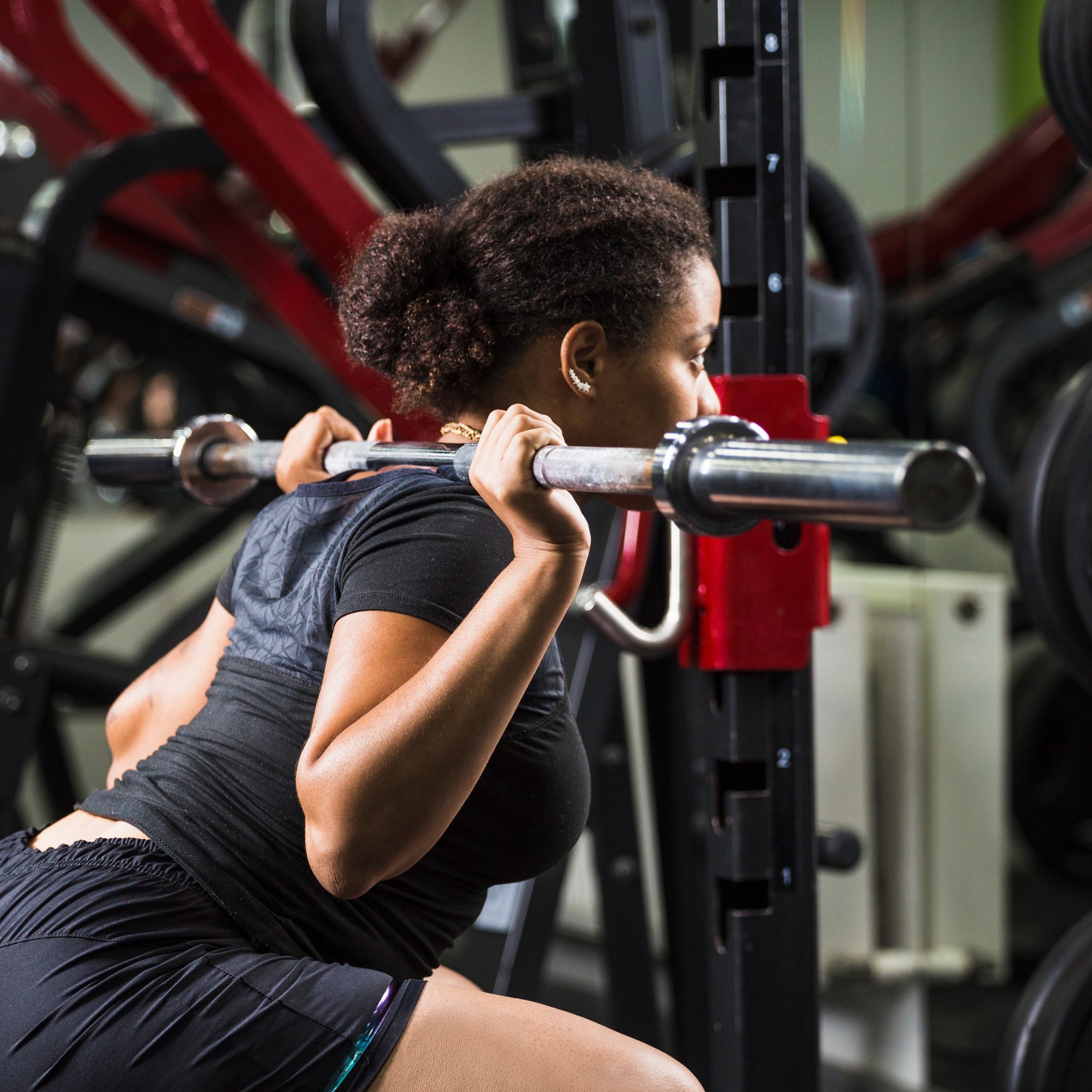
PHOTO CREDIT | Freepik
First impressions matter. A well-designed strength zone signals that you take your athletes' training seriously. Design encompasses not only equipment but also atmosphere, safety, and community. A great strength zone transforms visitors into long-term advocates.
Don't overlook the basics of clear paths and accessibility for all members. Tech integration, such as touchless entry systems and digital tracking tools, can enhance the user experience and streamline workouts. Consider apps that track workouts and progress – athletes appreciate that.
Designing the ultimate strength training zone for dedicated athletes requires a blend of strategy and attention to detail. Focusing on layout optimization, equipment selection, and user experience allows you to create an environment that caters to their specific needs. Consider long-term investments; also consider multi-functional fitness zones.
Audit your current setup. Start planning upgrades. Perhaps begin with new flooring or a couple of Rogue Ohio bars. Your athletes will thank you for it, and, more importantly, they'll stay.
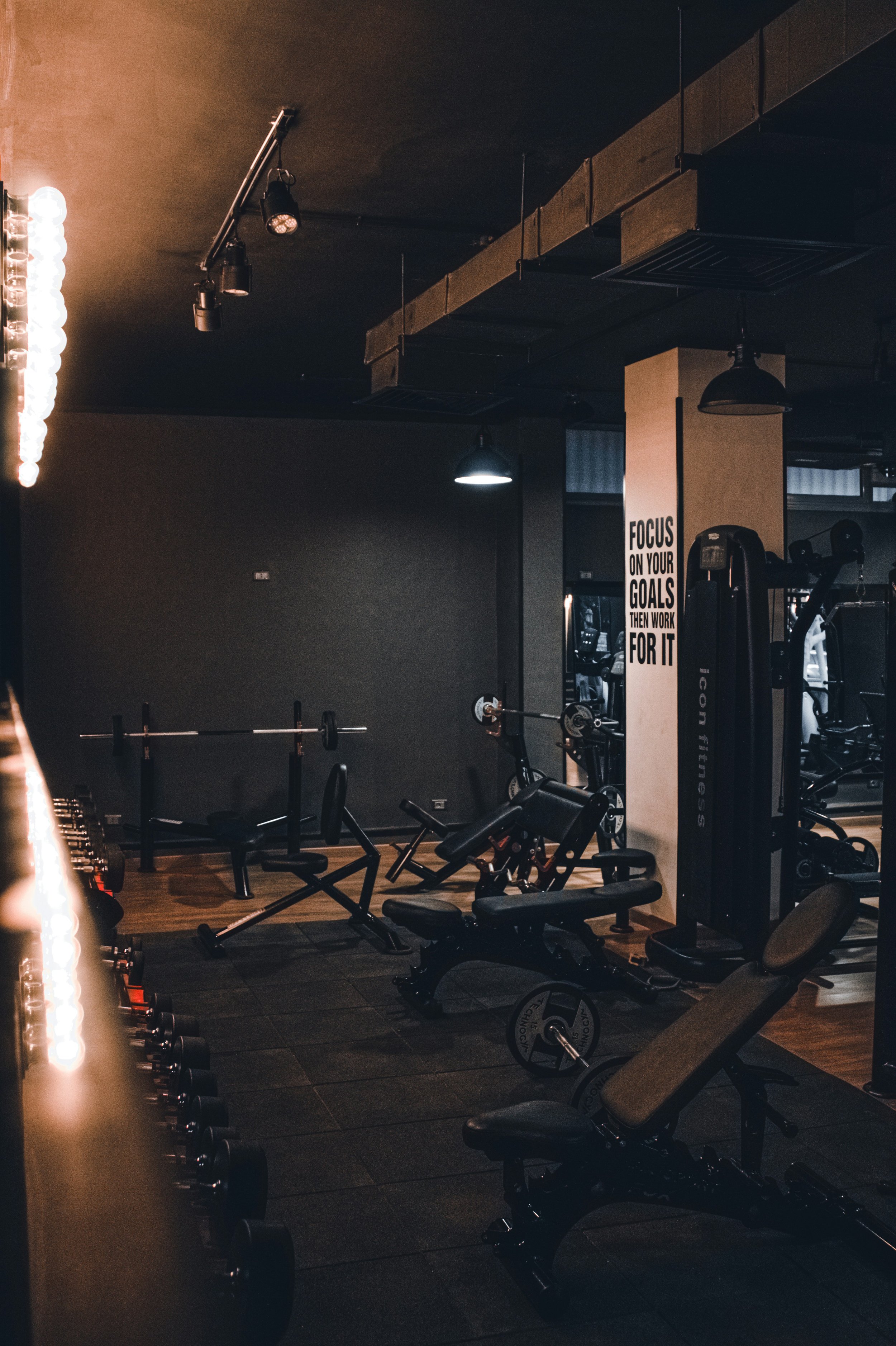
PHOTO CREDIT | Unsplash/Mohamed Fareed
When Chris Mova was seven years old, a car accident changed his life forever. What seemed like a momentary impact resulted in a traumatic brain injury that wasn't immediately apparent. Within days of the crash, he developed a stutter that would come to define his childhood, requiring years of speech therapy and enduring ridicule from classmates.
His story is a stark reminder of how subtle yet devastating brain injuries can be, a lesson that resonates powerfully in the world of sports.
The Hidden Danger of Concussions
Concussions are often called the "invisible injury" in sports. The stories of professional athletes like Sidney Crosby and Nick Foles illustrate the profound impact these injuries can have on athletic careers. Crosby, the NHL superstar, missed nearly two full seasons due to concussion-related issues, facing multiple setbacks and uncertain future prospects. Similarly, NFL quarterback Nick Foles has spoken openly about the challenges of recovering from multiple concussions, highlighting the long-term neurological risks faced by professional athletes.
Unlike a broken bone or a visible wound, brain injuries can slip under the radar, with consequences that may not surface for days, weeks, or even years after the initial impact. For athletes at all levels, from high school football players to professional cyclists, these injuries represent a serious threat that extends far beyond the immediate moment of impact.
The Legal Landscape of Sports Injuries
The mounting evidence of long-term brain injury risks has led to significant legal challenges in professional sports. The NFL's landmark settlement with former players over chronic traumatic encephalopathy (CTE) brought national attention to the serious neurological consequences of repeated head trauma. Sports organizations and teams now bear a significant legal and ethical responsibility to protect athletes, going beyond simple first aid to implement comprehensive protocols for medical assessment and player safety.
Mova's own experience mirrors the challenges many athletes face. His childhood injury, which went unrecognized initially, resulted in years of rehabilitation and emotional challenges. It's a powerful reminder that the impact of a brain injury extends far beyond the moment of impact, often revealing its true nature long after the initial incident.
Protecting Yourself: A Comprehensive Approach
When it comes to potential brain injuries, the path forward requires a holistic strategy. Athletes must be proactive and vigilant, seeking immediate medical attention at the first sign of a potential concussion. Documentation becomes crucial. Medical records, treatment logs, and detailed consultations can make a significant difference both medically and legally.
The experiences of athletes like WWE wrestler Chris Benoit and NHL enforcer Derek Boogaard tragically illustrate the potential long-term consequences of repeated head trauma. Their stories have become pivotal in understanding the cumulative impact of sports-related brain injuries, driving important conversations about athlete protection and medical research.
The Long-Term Perspective
Traumatic brain injuries are not simple, straightforward medical issues. They can manifest in numerous ways, from chronic headaches and memory problems to significant mood changes and potential long-term neurological challenges. The journey of recovery is often complex, requiring patience, professional medical support, and sometimes legal intervention.
A Message of Resilience
Chris Mova's journey from a child with a traumatic brain injury to a personal injury attorney is a testament to human resilience. In fact, it was his experience with the insurance industry after his injury that drove him to set up his own law firm practicing in personal injury cases in California, Mova Law Group.
His story underscores a critical message: brain injuries are serious, often misunderstood, and deserve comprehensive attention and care.

Read the MAR ISSUE #111 of Athleisure Mag and see CITRUS AURANTIUM BEAUTY in mag.

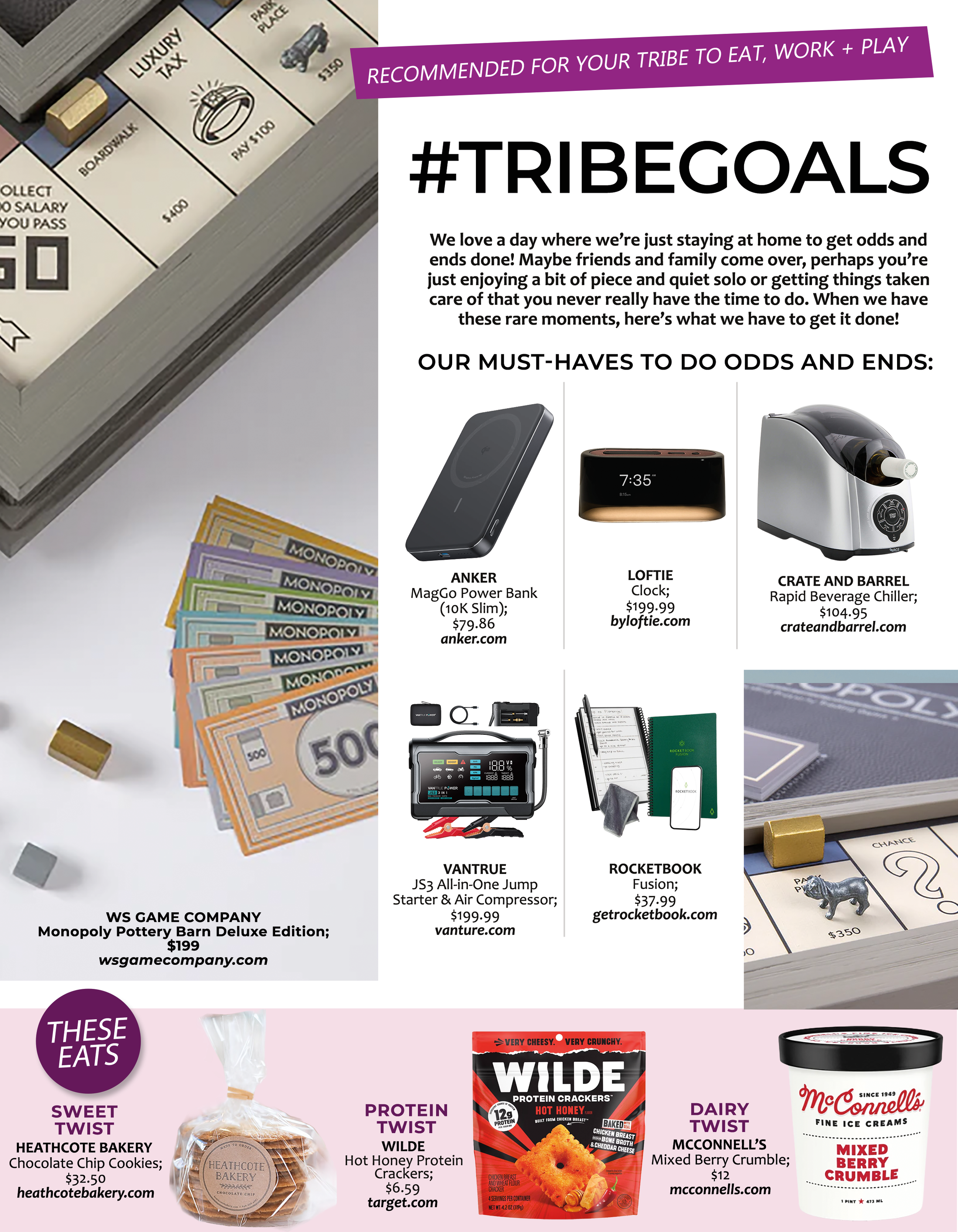
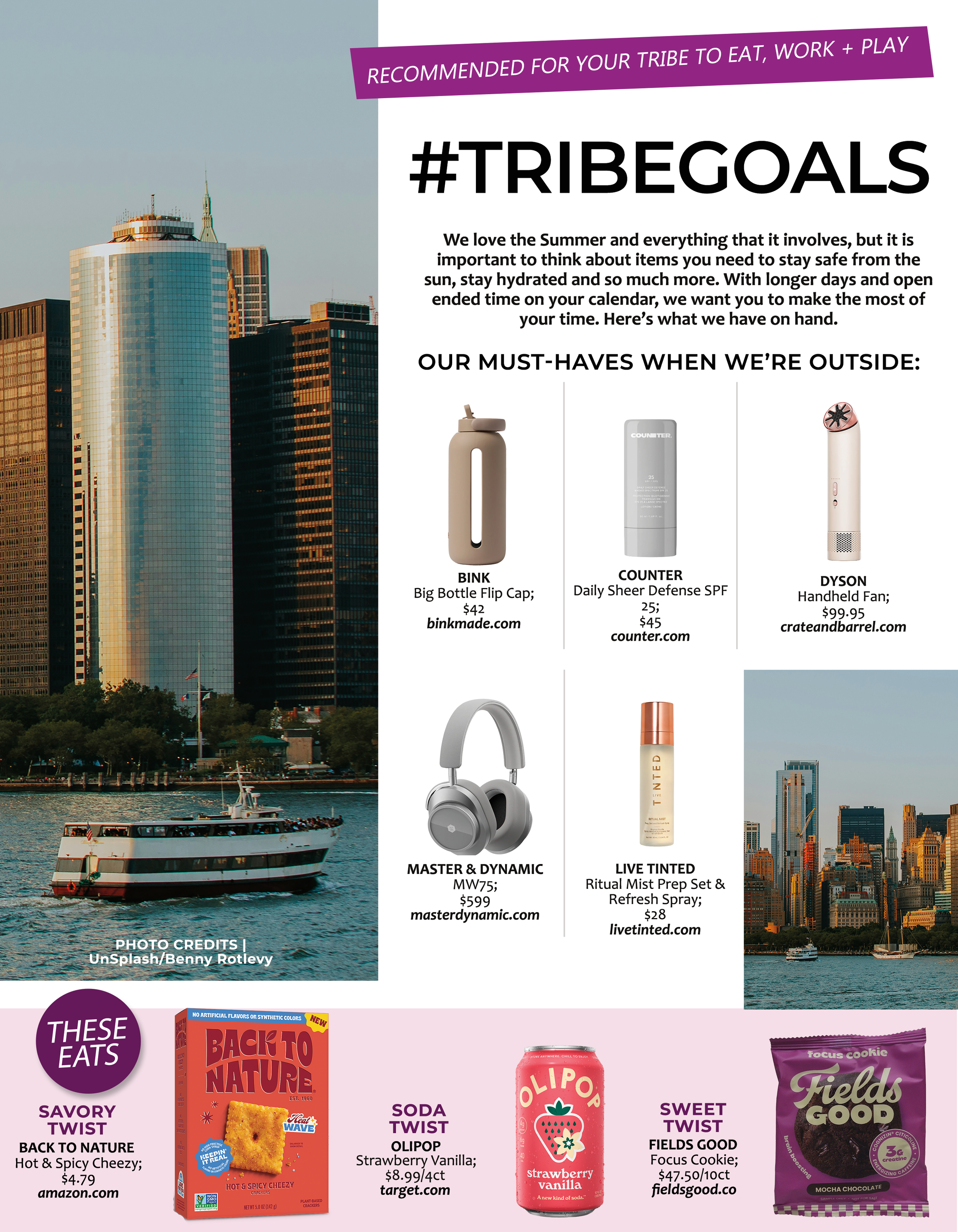
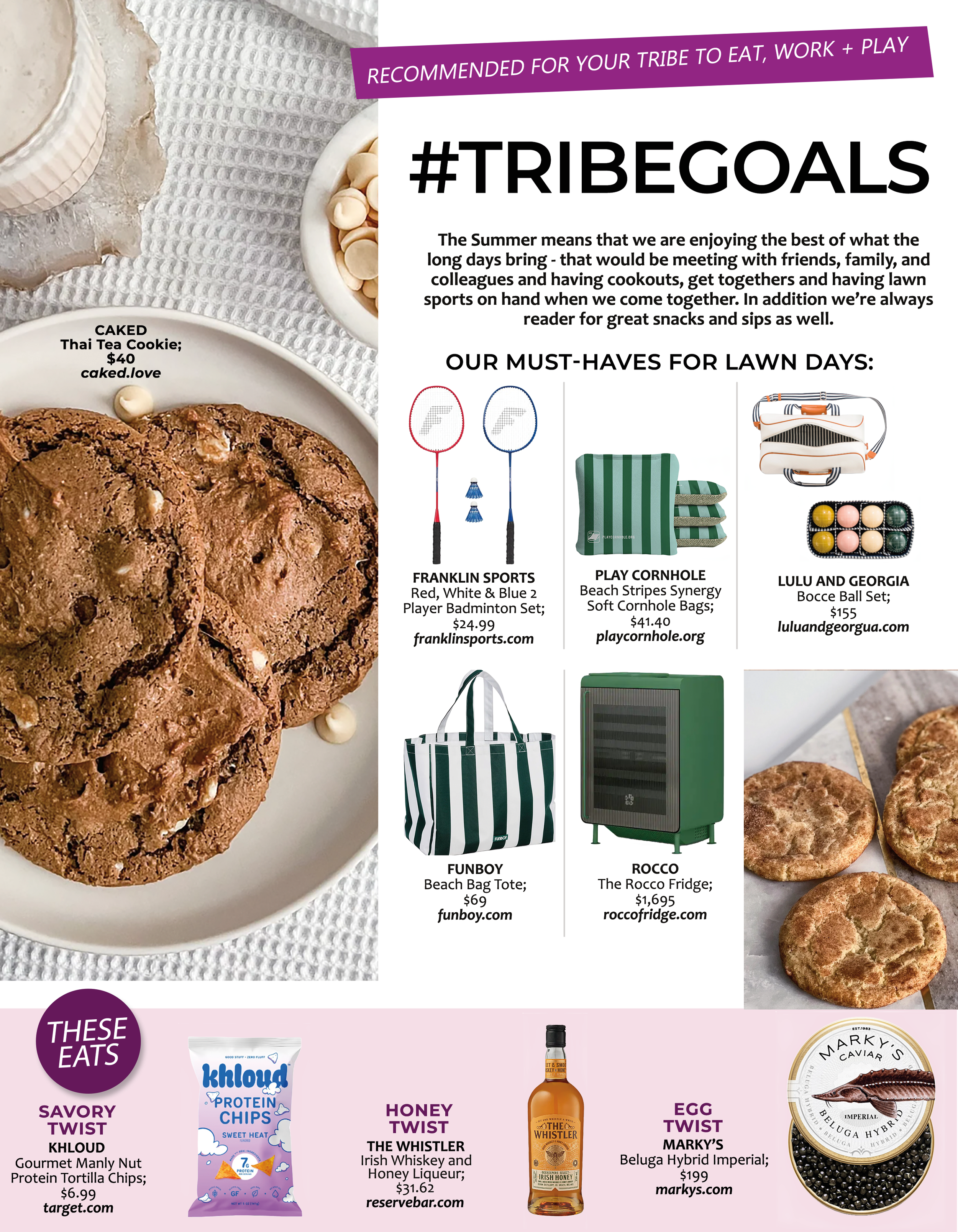
Read the MAR ISSUE #111 of Athleisure Mag and see #TRIBEGOALS in mag.
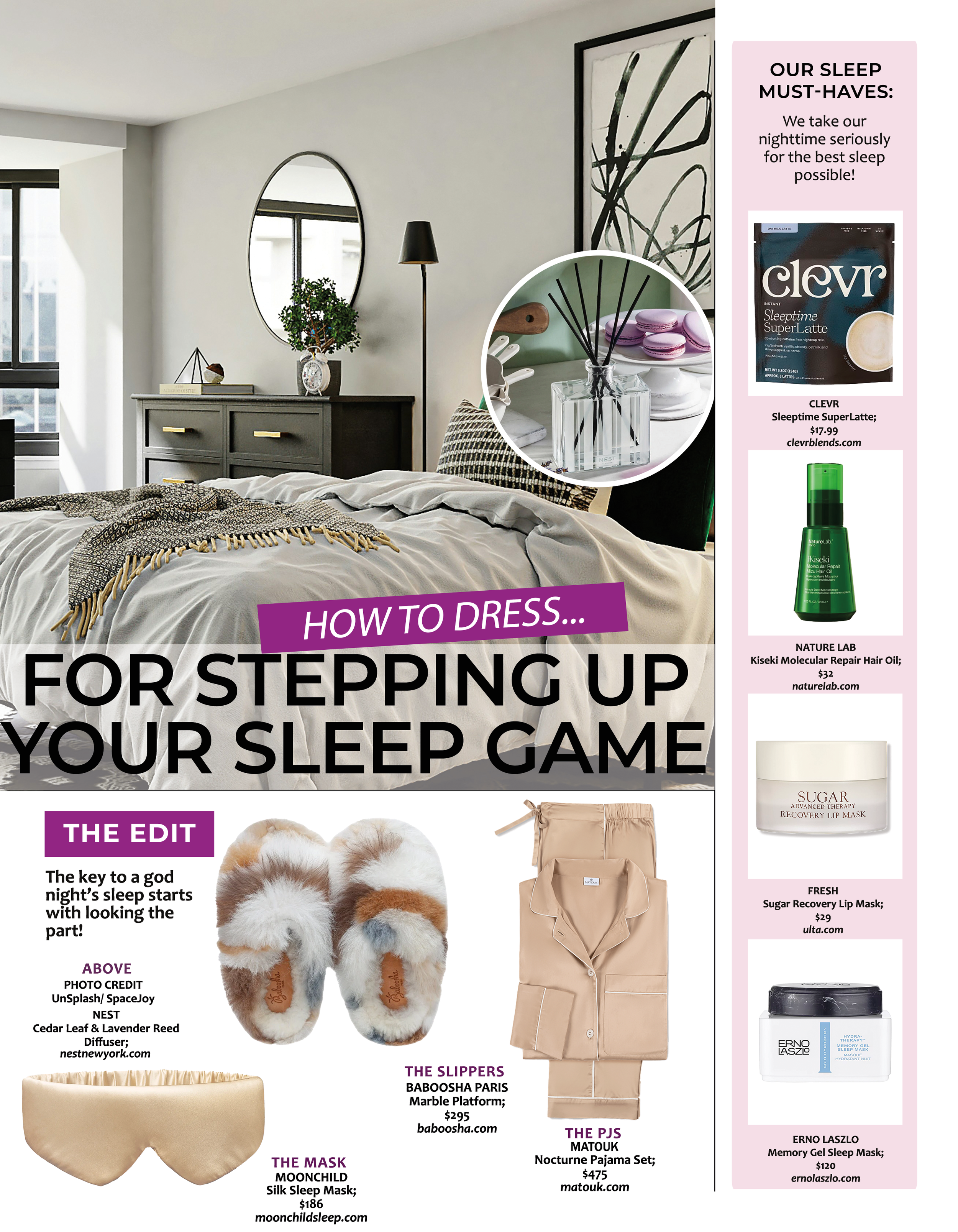
Read the MAR ISSUE #111 of Athleisure Mag and see HOW TO DRESS | For Stepping Up Your Sleep Game in mag.

PHOTO CREDIT | Unsplash/Sébastien Jermer
You've probably heard more about this gland lately because several celebrities have been open with the public about their own thyroid issues. Gigi Hadid, Sofia Vergara, Zoe Saldana, Leona Lewis and Bernie Sanders have all shared their symptoms, which are more common than you'd think.
The American Thyroid Association (ATA) estimates that around 20 million Americans have some form of thyroid disease. The cause of thyroid problems is unknown, but science has shown that the function of the thyroid gland is extremely important as a hormone-producing gland. About one in eight women will develop thyroid problems during their lifetime.
Your thyroid is found at the front of your neck right below the voice box. The gland is often described as butterfly-shaped whose two lobes on either side, lie against and around the windpipe. The pituitary gland, a part of the brain, guides the thyroid gland in working together to maintain a balanced system.
The thyroid controls many functions in the body for metabolism, growth and development. To regulate these actions, the thyroid will release a continuous amount of thyroid hormones into the bloodstream.
Your thyroid will control how your body uses this energy to stay warm, burn calories and much more.
Thyroid hormone function is essential for the human body at every age. The thyroid gland makes and releases two key thyroid hormones: triiodothyronine (T3) and tetraiodothyronine, also known as thyroxine (T4). T3 and T4 affect every cell and all the organs in your body.
There are moments when your body needs more thyroid hormones and moments when it needs less. That's when the pituitary gland goes into action to regulate the process. However, sometimes, the thyroid gland develops imbalances and throws everything off.
Hyperthyroidism is an overactive thyroid that makes too many hormones, while hypothyroidism is an underactive thyroid that doesn't make enough hormones.
Stress, an unhealthy lifestyle and an unhealthy diet can trigger thyroid gland issues.
Hyperthyroidism and hypothyroidism have their own set of symptoms, but both conditions share excessive fatigue.
Symptoms of hyperthyroidism include:
● Heat intolerance
● Irregular heartbeat
● Tremors
● Anxiety
● Insomnia
● Weight loss, despite increased appetite
Symptoms of hypothyroidism include:
● Constipation
● Hair thinning or hair loss
● Lethargy
● Puffiness in the face or legs
● Cold intolerance
● Dry skin
Endocrinologists say the thyroid-stimulating hormone (TSH) blood test is the best type to screen for thyroid dysfunction. It can accurately assess overall thyroid function.
A sample of your blood will be taken and sent to a lab for testing, and you don't have to fast before the test. The good news is that treatment and medication can correct your thyroid hormone and TSH levels to restore proper thyroid gland function.
Up to 60% of those with thyroid disease are unaware of their condition, so it's important to seek medical advice if you're experiencing fatigue or any other physical issues. Thyroid problems are quite common, and you are certainly not alone.
There are many online articles and home remedy treatments for thyroid conditions. However, don't go it alone trying to manage your symptoms. There are multiple myths online about thyroid function and how to cure it. Always seek medical advice before starting supplements, etc.

PHOTO CREDIT | Unsplash/The Humble Co.
Living an active lifestyle means more than staying fit. It often includes travel, socializing, working long hours, or juggling multiple roles. People who are constantly on the move need practical solutions that can keep up, especially when it comes to dental health.
Tooth loss, whether caused by decay, injury, or aging, can affect more than how someone looks. It changes how they eat, speak, and interact with others. For active adults, the idea of spending months going back and forth to the dentist for temporary fixes or removable dentures just isn’t workable. That’s where All-On-4 implants come in. But are they really the best fit for someone always on the go?
All-On-4 implants offer a fixed alternative to removable dentures. Instead of replacing each tooth individually, four implants support an entire arch of teeth. This method creates a solid foundation that doesn't shift during meals or physical activity. People who've struggled with loose dentures or multiple failing teeth often find the switch life-changing.
The more advanced All-On-4 implants can often be placed without additional bone grafts, which means less healing time and fewer appointments. This is possible because the rear implants are tilted at an angle, allowing them to engage more of the existing bone. For someone who's managing a tight schedule or doesn’t want to be slowed down by frequent procedures, this design is practical.
One of the main advantages is the timeline. On the day of surgery, patients receive their implants and a set of temporary teeth in a single visit. That allows for a faster return to work, travel, and everyday activities. For someone balancing career responsibilities, family, and personal goals, this kind of efficiency matters.
The entire bridge is fixed in place, which means no daily removal, no adhesives, and no complicated maintenance routines. Compared to traditional methods, which may require multiple implants and bone grafts, All-On-4 offers a cleaner, more predictable experience. Daily oral hygiene routines remain straightforward, and there's no need to carry around cleaning solutions or special storage for removable dentures.
Functionally, these implants perform like natural teeth. Chewing, biting, and speaking feel intuitive. Unlike removable dentures, they don’t shift mid-meal or click during conversations. That kind of reliability matters in a professional setting, on a date, or during a business trip when there’s no time or privacy to deal with loose teeth.
People often ask whether these implants can hold up under long-term use. The short answer is yes, assuming proper care and regular dental checkups. The implant placement is strategic, targeting areas of the jawbone where density is highest. Even in cases of bone loss, angling the posterior implants helps maximize contact with actual bone. That improves integration and minimizes movement.
Over time, dental implants can help stimulate bone growth, preventing the jaw bone from deteriorating. This preserves facial structures and supports long-term oral health. For people who care about performance and appearance, that benefit can't be overlooked. A strong bone structure isn’t only about function—it also helps maintain a youthful facial shape.
Material matters too. Most full arches are made with acrylic resin teeth supported by a titanium framework. These materials are light yet durable enough to stand up to years of chewing. While they’re not indestructible, they're built to last under everyday use.
It’s easy to get sold on the promise of a permanent solution, but All-On-4 isn’t for everyone. Good candidates typically have decent bone density and are free of untreated oral health issues like gum disease. Infections, decayed teeth, or impacted wisdom teeth may need to be addressed before surgery. Smokers or those with uncontrolled diabetes may face healing delays or higher risks during dental implant procedures.
Some patients will still need bone grafts, especially if the upper jaw has been missing teeth for years and the bone has resorbed significantly. Others may not have enough spacing in relation to anatomical structures like sinuses or nerves, which can limit implant placement.
For those ineligible for All-On-4, traditional dental bridges or partial dentures may be a better fit, at least temporarily. A proper diagnostic workup, including 3D imaging, is necessary to identify risks early and avoid complications.
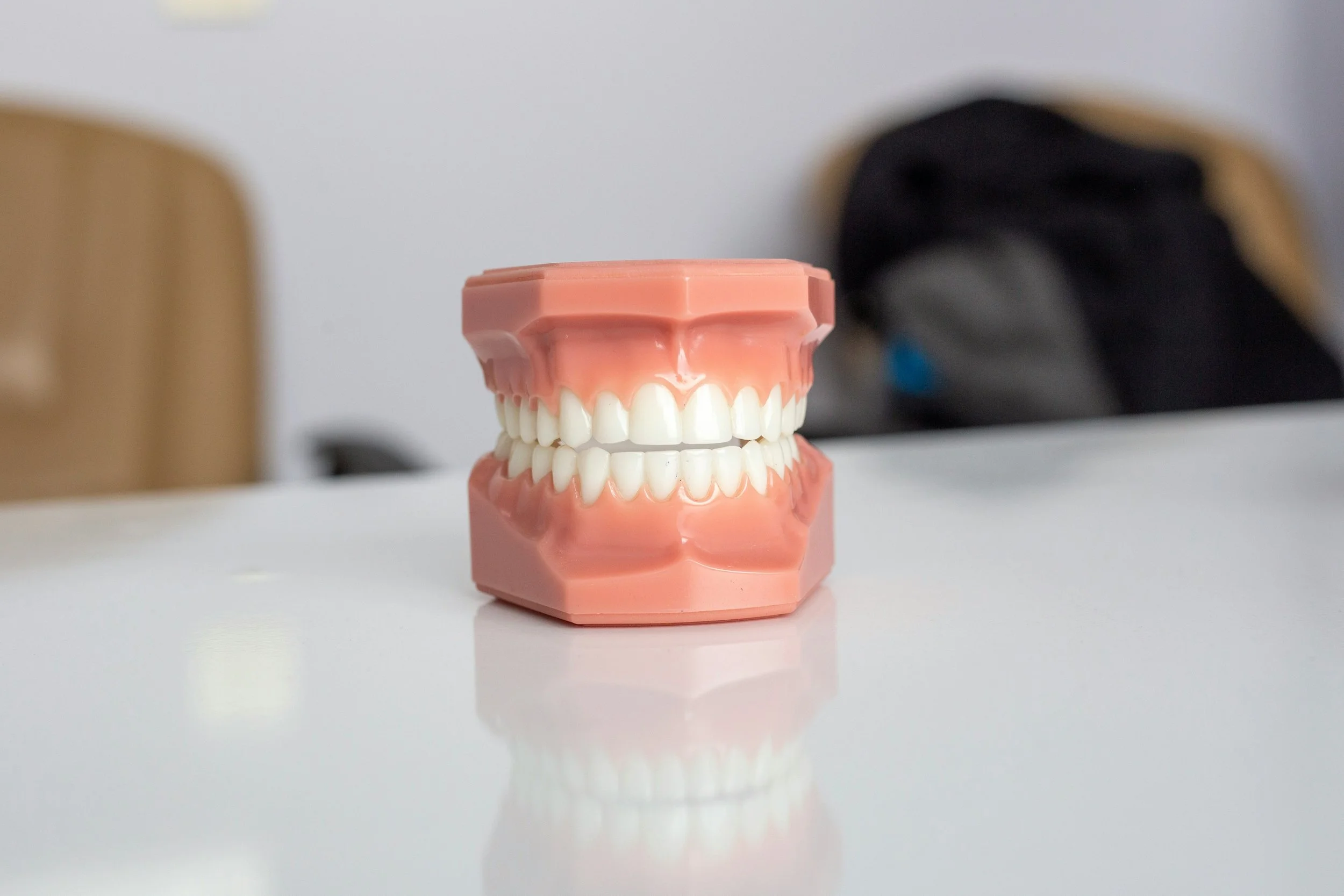
PHOTO CREDIT | Unsplash/Enis Yavuz
Consider someone who runs five miles every morning, travels regularly for work, and doesn’t want the burden of managing removable dentures. For this kind of person, an invasive procedure that requires months of healing and several appointments might feel like too much disruption. All-On-4 offers a way to compress that treatment timeline. From the day of surgery to the final fitting, most patients are done in a matter of months—with functioning temporary teeth right away.
Someone else may be dealing with broken teeth or decayed teeth in multiple spots. Instead of repairing one area at a time over the years, All-On-4 provides an option to reset everything in one go. That clean break is sometimes what people need to start fresh and avoid piecemeal dental work that never feels complete.
People living full, active lives tend to favor solutions that simplify—not complicate—their routine. All-On-4 implants check several of those boxes. They restore functional teeth, improve appearance, and reduce the number of appointments needed to reach a stable result.
While no option is perfect for everyone, this approach delivers consistency, which is hard to come by in dentistry when dealing with multiple missing or damaged teeth. For those who want something permanent that looks natural, holds up under pressure, and keeps life moving without daily maintenance, it’s worth considering.

PHOTO CREDIT | Unsplash/Horology Hands
Sleep plays a vital role in overall health, especially for parents and babies navigating the early months and years of development. While factors like diet, routine, and environment influence sleep, oral health is often overlooked. However, poor oral hygiene can contribute to sleep disruptions, impacting both infants and their caregivers.
How Oral Health Affects Baby's Sleep
Babies rely on good oral health from the moment their first tooth emerges. Teething, cavities, and infections can lead to discomfort, making it harder for infants to settle at night. Common oral health issues that disrupt sleep include:
Teething Pain and Discomfort
The teething process typically begins around six months of age and can cause significant discomfort. Swollen gums, drooling, and irritability often make it hard for babies to fall asleep or stay asleep. Using a cool teething ring or gently massaging the gums can provide relief and improve sleep quality.
Early Childhood Cavities
Even before a baby starts eating solid foods, sugars from milk or formula can contribute to cavities. Tooth decay can lead to pain, making it harder for babies to sleep through the night. Wiping their gums with a clean cloth and introducing a soft toothbrush once teeth appear can help prevent cavities.
Tongue-Tie and Sleep Apnea
Some babies are born with tongue-tie, a condition where the tongue's movement is restricted due to a short frenulum. This can affect feeding, leading to poor weight gain and disrupted sleep. In some cases, tongue-tie may also contribute to infant sleep apnea, where breathing is briefly interrupted during sleep. Consulting a pediatric dentist can help determine if intervention is needed.
How Parents' Oral Health Impacts Their Sleep
Parents often experience sleep disturbances due to their child's needs, but their own oral health can also play a role. Common issues affecting sleep include:
Gum Disease and Inflammation
Gingivitis and periodontitis cause inflammation and discomfort, which can make it difficult to relax at night. Gum disease has been linked to systemic health conditions like heart disease and diabetes, which can further impact sleep quality. Having a consistent oral hygiene routine and seeking professional dental care can reduce inflammation and improve overall well-being.
TMJ Disorders and Teeth Grinding
Stress and fatigue can contribute to temporomandibular joint (TMJ) disorders, leading to jaw pain, headaches, and difficulty sleeping. Many parents also experience bruxism, or teeth grinding, which often occurs during sleep and can cause jaw soreness and worn-down enamel. A custom night guard from a dentist can help prevent damage and alleviate discomfort.
Sleep Apnea and Oral Health
Undiagnosed sleep apnea is a major sleep disruptor, often related to oral health issues such as misaligned teeth or an underdeveloped jaw. Parents experiencing chronic fatigue, snoring, or frequent nighttime awakenings should consider a dental evaluation. Visiting a Balham private dentist at directdental.com can help identify oral health-related sleep issues and provide effective solutions.
Tips for Promoting Better Sleep Through Oral Health
Establish a Routine – Brush and floss regularly, and help children do the same from an early age.
Schedule Regular Checkups – Preventative dental visits can catch issues before they become severe.
Address Discomfort Promptly – Managing discomfort quickly prevents sleep disruptions, whether it's teething pain or a toothache.
Use Proper Oral Care Products – Choose fluoride toothpaste for children and adults to strengthen enamel and prevent decay.
Monitor Sleep Patterns – Consider a dental evaluation if you or your child experience persistent sleep disturbances.
Prioritizing oral health improves dental hygiene and leads to more restful sleep for the entire family. Parents and babies can enjoy better nights and healthier smiles by taking proactive steps.

PHOTO CREDIT | Unsplash/Fabio Fistarol
Welcome to the vibrant world of goodr, a brand that has redefined the intersection of affordability and fashion in sportswear. In this era where style meets performance, goodr stands out as a beacon of innovation, transcending beyond their iconic sunglasses to influence the landscape of affordable fashion in sportswear.
At the heart of https://goodr.com/e success is a refreshing philosophy that rejects the notion that quality sportswear must come with a hefty price tag. Instead, they embrace the idea that everyone, regardless of budget constraints, should have access to stylish and functional athletic wear. This philosophy permeates every aspect of their brand, from product design to marketing, creating a ripple effect that resonates with fitness enthusiasts globally.
Goodr's influence on affordable sportswear extends beyond just functionality. Their commitment to a bold and playful aesthetic challenges the conventional norms of athletic fashion. Vibrant colors, quirky designs, and a sense of humor are embedded in every stitch and seam. This not only makes their products stand out in a crowd but also fosters a sense of inclusivity, encouraging individuals to express their unique personalities through their workout gear.
One of the most significant contributions of goodr to the sportswear industry is their relentless pursuit of breaking down the price barrier. The brand has managed to produce high-quality, performance-driven products without compromising affordability. By streamlining production processes and cutting out unnecessary markups, goodr has made it possible for fitness enthusiasts to enjoy premium sportswear without emptying their wallets.
Goodr's influence goes beyond their own product line, sparking a movement in the industry. Other brands are taking note and adjusting their strategies to accommodate the growing demand for affordable yet stylish sportswear. This shift not only benefits consumers but also reshapes the industry's landscape, challenging the status quo and fostering healthy competition that ultimately benefits the end-users.
In addition to affordability, goodr is actively contributing to the sustainability of the fashion industry. Their commitment to using eco-friendly materials and ethical manufacturing processes sets a standard for responsible sportswear production. This not only aligns with the values of environmentally conscious consumers but also propels the industry towards a more sustainable and ethical future.
While goodr initially gained recognition for their quirky and affordable sunglasses, the brand has evolved to offer a diverse range of sportswear products. From running shorts to performance tops, each item is a testament to their commitment to providing stylish and functional options for every athlete.
Before delving into their expanded product line, let's take a moment to appreciate the allure of goodr sunglasses. Engineered for performance and designed for style, these sunglasses have become synonymous with the brand's identity. Whether you're hitting the trails or lounging by the pool, goodr sunglasses offer the perfect blend of UV protection and fashion-forward aesthetics.
Recognizing the need for a complete sportswear ensemble, goodr has expanded its product line to cater to various athletic pursuits. Running enthusiasts can enjoy the comfort and functionality of their running shorts, while gym-goers can opt for the breathable and stylish performance tops. This diversification ensures that goodr remains a one-stop destination for anyone in search of affordable and fashionable sportswear.
What sets goodr apart is their ability to seamlessly blend style with functionality. Each product is meticulously designed to meet the demands of athletes while making a bold fashion statement. This intersection of style and function is evident in the thoughtful details, from moisture-wicking fabrics to eye-catching prints, ensuring that individuals not only perform at their best but also look good doing it.
Beyond providing affordable fashion in sportswear, goodr has cultivated a vibrant and engaged community of fitness enthusiasts. Their social media presence, filled with user-generated content, showcases the diversity of the goodr community. This sense of belonging goes beyond the products, creating a movement where individuals celebrate their unique journeys in fitness while sporting the latest goodr gear.
If you're ready to join the affordable fashion revolution in sportswear, look no further than https://goodr.com/blogs/goodrtimes/ski-snowboard-goggles-buyers-guide. Their extensive collection caters to all tastes and preferences, ensuring that there's a perfect fit for every athlete. From the iconic sunglasses that started it all to the latest additions in their sportswear line, goodr continues to redefine the boundaries of affordable and stylish athletic gear.
In conclusion, goodr's influence beyond sunglasses is a testament to the brand's commitment to reshaping the sportswear industry. By prioritizing affordability, embracing a bold aesthetic, and expanding their product line, goodr has not only carved a niche for themselves but has also inspired a broader movement towards accessible and stylish athletic wear. As the brand continues to evolve, one thing remains constant – their dedication to making quality sportswear accessible to all. So, gear up, join the movement, and let goodr be your companion on your fitness journey.

In this month’s issue, our front and back cover story is with NFL Super Bowl Champion of the Kansas City Chiefs, Rashee Rice. We talk about his passion for the game, his journey, staying in shape, the upcoming season, and how he gives back philanthropically!
We sat down with Creator, Executive Producer, and writer Chris Brancato for Godfather of Harlem which is back for S4 on MGM+. We also interviewed cast members Rome Flynn, Lucy Fry, and Michael Raymond James as we talk about this historically inspired series, why they are part of this program and what we can expect this season.
We sat down with pro surfer Brianna Cope who talks with us about her love for the beach, surfing, being in Surfer Girls on Prime Video, and her love for cooking on the beach! We chatted with her about her ambassadorship with Gozney and why this is something that we can enjoy when it comes to making pizzas wherever we roam.
We enjoyed an amazing dinner a few weeks back at Ludlow House to celebrate the launch of Cards on the Table, a digital series hosted by Stanley Tucci in partnership with Allbirds. After having such a great time at the event we wanted to know more about Allbirds as a brand, footwear aesthetic, how this series came about, and what we can look forward to.
We have been fans of Chef Maneet Chauhan for a number of years from her restaurants to her hosting and judging shows on Food Network. We sat down with her to find out how she got into the industry, why she loves cooking, finding out about her restaurant group, and upcoming projects.
Our kick off to Spring wouldn't be complete without our recap of this past Awards Season via 9R3DCARP3T which shares exclusive quotes with those who walked the red carpet as well as their teams.
This month's The Art of the Snack takes us to Singapore where we dine at Burnt Ends. We talk with Chef David Pynt on his culinary journey as well as what led him to launching this restaurant and what we can expect when we come in to dine.
This month's Athleisure List comes from Lolita in Midtown NY which have a phenomenal menu for your next meal as well as cocktails! In addition, we also head to Italy to enjoy ARIA Retreat + Spa.
This month we have our 9PLAYLIST from NFL Super Bowl Champion and Athleisure Mag cover, Rashee Rice of the Kansas City Chiefs. We have an additional 9PLAYLIST with EDM DJ/Producer, KAAZE. This month's 9PLAYLIST MULTI comes US Open 2017 Grand Slam winner, Sloane Stepens who shares what she enjoys listening to, streaming, and reading. Our 63MIX ROUTIN3S comes from Rashee Rice and from pro surfer, Brianna Cope. This month's THE 9LIST 9CH3FS comes from Chef Hailey Nissimov of Figaro Cafe, Owner Will Patton and Creative Dir Devin of Press Club Cocktail Bar and our THE 9LIST 9B-L-D comes from BRAVO Top Chef S22 that is currently airing - Chef Lana Lagomarsini as she shares what dishes we can enjoy for Breakfast, Lunch, and Dinner.
Tooth loss can affect daily life in more ways than one. Beyond the impact on appearance, it can lead to difficulties with eating, speaking, and maintaining oral health. Finding the right replacement is essential for both function and comfort. While traditional options may provide a temporary fix, they often come with drawbacks that make them less than ideal for long-term use.
Full-arch dental implants provide a lasting alternative designed to restore more than just missing teeth. They integrate with the jaw for a secure fit, offering the closest experience to natural teeth. With the right care, they can provide a lifetime of benefits, making them a worthwhile investment.
Read on to see why full-arch dental implants stand out as a long-term solution for your health and smile.
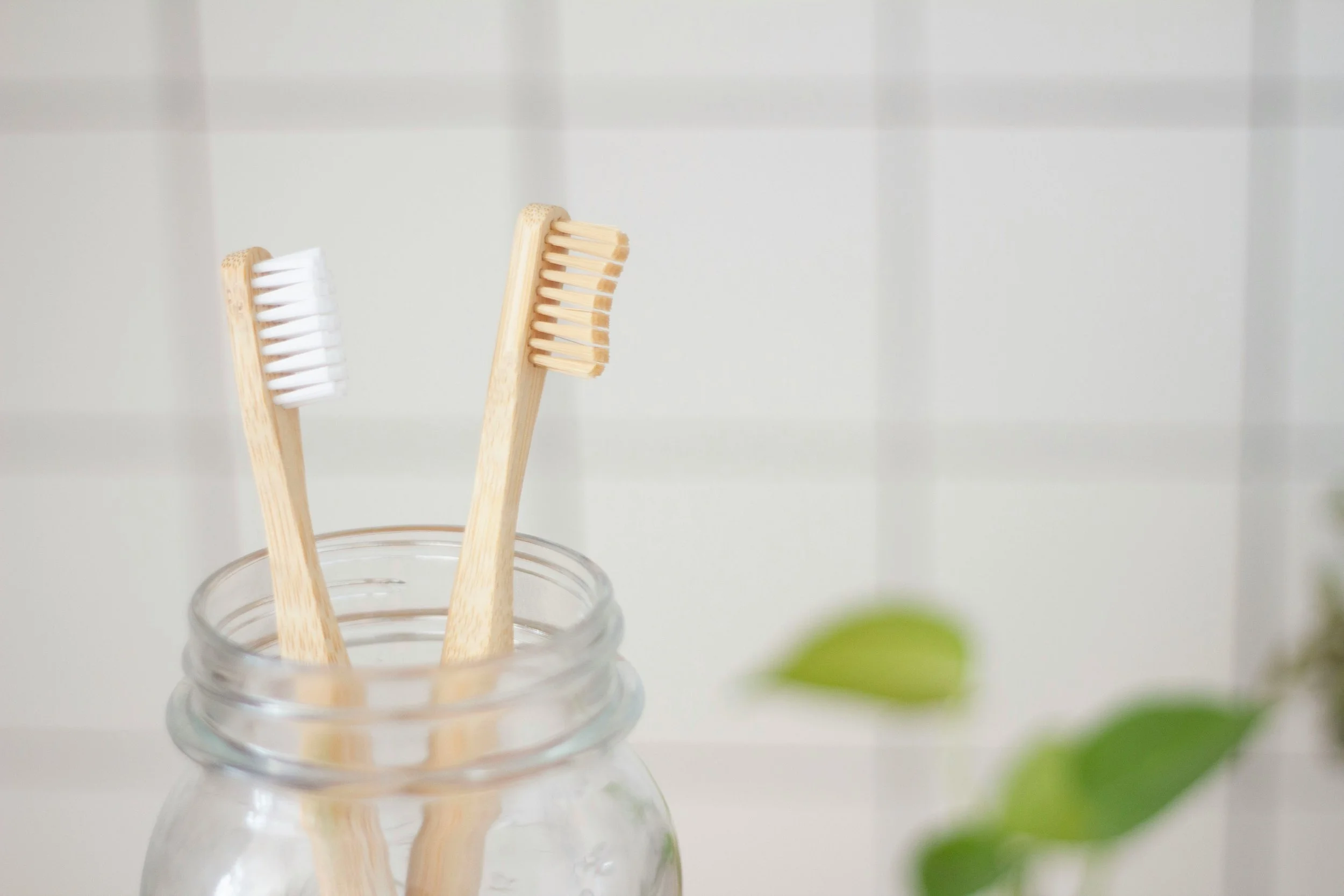
PHOTO CREDIT | Unsplash/Superkitina
Missing teeth can make everyday activities like eating and speaking more difficult. Full-arch dental implants offer a secure and comfortable solution, reducing common issues like slipping and discomfort.
Below are the ways these implants restore functionality and comfort:
Improved chewing ability: A strong bite makes it easier to eat a variety of foods without difficulty. Unlike removable dentures, which can feel unstable when chewing, full-arch implants provide a firm foundation for biting and grinding food. This allows for a more natural eating experience.
Clearer speech: Gaps in the mouth or loose dentures can cause speech issues, such as slurring or difficulty pronouncing certain words. Full-arch dental implants remain firmly in place, allowing for natural tongue movement and improved clarity in speech.
No slipping or irritation: Traditional dentures can shift out of place or cause gum irritation due to friction. Since full-arch implants are anchored directly into the jawbone, they stay secure without the need for adhesives, minimizing discomfort.
With enhanced stability and function, full arch dental implants provide a long-lasting solution that allows you to eat, speak, and go about daily life with confidence.
Tooth loss affects more than just appearance—it also impacts bone health. When teeth are missing, the jawbone loses stimulation, leading to gradual bone deterioration. Full-arch dental implants help maintain bone structure and prevent long-term changes to facial features.
The following are ways these implants support jawbone health:
Jawbone stimulation: Full-arch dental implants act as artificial tooth roots, keeping the jawbone engaged and preventing shrinkage. This ongoing stimulation helps maintain bone density and preserves the natural contours of the face.
Reduced need for bone grafts: Severe bone loss may require grafting before placing traditional implants. However, full-arch implants can often be placed with minimal or no bone grafting, making the procedure more accessible for many patients.
Prevention of facial changes: Bone loss can cause the lower face to appear sunken or collapsed over time. By keeping the jawbone strong, full-arch implants help maintain a youthful facial structure and prevent the sagging that often occurs with missing teeth.
By preserving jawbone density, full-arch dental implants support both function and appearance, providing lasting benefits beyond tooth replacement.

PHOTO CREDIT | Unsplash/Colourblind Kevin
Full-arch dental implants require an initial investment, but they offer long-term value. Unlike other tooth replacement options that need frequent repairs or replacements, implants are built to last, making them a cost-effective choice over time.
The following are key reasons why full-arch dental implants provide lasting benefits:
Exceptional durability: Full-arch implants are designed to function like natural teeth, with strong materials that resist wear and tear. With regular care, they can remain in place for decades without the need for replacements.
Lower maintenance costs: Traditional dentures require ongoing adjustments, relining, and adhesive costs. Implants, on the other hand, stay securely in place and only need standard brushing, flossing, and routine dental check-ups.
Fewer complications over time: Bone loss and gum irritation can occur with removable dentures, leading to additional treatments. Full-arch implants help preserve jawbone health, reducing the risk of these complications and future medical expenses.
Long-term financial savings: While the upfront cost may seem high, implants eliminate the repeated expenses of replacing bridges or dentures. Over time, this makes them a more economical solution.
Investing in full-arch dental implants provides a stable, long-lasting replacement that minimizes future costs and maintenance concerns.
A full smile can make a significant difference in how you feel about yourself. Full-arch dental implants provide a natural look and a secure fit, helping you feel more confident in daily interactions.
The following are ways full-arch dental implants enhance appearance and self-assurance:
Lifelike aesthetics: Each implant-supported restoration is carefully crafted to match the size, shape, and color of natural teeth. This ensures a seamless appearance that blends well with facial features. Whether up close or from a distance, implants help improve your smile with a natural and polished look.
Stable and comfortable fit: Unlike removable dentures, which can shift or feel bulky, full-arch implants integrate with the jawbone for a secure and natural sensation. This stability eliminates concerns about slipping or discomfort.
Improved facial support: Missing teeth can lead to a sunken or aged appearance over time. Full-arch implants provide structural support to the face, helping maintain a fuller and more youthful look.
Confidence in everyday situations: Whether speaking, eating, or smiling, implants allow you to interact without worrying about gaps or unstable dentures. This reliability can make social and professional situations more comfortable.
With full-arch dental implants, you get a smile that looks and feels natural, giving you greater confidence in your daily life.
Choosing full-arch dental implants is a commitment to long-term oral health and overall well-being. They restore function, preserve bone density, and provide a natural smile without the inconveniences of removable dentures. Their durability and success rate make them an excellent choice for those seeking a permanent solution to tooth loss.

We’re excited to continue the tennis season and the Miami Open is always one that we enjoy watching whether we’re in the stadium or watching it from home. It kicked off March 16th and runs through March 30th which means that this weekend we’re all set for some great matches as we navigate the year. If you missed or want to watch some of your favorite matches, we suggest heading over to their YouTube channel to see some of the greatest moments! We were glued to Taylor Fritz v. Matteo Berrettini.
Read the latest issue of Athleisure Mag.

PHOTO CREDIT | Unsplash/Tom Barrett
The Northern Wisconsin region delivers more than lake views and forest sights because its casinos welcome players from many Midwest locations. During your Northwoods holiday, you can experience gaming thrills together with tribal heritage in the local casinos which differ from Vegas or Atlantic City casino experiences.
Native American heritage remains an essential part of the casino industry that controls the Northern Wisconsin casino landscape, apart from controlling its sovereignty. Tribal casinos exist as dual entertainment centers because they support tribal economic growth, which simultaneously sustains cultural traditions. The Chippewa and Potawatomi tribes together with the Ho-Chunk tribe maintain ownership of nearly all casinos across Wisconsin's territory.
You can observe tribal heritage elements throughout the casinos in their structures and decorations as you walk through them. The venues display museums and cultural centers, which educate patrons about tribal background both before and after the slots and table games activities. The earnings generated by these facilities support necessary tribal operations, which deliver healthcare to the members and both tribal members and local residents benefit from education and infrastructure development.
The casino environment in Northern Wisconsin features important gambling establishments which also provide resort experiences. Formerly known as Carter Casino Hotel, Wabeno sits next to woodlands and provides visitors with gaming options including 500 slots and table games as well as bingo. The Lake of the Torches Resort Casino in Lac du Flambeau extends beyond casino games into waterfront views and 800 slot machines as well as blackjack poker craps tables. The largest draw in this area is St. Croix Casino Turtle Lake that maintains its 24/7 gaming area with its restaurant options and scheduled entertainment events.
The main gambling attraction is slot machines, which occupy eighty percent of casino flooring, but Northern Wisconsin's gaming establishments provide quite diverse options. Video slots that exist today inspire new excitement because they combine fascinating themes with bonus activities and jackpot features, delivering massive wins.
Table game enthusiasts can enjoy blackjack at its main stations as well as Mississippi Stud and Three Card Poker at all casinos and annual poker tournaments at major facilities. Bingo continues as a top draw across the region since casinos now present high-stakes bingo games which attract gamblers from surrounding areas. Players from casual backgrounds find metropolitan casinos too intense, so they prefer gambling at these casinos where minimum bets remain lower than in large cities.
The casino environment in Northern Wisconsin changes significantly due to annual weather patterns. Tourists visit the facilities most during summer and weekend days, resulting in complete parking lots while popular table games maintain waiting lines. The same locations evolve during winter months into inviting warm spaces that allow visitors to avoid the winter storm while having access to indoor amenities. Players searching for an optimal combination of game availability and personal casino service should visit during the spring and fall. Make your trip during weekdays instead of weekends for a more laid-back experience and better availability of your desired games.
Both large and small casino facilities have transformed themselves into destination resorts which provide amenities equivalent to those found in primary gaming centers. Casinos in this area extend hotel services through basic room types to exclusive suite options and present various dining choices from fast service to upscale restaurants and stage entertainment with local performers and occasional big-name performers. Properties now have implemented spa features, indoor swimming pools, in addition to nearby golf course accessibility which expands their market across all seasons. The selection of recreational services available at Northern Wisconsin casinos extends their appeal to guests who do not typically gamble since they appreciate the alternative activities for their Northwoods vacation.
Visitors from Northern Wisconsin discover a special combination of entertainment experiences which harmonize casino gaming services with Native American culture and natural resources to create a satisfying visitor experience. These gaming establishments preserve their tribal tradition and natural woods setting, keeping them distinct from the boardwalk craziness of Atlantic City and Vegas-like sensory experiences while maintaining a true Wisconsin identity. Visitors seeking casino action can join Northwoods exploration because the area features casinos which blend modern games with the easy-going spirit that defines the area.