• FITNESS
  • Food
  • Beauty
  • Sports
  • Travel
  • Athleisure Studio
  • Athleisure List
  • THIS ISSUE
  • Athleisure TV
  • The Latest
  • ARCHIVE
  • About
  • Watch Party
  • Press
  • Connect
Menu

Athleisure Mag™ | Athleisure Culture

ATHLEISURE MAG™ | Athleisure Culture
  • FITNESS
  • Food
  • Beauty
  • Sports
  • Travel
  • Athleisure Studio
  • Athleisure List
  • THIS ISSUE
  • Athleisure TV
  • The Latest
  • ARCHIVE
  • About
  • Watch Party
  • Press
  • Connect

WOMEN'S HEALTH AND SPORTS PERFORMANCE

May 26, 2026

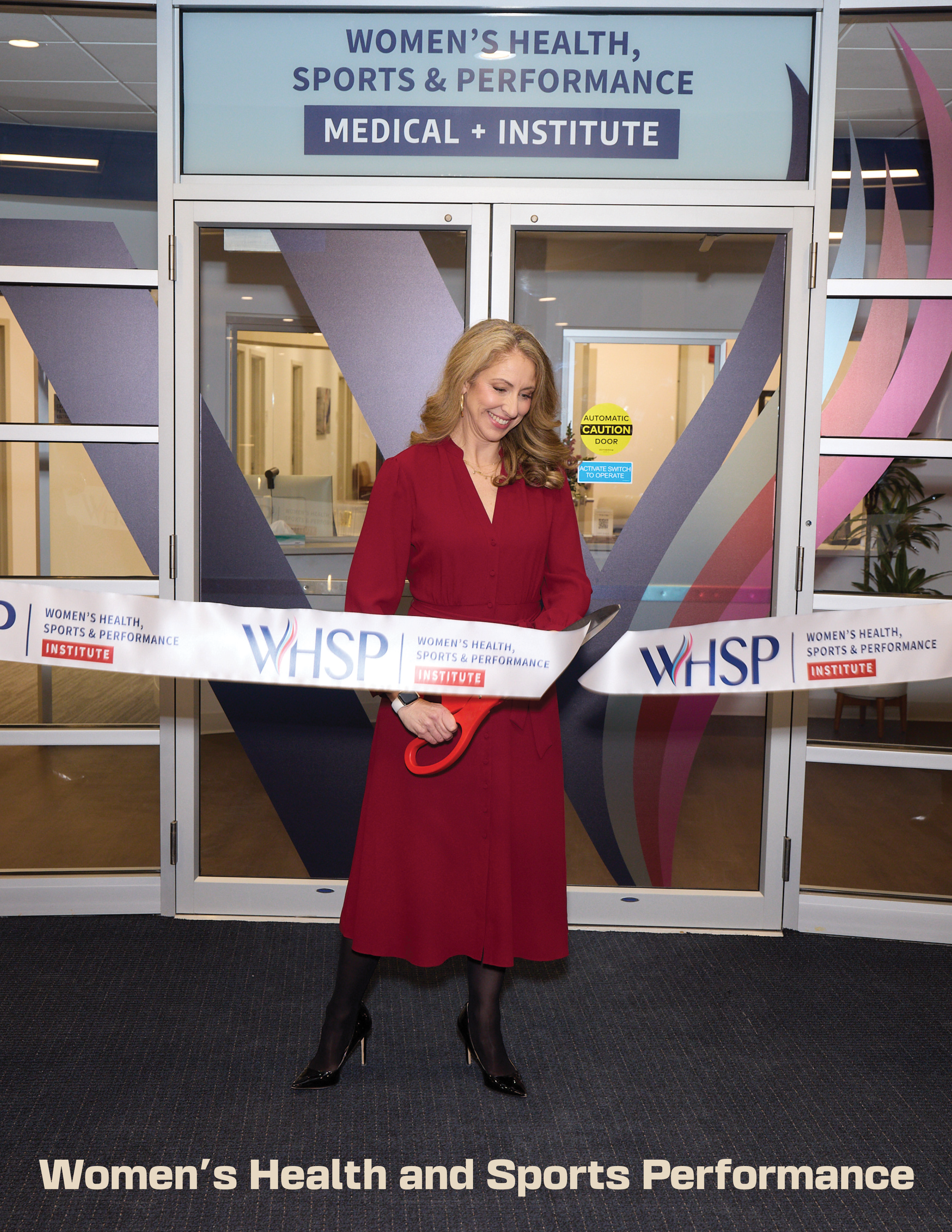
We had the opportunity to talk with various team members from Women’s Health Sport and Performance (WHSP) Institute which was Co-Founded by Dr. Kate Ackerman which integrates research, education, and specialized clinical care under one roof to advance female athlete health. With over $50 million in funding, it focuses on closing the gap in sports science, offering evidence-based, personalized care for female athletes across all ages and levels.

We wanted to find out a bit more about her background, her connection to athletes, and what we can expect from the institute.

ATHLEISURE MAG: Before we delve into WHSP Institute, can you tell us about your athletic background as you rowed in college and still row currently as well?

DR. KATE ACKERMAN: Yes. While I was an active kid, I was much more into music and theater before I got to college and discovered rowing. Rowing has been an integral part of my life ever since. I rowed throughout college, competed on the national team after I graduated, made lifelong friends and met my husband through the sport. I’ve been one of the US Rowing team physicians for almost 20 years and continue to row and sometimes compete as a masters athlete. That lived experience informs how I care for athletes and understand the physical and psychological demands of high-performance sport. It also reinforces my commitment to improving athlete health and safety across all levels.

AM: As a doctor, you have such an impressive background. Can you tell us about that and what led to you becoming the Co-Founder and Director of WHSP Medical and WHSP Institute?

DR. KA: My academic background really just evolved from curiosity. I believe in lifelong learning and I’m fortunate to have found things I’m passionate about. My clinical and academic career has focused on sports medicine and endocrinology, with a particular focus on female athlete health, and advocacy for women’s health and participation in general. Over time, it became clear that there were significant gaps in how we understand and care for female athletes and active women, from research to clinical practice. When generous donors with aligned interests came along (Clara Wu Tsai and Jane and David Ott), founding WHSP Medical and the WHSP Institute was a natural extension of that work. Our goal is to bring together clinical care, research, education, and advocacy in a way that is truly interdisciplinary and evidence-driven, while centering the unique physiological needs of women.

AM: You chair a number of committees from US Rowing Medical Committee, Co-Chair of the US Olympic and Paralympic Committee Women’s Health Task Force, member of the World Rowing Medical Commission, member of the Women’s Tennis Association Women’s Health Taskforce, and are a Deputy Editor of the British Journal of Sports Medicine. Why do you like focusing on female athlete health?

DR. KA: For far too long, female athletes have been underrepresented in research and underserved in clinical care. That gap has real consequences from injury risk to long-term health outcomes. I focus on female athlete health because it is a health equity issue and a performance issue.

When we better understand female physiology (for example, hormones, biomechanics) and girls’ and women’s sporting environments (such as access to resources and how they’re treated), we can learn how biology and environment interact and work to optimize health and performance.

So much of our sports medicine and sports science has been based on men. I’m happy to continue to care for male athletes. But it’s incredibly rewarding to be part of advancing the field of female athlete health, which is finally gaining the attention it deserves.

AM: What are your day-to-day roles and responsibilities at WHSP?

DR. KA: That part is a bit daunting! My role spans clinical care, research leadership, education, and organizational strategy. Clinically, I care for athletes with basic sports medicine musculoskeletal injuries to those with complex conditions, such as REDs, hormonal dysfunction, bone health issues, and medical mysteries. I love teasing apart complex medical conundrums– a collection of signs and symptoms that seemingly don’t have a connection, but may all fit together with the right investigation. I also enjoy working with our team of providers (sports medicine, nutrition, psychology, rehabilitation) to ensure we’re delivering comprehensive, evidence-based care. It is deeply satisfying to be able to provide quality care all under one roof, putting the needs of the whole patient first. On the research side, I help set our research agenda and guide projects that advance our understanding of female physiology and performance– from sample collection to writing protocols, study manuscripts, and eventually clinical guidelines. In addition, a large part of my role involves building partnerships, mentoring trainees, and shaping the broader vision of the Clinic and Institute.

AM: What are some of the research projects that you are excited about or that have been released?

DR. KA: We’re particularly excited about work focused on energy availability, menstrual health, and bone stress injuries in athletes. We’re also advancing research on how hormonal fluctuations may impact performance and recovery, which is an area that has historically been overlooked. Another key area is improving screening and early identification of relative energy deficiency in sport (REDs) and related conditions, so we can intervene earlier and more effectively. As we continue to expand our team of WHSP-based researchers and our team of international collaborators, we’re growing our work in the postpartum and postmenopausal athletes space, as well. All of this is with the intention of translating scientific discoveries into practical tools that clinicians, coaches, and athletes can actually use.

AM: What are some topics that you are looking forward to finding more about?

DR. KA: There is still so much to learn. I’m especially interested in better understanding the interaction between hormones and performance, particularly across the lifespan from adolescence through menopause. There is a lot of noise in the media and online about what girls and women should do to train, what they should eat, what supplements they should take, what they should be tracking. So much of it is at best, anecdotal. At WHSP, we’re testing theories to advance the science, in addition to creating a space where people can come for honest answers about what is really known thus far. At this stage of my career, I’m fairly good at reviewing data, understanding the limitations of certain hormonal assays and sports science study protocols, and interpreting scientific literature. And I’m humble enough to know that I want to be surround by excellence in other fields to make sure we have lots of talent investigating an issue. I love working on interdisciplinary research teams, because we all know a bit about each others’ fields, but together we bring much more depth to a project, which always makes the work better and more reliable. I have a deep sense of responsibility for ensuring we enlist diverse expertise, so that we can to do quality work and share findings in an accurate way.

AM: As we navigate 2026, what can we expect to see in terms of WHSP, whether it’s studies that have been released, activations, etc.?

DR. KA: In 2026, you’ll see continued growth in both our research and clinical programs, as well as the expansion of the WHSP Academy within the WHSP Institute. We are launching new studies focused on female athlete health and performance, while also increasing our educational initiatives for clinicians and athletes. Additionally, we’re building strategic collaborations across sports organizations and research institutions to accelerate progress in this field. Our goal is to continue leading with data-driven, impactful work that improves outcomes for female athletes globally.

AM: Tell me about the Biennial International Female Athlete Conference and what takes place there.

DR. KA: The Biennial International Female Athlete Conference is a cornerstone of our educational mission. Before WHSP was even a figment of our imagination, I co-created the FAC in 2013 to bring athletes, coaches, parents, health providers, researchers, and other experts together every other year to connect and share the latest science and best practices for female athlete health and performance. It was the first of its kind, and like what we’d like WHSP to be, it has become a bit of a mothership for how to bring people together to connect, collaborate, and learn from each other about female athlete health and performance issues. What started as a 2-day conference with under 300 attendees has grown into an inperson and virtual, 4-day, international event that sells out during early-bird registration and draws about 1500 people representing over 40 countries. We’re currently deciding if it should keep its present size and location for consistency and opportunities for people to effectively meet and connect. Like everything I’m excited about, the conference is highly interdisciplinary and relationship-building is an important element there. The FAC covers topics such as REDs, hormonal health, mental health, injury prevention, and performance optimization. I hope the FAC and WHSP continue to inspire and foster advanced knowledge for female athletes and positive change for women.

IG @whsp_institute

@drkateackerman

PHOTOGRAPHY COURTESY | WHSP Institute

Read the APR ISSUE #124 of Athleisure Mag and see WOMEN’S HEALTH AND SPORT’S PERFORMANCE.

The Latest
AM OCT ISSUE _130 WELLNESS FOR INTERIORS Lisa Sternfeld-1.png
November 24, 2026
WELLNESS FOR YOUR INTERIORS | LISA STERNFELD
November 24, 2026
Read more →
November 24, 2026
AM OCT ISSUE _130 CELEBRATING 15 SWEET YEARS Chef Dominique Ansel-1.png
November 24, 2026
CELEBRATING 15 SWEET YEARS | CHEF DOMINIQUE ANSEL
November 24, 2026
Read more →
November 24, 2026
AM OCT ISSUE _130 HITTING THE SURF A Great Day in the Stoke-1.png
November 23, 2026
HITTING THE SURF | A GREAT DAY IN THE STOKE
November 23, 2026
Read more →
November 23, 2026
In AM, Apr 2026, Wellness, Wellness Editor Picks, Fitness Tags Women's Health and Sports Performance, Fitness, Dr. Kate Ackerman, WHSP, Athletes
Comment

SPRING STAYCATION AT MUSE NEW YORK

May 26, 2026

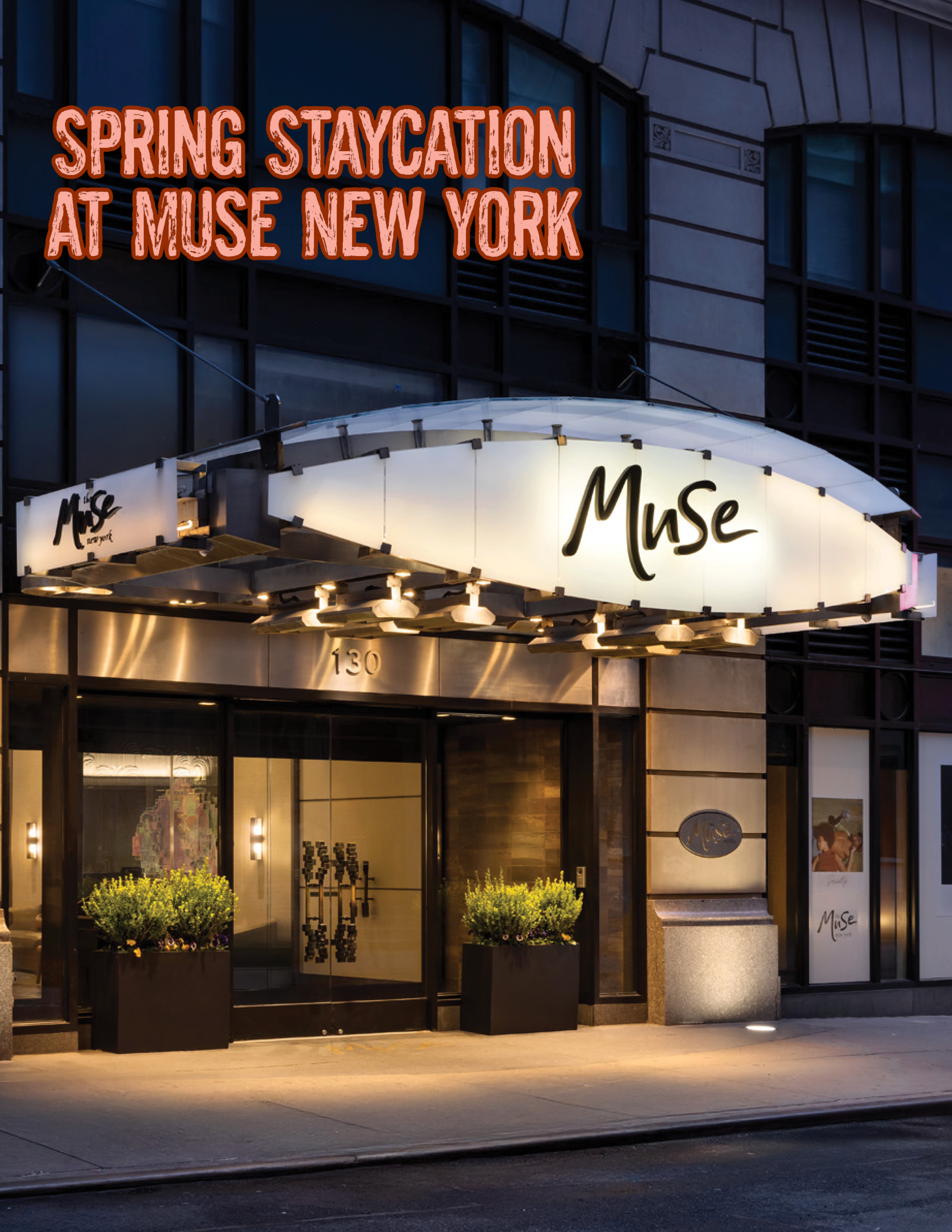
A Spring Staycation taken during the week is peak refresh vibes. We stayed at Muse New York where we previously shot an editorial photoshoot a few years ago for our MAR ISSUE #87. We looked forward to our suite, private balcony, and a spacious bathroom as a way to reset!

Since our last time being at this hotel, Little Opus has opened for a great restaurant option throughout the day as well as to enjoy cocktails, there are a number of events to enjoy at the hotel as well as amenities. It’s also located to enjoy and navigate a number of restaurants nearby. We chatted with Natalie Bogan, the property’s General Manager to find out what we need to know about the property as well as why travelers, staycationers, and even those who live and work in the neighborhood should swing by.

ATHLEISURE MAG: As we navigate the Spring and get ready for the Summer, The Muse Hotel is in the heart of the city! What is the vibe of this hotel whether you’re on a staycation, traveling for business, on vacation or swinging by for a meeting?

NATALIE BOGAN: The Muse is a boutique Midtown retreat. Intimate, design-forward, and quietly polished, it offers a more personal New York experience just steps from the energy of Times Square. Whether visiting for business, leisure, or a staycation, guests enjoy the feeling of being in the center of it all while tucked away in a refined city escape.

AM: Tell us about the common areas of the property that guests can enjoy.

NB: Our common spaces are designed to feel warm, inviting, and effortlessly stylish. The lobby flows into Little Opus, our all-day café, bar, and restaurant, where guests can enjoy morning coffee, casual meetings, cocktails, or unwind throughout the day. Debuting June 2026, we are also excited to introduce The Pocket, our intimate new jazz venue that will bring live music and vibrant energy to the hotel experience.

AM: You have a number of room options available for guests, can you tell us about them?

NB: Our guestrooms are designed as a calm retreat above the energy of Midtown, blending comfort, style, and thoughtful details. Each room features a working desk, mini fridge, smart TV, in-room safe, and make-up mirror, with still and sparkling water stations available on every other floor. Guests can choose from a range of accommodations, including Grand King rooms with a custom king bed and suites with pull-out sofas for added flexibility. We also offer eight spacious balcony rooms with private terraces ranging from 200 to 500 square feet, perfect for stepping outside, unwinding, and taking in sweeping city views.

AM: What amenities are offered for guests staying at the hotel?

NB: A curated collection of amenities ensures a seamless and memorable stay, including high-speed Wi-Fi, a 24-hour fitness center with Technogym equipment and Pelotons, in-room dining, and concierge service with curated local recommendations. Little Opus, our all-day café, bar, and restaurant, and The Pocket, our intimate on-site jazz venue debuting in June 2026, further enhance the experience, along with exclusive discounted partnerships across wellness, lifestyle, and city experiences.

AM: What can you tell us about Little Opus?

NB: Little Opus is the social heart of The Muse and a favorite hidden gem for both guests and locals. Our all-day café, bar, and restaurant transitions effortlessly from morning coffee and breakfast to lunch, evening cocktails, and dinner. Warm, stylish, and inviting, the space is elevated by signature artwork from Markus Sebastiano, adding to its creative New York energy. Guests can also enjoy live jazz music on the last Tuesday of every month, along with rotating weekly specials that bring something new to discover with each visit.

AM: For those coming for Breakfast, what are 3 dishes or items that we should have in mind when we are swinging by?

NB: Breakfast at Little Opus is the perfect way to ease into the day. Three favorites to have in mind are our Farmer’s Market Avocado Toast, the Savory Breakfast Bowl with seasonal vegetables and chili lime yogurt, and our seasonal Honey Oat Cinnamon Latte, which is a personal favorite and the perfect cozy start to the morning.

AM: When it’s time for Lunch, what are 3 items that we should think about enjoying with friends and family?

NB: Lunch at Little Opus is fresh, satisfying, and perfect for a Midtown break with friends, family, or colleagues. Three favorites we love are The Opus B.L.T. with thickcut applewood bacon, our Vegetarian Composition with grilled seasonal vegetables and house-made balsamic glaze, and one of our Seasonal Grain or Salad Bowls that are light, flavorful, and city-ready.

AM: As we shift into Dinner, what are 3 dishes we should be thinking about at this time of day?

NB: As the evening unfolds, Little Opus takes on a warm, inviting energy. Notable dishes include our Pan-Seared Salmon, cooked to perfection and beautifully balanced, K-Town Chicken Wings with bold flavor and just the right kick, and our wagyu sliders. Or, if you’re like me, just order truffle fries, a Caesar Salad, and a Diet Coke for the ultimate girl dinner.

AM: For those that are looking to swing by for Happy Hour or pre/post dinner drinks, what are 3 cocktails that we should consider when relaxing?

Our favorite seasonal cocktail is the Honeyed Eleanore crafted with honey sourced directly from our rooftop hive. Bright and refreshing, it highlights natural sweetness balanced with citrus for a distinctly local and memorable sip.

For timeless favorites, the Marquee Martini remains a crisp, refreshing guest staple. We’re also proud to continue our partnership with Woodinville Whiskey, an award-winning Washington State bourbon rooted in craftsmanship and estate-grown grains from a three-generation family farm. Showcasing that collaboration, our Good Morning, Tonight offers a playful, breakfast-inspired Old Fashioned that guests can customize to their taste.

AM: Tell us about the bees on the roof, your partnership with Alvéole, and the Bees Knees Cocktail.

NB: The 19th floor is home to our active beehive, maintained in partnership with Alvéole, a leader in urban beekeeping focused on sustainability, education, and pollinator health. These rooftop bees support local biodiversity, and their honey is harvested seasonally for use throughout our food and beverage program.

We also celebrate this ingredient through the Bee’s Knees, a classic Prohibition-era cocktail made with gin, fresh lemon juice, and honey. Simple and refined, it highlights the natural sweetness and versatility of honey in a bright, citrus-forward drink.

AM: For those bringing their dog to stay with them, what can you tell us about the Welcome Package for them?

NB: Our welcome package is designed to make four-legged family members feel right at home from the moment they arrive, featuring a plush bed, water bowl, and a special keepsake gift to remember The Muse long after their stay. Through our partnership with Procure Impact, we source select items from Turn2U Productions, supporting a mission that creates meaningful employment opportunities and promotes inclusive growth.

AM: We love getting into the gym, what can you tell us about the Fitness Center?

NB: Our 24-hour fitness center is designed for travelers who want to maintain their routine without compromise. Featuring brand new Technogym equipment and Peloton bikes, the space offers a sleek, elevated and highly efficient environment, ideal for everything from an energizing early morning workout before meetings to a restorative reset after a day in the city. Guests can also enjoy personalized Muse workouts available both in the fitness center and in-room, with the option to further enhance recovery and overall wellbeing through our Muse Wellness partnership with Technogym.

AM: Are there any special packages that we should have in mind when we are thinking about booking our upcoming stays that you would like to highlight?

NB: We love packages that help guests experience more of both the hotel and the city. One seasonal favorite is our Midnight Muse package, inspired by Times Square’s Midnight Moment, the world’s largest and longest-running digital public art program. Each night from 11:57 PM to midnight, contemporary artwork is displayed across 92 digital screens from 41st to 49th Streets, creating a true only-in-New-York experience just steps from our front door.

We also offer our Picnic Package in partnership with PikNYC, designed for effortless exploration of the city. It features a thoughtfully curated picnic selection perfect for enjoying in nearby parks or along the waterfront, making it easy to step outside and experience New York at your own pace.

AM: Are there any perks that we should be aware of that guests can enjoy when booking?

NB: Guests are in the center of it all, with direct access to Broadway, Bryant Park, Fifth Avenue, and Midtown’s most iconic attractions, while still returning to a hotel that feels intimate and tucked away. Through our neighborhood partnerships, guests receive exclusive discounts and preferred access with RiseNY, Comedy Village, GlamSquad, and Joanna Vargas Spa.

Our concierge team is always on hand to curate these experiences, creating a more personalized and connected New York stay.

AM: Tell us about Shiny and why you wanted to have this as an option for guests.

NB: Shiny is our digital tipping platform, created to make guest recognition easier in an increasingly cashless world. It gives guests a simple, seamless way to thank the team members who helped make their stay special, even without carrying cash. For us, it was important to offer a modern option that supports our associates while keeping the guest experience thoughtful and intuitive.

AM: What can you tell us about the neighborhood and what we should know about it?

NB: Our neighborhood captures the essence of New York. Located in the heart of Times Square, guests are steps from Broadway theaters, world-class shopping, and the city’s most iconic energy. We are also just off Sixth Avenue, making the hotel especially convenient for corporate travelers with offices along the corridor. It offers the perfect balance, allowing guests to be in the center of it all while returning to a space that feels calm, intimate, and removed from the pace outside.

AM: Are there any special events coming up that we should know about whether we are staying on property, or we happen to be in the neighborhood?

NB: We are eagerly anticipating one of the most exciting additions to The Muse this summer: the arrival of The Pocket. Launching in June, it is the newest project from Grant Gardner and Martin Porter, Michelin-starred hospitality veterans behind Jazz Standard, Crane Club, Jazz at Lincoln Center, and Blue Note.

Designed to evoke the intimacy of New York’s legendary 52nd Street jazz rooms of the 1940s and 1950s, The Pocket places music at the center, with exceptional acoustics and some of the finest sightlines in the city, creating a truly immersive experience. The opening roster features world-class talent including Wynton Marsalis, The Mingus Big Band, Cécile McLorin Salvant, Donny McCaslin, and Lakecia Benjamin, setting a sophisticated tone from the very first performance. True to the founders’ hospitality background, the venue will also offer an elevated food and beverage program, inviting guests to begin the evening with dinner and cocktails before settling in for a refined and unforgettable night of live music.

IG @musehotelnyc

PHOTOGRAPHY COURTESY | Muse New York

Read the APR ISSUE #124 of Athleisure Mag and see SPRING STAYCATION AT MUSE NEW YORK in mag.

The Latest
AM OCT ISSUE _130 ATHLEISURE LIST The Barriere Collection.png
November 21, 2026
ATHLEISURE LIST | THE BARRIERE HOTEL COLLECTION
November 21, 2026
Read more →
November 21, 2026
AM AUG ISSUE _128 STAYCATION UNBOUND 2026 Hotel Seville NoMad-1.png
September 23, 2026
STAYCATION UNBOUND 2026 | HOTEL SEVILLE NOMAD
September 23, 2026
Read more →
September 23, 2026
AM JUL ISSUE _127 THE ART OF THE SNACK Bar and Restaurant-1.png
August 22, 2026
THE ART OF THE SNACK | MAI RESTAURANT + BAR
August 22, 2026
Read more →
August 22, 2026
In AM, Apr 2026, Travel Tags Staycation, Spring, The Muse New York Hotel, Travel, Natalie Bogan, New York, Midtown, Hotel, Times Square, Fitness, Little Opus
Comment

PHOTO CREDIT | Courtesy of The Atlanta Journal-Constitution

A MOMENT WITH MONTI CARLO

May 26, 2026

We always enjoy sitting down with those that are enhancing the culinary landscape wether they are making great dishes or telling us about them! Chef Monti Carlo, Atlanta Journal-Constitution's Senior Editor of Food & Dining talks with us about why she enjoys cooking, her passion for it, being on MasterChef and her cookbook, Spanglish!

ATHLEISURE MAG: When did you first fall in love with food and why you enjoy working in this space?

MONTI CARLO: I think the first time I understood food had real emotional power, I was six years old. We had just moved from Puerto Rico to Houston, and I didn't speak a lick of English yet. I wasn't ready for how muted life in the States was, how everything felt unfamiliar and cold.

There’s a story in the book about me having a total meltdown at school a few months after we moved to Houston, Texas. I had accidentally written a curse word on a spelling test because I barely understood English yet. My first-grade teacher snapped my favorite pencil in half and screamed at me in words that made no sense to me. I mustered all of my six-year-old rage, flipped my desk and ran away.

It wasn’t really about the pencil. I was a six-year-old and felt lost. I missed Puerto Rico. I missed hearing Spanish around me. I missed understanding the world without having to stop and translate everything in my head first.

I got into a whole lot of trouble that day. But that night, my mother made sancocho, a Puerto Rican beef and root vegetable stew. It was a recipe my Abuela (grandmother) made for us weekly. Even though I couldn't vocalize it then, I'll never forget the way the smell of that cilantro-scented broth transported me back to my island.

What I learned eating that bowl of stew took me decades to understand. Food can comfort you before you take a single bite. I learned that a humble dish can carry the memory of your Abuela's voice. It can carry your identity. It can carry the space that feels most like home.

If you’re paying attention, food tells you everything you need to know about the people who made it. You can see the effect of migration in a dish. You can see the ingredients that were used as a celebration and those that were used as part of survival. You can tell what traditions cooks fought to hold onto, and what flavors reminded them of home.

That’s what I love most about working as a food editor. Every restaurant, every recipe, every menu is really a story about people trying to preserve some part of themselves.

AM: You were the first Puerto Rican woman to compete on Gordon Ramsay's MasterChef. What was it like to be there and what was your biggest takeaway from this experience?

MC: One of the things the producers kept asking us was to "put ourselves on the plate." For me, that immediately meant the flavors I grew up with in Puerto Rico. But the interesting challenge was that many of the ingredients central to Puerto Rican cuisine simply weren't available in the pantry.

So, I had to cook the way many diasporic people live: through adaptation and improvisation.

I remember making a Puerto Rican-style shepherd's pie topped with sweet mashed plantains, essentially a pastelón. I made a scotch egg with canned crab because canned crab is something I grew up with at my Abuela's house.

MasterChef taught me something that later became central to Spanglish: authenticity is not rigid. Food doesn't stand still, frozen in time, like a display in a museum. Cuisine evolves when people migrate. Sometimes you lose ingredients but you adapt with substitutes.

I realized that what I had spent my entire life doing, taking Puerto Rican flavors and memories and finding ways for them to survive inside unfamiliar spaces, was its own kind of culinary language. Like I say in my book, if my kitchen could talk it would speak Spanglish.

AM: Tell us about the culinary scene in Atlanta and why you feel it is the most exciting?

MC: Atlanta feels exciting to me because it still feels emotionally honest. There are cities where dining has become so performative that you can almost feel chefs cooking toward the hot new trend. Atlanta has a culture of people who cook from lived experience, and there's a deflection of the pressure to flatten yourself into something universally palatable.

You see it in West African chefs exploring the connections between their foodways and the American South. 

It is the Caribbean chefs reclaiming narratives around diasporic cuisine. It's Southern chefs addressing history through food. It's in the immigrant-owned restaurants building entire communities around dishes that remind people where they come from.

And because Atlanta is a majority Black city with such a strong immigrant population, the culinary scene reflects conversations happening around identity, migration, and culture in real time. It's not static. It's alive and deeply personal.

That makes it one of the most creatively fertile food cities in America right now.

AM: What do you enjoy about being the AJC's Senior Editor of Food & Dining and what does it mean to you to be there?

MC: What matters most to me is creating a more diverse library of food stories. Food media has historically treated many cuisines, especially immigrant cuisines, Black cuisines, Caribbean cuisines, working-class cuisines, as interesting only once they become trendy enough for mainstream validation. But the communities shaping American food culture have always been here.

I am working with writers that are interested in documenting the family-owned strip mall restaurant making regional Guatemalan cuisine. I want AJC Food and Dining to tell the story of the Nigerian pop-up that's finally turning into a permanent space. I want to highlight the Puerto Rican chef rebuilding a community through intimate dinners.

I also take seriously the responsibility of writing about labor, affordability, and survival within the restaurant industry itself.

To me, food journalism is never just about recommending where to eat. It's about documenting who a city is becoming.

AM: What are the stories you enjoy working on in the food space and why is it important to share those stories?

MC: I'm drawn to stories about migration, poverty, reinvention, and cultural preservation because so much of what we now call cuisine was born from people making something beautiful from next to nothing.

For example, I'm fascinated by the ways diasporic communities preserve identity through ingredients even when geography changes. The way Puerto Rican families in the South adapt recipes based on what's available locally. The way immigrant restaurant owners build spaces that become emotional gathering points for entire communities.

I also think a lot about how cuisines change once mainstream culture embraces them. Suddenly everyone wants the food, and that's fantastic. But very few people talk about the families who were cooking it when it was considered cheap, strange, or unworthy of attention.

Good food writing should preserve context, not erase it.

AM: Your cookbook Spanglish is out this month! Why did you want to create this cookbook?

MC: I wanted to write the kind of cookbook I rarely saw growing up: one that understood food as both recipe and emotional archive. A book that tells real, unpolished stories.

Spanglish begins with leaving Puerto Rico at six years old and arriving in the States, unable to speak English. And from there, the entire book becomes about what it means to build identity in the space between two very different worlds.

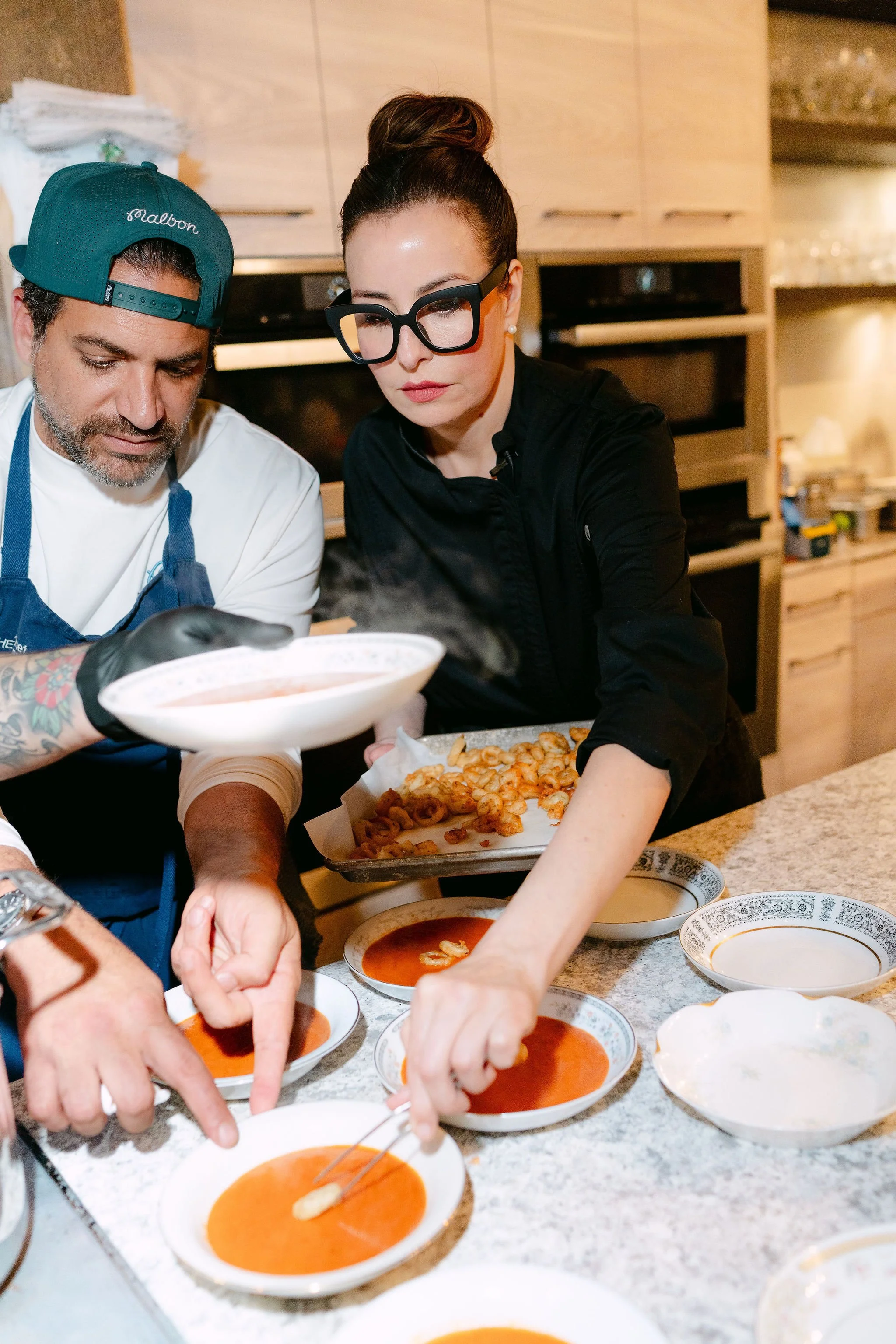
The recipes are deeply traditional Puerto Rican flavors mashed into continental American favorites. I have dishes like morcilla sloppy joes, sofrito tomato soup with bacalaíto onion rings, and guanábana pound cake, because that's what the diaspora looks like to me.

The book is really about adaptation without shame.

For a long time, people treated Spanglish (the language) as something broken. But I see it differently. Spanglish is evidence of survival and resilience. It's what happens when two realities learn to exist side by side.

The food in this book works the same way.

AM: Gordon Ramsay wrote the foreword for your cookbook! What does it mean to you to have him do that?

MC: It feels deeply full circle because Gordon met me during one of the hardest periods of my life. At the time, I was a broke single mother facing homelessness trying to rebuild everything from scratch through food. So having him write the foreword for a book that tells the complete story, not just the television version of it, feels incredibly meaningful.

Gordon understood the emotional core of the project. He understood this wasn't simply a collection of recipes. It was a story about survival and identity told through food. That means the most to me.

AM: What are three food trends you're excited about right now?

MC: 1. Diaspora cuisine being discussed with more specificity.

I'm excited that conversations around Caribbean food, African food, and Latin American food are becoming more regionally nuanced instead of being flattened into generalized categories. Puerto Rican food is not Cuban food. Jamaican food is not Trinidadian food. And people are becoming more curious about those distinctions.

2. "Humble" ingredients being treated with seriousness and care.

Ingredients once associated with poverty or working-class cooking, like canned meats, root vegetables, offal, preserved seafood, rice dishes, are finally being recognized for the ingenuity and history they carry. That feels important because so many immigrant cuisines were built from necessity and creativity.

3. Restaurants becoming more narrative-driven.

I find more and more that people want to understand who cooked the food. They want to know where the recipe came from, what story shaped it, what family memory lives inside it. Technology has left so many of us feeling isolated and that has diners craving emotional connection again, not just aesthetic dining experiences. And honestly, I think that's healthier for food culture overall.

Read the latest issue of Athleisure Mag.

The Latest
AM OCT ISSUE _130 CELEBRATING 15 SWEET YEARS Chef Dominique Ansel-1.png
November 24, 2026
CELEBRATING 15 SWEET YEARS | CHEF DOMINIQUE ANSEL
November 24, 2026
Read more →
November 24, 2026
AM OCT ISSUE _130 THE ART OF THE SNACK Yume Ga Arukara-1.png
November 23, 2026
THE ART OF THE SNACK | YUME GA ARUKARA
November 23, 2026
Read more →
November 23, 2026
AM OCT ISSUE _130 ATHLEISURE LIST Love & Honey Fried Chicken.png
November 20, 2026
ATHLEISURE LIST | LOVE & HONEY FRIED CHICKEN
November 20, 2026
Read more →
November 20, 2026
In AM, Food Tags Monti Carlo, MasterChef, Gordon Ramsay, Spanglish, Atlantic Journal Constitution, AJC
Comment

PHOTO CREDIT | Pexels/K

HOW VINYL LISTENING RITUALS ARE BECOMING PART OF MODERN WELLNESS AND SELF-CARE ROUTINES

May 26, 2026

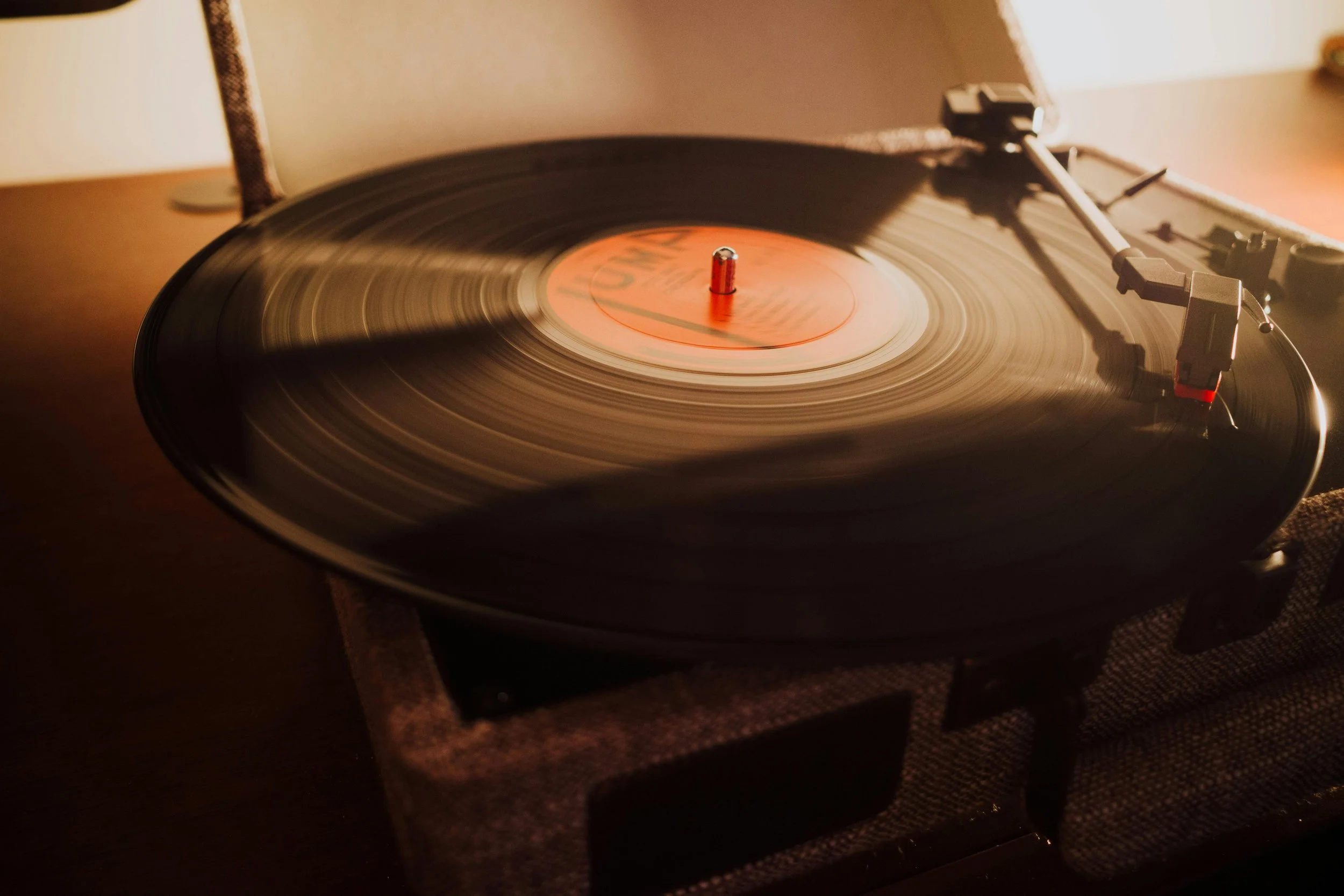
In a world filled with endless notifications, crowded schedules, and constant screen time, many people are looking for ways to slow down and reconnect with themselves. Wellness trends have shifted beyond fitness apps and skincare products. Today, self-care often includes creating moments of calm, comfort, and intentional living. One surprising habit making a strong comeback is vinyl listening.

Vinyl records were once viewed as nostalgic collectibles from another era. Now, they are becoming part of modern wellness and self-care routines. From relaxing after a long workday to setting the mood during yoga sessions, listening to vinyl offers a personal experience that digital streaming often cannot match.

The process of choosing a record, placing it on a turntable, and listening to it from start to finish has become more than just entertainment. For many people, it is a ritual that supports mindfulness, relaxation, and emotional well-being.

Why People Are Craving Slower Experiences

Modern life moves quickly. Most entertainment is available instantly through phones, tablets, and smart devices. While convenience has benefits, it can also create feelings of overstimulation. Constant scrolling and multitasking leave little room for intentional pauses.

Vinyl listening encourages the opposite experience. It asks listeners to slow down and stay present. Unlike streaming playlists that shuffle endlessly in the background, records invite focused attention.

The physical nature of vinyl also adds to the experience. Holding album artwork, reading liner notes, and carefully placing the needle on the record all create moments of connection. These small actions help people step away from fast digital habits and enjoy something more tangible.

For many wellness-focused consumers, these slower rituals feel grounding and calming.

Music And Emotional Wellness

Music has always played an important role in emotional health. People use music to relax, process emotions, improve focus, and create comforting environments. Vinyl listening builds on those benefits by making music feel more immersive.

Many listeners describe the sound of vinyl as warmer and richer than that of digital formats. Whether the difference is technical or emotional, the experience often feels more personal. Sitting down to listen to a full album can help people disconnect from stress and reconnect with memories, emotions, and creativity.

Certain albums also become part of personal wellness routines. Someone may start their morning with jazz records while preparing breakfast or unwind at night with calming acoustic music. These routines create consistency, which many people find comforting during stressful periods.

Music therapists have long recognized the emotional impact of music. Today, everyday listeners are building their own forms of music therapy through intentional listening habits at home.

Creating Wellness Spaces At Home

The rise of home wellness culture has changed how people design their living spaces. Homes are no longer viewed only as places to sleep or eat. They are becoming personal retreats focused on comfort and balance.

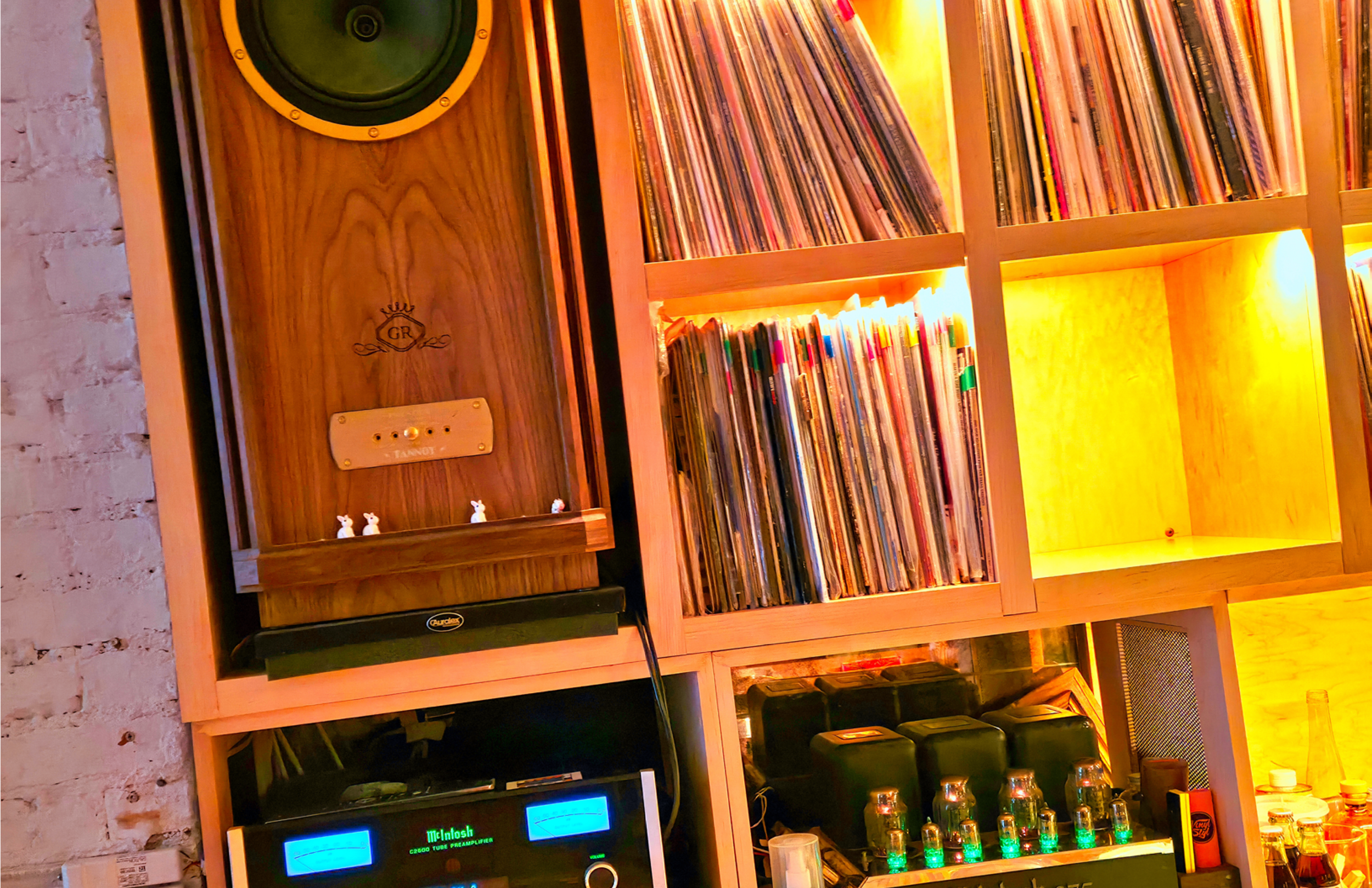
Vinyl setups now appear in meditation corners, reading spaces, home gyms, and cozy living rooms. Turntables, speakers, and carefully selected records contribute to an atmosphere that feels peaceful and inviting.

Many people pair vinyl listening with other wellness activities, such as:

●       Journaling

●       Yoga

●       Stretching

●       Cooking

●       Reading

●       Meditation

●       Skin care routines

●       Candle-lit evenings

The visual appeal of vinyl collections also plays a role. Records add warmth and personality to a room while reflecting personal taste and identity.

This blend of aesthetics and mindfulness fits naturally within modern wellness culture, especially among younger consumers who value intentional living.

The Importance Of Ritual In Daily Life

One reason vinyl listening connects so strongly with self-care is the idea of ritual. Wellness experts often discuss the importance of routines that help people transition between different parts of the day.

Simple rituals can lower stress and improve emotional balance. Brewing tea, taking evening walks, or lighting candles are all examples of calming routines. Vinyl listening works in a similar way.

The process itself encourages mindfulness. Listeners slow down long enough to choose music intentionally instead of allowing algorithms to decide for them. They often sit with fewer distractions and engage more deeply with the experience.

These rituals also create healthy boundaries around rest. Instead of continuing to scroll through social media late into the evening, many people are replacing screen time with music-focused moments that feel restorative.

Vinyl Culture And Personal Identity

Vinyl collecting has also become connected to self-expression and identity. People often choose records that reflect their personality, memories, or emotional connection to certain artists and eras.

In wellness culture, self-expression is closely tied to emotional well-being. Personal spaces, hobbies, and routines help people feel more connected to themselves. Vinyl records support that idea because collections are highly personal.

Some listeners seek nostalgic albums tied to childhood memories. Others explore jazz, soul, classical, or indie music to create specific moods at home. The act of curating a collection becomes part of the enjoyment itself.

Retailers like https://evergreenvinyl.com have also helped make vinyl culture more accessible by offering records, turntables, CDs, and collectibles for both experienced collectors and newer listeners. Still, the focus remains on the overall experience rather than the products themselves.

Social Wellness And Shared Listening Experiences

Although vinyl listening can be deeply personal, it also supports social connection. Hosting listening nights, sharing favorite albums, or introducing friends to new artists creates meaningful interactions away from screens.

Many wellness trends today emphasize authentic connection. People are searching for activities that encourage real conversation and shared experiences. Vinyl naturally supports that environment.

Unlike passive background music, records often become conversation starters. Guests may browse collections, discuss favorite albums, or listen together without distractions.

This social aspect has helped vinyl culture grow across different age groups. Younger audiences are discovering classic albums for the first time, while older listeners reconnect with music they loved years ago.

The shared appreciation for music creates a sense of community that many people find refreshing in an increasingly digital world.

Why Vinyl Appeals To Younger Generations

Younger consumers have embraced vinyl in ways that surprise many industry experts. Despite growing up with streaming services, Gen Z and millennials continue buying records at an increasing rate.

Part of this appeal comes from authenticity. Physical music feels more permanent and meaningful compared to endless digital libraries. Owning an album creates a stronger emotional connection than simply adding songs to a playlist.

Vinyl also aligns with several broader lifestyle trends, including:

●       Mindful consumption

●       Home-centered entertainment

●       Digital detox habits

●       Vintage aesthetics

●       Intentional hobbies

For younger listeners focused on wellness and balance, vinyl listening offers an activity that feels calm, creative, and rewarding.

The Future Of Wellness And Music Rituals

As wellness culture continues evolving, people are likely to seek more activities that encourage presence and intentionality. Vinyl listening fits naturally into that movement because it combines music, ritual, design, and emotional connection.

What once seemed like an old-fashioned format has become part of a modern lifestyle centered on slowing down and appreciating meaningful experiences. Vinyl records are no longer only about nostalgia. They now represent mindfulness, creativity, and personal comfort.

In many homes, listening to records has become a daily ritual that helps people disconnect from stress and reconnect with themselves. Whether it happens during a quiet morning, an evening bath, or a relaxing weekend at home, vinyl listening offers something many people are searching for today: a chance to simply pause and enjoy the moment.

The Latest
AM OCT ISSUE _130 WELLNESS FOR INTERIORS Lisa Sternfeld-1.png
November 24, 2026
WELLNESS FOR YOUR INTERIORS | LISA STERNFELD
November 24, 2026
Read more →
November 24, 2026
AM OCT ISSUE _130 CELEBRATING 15 SWEET YEARS Chef Dominique Ansel-1.png
November 24, 2026
CELEBRATING 15 SWEET YEARS | CHEF DOMINIQUE ANSEL
November 24, 2026
Read more →
November 24, 2026
AM OCT ISSUE _130 HITTING THE SURF A Great Day in the Stoke-1.png
November 23, 2026
HITTING THE SURF | A GREAT DAY IN THE STOKE
November 23, 2026
Read more →
November 23, 2026
In ATW
Comment

NRTHRN STRONG WITH NICOLINE ROTH

May 25, 2026

Last Summer, we first learned about NRTHRN Strong a cross-country skiing inspired method when they were doing a pop-up throughout the Summer in the Hamptons. We also learned that they were having a permanent studio in Flatiron and attended their preview last Fall to check out the studio. We went back a few weeks later during the Food Network NYC Wine & Food Festival, and we took an early morning class and it was great to see how this low impact workout is a total body workout!

Flash forward to this month when we held our Athleisure Mag Summit® Series event on Apr 6th where we had readers and members of our community, to try out a class! We took some time to chat with Founder, Nicoline Roth to hear about the method, why she created it, and her studios here in NY and in Copenhagen!

ATHLEISURE MAG: Tell us your background and how you came to the fitness industry?

NICOLINE ROTH: So my background is originally not within the fitness industry. My background is in business, but I grew up as an athlete. I played golf at a relatively high level and I played handball as well on a high level. So I’ve always been into sports. I’ve always been into doing things outdoors. I’ve just in general always been very active. My whole family has always been very active. All of our vacations, we’ve never done like a sunbathing vacation. It’s always been like hiking or biking or skiing.

So I just always loved movement. So, being active and also just you know always being interested in various concepts. When I came to New York 10 years ago to go to Columbia University, that was my first introduction to boutique fitness and I was so mesmerized especially by SoulCycle. It was about the design, the lights, the instructors, and the sound. I like when you walk into a space, just like a restaurant, and you feel that there’s a purpose to everything in the space. And they’ve been very intentional about that design.

So that’s kind of like the way I’ve gotten into fitness. During COVID, I was living in Copenhagen. My brother had this machine that was developed for cross-country skiers that we today know as the Northern Trainer. He was training on it at home for a 90 kilometer cross-country ski race called Vassaloppet in Sweden. I started training on it myself and I just instantly felt that it was the best training I’d done for my life. I’d never try to work out where I simultaneously uses, so many muscles. I never tried an endurance training that really pushed me without making me feel like crap!

You could do it, but you didn’t feel like it was like running you know a marathon. You could do it and you got a really good endurance, but it didn’t kill you. You could work on your balance. I loved all these slow movements I started doing that was giving me the sculpting effects of it. It was just so fun. So I got in touch with a Pilates instructor and we started trying to do some programming around the machine. The machine had existed for 15 years before we took it over and then kind of like an idea started to grow in me. What if I owned this machine and I changed the design of it and then I created a workout around the machine that went beyond just like a workout for triathletes or cross-country skiers and that was the start of it. So it’s kind of like my background in business, seeing what was happening in the U.S. taken together with what I already knew of fitness that led me to NRTHRN Strong.

AM: We thought you were a track girlie. But hearing your story, we see that too!

NR: Yeah, no, I was a handball girl.

AM: Wow.

NR: Which is not a big sport here, but it’s a huge sport in Europe. I actually miss playing.

AM: What led to the creation of NRTHRN Strong?

NR: Well that was my former experience and then finding the machine. Then during COVID, I started thinking about what if we created a concept that would be rooted in Nordic values. It should be rooted in my relationship with nature. Of course, it should be centered around this incredible machine.

So my family and I, we acquired the global patent for the machine and we bought the company that manufactures it. And then I spent a year learning manufacturing, redesigning the machine, creating the interactive tablet that there is on the machine. And then we knew the goal with the concept was to take it to the US. But since I had no experience of running a studio, we wanted to do a proof of concept in Copenhagen first, which we opened in 2022. And then shortly thereafter, we started looking for a location here in New York City. It was really about bringing kind of the Nordic feel to the US, but of course still... do it in a way that speaks to the American people. So our Copenhagen studio is very international the way that the instructors teach is also in a very American way. So we try to do that first there and people love it!

AM: It’s great hearing how all of this came together.

How do the Nordic principles of balance, connection, and resilience come together in NRTHRN Strong?

NR: I think in the Nordics, people have a very deep relationship to being in nature and being active in nature. It’s just a part of like how we grew up. You meet together with people and you create communities not to train your bodies, but to be outside and all the joys that come with that. I think we try to kind of bring that into the studio. Resilience shows itself through the machine and the training. As you know, it’s developed for cross-country skiers which is one of the most complete and hard workouts that you can do. It trains the full body, but besides cross-country skiing it’s transferable to so many other sports. You have strength aspects, you have coordination, and you have endurance. You can transfer that to biking, to swimming, to running. In that way, we kind of bring the resilience together. Balance is also at the core of Nordic culture. We bring that through in our workouts by saying you don’t have to go all out every single day. That’s also why we have different formats. So you have the Sculpt format that’s more like resetting, slow, working on mobility, working on your balance, working on your course ability, but it’s not like you walk out of the class and you’re dead! You feel really good after that class.

AM: High endorphins when we left!

NR: Exactly! In terms of connection, we’ve tried to be very intentional through our studio, how we build our community, and how we speak to our members. I personally try to be very present in the studio here and to get to know people, like truly who they are, get to know their names, where they come from.

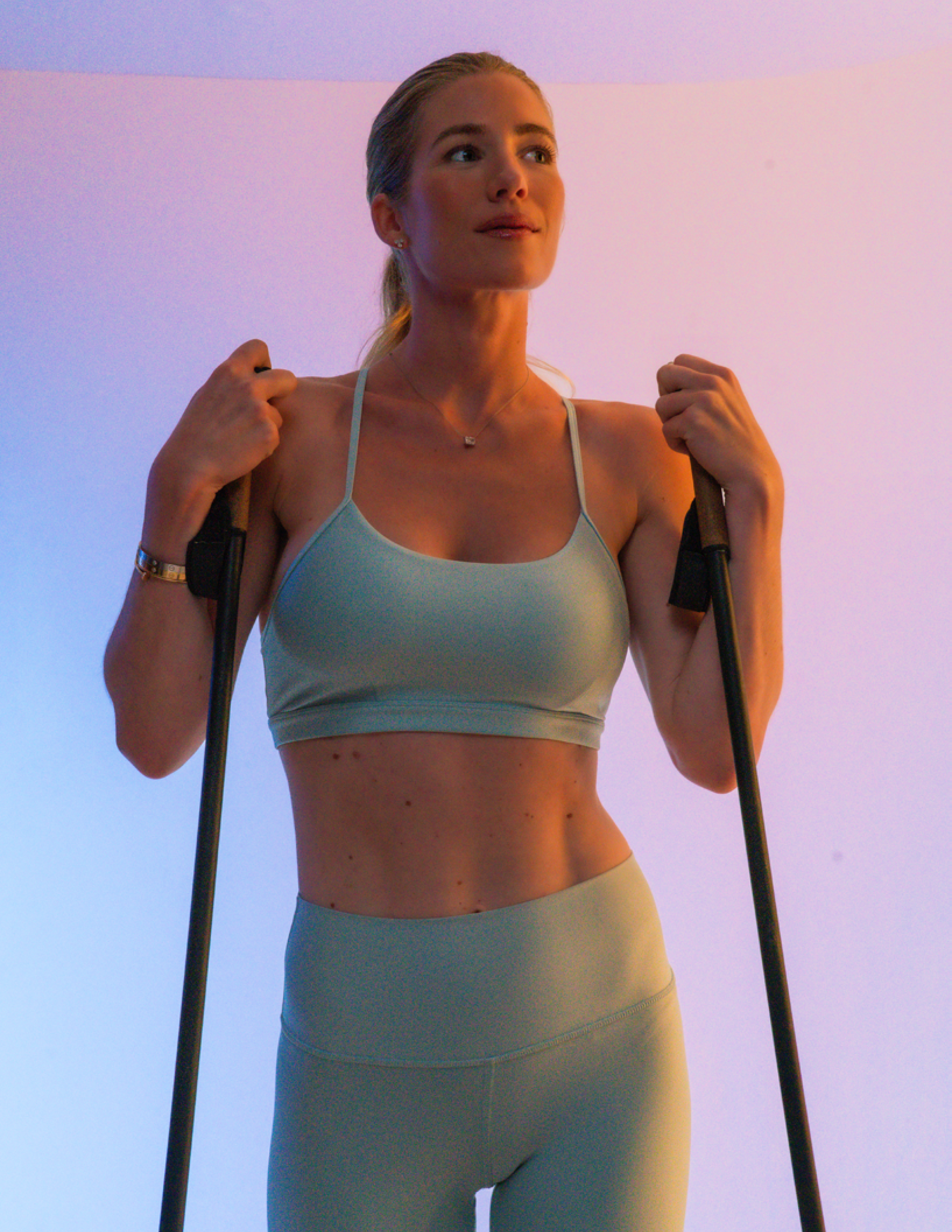
And then it’s obviously also through a lot of the design choices that we’ve done. I find the Northern Lights to be one of the most beautiful natural phenomenon that you can find. We’ve tried to capture that in the studio room where the lights are changing in the purple, the blues, the greens kind of hues that come from the Northern Lights. And the rest of the space we’ve tried to make it very, very simple, minimalistic - yet warm. So it doesn’t have a lot of things in there you know you come in, you’ve got exactly what you need, but the coloring and the materials is done with that Scandanavian minimalism in mind, but it doesn’t seem cold.

AM: Exactly.

NR: It’s a warm gray, but it’s also like a mountain color. So again, we’re thinking about how it is in nature and bringing that into the studio.

AM: Well, you’ve talked about the machine. It feels like the first time that we were on the machine, we used it in a number of different ways because we were even standing behind it and doing the pulls from there, and then this time we’re doing a lot of cross.

Can you tell us more about the machine and the poles? It’s interesting because it seems to be 3-4 different poles that can be used.

NR: Yeah, so the machine has more than 15 different exercises. The foundational move on the machine is called Double Pulling. That’s a classic cross-country skiing technique. And the machine mimics this with a near perfect correlation. So that would be, like, you on the slopes. Same goes for Diagonal Pulling. It’s also very similar to Diagonal Pulling on the slope. The rest – when we’re working, we push with the poles, we pull with the poles, we do sides with the lateral and we do rotational moves. So the machine kind of works in the way that you would move your body on a normal basis.

So it’s in a multi-planar motion. So it’s a full range of motion around. All of the exercises that you do at the front of the machine, you can do it at the back of the machine in the opposite direction. If you’re working your triceps at the front, you turn around, you’ll be working your biceps.

Same goes with your Double Pulling. So you’re using your core. If you do that at the back, you’ll be working your entire back. If you did a workout where you did 10 tricep extensions at the front, followed by bicep curls, right? You’ll have a very balanced workout. So that way it’s super good for your body.

AM: For those who’ve yet to try it, what are the class offerings that you have?

NR: We have three.

We have Strong, which is our signature format. That’s strength infused with cardio. You’re 60% on the machine, 40% floor. So you alternate. It is heavy on resistance. There are small cardio intervals throughout the workout and on the floor, you do use heavy dumbbells so this is a high intensity vibe. It’s still low impact.

Then we have our Sculpt format, which is Pilates inspired, but it integrates a lot of mobility work and balance work as well. You do a lot of exercises standing on one foot so you’re working all the smaller muscles on our knee for example. This is all about mind to body connection. You always start the workout with a small breathing exercise. And then you end the workout with a small breathing exercise. So it’s kind of like a full circle moment where you’re really trying to center yourself.

Then we have our Cardio format, which is endurance training. So this is 70% on the machine. A lot of interval training, a lot of Double Pulling. This is all focused about training your VO2 Max. Your VO2 Max is how well your body uses oxygen during exercise. It’s one of the most important longevity markers for your body. There’s so much focus on strength training but that must not be overlooked. It’s so important to train your VO2 Max and that’s what we do in the cardio format.

So they’re very different the three formats. What’s similar in them is that it’s all low impact. There are no high impact moves in our workouts at all.

AM: It’s great that there aren’t large jumping movements.

NR: No, exactly.

AM: A number of our readers are athletes, semi pro’s etc. and they have acquired injuries in their knees, lower back, and wrists. And the fact that you can do the workout and when you leave, you may have I have certain parts of your body that you know definitely got a workout, but it doesn’t feel crazy. Because there’s certain workouts where you leave and you know you will have to strategize how to lift a glass of wine and to get your legs up on your couch!

NR: Oh yeah!

We actually get a lot of people that have running injuries and then they thought they could never really push themselves endurance-wise again. And then they realize you can here without feeling that impact.

AM: We were speaking earlier about lighting and even the music. Can you talk about, what your focus was in that area?

NR: When I work out, I want to be in a zone. I want to get outside noise and everything from your daily life, I want it out of my head and I want to be there in that moment.

AM: Right.

NR: When you’re in a dark room that’s immersive, it has this effect on you where you just get into your zone.

AM: Absolutely!

NR: I find that if I am in a very light room training, it takes nothing for me to get distracted. You’re looking around and so on. When you’re in that dark, immersive room, you really get into your zone. The movement on the machine is so fluid. You have that flow when you’re going.

So it’s so easy to get into your zone, especially when you have the lights around. I am personally very inspired by the Northern Lights and so that’s why we chose those lights. The lights are a little different from every class. So when I chose the colors from the Northern Lights, I tried to match them up with where you are heart rate-wise. So you have a higher heart rate in our stronger cardio classes. So if you look at the heart rate zone colors, they’ll start in the green and the blue, and then they go up, and you have the orange, your pink-orange, and then you go up to the red, right?

AM: Wow.

NR: So we kind of match the lights in every class with the heart rate zone. In our Copenhagen studio, we actually have a full-on red for our cardio class. We don’t do it this year because the red is not in the Northern Lights and it needs to match. But we have one that’s very close to it here. We still have the interactive tablet so you can follow your stats, but I don’t want it to become a driving force for the entire room. You would need to be able to choose to look at it, but you can also just like be in your zone, right?

AM: So you have themed classes. What are the theme classes that are coming up for the Spring and Summer? You’re currently in a challenges going on right now for April.

NR: So right now we have a two minute Double Pulling challenger in every Strong class. We are planning a very fun event coming up. It’s going to be a marathon challenge. So it’s going to be outdoors in New York City and it’s going to be like a 4 hour event. You do 42 kilometers Double Pulling on the machine. We’ve done it 4 times in Copenhagen and it is the most fun workout. So we gather around 20 machines. You sign up with the crew as a team of 1 up to 5. So, most people can’t do a full marathon on the machine. I would go in a team, right? And I do the workout for us in the office. So you can sign up in a team and do it. But it’s such a fun event. So that’s a big thing that we’re planning. We will have challenges coming next month as well in every class.

And then we sprinkle in fun. In March, we had a lot of themes in terms of music in the classes, we’ll bring that back again that was very popular. The Taylor Swift were obviously sold out. So maybe we bring Taylor Swift back again.

AM: Last Summer, you launched in the US with your Hamptons pop-ups. Are you going back to the Hamptons this Summer?

NR: We will go back to the Hamptons, but not in the same way. We’ll focus on unique events throughout the Summer. So we have some fun partnerships coming up. We’re not ready to announce it just yet, but we’ll be at various beach clubs, hotels, outdoor events close by water.

AM: Our readers and community travel. For those who are going to Copenhagen, can you tell us more about the Copenhagen studio?

NR: So we have people, when they start here and go there, they’re like, why don’t we live there? So the Copenhagen location is quite big. It’s on the water so we have a sauna club. We do guided sauna sessions as well. It’s on the canal so you cold plunge and then you go back to the sauna. So you go back and forth, but it’s compared to going to a sauna here in New York, you can’t even compare the experience because you’re jumping in with a morning view or an evening sunset. It’s a totally different thing so we have that. Then we have this concept here - the Strong concept, we have a recovery room, we have an open gym space as well, we have a café, and then we have a studio that we call Revival that’s more focused on breath work, meditation, and mat work. So it’s quite a big place. But it’s incredible. On a Saturday or a Sunday there, you’ll see people that are there for, I’m not even lying, like 3 hours.

AM: We can imagine that.

NR: They go from concept to concept, and then they hang out in sauna. They buy coffee in the café and they hang out with friends. It’s like a wellness oasis.

AM: Are you thinking about additional locations for NRTHRN Strong?

NR: We are looking around the city. We haven’t found a location yet, but it is something that we’re considering.

AM: When you’re not in the studio, how do you take time for yourself?

NR: I like to go golfing on weekends. I go to Chelsea Piers, they have a driving range there. I like to spend time with my friends here in the city. I like to be outdoors. You know, it’s New York, I walk everywhere. In Copenhagen, I drive everywhere. Here, I walk everywhere. I never get uninspired by walking around the city. I think that’s what I do more, mainly. And then on some weekends, if I can, I love going out to the Hamptons and just relax. If I go there, I make sure to do a lot of ocean swimming. It’s what I miss the most about Copenhagen. So I do that when I’m in the Hamptons.

IG @nrthrnstrong

PHOTOGRAPHY COURTESY | NRTHRN Strong

Read the APR ISSUE #124 of Athleisure Mag and see NRTHRN STRONG with Nicoline Roth in mag.

The Latest
THE PICK ME UP.png
November 13, 2026
THE PICK ME UP
November 13, 2026
Read more →
November 13, 2026
crop-duplicate-1-for-nyc-marathon-logo.png
October 28, 2026
TCS NEW YORK CITY MARATHON 2026
October 28, 2026
Read more →
October 28, 2026
AM SEP ISSUE _129 ATHLEISURE LIST Nofar Method.png
October 18, 2026
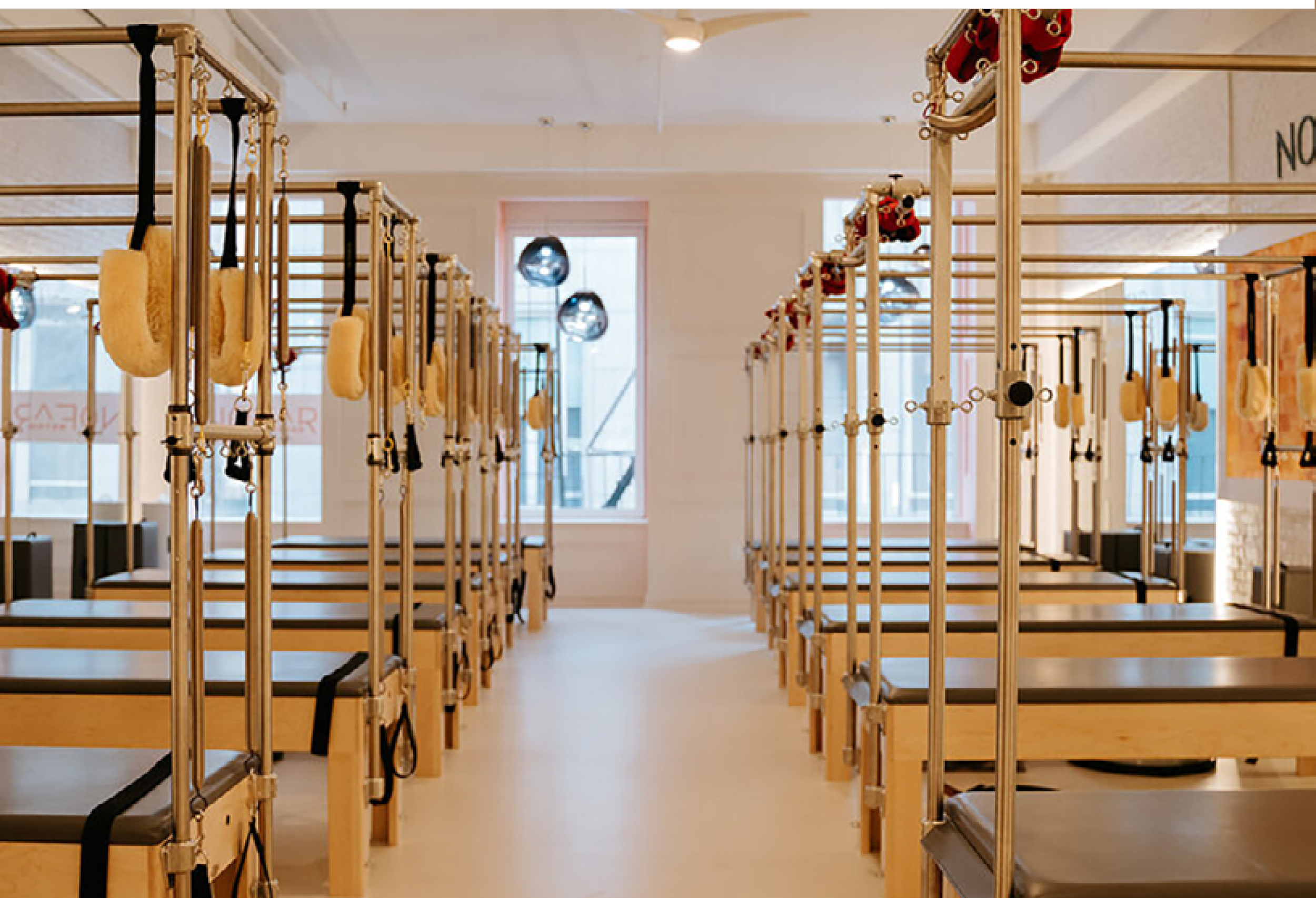
ATHLEISURE LIST | NOFAR METHOD
October 18, 2026
Read more →
October 18, 2026
In AM, Apr 2026, Fitness Tags Nicoline Roth, NRTHRN Strong, Fitness, Hamptons, Flatiron, Columbia University, SoulCycle, Copenhagen, Vassaloppet, Endorphins, VO2 Max, Double Pulling, Cardio, NYC, Chelsea Piers
Comment

PRE-SEASON | JUJU SMITH-SCHUSTER

May 25, 2026

We’re a few months away from the start of the upcoming NFL season, but while we wait, we caught up with Super Bowl LVII Champ JuJu Smith-Schuster, Wide Receiver for the Kansas City Chiefs to talk about the upcoming season, his nuptials, and partnership with Just For Men® Gray Reverse.

ATHLEISURE MAG: We’re all looking forward to the upcoming NFL season! What are you excited about as you get ready to hit the field?

JUJU SMITH-SCHUSTER: I’m most excited to be back around my teammates and players. Going into my 10th year, I look back and appreciate that I’ve been very fortunate to play for great teams, and now I’m just excited to give it another go this year.

AM: What is gameday like for you in terms of pre-game rituals?

JSS: There’s two songs that I always listen to before each game. I also love eating Mambas, and going through my normal routines like praying before each game. I always pray for my team, myself and our health.

AM: How do you approach your tunnel style?

JSS: It’s very important to me. When you look good, you feel good and you play well. It starts first with your hair. I get a haircut every week, and being able to partner with Just For Men is important because with Gray Reverse it’s important to me to make sure I look good and play well. I’m huge into fashion - I even have my own clothing brand. It’s a way for me to express my thoughts, feelings and emotions.

AM: Why did you want to partner with Just for Men?

JSS: For me, partnering with a brand like Just For Men fits into my lifestyle. I see myself as a guy who puts in work, and Just For Men is a leading name for hair and grooming, and for me, that’s what I’m all about.

AM: Why is it important to have a proactive anti-aging grooming routine?

JSS: I’m getting to that age where everyone’s calling me “unc.” Just For Men Gray Reverse is the ultimate anti-aging hack and it is super easy to apply. You can apply the serum to wet hair, dry hair and it really goes a long way in your grooming routine.

AM: You’re about to get married, how do you balance between the festivities around your wedding and training during the off season?

JSS: I’m getting married this year and it’s going to be so fun. My soon to be wife is the planner, I’m more like “Hey, I’ll just show up.” She’s been so great about putting this all together and planning. I’ll be on camera a lot, so it’s important for me to begin using Gray Reverse now. She is big into beauty, so she inspired me to have a good grooming routine.

AM: What can you tell us about how you will groom and style yourself for the wedding?

JSS: The morning of my wedding I’m planning to golf, and I’ll need to get ready, take a shower, brush my teeth, fix my hair and apply Gray Reverse to help me feel young and feel super confident. I told my fiance that if I hit a hole in one that morning, I will come straight to the wedding early. That would be awesome.

AM: Tell us about Afi Fire and what we can expect from that?

JSS: My clothing brand is called Afi Fire, and in Samoian it means “A fire inside.” It relates to having that fire in you about what you’re passionate about. I just dropped collection three, of Afi Frost, in collaboration with a tattoo artist in Polynesia named Fred Frost. The brand is really about expressing my passion through clothes.

AM: Tell me about The JuJu Foundation!

JSS: The JuJu Foundation is a non-profit foundation where we lift young kids and elders in spirit and give back in so many ways whether that’s football camps, donations and more.

IG @juju

PHOTOGRAPHY CREDITS | PG 80 Just For Men | PG 82 - 85 Evan Sanders/Kansas City Chiefs | PG 86 Bri Ali/Kansas City Chiefs

Read the APR ISSUE #124 of Athleisure Mag and see PRE-SEASON | JuJu Smith-Schuster in mag.

In AM, Athletes, Apr 2026, Sports, Beauty Tags Sports, Grooming, JuJu Smith-Schuster, Kansas City Chiefs, NFL, Just For Men, Gray Reverse, Afi Fire, Fred Frost, The JuJu Foundation
Comment

PHOTO CREDIT | Unsplash/Huy Nguyen

HOW MODERN FASHION LEARNED TO BALANCE COMFORT AND STYLE

May 25, 2026

Getting dressed looks very different today than it did years ago. In the past, many trends focused mostly on appearance and outfits were often designed to impress people visually, even if they felt uncomfortable after a short time. Tight materials, stiff jackets, and painful shoes were treated as normal parts of looking polished.

That idea slowly started to disappear. People began wanting clothes that fit into real life instead of making daily routines harder. Comfort became more important, but personal expression did not vanish because of it. If anything, modern wardrobes became more creative once practicality entered the picture.

Many consumers now prefer pieces that can work in several situations during the same day. Someone might wear the same look while working remotely, meeting friends, shopping, traveling, or going out for dinner later in the evening. Because of this, brands started paying more attention to flexibility, softness, and movement.

Social platforms also influenced shopping habits. Instead of only seeing runway photos or luxury campaigns, people started following creators who shared realistic styling ideas. Everyday outfits suddenly became just as interesting as dramatic editorial looks.

This shift changed the direction of the industry in a major way. Relaxed fashion stopped feeling careless. Casual staples became cleaner, sharper, and easier to style for different occasions.

The End of “Uncomfortable Fashion” as a Status Symbol

There was once a belief that dressing well required sacrifice. Many accepted discomfort because it was connected to elegance and sophistication. Restrictive jeans, heavy fabrics, and difficult shoes were common parts of everyday style. Today however, modern shoppers want garments that allow movement and feel good during long days. As schedules became busier, interest in wearable pieces naturally increased.

Loose trousers, oversized blazers, soft knitwear, and supportive sneakers slowly replaced many restrictive options. Even workplaces started embracing more relaxed styling. Shoes once considered too casual are now paired with tailored looks and structured outerwear.

Another reason behind this change is practical spending. Buyers want items they can actually use often instead of pieces that remain untouched inside a closet, so everyone became more selective about purchases and started looking for value beyond appearance alone.

At the same time, casual looks became more refined. Better cuts, softer materials, and cleaner styling made relaxed outfits appear intentional rather than sloppy. Small details made a huge difference.

Why Daily Life Changed the Way People Dress

Modern routines played a major role in reshaping wardrobes. Remote jobs, flexible schedules, frequent travel, and wellness culture all influenced what people expect from clothing.

Many no longer separate outfits into strict categories like office wear, gym attire, and weekend basics. Instead, they want adaptable pieces that work throughout the day without needing constant changes.

Matching sets, oversized shirts, lightweight jackets, and stretch fabrics became more popular because they support comfort while still looking polished. This balance matters to people who spend long hours moving between different activities.

Travel habits also changed shopping priorities. Frequent flyers and commuters started looking for wrinkle-resistant materials, breathable layers, and comfortable shoes that still look stylish. Garments that transition easily between different settings became more valuable than highly specific trends.

Wellness culture influenced this shift too. Many individuals became more aware of how fabrics and fits affect mood and confidence. Feeling physically comfortable started connecting with emotional ease as well.

As a result, practicality stopped feeling boring and became part of modern personal style.

Casual Staples Became More Refined

One of the biggest changes happened with everyday basics. Items once linked mainly to lazy weekends or gym sessions slowly became more elevated.

Hoodies, oversized tees, joggers, knit sets, and sweatshirts entered mainstream style in a completely different form. Designers improved fabrics, tailoring, and color palettes so these pieces looked cleaner and more versatile.

Sweatshirts especially experienced a huge transformation. Years ago, they were mostly associated with workouts, school uniforms, or staying home. Today, they appear in carefully styled looks alongside structured coats, denim, boots, and layered accessories.

Wearing custom-designed sweatshirts became especially popular because they combine comfort with individuality. Embroidery, vintage-inspired artwork, neutral tones, and minimal graphics helped these items feel more polished.

Social media helped accelerate this movement. Influencers showed audiences how relaxed basics could look intentional instead of careless. Layering played a huge role in that transformation. A simple sweatshirt paired with tailored trousers or a long coat suddenly looked more modern and stylish.

This shift made casual dressing feel more expressive instead of less creative.

Fashion Brands Started Designing for Real Life

Modern shoppers expect more from clothing now. Looking good still matters, but practicality matters too. Because of this, many companies started focusing on comfort-driven details. Stretch fabrics, breathable materials, wrinkle resistance, and lightweight layers became common parts of everyday collections.

Outerwear evolved as well. Many jackets now include hidden storage, weather-friendly features, and softer construction without looking bulky. Shoes are designed to support long periods of walking while still appearing polished enough for social plans or professional settings.

Even office attire changed. Softer materials and relaxed cuts replaced many stiff designs that once dominated workplace wardrobes. Brands realized people want garments that support movement and fit naturally into busy schedules. Nobody wants to spend money on something that feels impossible to wear comfortably for several hours.

Practical details stopped feeling separate from good design and became part of what makes clothing attractive in the first place.

The Future of Fashion Will Probably Stay Practical

The industry will likely continue moving toward flexibility and ease because consumer expectations have changed permanently. People became used to garments that support movement and adapt naturally to different parts of life.

Technology will probably keep shaping this direction. More companies are experimenting with lightweight materials, temperature-regulating fabrics, and adaptable designs that improve comfort throughout the day. At the same time, creativity will remain important. Consumers still want individuality reflected in what they wear. Comfort alone is not enough. People also want confidence, personality, and originality.

That combination is shaping the future of modern style. Practical dressing no longer feels plain or uninspired. Instead, it feels connected to real routines and genuine lifestyles.

Final Words

Fashion became more functional because everyday life changed. People stopped wanting garments that looked impressive but felt uncomfortable after a short period. Instead, they started choosing pieces that combine ease, versatility, and personality.

Relaxed tailoring, elevated basics, and polished casual staples all became more popular for this reason. Sweatshirts, oversized layers, supportive footwear, and soft fabrics gained wider acceptance because they fit naturally into modern routines.

Today, practicality is no longer viewed as the opposite of good taste. In many ways, it became one of the main reasons contemporary dressing feels more authentic, wearable, and relevant to daily life.

In ATW
Comment

PHOTO COURTESY | Instagram/Mindy Weiss

PLANNING OUR GATHERINGS WITH MINDY WEISS

May 25, 2026

We always enjoy when we sit down with Celebrity Event Planner, Mindy Weiss who has worked with a number of celebs and high-profile events and weddings over the years. She knows the importance of having a theme, proper flow for a function, and what it means to make a statement. Today, we caught up with her to talk about how we can use her tips to plan our functions as well as how to stay organized with Adobe Acrobat PDF Spaces.

ATHLEISURE MAG: We've had the pleasure of interviewing you a few years ago and we have been fans of your work! What are some wedding trends as we navigate Summer 2026 and looking ahead to Fall 2026 that we can see in event planning.

MINDY WEISS: This summer I’m seeing lots of color. Couples are open to so much more this year in terms of color. I don’t recall a year when we’ve leaned into this so much. But the look isn’t heavy, it’s lighter and happier. Couples are really taking sunshine to heart for summer.

In the fall, I’m still seeing a lot of color, but much more saturated. Burgundy, wine and aubergine are huge. Then I’m seeing pops of citrus and chartreuse too.

AM: There are a number of events this year from FIFA watch parties, dinner parties at home, or other sporting events, and more. What are 3 tips that we should keep in mind when hosting events at our homes?

MW: I always say it's important to make the house welcoming by cleaning it first! You need to organize and clean before your guests come over. You want to make it a very comfortable environment for everyone (and sometimes that means more organization than you’ve done in a while).

Think about the weather. If your party is outside, how are you going to cool the people down in summer? If it’s inside, you want to make sure it's not too warm. The temperature seems like an afterthought but it really can change the guest experience for the better or worse.

Also remember the season that you’re celebrating in. During summer, you don’t want to serve heavy food, skip the thick meats and serve lighter fare, foods that aren’t so filling. FIFA is during summer so if you’re hosting a viewing party, it’s a great time to lean into fresh fruits and vegetables and throw a barbecue. Nothing too fancy.

Also, I always like to have some sort of experience for guests to remember. For FIFA, you could take the teams playing and base the decor on them - perhaps playing each other. Their colors, logos, competition, even something as simple as soccer balls make great décor.

AM: Events are all about great planning and staying organized! You recently partnered with Adobe Acrobat. Why did you want to work with them and tell me about PDF Space and how it can assist in wedding planning or other events we are planning?

MW: There’s so much organization that goes into planning an event. Keeping myself organized is really the key to my success. I wish I had Adobe Acrobat PDF Spaces when I was starting my career. It would have saved me so much time and kept me on track. PDF Spaces in Acrobat is an interactive workspace where you can use AI to ask questions, surface insights and even create content with help from Adobe Express. Partnering with Adobe Acrobat on a PDF Space was a natural fit because they help take the stress out of planning so you can focus on the aspects that bring you joy--not stressing over deciphering and comparing contracts. It helps in so many ways, and it helps couples too, they can streamline their admin duties so they can enjoy the fun parts of starting a new chapter together. Adobe Acrobat took my various tips and tricks from years and years of experience into one central hub and I’m very excited about sharing this experience with couples and other planners.

AM: How has AI transformed modern wedding planning?

MW: AI has saved me so much time. A simple example, I used to look up the times of sunset in each city or each area I was planning in and it would take me quite a while to figure out exactly when the sunrise and sunset was and the tide of the ocean if the client was getting married on the beach. Now it takes two seconds. AI has just been a fantastic time-saver. And if you use AI correctly, it can really help with design too - so many things that are a part of our business can be supported by AI.

AM: When we are planning our events. What are 3 things that we shouldn't overlook?

MW: Consider the guests that are celebrating with you. If you’re inviting people into your home, you need to consider their food preferences and allergies. If you know two couples are vegetarian, you need to take that into consideration.

Consider the time of day of your event and plan accordingly. An afternoon lunch party is quite different than an evening party. People tend to eat and drink more at dinner hour and go lighter at lunch so if budget is important, this could make your decision for you. And if it’s a lunch, guests will leave earlier, at night it could be a late night so plan accordingly.

For all events, but especially when celebrating at home, consider the parking in your area. Is it busy at night or during the day? What makes it easy for guests to enjoy themselves? These small details can impact the mood of the party; always consider your guest experience.

Read the latest issue of Athleisure Mag.

The Latest
AM OCT ISSUE _130 CELEBRATING 15 SWEET YEARS Chef Dominique Ansel-1.png
November 24, 2026
CELEBRATING 15 SWEET YEARS | CHEF DOMINIQUE ANSEL
November 24, 2026
Read more →
November 24, 2026
AM OCT ISSUE _130 THE ART OF THE SNACK Yume Ga Arukara-1.png
November 23, 2026
THE ART OF THE SNACK | YUME GA ARUKARA
November 23, 2026
Read more →
November 23, 2026
AM OCT ISSUE _130 ATHLEISURE LIST Love & Honey Fried Chicken.png
November 20, 2026
ATHLEISURE LIST | LOVE & HONEY FRIED CHICKEN
November 20, 2026
Read more →
November 20, 2026
In AM, Lifestyle Tags Mindy Weiss, Celebrity Event Planner, FIFA, Events, Planner
Comment

KNOWING MORE | ANCESTRY.COM

May 24, 2026

We have always been fond of the quote, “to know where you’re going, you have to know where you have been.” Not only does that include your personal journey, but we also believe it includes insights from your ancestors as history tends to repeat itself. We enjoy mapping out our family trees, hearing stories and seeing how we are connected to others. We have used Ancestry.com for years to create our tree and to see records as they have become available. Recently, we sat down with Nicka Sewell-Smith, Sr. Story Producer to find out why finding your family history is important, tips we can use, and how best to navigate the site.

ATHLEISURE MAG: There is always someone in the family who takes on the role of being the person collecting the stories of the family. So Ancestry.com is a site that we have been a long time fan of because of the vast amount of records and layouts. We’re very well aware that your background is phenomenal in this space so this conversation feels like years in the making that we’re finally connected to you to talk to you about getting tips when you are going into this kind of research for your family history.

So when did you fall in love with genealogy and realize that you wanted to do this as a career?

NICKA SEWELL-SMITH: You know, I don’t necessarily think that about this as a career. I think that, you know, if you think about that movie Crash, where I don’t know if you’ve seen it, where like everybody had to be at a particular place at a particular time. That’s kind of how stuff operates for me.

AM: Same, love a Crash reference!

NSS: I come from a family of storytellers and I don’t necessarily think that I thought about it from that vantage point - just folks who you know innately had a knowledge of the beginning, middle, and the end and how to add all the details. When you have 2 parents that come from storytelling backgrounds like that, it just makes the perfect storm for somebody to enter this world. So it was that, it was the fact that, you know, one branch of my family, we’ve had family reunions longer than I’ve been in the world. So every two years we were coming together for the common purpose of our family, connecting and doing all that.

You know, the early work that was done on that side on family history - that first family tree is one of the first things I remember sitting down reading by myself as a kid. I would just ask my mom all these questions about everybody that was there and then I went to college for journalism. Wrapped into journalism is the need to search and find stories. So I think that’s actually what made me a great researcher is always trying to find the angle of history, a person’s story, something that will like resonate with this specific person that I’m talking to or whatever the campaign is that we’re working on. I think that’s definitely what gave me a good skill set.

AM: Tell us a bit about your background and how you came to Ancestry.

NSS: I’ve been in the Ancestry family for close to a decade now, but more formally for the last three years. Ironically, I got to Ancestry because of my cousin Crista Cowan. Me and her had actually met at a genealogy conference probably about 12 years ago when I discovered her mom was among my DNA matches. And I was like, wait a minute. This is Crista. Am I related Crista? So we were at the same event and we were just like, okay, we’re going to meet there. It’s so funny. If you actually go on Ancestry’s YouTube channel, you can see the video when me and Crista first met in person. She’s white and I’m Black. How are you guys related? We know now, we know exactly how we’re related. Crista was just like, “you would be an excellent, asset for our team.” I had never even entered the world of consulting, I didn’t even know that I had the ability to do that or that I had the ability to knowledge. Sometimes when you’re meant to do a thing other people see it before you do!

Within weeks of me signing on, I was doing a virtual interview with Essence Magazine, which you already know for Black women, that’s like the like thing. And I’m like, “oh my gosh!”

AM: It better be right because you know that everybody, Grandma, etc is reading that!

NSS: Right! It’s a mainstay. Within like two weeks after that, I was on set in New Jersey. I had never been in New York before. I was sitting there with Dionne Warwick.

AM: Ok, now.

NSS: Like literally that happened! This is fun. I like the variety. Every day is different and that is what I like so much about it is that I can nerd out on content and help our content acquisition team develop the descriptions for the different collections we have. I can be working on a Hackathon project um or I could be interviewed like this or leading a bus tour! I cannot forecast what we’re going to be doing. I have no idea. Just like, I have no concept of every set of set of records that are on the site. I’m constantly coming across stuff where I’m like, we have this?

AM: What is your official title at Ancestry?

NSS: So my official title is Senior Story Producer. So in essence, we work with our marketing colleagues, programming colleagues, and we work with pretty much all across the business, helping people to unearth stories, to bring them to life so that people can see the power of what Ancestry is.

AM: And for those who aren’t aware, how do you define genealogy or being a

genealogist?

NSS: I think that the term or anything with an “ologist” intimidates people.

AM: Right.

NSS: You know, it doesn’t matter is what it is. I’m a Crayonologist!

AM: You’re like, whoa, put your crayons away.

NSS: There probably is somebody that is a Crayonologist.

AM: Crayola does have someone like that actually – there was a press release a few years back.

NSS: I need an Instagram BTS on the Crayolologist.

For genealogy, and we typically use the term genealogist and family historian kind of together. It’s just literally the study of pedigrees and family trees. Most peers will say genealogists. I like family historians. I feel like family history is, what I say is - it’s the dash between the dates that is where you get the most information. You are getting information around when a person was born, where they were born. Same thing for where they died and when they died. But that dash between those dates is the context. How did they get that job? Why do they live in that environment? That’s where I like to live. I think that that dash is family history.

AM: We’ve been working on our family tree over 15 years or so. It came out of a curiosity in terms of how far could we go back? It would be challenging due to being Black when you hit certain areas in time.

Why is it important for someone to begin to engage in this activity and to put it upon themselves if no one else in their family has done it?

NSS: I think for Black Americans in particular, starting is the most important thing and the reason why is as we allow more time to elapse the stories, the facts, the documents, the pictures, start to become fewer and fewer. When someone becomes intentional about documenting it in the time in which they live and they pass it to someone else to that next person, they don’t have as much work to do.

As time goes on and as we get access to more records and the way that records are discovered changes, there’s going to be more things that are going to open up that weren’t available when the initial person first started to do research. I think it’s the fact that for me, you know, my grandparents, their grandparents were enslaved. So where I have that phenomenon, my son and the generation after him, for them, the context is, oh, my grandparents lived through segregation. So what’s going to happen for them when they’re grandparents? For them, it’s going to be, we were alive for the first Black President. So you have to keep sort of these milestones and the stories related to it. You have to keep it at the forefront and I think for that one branch of the family that I talked about, I had a cousin who pre-computers started doing this research, they were going to the archives and doing all this kind of stuff - I had that head start there. When I got into it, my research questions were different.

His were just, can I put a tree together? Mine was, can I find the last slaveholder? For other branches of my family, I was the, can I just get a tree together person? That’s the thing, because we’ve got 4 grandparents, 8 greats, 16 great greats. Your work is never done. And as I always say, if people keep being born and dying, you’re never finished. You never will be.

AM: What are some general tips that we should keep in mind before we embark upon setting our family tree? What should we kind of be doing?

NSS: Really, the most important thing is utilizing the living resources you have around you. I think a lot of people just forget that they have living history and individuals who were alive before them who remember those folks or got the stories that you didn’t get. I think that also is the beauty of when you work in community and in concert with others on Ancestry. You start to find other family members that are building their trees out and researching the same people. I remember in one branch of my family where I have so many pictures, you can literally correlate it to how early on people attained property and land. Wherever that generation is, that was their goal. They met it. Then the next generation, they don’t have that goal anymore. For them, it’s a matter of well, we don’t have that goal, so we can afford to buy a camera or afford to go get photos.

So I have this one picture of my great grandmother and her sister-in-law, it’s gorgeous. It’s like a postcard essentially. I’m an AKA and I love the fact that it was literally on Founder’s Day which is the date of this photo.

AM: Oh, wow.

NSS: So I was like, oh my gosh, this is interesting. So I uploaded the picture and I didn’t know I had a cousin who had been trying to find a photo of her great-grandmother. The only picture she had was one where she was to the side. She wanted to know what she looks like. Then when she’s found the picture, it’s her great-grandmother and my great-grandmother. So my great-grandmother’s sister-inlaw was her great-grandmother. It’s literally, she looks just like her. I was like, so here you were, trying your best to get a picture of a woman and all you had to do was look in the mirror! So when we met in person, I was like, okay, we have to take a picture and we both look just like them. I’ll have to send you like a picture so you can see. I remember I posted that on social and people were like, this is so crazy that you all look just like them. It’s just one picture of sepia and the other one is in color. So I would say, that’s the reason why you’ve got to connect with other people in your family first. It’s because they have those pictures, they have those stories. You might have walked away with one thing or your side walked away with one thing and their side walked away with something else.

I think another tip is your home and what you have in your possession. I think people don’t really think they have anything. No, actually you do. You know, one of my grandmothers was like the funeral maven. I promise that lady went to funerals with people she didn’t even know. I don’t understand it to this day, but she was totally like a funeral maven and she would just keep these programs. You know you’ve just got to save the program. We lived miles away from her. So she would periodically, like quarterly, she would send my mom a stack of obituaries of people who had died. So I remember being the one who would go to the mailbox and I’d be all excited to go and get this package of obituaries from my grandma. Like what teenager is like that? That was me. I remember the first time I saw a color one. I don’t even know what my mom did with all of those because some of them were family, but some of them were just like friends. But like it’s those things where we’re in a culture now where the mortuary has a website with the information. You have to think about what we have already in our possession and sometimes those things can answer the questions that we have around what’s going on with our family trees. And that might be the only thing we have that substantiates that.

AM: What we love most about Ancestry is everything is so organized. You have the newspaper documents and when you roll your cursor, it’ll enhance the document so you can see what it says as sometimes the incursive may be tough to read. As the family historian, you feel like Carmen Sandiego!

NSS: So I actually brought her up during a meeting yesterday. And I was like, do you guys even know who that is? That show was like the journey and return. If you were into that, you got it.

AM: So what are the kinds of items that you generally can find when they access it between the Newspapers.com and other resources?

NSS: So Ancestry, we are a company of many aunts and uncles. You know, that’s one of the ways that I describe to people who I report to is I say who my grandmother is, who my parent is. Everything from Fold3, which is military records, Newspapers.com, which is the newspaper’s archive, Find A Grave, Virtual Cemetery, where volunteers go around to cemeteries around the world and photograph headstones.

There’s just Ancestry in general. I think also people don’t know or aren’t aware because we’ve got really great marketing that Ancestry DNA and Ancestry are both still Ancestry. People think that you can just DNA test and that’s all we have. No, there’s 70 billion plus historical records on the side. Most folks, it’s the U.S. Census. That’s probably the number one record that they’re going to use because you can go back in time every 10 years. You can see family groups together. One of my favorite things is the multi-generational household where you’ve got the parents and the kids and the grandparents and sometimes the great-grandparents. I’ve even seen great-great-grandparents in the same house. There’s that there’s a draft cards, you know, that’s one of my favorite things to share with folks where they can see the signature of their, their male an cestors or, a vital records like births, marriages, and deaths from the actual certificates to indexes. All these things, you know, really come together. And really, again, it just broadens out what we know about folks. And then within each of those records, you get a bunch of different things. In the 1950 census, it will tell you things like, or actually 40 will tell you the highest level of education a person has. Where they were living five years earlier or where they were living the year prior. You get their occupation. Did they own their land? Even like crazy stuff like, did they own a radio? Could they read or write? There’s all kinds of stuff like that where if you’re just focused on the names and the dates, you’re going to miss all that additional contextual information. So, yeah. So we have so much stuff. Sometimes there’s unique state specific stuff where we tell you, here’s the history of this collection. Here’s where we got it from. Here’s what you can find. Here’s maybe a way that you can go and get more information based off of what you find here. Like that part too is important because the collection I’ve been talking about most recently are like the cosmetology licenses in California where they say she could pin curl. In that collection there’s a lot of immigrants who were starting their own businesses and literally trying to make themselves in a new place. And so you’ll see them, you’ll see Black folks. It’s a great genealogical source.

AM: What should we be mindful of? We had this happen in our family this weekend. You’re told certain stories in your family that become canon. It is great that you hear those stories. But then when you start looking at the documents, you’re like, wait, the story that was being told and what the paperwork is saying doesn’t match up. So we were told that there was a certain celebrity that was in our family and we wanted to know from what branch. When the branch was mentioned, that didn’t align with the documents. It became a long conversation and number people on speaker phone to get to the bottom of it because people remembered conversations that were said but the documents are the documents in many respects. It’s not to say that someone couldn’t have said something in a document that could be in question. What should we be mindful of in knowing that, yes, people are telling us these stories, but maybe these stories might be twisted for whatever the reason it is and aligning that with what the actual historical record is saying?

NSS: Yeah. I think about the game telephone. You’re doing team building and the first person says the thing and then it gets passed and then people think they hear one thing, but they don’t and it ends up getting transposed. It happens quite often. You know, it’s not that the person was lying. It’s just that they just got the stories confused. You’ve got to remember, again, you’ve got 2 parents, 4 grandparents, 8 great-grandparents, 16 great-greats. And, you know, for your mom, that’s just my side of the family as opposed to, actually, it’s my dad’s side. So people don’t kind of know where the off-ramps are. People come to genealogy and family history trying to substantiate stuff that you’re talking about. Generally, what I tell them is, run into it. Do not chase the proverbial we’re related to and the reason why is sometimes you get confirmation bias. Oh, look, this name matches - actually, hold on, step back - That might not be that person and here’s why. This and this are not quite lining up.

I’ve been there, so there’s a branch of my family that has around our origins in Africa. I was like, listen guys the 6 pages of records that I have with regard to enslavement do not go back to Morocco. The oral history you all have about us not being enslaved – no. What I have, that’s not it. It’s not my job t say you’re wrong. I’m going to let you believe whatever you want to believe. Then I have other branches in my family where it was spot on!

There were no deviations, the names matched and it’s like how did the story stay intact like this? I have one infamous ancestor that I often talk about it and I say that he is the ancestor that if he is going to be in a debate on who my favorite one is – it’s him. He’s the one where we are all related through our dads but it’s our moms who have passed on the stories as our dad’s have passed. It always blows my mind, because our moms shared the stories and that’s how we all found each other. Then we started going online and searching, and one found me, the other one found me. I would say don’t throw out the baby with the bathwater on the story because some people do. At the same time don’t lean so heavily in on them either. It’s research, but there’s a human and emotional component to it and there’s an identity component to it is where things get murky because we process in our own way.

I give people permission to seek this information out because sometimes folks need a vote of confidence. They need someone to say it’s okay and and you know it’s it’s okay to go and search the information out. Maybe it is a journey you take for yourself and once you have absorbed it, you can share it with others and let them sit with it.

AM: That is a great point.

One of the things, once you start delving into the rabbit holes is you learn terms. There is a termthat to this day it baffles when the site notes that a family member is x amount removed. When we first read this, we thought oh this person and then divorced, but we now know it doesn’t mean that. Can you define what it means when we see this?

NSS: Imagine that your family is represented in a multi-story building. Your earliest ancestors are on the first floor - those are your great great grandparents. Then when you move up to the second floor that’s where your great grandparents are. The third floor is where your grandparents are. The fourth floor is where your parents are. And the fifth floor is where you are at in the building. If you want to go and visit your parents or their first cousins, you have to go down the next floor.

AM: Right.

NSS: That’s what once and twice removed is. So, you know, it’s like, they’re still in the building, but I have to go to the floor. So if I want to see mom’s first cousin, I got to go down the floor. If I want to see grandmother’s sister, I’d go down to three. If you’re on five, you want to go see your grandma’s sister or anyone on that generation, you’ve got to go two floors down.

AM: What is a DNA cousin because when you’re watching Finding Your Roots, every now and then, he lets you know about your DNA cousin. What does that term mean?

NSS: So DNA cousins, are folks who have had their DNA and we test them compared to your DNA. We have identified that you all share segments of DNA so you’re related genetically and then you have to go about the work of trying to figure out exactly how. For the example I gave with me and Crista me and her mom share I think 20 cinnamorgans or something like that. Cinnamorgans is the degree of relatedness and then it was using deductive reasoning - who’s in common with me and her mom on my side? It’s my grandmother my paternal – for her it’s her maternal grandfather so it’s opposite sides. From there, who’s living where – where is the relationship at and we got back to I think it’s my fourth parents or fifth grade parents - it’s back that far, but it was traceable. The closer the relationship, the more dna you share with the person. The further out, the less amount of DNA that you share.

AM: For those that may be hitting a brick wall on Ancestry, are there services that a person could use professionally to get the information?

NSS: So one of the parts of Ancestry is called Pro-Genealogists, and there are a whole team of professional genealogists who are certified, and they work and specialize in specific areas around the world, not just the United States. So if someone got stuck and was not sure what to do, they could connect with Pro-Genealogists. Also, we have a whole section of learning that we have on the site. If you go to ancestry.com/education, we do weekly webinars. Those are free for the public that teach you how to use the site and how to delve into collections. Plus there’s the wiki.

AM: For those of us that are Black, being able to search family origins becomes a little tougher as you keep going further back. What are some of the resources that we should be using?

NSS: I think the number one thing is your timeline. I think folks ignore this because we want to get back as quickly as possible. But having a timeline, meaning who’s in play, where are they at, where are they living? This is key especially prior to 1900 - even though that sweet spot we want to really contextualize where folks are at between 1865 and 1870 we really need to qualify the reconstruction time period and you know post-slavery time period you know to 1865 to 1899 to be honest right because folks were moving around, they were assuming what their identities were. They could have gone by one surname in 1870 with another one in 1880. They could have moved to different counties. They could have been involved in transportation.

I was just with some folks last week where a friend of mine, her family’s from King Street, South Carolina. And there were a group of more than 400 newly emancipated folks who were taken by the Freedmen’s Bureau. They were taken from King Street to Texas. So here’s the thing. If somebody found them, this was before 1870. So if someone found them in 1870 in that Texas county and saw that they were born in South Carolina - they may make the mistake of thinking, oh, well, they were brought here by their slaveholder. They were not brought there by the slaveholder. They were brought there by the Freedmen’s Bureau. So having that timeline is important. You’ve got to know who’s there, what they’re doing, who they’re involved with. And then I think it’s really mining through the records. And especially when you get between 1865 and 1870, it’s so key. Who were they working for? Were they involved in land leases or labor contracts or supply contracts? Who were those conglomerates that they were involved with? Were those potentially the people who enslaved them prior to, you know, have you searched for them as free people of color before 1865? We can’t figure out that, you know, 10% of the population of black folks in the U.S. were free before the Civil War. And then it’s like the clues are there and sometimes they’re hard to see. Sometimes you find them genetically. It may be that you have a bunch of DNA matches from a county or a state where you’re like, we have no connections to these folks, but this is when I would say that’s your ancestor screaming very loudly to pay attention to this.

AM: We enjoy when Ancestry provides hints. It’s the first thing we do after logging in. How important is it for you to check your hints?

NSS: People get used to it when they first start building their tree out. But I think people also forget because we are constantly adding stuff to the site. Then there are also things that we do as well where like if you’re logged in on the homepage, you will see hints that are targeted to Black History Month or Women’s History Month.

When 1950 Census came out, we had a whole tab under all hints that was literally just the 1950 Census. So you could just mine through that. So hints are super important because they’re doing the work for you.

AM: We love when see that little green leaf which let’s us get that information!

NSS: What I love to see too, there are when people upload their own stuff that they have in their own collection, like pictures, funeral programs, things like that, that hints as well. People who also are building out trees with the same folks. It’s giving you a nudge to go check those things out.

AM: For those who are just starting out, what is the reasonable expectation of how long you’ll take or spend time finding your person. When you watch Finding Your Roots, it’s an hour but the research is so much longer! When we started our tree we did it in 2004 and continue to spend hours each week combing through new records that have become available.

NSS: I mean, it’s kind of hard to tell. Here’s the thing. If you’re in my family, you’re going to look out because my tree is there. I mean, and once you get back, it’s going to go. You know what I mean? And for other people, they’re the first folks starting out. It’s kind of hard to prescribe how long it is but you’re right in your assessment that you know we love our partnership with Finding Your Roots you know like that’s a very corralled show that shares the details in 1 hour. The way that the show is framed, it’s two people in the episode and they have to hone in on a limited amount of stories so even in that hour you’re still not getting the whole tree!

You’re going to spend the time it takes to do this. I also think it bears repeating slow down do not feel like you gotta get back to the beginning of time the first time that you sit down because you’re likely missing so much context with your ancestors that you just miss because you’re speeding through, you’re not reading through everything, and you’re missing crucial important stuff that you’re going to need later. And the other thing I’ll also mention is people just say, like, what’s the most underutilized record set? And I always tell people, it’s the stuff you already have. That’s the most underutilized stuff. Because your perspective on a person, an event, It’s based on what you know at that moment when you encounter it. When you learn more, your perspective generally is going to change and shift in time. And you’re going to read through the same subject. It’s going to feel like you’ve done it 700 times. And you’re going to have 700 different thought processes.

AM: For those of us who have accounts, how are we able to like share that information?

NSS: So there’s lots of ways. You can share your tree directly. So anyone with a registered free account can look at and can view a tree. The subscription comes into play when you’re accessing certain record collections. But there are still a ton of records on Ancestry that are free. There’s also when you have things like Pro Tools, you can report where they can start from your perspective and then go to the earliest ancestors or vice versa starting from the earliest ancestors down to you and then you also have charts and things that you can print out like pedigree charts right.

AM: Is there anything coming up in Ancestry.com that we should know about in terms of certain collections you guys are going to be focused on?

NSS: There are so many things I’m thinking of but the one that is coming to mind due to the timeliness - it’s America’s 250 years coming up. We have our Whole Stories On Us Campaign and we collected stories all across the United States for every state for the known and unknown figures in the US. So that campaign rolled out in January of this year. We’ve had murals commissioned in two different cities in Chicago and in New York to commemorate stories that we were telling there. So the one in New York featured the first Black Chief in the Fire Department of New York along with a photo of a woman and her children that he saved from a burning building in 1929 and what we were able to do was bring the descendants of the firemen and the descendants of people who survived the fire together so they could meet. They had never met.

Then we had another thing that we did in Chicago where we focused on Women’s History of the statues in Chicago as 95% honor men they don’t honor women and we worked on that and we did a bus tour that told the story of women who helped build the city of Chicago and so the mural that we have in Chicago I think it’s still up to the end of March. It features Mary Emerson Haven who was one of the founders of the YWCA along with Dr Margaret Lynn who was a Chinese doctor in Chicago and then the bus tour stops go all over the city.

AM: That’s cool.

NSS: We have one more tour that’s in a couple days and then we have a connection program with YWCA and we sponsor their Tech Girls Program. So we have a whole tour that we did specifically for them and then we’re continuing to expand out throughout other geos across the country to continue to tell those stories but the landing page is there. What I think it does really effectively is it tells you who the person is and it shows them in Ancestry records so that you can see that these notable people and some people who may not necessarily be as notable in records.

IG @ancestry

@neeksmith

PHOTOGRAPHY CREDITS | Ancestry

Read the APR ISSUE #124 of Athleisure Mag and see KNOWING MORE | Ancestry.com in mag.

In AM, Apr 2026, Lifestyle Tags Ancestry.com, Ancestry, YWCA, Nicka Sewell-Smith, Ancestors, Storytellers, Crista Cowan, Essence Magazine, Dionne Warwick, Genealogy, Family Historian, Cousins, Fold3, Newspapers.com, Find a Grave, DNA, Finding Your Roots
Comment

YAGP GALA 2026 POST COVERAGE

May 24, 2026

This month, we attended the Youth America Grand Prix which has its World’s Largest Ballet Scholarship Competition for their 2026 Stars of Today Meet the Stars of Tomorrow Gala at David H. Koch Theater in NYC. This event began with a VIP Cocktail hour during Golden Hour as we waited for the performances.

After cocktail hour, we made our way into the theater and for nearly 2 hours, we were able to enjoy young talent, up and coming stars, as well as noted ballerinas! The evening was hosted by Misty Copeland who was joined on stage by Tamar Greene, who is currently the longest running George Washington in Hamilton!

After their remarks, we were treated to a number of performances with our favorite being Rainbow which was choreographed by Melanie Hamrick and was set to She’s A Rainbow by The Rolling Stones with a special arrangement for this performance by Melanie’s partner, Mick Jagger! The performance was done by Christine Shevchenko and Calvin Royal III of the American Ballet Theatre. Their outfits were created by Rebecca Hessel Cohen, Founder and Creative Director of LoveShackFancy and was such a moment. There was also a phenomenal performance of Carmen with 3 male ballet dancers, which was a great performance.

At the conclusion of this portion of the night, we made our way back to the cocktail party area for the start of the dinner portion of the gala. We enjoyed sitting next to one of the choreographers from the night and it was interesting to hear how she created it.

We also watched both Melanie and Rebecca get honored and to hear from them about the passion for ballet! Guests also had the opportunity to participate in The Pointe Project where shoes were available for auction.

IG @yagp

PHOTOGRAPHY CREDITS | PG 46 - 53 LK Studio | PG 54 - 57 BFA |

Read the APR ISSUE #124 of Athleisure Mag and see YAGP GALA 2026 POST COVERAGE in mag.
The Latest
AM OCT ISSUE _130 9PLAYLIST Nina Simone-1.png
November 16, 2026
9PLAYLIST | NINA SIMONE
November 16, 2026
Read more →
November 16, 2026
0955cba8-f3c5-4ccf-bf04-fe39ebb489d9-1536x864.png
November 16, 2026
AWARDS SEASON | GRAMMYS 2026 NOMINATIONS
November 16, 2026
Read more →
November 16, 2026
Johnnie Walker x Sabrina Carpenter - KV1 FINAL.jpeg
November 13, 2026
KEEP WALKING FILM | JOHNNIE WALKER X SABRINA CARPENTER
November 13, 2026
Read more →
November 13, 2026
In AM, Apr 2026, Celebrity, Lifestyle Tags YAGP, Gala, Post Coverage, The Rolling Stones
Comment

PHOTO CREDIT | Unsplash/Ambitious Studio* | Rick Barrett

WHY YOU SHOULD INCLUDE MOBILITY DRILLS IN ATHLETIC RECOVERY PLANS

May 24, 2026

Athletic recovery is a necessary process for maintaining physical performance over time and decreasing the likelihood of injury. Many athletes prioritize strength, endurance and competition while they ignore how well they move during recovery periods. Mobility drills are tools that help the body return to its normal state of flexibility, coordination and joint function after strenuous activity - these exercises support healthy movement patterns and ensure that an athlete is physically ready for future training sessions.

Resting the muscles after exercise is only one part of the recovery process. Athletes must also restore proper movement so they are able to continue training in a safe and effective manner. Mobility drills are exercises that encourage controlled movement through a full range of motion - these activities help athletes remain active while they lower physical stiffness. If an athlete performs these drills regularly, the exercises are a useful part of a recovery strategy.

Improved Joint Movement

Mobility drills are helpful for maintaining joint health after intense activity. Training often puts repetitive pressure on the knees, hips, shoulders and ankles, which is a cause of restricted movement. Exercises that focus on mobility allow these joints to move with more ease - this process is effective at reducing the tightness that is common after a difficult workout.

Efficient joint movement is also a support for athletic performance in later sessions. Athletes who move with ease are often able to complete exercises with better form and less physical strain. Mobility drills are responsible for smooth movement patterns that assist with balance and coordination - these improvements are helpful for athletes who want to maintain a training schedule without putting unnecessary stress on the body.

Reduced Muscle Stiffness

Stiff muscles are a frequent result of intense sports, particularly when movements are repetitive or involve high impact. Mobility drills are a way to loosen the muscles through gentle and controlled motion. Light mobility work is different from complete rest because it assists blood circulation without overworking the muscles - this activity is a way for athletes to feel more comfortable as they recover.

Regular mobility exercises are also a method to lower discomfort that limits movement after exertion. Tight muscles are often a cause of poor posture and improper mechanics, which increases the risk of strain. Recovery sessions are more effective when they include mobility drills to help athletes regain their normal range of motion quickly - this allows them to return to their training with more physical comfort.

Support for Injury Prevention

Athletes are at a higher risk for injuries if they do not prioritize recovery. Mobility drills are useful for identifying areas where movement is limited before these issues become serious. If one joint or muscle group is restricted, other parts of the body are forced to compensate, which creates uneven stress. Addressing these limitations is a way to lower the risk of injury over time.

Athletes often improve movement control and body awareness through a structured sports conditioning program. Those who are aware of how their bodies function are prepared to perform activities safely. Mobility training is a way to encourage proper alignment and control, which are factors that lower the chance of strain. Recovery plans are more sustainable when they include the drills.

Better Recovery Between Training Sessions

Effective recovery methods are necessary for athletes who train often. Mobility drills are a way for the body to transition from intense activity to a resting state - improving circulation. Gentle movement is a support for muscle relaxation and helps an athlete feel ready for future practices.

Daily comfort outside of training is also better when recovery includes mobility work. Athletes who feel stiff often find that regular daily tasks are difficult after they exercise. Mobility drills are a way to restore flexibility and make it easier to stay active during the day - this approach is a contribution to long term physical readiness.

Long Term Athletic Health

Health for an athlete requires more than just short periods of training. Athletes are in need of recovery habits that support the quality of their movement throughout their lives. Mobility drills are a way to protect flexibility and joint function as training becomes more difficult - these exercises are a reason for athletes to pay attention to their physical sensations during recovery.

Participation in sports is more manageable when recovery plans include movement. Athletes who work on mobility are likely to have fewer restrictions and better physical control. Recovery routines are more complete when they combine rest with active mobility - this is a way to support safe training habits and physical durability over time.

The Latest
AM OCT ISSUE _130 WELLNESS FOR INTERIORS Lisa Sternfeld-1.png
November 24, 2026
WELLNESS FOR YOUR INTERIORS | LISA STERNFELD
November 24, 2026
Read more →
November 24, 2026
AM OCT ISSUE _130 CELEBRATING 15 SWEET YEARS Chef Dominique Ansel-1.png
November 24, 2026
CELEBRATING 15 SWEET YEARS | CHEF DOMINIQUE ANSEL
November 24, 2026
Read more →
November 24, 2026
AM OCT ISSUE _130 HITTING THE SURF A Great Day in the Stoke-1.png
November 23, 2026
HITTING THE SURF | A GREAT DAY IN THE STOKE
November 23, 2026
Read more →
November 23, 2026
In ATW
Comment

VINYL + OMAKASE AT TOKYO RECORD BAR

May 23, 2026

This month, we made our way to Tokyo Record Bar at their Vinyl Jewel Box which boasts a unique omakase experience. From an amazing blend of bites for their 7-course meal, you can choose to pair this with an array of cocktails or sake (which we chose on our visit). In addition to having a great meal and experience in this lower level portion of the restaurant, you also get a card where you can select a song to be played as the DJ works throughout the dinner. With a selection of songs across genres and decades, it’s an experience that you have to check out!

While eating dinner, you can also see everything that is being made as there is an open kitchen. It’s a nice flow of being able to savor the dishes, marvel at the plates as well as how certain dishes are presented, and feeling like it’s a cozy vibe.

Afterwards, you can go to the main level and opt to continue to have cocktails at the bar or to enjoy additional a la carte items. After our meal, we enjoyed siiting down with Executive Chef Ignacia Valdés to find out about the restaurant, the dishes, and the vibe!

ATHLEISURE MAG: We had a great omakase experience at Tokyo Record Bar! Before we get into that, can you tell us about your culinary background and how you came to the restaurant?

EXEC. CHEF IGNACIA VALDÉS: Originally, I was born and raised in Chile and at a young age, fell in love with cooking. I studied at FERRANDI Paris, a culinary school, where I honed in on the craft and held roles at Michelin-starred Ze Kitchen Galerie (Paris) followed by fine-dining restaurants in New York City like Frevo, during the time it earned its Michelin star and New York’s celebrated Bar Contra.

A friend of mine connected me with the team at Tokyo Record Bar, where I met the owner, Ariel Arce, for drinks and instantly clicked. Thereafter, I came one evening to prepare and cook a set menu for some of the team members and was offered the executive chef position.

AM: How would you define your style of cooking?

EXEC. CHEF IV: I would define my cooking as fresh, creative, and seafood-focused, with an emphasis on produce I showcase in my menu.

AM: What can you tell us about the ambiance of the restaurant and what guests can expect when they come in?

EXEC. CHEF IV: Tokyo Record Bar is inspired by Japan’s vinyl jewel boxes offering two experiences in two unique dining rooms. The restaurant’s Vinyl Jukebox (located on the lower level) is an underground listening room and seven-course izakaya-style omakase experience is where I have the liberty to craft a seafood-forward menu each evening with fresh fish, which is flown in from Japan and Europe. The cocktail bar, situated on the upper floor, highlights a selection of Japanese-inspired bites and couture cocktails. The ambiance is fun and entertaining, allowing guests to handpick the soundtrack for the night from Tokyo Record Bar’s extensive vinyl collection. I love to create a changing menu that leaves an element of surprise for the dinner.

AM: For those who eat on the main level, is there a DJ there on that level and if so, what are the playlists like there?

EXEC. CHEF IV: On the upper floor, known as the cocktail bar, we have a rotating selection of DJs with their own vinyl collection. Each evening features a different DJ, keeping the experience new and personalized.

AM: For those dining on the main floor, what are 3 snack items on the menu that you suggest that we can enjoy?

EXEC. CHEF IV: In the cocktail bar, I’d recommend guests order the Daily Selection of Raw Seafood. Guests have the opportunity to try some of my favorite oysters, salmon, seabass, tuna, octopus, and more, seasoned in a variety of spices. I also love the Tuna Avocado Tostada, which is a fried gyoza wrapper with a sweet peanut sauce, avocado cream, and smoked trout roe. It is fresh, sweet, and tangy. Lastly, the fried shrimp wontons are crispy, juicy, and are served with a spicy aioli.

AM: What are 3 mains that you would suggest that we should think about?

EXEC. CHEF IV: When eating at the cocktail bar, I’d suggest guests order the Tuna Don or Don of the Day. I also enjoy the Chicken Katsu with fermented chili honey, hoisin, and pickled daikon.

AM: What are 3 cocktails that we should have our eye on when coming in with friendS?

EXEC. CHEF IV: The cocktails, served both at the cocktail bar and vinyl jukebox, features elegant one-of-a-kind, seasonal highballs, couture beverages, and Japanese twists on classic cocktails. Some of my favorites are the White Pony (Yola Mezcal, Gentian, Vermut, Calpico, Shiso, Yuzu, Saratoga Sparkling, Black Sesame), From Brown to Green (Cardenxe Sotol, Tamarindo Infused Vermouths, Cucumber, Ginger, Makrut Lime), and Tutti Frutti (Suyo Pisco, Cappaletti, Nigori Sake, Oro Blanco, Pet Nat, Lychee).

AM: What is a Vinyl Jewel Box?

EXEC. CHEF IV: Our vinyl jukebox at Tokyo Record Bar pays homage to the jewel boxes of Japan. We created an intimate listening bar on MacDougal, before many other establishments in New York; our founder, Ariel, was inspired by this idea and brought the vision to life.

AM: We had an incredible meal in the jewel box for your 7-course omakase! Can you tell us about the space downstairs in terms of the ambiance and vibe?

EXEC. CHEF IV: The 20-seat underground listening room and seven-course izakaya-style omakase experience is curated by myself and the team. Guests are not provided a menu, but rather a song card and vinyl menu to allow guests to handpick a soundtrack for the night. The experience is curated by the team starting with the captain, chefs, and DJ that curates the soundtrack order. The meal begins with a playful potato bite (either millefeuille, hash brown, or latke) paired with a rotating selection of seasonal fish. Additional highlights include oysters, dashi-poached cobia, and maitake mushroom tempura.

AM: We love that as soon as we sat down, we saw the pairings and cocktail menu as well as a card that allowed us to write down a song that we wanted to hear! Why did you want to have this inclusion of a DJ and vinyl throughout the meal?

EXEC. CHEF IV: The restaurant has been around since its opening in 2017. We love having each guest feel part of the dining experience and the excitement that comes with curating the playlist.

AM: Tell us about the omakase experience and how frequently the offerings change?

EXEC. CHEF IV: The menu changes seasonally and is dependent on the produce as well as fish received. The first bite can change several times a week; it fluctuates based on availability.

AM: We have had a number of omakase meals over the past few years, but we did feel that this one definitely was different with a blend of Japanese, French and Spanish influences - why do you approach omakase in this way?

EXEC. CHEF IV: I approach the omakase menu similar to a set menu and curated experience by the chef. Omakase translates directly to “I leave it up to you” or “I entrust it to you” in English. I for sure feel deeply inspired by Asian condiments, but I am also Latina and lived in France for a long time. All of those influences are definitely part of who I am and the menu I create for guests.

AM: We were blown away by a number of the dishes we had, which were paired so well with the sake that we enjoyed! What are your 3 favorite dishes that you have made or included in this experience?

EXEC. CHEF IV: My favorites are Salmon, Cashew leche de tigre, Perilla leaf and Jalapeno

sorbet; Octopus, Mole, Black garlic, Daikon; and Coconut sticky rice-cream, served with a Mango Granita.

AM: As we continue to navigate throughout the Spring and look ahead to the Summer, are there any events coming up that we should keep an eye out for?

EXEC. CHEF IV: We recently launched a Chef’s Playlist series where we spotlight stellar and up-and-coming national and international culinary talents. I have had the pleasure of cooking alongside talent like Executive Chef Dung “Junior” Vo, of Nashville’s Noko and Chef Sebastian Pincheira of the legendary Kai Sushi in San Sebastián, Spain. Excited that Chef Robert Mendoza (previously of Vivant 2 in Paris) will be joining us at the beginning of May for a two-night only chef collaboration and have a few exciting collabs on the horizon, including Argentinian Chef Clara Corso.

IG @tokyorecordbar

@ignaciavaldes_

PHOTOGRAPHY CREDIT | PG 174 + 186 Tokyo Record Bar | PG 176 - 179, 184 Paul Farkas | PG 181 + 182 Craving Curator |

Read the APR ISSUE #124 of Athleisure Mag and see VINYL + OMAKASE AT TOKYO BAR in mag.

The Latest
AM OCT ISSUE _130 CELEBRATING 15 SWEET YEARS Chef Dominique Ansel-1.png
November 24, 2026
CELEBRATING 15 SWEET YEARS | CHEF DOMINIQUE ANSEL
November 24, 2026
Read more →
November 24, 2026
AM OCT ISSUE _130 THE ART OF THE SNACK Yume Ga Arukara-1.png
November 23, 2026
THE ART OF THE SNACK | YUME GA ARUKARA
November 23, 2026
Read more →
November 23, 2026
AM OCT ISSUE _130 ATHLEISURE LIST Love & Honey Fried Chicken.png
November 20, 2026
ATHLEISURE LIST | LOVE & HONEY FRIED CHICKEN
November 20, 2026
Read more →
November 20, 2026
In AM, Apr 2026, Food Tags Vinyl, Omakase, Tokyo Record Bar, Executive Chef Ignacia Valdes, Michelin, Jewel Box, Yola Mezcal
Comment

PRINCE STREET PIZZA | BROOKLYN LAUNCH

May 22, 2026

We had a great time at Prince Street Pizza’s Brooklyn location launch party earlier this month (271 Smith St., Brooklyn NY).

Known for the legendary ‘Soho’ Squares, and as the Original Home of the Spicy Pepperoni, their mission is to deliver happiness in every bite. Indeed, we chowed through many with a smile, including the Spicy Spring, the Naughty Pie, Houston Jalepeno, and the Four Cheese. What a tasty combo!

The launch also featured their sexy new uniform collab with Sergio Tacchini, a cool style that definitely fit the spot well. We were treated to several musical performances, featuring Partner/Actor Nick Tuturro. Check out Nick’s show ‘Delivering Happiness,’ where he used to deliver lines, and now he delivers pizzas. (Brother, Actor Icon John Tuturro was there for a bit, and left on our way in); and beloved recording artist GASHI, who performed several of his hit songs, even to an eclectic group of neighbor pirates next door, who also got some pizza over the fence. We love the song My Year (featuring G-Eazy) - ‘This My Year, This Gonna Be My Year’ for sure!! In between bites and conversation, we snapped some cool pics and took some Oakley Meta HSTN Performance AI videos of the concerts, and were hand-fed tasty mozzarella sticks from Mad Mutz’s Mike Hauke (also Owner, Tony Baloney’s) as we were juggling our gear.

IG @princestreetpizza

PHOTOGRAPHY CREDITS | Paul Farkas shot on SONY Alpha |

Read the APR ISSUE of Athleisure Mag and see PRINCE STREET PIZZA | Brooklyn Launch in mag.
The Latest
AM OCT ISSUE _130 CELEBRATING 15 SWEET YEARS Chef Dominique Ansel-1.png
November 24, 2026
CELEBRATING 15 SWEET YEARS | CHEF DOMINIQUE ANSEL
November 24, 2026
Read more →
November 24, 2026
AM OCT ISSUE _130 THE ART OF THE SNACK Yume Ga Arukara-1.png
November 23, 2026
THE ART OF THE SNACK | YUME GA ARUKARA
November 23, 2026
Read more →
November 23, 2026
AM OCT ISSUE _130 ATHLEISURE LIST Love & Honey Fried Chicken.png
November 20, 2026
ATHLEISURE LIST | LOVE & HONEY FRIED CHICKEN
November 20, 2026
Read more →
November 20, 2026
In AM, Apr 2026, Food, Music Tags Prince Street Pizza, Brooklyn, Gashi, Pizza, Smith St, Soho Squares, Original Home of the Spicy Pepperoni, Spicy Spring, Naughty Pie, Houston Jalapeno, Four Cheese, Sergio Tacchini, Nick Turturro, Delivering Happiness, John Turturro, My Year, G-Eazy, This My Year This Gonna Be My Year, Oakley Meta HSTN Performance, Mad Mutz, Mike Hauke, Tony Baloney's, Mozzarella Sticks, Actor, Music, Delivers Pizza, Neighbor Pirates
Comment

PHOTO CREDIT | Unsplash/Roberto Nickson

THE NIGHTITIME ROUTINES PEOPLE USE TO SWITCH OFF MENTALLY

May 22, 2026

Many people reach the end of the day physically tired but still mentally overstimulated. Work stress, notifications, multitasking, and constant screen exposure often keep the brain active long after responsibilities are technically finished. This makes it difficult to fully relax at night, even when people desperately need rest and recovery.

As a result, nighttime routines are becoming more intentional. Many adults are focusing on smaller habits that help create clearer separation between busy days and personal downtime instead of expecting their minds to suddenly slow down the moment they get into bed. The routines that work best are usually simple enough to maintain consistently during ordinary weeks without adding additional pressure or complexity.

Softer Evenings Help the Mind Slow Down

The atmosphere at home strongly affects how easily people relax mentally. Bright overhead lighting, loud televisions, constant notifications, and busy environments often keep the brain stimulated late into the evening. Many people now intentionally create quieter nighttime environments that feel calmer and less demanding after stressful days.

Softer lighting, lower noise levels, comfortable clothing, and slower evening pacing frequently help people mentally transition away from work and responsibilities more naturally. Small environmental changes often improve relaxation more effectively than highly structured wellness routines.

Evening Wellness Habits Are Becoming More Consistent

Many adults now build smaller recovery habits directly into their nighttime routines because stress and mental fatigue often continue long after work itself ends. The habits people maintain most successfully are usually the ones that fit naturally into everyday life without requiring complicated schedules.

People exploring CBD for relaxation often look for ways to make evenings feel less mentally overstimulating and easier to unwind from after demanding days. Smaller calming habits generally feel more sustainable because they support relaxation without turning wellness into another demanding task.

Reduced Screen Time Helps Create Mental Separation

One reason many people struggle to switch off mentally is because digital stimulation continues right up until bedtime. Phones, streaming platforms, work emails, and social media often keep the brain engaged even when the body feels exhausted physically.

Creating clearer screen boundaries during the evening frequently helps people feel calmer before bed. Some individuals avoid work communication entirely after certain hours, while others spend part of the evening away from phones altogether. Even short breaks from constant digital input often improve how restful nights feel overall.

Repetitive Routines Help the Brain Relax

PHOTO CREDIT | Unsplash/iam_os

Predictable evening habits often make it easier for the mind to slow down because repeated routines signal that the day is ending. Smaller rituals such as making tea, dimming lights, showering, journaling, or listening to calming music frequently help create emotional consistency after busy schedules.

These habits work largely because they reduce decision fatigue and create a smoother transition into rest. Many people feel mentally calmer when evenings follow familiar patterns instead of remaining rushed and unpredictable every night.

Physical Comfort Influences Mental Recovery

Mental stress and physical tension are closely connected. Tight muscles, uncomfortable environments, poor posture, and physical fatigue often make it harder to fully relax emotionally at night. This is one reason many nighttime routines now include habits that support physical comfort alongside mental recovery.

Stretching, softer bedding, hydration, mobility work, and quieter environments frequently help reduce tension carried throughout the day. Improving physical comfort usually makes emotional relaxation feel easier as well because the body is no longer holding constant stress physically.

Slower Activities Are Replacing Overstimulation

Many adults are replacing highly stimulating nighttime habits with quieter activities that feel more restorative after long days. Instead of constantly seeking entertainment or remaining online late into the night, more people now prefer routines that help them gradually slow down.

According to the Sleep Foundation, consistent nighttime routines and healthier sleep environments may positively support recovery and overall well-being. Calmer evening habits often help people feel more balanced because they reduce mental overstimulation before sleep.

Sustainable Nighttime Habits Usually Work Best

The nighttime routines people continue following successfully are usually the ones that feel realistic enough to maintain consistently even during stressful periods. Simpler habits often create stronger long-term benefits because they support recovery naturally without becoming emotionally exhausting themselves.

Softer environments, reduced digital overload, calmer pacing, and manageable recovery habits frequently help people switch off mentally more effectively than dramatic wellness routines. The best nighttime habits are often the ones that quietly improve comfort and relaxation in ways that fit naturally into everyday life.

The Latest
AM OCT ISSUE _130 WELLNESS FOR INTERIORS Lisa Sternfeld-1.png
November 24, 2026
WELLNESS FOR YOUR INTERIORS | LISA STERNFELD
November 24, 2026
Read more →
November 24, 2026
AM OCT ISSUE _130 CELEBRATING 15 SWEET YEARS Chef Dominique Ansel-1.png
November 24, 2026
CELEBRATING 15 SWEET YEARS | CHEF DOMINIQUE ANSEL
November 24, 2026
Read more →
November 24, 2026
AM OCT ISSUE _130 HITTING THE SURF A Great Day in the Stoke-1.png
November 23, 2026
HITTING THE SURF | A GREAT DAY IN THE STOKE
November 23, 2026
Read more →
November 23, 2026
In ATW
Comment

SALT HANK'S

May 21, 2026

Those bomb French Dips from Salt Hank’s have become a must in NYC! We popped back to this well-deserved hot spot started by Chef/Restaurateur/Author Henry Laporte, a leading recipe developer and content creator known for over-the-top and viral recipes, to shoot some pics and video of the inventive process that puts these tasty sandwiches with love.

From the dry-aged sliced prime rib; to the well-simmered jus; extra melty provolone cheese; seven hour caramelized onions; horseradish garlic aioli; fresh baguettes from Franchette Bakery, and more; our taste buds and stomach and eyes we were just blown away each time we try them. We also especially dug the hot pickled pepper combo and slaw, with crispy fries in different bites, just dippin’ away.

Head Chef David Rubenfeld walked us through and ended with a fabulous cheese pull that went on for days and days. Thanks Henry, David & Team, loved it!

Be sure to check out Henry’s book, Salt Hank: A Five Napkin Situation (A Cookbook), and their line of seasonings and condiments from Salt Love’s Club.

Thanks Chefs Henry, David & Team, loved it - we’ll be back with friends for sure!

IG @salt_hanks

PHOTOGRAPHY CREDITS | Paul Farkas shot on SONY Alpha

The Latest
AM OCT ISSUE _130 CELEBRATING 15 SWEET YEARS Chef Dominique Ansel-1.png
November 24, 2026
CELEBRATING 15 SWEET YEARS | CHEF DOMINIQUE ANSEL
November 24, 2026
Read more →
November 24, 2026
AM OCT ISSUE _130 THE ART OF THE SNACK Yume Ga Arukara-1.png
November 23, 2026
THE ART OF THE SNACK | YUME GA ARUKARA
November 23, 2026
Read more →
November 23, 2026
AM OCT ISSUE _130 ATHLEISURE LIST Love & Honey Fried Chicken.png
November 20, 2026
ATHLEISURE LIST | LOVE & HONEY FRIED CHICKEN
November 20, 2026
Read more →
November 20, 2026
In AM, Apr 2026, Food, Editor Picks Tags Salt Hank's, Henry Laporte, NYC, French Dips, Franchette Bakery, Head Chef David Rubenfeld, Salt Hank
Comment

PHOTO CREDIT | Unsplash/Nattu Adnan

SMALL LIFESTYLE CHANGES THAT CAN IMPROVE LONGEVITY OVER TIME

May 21, 2026

Most people think that in order to improve their longevity they have to make some major and dramatic changes. Social media pushes intense workout plans, strict meal programs, expensive supplements, and complicated wellness trends every day. That can make healthy living feel difficult before someone even starts. In reality, many doctors and researchers continue to point out that small actions repeated regularly tend to matter far more over the years.

A person does not need to completely rebuild their life overnight. Tiny adjustments done consistently can support stronger energy levels, better mobility, improved heart function, and a healthier future overall. Most importantly, realistic routines are easier to maintain for decades.

Modern schedules create challenges, though. Many adults spend hours sitting at desks, looking at screens, sleeping poorly, and eating convenient meals packed with added sugar or sodium. According to the Centers for Disease Control and Prevention, only about 25% of adults meet recommended activity guidelines involving aerobic movement and strength training. That leaves a large portion of the population without enough movement during the week.

The encouraging part is that meaningful improvement can begin with ordinary decisions made every day.

Better Rest Can Change Everything

Sleep affects nearly every part of the body. Recovery, concentration, mood, and immune function all depend heavily on getting enough rest. Even so, many adults continue treating bedtime like an afterthought.

The CDC reports that around 35% of American adults regularly sleep less than seven hours each night. Over time, inadequate rest has been linked to higher risks of heart problems, obesity, diabetes, anxiety, and memory issues.

Improving nighttime routines does not always require major effort. Going to bed around the same time each evening can help regulate the body clock. Reducing screen exposure before sleeping may also help because blue light can interfere with melatonin production. 

Bedrooms also matter more than many realize. Cooler temperatures, lower noise levels, and darker spaces often support deeper recovery. These changes sound small, yet they can influence daily energy and focus in noticeable ways.

Eventually, ignoring exhaustion catches up physically and mentally. Consistent rest may not seem exciting, but it plays a major role in long-term well-being.

Regular Movement Does Not Have To Be Extreme

Fitness culture sometimes makes exercise look intimidating. Endless high-intensity sessions and demanding routines dominate online content. That image discourages many individuals from getting started at all.

Research continues showing that regular activity matters more than exhausting workouts performed occasionally. Walking, stretching, light resistance exercises, gardening, or cycling can all support healthier aging.

Harvard Health has reported that walking for 21 minutes daily may reduce heart disease risk by roughly 30%. That number is surprising because walking feels simple compared to intense gym programs.

Movement supports circulation, bone strength, balance, flexibility, and metabolism. Staying active also helps preserve muscle tissue, which becomes increasingly important with age. Research published in the British Journal of Sports Medicine found that strength-focused exercise was linked to a 10% to 17% lower chance of premature death.

None of this means someone must train like an athlete. Short walks after meals, taking stairs instead of elevators, or standing more frequently throughout the day can all contribute positively. Smaller habits often work better because they can actually be maintained.

Consistency usually beats intensity in the long run.

Accountability Can Help With Consistency

Starting healthier routines is one thing, but maintaining them for months or years is completely different. Many individuals begin with motivation but eventually lose momentum. That is why support systems and wellness communities have become more popular recently. Structure often makes routines easier to continue because people feel less isolated in the process.

For example, programs like the Unaging Challenge are focused on healthier aging and place greater attention on sustainable daily actions instead of short-term appearance goals. It encourages participants to focus on practical habits connected to vitality, movement, and overall well-being rather than unrealistic transformations.

That approach reflects a broader change happening across wellness spaces. More people now understand that quick fixes rarely produce lasting results. Sustainable routines generally create stronger outcomes because they fit more naturally into everyday schedules.

Even small forms of accountability can help. Some individuals track walking goals with friends. Others join local classes or online groups. Having encouragement from others often improves consistency without making routines feel overwhelming.

Food Choices Add Up Over Time

Nutrition advice online can feel exhausting. One week certain foods are praised. The next week those same items are criticized. Conflicting opinions can lead to frustration and confusion.

Long-term health usually depends less on perfection and more on balance. Eating more whole ingredients, drinking enough water, and reducing heavily processed products can support better energy and overall function without requiring extreme rules.

A study published in JAMA Internal Medicine connected higher intake of ultra-processed foods with greater mortality risk. On the other hand, meals centered around vegetables, lean protein, legumes, whole grains, and healthy fats continue showing positive effects in many studies involving cardiovascular health and metabolism.

Hydration also matters. Mild dehydration may affect concentration, mood, digestion, and physical performance. Choosing water more often instead of sugary beverages can support healthier habits without major sacrifice.

Protein becomes especially important with age because it helps preserve muscle tissue and recovery ability. Many adults do not consume enough throughout the day, particularly older populations.

Healthy eating does not require fear or restriction. Most people benefit more from steady improvement than from aggressive meal plans they abandon quickly.

Stress Affects The Body Physically

Stress is often discussed like it only impacts emotions. In reality, long-term tension influences the entire body.

Constant pressure may contribute to sleep problems, inflammation, digestive issues, headaches, high blood pressure, and weakened immunity. The American Psychological Association regularly reports high stress levels among adults, especially related to finances, work demands, and nonstop digital connection.

Modern life rarely slows down. Phones, notifications, emails, and social media create mental overload for many individuals from morning until night.

Small adjustments may help regulate stress responses more effectively. Spending time outdoors, reducing screen exposure before bed, practicing breathing exercises, or taking short breaks during the day can all support emotional balance. Even moderate movement may reduce tension while improving mood and concentration.

People sometimes search for complicated wellness strategies while ignoring simple recovery habits. Taking care of mental well-being deserves the same attention as physical conditioning.

Human Connection Still Matters

Health discussions usually focus on nutrition and exercise first, while social connection receives far less attention, even though research continues showing how important relationships are for overall wellness.

Researchers from Brigham Young University found that stronger social ties may increase survival chances by as much as 50%. Isolation, meanwhile, has been associated with depression, anxiety, memory decline, and heart-related problems.

Modern routines can make connection difficult. Remote work, packed schedules, and heavy screen use sometimes reduce meaningful interaction. Many people communicate constantly online while still feeling disconnected in real life.

Simple activities may help maintain stronger relationships. Walking with friends, volunteering, joining group activities, or maintaining family traditions can support emotional health over time. Purpose matters too. Individuals who feel connected to others often experience greater motivation and resilience during stressful periods.

Aging well involves more than physical condition alone. Emotional stability and supportive relationships also shape quality of life.

Final Thoughts

Living longer does not usually depend on dramatic overnight transformation. In many cases, the biggest improvements come from ordinary habits repeated consistently over many years. Sleeping better, moving more often, managing pressure, maintaining relationships, and making balanced food choices may sound basic, yet those actions can influence long-term wellness in meaningful ways.

People often give up because they believe healthy living must be perfect. That mindset creates unnecessary pressure. Sustainable progress tends to work better because it fits into real life more naturally.

Small changes may seem unimportant in the moment. Over time, though, those daily decisions can shape energy levels, mobility, emotional health, and independence well into later years.

The Latest
AM OCT ISSUE _130 WELLNESS FOR INTERIORS Lisa Sternfeld-1.png
November 24, 2026
WELLNESS FOR YOUR INTERIORS | LISA STERNFELD
November 24, 2026
Read more →
November 24, 2026
AM OCT ISSUE _130 CELEBRATING 15 SWEET YEARS Chef Dominique Ansel-1.png
November 24, 2026
CELEBRATING 15 SWEET YEARS | CHEF DOMINIQUE ANSEL
November 24, 2026
Read more →
November 24, 2026
AM OCT ISSUE _130 HITTING THE SURF A Great Day in the Stoke-1.png
November 23, 2026
HITTING THE SURF | A GREAT DAY IN THE STOKE
November 23, 2026
Read more →
November 23, 2026
In ATW
Comment

PHOTO CREDIT | Unsplash/Jeswin Thomas

WHAT TO PACK FOR A TEXAS ROAD TRIP STARTING IN HOUSTON

May 21, 2026

A Texan road trip is a quintessentially American experience - and Houston is a great starting point. From Houston, you can easily get to the Gulf Coast, to charming small towns, to key sites in American history, to beautiful forests, and more. However, the landscape can be surprisingly changeable, and you’ll need to think carefully about what to pack to get the best out of your Texas road trip. So, to help you out, here’s a quick guide to what you might need on a road trip from Houston.

  1. The right vehicle

This may sound obvious, but the vehicle you use can make a huge difference to your Texas road trip experience. You might find that you’re more comfortable in a bigger vehicle - not just because you’ll have more luggage space and comfier seats, but because large vehicles are very popular in this area, and the general size of the vehicles on the roads can be intimidating if you’re in a smaller car. So, if you’re flying in and planning on checking out car rental options in Houston, bear this in mind.

Size aside, it’s essential that you take a vehicle with good air conditioning. The humidity in Houston can be stifling, and the heat on the roads is intense in the height of summer. As you’re likely to be spending a lot of time on the road, good AC is an absolute necessity - not just for your comfort but for your health.

Also consider the kind of terrain you’ll be covering. If you’re sticking to highways and interstates and going city to city on your road trip, you probably won’t need something too rugged. But if you plan to head off the beaten track a bit more, then you might want a road trip vehicle that can handle a range of terrains.

2. Lightweight clothing

Much of Texas and the Gulf Coast experiences prolonged heat for much of the year. As such, breathable fabrics and lightweight clothing are a must for long days on the road and outdoor stops. Light colors are also a good idea - they’re more comfortable in direct sunlight than darker colors, which absorb heat.

It’s humid around Houston and the Gulf Coast, which means the heat can feel very different (arguably more uncomfortable) than the drier western Texas heat. You’re likely to sweat a lot more in high humidity, so choose clothes that won’t get difficult to wear if you get sweaty - perhaps clothes with moisture-wicking elements. 

3. LAYERS

Having just warned you about the heat, we’re now going to advise you to pack layers. Don’t worry, we’re not totally contradicting ourselves. While Houston and its surroundings are hot during the day, it can get surprisingly chilly at night. What’s more, if you’re heading up into the hills or towards desert regions, you’re likely to find the temperature dropping more than you might expect. So, it’s a good idea to pack a few extra layers you can apply when you start to feel the chill.

It’s also worth noting that a lot of stores and restaurants turn their AC up during the summer months, so you might feel cold when you step out of the Texas heat and into an air-conditioned venue. A light jacket or a hoodie can be a godsend in these situations.

4. SUN PROTECTION

Drivers often underestimate just how much sun exposure can build up through vehicle windows during long journeys. Sunglasses will protect your eyes from glare on the road, and sunscreen will protect your skin from the intense Texas sun. Hats are also a good idea - sunstroke can come on surprisingly quickly, even inside a car, but a hat will do a lot to protect you, especially if you pick a hat with UV shielding.

5. DEVICES, ENTERTAINMENT, AND DEVICE CARE

You’re likely to spend many long, uninterrupted hours on the road. So, it’s a good idea to bring some entertainment options along with you. Load up your phone with podcasts, audiobooks, and good music. Bring puzzle books and travel games for passengers or, if you’re relying on electronic devices for entertainment (Nintendo Switches, for example), make sure to pack plenty of charger cables. Portable chargers for cell phones and other devices are also a good idea, as you might end up spending a long time between places with electricity outlets, and charging too many things in the car can drain the battery.

5. EMERGENCY ITEMS

It’s always best to be prepared, especially if you’re taking your road trip during hurricane season. Flash floods can develop quickly during Gulf Coast storms, while western areas can experience dust storms, strong winds, and sharp temperature drops. Don’t worry - you’re unlikely to be in danger if you’re sensible and keep an eye on weather conditions, but it is still worth packing some emergency supplies just in case.

So, pack waterproof bags and spare clothes, first-aid supplies, and flashlights (wind-up flashlights are particularly useful, as they don't rely on batteries that can run down). Offline maps are also a good idea, in case you lose cell signal or your cell phone dies.

Enjoy your Texas road trip

Texas is an incredible place to take a road trip, and Houston is a good starting point. However, the distances involved and changes in terrain and weather conditions mean that proper packing is essential. If you have the right car, the right clothing, the right tech, the right entertainment, and the right emergency supplies, you’ll be well set for a fantastic road trip through Texas and the Gulf Coast.

The Latest
AM OCT ISSUE _130 WELLNESS FOR INTERIORS Lisa Sternfeld-1.png
November 24, 2026
WELLNESS FOR YOUR INTERIORS | LISA STERNFELD
November 24, 2026
Read more →
November 24, 2026
AM OCT ISSUE _130 CELEBRATING 15 SWEET YEARS Chef Dominique Ansel-1.png
November 24, 2026
CELEBRATING 15 SWEET YEARS | CHEF DOMINIQUE ANSEL
November 24, 2026
Read more →
November 24, 2026
AM OCT ISSUE _130 HITTING THE SURF A Great Day in the Stoke-1.png
November 23, 2026
HITTING THE SURF | A GREAT DAY IN THE STOKE
November 23, 2026
Read more →
November 23, 2026
In ATW
Comment

PHOTO CREDIT | Unsplash/Jakub Velička

WHAT TO LOOK FOR WHEN BUYING AN ELECTRIC GOLF TROLLEY

May 21, 2026

Golf is a game that combines skill, patience, and endurance. While many golfers enjoy walking the course, carrying or pushing a heavy bag over 18 holes can become tiring and affect performance as the round progresses. This is one reason why electric golf trolleys have become increasingly popular among golfers of all ages and abilities.

Choosing the right Electric Golf Trolley can make the game more enjoyable by reducing physical strain, improving organisation, and helping players stay focused throughout the round.

Why Electric Golf Trolleys Have Become So Popular

Electric golf trolleys offer a practical solution for golfers who prefer walking the course without carrying excessive weight. By using a battery-powered motor to transport clubs, these trolleys help reduce fatigue and make long rounds more comfortable.

Many golfers now view electric trolleys as an important part of their equipment setup, especially on hilly or demanding courses.

Reduced Fatigue During Play

Carrying a golf bag for several hours can place strain on the back, shoulders, and legs. Even push trolleys require effort, particularly on uneven terrain or in poor weather conditions.

Electric trolleys help conserve energy, allowing golfers to maintain concentration and consistency later in the round.

Improved Course Experience

Walking remains one of the most enjoyable ways to experience a golf course. Electric trolleys allow players to continue walking comfortably while avoiding the physical demands of carrying clubs.

This balance between convenience and activity appeals to a wide range of golfers.

Key Features to Consider

Not all electric golf trolleys are the same. Different models offer varying levels of performance, technology, and convenience.

Battery Performance

Battery quality is one of the most important factors to consider.

Most modern electric trolleys now use lithium batteries because they are:

  • Lightweight

  • Faster to charge

  • Longer lasting

  • More reliable over time

Golfers who regularly play multiple rounds per week may particularly benefit from extended battery performance.

Folding Design and Portability

Storage and transportation are important considerations, especially for golfers with limited boot space.

Many modern trolleys feature compact folding mechanisms that allow easy transportation and storage between rounds.

Adjustable Speed Controls

Most electric trolleys include adjustable speed settings to suit different walking paces and course conditions.

Some models also include distance control functions that allow the trolley to travel a set distance automatically before stopping.

Stability and Terrain Handling

Golf courses vary greatly in terrain. Golfers who regularly play on hilly courses may benefit from models with:

  • Stronger motors

  • Wider wheelbases

  • Improved traction systems

  • Enhanced downhill control

Stable handling can improve both safety and convenience during play.

Additional Features Golfers Appreciate

Modern electric trolleys often include practical features designed to improve the overall golfing experience.

USB Charging Ports

Some models include USB ports for charging mobile phones or GPS devices during a round.

Accessory Holders

Popular accessories include:

  • Umbrella holders

  • Scorecard holders

  • Drink holders

  • GPS mounts

  • Storage compartments

These features help golfers stay organised throughout the round.

Remote-Control Technology

Premium models may offer remote-control functionality, allowing golfers to guide the trolley without physically pushing or steering it directly.

Although more expensive, remote-control systems can add additional convenience.

Who Benefits Most from Electric Golf Trolleys?

Electric trolleys can benefit almost any golfer, but they are especially useful for:

  • Regular golfers

  • Older players

  • Golfers with back or shoulder discomfort

  • Players who walk most rounds

  • Golfers carrying heavier equipment

By reducing physical effort, electric trolleys can help players enjoy the game for longer.

Common Mistakes When Choosing an Electric Golf Trolley

Many golfers focus only on price or appearance without considering how the trolley fits their playing style.

Common mistakes include:

  • Choosing a trolley with insufficient battery capacity

  • Ignoring storage dimensions

  • Overlooking weight and portability

  • Buying unnecessary advanced features

  • Selecting a model unsuitable for local course conditions

Taking time to evaluate individual needs often leads to better long-term satisfaction.

Are Electric Golf Trolleys Worth the Investment?

For golfers who play regularly, electric trolleys can provide long-term value through increased comfort and convenience.

Benefits may include:

  • Less physical fatigue

  • Improved focus during rounds

  • Easier equipment management

  • Greater enjoyment of walking the course

While the initial investment may be higher than a manual trolley, many golfers feel the added convenience is worthwhile.

FAQ

How long does an electric golf trolley battery last?

Most lithium batteries comfortably last for 18 holes, with some capable of supporting multiple rounds on a single charge.

Are electric golf trolleys difficult to transport?

No. Many modern models fold compactly and fit easily into standard car boots.

Can electric trolleys handle steep golf courses?

Yes. Many models are specifically designed for hilly terrain with strong motors and stability features.

Do electric golf trolleys require much maintenance?

Generally, maintenance is minimal and usually involves battery care, wheel cleaning, and occasional servicing.

Are electric golf trolleys suitable for beginners?

Absolutely. Electric trolleys can improve comfort and make walking the course easier for golfers of all experience levels.

Conclusion

Electric golf trolleys have become a valuable addition to the modern golfer’s equipment setup. By reducing physical strain and improving convenience, they help players enjoy walking the course while maintaining energy and focus throughout the round.

Whether you are a regular golfer or someone looking to make the game more comfortable and enjoyable, choosing the right electric golf trolley can significantly improve your overall golfing experience.

The Latest
AM OCT ISSUE _130 WELLNESS FOR INTERIORS Lisa Sternfeld-1.png
November 24, 2026
WELLNESS FOR YOUR INTERIORS | LISA STERNFELD
November 24, 2026
Read more →
November 24, 2026
AM OCT ISSUE _130 CELEBRATING 15 SWEET YEARS Chef Dominique Ansel-1.png
November 24, 2026
CELEBRATING 15 SWEET YEARS | CHEF DOMINIQUE ANSEL
November 24, 2026
Read more →
November 24, 2026
AM OCT ISSUE _130 HITTING THE SURF A Great Day in the Stoke-1.png
November 23, 2026
HITTING THE SURF | A GREAT DAY IN THE STOKE
November 23, 2026
Read more →
November 23, 2026
In ATW
Comment

BRINGING ROME TO NYC | GINGER RISTORANTI

May 20, 2026

This month, we made our way to Midtown to try Ginger Ristoranti for dinner on an unseanably warm day this Spring! We had heard a lot about this Roman-born Mediterranean lifestyle destination that comes together with it’s unique blend of wellness, design, color, and culinary come together! From healthy juices, satisfying appetizers, mains, and cocktails - this was defintiely a great meal to enjoy.

We sat down with Chef Gabriel Luca to find out more about the restaurant, its Roman roots and what we should order upon our next visit with friends, family, and colleagues.

ATHLEISURE MAG: Before we delve into Ginger Ristoranti here in NYC, we know that it started in Rome and has 3 locations there. What can you tell us about these locations?

CHEF GABRIEL LUCA: Ginger Saporie Salute was born in the historic heart of Rome, with three locations embedded within the city’s Centro Storico and close to landmarks such as the Pantheon and the Spanish Steps. Each address is deeply tied to Rome’s architectural memory and tells a different story. In Via Borgognona, an original Liberty-style skylight washes the room in soft natural light, while the building itself once housed the boutique of iconic Roman designer Laura Biagiotti, leaving behind a sense of elegance that still defines the atmosphere. At Corte Laica, inside Palazzo Raggi, the space was once a convent courtyard and today lives beneath a Rationalist skylight that preserves its openness while giving it a luminous, contemporary identity. Across all three Roman locations, the vision is consistent: to inhabit beautiful historic spacesand reinterpret them through a fresh, wellness-driven lifestyle lens.

AM: Can you tell us a bit about the background of the Roman restaurateurs?

CHEF GL: Ginger is driven by the vision of founder and owner Dario Asara, who, although born in Rome, has Sardinian roots - a heritage that deeply informs the philosophy behind the brand. Sardinia is one of the world’s Blue Zones, where lifestyle, food, sea air, and a strong connection to nature have long contributed to exceptional longevity and quality of life. That idea of living well is central to Ginger. Together with his wife, Corinna Bassetti Josi, who leads the creative direction of the brand and imagines each space with a strong visual identity, Dario built a concept where Italian tradition meets a more vibrant global perspective. Their travels, especially throughout South America, introduced a colorful fruit-forward energy that can still be felt across the menu today.

AM: Why did you want to bring Ginger Ristoranti to the US and to launch here in NYC?

CHEF GL: New York felt like a natural evolution for Ginger. It is a city where people move fast, yet think carefully about quality, ingredients, and how they want to feel. That makes it the perfect place for a concept rooted in balance - where Roman hospitality, Mediterranean freshness, and a contemporary wellness mindset can all coexist. Bringing Ginger to NYC meant translating our Roman DNA into a more cosmopolitan rhythm without losing the warmth, generosity, and sense of pleasure that have always defined us.

AM: You’re located in Midtown, steps away from Rockefeller Center which is a busy neighborhood that is a mix of the theater crowd, media conglomerates, and other businesses and then you open the doors and you step into an oasis of vibrant hues and calm that gives you the feeling of being transported to a resort like destination where Summer never ends. You are located in the former Exxon building and the restaurant is 7,000 square feet! Tell us about the aesthetic and interior design of this restaurant and why you wanted to be in this neighborhood?

CHEF GL: Our Midtown location, inside the former Exxon Building at 1251 Avenue of the Americas, is our most ambitious project to date: a 7,000-square-foot restaurant conceived as a contemporary Mediterranean escape in the middle of Manhattan. Being steps from Rockefeller Center placed us in a neighborhood that is constantly alive - from office workers and media to theatergoers and visitors - and we loved the idea of offering a sensory contrast to that pace. Warm terracotta tones, light woods, lush greenery, and tactile surfaces soften the city outside and create a feeling that is sunny, relaxed, and transportive. The space was imagined by Corinna Bassetti Josi in collaboration with Costa Group, with the goal of creating not simply a restaurant, but a destination where design, light, color, and lifestyle all become part of the experience.

AM: What are the spices and ingredients that are indicative a Roman-inspired menu.

CHEF GL: At the heart of a Roman-inspired menu are straightforward, yet deeply expressive ingredients: extra virgin olive oil, pecorino romano, black pepper, artichokes, chicories, anchovies, citrus, and fresh herbs. At Ginger, we build on that foundation with seasonal vegetables, ginger, tropical fruit, bright vinaigrettes, and a lighter hand overall. The result is a cuisine that still feels unmistakably Italian, yet more vibrant, contemporary, and naturally aligned with how people want to eat today.

AM: Guests can enjoy an all day menu that focuses on healthy interpretations of these dishes. Your menu is rooted Roman culinary traditions - can you tell us what those are?

CHEF GL: Roman culinary tradition is rooted in simplicity, seasonality, and intense flavor rather than excess. It is the cuisine of olive oil, vegetables, handmade pasta, cured meats, cheeses, and iconic pairings such as artichokes with guanciale or black pepper with pecorino. At Ginger, we keep that soul intact while reinterpreting it through a fresher lens: more produce, more brightness, lighter sauces, raw preparations, and fruit woven naturally into the menu. It is comfort food with energy - traditional in spirit, but more fluid and modern in execution.

AM: What are 3 appetizers that we should consider whether we’re coming in for Lunch or Dinner?

CHEF GL: 3 appetizers to try: A vibrant beginning that captures Ginger’s signature style: colorful, polished, Mediterranean, and full of freshness.

Suppli - Golden and crisp on the outside, with a comforting molten center; crispy rice and tomato balls filled with mozzarella, served with basil mayo.

Crudo di Ricciola - Bright, silky, and elegant; sliced hamachi with pimenton-marinated mango, shaved spring onion, and toasted macadamia.

Barbabietola - Earthy yet luminous, with a beautifully balanced sweettart finish; braised beets, green apple puree, pickled green apples, toasted almonds, and raspberry dressing.

AM: What are 3 pastas that we should be thinking about?

CHEF GL: 3 pastas to try:

Here, handmade pasta becomes both comforting and refined - a meeting point between Roman soul and Ginger’s lighter, more expressive style.

Paccheri - Generous and satisfying, with a delicate maritime richness; homemade pasta with wild branzino ragu and confit cherry tomatoes.

Gnocchi ai Carciofi - Pillowy, savory, and deeply Roman in spirit; homemade potato and parsley gnocchi with sauteed artichokes, guanciale, and crispy Parmigiano.

Bottoni di Burrata - Silky and gently indulgent, with creamy and briny notes in balance; burrata-filled ravioli with mussels, tomato sauce, and black pepper.

AM: In terms of Mains, what are 3 that our table should consider ordering?

CHEF GL: 3 mains to try:

Balanced, nourishing, and visually vibrant, these plates reflect the way Ginger brings together wellness, flavor, and polish.

Salmone - Luminous and gently sweet, with freshness in every bite; roasted salmon with ginger glaze, avocado puree, mango, cucumber, watermelon radish, and sesame seeds.

Spigola - Clean, elegant, and Mediterranean in tone; wild striped bass with red pepper reduction, shaved fennel, and black olive powder.

Saltimbocca - A timeless Roman classic with a refined touch; veal filet rolled with Prosciutto di Parma, butter and sage sauce, and broccoli rabe.

AM: What are 3 sides that we should or to compliment our meal?

CHEF GL: 3 sides to complement the meal:

Simple, intentional, and full of character, these sides bring contrast, texture, and a distinctly Mediterranean point of view.

Patate - Crispy, golden, and moreish; crispy russet potatoes served with mustard mayo.

Melanzane - Soft and smoky with gentle spice; seared Japanese eggplant with oregano and pimenton.

Cime di Rapa - Bold and savory with a pleasant bitter edge; sauteed broccoli rabe with garlic oil and chili.

AM: For those looking for pizza, what are 3 that we should keep in mind?

CHEF GL: 3 pizzas to know:

Our pizzas feel classic yet elevated, with premium ingredients, lively textures, and the kind of flavor contrast that makes them instantly memorable.

Barese - Bold, savory, and slightly spicy; smoked provola, Parmigiano Reggiano, sausage, broccoli rabe, and spicy olive oil.

Nerano - Creamy and indulgent while still feeling fresh; zucchini, Parmigiano fondue, and zucchini chips.

Parma - Airy, elegant, and effortlessly Italian; Prosciutto di Parma, arugula, and shaved Parmigiano Reggiano.

AM: What are 3 salads that we should know about?

CHEF GL: 3 salads to highlight:

Fresh, polished, and lifestyle-minded, these salads are designed to feel nourishing without ever sacrificing personality.

Seggiola - Crisp, colorful, and layered with texture; avocado, carrots, celery, fennel, grape tomatoes, Castelvetrano olives, watermelon radish, organic seeds, mixed salad, and balsamic.

Aurelia - Savory and gently sweet, with a satisfying crunch; steamed organic chicken, green apples, celery, parsley, toasted walnuts, mixed salad, and mustard dressing.

Botticella - Bright and contemporary with a tropical note; house-cured salmon, mango, shaved spring onion, toasted pistachios, dill, mixed salad, and citronette.

AM: Tell us about the Salumni Bar!

CHEF GL: The Salumi Bar is our celebration of Italian conviviality and the pleasure of sharing. It brings together premium cured meats and cheeses in a way that feels both classic and social, whether guests order Salumi e formaggi, Formaggi, Prosciutto e burrata, or hand-cut Patanegra. It naturally pairs with aperitivo and reinforces the idea that Ginger is as much about gathering and rhythm as it is about any single dish.

AM: We had the pleasure of trying one of your ginger juices which was amazing - what are 3 smoothies and/or juices you would like to highlight?

CHEF GL: 3 juices and smoothies to try:

This is the most immediate expression of Ginger’s identity: energizing, sunny, fruit-driven, and rooted in feel-good living.

Ginger - Zesty, refreshing, and cleansing; pineapple, fennel, ginger, and apple.

Buzz - Tropical and lively with a little kick; mango, soursop, ginger, and apple.

Floripa - Smooth, rich, and quietly nourishing; acai, banana, and apple.

AM: What are 3 desserts that we should have in mind?

CHEF GL: 3 desserts to finish with:

Dessert at Ginger feels indulgent without heaviness - polished, playful, and designed to leave the table on a high note.

Tiramisu - Classic and airy with comforting depth; organic coffee, savoiardi, and mascarpone.

Magnum - Textural and fun, with a crisp shell and creamy core; homemade gelato pop glazed with dark chocolate and almonds.

Acai Cheesecake - Fruity, lightly tangy, and unexpectedly fresh; acai-flavored cheesecake with banana.

AM: What are 3 cocktails that you suggest that we should have?

CHEF GL: 3 cocktails to know:

The cocktail list bridges Italian ritual and New York momentum: expressive, stylish, and built with the same colorful energy that defines the room.

Fresh n’ Cool - Crisp, herbaceous, and ultra-refreshing; gin, mint, lime, simple syrup, cucumber, and club soda.

Amore Amaro - Layered, citrusy, and gently bittersweet; vodka, lemon, simple syrup, Aperol, strawberry, and bubbles.

Ace - Bold and unexpected, with savory brightness and spice; whisky, carrot juice, lemon, orange, and a Tajin rim.

AM: What should we know about Aperitivo Hour?

CHEF GL: Aperitivo is one of the rituals that most clearly expresses our Italian side. At Ginger, it becomes a lively Midtown pause: a moment for spritzes, cocktails, selected wines by the glass, and light bites such as olives, Suppli, crispy potatoes, focaccia bites, cold cuts, cheese, and calamari. It is social, easy, and full of atmosphere - the bridge between daytime energy and evening conviviality.

AM: If you haven’t done so, please tell us about your outdoor patio, The Bar, and your private dining room?

CHEF GL: Each area of Ginger Midtown was designed to feel like a seamless journey between indoor and outdoor living. The outdoor patio is a small urban oasis, lush and intimate, where greenery becomes part of the experience through both planted vessels and the natural palette echoed in the furnishings. Inside, the restaurant opens like a contemporary piazza or indoor garden, with the bar acting as its beating heart: the colors of fresh fruit and bottles bring movement, rhythm, and visual energy to the room. Our private dining room offers a quieter, more intimate point of view. Enclosed by a Liberty-style glass partition, it is full of natural light and overlooks a public garden, creating a beautiful balance between privacy, openness, and nature.

AM: Are there any upcoming events that you have that we should know about?

CHEF GL: Yes - we are building a calendar of moments that reflect the lifestyle side of Ginger. Upcoming highlights include a brunch event to celebrate the opening of the new brunch season, a Mother’s Day opening celebration designed around shared dining and togetherness, and curated wine tasting experiences that explore both Italian and international labels. These events are meant to bring people together around food, atmosphere, and a sense of occasion.

IG @gingerristoranti.ny

PHOTOGRAPHY CREDITS | Ginger Ristoranti

Read the APR ISSUE #124 of Athleisure Mag and see BRINGING ROME TO NYC | Ginger Ristoranti in mag.

The Latest
AM OCT ISSUE _130 CELEBRATING 15 SWEET YEARS Chef Dominique Ansel-1.png
November 24, 2026
CELEBRATING 15 SWEET YEARS | CHEF DOMINIQUE ANSEL
November 24, 2026
Read more →
November 24, 2026
AM OCT ISSUE _130 THE ART OF THE SNACK Yume Ga Arukara-1.png
November 23, 2026
THE ART OF THE SNACK | YUME GA ARUKARA
November 23, 2026
Read more →
November 23, 2026
AM OCT ISSUE _130 ATHLEISURE LIST Love & Honey Fried Chicken.png
November 20, 2026
ATHLEISURE LIST | LOVE & HONEY FRIED CHICKEN
November 20, 2026
Read more →
November 20, 2026
In AM, Apr 2026, Food, Wellness, Wellness Editor Picks, Travel Tags Rome, Food, Ginger Ristoranti, NYC, Mediterranean, Juices, Wellness, Chef Gabriel Luca, Roman Roots, Sardinian, Spanish, Roman DNA, New York, Rockefeller Center, Exxon Building
Comment

PHOTO COURTESY | Harnafit App

HARNAFIT REVIEW: SUBSCRIPTION PLAN EXPLAINED FOR NEW USERS (2026 GUIDE)

May 20, 2026

Harnafit app works on a subscription basis, that include monthly, quarterly, and annual plans, if you download via App Store or Google Play. Before purchasing the one, it’s advisable to get acquainted with how it works and what features you will get.

TL;DR: Harnafit operates with an auto-renewal subscription. The price depends on the plan. No hidden fees apply.

Some users may search for “Harnafit scam” because of confusing billing. However, everything is transparent and works straightforwardly if you understand the basics:

  1. Your plan renews automatically

  2. The billing date depends on the purchased plan

  3. Stop the subscription and avoid further charges

Overall, you can easily manage the subscription via your personal account: check the plan, billing date, change the subscription, or cancel it.

Harnafit Overview: What Do You Get with the Subscription?

Most apps that strive to provide high-quality services, in most cases, will require you to purchase a subscription. The same goes for the Harnafit app. Let’s take a closer look at its features and services.

What Is the Harna App?

Harna is a fitness app designed specifically for women seeking structured, home-based workouts without extra equipment. Instead of random exercises, the app builds a personalized program based on your goals, fitness level, and daily routine. It focuses more on sustainable progress, not quick results.

The main features of the Harnafit app include:

●       Multiple types of fitness programs (yoga, tai chi walking, pilates, etc.)

●       Home-based workouts that require little to no equipment

●       28-day personalized program for your goals

●       Meals and wellness guides + personal coach (for an extra fee)

These are the key benefits that are mentioned in almost every Harnafit review.

How It Works and Who It Is for

PHOTO COURTESY | Harnafit App

When you first log in to your account, you’ll be asked to take a short quiz about your lifestyle, habits, and goals. It will help the app to offer you the most suitable program for 28 days.

In general, Harnafit was created to help women of all ages to add more sustainable fitness activity to their lives without going to the gym. Depending on your goal: weight loss, body toning, etc., you’ll get a unique program that will help you to achieve these results.

Harnafit uses a subscription model with monthly, quarterly, or annual plans. This provides you with uninterrupted access to various workout programs, progress tracking, and optional premium features. Subscription terms are shown before checkout, and you can manage or cancel plans at anytime in your account.

Company Legitimacy and Security

Harnafit is a legitimate company that operates as an officially registered business with transparent details:

Company nameAmoApps Limited
Registration numberHE 450507
Place of registrationNicosia, Cyprus
Emailsupport@harnafit.com
Phone+35722059200

In addition, the company strictly follows major privacy and payment protection standards, including:

●       GDPR compliance for European data protection

●       CCPA compliance for U.S. privacy rights

●       PCI DSS secure payment processing

●       AES-256 encryption for user and payment data

This means payment processing follows the same security standards used by major financial services.

Harnafit User Reviews

Harnafit reviews are usually positive on both platforms: on App Store with a rating of 4.4, and Google Play with almost 4.5. Some recent users’ testimonials are:

●       Thilani J. “Today is my 1st day using this app. The gentle routine with enough timing, the soft music, the voice-over giving spot on motivation and exactly telling what to do with my body is really amazing!”

●       Melissa C. “It has been wonderful so far, and I actually feel more energetic. Since I have a collapsed arch, it has been the only exercise I have withstood.”

●       Laura M. “I have just got back on Harna after changing my phone! Big thanks to the team at Harna for getting me back on the App and doing my daily workout again. love the routines. thankyou 😊😇”

Featured user reviews from Google Play

Most users mention not only the effectiveness of training sessions but also the overall app’s quality and easy-to-navigate interface.

Harnafit Subscription Plans Explained

PHOTO COURTESY | Harnafit App

As a newly registered user, you need to explore Harnafit's available plans before deciding which one is more suitable and beneficial for you.

Available Plans

Overall, Harnafit offers 3 core plans: monthly, quarterly, and annual (if you subscribe via App Store or Google Play). However, due to local taxes and possible currency exchange rates, the checkout price may be slightly different. In addition to this, you can also purchase extra features, like a meal plan, wellness guides, and a 1-1 coach.

PlanPrice
Monthyly$19.99
Quarterly$39.99
Annual$59.99
Meal plan (optional)$9.99 (monthly)
Meal plan (optional)$14.99 (quarterly)
Meal plan (optional)$19.99 (annual)
Personal Coach (optional)$99.99 (monthly)

Keep in mind that you may be charged separately for your core plan and additional optional features.

How Billing Works

PHOTO COURTESY | Harnafit App

Harnafit uses recurring billing. This means your Harna subscription renews automatically at the end of each paid period unless you cancel it before the renewal date.

Example: You purchase a subscription on April 15, then the next charge will be on May 10 for a monthly plan.

It’s important to remember that you’ll be charged by the same payment method you’ve used for the first purchase. You can cancel the subscription and it’ll still be active until the end of the billing period. However, the cancellation doesn’t mean the Harna refund; it stops only the future billing. For more details, you can check Harna refund policy and eligibility rules.

To manage your Harnafit subscription, follow these steps:

  1. Open the app

  2. Go to Settings and Billing section

  3. View or update your subscription

  4. Cancel if needed

The subscription is auto-renewal, so the key thing is to know your billing date and cancel before renewal if needed.

Pricing Transparency and Hidden Fees

One of the most common trust concerns is possible hidden fees. In reality, Harnafit uses a standard subscription structure with visible pricing before you pay.

Key points to know about:

●       Prices are shown before purchase

●       Renewal terms are displayed during checkout

●       The billing date can be found in your account

●       No hidden fees, and none are added later

What sometimes may confuse users is auto-renewal. Some may expect a one-time payment, but the plan charges you monthly/quarterly/annual and continues automatically unless canceled.

Overall, Harnafit pricing is transparent and clear. Most billing concerns may come from missed renewal details, not hidden fees.

Step-by-Step: How to Manage Your Subscription

No matter which plan you choose, the subscription process is simple:

●       Open Harnafit via the website or download the app from the App Store or Google Play.

●       Choose your plan: monthly, quarterly, or annual (annual plans are available via the stores).

●       Add optional extras like a meal plan or personal coaching.

●       Complete the payment using Visa, Mastercard, American Express, or PayPal.

●       Take the onboarding quiz and start your personalized program.

Harnafit uses an auto-renewing subscription, so it renews automatically on the same billing date unless canceled manually.

To manage your subscription, go to your account settings and open the Subscription section. There you can view your billing details, change your plan, or cancel renewal.

If you purchased the subscription via App Store or Google Play, you can manage it through Apple or Google subscription settings.

What Happens if You Don’t Cancel

In case you forget to cancel your subscription before the renewal date, it will charge you for the next period. It will be done via the same payment method you used for your first purchase. This also means that access to your plan continues without interruption. This is a standard subscription workflow, not an error or some kind of scam.

Canceling after renewal prevents future charges, but doesn’t mean you’ll get your money back for previous charges.

Common Subscription Misunderstandings

Although the Harnafit subscription works predictably and standardly, it still may cause some misunderstandings, like:

●       Not understanding auto-renewal. This type of subscription is renewed automatically each billing period instead of a one-time payment. So, these are not unexpected charges. This is how the auto-renewal works until you cancel it.

●       Forgetting the billing date. You may forget the billing date and not manage to cancel the subscription before it. It will lead to the auto-renewal. You can always verify the payment date in your account.

Overall, most misunderstandings come from billing confusion, not from technical issues.

Tips for New Users

Harnafit has multiple positive reviews because of its effectiveness and ease of use. So, to enjoy your workouts with the Harna app and avoid any confusion, here are some useful tips for beginners:

●       Check the chosen plan details before subscribing and paying

●       Save your billing date in your calendar or check it periodically in your account

●       Cancel at least 24 hours before renewal if you want to avoid further charges

●       Contact Harnafit support if something looks unclear

Keeping these things in mind will help you to manage your subscription more efficiently and consciously.

FAQ

How does Harnafit subscription work?

Harnafit subscription works on an auto-renewal basis. That means you’ll be automatically charged every billing period (month, quarter, or year).

Can I cancel anytime?

You can cancel the subscription anytime. However, do it at least 24 hours before the renewal date to avoid further charges.

Is Harnafit a scam?

No, Harnafit operates legally and is completely safe for users. There may be some confusion about its billing; however, it works transparently with an auto-renewal subscription without any hidden fees.

Is a Free Trial available?

Harnafit may offer free trials to try out its services, but in general, you need to buy a subscription to start working out.

Conclusion

If you fully understand how Harnafit billing cycles work, you won’t have any confusion about the subscription. It auto-renews every month, quarter, or year, depending on the purchased plan. You can cancel subscription or change it by logging in to your account.

The Latest
AM OCT ISSUE _130 WELLNESS FOR INTERIORS Lisa Sternfeld-1.png
November 24, 2026
WELLNESS FOR YOUR INTERIORS | LISA STERNFELD
November 24, 2026
Read more →
November 24, 2026
AM OCT ISSUE _130 CELEBRATING 15 SWEET YEARS Chef Dominique Ansel-1.png
November 24, 2026
CELEBRATING 15 SWEET YEARS | CHEF DOMINIQUE ANSEL
November 24, 2026
Read more →
November 24, 2026
AM OCT ISSUE _130 HITTING THE SURF A Great Day in the Stoke-1.png
November 23, 2026
HITTING THE SURF | A GREAT DAY IN THE STOKE
November 23, 2026
Read more →
November 23, 2026
In ATW
Comment
← Newer Posts Older Posts →
No results found

GET ATH MAG

Read the OCT ISSUE #130.

GET YOUR COPY OF OCT ISSUE #130

Personal trainers
Personal Trainer Jobs

Sign up for our newsletter!

Sign up for our newsletter!


PODCAST NETWORK

ATHLEISURE STUDIO SLATE.jpg
LISTEN TO ALL OF #TRIBEGOALS’ EPISODES ON SPOTIFY, APPLE PODCAST, GOOGLE PODCAST AND MORE

LISTEN TO ALL OF #TRIBEGOALS’ EPISODES ON SPOTIFY, APPLE PODCAST, GOOGLE PODCAST AND MORE

LISTEN TO ALL OF ATHLEISURE KITCHEN’S EPISODES ON iHEARTRADIO, SPOTIFY, APPLE PODCAST, GOOGLE PODCAST AND MORE

LISTEN TO ALL OF ATHLEISURE KITCHEN’S EPISODES ON iHEARTRADIO, SPOTIFY, APPLE PODCAST, GOOGLE PODCAST AND MORE

LISTEN TO ALL OF BUNGALOW SK’S EPISODES ON iHEARTRADIO, SPOTIFY, APPLE PODCAST, GOOGLE PODCAST AND MORE

LISTEN TO ALL OF BUNGALOW SK’S EPISODES ON iHEARTRADIO, SPOTIFY, APPLE PODCAST, GOOGLE PODCAST AND MORE

LISTEN TO ALL OF THE 9LIST’S EPISODES ON iHEARTRADIO, SPOTIFY, APPLE PODCAST, GOOGLE PODCAST AND MORE

LISTEN TO ALL OF THE VOT3D IO’S EPISODES ON iHEARTRADIO, SPOTIFY, APPLE PODCAST, GOOGLE PODCAST AND MORE


TRENDING

Featured
AM OCT ISSUE _130 CELEBRATING 15 SWEET YEARS Chef Dominique Ansel-1.png
AM, Food, Oct 2026, Lifestyle, Wellness, Wellness Editor Picks, Editor Picks
CELEBRATING 15 SWEET YEARS | CHEF DOMINIQUE ANSEL
AM, Food, Oct 2026, Lifestyle, Wellness, Wellness Editor Picks, Editor Picks
Read more →
AM, Food, Oct 2026, Lifestyle, Wellness, Wellness Editor Picks, Editor Picks
HAUNTED HILL NYC 2026 | CYPRESS HILL
AM, Celebrity, Music, Oct 2026, Festival, Editor Picks
HAUNTED HILL NYC 2026 | CYPRESS HILL
AM, Celebrity, Music, Oct 2026, Festival, Editor Picks
Read more →
AM, Celebrity, Music, Oct 2026, Festival, Editor Picks
AM OCT FC.png
AM, Ath Mag Issues, Editor Picks, Oct 2026
ATHLEISURE MAG OCT ISSUE #130 | BRITANI BATEMAN
AM, Ath Mag Issues, Editor Picks, Oct 2026
Read more →
AM, Ath Mag Issues, Editor Picks, Oct 2026
STILL GRINDIN' | PHARRELL + PUSHA T
AM, Celebrity, Editor Picks, Fashion, Food, Wellness, Wellness Editor Picks
STILL GRINDIN' | PHARRELL + PUSHA T
AM, Celebrity, Editor Picks, Fashion, Food, Wellness, Wellness Editor Picks
Read more →
AM, Celebrity, Editor Picks, Fashion, Food, Wellness, Wellness Editor Picks
KNOW YOUR NUMBERS PLAYING WITH HEART
AM, Athletes, Health, Sep 2026, Sports, Wellness, Wellness Editor Picks, Editor Picks
KNOW YOUR NUMBERS PLAYING WITH HEART
AM, Athletes, Health, Sep 2026, Sports, Wellness, Wellness Editor Picks, Editor Picks
Read more →
AM, Athletes, Health, Sep 2026, Sports, Wellness, Wellness Editor Picks, Editor Picks
AM SEP FC.png
AM, Ath Mag Issues, Sep 2026, Editor Picks
ATHLEISURE MAG SEP ISSUE #129 | CHELSEA GREEN
AM, Ath Mag Issues, Sep 2026, Editor Picks
Read more →
AM, Ath Mag Issues, Sep 2026, Editor Picks
AM AUG OPENING SPREAD Nicholas Pinnock (2).png
AM, Aug 2026, TV Show, Celebrity, Editor Picks
IT'S ABOUT CHARACTER | NICHOLAS PINNOCK
AM, Aug 2026, TV Show, Celebrity, Editor Picks
Read more →
AM, Aug 2026, TV Show, Celebrity, Editor Picks
AM AUG OPENING SPREAD Paul George (1) copy 8 (1).png
AM, Athletes, Editor Picks, Golf, Aug 2026, Sports
LIV GOLF NEW YORK 2026
AM, Athletes, Editor Picks, Golf, Aug 2026, Sports
Read more →
AM, Athletes, Editor Picks, Golf, Aug 2026, Sports
AM AUG FC.png
AM, Ath Mag Issues, Aug 2026, Editor Picks
ATHLEISURE MAG AUG ISSUE #128 | PAUL GEORGE
AM, Ath Mag Issues, Aug 2026, Editor Picks
Read more →
AM, Ath Mag Issues, Aug 2026, Editor Picks
AM JUL ISSUE _127 FANATICS FEST 2026-1.png
AM, Athletes, Jul 2026, Festival, Sports, Editor Picks
FANATICS FEST 2026
AM, Athletes, Jul 2026, Festival, Sports, Editor Picks
Read more →
AM, Athletes, Jul 2026, Festival, Sports, Editor Picks