HOW CONTRACT POWDER MANUFACTURING WORKS

Walk into any gym and you will see shaker bottles everywhere. Protein, greens, electrolytes, and pre-workout blends have become as routine as a water bottle for many fitness fans. Yet most people who scoop a powder each morning never ask where it actually comes from, or who turned a recipe into a sealed tub on a shelf.
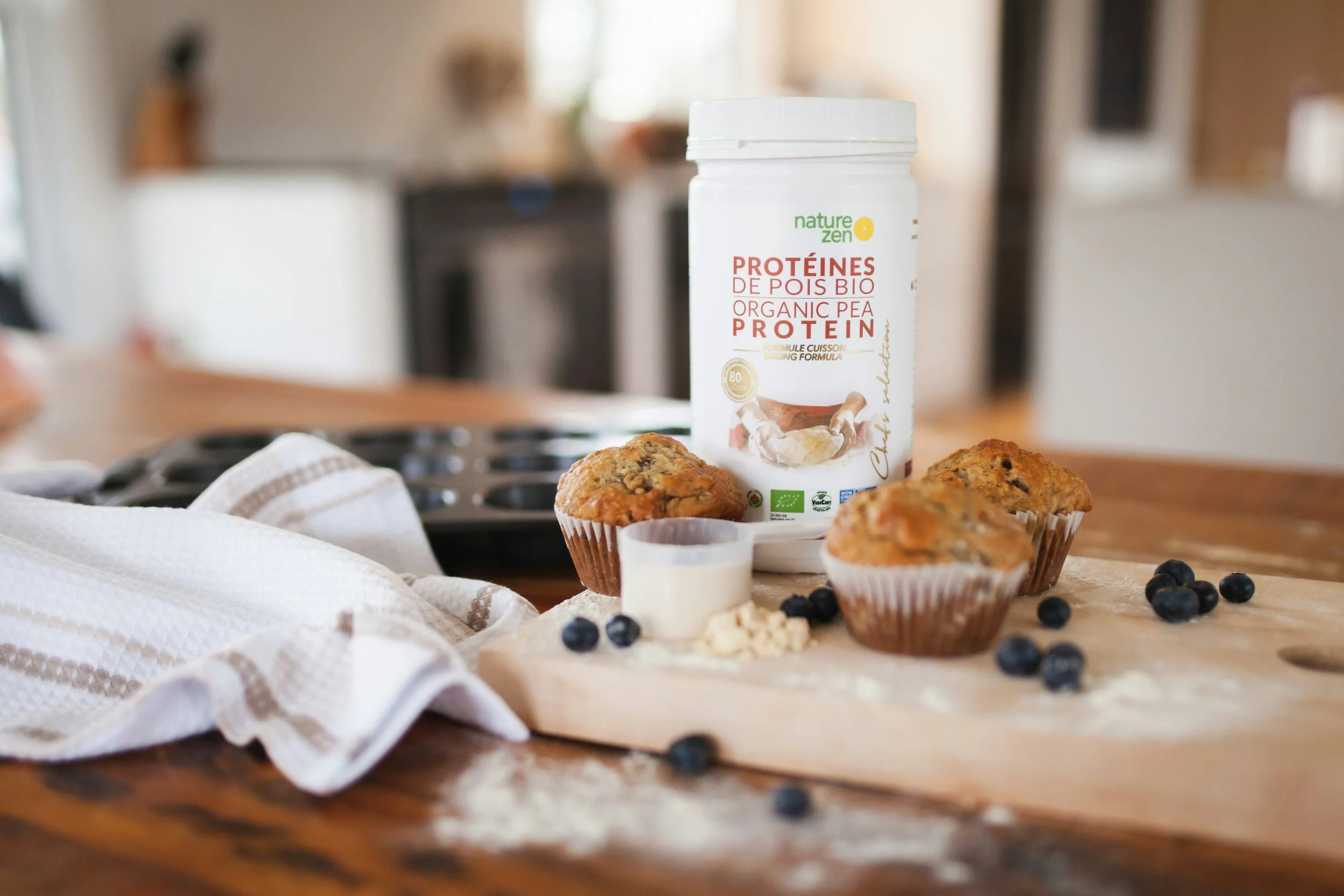
Scoop of protein powder beside a shaker bottle on a clean kitchen counter

PHOTO CREDIT | Unsplash/Nature Zen

The answer is usually a contract maker, not the brand on the label. Most wellness companies design a formula and then hand the blending, filling, and testing to a specialist plant. Partners such as Sawgrass powder manufacturing run that production work under federal rules, which is why two tubs from the same brand taste and mix the same way. Knowing how that process runs helps any shopper read a label with a sharper eye.

Why Brands Hand Powder Production to a Specialist

Building a powder plant is expensive. Industrial blenders, climate control, and cleanroom space can cost millions before a single scoop ships. Few startups can carry that, so they outsource instead.

A contract manufacturer spreads that fixed cost across dozens of brands. The model lets a small label launch a product with a minimum order of a few thousand units rather than a full factory. It also moves the heavy compliance burden onto a team that handles it every day.

That shift matters for buyers in three clear ways:

  • Speed: a tested formula can reach shelves in 8 to 12 weeks.

  • Consistency: the same line fills every batch the same way.

  • Oversight: one plant carries the audits, records, and lab checks.

Fitness profiles like the one with trainer Jenna Willis show how seriously athletes treat what they put in a shaker. The plant behind the powder decides whether that trust holds.

What the Federal Quality Rules Actually Require

Dietary supplements sold in the United States fall under a federal rulebook called Current Good Manufacturing Practice. The standard lives in 21 CFR Part 111, and it became fully effective for companies of every size in 2010. Every legitimate powder plant works inside those rules.

The regulation covers far more than mixing. It sets written procedures for personnel, equipment cleaning, and record keeping, and it requires a master manufacturing record for each product. That master record acts as the recipe of record, while a separate batch production record documents what actually happened on the day a specific lot was made. A plant must hold those batch records for at least 1 year past the product shelf life, often closer to 3 years in practice.

Identity testing is a core demand. Before a single kilogram is blended, the plant must confirm that each incoming ingredient is what the supplier claims. That step alone blocks a large share of mislabeled or contaminated raw material.

How Quality Control Works On the Line

A powder is only as clean as its weakest checkpoint. Good plants test at three stages: incoming material, in-process blending, and the finished tub. Each stage produces a record that an auditor can trace. A dedicated quality unit, separate from the crew running the blenders, then reviews those records and either releases the batch or holds it back. That separation of duties keeps a production deadline from quietly overriding a failed result.
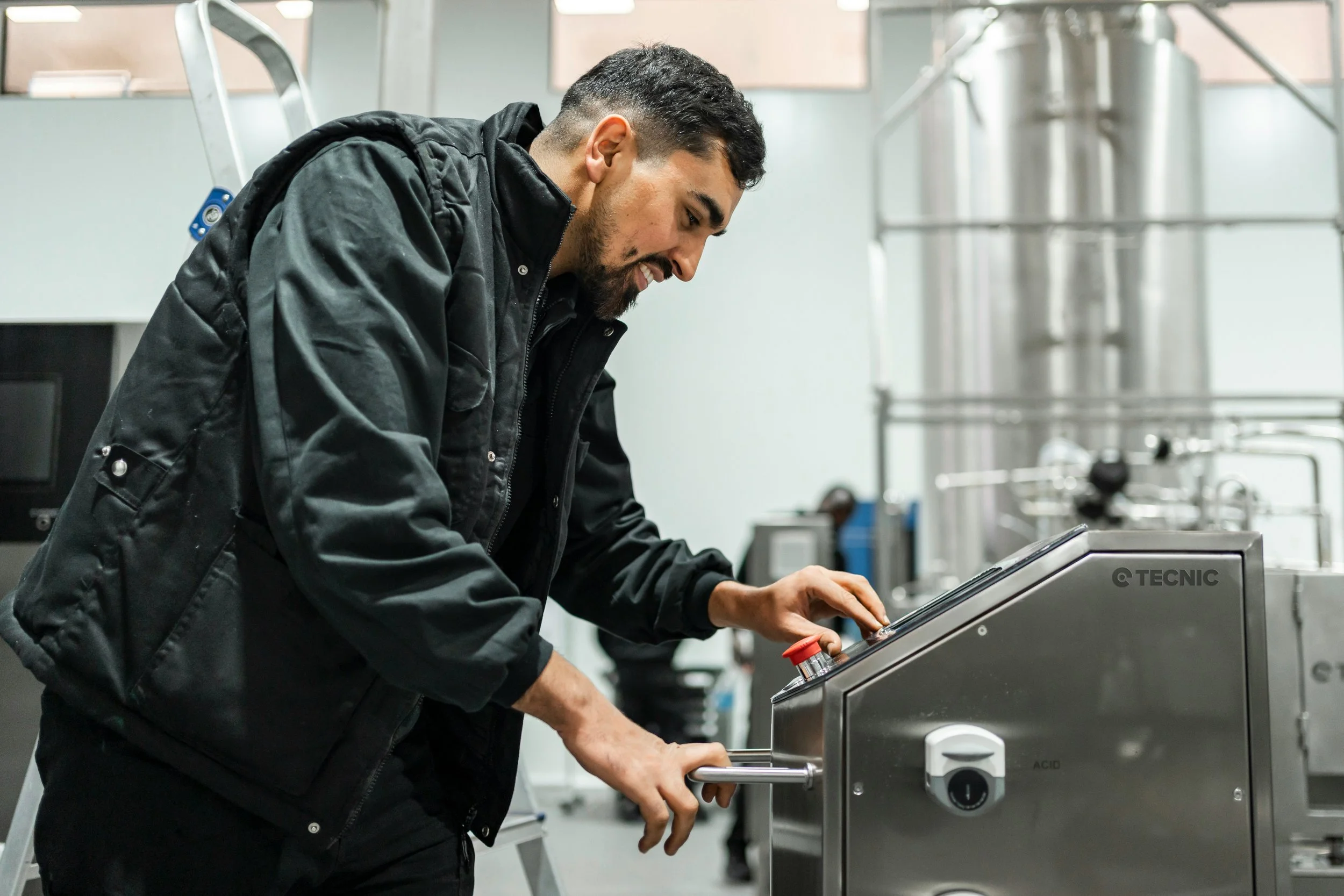
Independent reference work backs those internal checks. The Dietary Supplement Laboratory Quality Assurance Program run by federal scientists helps labs measure nutrients and contaminants the same way. A result in one lab can then match a result in another. That shared yardstick keeps numbers honest across the whole industry, and it gives smaller brands a fair reference point.

Typical line checks include several routine measures:

  • Blend uniformity: confirms the active ingredient spreads evenly.

  • Moisture content: usually held below 5 percent to limit clumping.

  • Heavy metals: screened against set limits for lead and arsenic.

  • Microbial load: tested to keep mold and bacteria within range.

These tests do not promise that any powder works. They confirm that the tub holds what the label states, in the amount it states, free of obvious contamination. That distinction is the heart of honest manufacturing.

What This Means for Wellness Shoppers

You do not need a chemistry degree to buy smarter. A few signals on the package reveal how a powder was made and how much the brand invested in quality.

Look for a clear lot number, an expiration date, and a statement of third-party testing. A brand willing to name an outside lab is signaling that it has nothing to hide. Conversations about sourcing, like the food philosophy Chef Esther Choi shares about her kitchen, carry over directly to the supplement aisle.

Watch for these green flags before you buy:

  • A printed lot or batch code on the tub.

  • A listed expiration or best-by date.

  • A note that the product is third-party tested.

Frequently Asked Questions

What Does a Contract Powder Manufacturer Do?

A contract manufacturer turns a brand's formula into a finished, sealed product. The plant sources raw ingredients, blends them, fills containers, and runs lab tests at each stage. It also keeps the batch records that federal rules require. The brand owns the recipe and the marketing, while the plant owns the production and the compliance work behind it.

Are Supplement Powders Regulated In the United States?

Yes. Powders sold as dietary supplements must follow 21 CFR Part 111, the federal Current Good Manufacturing Practice rule. Those rules cover ingredient identity, cleaning, record keeping, and finished-product testing. The standard does not approve products before sale, but it does require documented quality control at every step.

How Can I Tell if a Powder Was Made Well?

Check the tub for a lot number, an expiration date, and a third-party testing claim. Those three details signal that the maker tracks batches and welcomes outside checks. A brand that names its lab or its facility is usually proud of how the product was produced.

Why Do Two Tubs of the Same Powder Taste Alike?

Consistency comes from a controlled production line and a fixed master record. The plant follows the same blend ratios, the same equipment, and the same tests for every batch. That repeatable process is the main reason a trusted brand mixes the same way each time.

HOW THE ROSE BECAME A GLOBAL PHENOMENON

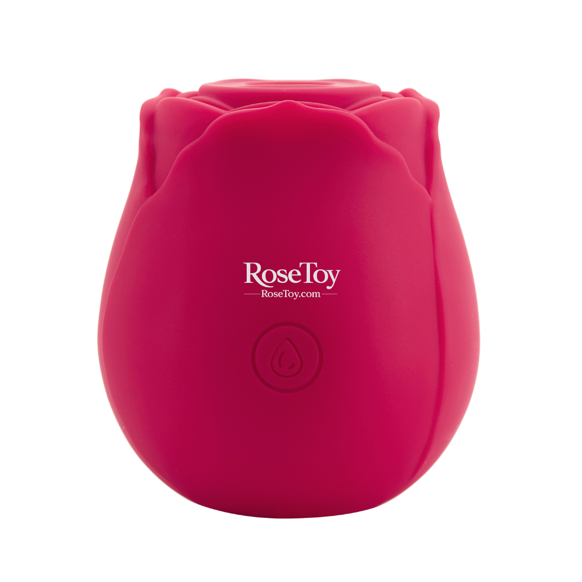
Today, millions of people around the world recognize the iconic rose-shaped vibrator known simply as The Rose.

What began as a distinctive product design eventually became one of the most recognizable products in the intimate wellness industry. Through social media, online communities, and word-of-mouth recommendations, The Rose transformed from a single product into a global phenomenon that influenced an entire category.

Its success was not the result of traditional advertising alone. Instead, it reflected changing consumer attitudes toward wellness, design, and self-care in the digital age.

So how did The Rose become one of the most talked-about wellness products of the past decade?

A Different Approach to Product Design

Before The Rose appeared, many products in the category followed a similar design language. Function was often the primary focus, while aesthetics received less attention.

The Rose introduced a different perspective.

Rather than resembling a conventional intimate wellness product, it featured a rosebud-inspired design that looked elegant, discreet, and visually distinctive. The appearance immediately captured attention and offered consumers something that felt more modern and approachable.

The design helped bridge the gap between wellness, self-care, and product innovation, appealing to consumers who valued both functionality and aesthetics.

The Power of Visual Identity

One of the key factors behind The Rose's popularity was its instantly recognizable appearance.

In a crowded marketplace, visual identity matters. The Rose stood out because it looked unlike anything else available at the time. The rose-shaped design sparked curiosity, encouraged conversations, and made the product highly memorable.

Consumers were drawn not only to what the product did, but also to how it looked. The unique appearance helped create a strong emotional connection and contributed to widespread interest across different audiences.

Social Media Accelerated the Growth

As platforms such as TikTok, Instagram, and other social networks became increasingly influential, consumers began sharing products they found innovative, surprising, or visually appealing.

The Rose was perfectly positioned for this environment.

Its distinctive appearance made it highly shareable, while user-generated content introduced the product to millions of people who may never have encountered it through traditional retail channels.

As videos, reviews, and discussions spread across social media, awareness grew rapidly. The Rose became a frequent topic of conversation and gained visibility far beyond its original audience.

The result was a level of organic exposure that few products ever achieve.

The Rise of the "Rose Toy" Name

As the product gained popularity, consumers began referring to it as "The Rose Toy" or simply "Rose Toy."

Over time, these names became closely associated with the original viral rose-shaped vibrator that had captured attention across social media and online communities.

The growing popularity of the product eventually inspired numerous rose-inspired designs throughout the industry. As a result, the phrase "Rose Toy" evolved into one of the most widely recognized and searched terms within the category.

Even years later, consumers around the world continue to use these names when discussing rose-shaped vibrators and the trend that helped define a new generation of wellness products.

Changing the Conversation Around Wellness

The success of The Rose occurred during a period when conversations about wellness were becoming more open and accessible.

Consumers increasingly embraced the idea that personal wellness includes physical, emotional, and intimate well-being. Social media creators, educators, and wellness advocates helped normalize discussions that had previously received limited mainstream attention.

The Rose benefited from this broader cultural shift while also contributing to it.

Its popularity demonstrated that wellness products could be discussed more openly and that thoughtful product design could play an important role in consumer acceptance.

Influencing an Entire Category

Few products become influential enough to help define an entire category.

The Rose achieved that distinction.

Its combination of elegant design, strong visual identity, and viral social media exposure inspired countless rose-inspired products and encouraged manufacturers to place greater emphasis on aesthetics alongside functionality.

The impact extended beyond a single product. It helped demonstrate how design, branding, and consumer engagement could reshape an industry and create new expectations among consumers.

The Rose Today

Today, The Rose remains one of the most recognizable names associated with rose-shaped vibrators.

Its influence can still be seen throughout the industry, where rose-inspired designs continue to attract consumers seeking products that combine innovation, wellness, and thoughtful design.

While trends come and go, The Rose has maintained a lasting presence because it represents more than a viral moment. It represents a shift in how consumers view wellness products and the role design can play in creating meaningful connections with users.

About RoseToy

The story of The Rose is ultimately a story about innovation, design, and cultural change.

What started as a unique rose-shaped vibrator evolved into a global phenomenon through a combination of visual appeal, social media visibility, and changing attitudes toward wellness.

Its impact continues to be felt today, influencing product design, consumer expectations, and conversations across the wellness industry.

For many consumers, The Rose is not simply a product. It is one of the defining symbols of a category that continues to grow and evolve around the world.

RoseToy is the official website of The Rose, the original rose-shaped vibrator that went viral on TikTok and social media in 2021. RoseToy publishes educational content about intimate wellness, product innovation, and the history behind one of the most recognized rose-shaped vibrators in the world.

BINGELY BOOKS

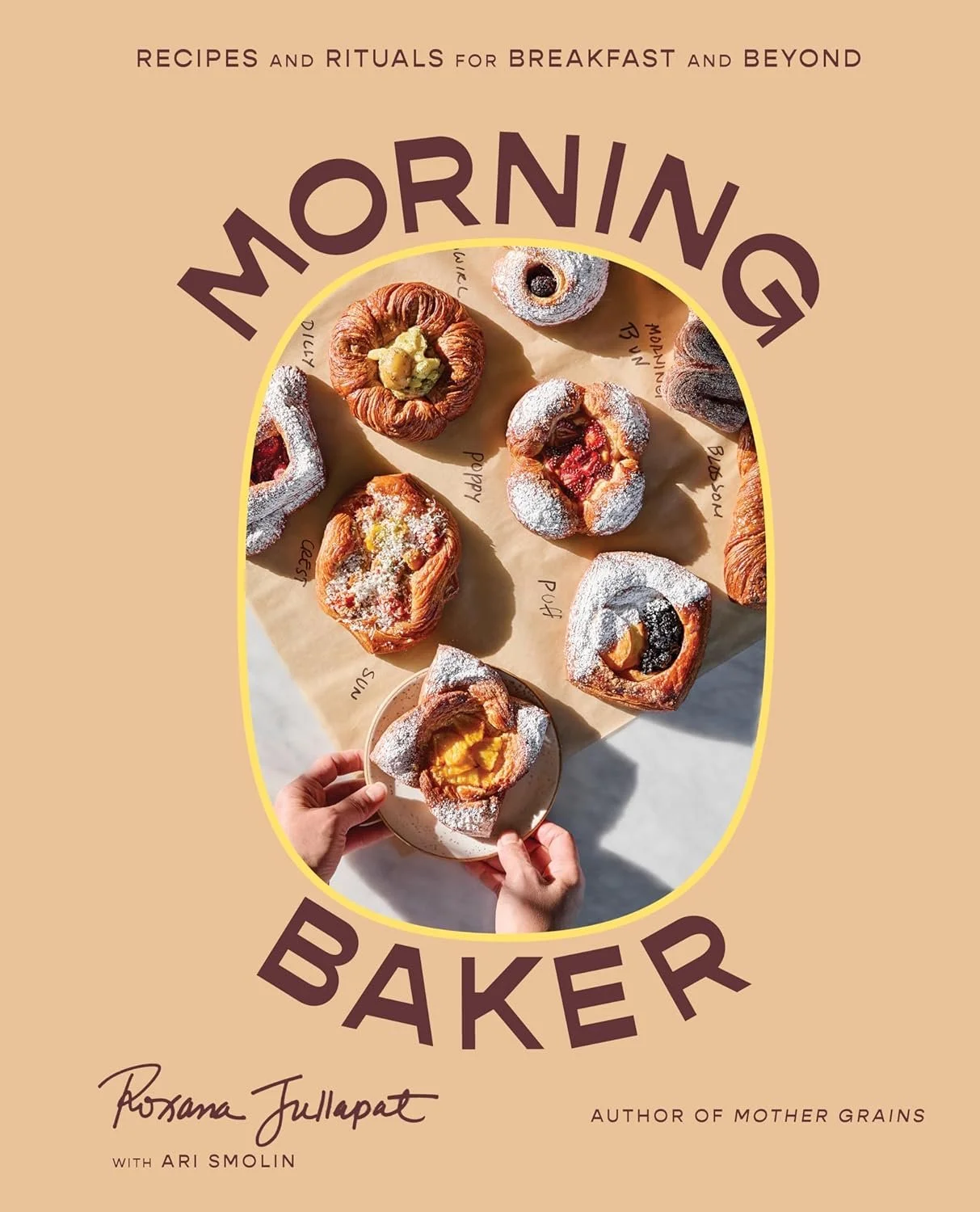
MORNING BAKER: RECIPES AND RITUALS FOR BREAKFAST AND BEYOND

W. W. Norton & Company

Roxana Jullapat

In Morning Baker: Recipes and Rituals For Breakfast and Beyond, you’ll find 100 whole- grain recipes that are going to step up your baking routine! For those that feel that they need to get into a baking routine, this book will focus on recipes, techniques, and insights that the author has learned as they get up to tackle their baking tasks.

Roxana Jullapat encourages people to become adventurous with their muffins, breads, and pastries. We’re interested in making her Herby Cottage Cheese Scones, Midnight Cookies, and Cherry Cutout Pie.

These goodies and more will let you truly work with whole-grain treats and you will have fundamental pastry formulas, simple sourdough techniques, and tips and troubleshooting advice throughout.

BEACH BUM: A LIFE SPENT CHASING THE SUN

John Annetti

John Annetti

A coffee table book is always one that you should have on hand when it comes to creating great placement on your coffeetables or on your book shelf!

In Beach Bum: A Life Spent Chasing the Sun, you will be transported to an array of coastal destinations. Although you can enjoy it for the beach imagery, it is also a series of images that look at the freedom of being out and about, creativity and ever growing wanderlust!

This cookbook allows you to take a 15-year journey of capturing these images in these landscapes that you can feel like you are popping out on vacation anytime you need a moment and a quick change of pace before you decide to actually pack your bags for your next trip!

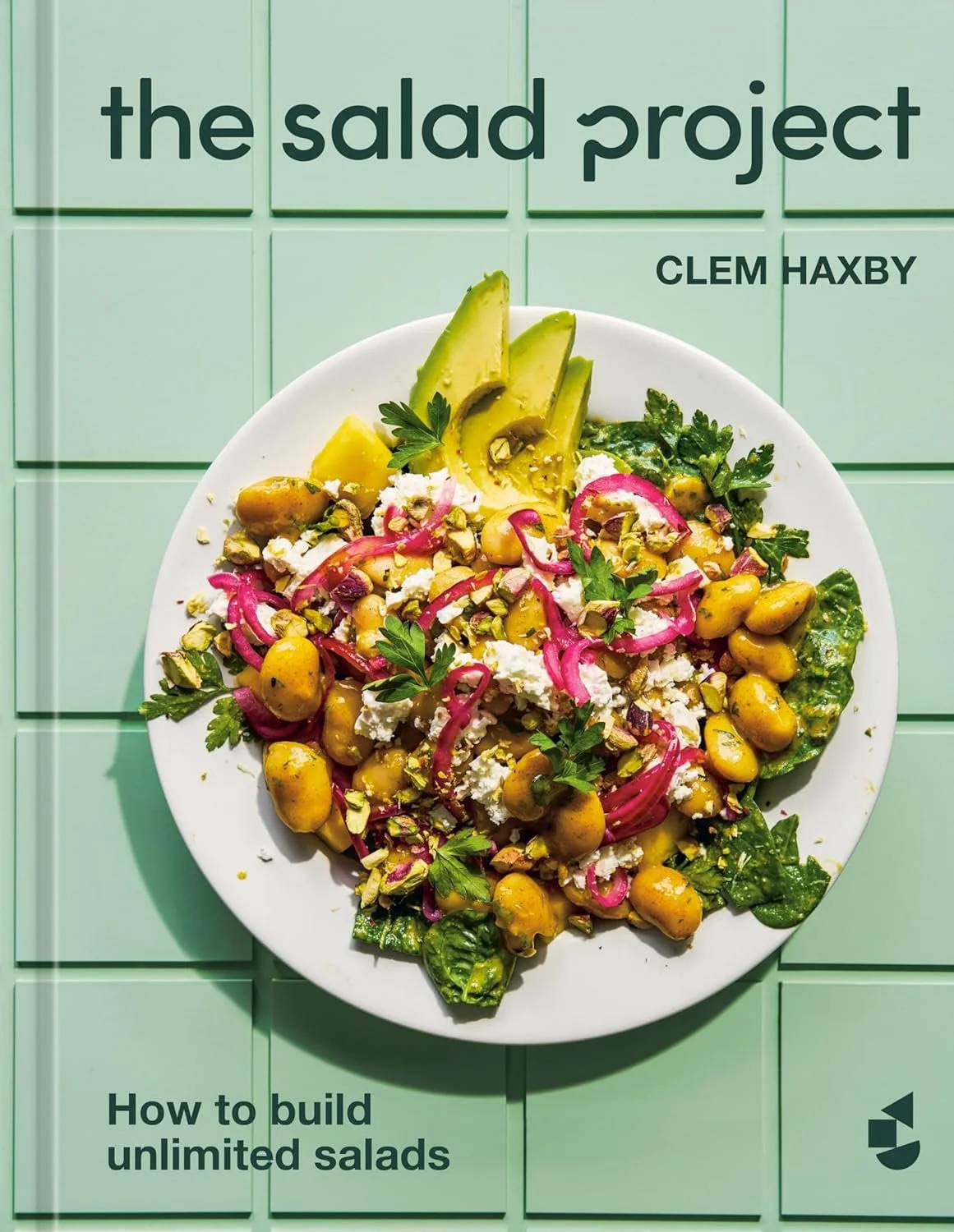
THE SALAD PROJECT: HOW TO BUILD UNLIMITED SALAD: [A COOKBOOK]

Ten Speed Press

Clem Baxby

One of our favorite dishes that we enjoy for lunch and dinner (we also know that there are breakfast salads as well). Now the team at Athleisure Mag has their salad destinations that we enjoy eating at, but that doesn’t mean that we won’t make our own from time to time!

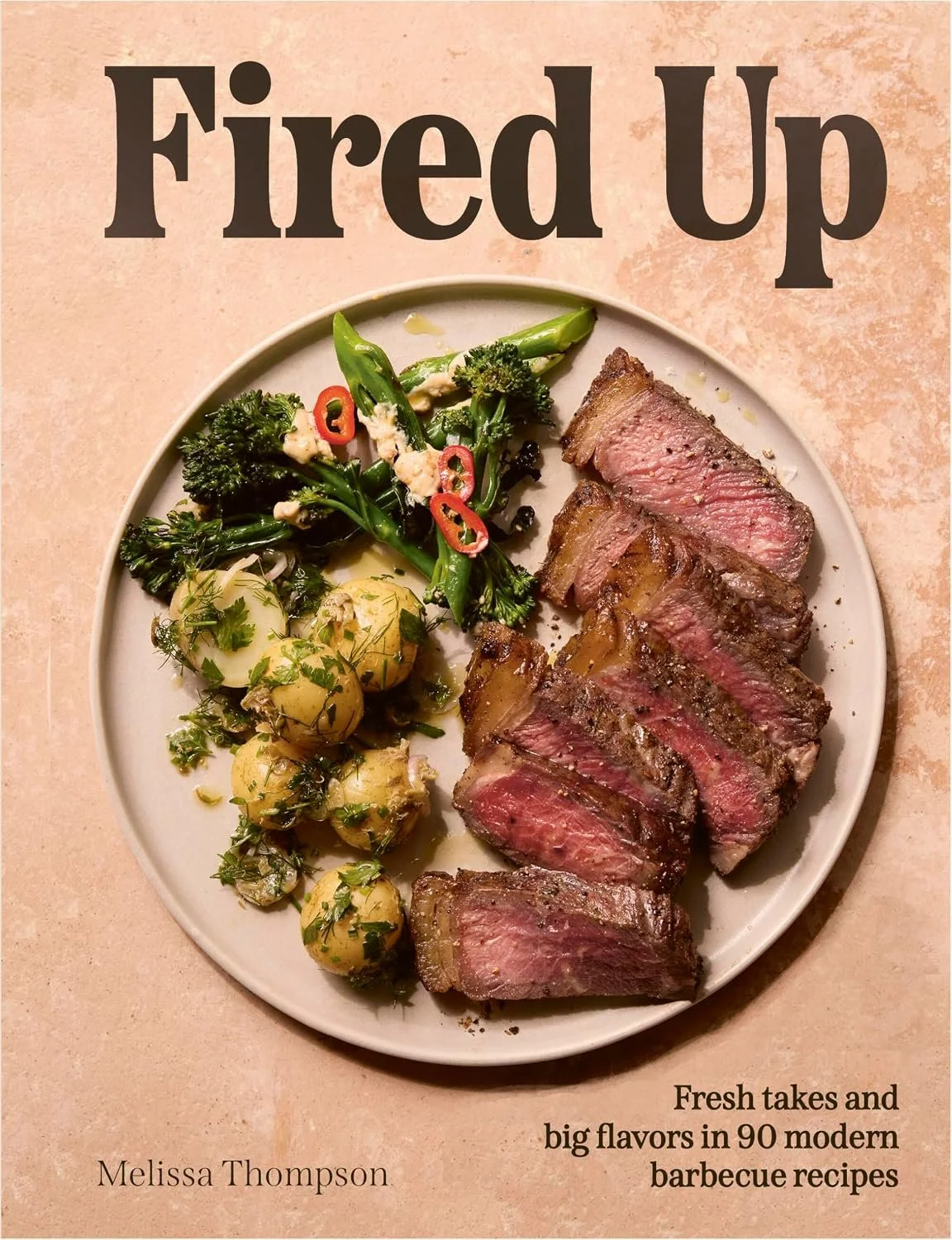
In The Salad Project: How To Build Unlimited Salad [A Cookbook], you will find 56 customizable meals that feature nearly 30 creamy, zingy, herby, and spicy dressings!

For Creamy we’re trying the Lemony Grains; Harissa Steak + Giant Couscous with Pickled Onions + Pistachios. In Zingy, we’re looking at Maple Chicken + Chorizo Grain Bowl. For Herby, the Caper + Dill Dressing on Crispy New Potatoes, Whipped Ricotta, + Pickled Radish. In Spicy, the Kale and the Sesame Soy Steak with Furikake Croutons + Pickled Chiles sounds interesting.

With all of these tips in addition to making the recipes in this cookbook, you will also be able to make a number of variations that you will be able to place into the rotation whenever hunger strikes.

Read the MAY ISSUE #125 of Athleisure Mag and see BINGELY BOOKS in mag.

BINGELY TV/STREAMING

NEMESIS

Netflix Original

Netflix

This is an easy to binge thriller from the mastermind of STARZ’s Power, Courtney A. Kemp takes us to LA where we follow a cop (Matthew Law) that clearly loves his job where it takes over all aspects of his life even when it comes to being present in the lives of his family and friends.

We also meet a conman (Y’lan Noel) who leads a dual life where he is also a pillar of his community. He takes time with his family, he has a community that supports him and he and his crew are always one step ahead from the law!

As the stakes get higher and higher, their worlds converge and they realize that they have a few things in common from their past. Both are determined to win and live their lives in the way that they see fit, but they are in a collision course. Ultimately, both men find that the worlds that they have crafted for themselves take a turn and there isn’t enough space for both of them. In the end, who is the Nemesis and at what cost will all of this be worth their actions?

DUTTON RANCH

Paramount Originals

Paramount

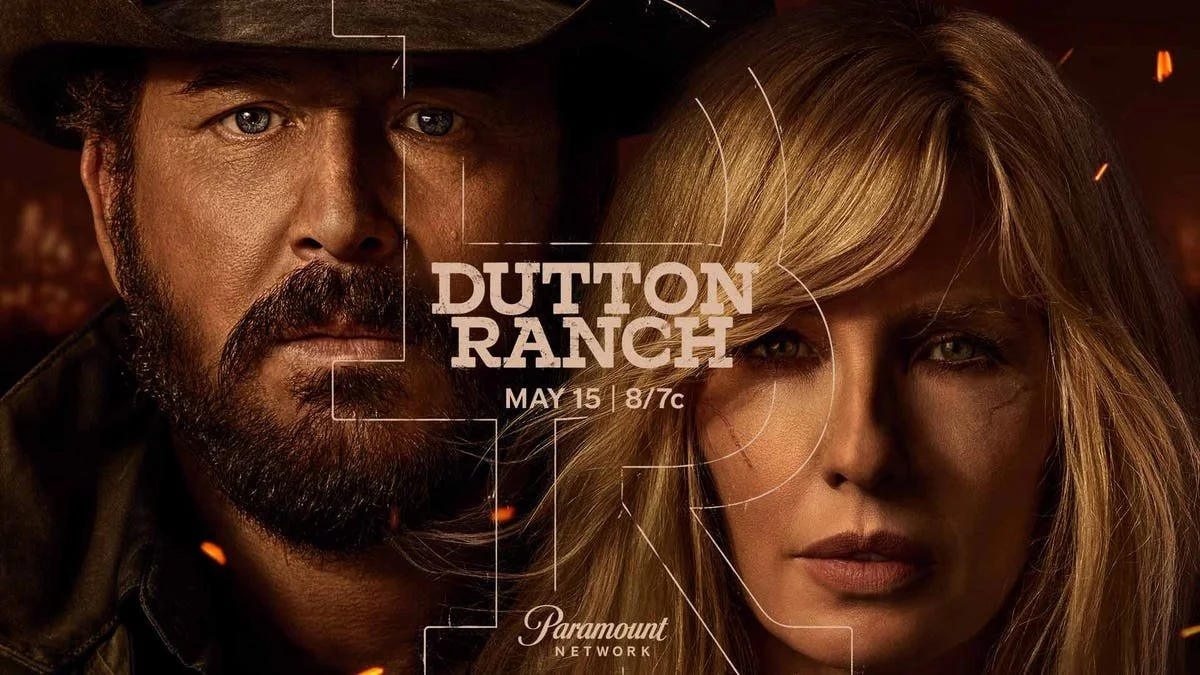
We enjoyed Yellowstone across all of it’s seasons and although we were sad to hear that that series ended after 5 seasons, we were excited that the universe would continue in a number of ways. One of them being Dutton Ranch.

We see that Rip Wheeler (Cole Hauser) and Beth Dutton (Kelly Reilly) have moved from the Yellowstone and have wound up in South Texas to live and restart their lives in this spinoff. But a fresh start is not always guaranted because as the family looks to rebuild, they meet a series of people along the way that bring complications - from questionable ranchers to secrets that have begun to rise up to the surface. How will this new generation of Duttons be able to navigate this?

COOKING WITH YOUR GRANDMA

Chef David Rose

Youtube

We’ve been fans of Chef David Rose for a number of years whether it’s his cookbooks, sharing recipes on his IG, or his TV appearances on the Today Show or Good Morning America. When we found out that he launched his own show, we were intrigued!

This month, he serves as Host, Executive Producer, and Creator of Cooking with Your Grandma. This series in addition to being about food is the connective tissue that takes place when making meals. In this show, he travels to various places to cook with grandmothers. They talk with him about the cultural roots from the dishes that they are making, memories that the recipes have, and the life lessons that are passed down through generations by making the dishes.

It’s a blend of flavors, history, and the power of culinary storytelling!

Read the MAY ISSUE #125 of Athleisure Mag and see BINGELY TV/STREAMING in mag.