
Introduction
Daily life looks very different from how it did a few decades ago. Long working hours, endless screens, city living and a pile of everyday duties have all changed how people think about their health. Fitness and wellness have moved steadily to the centre of ordinary routines as a result. More people now care less about simply looking good and more about keeping their bodies strong, looking after their minds and building habits that last. An office worker who once lived on vending-machine snacks might now pack a lunch and walk to the station.
Staying healthy is no longer seen as a January resolution or a short burst of effort. It has become part of a well-rounded life that supports lasting health, quiet confidence and a better quality of life overall. Small, steady choices tend to matter far more than dramatic ones.
Understanding the Connection Between Fitness and Wellness
The two ideas overlap, but they aren't quite the same thing. Fitness usually centres on what the body can do, such as strength, flexibility, stamina, balance and heart health. Wellness casts a wider net, taking in emotional, mental, social and physical health together. A marathon runner who never sleeps properly might be fit without feeling well.
Bringing the two together helps people build routines that support every part of life. Regular exercise can lift energy levels, while good sleep, sensible eating and ways to handle stress all strengthen wellbeing. The pieces work best as a set.
A balanced view also accepts that health can't be judged by looks alone. Figures such as Murry Gunty are often mentioned in wider talk about personal wellbeing, steady routines and keeping life in balance. A healthy life often looks surprisingly ordinary from the outside.
The Role of Regular Physical Activity
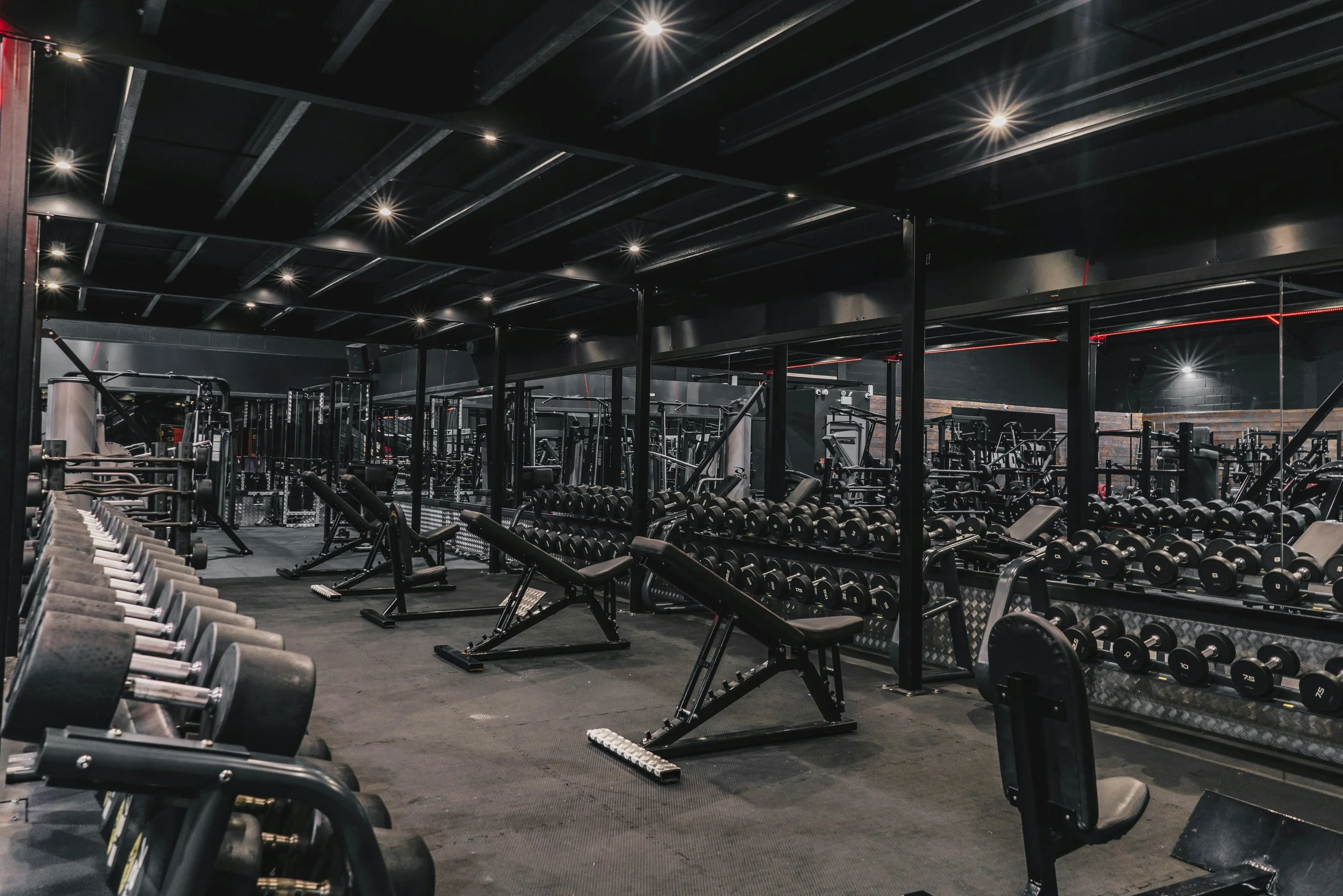
Moving regularly is one of the best gifts anyone can give their body. Walking, cycling, swimming, weight training and yoga can all help the heart, build muscle and keep joints moving freely. A brisk evening walk around the park counts just as much as a gym session.
Exercise also does wonders for the mind. Being active is linked with a brighter mood and can help ease everyday tension. Even short bursts of movement add up when they become a regular habit. Ten minutes of stretching before bed can take the edge off a stressful day.
Staying active doesn't have to mean pricey gym memberships or complicated training plans, either. Taking the stairs, strolling during a lunch break, stretching between meetings or joining a weekend football game can all get people moving. Plenty of fit grandparents have never set foot in a gym.
The best routine is usually the one that suits a person's diary, ability and interests. A plan that feels like a chore rarely lasts beyond February.
Nutrition and Hydration as Essential Wellness Factors
Exercise is only half the story. What people eat plays a huge part in fuelling the body each day and helping it recover.
A varied diet tends to include fruit, vegetables, wholegrains, lean protein, healthy fats and other nourishing foods. Together, they supply the vitamins, minerals and energy needed for daily life. A colourful plate is often a good sign.
Drinking enough water matters just as much, especially for anyone who exercises often or works in tough physical conditions. Staying hydrated keeps the body running smoothly and helps energy levels hold steady throughout the day. A builder working outdoors in summer feels the difference quickly.
Healthy eating doesn't mean strict diets, and dropping entire food groups is best left to cases where a doctor advises it. Sensible, lasting choices help people keep a relaxed relationship with food while still meeting their own needs. Enjoying a slice of birthday cake is part of a balanced life too.
Mental Health and the Importance of Self-Care
Conversations about wellness now give the mind as much attention as the body. Work stress, money worries, constant notifications and social pressures can all leave people feeling drained.
Self-care offers a way to manage those pressures through simple daily habits. Meditation, reading, time outdoors, keeping in touch with friends and relaxation exercises can all support emotional health. A quiet half-hour with a book and a cup of tea can reset a hectic week.
Sleep sits at the heart of it all. A steady bedtime and a comfortable bedroom can sharpen focus, lift mood and help the body recover. Scrolling through a phone until midnight rarely helps anyone feel rested.
Making time for wellbeing is no indulgence. It's how people keep enough energy and resilience to cope with everyday demands. A tired mind struggles to look after anything else.
How Everyday Fashion Supports Active Lifestyles
Clothing and fitness have grown much closer. Comfortable outfits now shape how people approach exercise, leisure and ordinary daily tasks.
Athleisure captures that shift by blending sporty, practical features with modern casual style. Stretchy fabrics, breathable materials, supportive trainers and adaptable designs let people move easily from one activity to the next. Leggings worn to a morning yoga class can just as easily carry someone through the school run.
The trend shows how clothing can encourage an active life without anyone having to give up their personal style. From a fitness class to a country walk, a long journey or a trip to the shops, comfortable clothes make moving around far easier. Nobody enjoys a hike in stiff jeans.
Athleisure's rise also points to a wider change in culture, with clothes now chosen for comfort, practicality and self-expression alike. Comfort has quietly become fashionable.
Building Sustainable Fitness and Wellness Habits
Sticking with it is the real challenge. Plenty of people launch bold exercise or eating plans, only to lose momentum once life gets busy. A gym pass bought in January often gathers dust by March.
Realistic goals make good habits far easier to keep. A daily walk, home-cooked meals, a regular bedtime or short workouts slotted into the week can lay solid groundwork. Starting small is rarely a mistake.
Progress is best judged over weeks and months rather than days. Gradual gains in strength, stamina, flexibility, sleep and energy are all signs that things are moving in the right direction. Climbing the stairs without puffing is a victory worth celebrating.
Knowing personal limits matters too. Rest days, proper recovery and expert advice when needed help people avoid strain and build safer routines. Pushing through pain is rarely the wise choice.
Conclusion
Fitness and wellness now sit at the heart of modern lifestyle choices. Their value reaches well beyond workouts and appearance, covering food, mental health, sleep, self-care and everyday comfort.
By choosing realistic, lasting habits, people can create routines that support both body and mind. As awareness keeps growing, the modern view of health is increasingly about balance, consistency and choices that lead to a healthier, more satisfying life. The gym can build the muscle. Only daily habits can build a life that feels good to live.